Transcription is ultimately about a pact we must make when we read fiction.
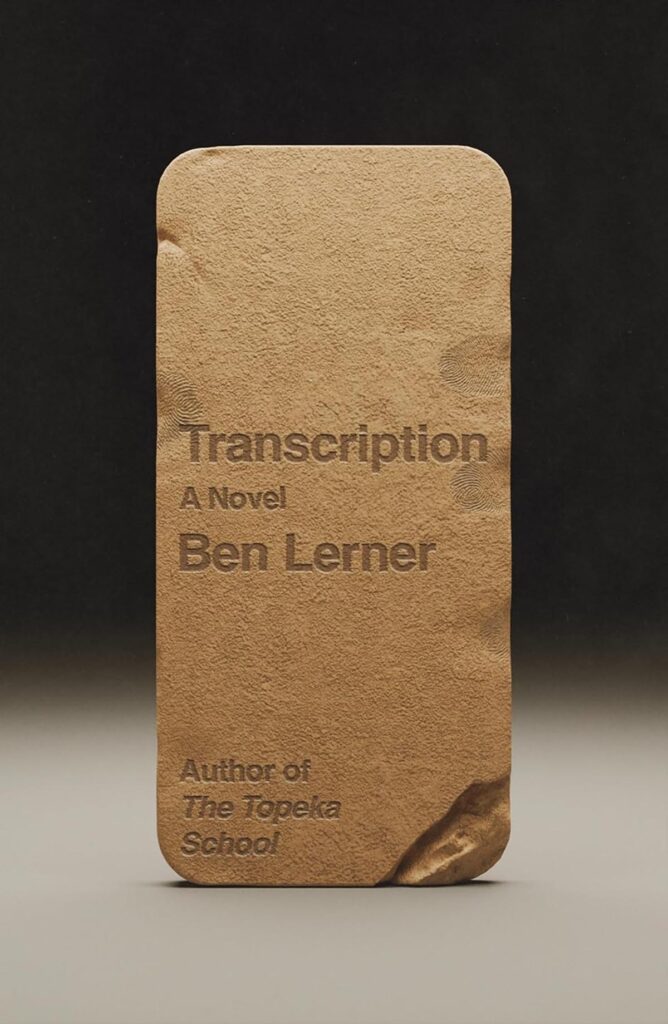

Transcription is ultimately about a pact we must make when we read fiction.
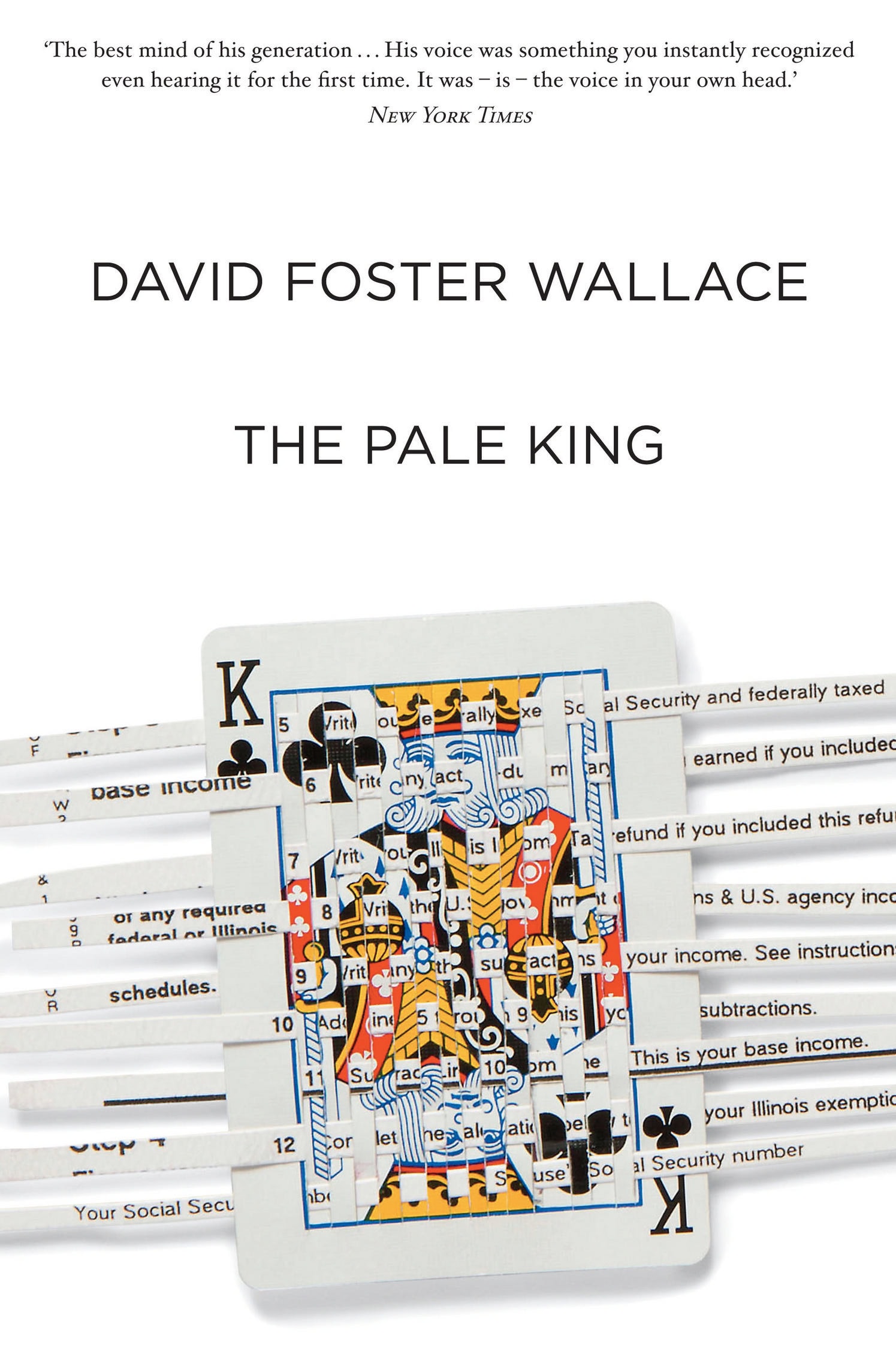
A “review” of sorts that makes no pretence to politeness gets to the core of the problem for skeptics.

Never before has the author committed so persistently to building and exploring the images that haunt his body of work, and to omitting anything in the way.
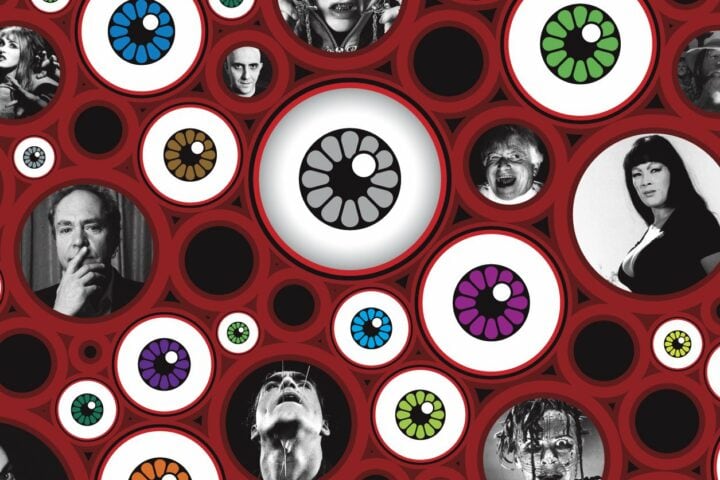
Entertainers focused on their own sense of self, such as performance artist Brother Theodore and filmmaker/actor Crispin Glover, are wonderfully loopy stunt interviews.

These days, any comic by Daniel Clowes or Seth unmistakably belongs to each man—in the style of their lines, the speech of their characters, and the mood of their fictional worlds.
After finishing Storycraft, I know I won’t be applying for an MFA in creative writing anytime soon, but I may in the future add a few more writing guidebooks to my reading shelf.

What we can glean from the story comes to us in the form of characters defined not by marriage, but by sex—the having of it, the anticipation, and the desire to explicate of it.

Harbach’s winning debut novel takes great advantage of its cozy narrative confines, though its final pages are perhaps too enamored of them.
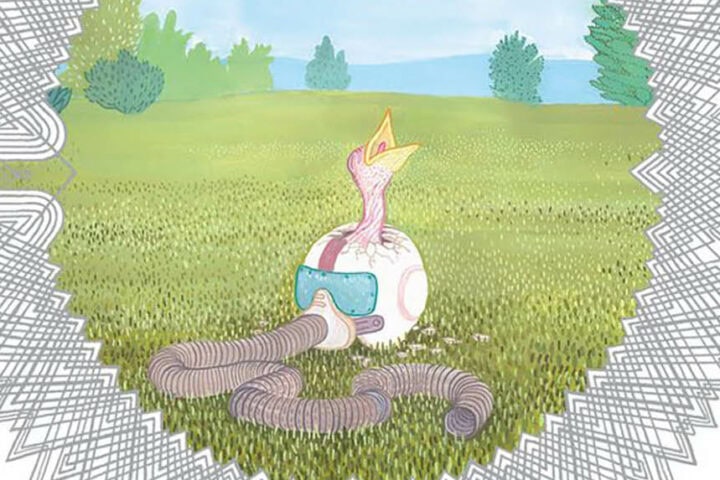
Sometimes it’s difficult to tell which sort of minimalism is brilliant, the writing that’s the tip of an iceberg, and which sort is lazy, the writing that’s just a few crumbs and nothing more.
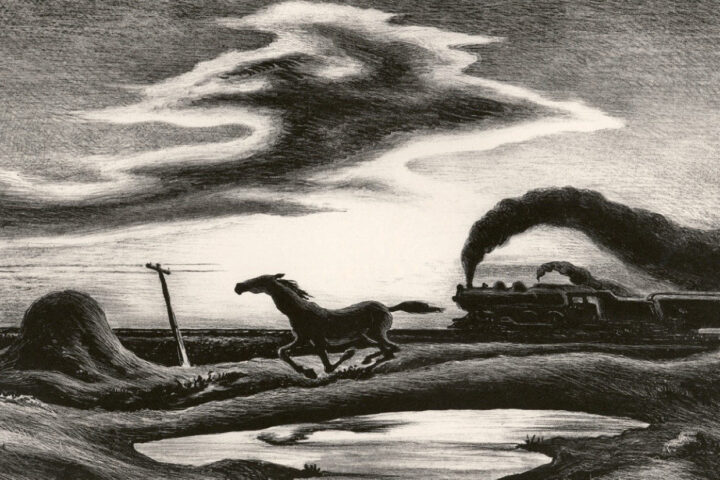
It makes two very notable exceptions to make clear what it’s after, introducing us to its subject well past his birth and receding from his death at the book’s conclusion.

Much of the novel’s prose reads like a screenplay, with tedious descriptions of props, settings, and physical actions.

As far as The Night Circus is concerned, it’s a predictable love story by way of a baffling revenge story.
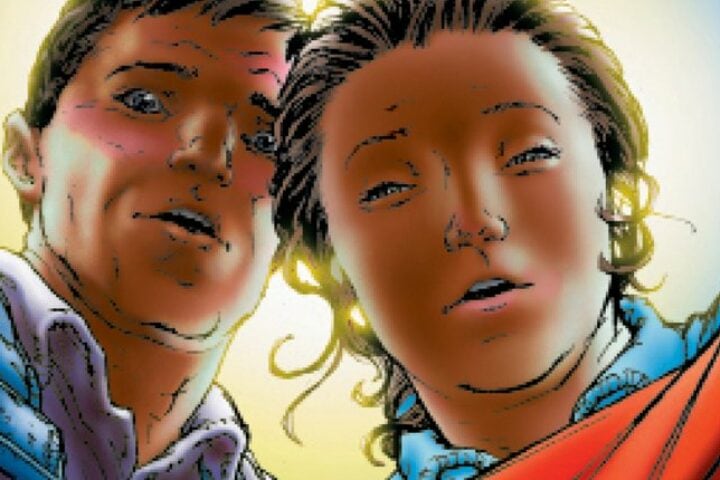
Rarely operating as agents of actual literature, the superheroes are instead portrayed as foils, projections, and countercultural symbols—ideas, the things that stand for things.
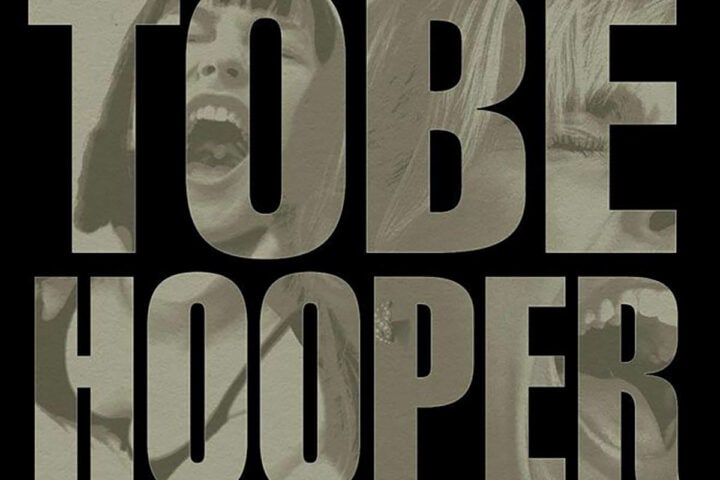
Midnight Movie has a surprisingly ambitious structure, as Hooper is aiming for the novelistic equivalent of the vérité approach that was so effective in The Texas Chainsaw Massacre.

The Curfew manages to be a pretty original leftfield entry in the canon of dystopian literature because it doesn’t simply present the resigned apathy of a common citizen as a given.

The book’s prose is restless and extremely private, reflecting in its rhythms and selective attentions the ways in which the characters think without ever revealing exactly what.
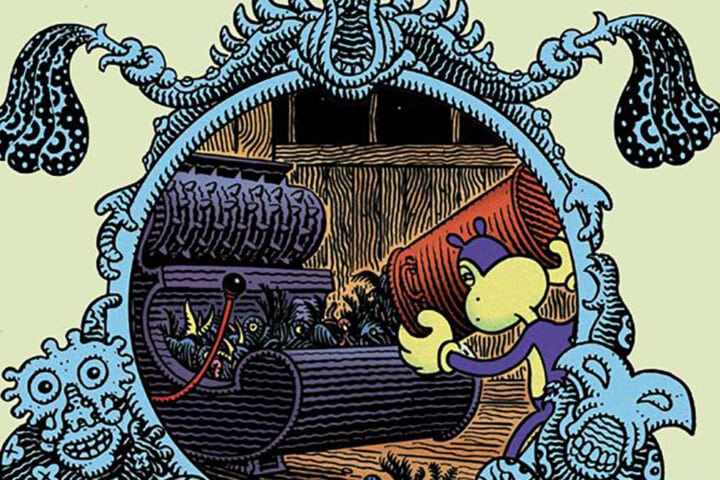
Reading Congress of the Animals is like playing a pirated video game that has no menu, no instructions, no map of where you’re going.

Perhaps, to care deeply for humanity entails being greatly disappointed by human stupidity, violence, laziness, treachery, by our failure to face peaceably our finitude and our mortality.

Nothing really takes place in Motti. And that seems to be the point. It may be dull, but so is life, or most of it.

Intern Nation asks some serious questions about labor and internships and how young people make it into the world these days.

In the course of discussing Edouard Levé’s final work, Suicide, it’s probably impossible to forego mentioning the author’s own suicide.