Transcription is ultimately about a pact we must make when we read fiction.
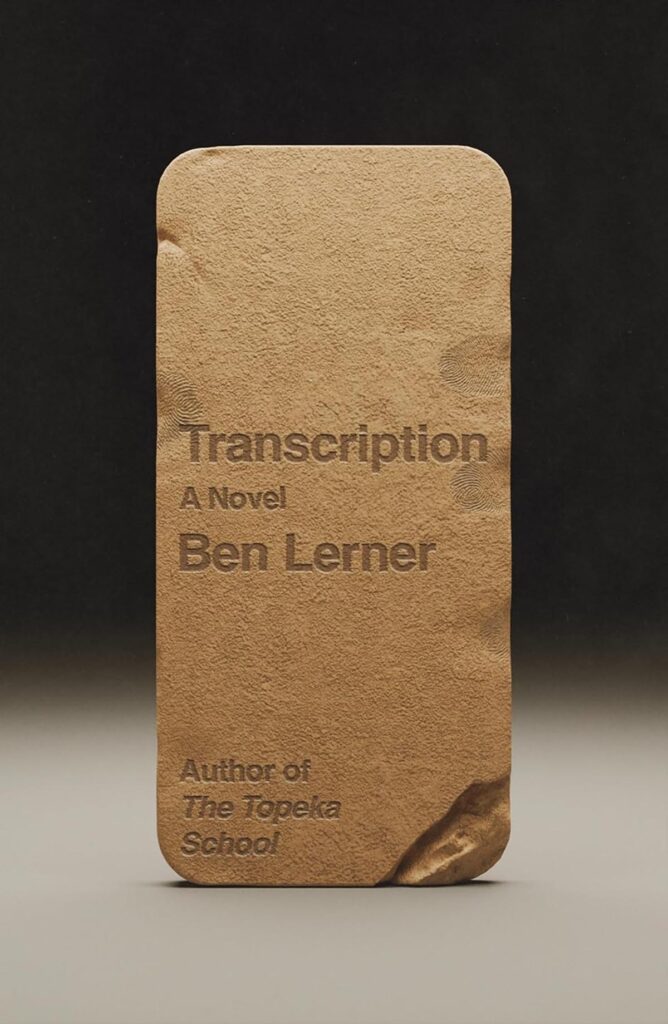

Transcription is ultimately about a pact we must make when we read fiction.
In a lot of ways, See Now Then tries to be like a Virginia Woolf novel, particularly To the Lighthouse.

If Basinger’s methodological means lack revelation, they’re compensated through several canny observations, mostly related to on-screen personas.

Instead of understanding the femme fatale as a genre staple, Grossman wants to dispense of the characterization altogether.
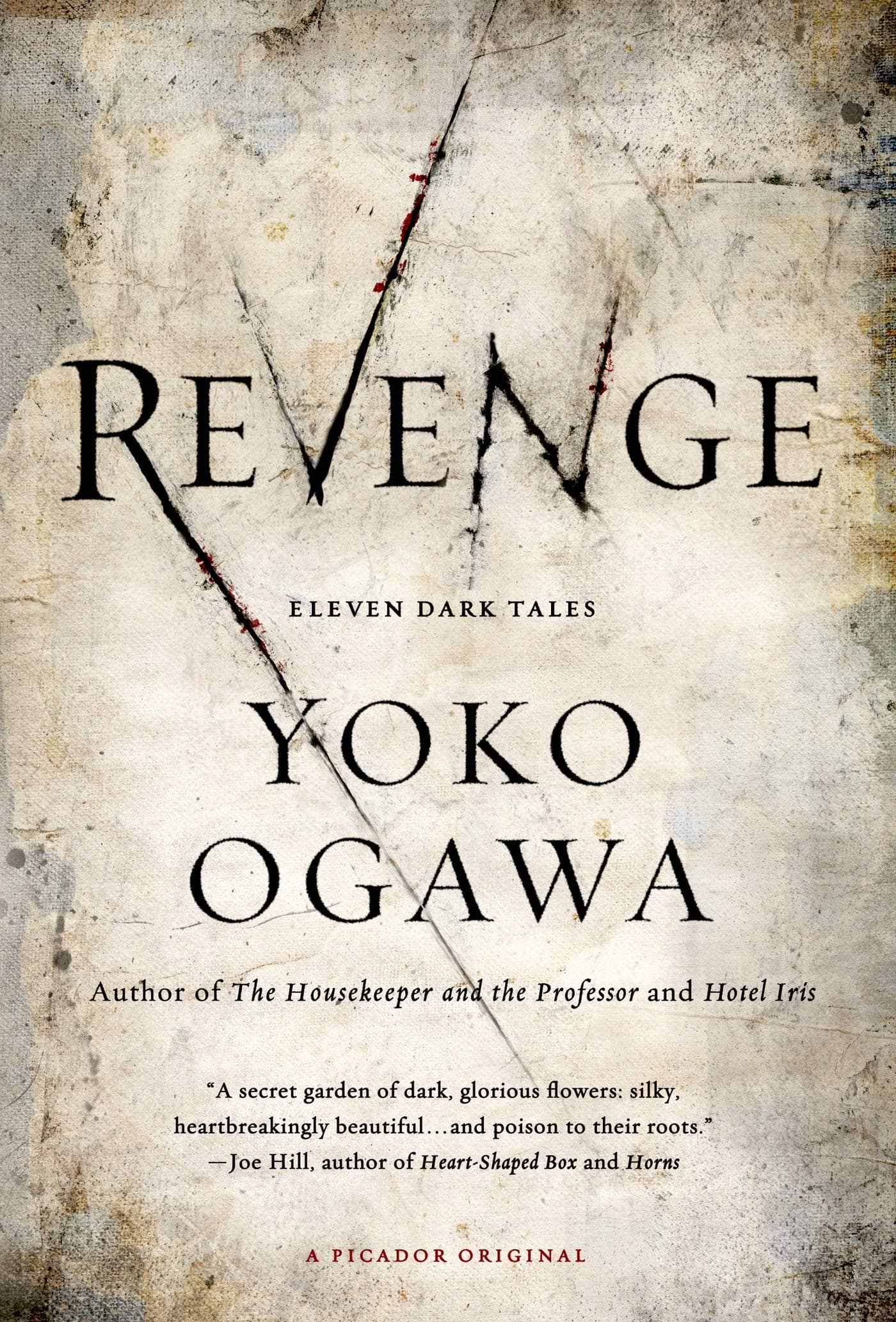
There’s a chill to all the stories in Yoko Ogawa’s latest that will be familiar to anyone who knows the Japanese author’s work.

In terms of demographics, Dario Argento is clearly intended as a text for both newcomers and knowledgeable fans alike.
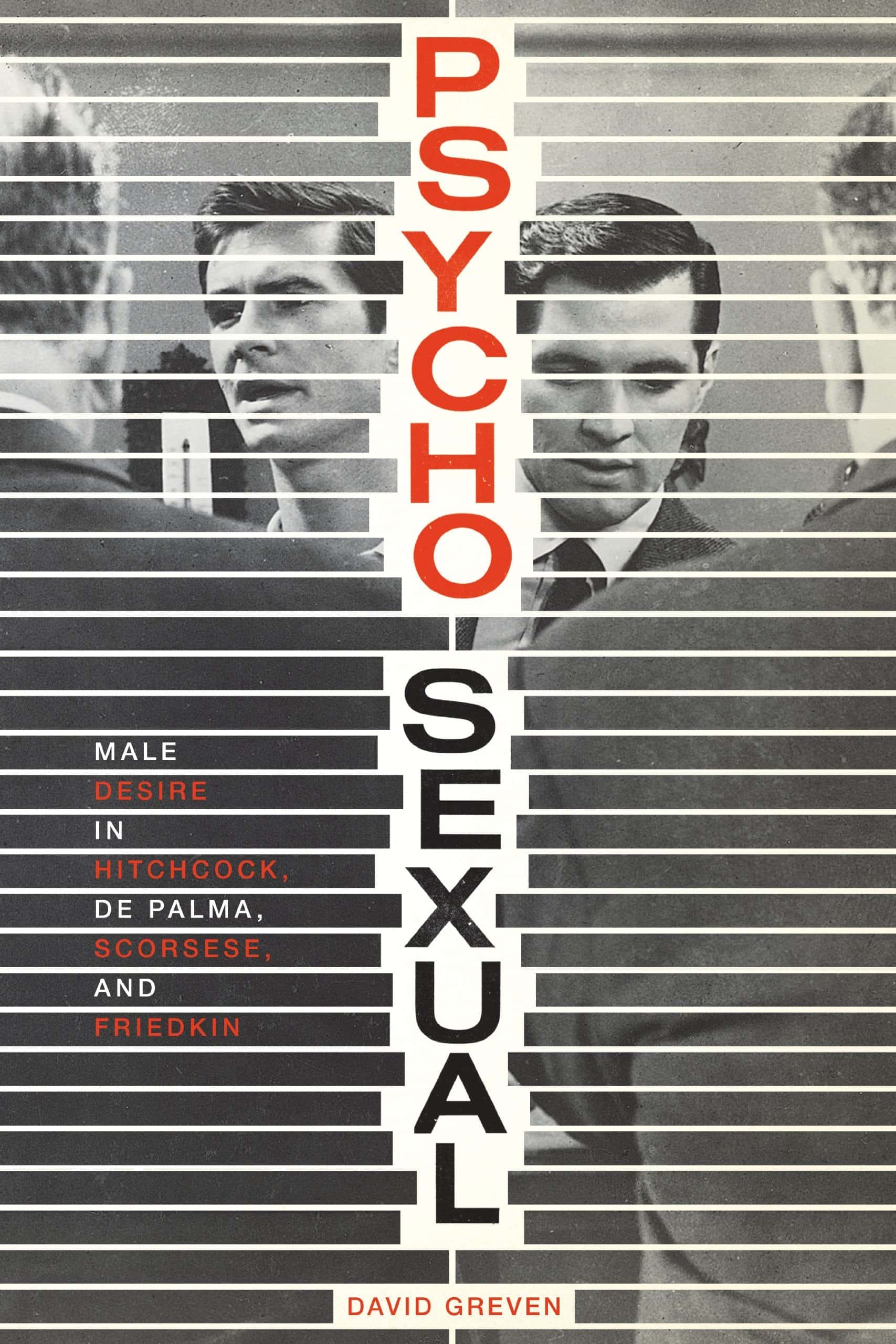
Greven’s analysis is fluid and detailed, while excavating exhilarating thematic linkages between all filmmakers.
Throughout, Morgan depends on readers to maintain pace with his seemingly ad hoc critical mode.
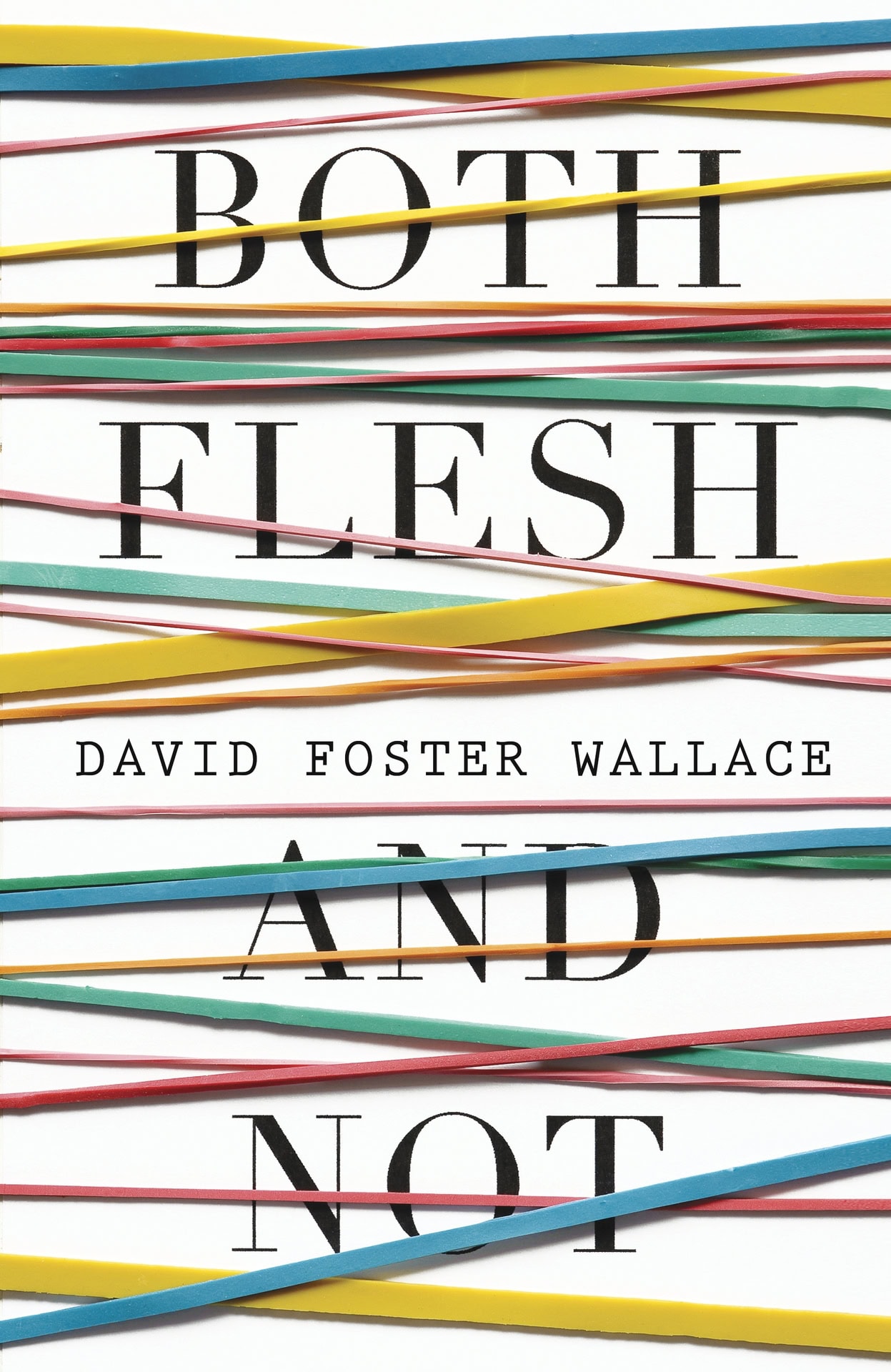
What’s in store from there is a series of four or five other essays as long and verbose and warm-blooded as anything in the author’s two previous nonfiction collections.
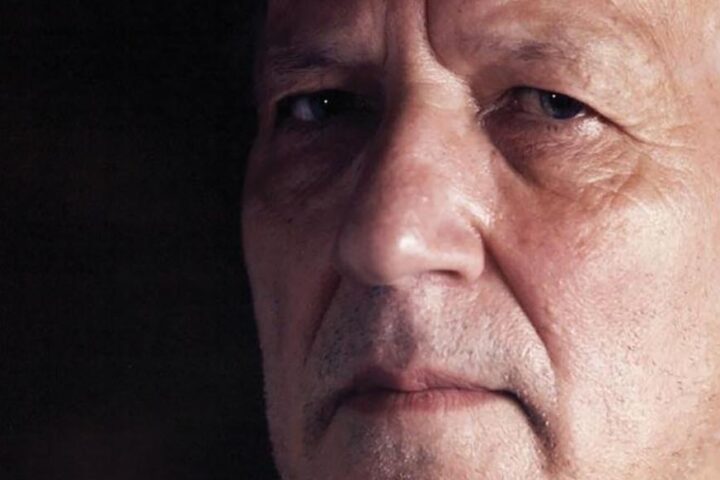
Autobiographical acts, as Eric Ames calls them, are inseparable from the films proper.

Reading the book sort of feels like looking through a photo album, often to the point of monotony.

Barry Forshaw has made a career out of studying the dames, pistols, machismo, and glistening city streets that define crime fiction.

Hello, Gorgeous offers one of the most sympathetic portraits of Streisand to emerge from the stockpile of books that have been written about “The Greatest Star.”

The pun in the title is that the reader very literally builds the story as he or she goes through it, piecing together something larger from the booklets.

So you’re sitting at a café reading a new, smutty, and not particularly enlightening short-story collection by Junot Díaz.

Burns weaves Doug’s dream life into the two books along with his memories, creating one continuous hallucinatory, cascading narrative that skips across different times and realities.
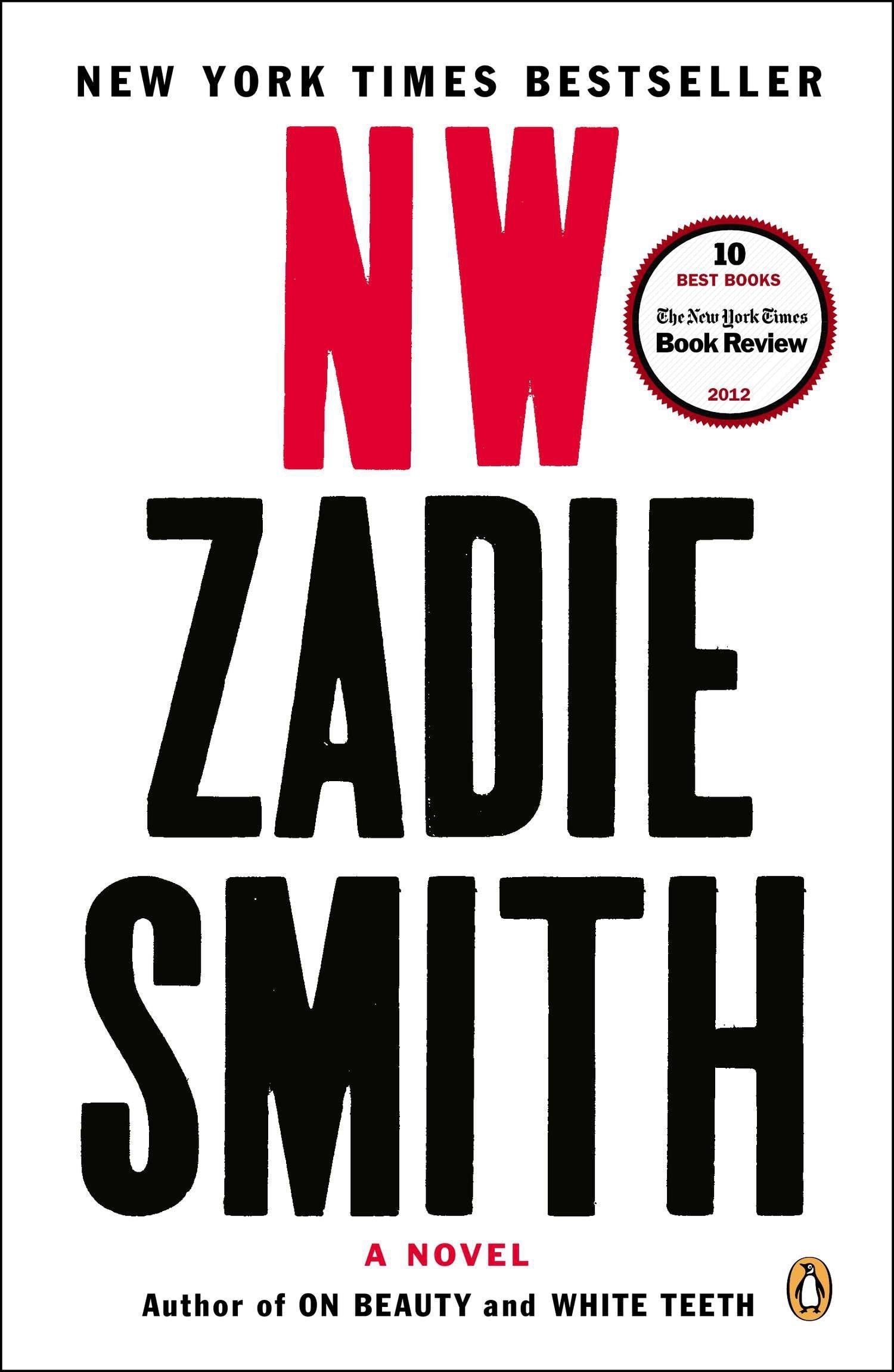
There’s no reason to doubt that writing this novel may have shaken Smith out of any complacency she may have felt about her previous works.
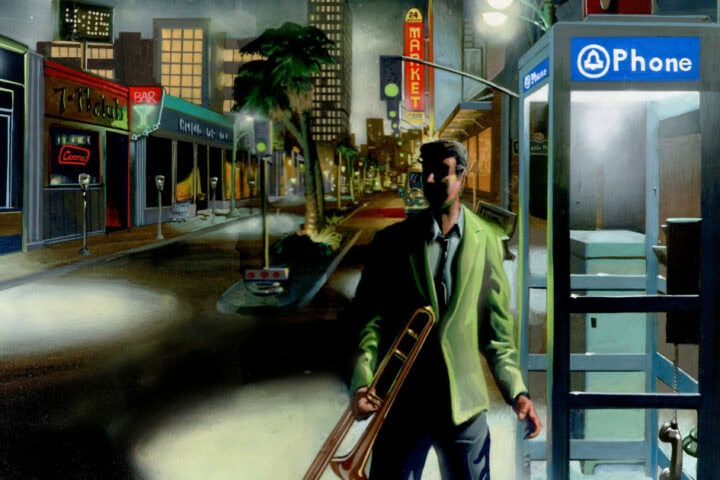
Chaw isn’t reluctant to bring up problematic aspects of the film, and Steve De Jarnatt responds frankly, with nostalgia tinged by regret.

The catch of the book is that something science-fictionally surreal or fantastic is always going on within the worlds of these dithering, sentimental protagonists.
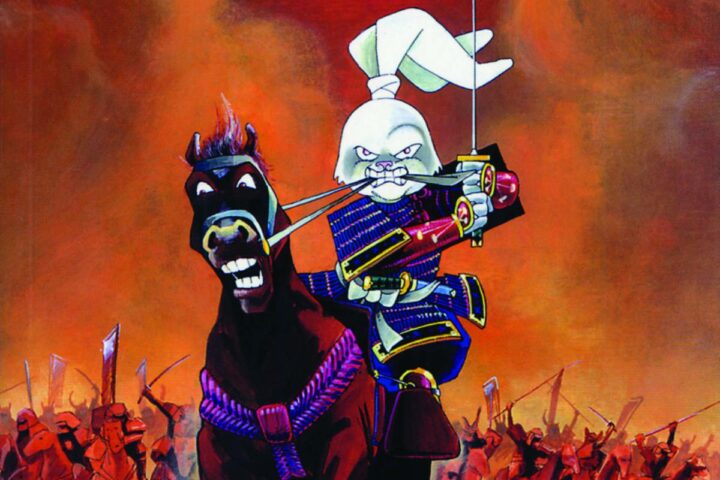
This book is comprised entirely of short stories, making it an ideal sampler for those new to Sakai’s work.
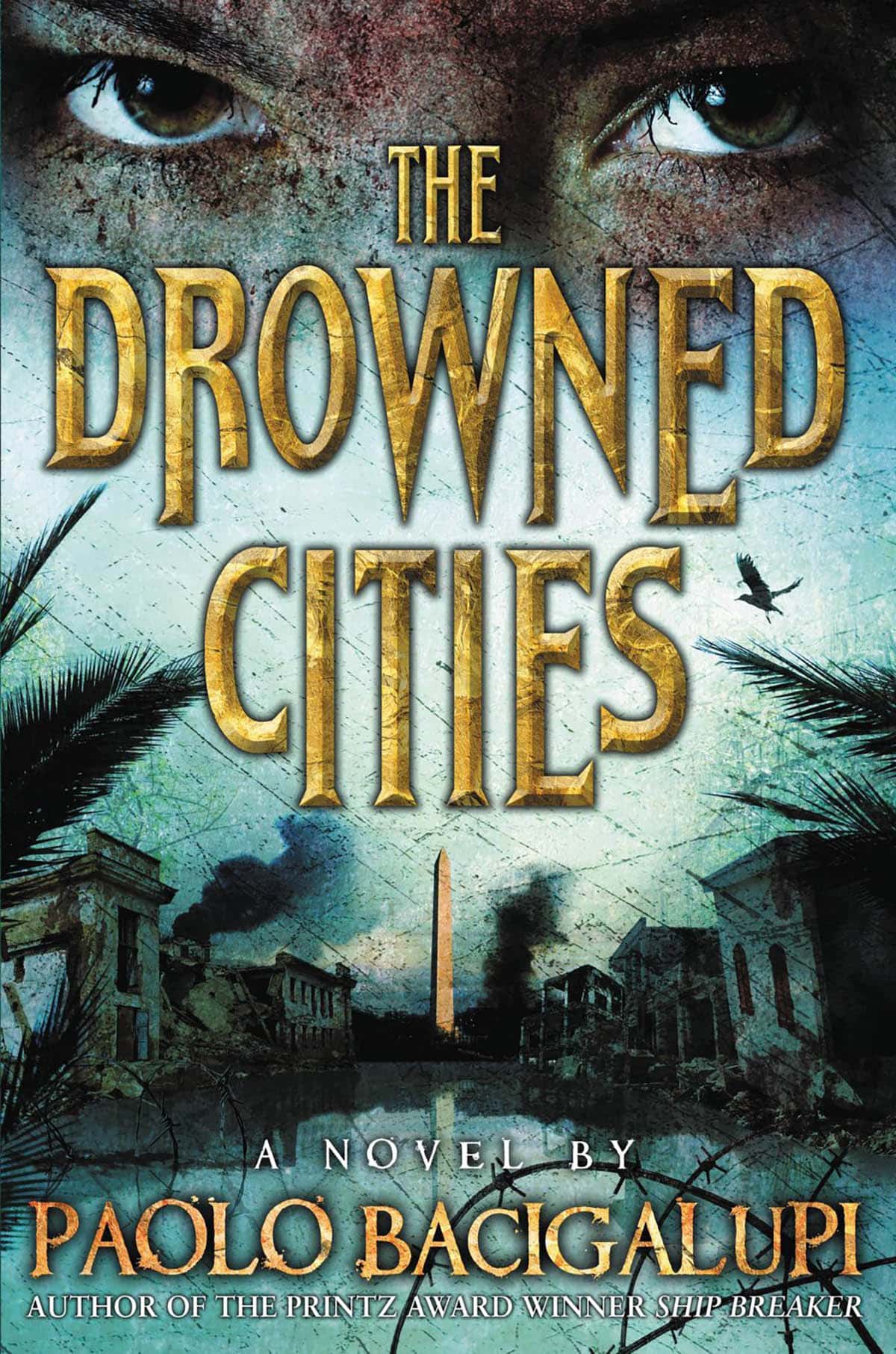
This is a novel driven by craft as much as it is by weighty themes.