Transcription is ultimately about a pact we must make when we read fiction.
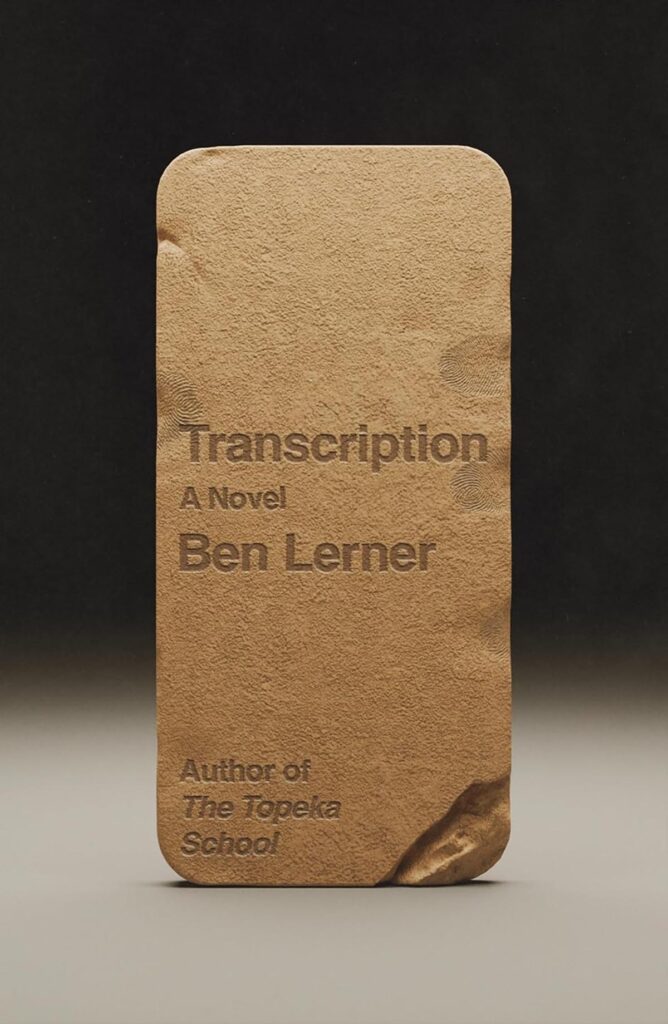

Transcription is ultimately about a pact we must make when we read fiction.
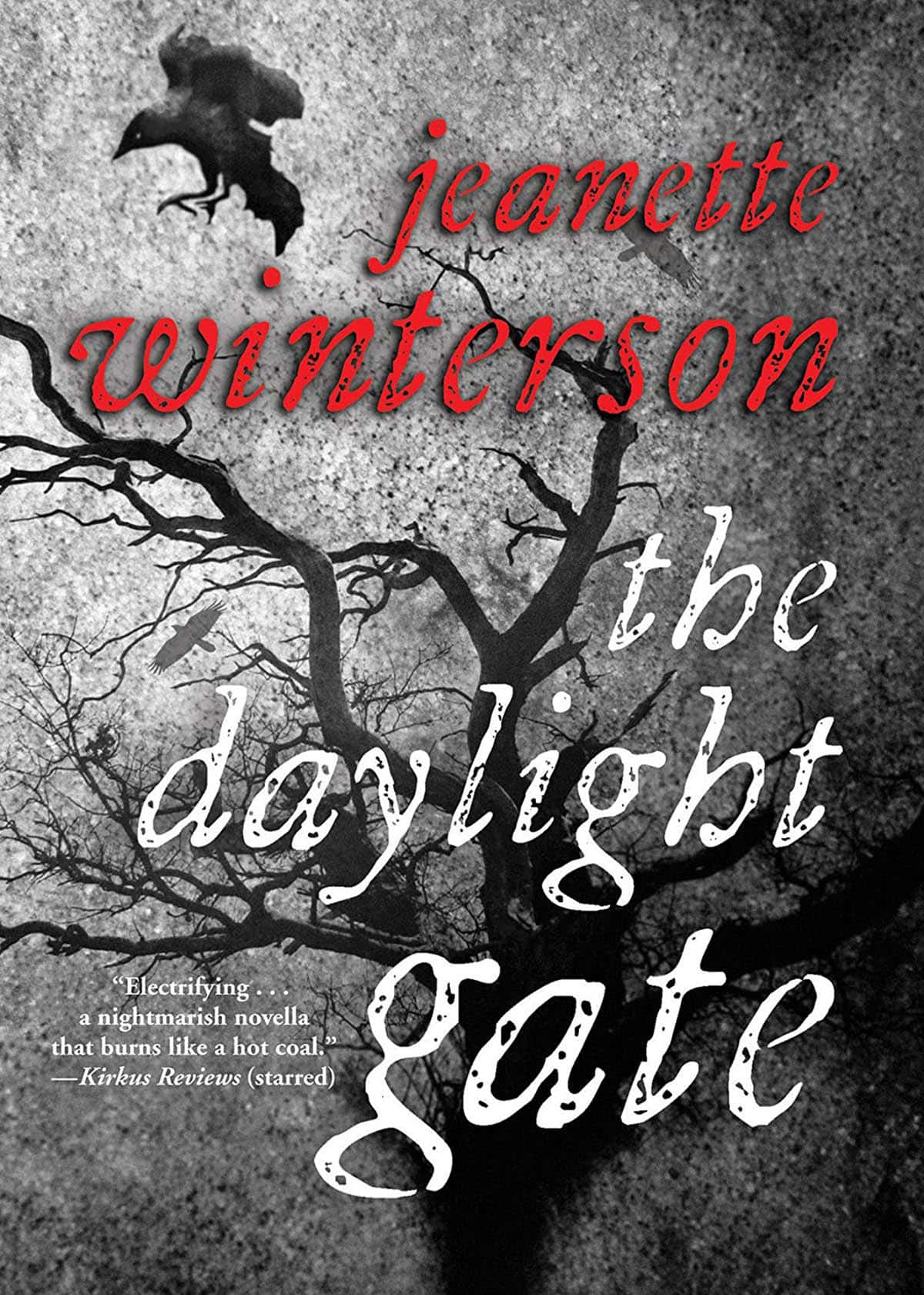
As story elements, the cauldron and the magical potion are almost overinvested with the history of Western literature and folklore.

Perhaps the weakest points of the biography are McGilligan’s basic treatment of the films proper.
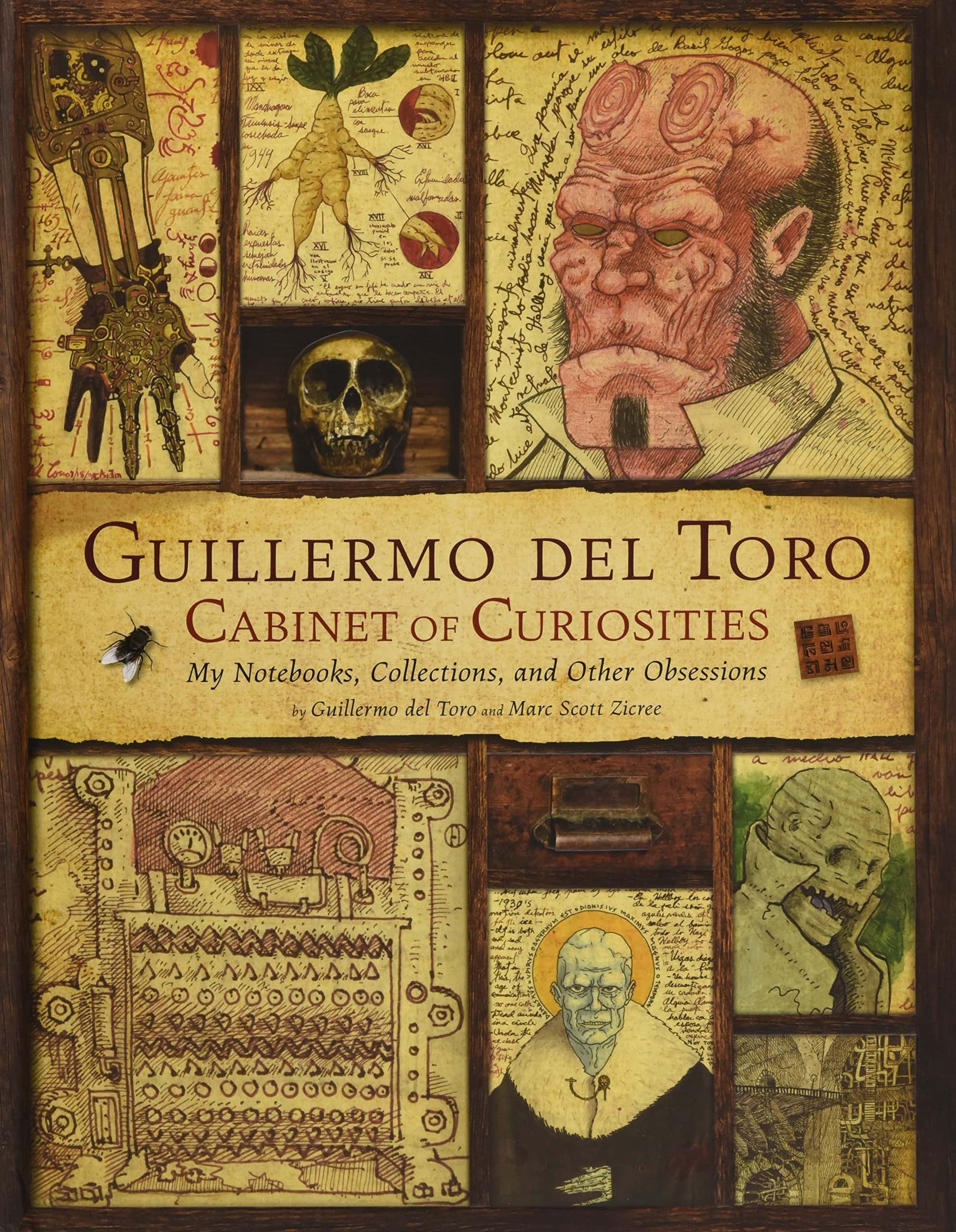
Throughout, Del Toro’s book obliterates repugnant notions of “high art” and “low art.”
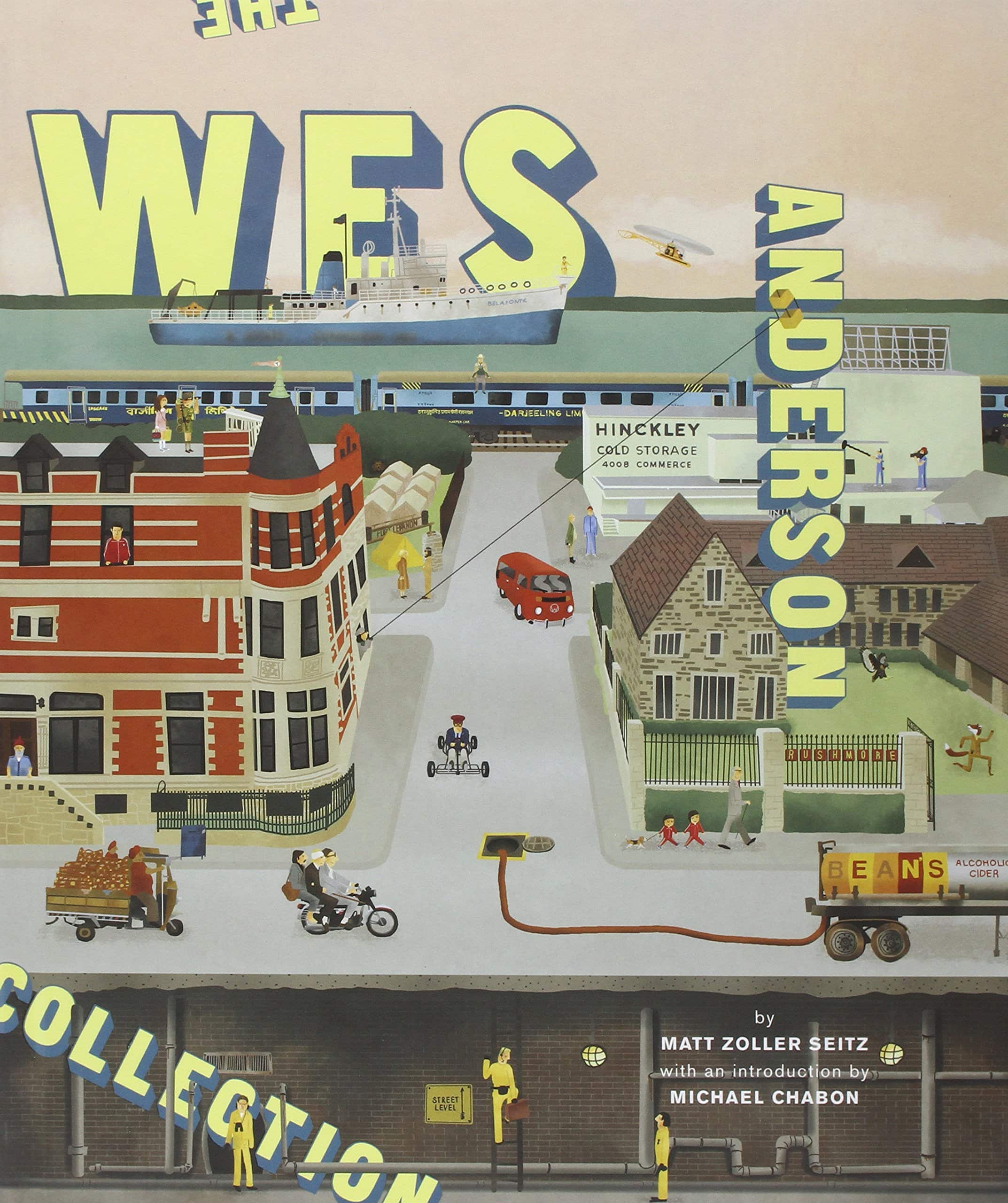
Seitz coaxes perception-altering sentiments out of Anderson by pointedly playing right into his persona of the wounded naïf intellectual.

Perhaps the weakest points of the book are in some of Meeuf’s prose, particularly when discussing masculinity.
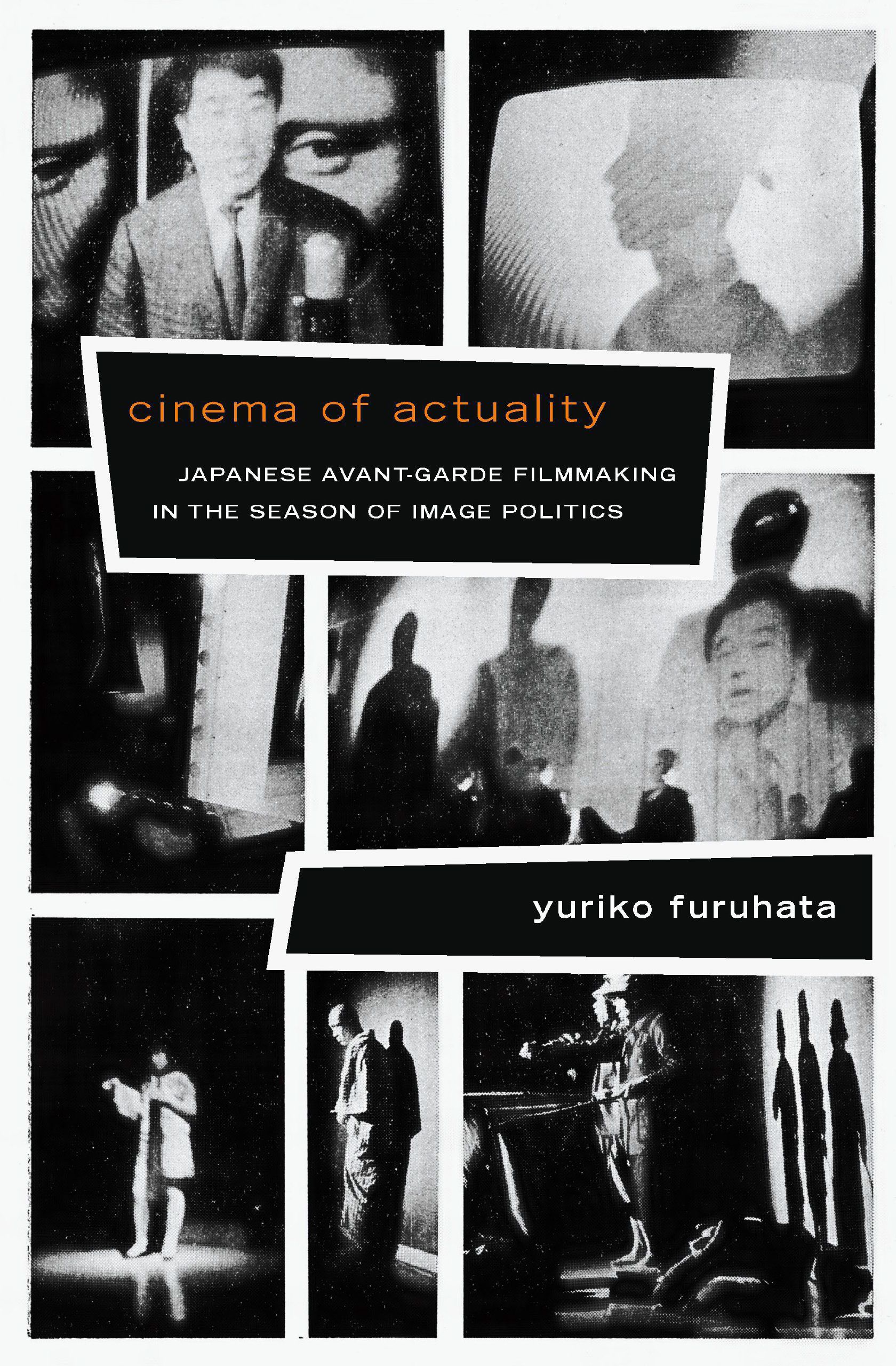
The implication for Furuhata, and it seems the correct one, is that cinema “has the capacity to absorb and subsume other media forms.”

Manhattan, spring of 2001. The dotcom bubble has burst, but the Beanie Babies bubble has not.

Given that there are seven essays plus an introduction, there are seven relatively distinct, internationally significant discussions, and a high quality remains consistent throughout.

The book delivers on the promise of its title, as it’s full of destruction, misanthropy, and wanton nihilism.

Today Is the Last Day is bohemian and brutal and frequently reads like a traveler’s nightmare.

Longworth’s openness to the less-respected titles in the Pacino canon allows her to fashion a coherent biography of the actor’s work.

Eric A. Goldman scarcely offers any kind of negative or problematizing element, beyond the attempted suppression of Jewish-specific content from studio heads.

The work must be partially faulted for being almost completely irrespective of cinema as a medium-specific mode of expression.
The book offers numerous alternative suggestions about the trends of critical reception in film/media culture.

What was once a nasty secret became an open secret and is now common knowledge: The middle class is being squeezed, mostly downward, out of existence.

As far as high concepts go, it’s a great one.

Comics and infographics—two of the trendier, if not trendiest, ways to make visual art these days, a means to take either stories or data and turn them into something pretty.

Miyao wisely orders chapters by theme or emphasis, providing him the ability to jump from one line of reasoning to another, but without losing previous trains of thought.
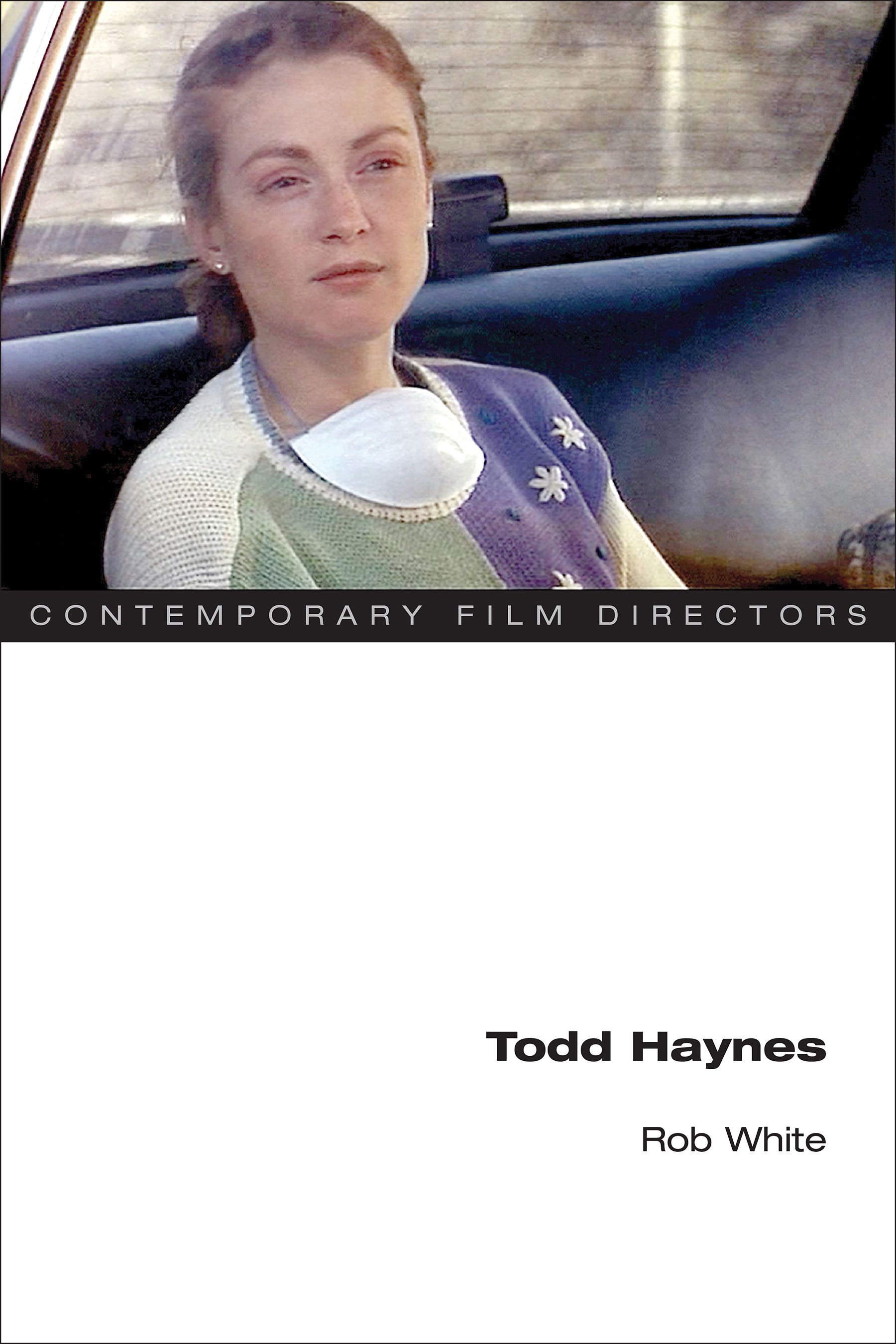
Almost out of necessity, White finds a particularly prominent motif throughout Haynes’s work: a fascination with the out-of-line family.
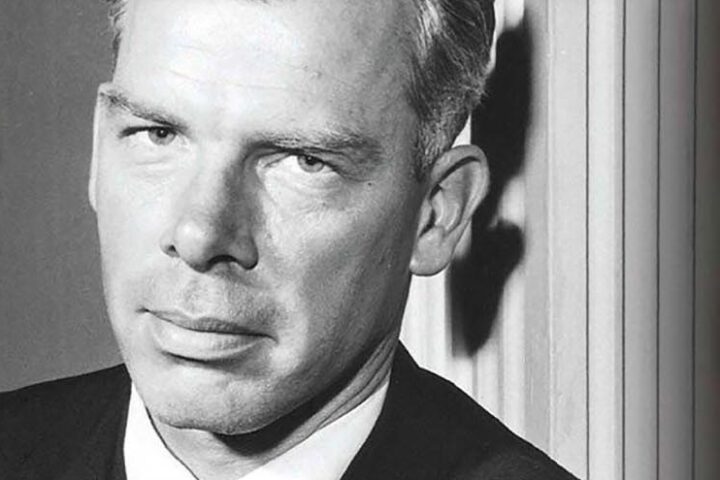
Epstein provides only a cursory understanding of Marvin as cultural icon.