Ostlund has a keen ear for dialogue and a perfect grasp of the push-and-pull rhythms of an imploding relationship.



Abhimanyu Das is a writer, editor, content receptacle, and occasional movie critic.
Ostlund has a keen ear for dialogue and a perfect grasp of the push-and-pull rhythms of an imploding relationship.

The film plays like a show reel for McCarthy’s considerable craft.

At its best, it forgets to be a Marvel movie, casting off corporate shackles to let its freak flag fly.

Besson commits wholeheartedly to his decades-long preoccupation with waifish young women discovering their inner Shiva.

This one begins like a pleasantly hazy post-pubescent fever dream.

It boils an entire culture down to repetitive pastiche on its way to that glittering homogeneous fantasyland of sports-movie magic.

Patrick Stewart’s performance is practically an argument for Stephen Belber to take the actor on the road as a one-man spoken-word act.

The thinness of the material is only accentuated by the cast’s spirited efforts to pad it out.

The film is a cleverly written dissection of a co-dependent friendship being gradually eroded by the incremental ravages of age.

Even a brief summary of the 1974-set film’s plot reveals a near-comical laundry list of recycled plot elements.

The horrors of Jennifer Kent’s film reach back to the primordial fear of death and loss.

For all its references to the show’s history, the film never panders.

The film plays like a terrible sketch comedy with one-dimensional caricatures shuffling listlessly through a succession of stilted tableaux.

The material plays out like a particularly busy episode of Sons of Anarchy.

The film is depressing, sub-sitcom fodder that will dull whatever affection you may still harbor for these legendary actors.

John Crowley’s film fails as a critique of draconian security states and surveillance culture.

From the start, it’s clear that Darcy-Smith plans to play his cards close to the vest.

There’s nothing behind all this sturm und drang but a lineup of insubstantial ciphers.
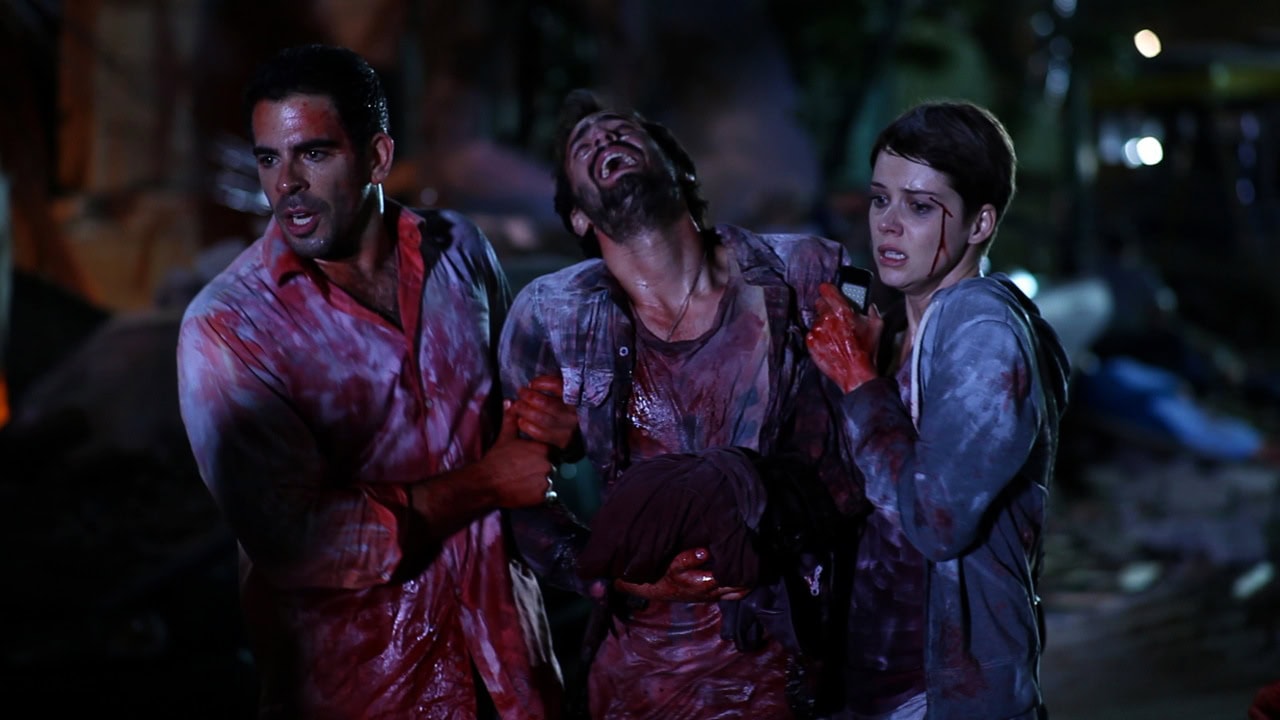
There’s plenty of gore, but it doesn’t engender any visceral or emotional reactions beyond jaded disgust.

As far as high concepts go, it’s a great one.