The film distinguishes itself as an often affecting look at two people just trying to get by.


Abhimanyu Das is a writer, editor, content receptacle, and occasional movie critic.
The film distinguishes itself as an often affecting look at two people just trying to get by.

The laziest sort of political cinema, full of straw men and finger-pointing, wrapped up in an awards-friendly bow.

It’s a welcome contrast to the first film’s snuff-y atmosphere and mean-spiritedness.

It’s uncertain about whether it wants to be a gritty drama, camp artifact, or violent prison-sploitation flick.

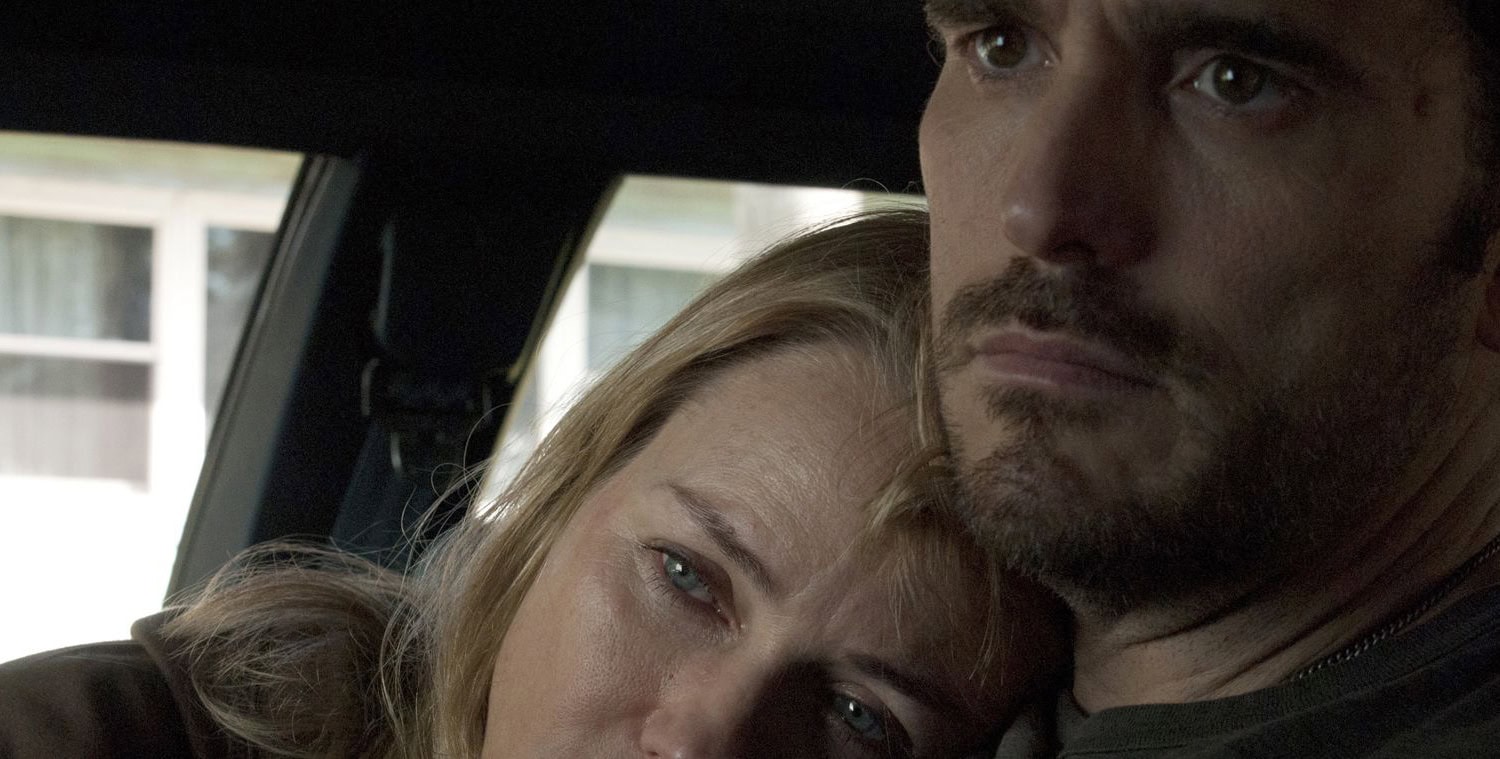
The film is a maddeningly underwritten thriller/domestic-drama hybrid.

The film is a sloppy cross-mutation of overused generic plot templates.

The documentary is a haphazard patchwork of talking-head interviews and fly-on-the-wall footage.

Surprisingly, the first few episodes of season seven indicate a willingness on the show’s part to take some new chances.

Yet another instance of a decent, potentially thorny premise bogged down in a mess of treacly sentiment and tedious moralizing.
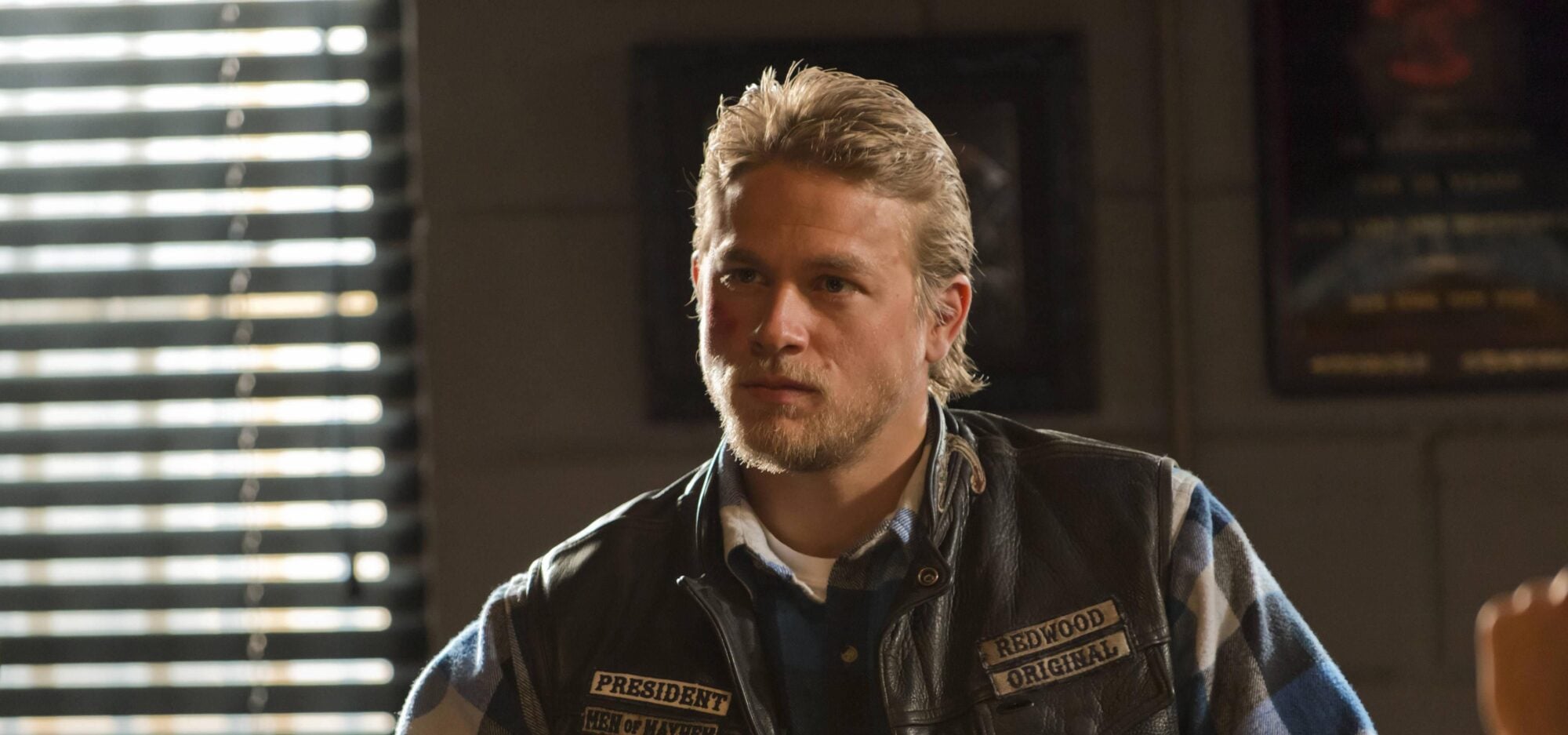
The first two episodes of season five set up more antagonists, complications, and subplots than most shows would in an entire season.
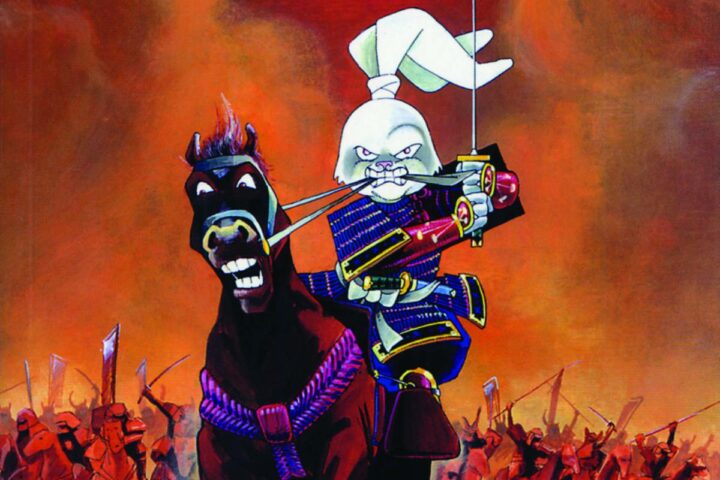
This book is comprised entirely of short stories, making it an ideal sampler for those new to Sakai’s work.

Nurse Jackie is still a collection of strong performances in search of a worthy show.

It’s like Cops, only less contrived and without the racism.