Transcription is ultimately about a pact we must make when we read fiction.
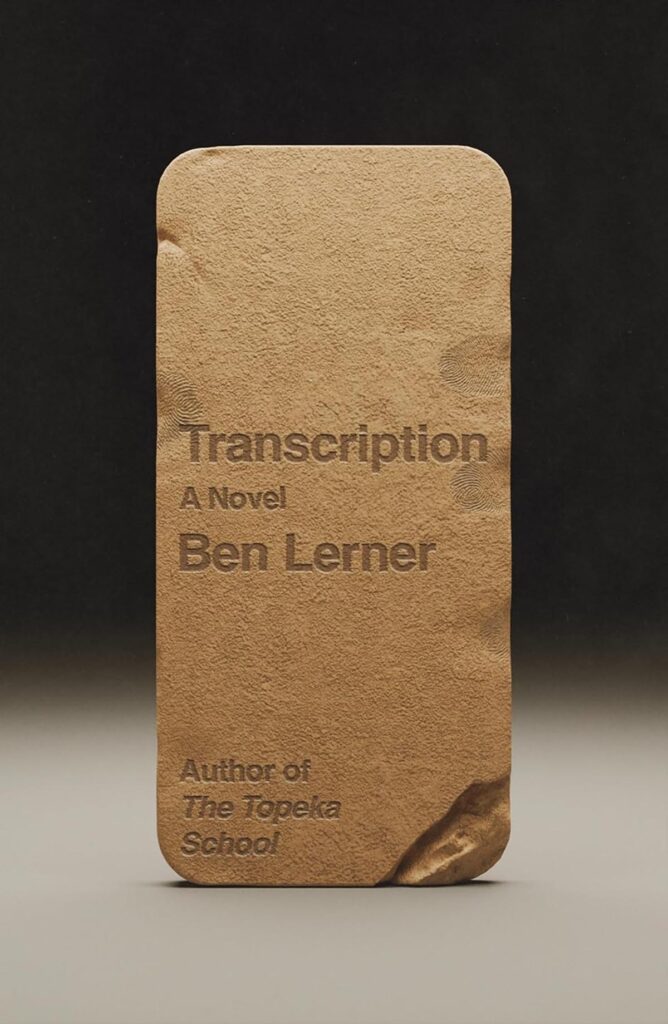

Transcription is ultimately about a pact we must make when we read fiction.
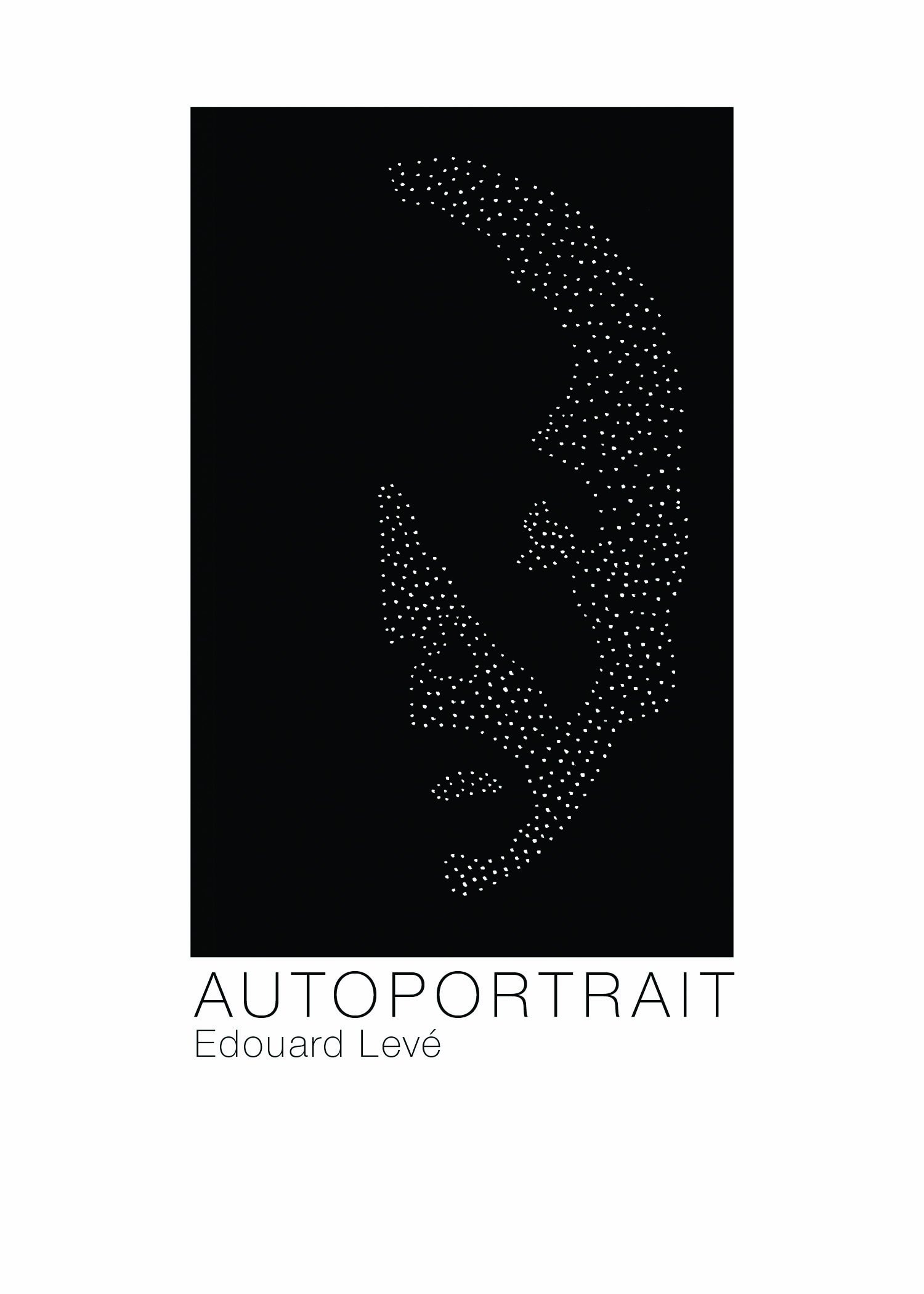
Levé’s ambivalence to the memoir as a construct prevails throughout Autoportrait, its own kind of deformation, wherein the act of explaining a life becomes interchangeable with describing an image.

N.K. Jemisin crafts a world that feels both familiar and entirely new.
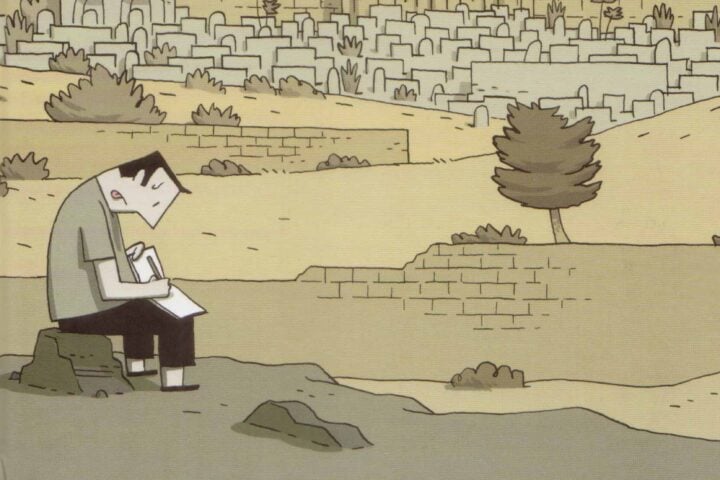
A question for the history of the graphic novel: Will anyone ever write a cartoon equivalent of Moby-Dick, The Adventures of Huckleberry Finn, or For Whom the Bell Tolls?

Marcus literalizes the intense pain language can cause on both intimate and global scales.

It creates a this-is-your-life kind of recap of how the long hours around the publication of those two great novels, The Corrections and Freedom, were killed.

Timelessness proves an intelligent way to engage with the dangers of dogmatism without falling into the trap of exclusionary politics.
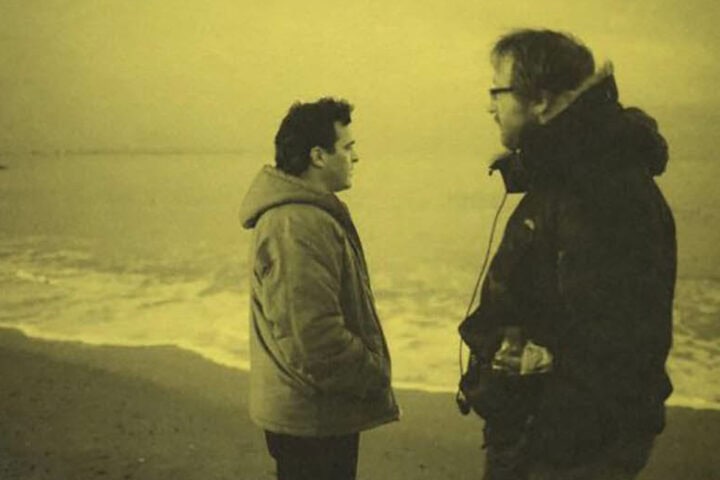
What emerges most saliently from Mintzer’s interviews is Gray’s commitment to the idea of problem solution in creating his style.
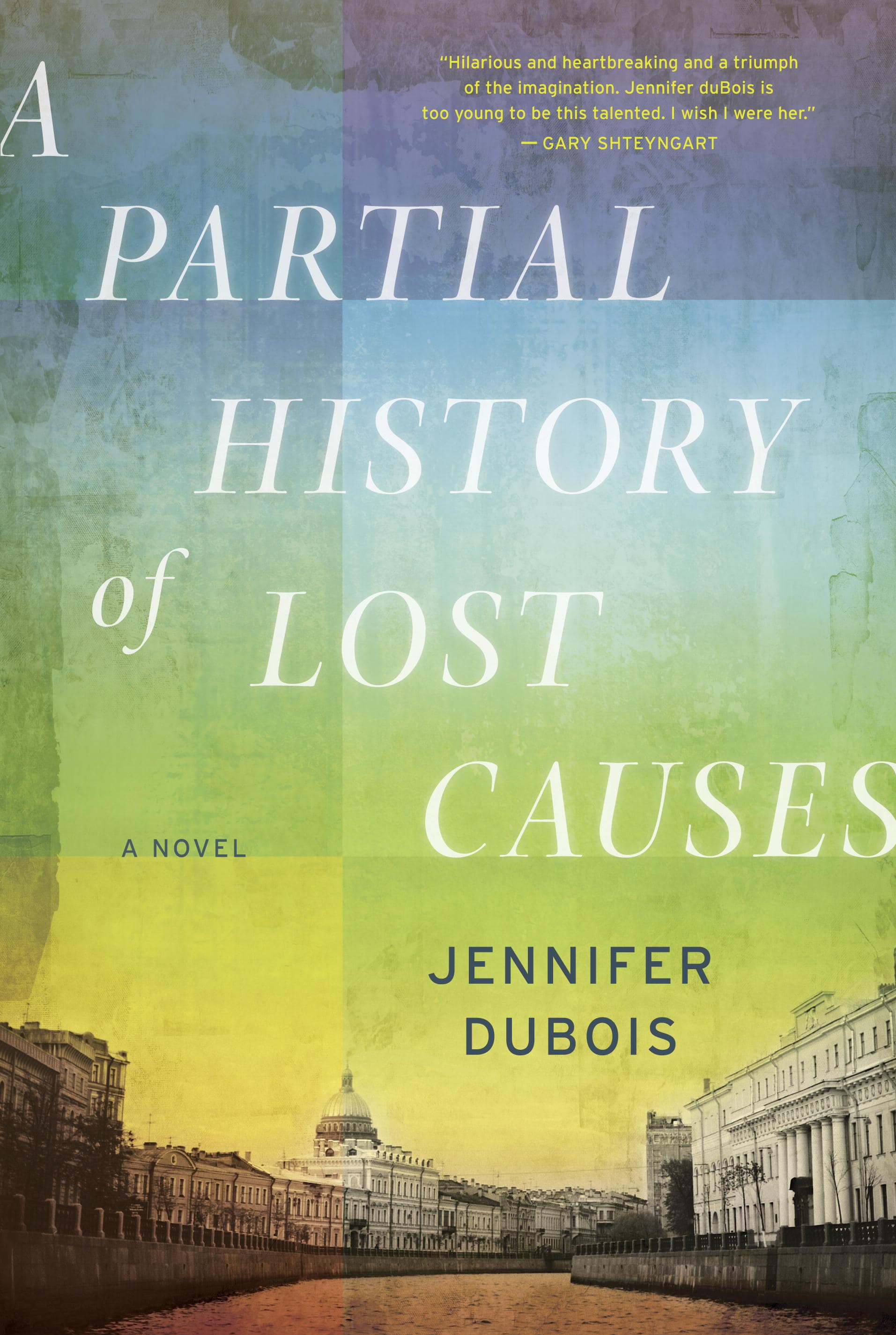
The author displays remarkable sensitivity in developing Irina’s forward-moving plan in surroundings where introspection can so easily whither.

The straightforward story gives the novel the impression of a child’s nightmare.
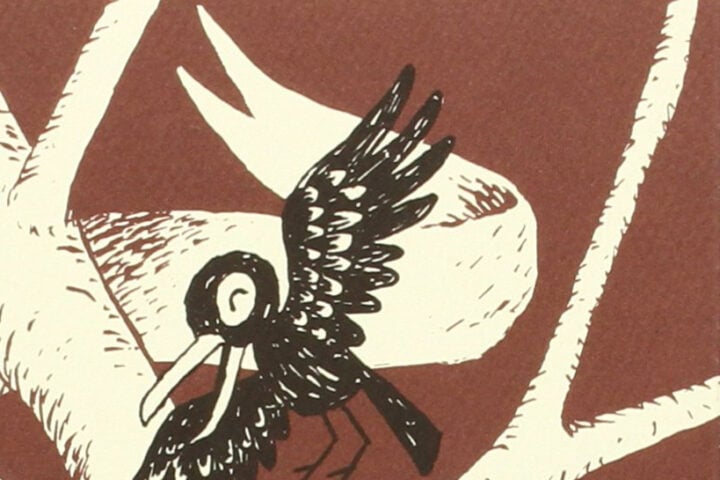
Two new comics reinterpret ancient myths using a storytelling style that’s cute and simple and not all that interesting.

If the purpose of Why It’s Kicking Off Everywhere was to explain all these “new global revolutions,” it’s somewhat of a let down.

It’s horrific, but not in the way Straub intended. His hero’s descent into axe-wielding madness is both too abrupt and too derivative; Stephen King did it first and better in The Shining.

The book is bound by a singular act of violence, but there’s a sense that it’s part of a continuum—an acute variation on the slow, spectral decomposition that inhabits the novel’s every facet.

The immediate evidence of the book’s lopsidedness does at least allow for a more satisfying reading of it as a concept novel whose ideas govern whatever characters get in the way.

The Third Reich is easy to enjoy as apprentice-work for the talent that would soon assert itself.

Timely though it seems, Occupy! as a published document is premature, where much commentary is made but little is actually said.

The images matter, of course, but just not here; what matters, instead, is the influence the images had on the shifting moods of their creator.

What’s left to say of the film critic who haunts all others?
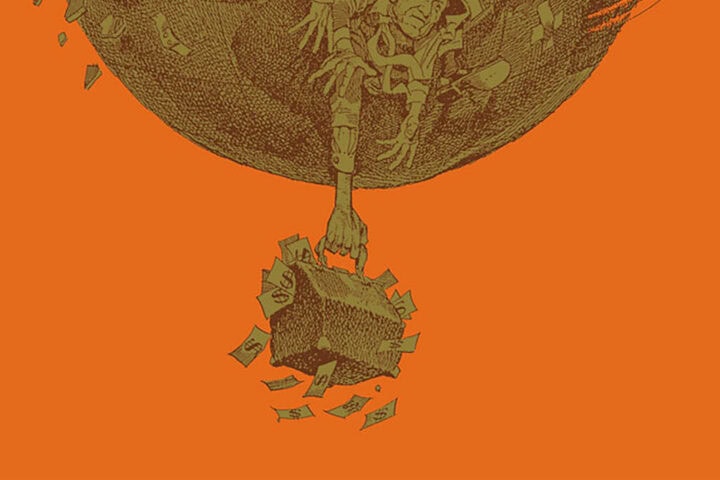
In time for Christmas, Fantagraphics Books has released two new thick and fancy illustrator retrospectives.

The Angel Esmeralda functions as a career-defining primer whose likeliest audience knows enough to not expect too much of it.