Transcription is ultimately about a pact we must make when we read fiction.
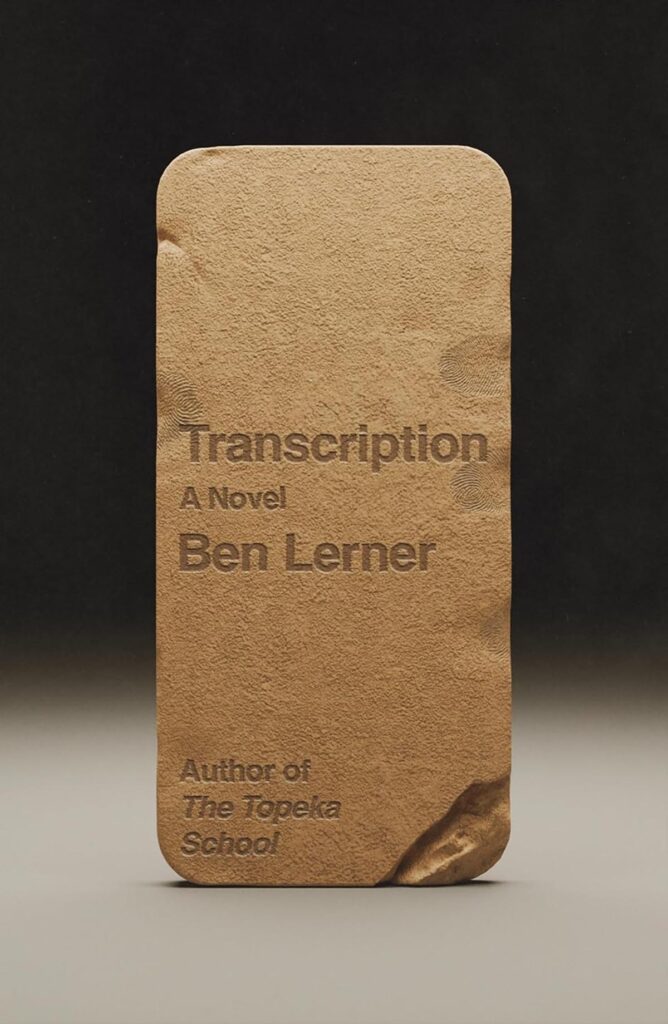

Transcription is ultimately about a pact we must make when we read fiction.
Reading this book doesn’t just unearth the shivering ghosts of a war many people were content to ignore and forget.

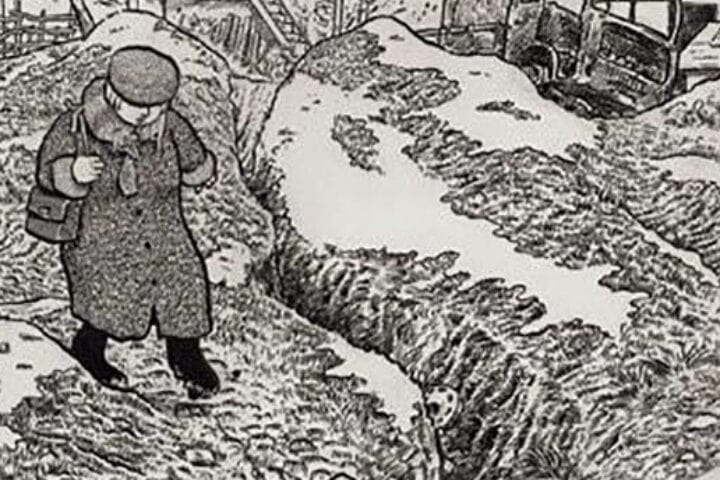
Dan Clowes is experimenting with ways to not just listen to his characters’ inner monologues, but to look at how they remember and fantasize.
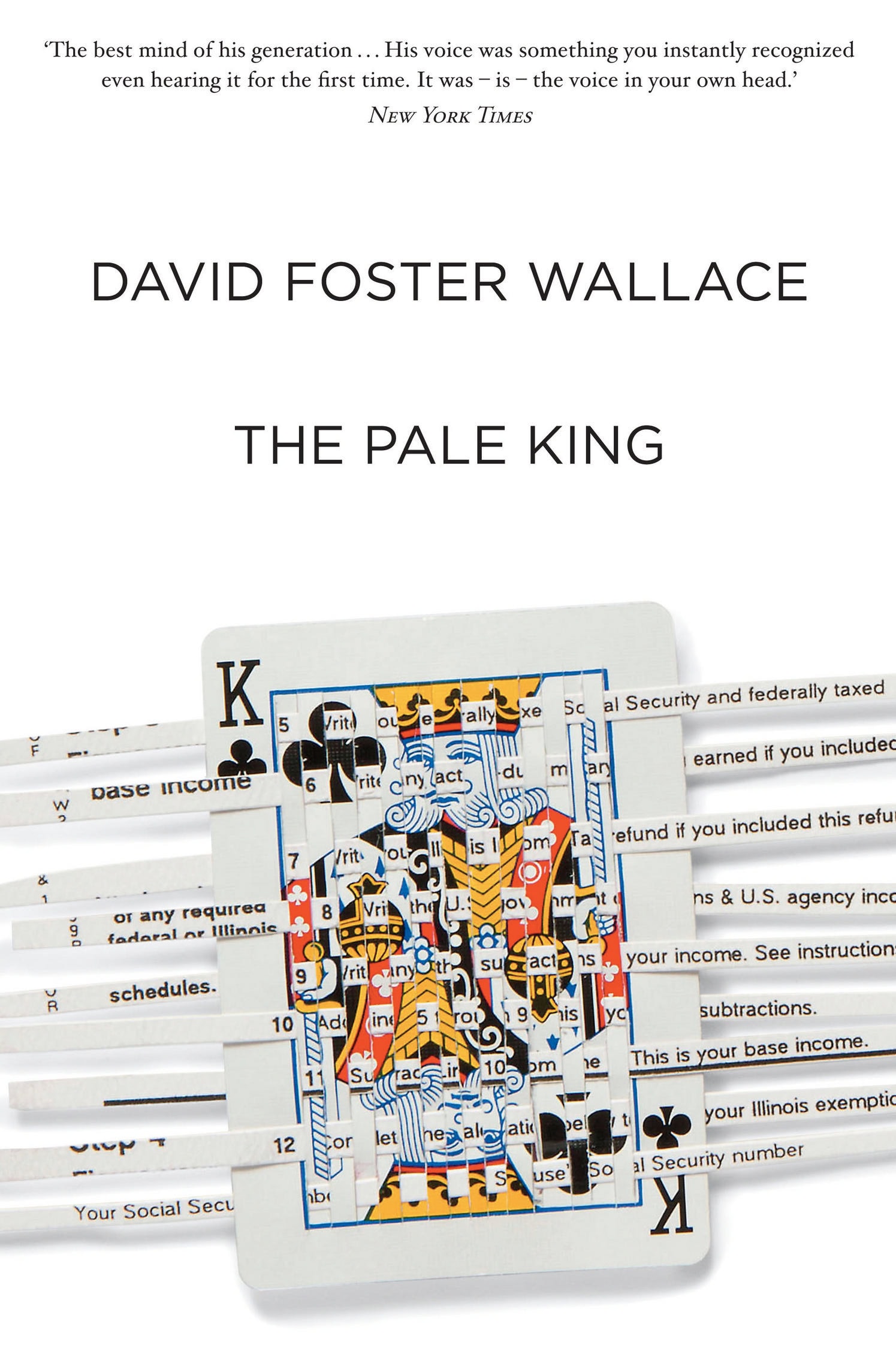
Were his life a sentence, would Wallace want an unfinished, incomplete work to form the period?
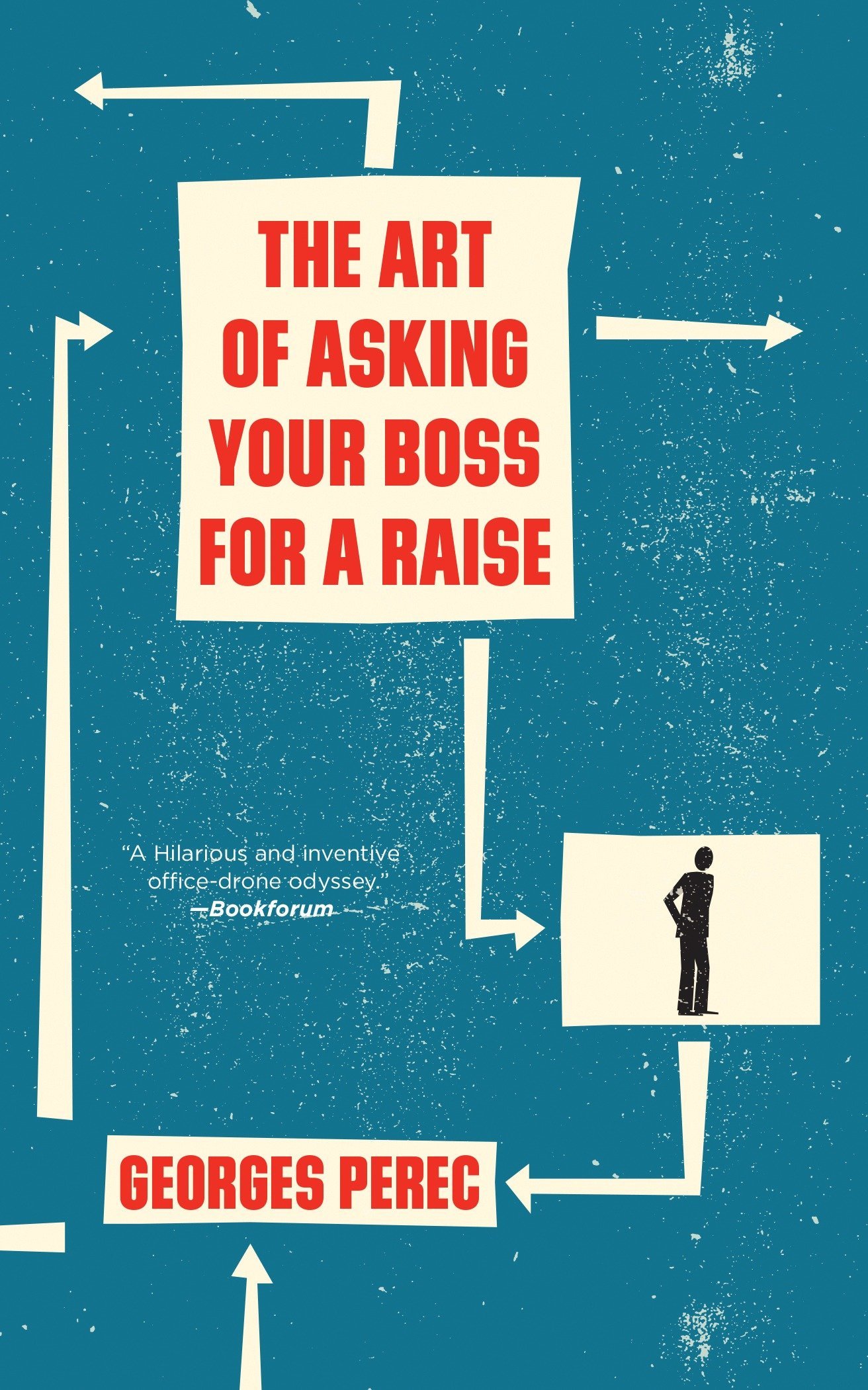
With his use of repetition, Perec establishes a rhythm of sorts, while his subtle deviations from the pattern serve as moments of dark comedy.
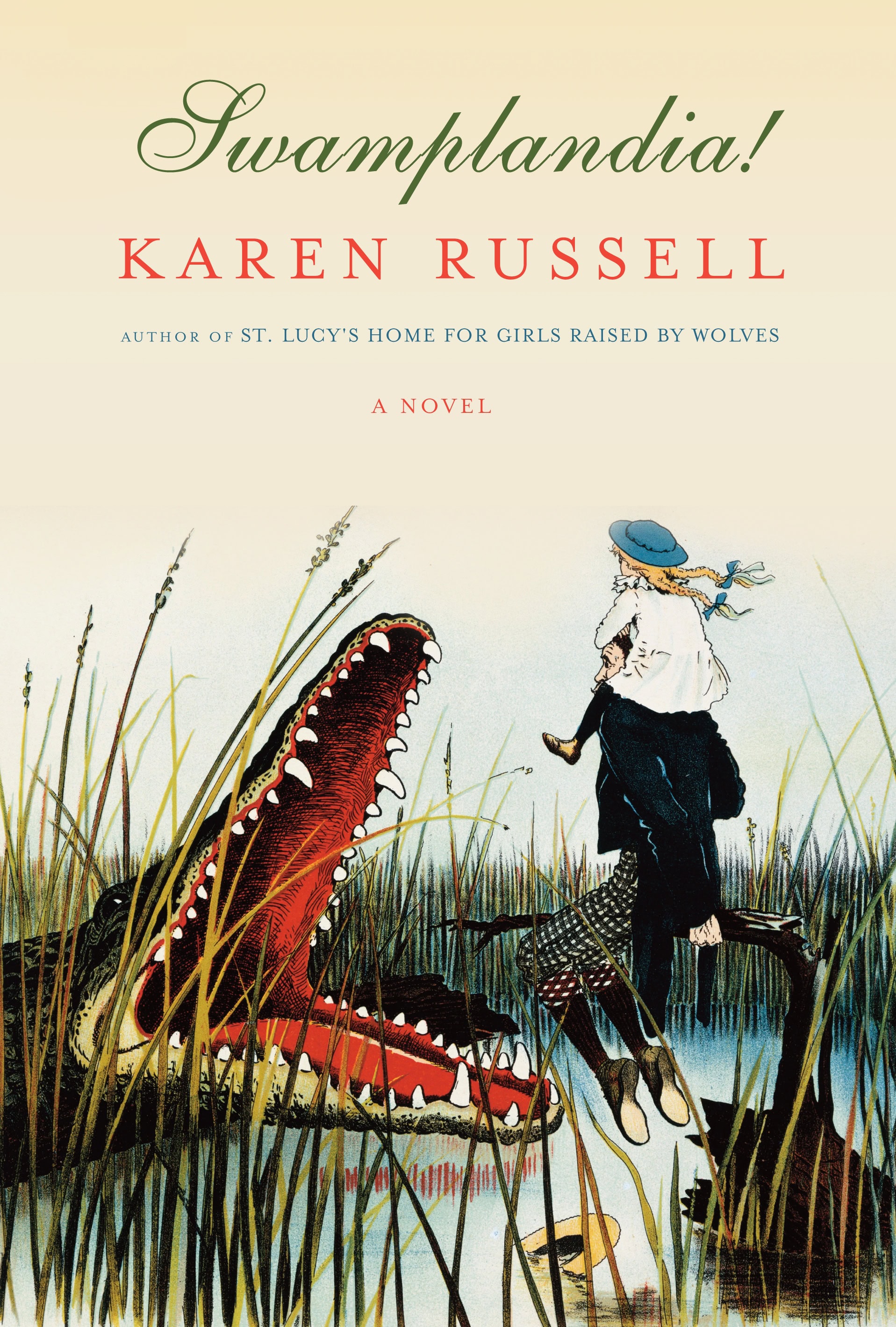
The expanse of the novel allows Russell to exercise the very considerable prowess of her imagination.

Dark and gritty streets don’t get that way by themselves. Lurking eyes, thoughts soured by peril and desperation, and minds numbed by sickness and perversion make them that way.

It will come as no surprise that one of Straub’s literary mentors is Lorrie Moore, the wonderfully gifted fiction writer whose lonely, depressed women populate countless short story anthologies.

It’s easy to picture Steinbeck at work on this morose addition to his canon during this period, which ultimately took him nearly half a decade to complete.

The novel ponders the ways in which we subtly adjust and absorb, internalizing the rhythms of a rearranged world.

It serves a worthy addition to the growing collection of critical and supplemental material on the making of a landmark film.
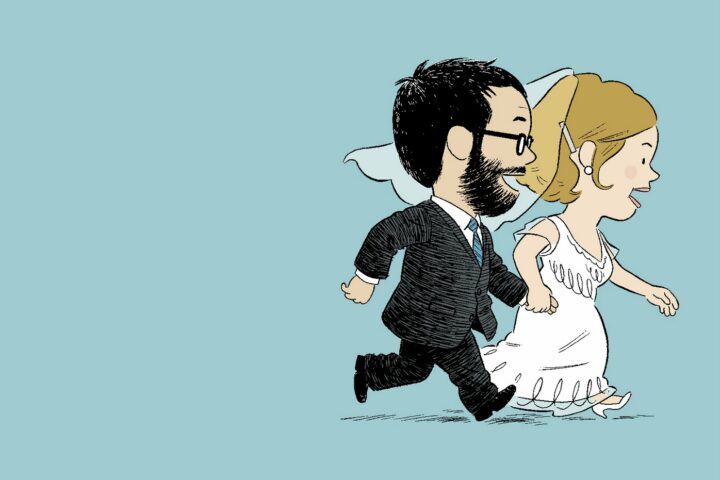
The book is as easy to swallow as the proverbial piece of cake, and takes about as much time to get through too.

Becoming absorbed in history, the novel seems to lose interest in its original motivation.
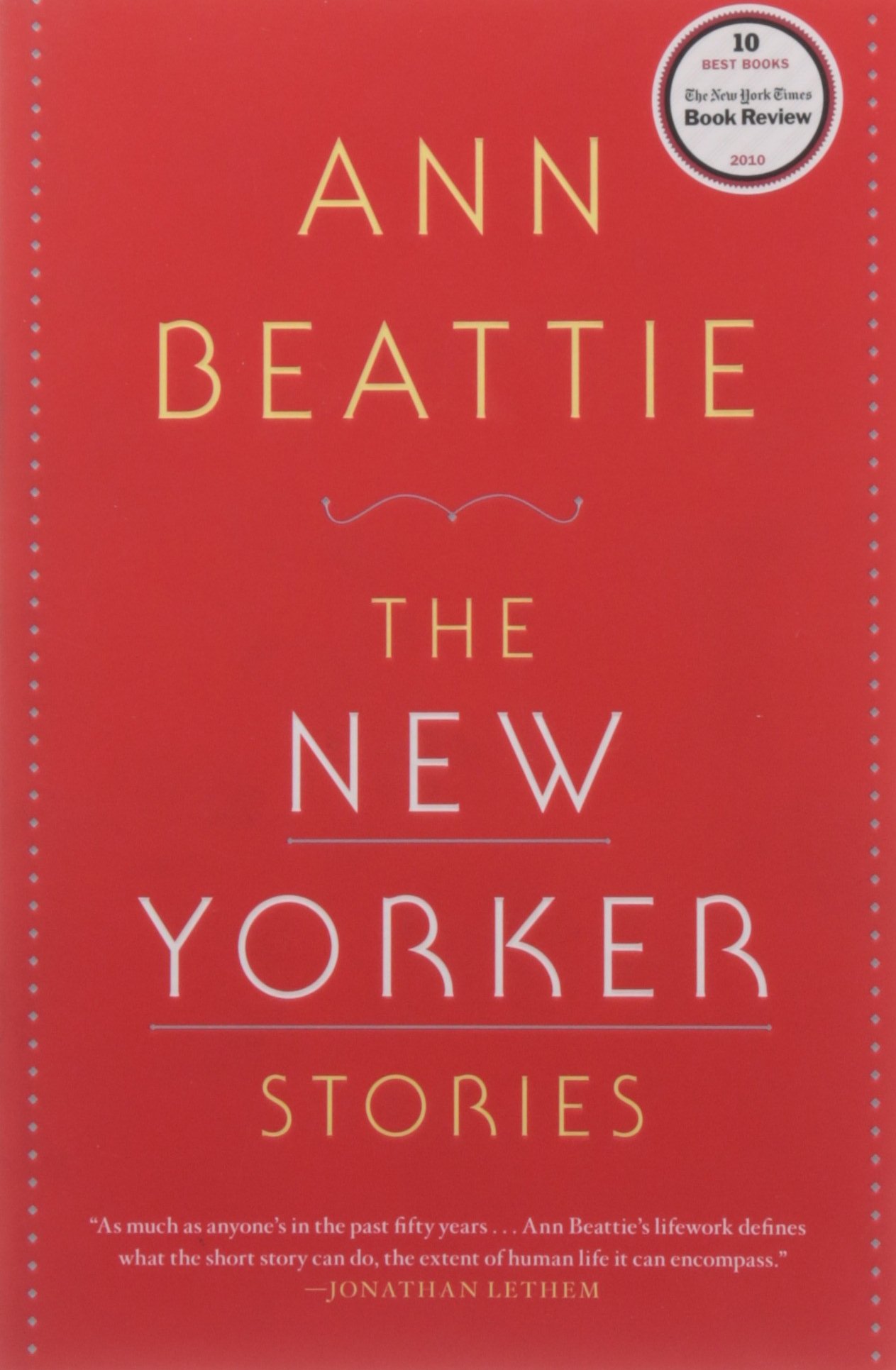
Ann Beattie speaks to her characters’ persistence in the face of loneliness and ambiguity.

Tennessee Williams and Company: His Essential Screen Actors is at its best when asking sensitive questions about individual scenes and moments in Williams’s plays.
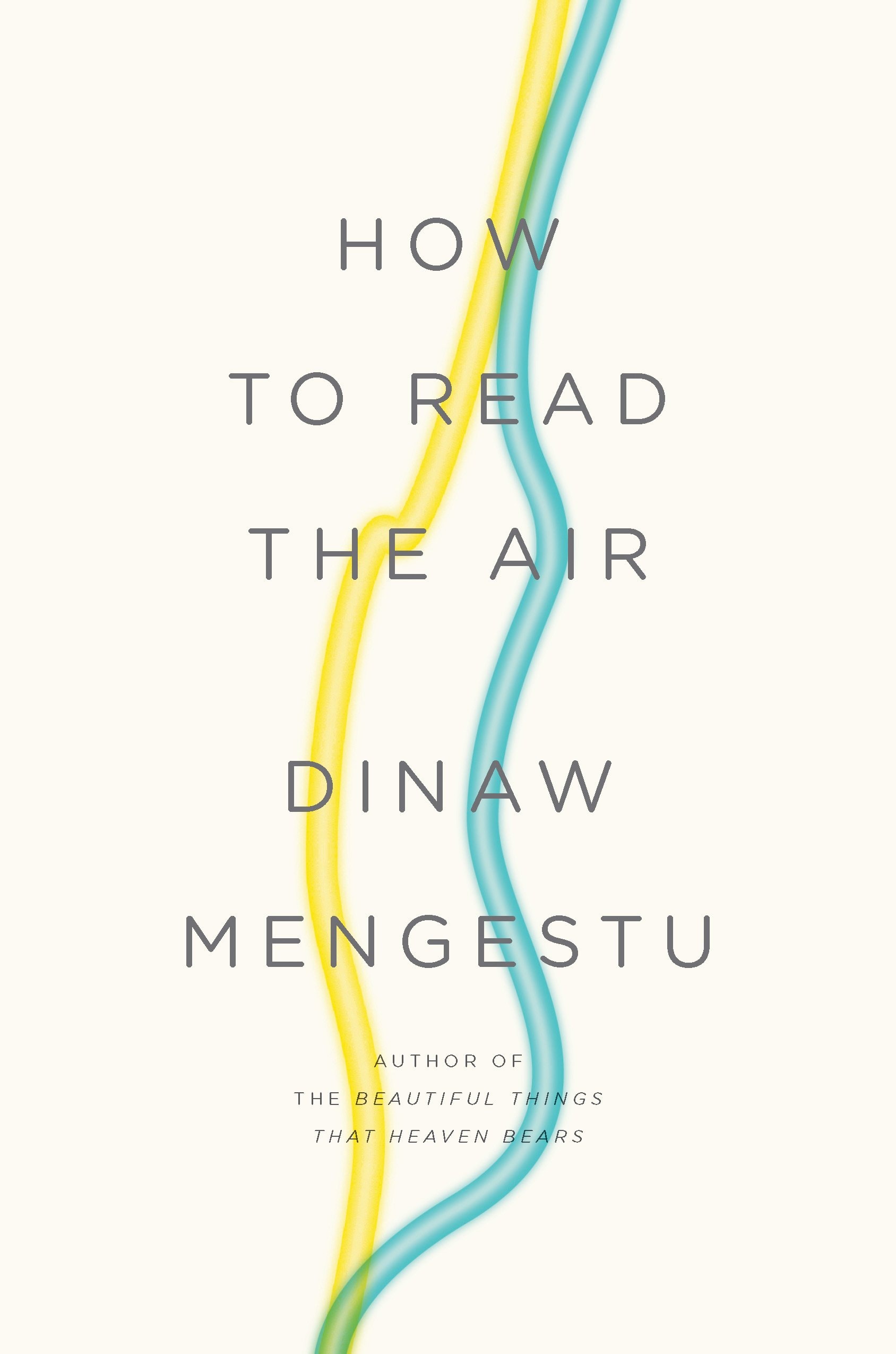
To live far away from home is to be ever vigilant, ever afraid, scanning the air for signs of danger.

Auster takes turns with his characters, alternating chapters and points of view, inhabiting most of these with convincing insight.

Some of the entries are set in stone from edition to edition, and that’s fine in most cases.

Disney de Sade, I think I’ll call it.
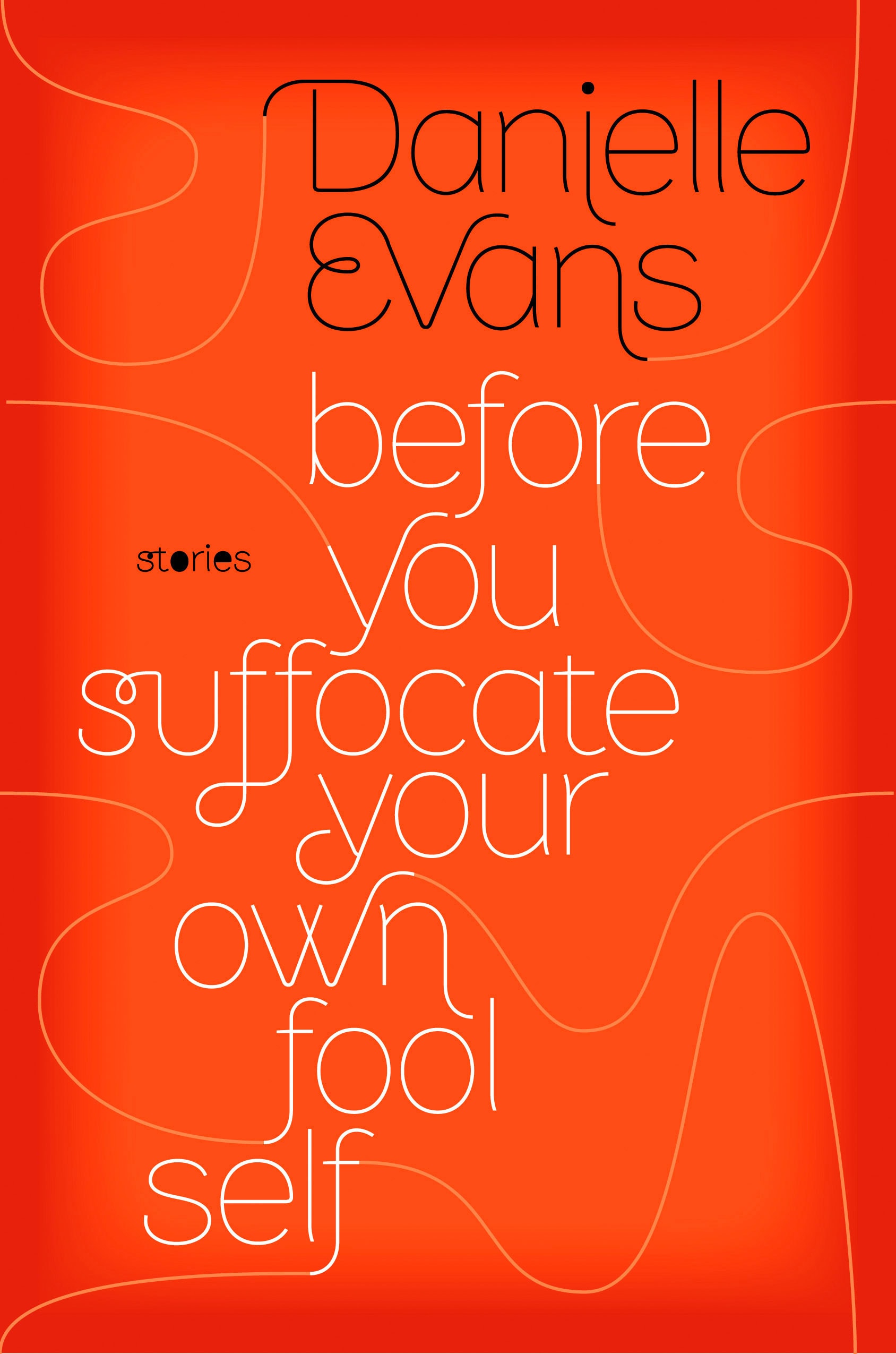
These stories engage with themes of disconnection, alienation, and the costs of straddling racial, sexual, and emotional divides.

Imagine now that passionate strain of teenage melancholia conflated with and compounded by the familiar cruelties of middle age.