The game offers a refreshing focus on its sense of place rather than ease of play.



Steven Nguyen Scaife’s writing has appeared in Buzzfeed News, Fanbyte, Polygon, The Awl, Rock Paper Shotgun, EGM, and elsewhere.
The game offers a refreshing focus on its sense of place rather than ease of play.
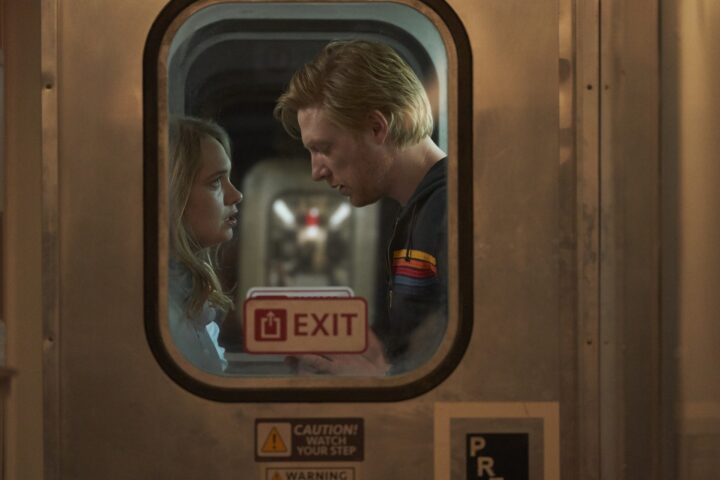
The long-form storytelling obligations of a TV series soon overwhelm this simple but compelling premise.

There’s something primal and thrilling to id Software’s further embrace of video-gamey conventions.
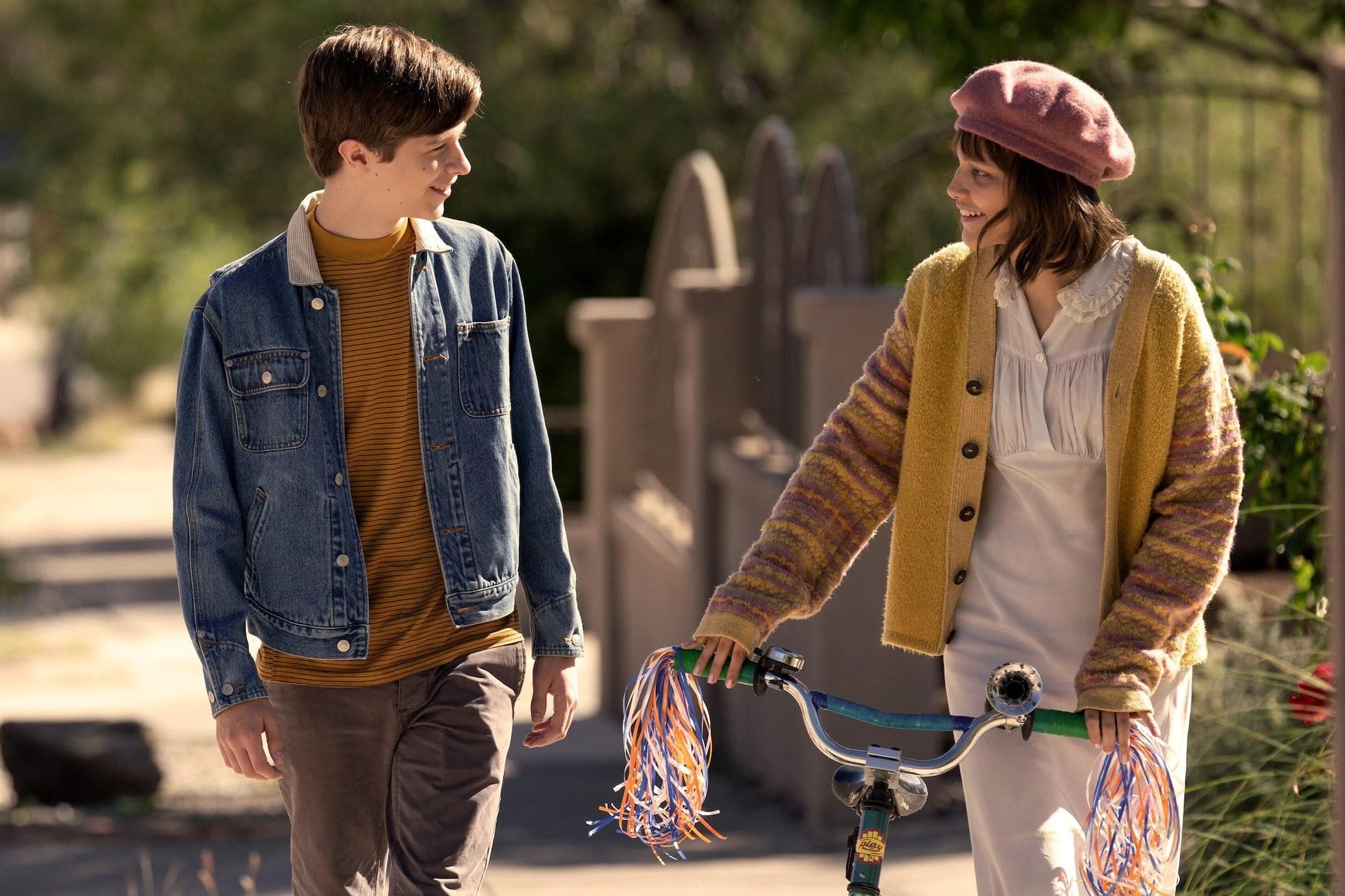
It comes across like yet another casualty in the long line of stories about men having their eyes opened by their angelic girlfriends.

The fallout of the main characters’ actions feels perfunctory and tossed-off in the rush to an ending.

The show’s strength lies in the rich context that surrounds its occasionally melodramatic conflicts.

The game is a charming concoction full of endearing characters.

The humor might have been tolerable if the film was at least reasonably imaginative.

The game captures place and feeling through honing in on things that are singular, small, and warm.
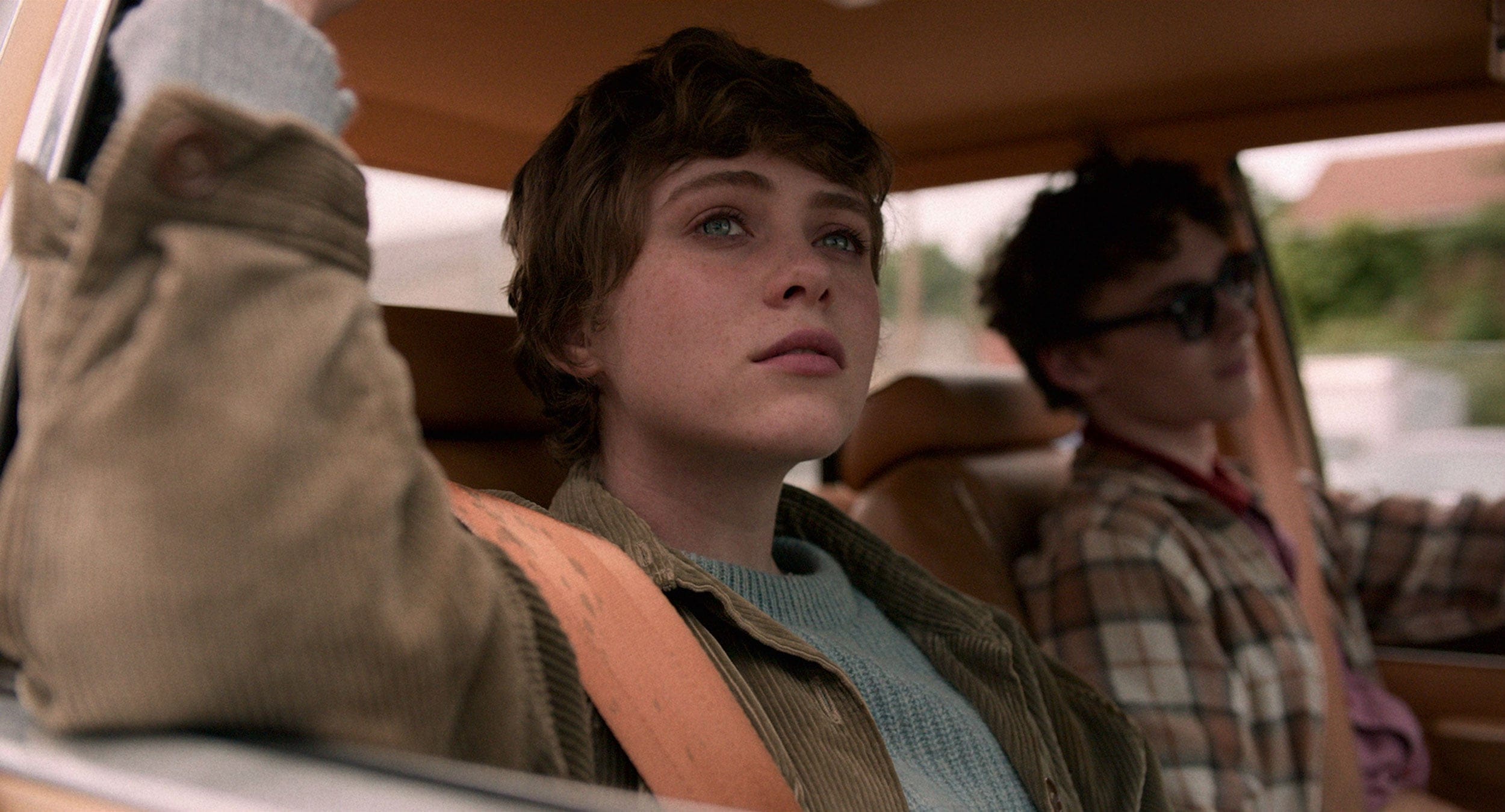
The series at its best when characters are hanging out, doing nothing, or struggling with feeling trapped.
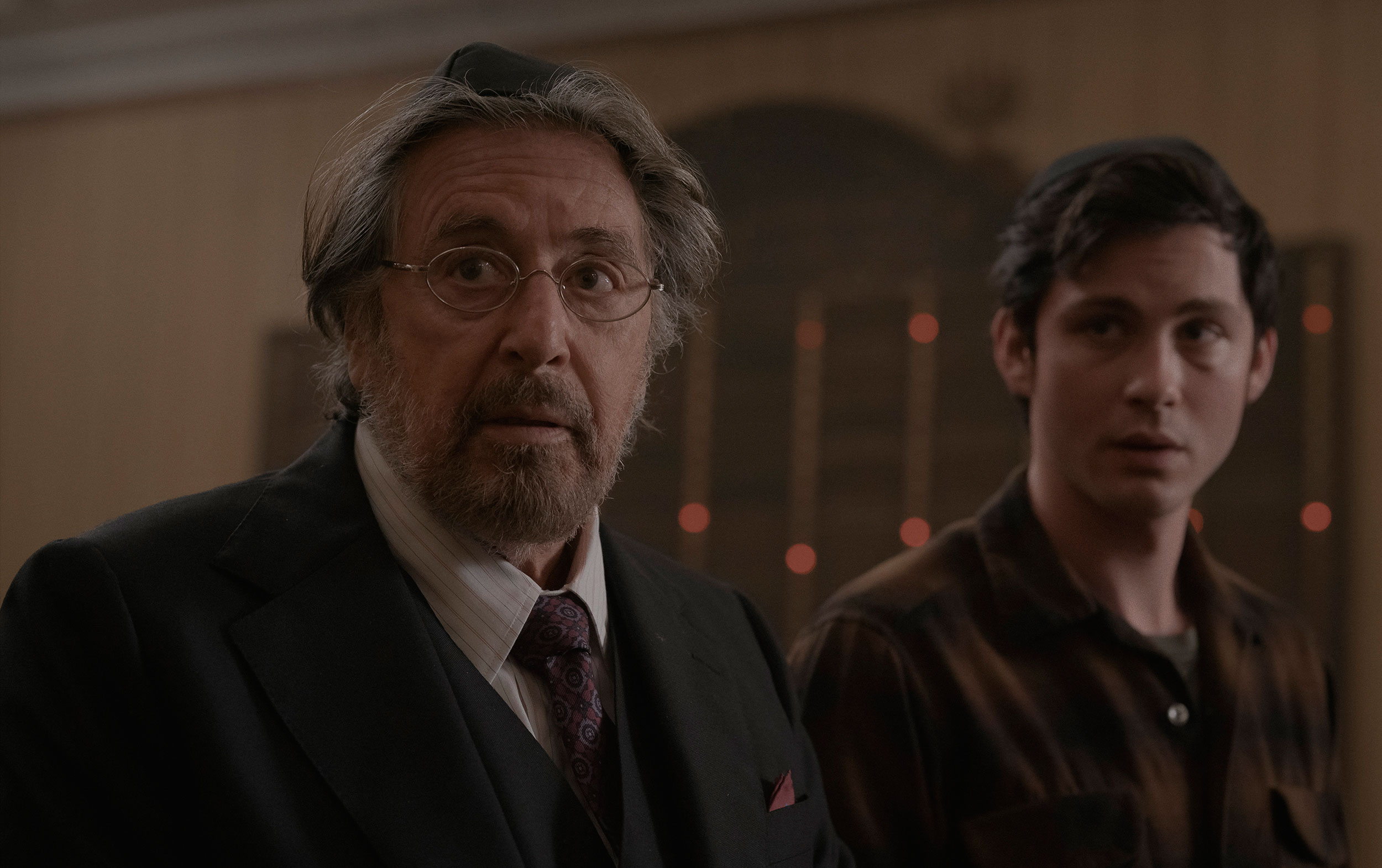
The series is so ploddingly manufactured from familiar parts that it feels like it was spat out by an algorithm.

Its point-and-click adventure elements eventually feel alternately rudimentary and more than a little tedious.

Kentucky Route Zero is about America in a way few games aspire to be and fewer still succeed at.

The game’s themes feel like facile wallpaper over mechanics that feed into the ideas being critiqued.
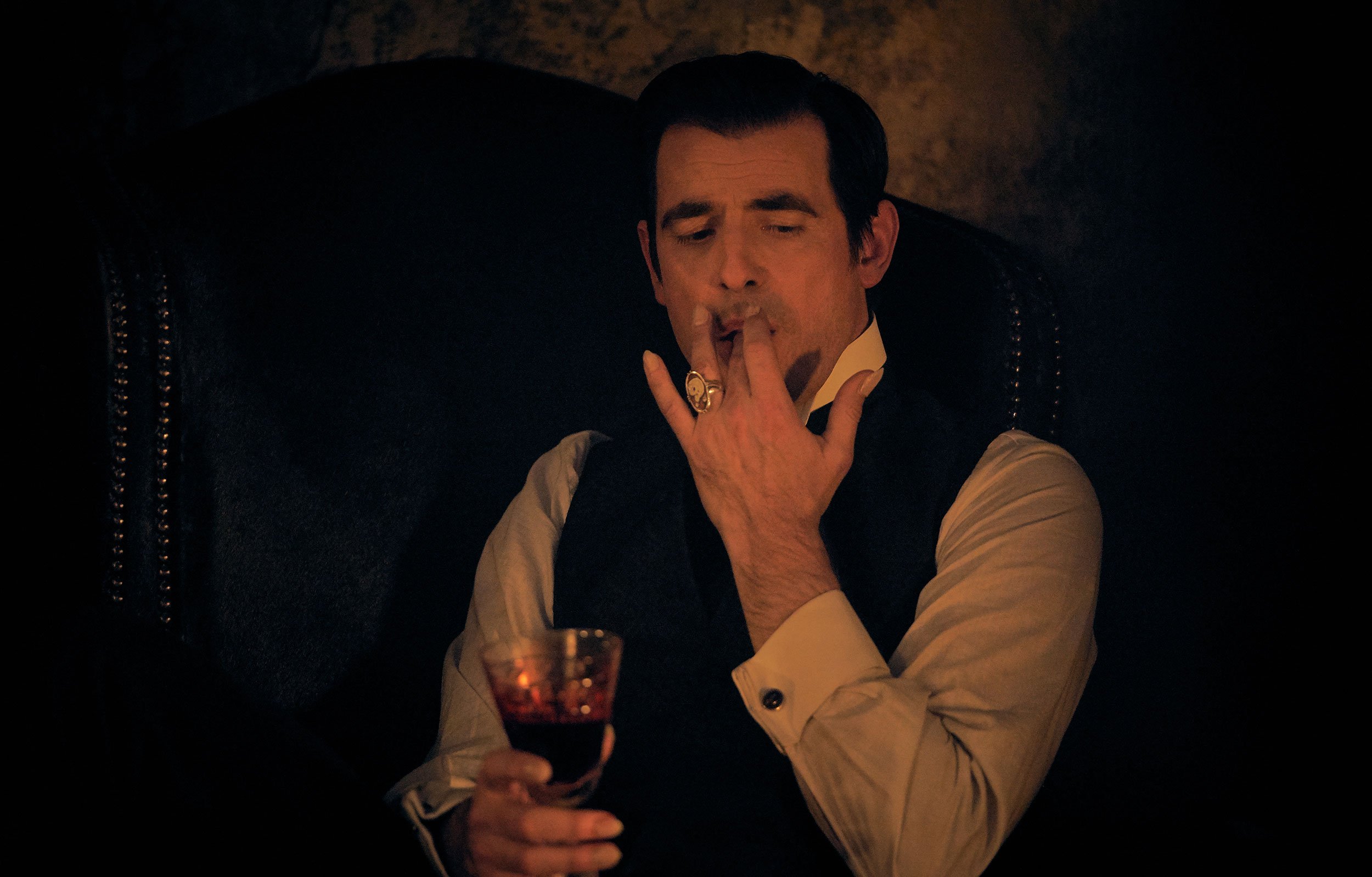
The series feels tiresome in its relentless pleading with us to be impressed.

Nicolas Pesce evincing little of the promise he showed in his prior films, and even less drive to remake the old into something new.

Wattam communicates a poignant, refreshing, and all-too-necessary joy in the face of adversity.

The series never loses sight of its premise, though it remains bleak without beating you over the head.

Did you know that corporations are bad? That the drudgeries of adult life are soul-crushing?

The film gets so lost in its affected idiosyncrasies that it stops probing any discernible human feelings.