Windbound is an exploration game whose sense of exploration is painfully rigid.



Steven Nguyen Scaife’s writing has appeared in Buzzfeed News, Fanbyte, Polygon, The Awl, Rock Paper Shotgun, EGM, and elsewhere.
Windbound is an exploration game whose sense of exploration is painfully rigid.

The most that the film can manage is to bookend itself with a word-salad thesis about the pursuit of emotional truth in art.
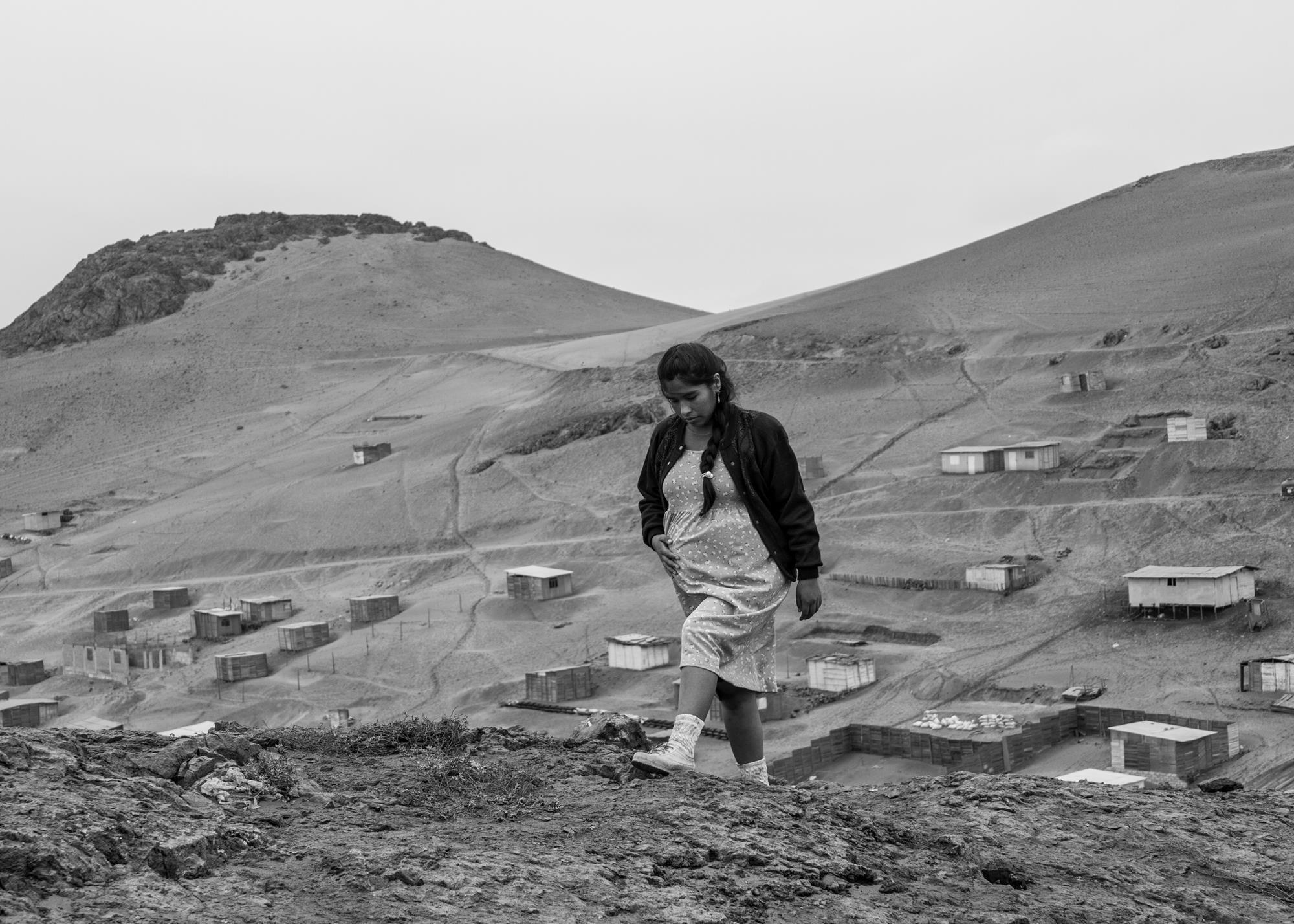
The film is strikingly fixated on exploring loss and pain on an intimate and personal scale.
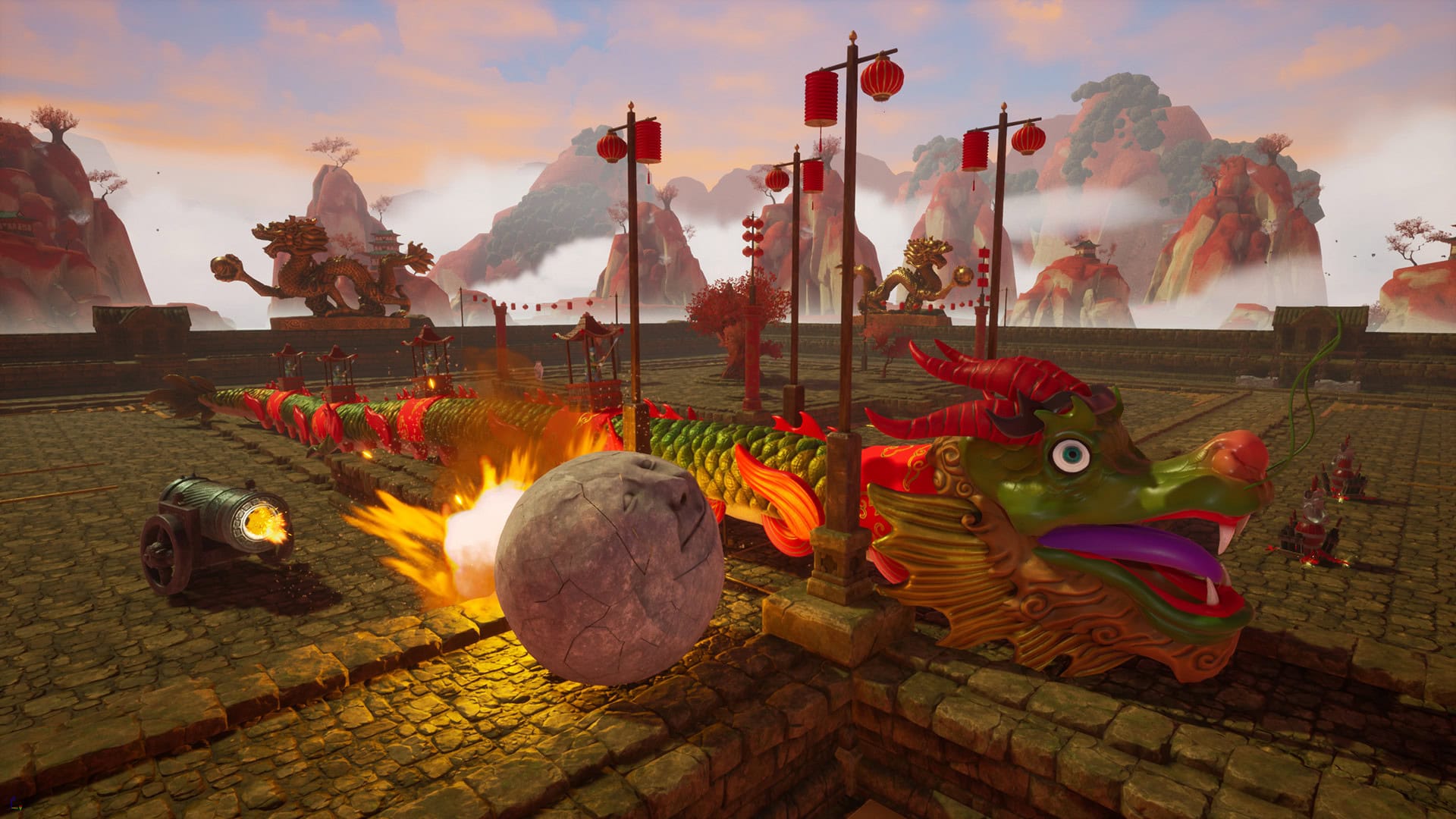
Make & Break is at its best when injecting variety into the campaign, not only mixing up the environments but the game modes.
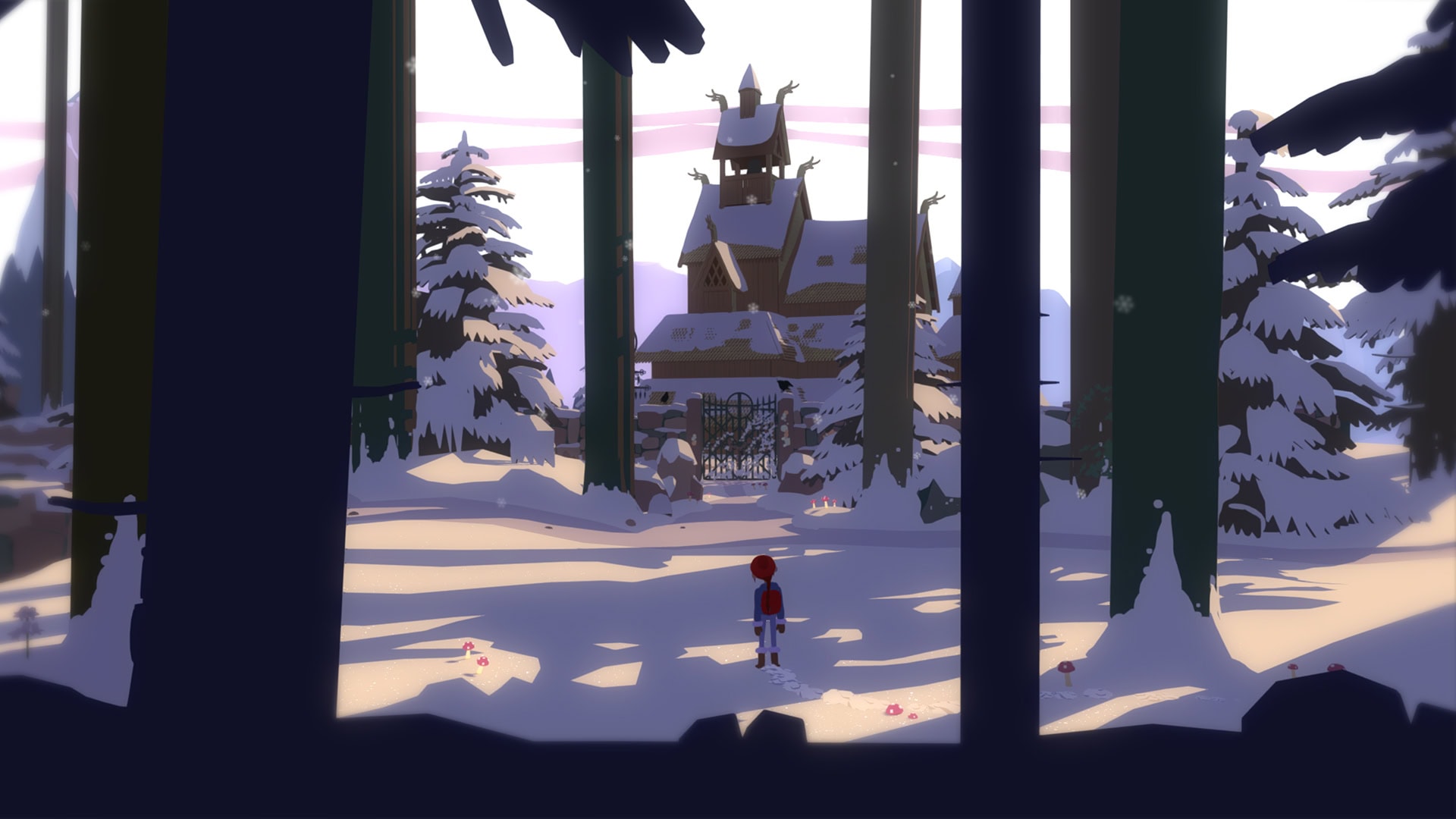
Few of the game’s problems would be insurmountable in the face of an engaging narrative.

The game is primarily a vehicle for Amanita Design’s brand of typically immaculate artistry.

The show’s reticence to dig into hopelessness and pain leaves its admirable optimism to feel strangely artificial.

The film heralds the arrival a bold and formidable voice in horror cinema.
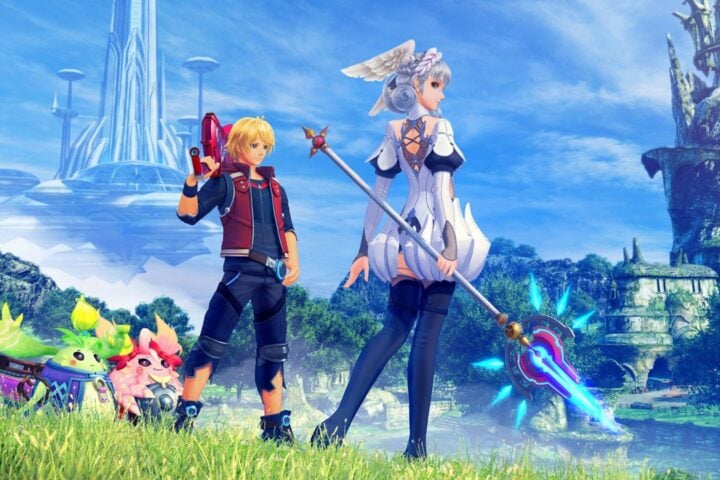
The most impressive thing about the game is still the strength and specificity of its vision.
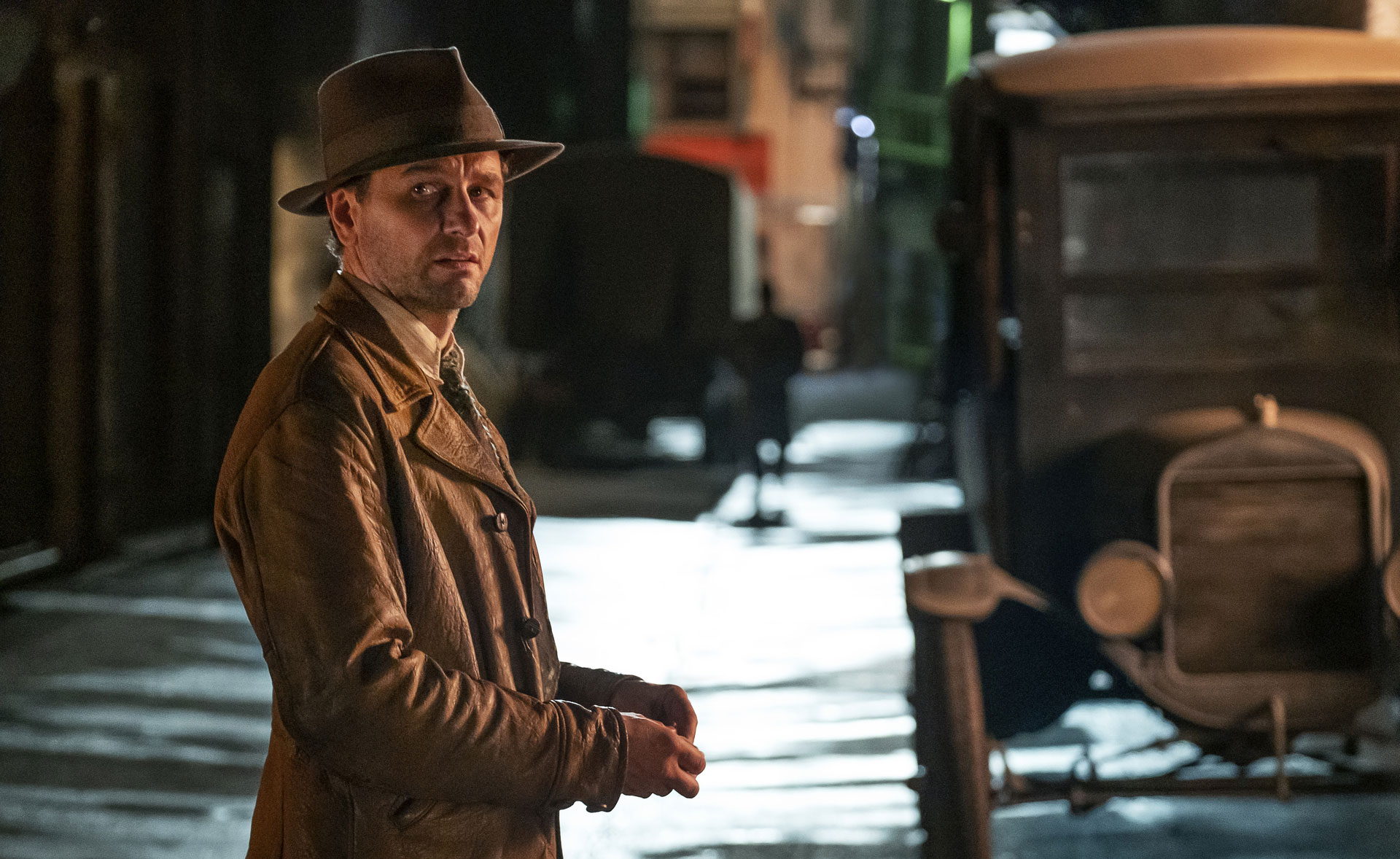
The series is gory and dour with a bone-deep cynicism, but it’s also optimistic in its own small way.
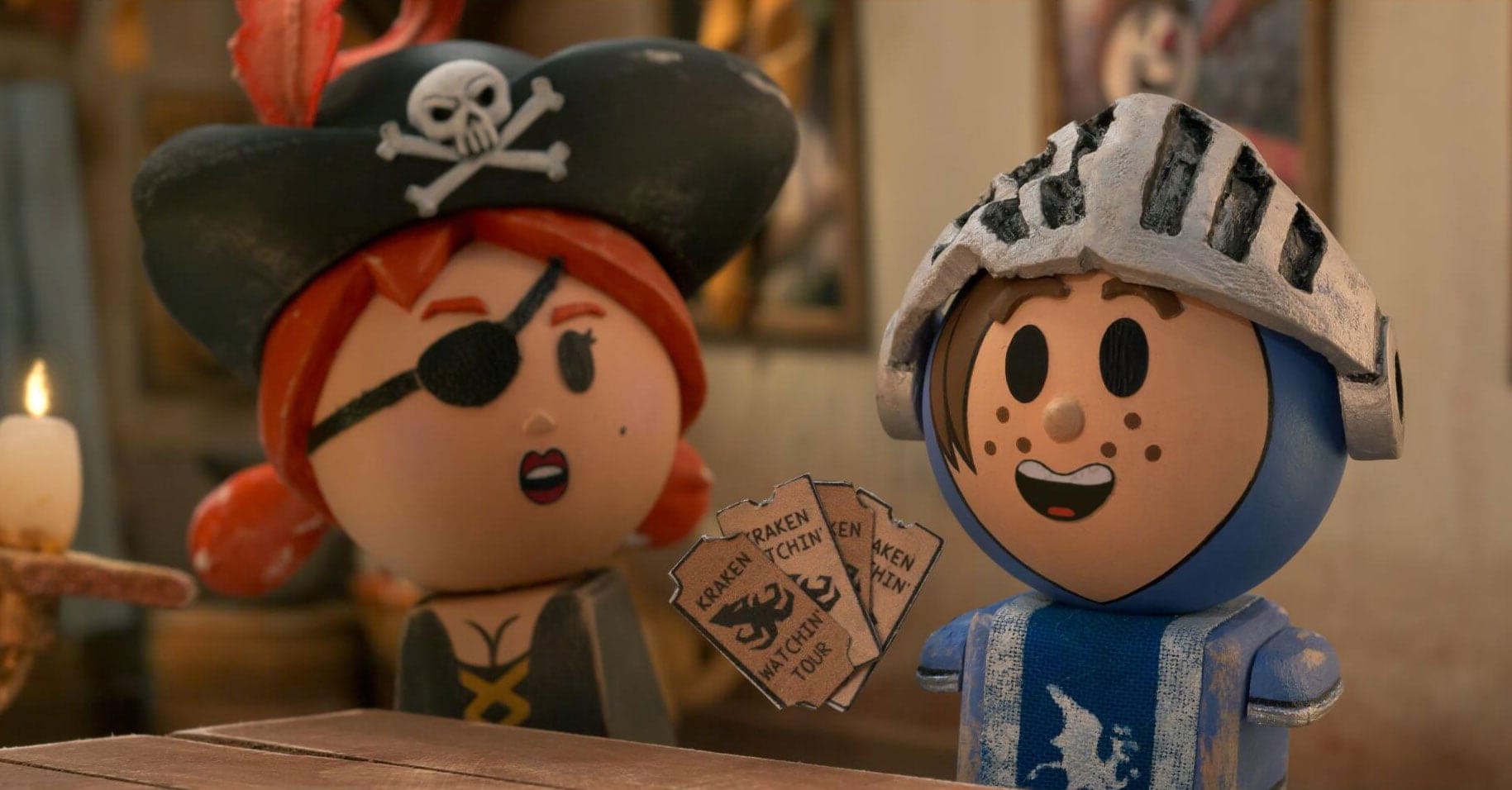
Even the jokes that land mostly emphasize how complacent the series is to coast on its crassness.

The world of the game may be small, but it brims with a weird sense of life.
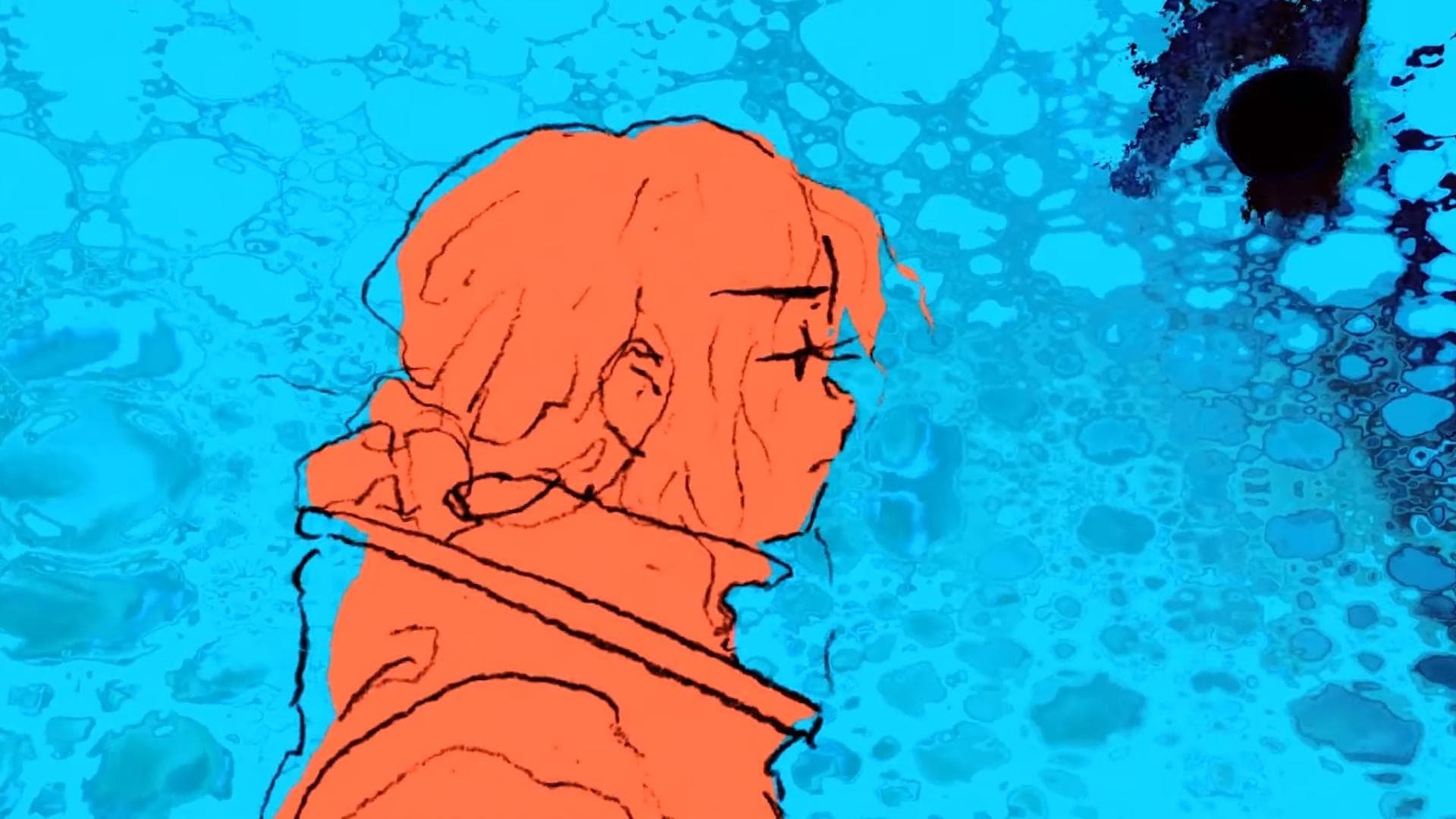
The game reveals its brilliance by constantly and subtly reconfiguring the emotions behind erasure.

There’s considerable joy to poking at the edges of its ingenious interlocking systems to see what happens.
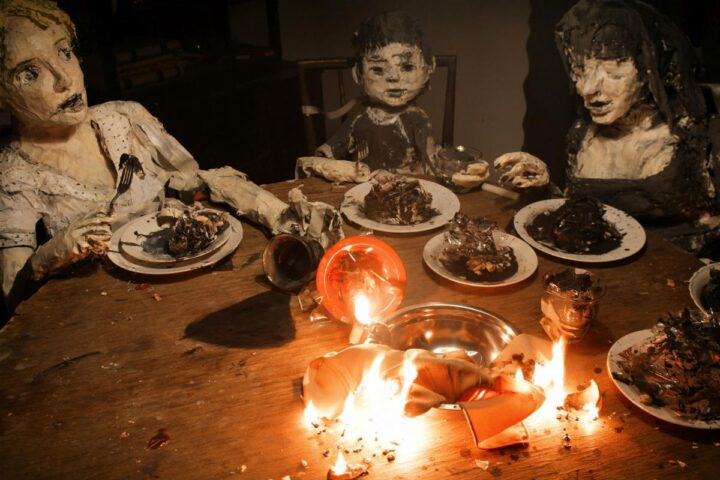
The film’s animation leans into its most jerky, artificial qualities, all the better to enhance the atmosphere of bizarre unreality.
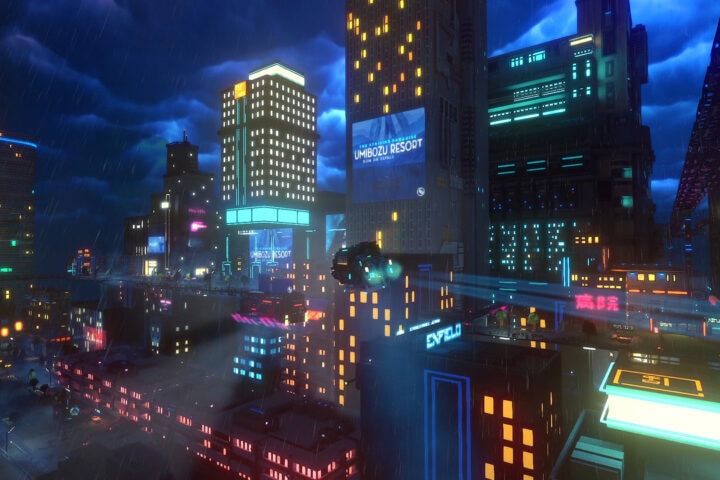
For Cloudpunk, hardship is merely the wallpaper for a pretty yet thinly conceived gaming experience.

Though it needlessly withholds certain details for dramatic effect, the film resists embellishment or caricature.

The film locates a larger truth about the presentation of self and maintaining one’s image.
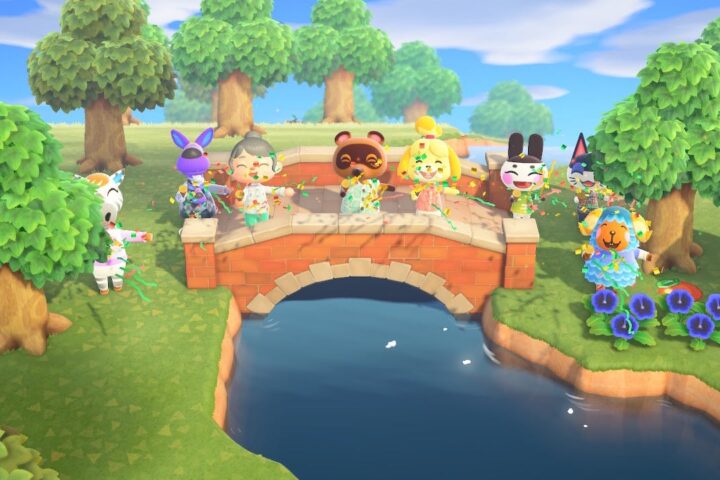
After a while, the game inadvertently becomes about the cost and upkeep of civilization.

The film’s cat-and-mouse antics play out with no sense of escalation or invention.