Season two of the series explores how our preoccupations bring us comfort when we might need it most.


Steven Nguyen Scaife’s writing has appeared in Buzzfeed News, Fanbyte, Polygon, The Awl, Rock Paper Shotgun, EGM, and elsewhere.
Season two of the series explores how our preoccupations bring us comfort when we might need it most.
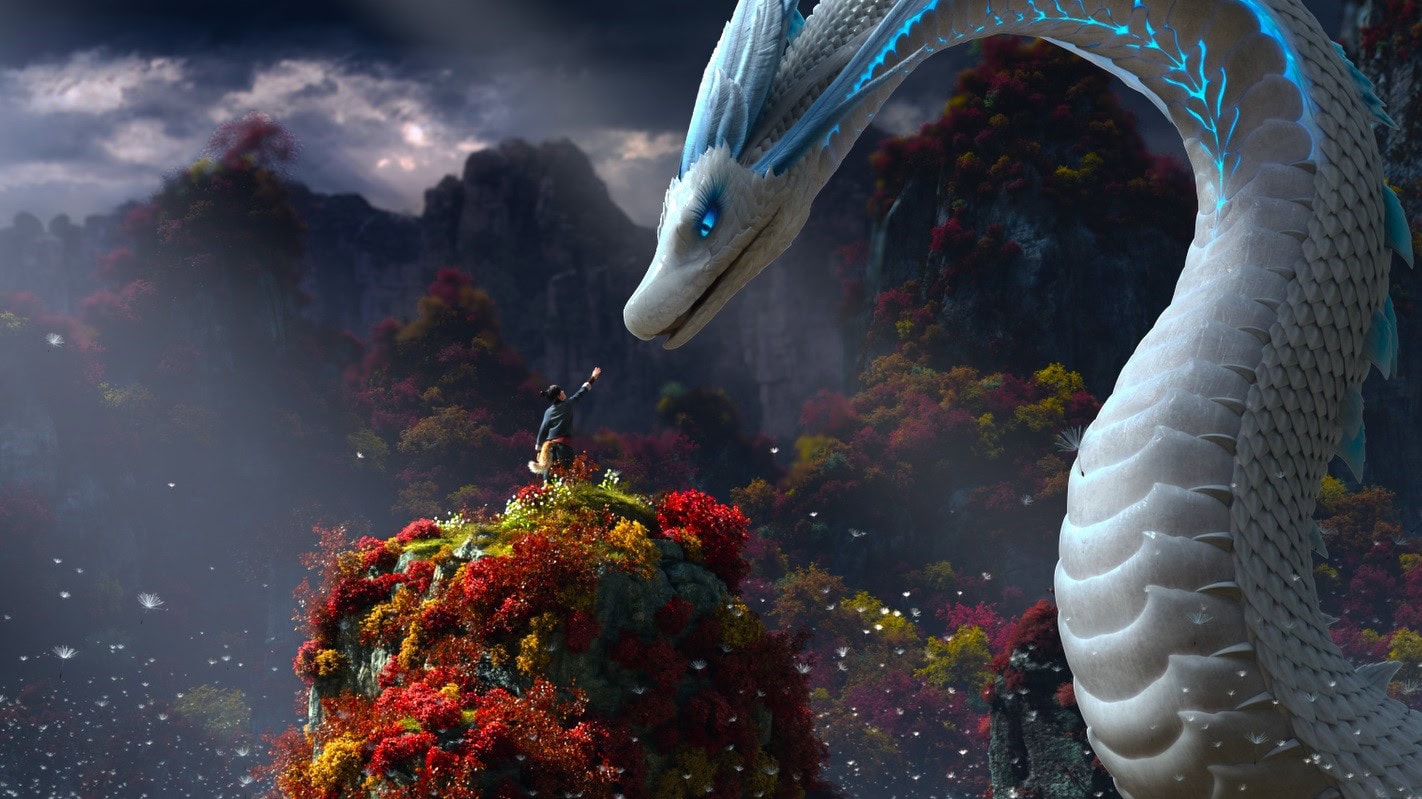
The film feels more like a smattering of action scenes strung together by the barest thread of plot.

The show’s control of tone and atmosphere soon becomes even more engrossing than the story’s mystery itself.
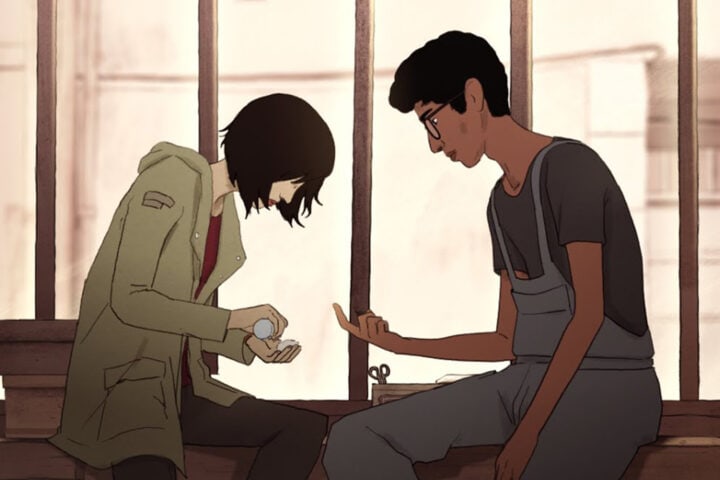
It focuses equally on moments of shared connection and incidental loss until the two feel indistinguishable.

Sergio Pablos’s film is essentially a metaphor for its own unique and refreshing mode of expression.
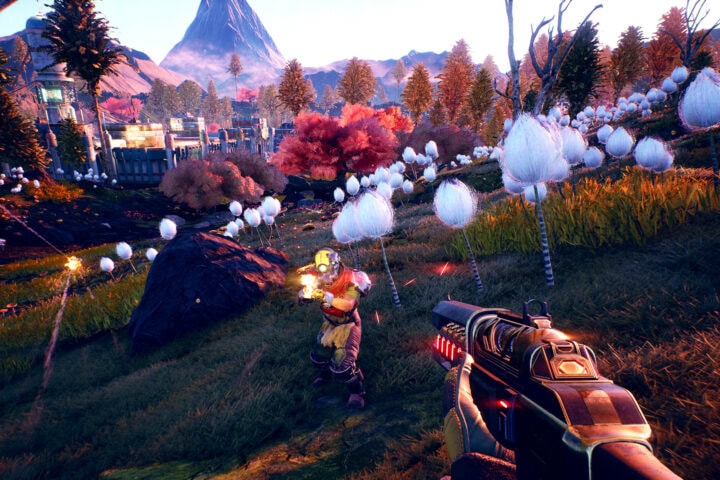
The game is so zany and so mired in its traditional progression systems that it ceases to say anything of note.

The series struggles to sensibly lay out the particulars of its post-apocalyptic feudalism.
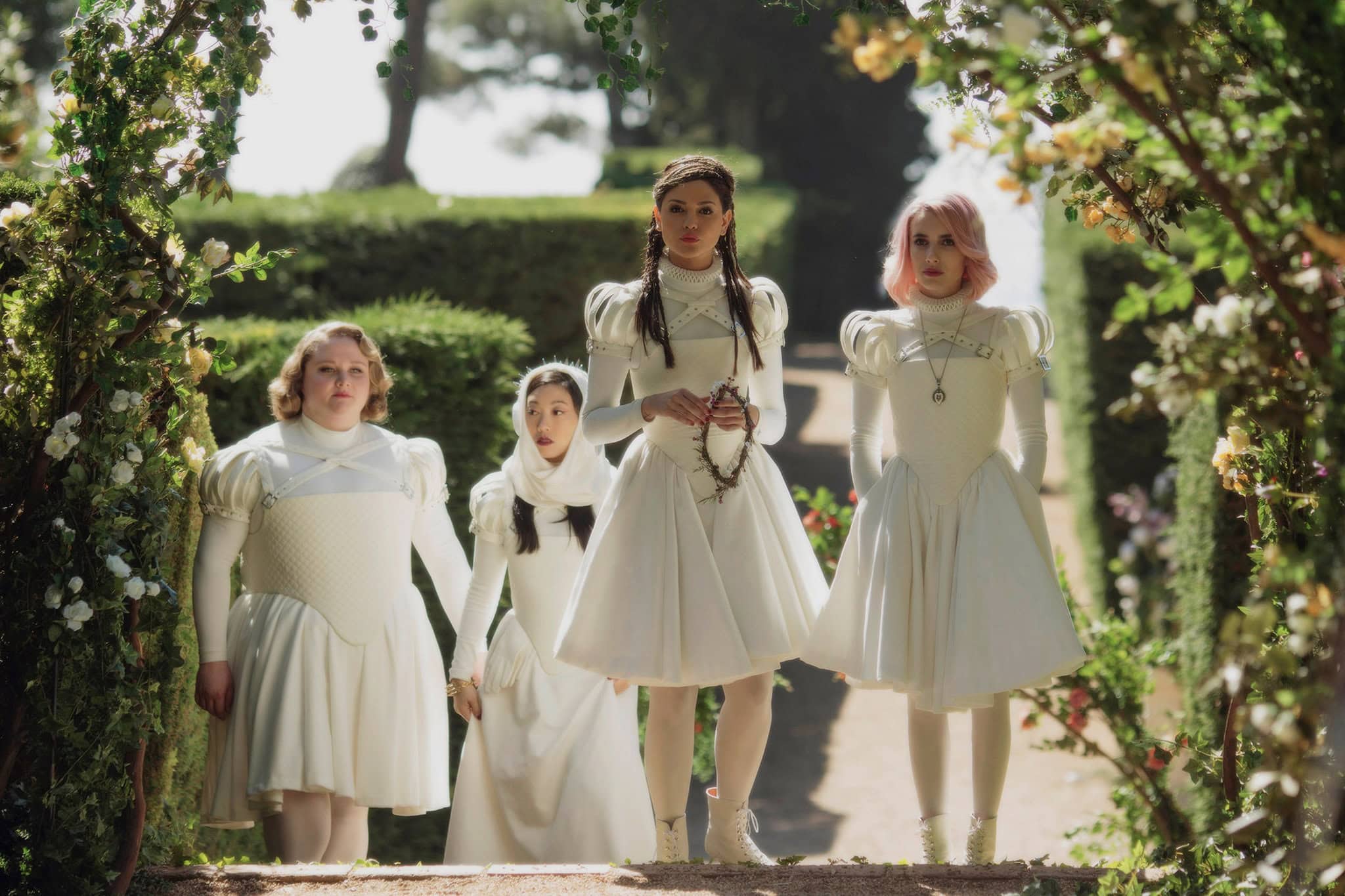
Alice Waddington’s sci-fi fantasy never finds a cohesive story wrapper for its themes.
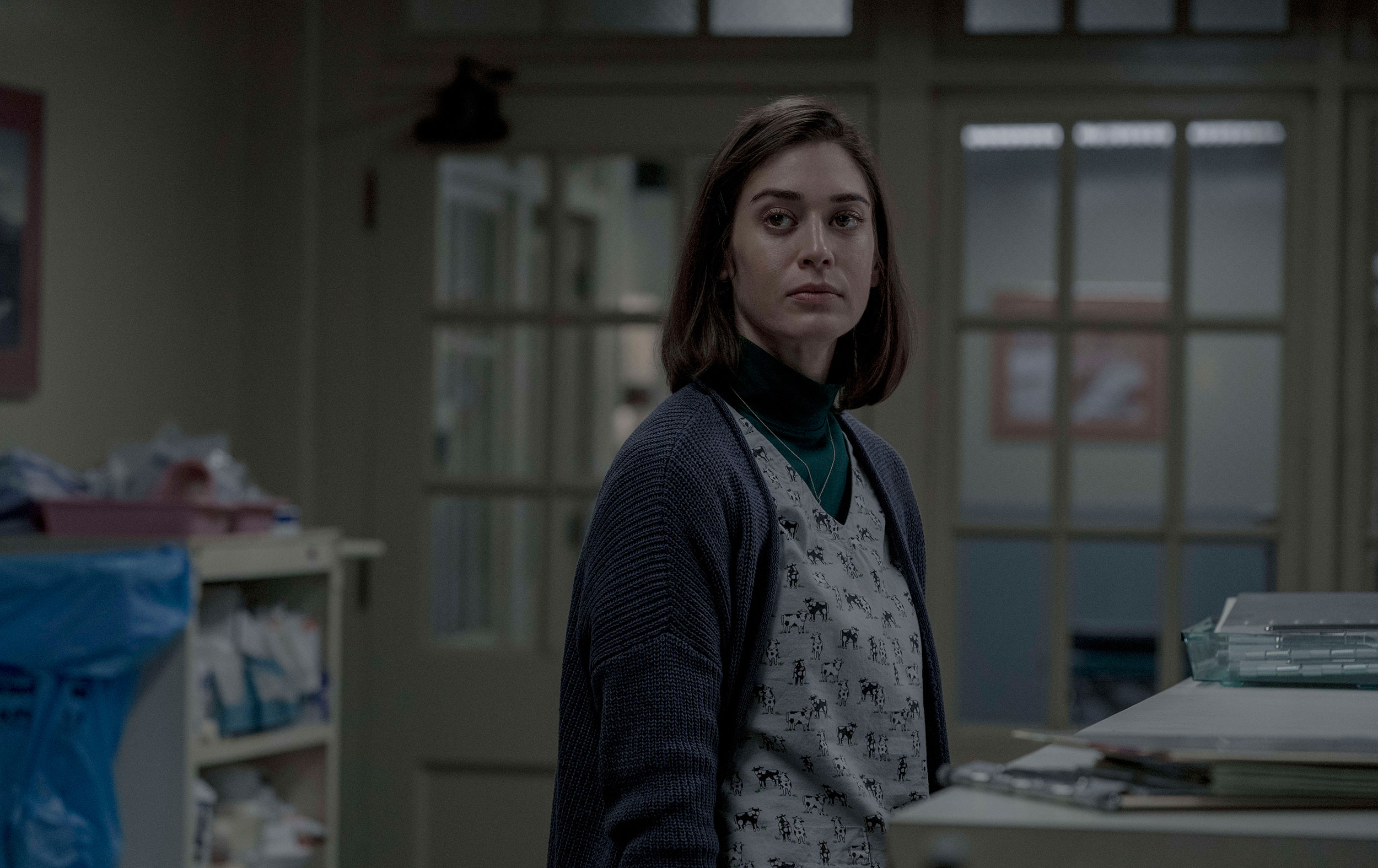
There’s little apparent benefit to how the show’s second season foregrounds its interpersonal relationships.
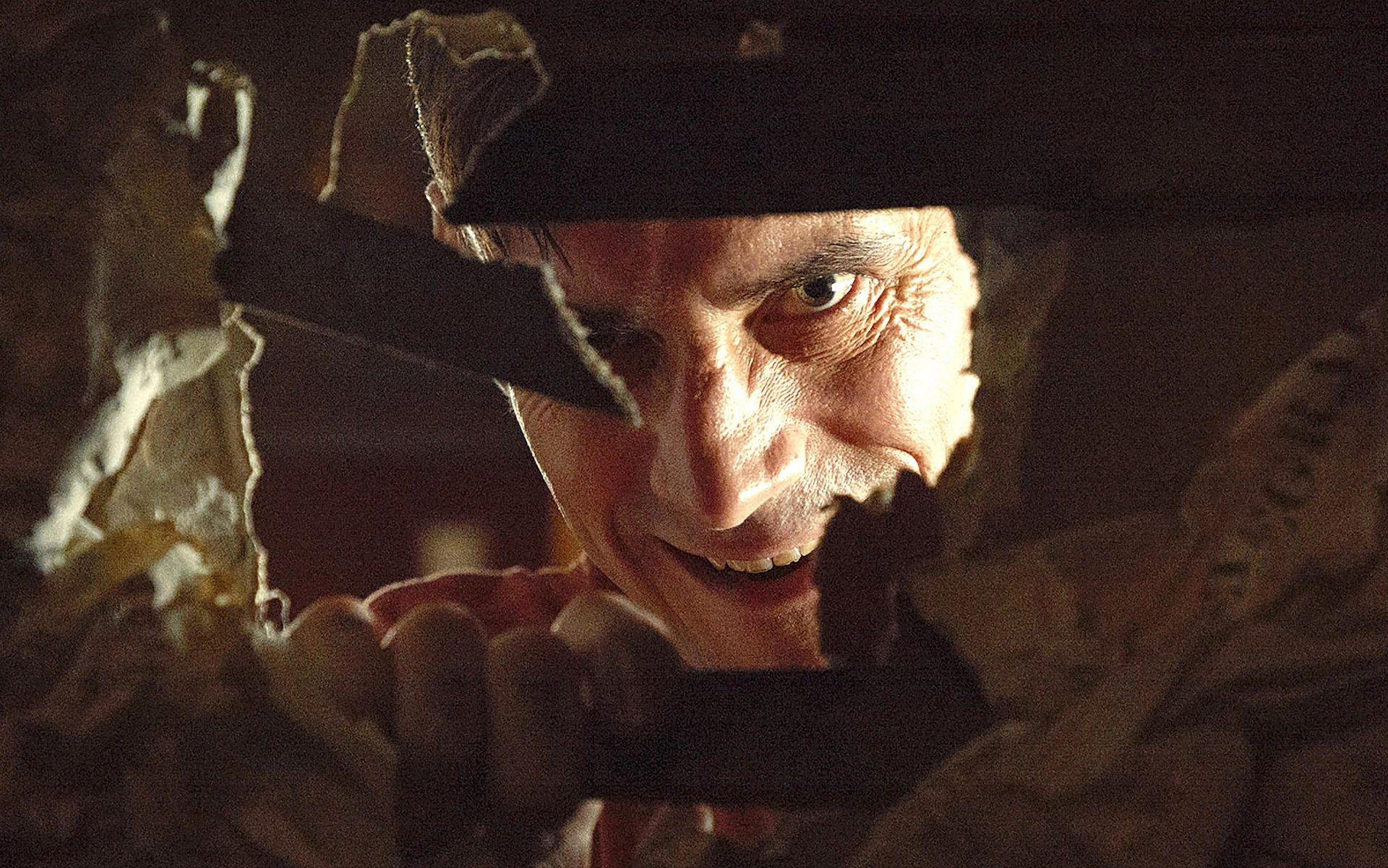
The film is loud and obvious about declaring its themes, as if to distract from their ultimate shallowness.

The game is a fascinating, unique, and fulfilling portrayal of the human mind.

The series argues the ways injustice might persist, and in that sense, its alternate history doesn’t look so alien after all.
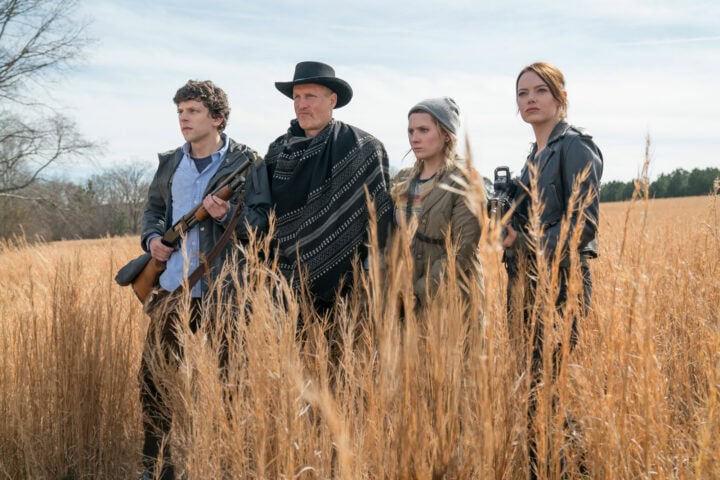
Behind the film’s self-awareness and irony is a hollow emotional core.
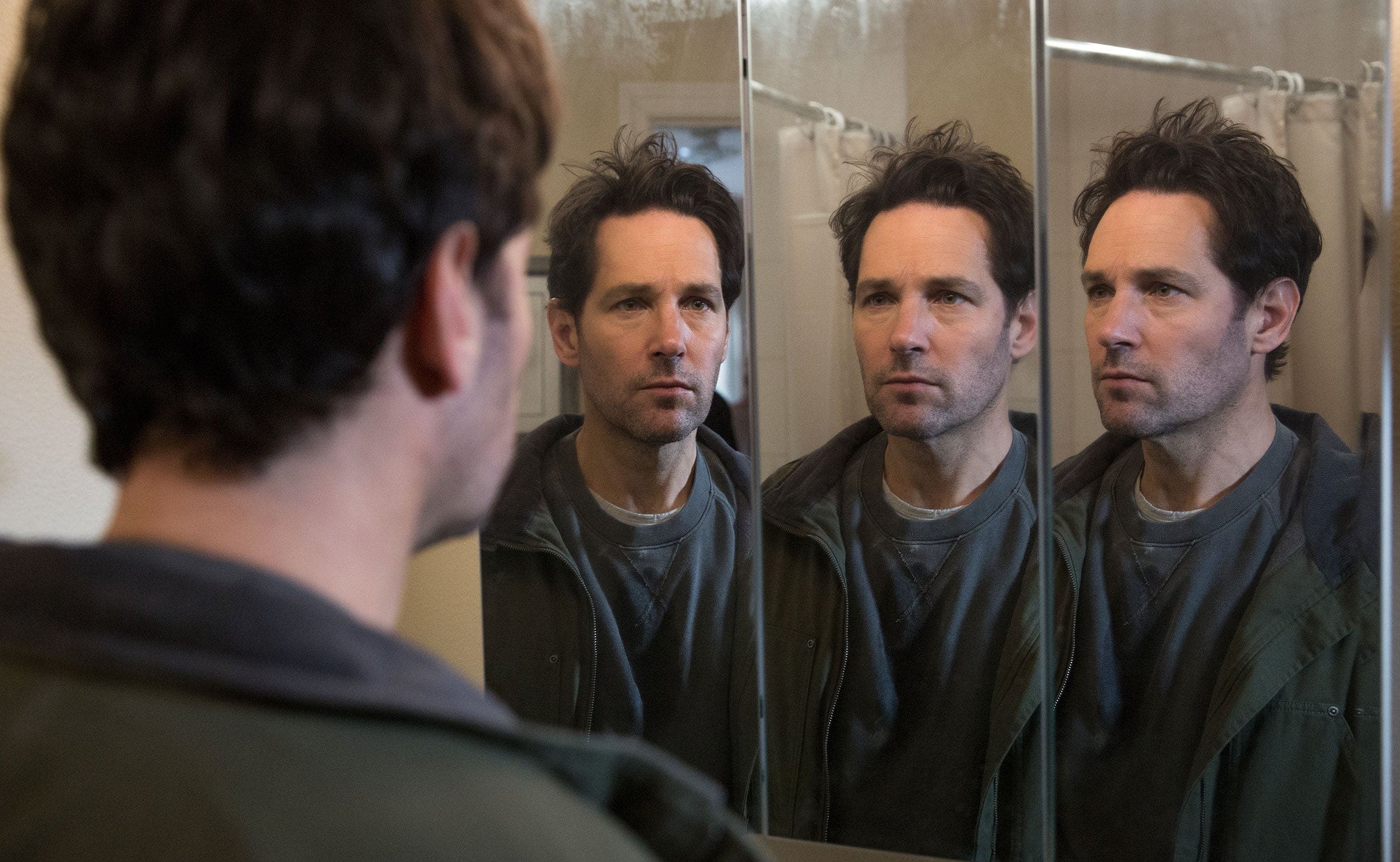
The series is decidedly unambitious and ends before it ever really gets off the ground.
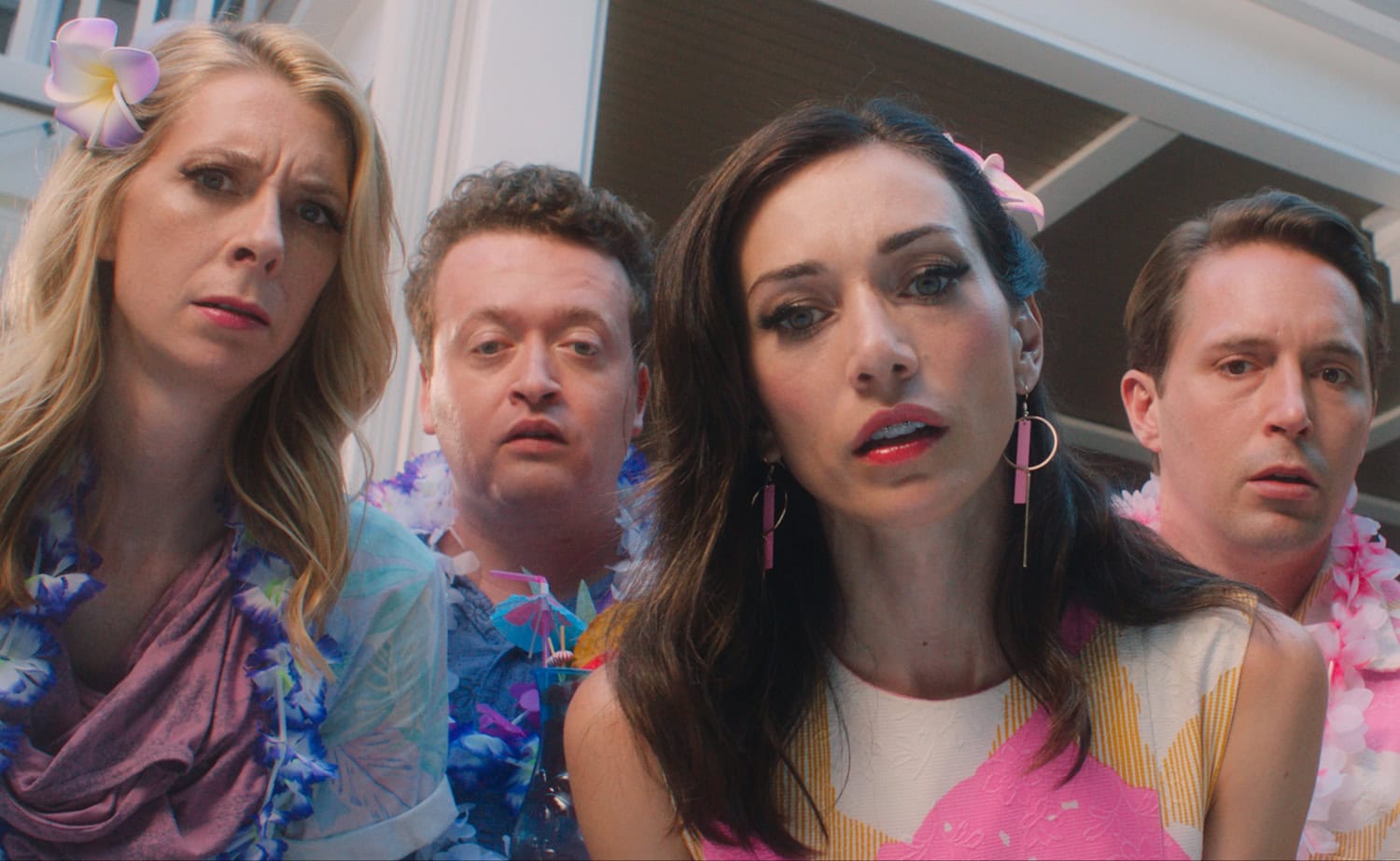
In the film’s world, there can be no real resistance, as the suburbs have already won.
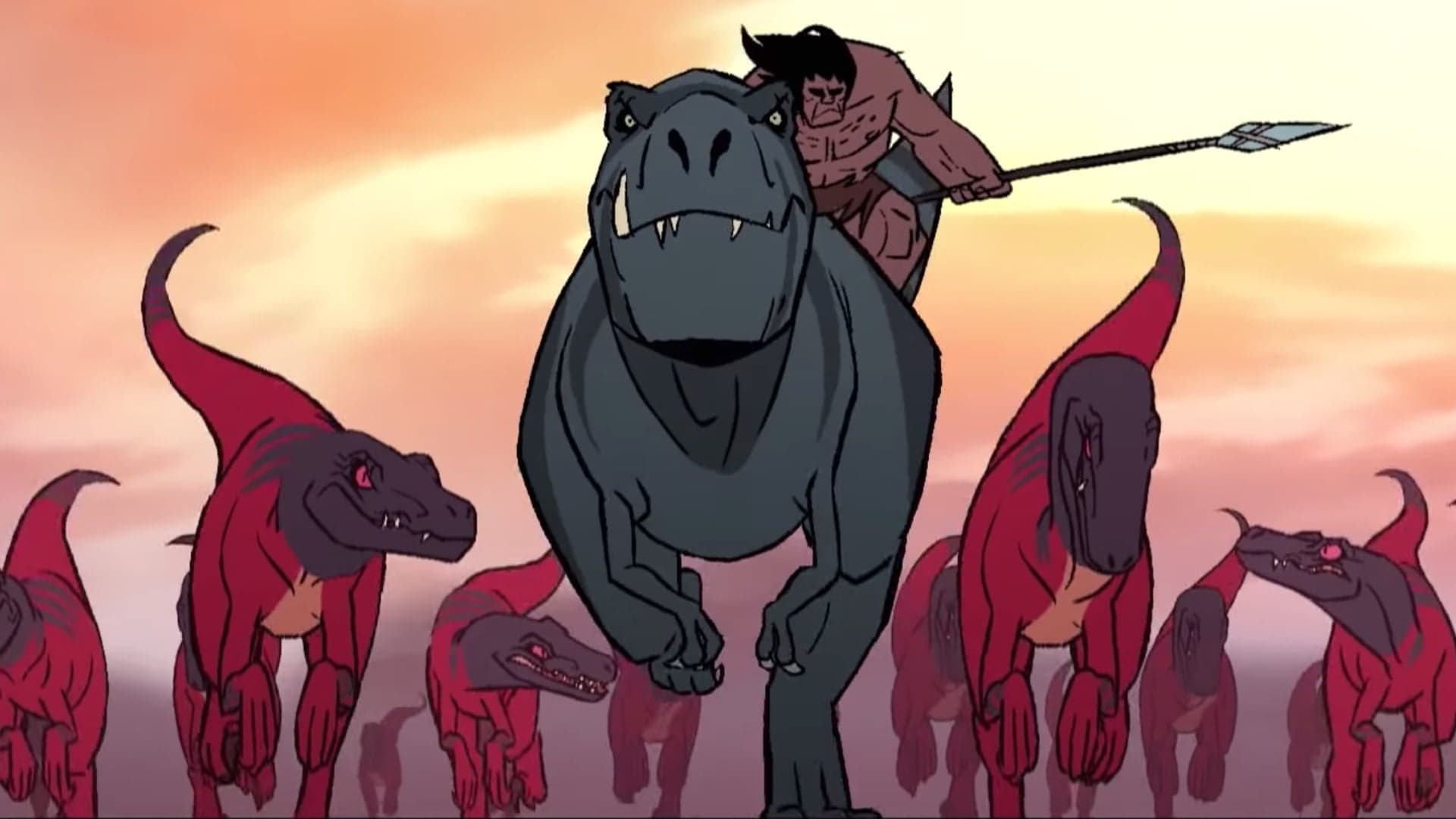
The show’s violence is a reflection of its characters’ existence, a cycle from which there’s no escape.

The film is an aimless, albeit sometimes funny, chronicle of absurd behavior and government ineptitude.
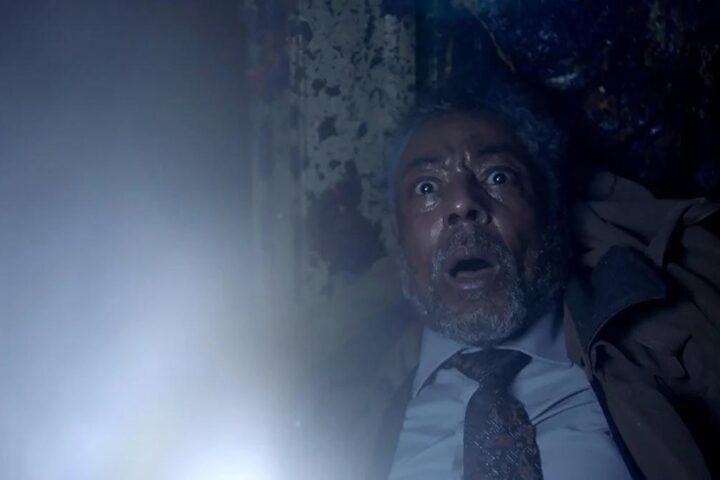
The series bottles the original’s pulpy spirit and atmosphere for an irresistibly macabre package.

The film often feels like a maximalist season finale trimmed of any build-up.
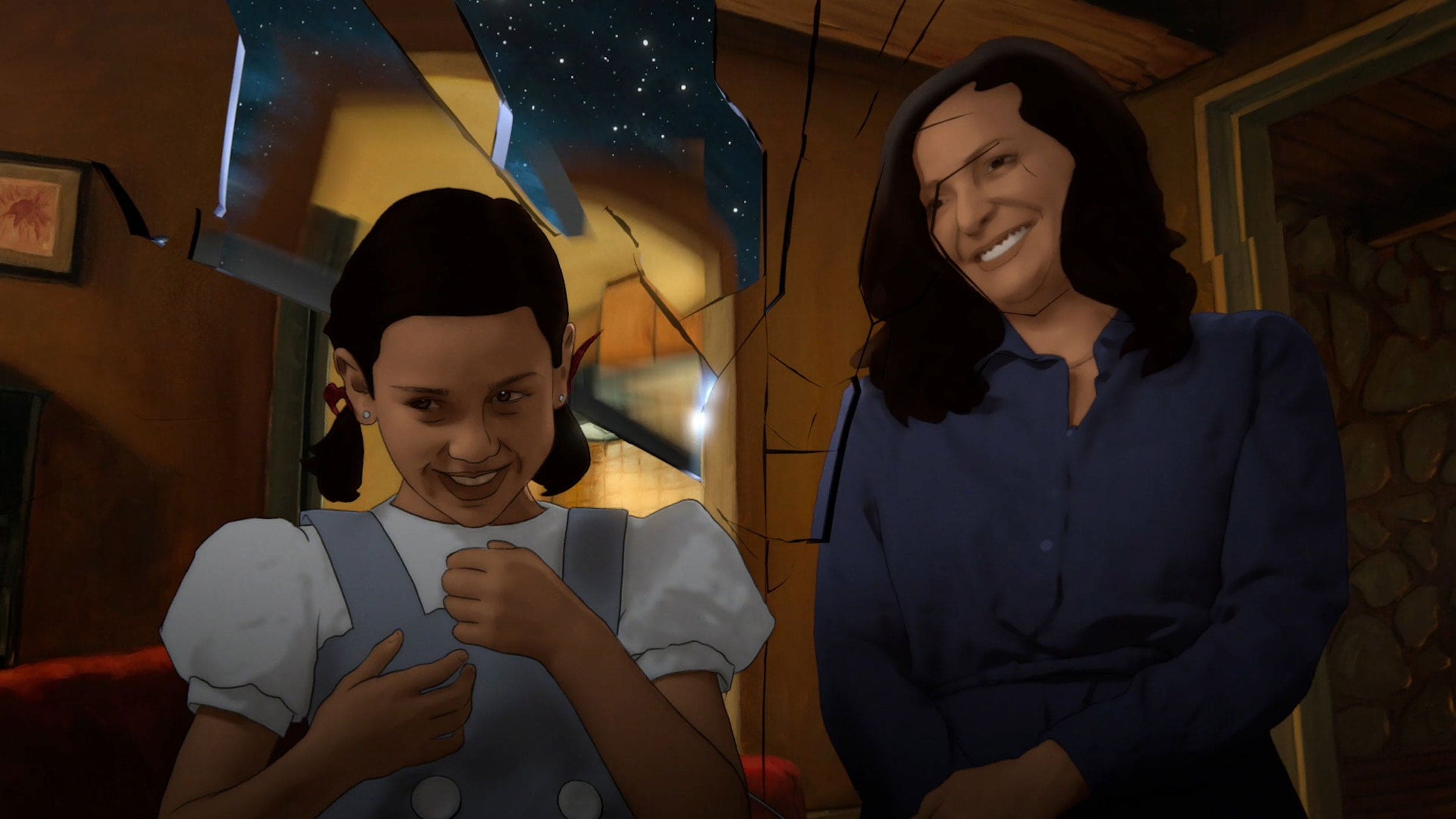
The series is both beautiful and inventive, even if it uses the mental health of its protagonist as a story hook.