The musician’s impeccable melodic instincts justify the album’s largely featherweight tone.



Jeremy Winograd studied music and writing at Bennington College, where he did his senior thesis on Drive-By Truckers. He has written for Rolling Stone and Time Out New York. He and his wife met on a White Stripes message board.
The musician’s impeccable melodic instincts justify the album’s largely featherweight tone.

The singer melds influences as disparate as backwoods country and garage punk into a cohesive signature sound.

The album is marked by songs that are at once deeply intimate and broadly accessible.

The album explores darker, weightier subject matter than its predecessor.

The band’s 12th album is constructed on the premise that the personal is political.

The album both calls attention to its artifice and proves it can still hold a broad emotional range.

The album’s direst moments are still refreshing because they find Young doing whatever the hell he wants to.

The album is, at least by the group’s typical power-pop standards, a heavier, murkier affair.

While the album may lack instant anthems, it’s still a highly consistent and satisfying rock album.

On a superficial level, the ostensibly back-to-basics album could charitably be described as workmanlike.

The album proves that there’s still more to be mined from the supposedly anachronistic guitar-rock template.

The album is the band’s widest-ranging and most surprising effort to date.

There’s still darkness flitting around Ezra Koenig’s consciousness, but it’s more of the “middle-aged malaise” variety.

If there’s one thing that squarely separates the album from the Hold Steady singer’s previous work, it’s the consistent mellowness.

The album’s heartwarming melodies set to hit-and-miss lyrics represents at least a partial return to form.

Modern trappings do little to obscure the fact that frontman Kurt Wagner feels more out of time than ever.

The album marks the band’s first reunion that feels truly consequential.

The album proves that the tortured-artist path isn’t the only way to great rock ‘n’ roll.
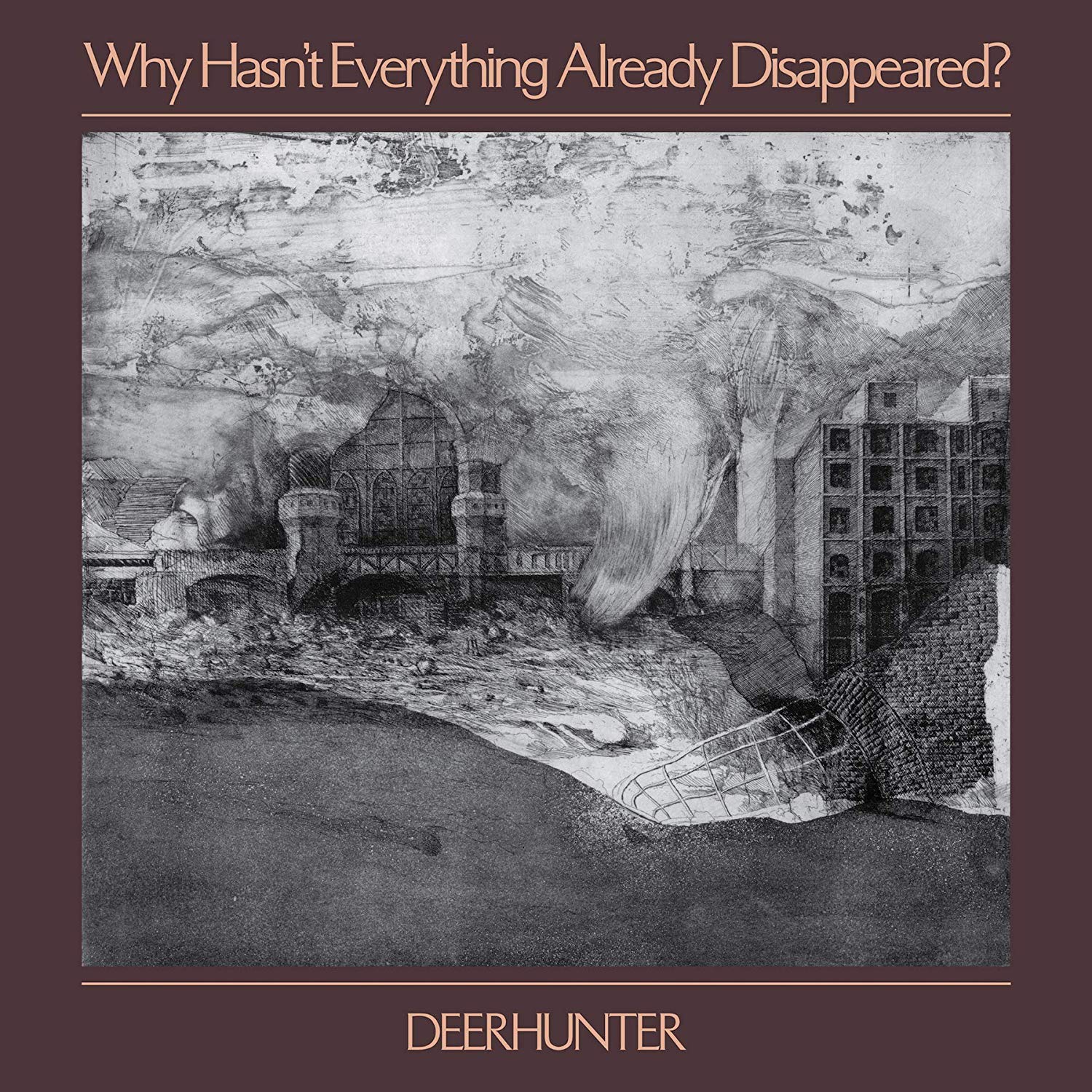
Why Hasn’t Everything Already Disappeared? keeps the usual chaos of a Deerhunter album hidden beneath charming exteriors.

The album comes close, in both timbre and tone, to reflecting the unvarnished Tweedy that shows up at his solo shows.