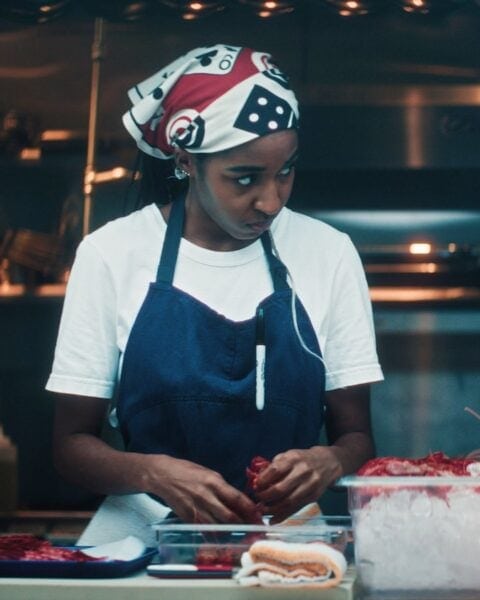
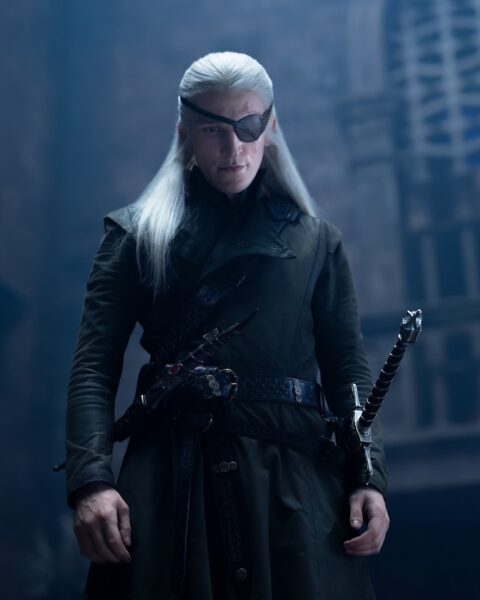
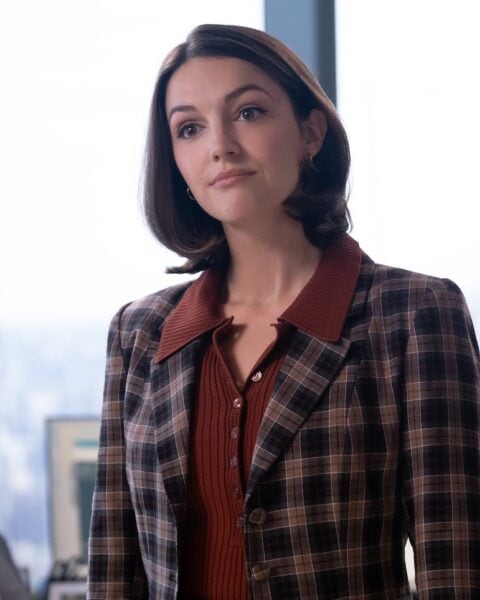
The series is a polished genre exercise with characters that feel like predigested tropes.


The series is a polished genre exercise with characters that feel like predigested tropes.
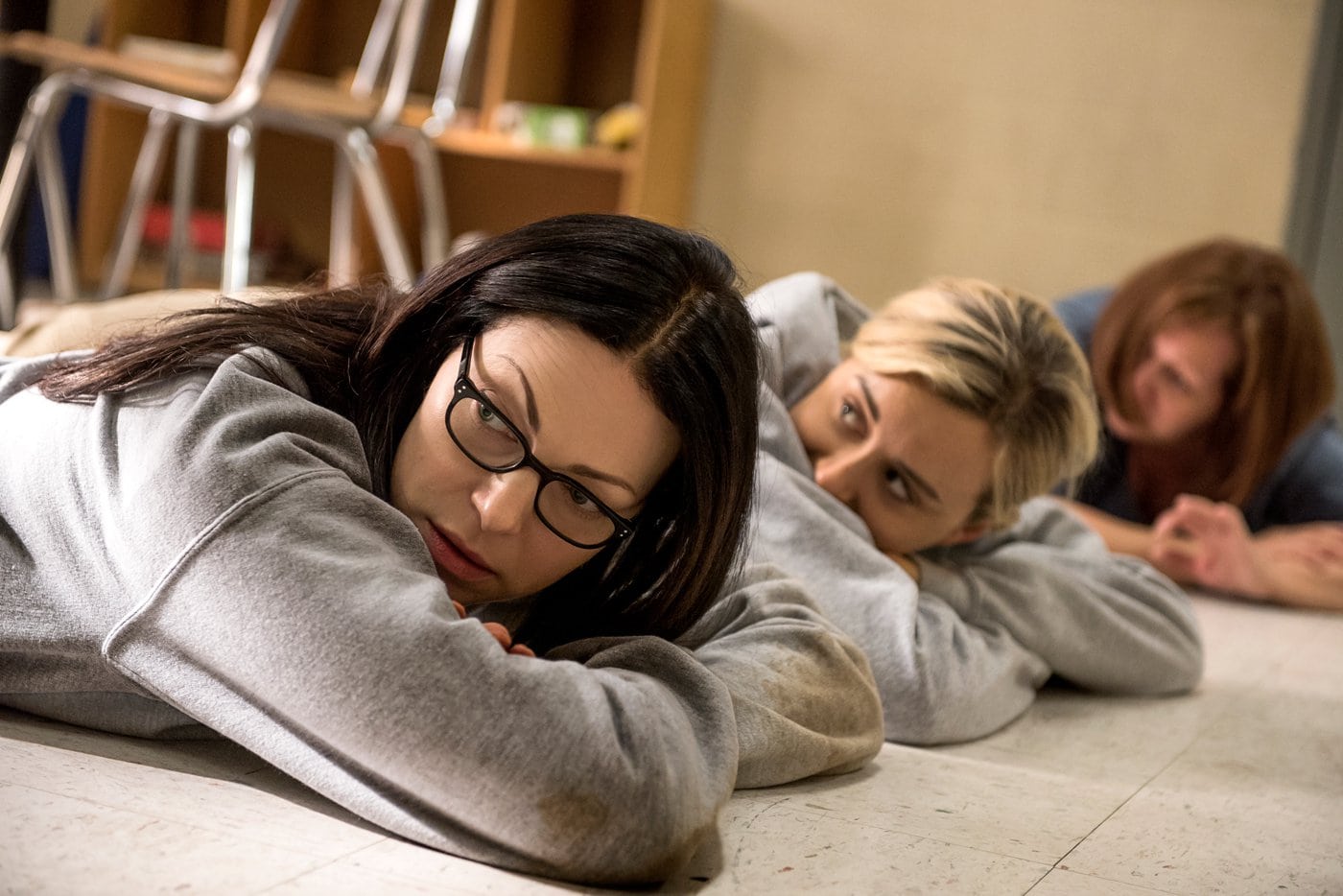
Orange Is the New Black has always been invested in the dual concepts of freedom and power.

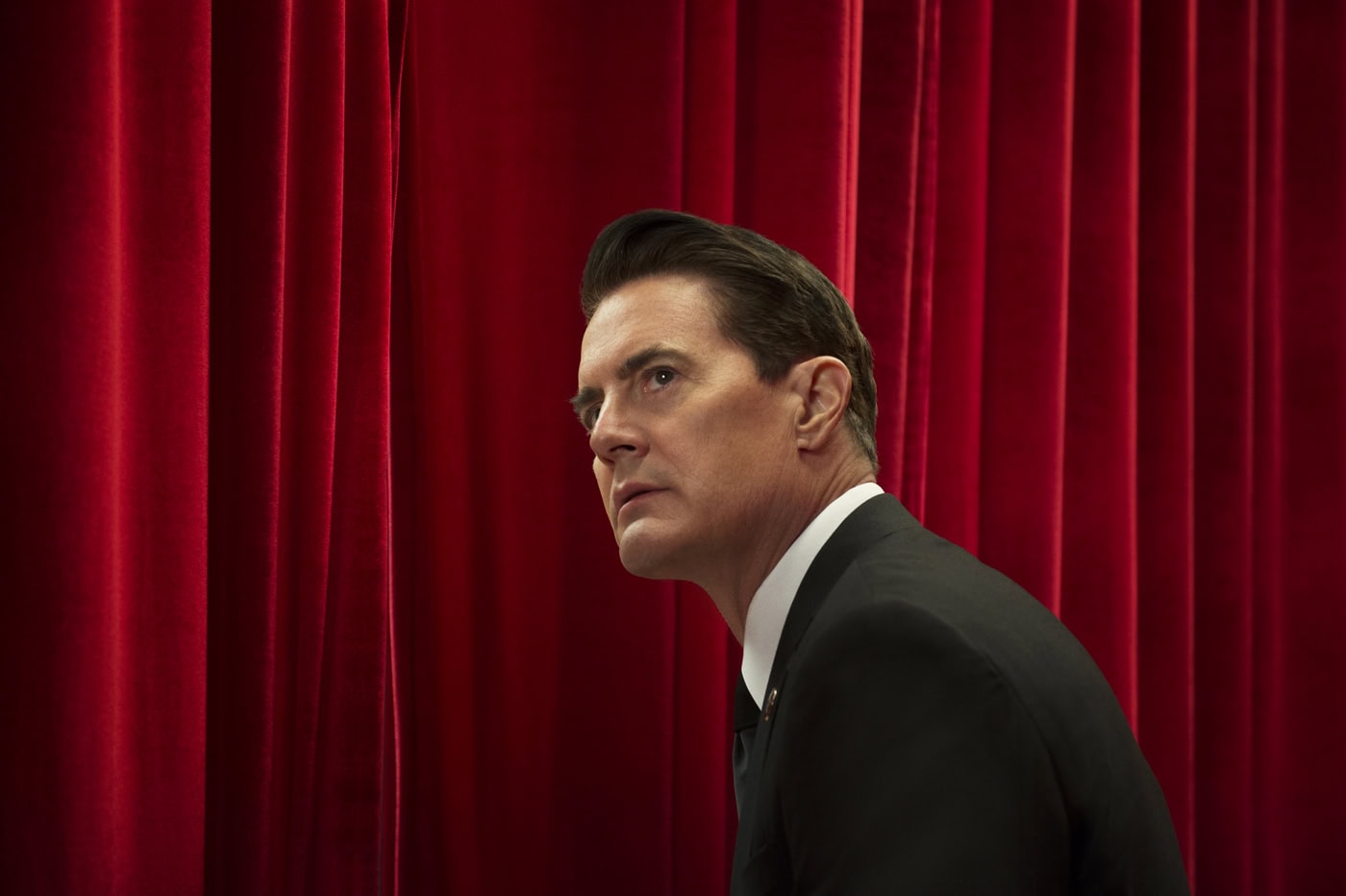
We might expect it to end on the performance, as each episode has until now, but Lynch throws us a curveball.
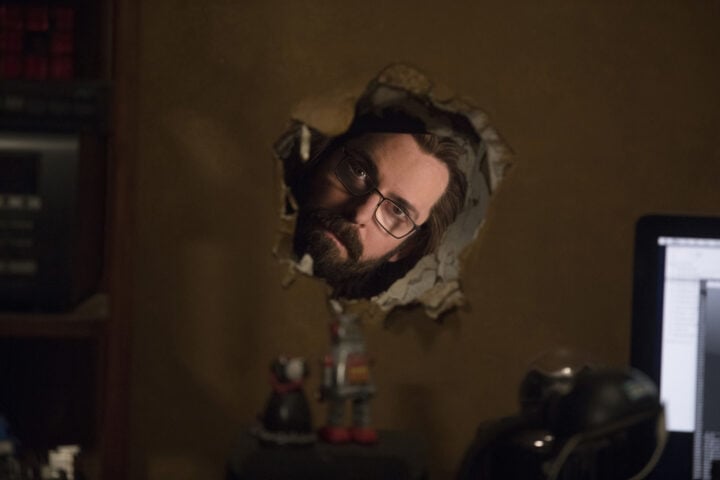
The episode abounds in the excruciatingly awkward would-be-alpha-male slang that is the show’s specialty.

In American Gods, deities work in a fashion similar to that of politicians, as both bedazzle the public.
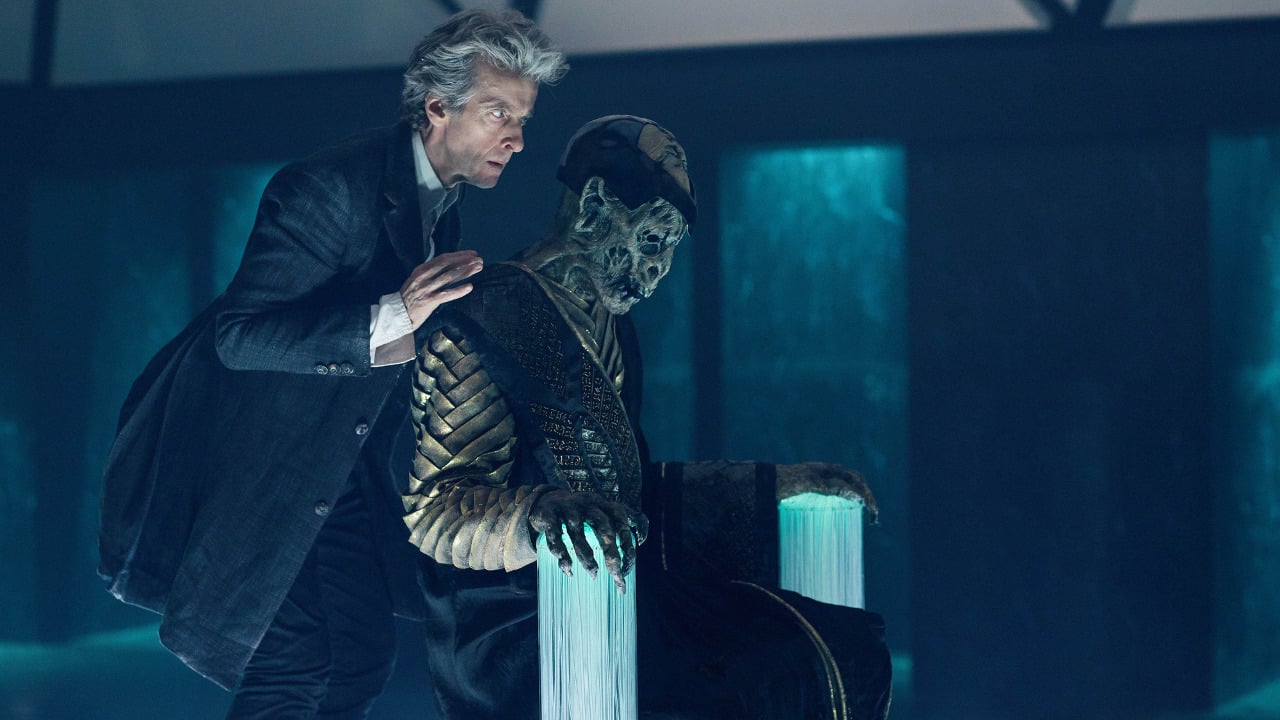
Toby Whithouse has a knack of writing memorable one-on-one confrontations between the Doctor and his foes.

Praise be to Sasha for bursting Alexis’s delusional bubble without breaking into laughter.
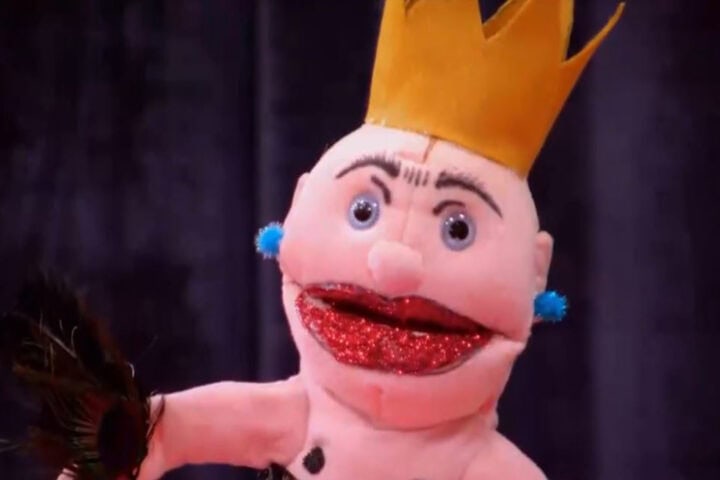
Every season of RuPaul’s Drag Race comes to embody the personalities of its frontrunners.

Scene after scene transpires as a discussion about togetherness—as eternal ideal and currency.

The lavish sets and costumes almost distract from the muddled political turmoil unfurling between scenes.
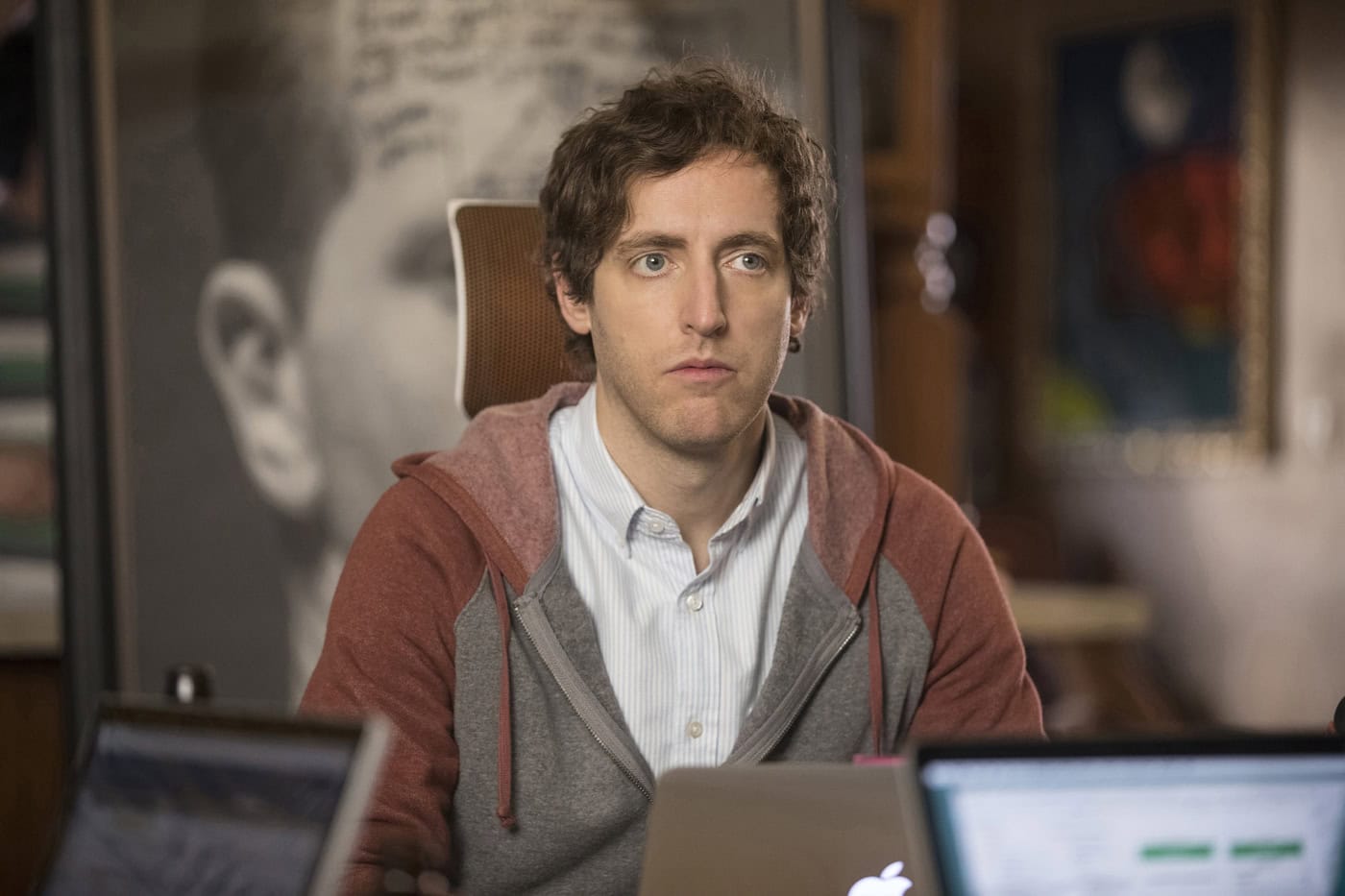
The episode consists of comic meditations on the friction between programmers and the people they rely on.
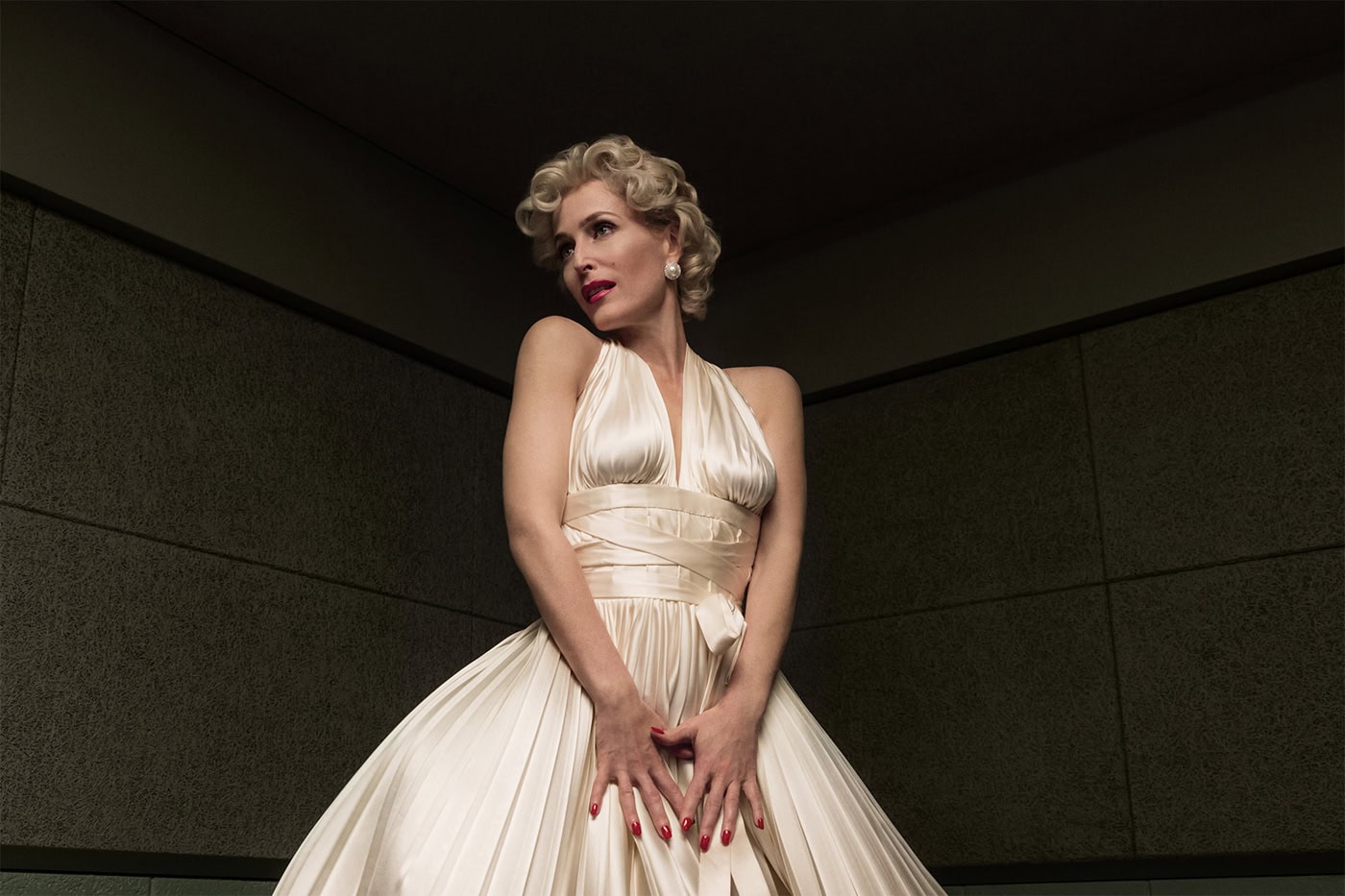
The episode satirically equates exposition to sales as necessary binding agents of contemporary life.
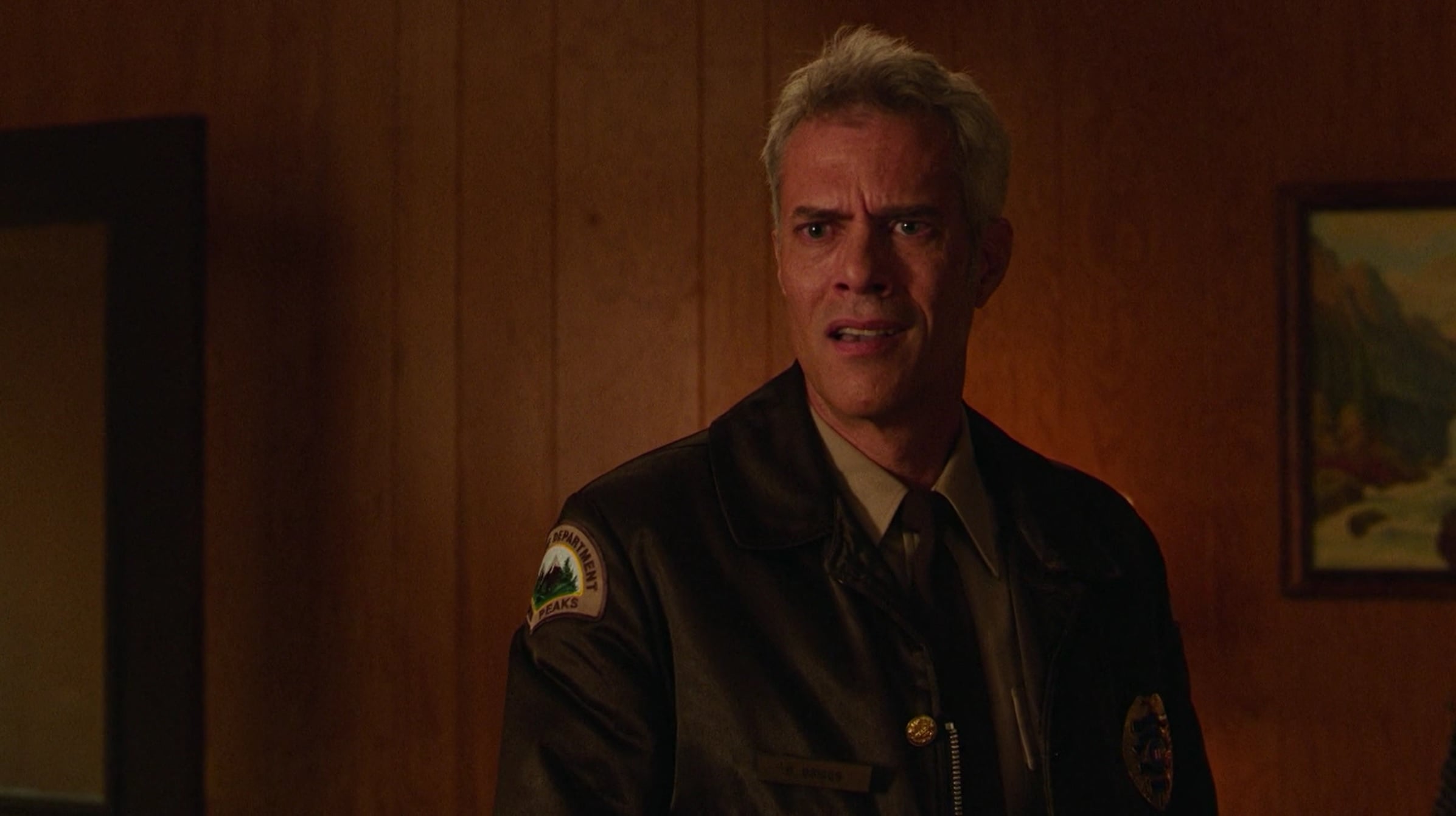
The episode’s emotional epicenter is Bobby Briggs, now white-haired and working as a deputy for the department.
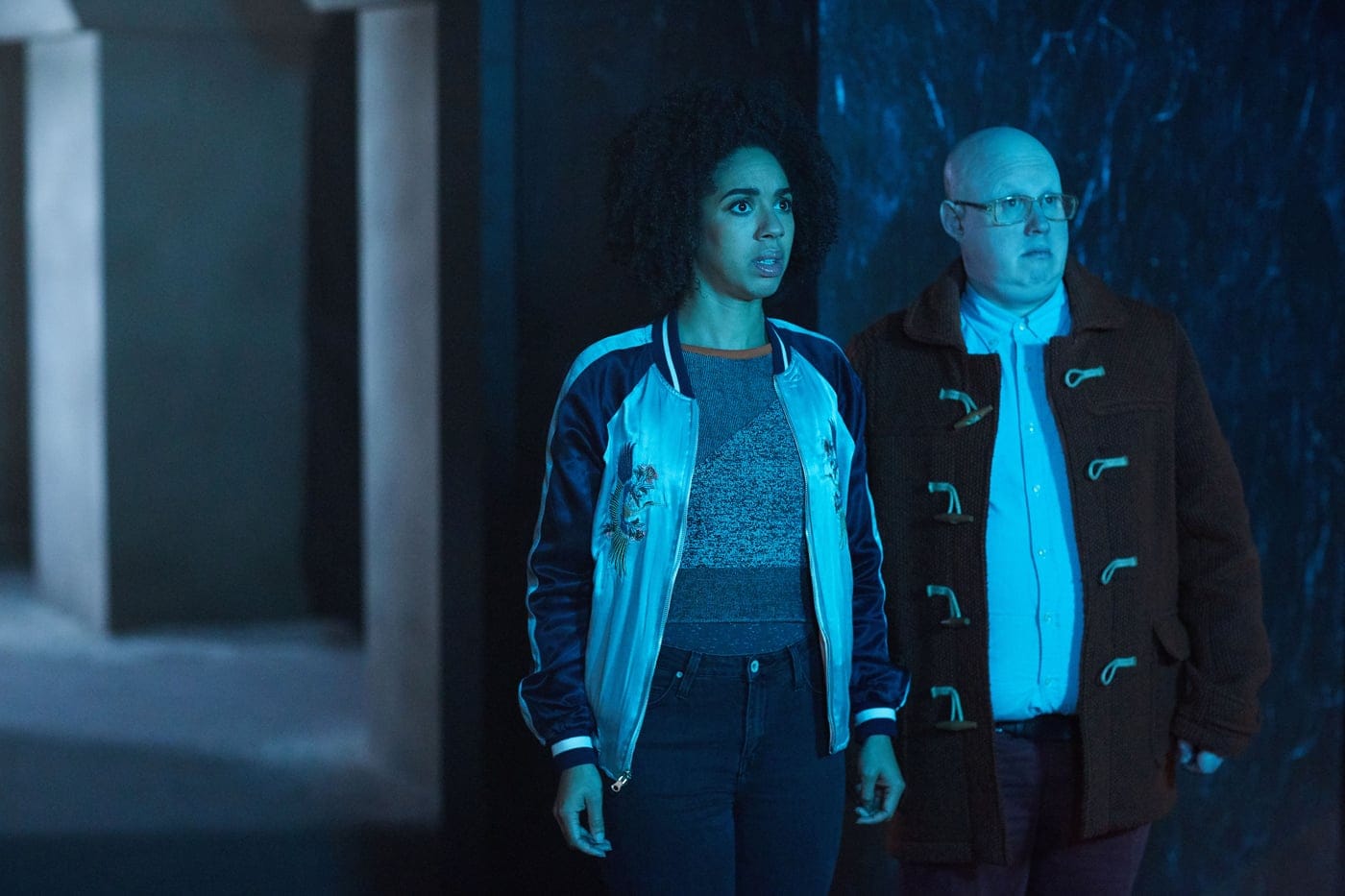
We’re once again left with the impression that the real story has only just begun.

The episode sees the editors dividing the remaining pile of wheat into heroines and villainesses.
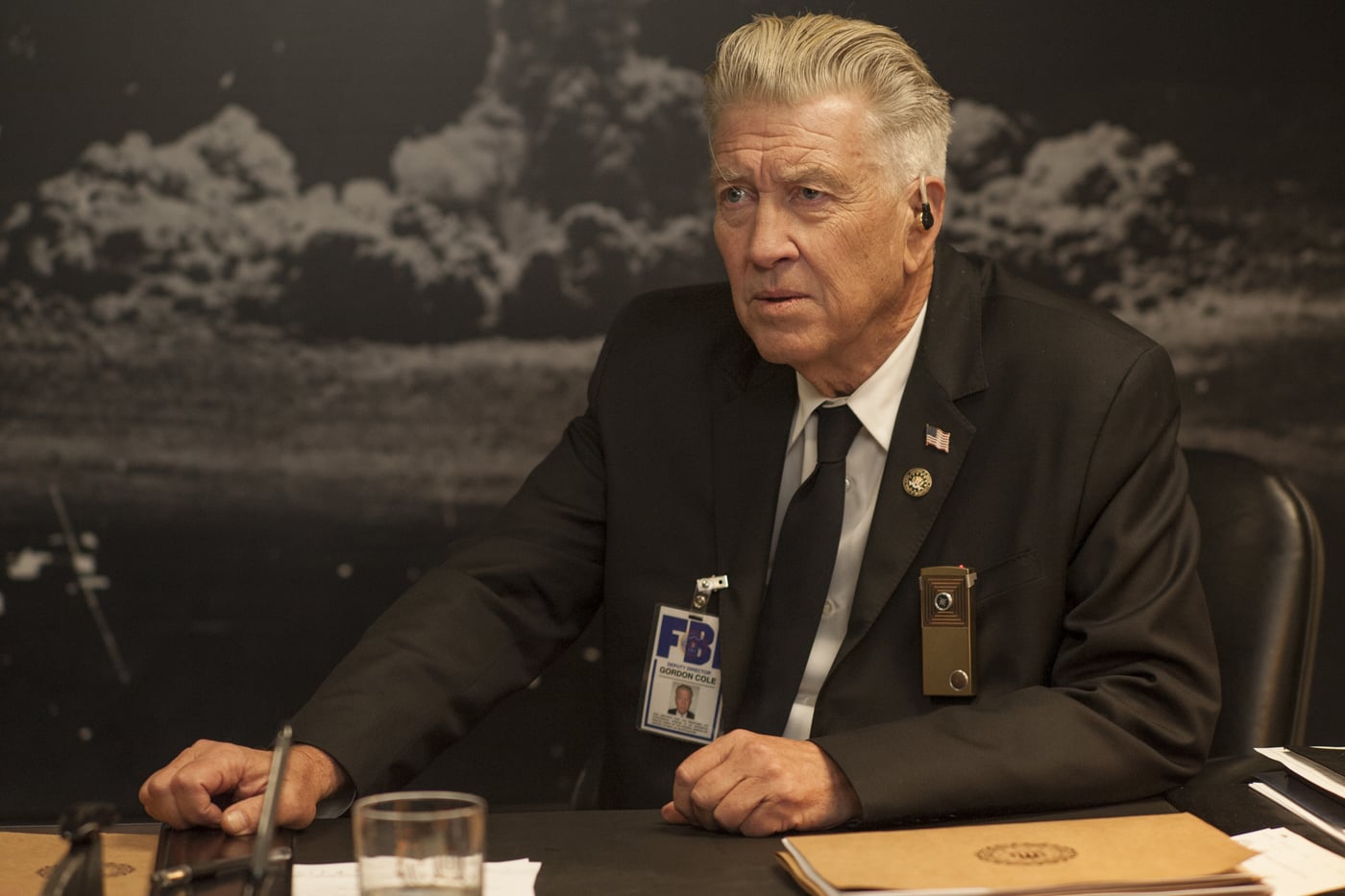
Parts of the episode play like one of David Lynch’s hermetically sealed surrealist short films.

The Americans is the rolling stone that gathers no moss.
The first two episodes of the new season are largely preoccupied with sowing the seeds for later developments.

It probes the disconnect between worthiness and success in a world where sizzle almost always trumps substance.

The episode tells a story of a relationship tragically governed by imbalance of power.

Showrunner Steven Moffat’s plotting ingenuity is on full display throughout the episode.