It stands apart from its contemporaries for relying heavily on audio over visual cues.
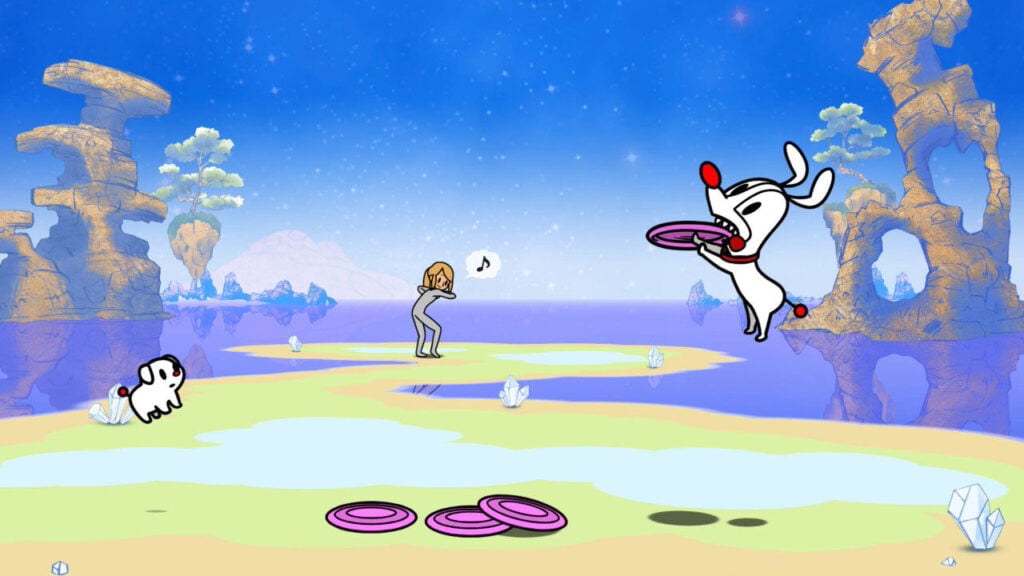

It stands apart from its contemporaries for relying heavily on audio over visual cues.
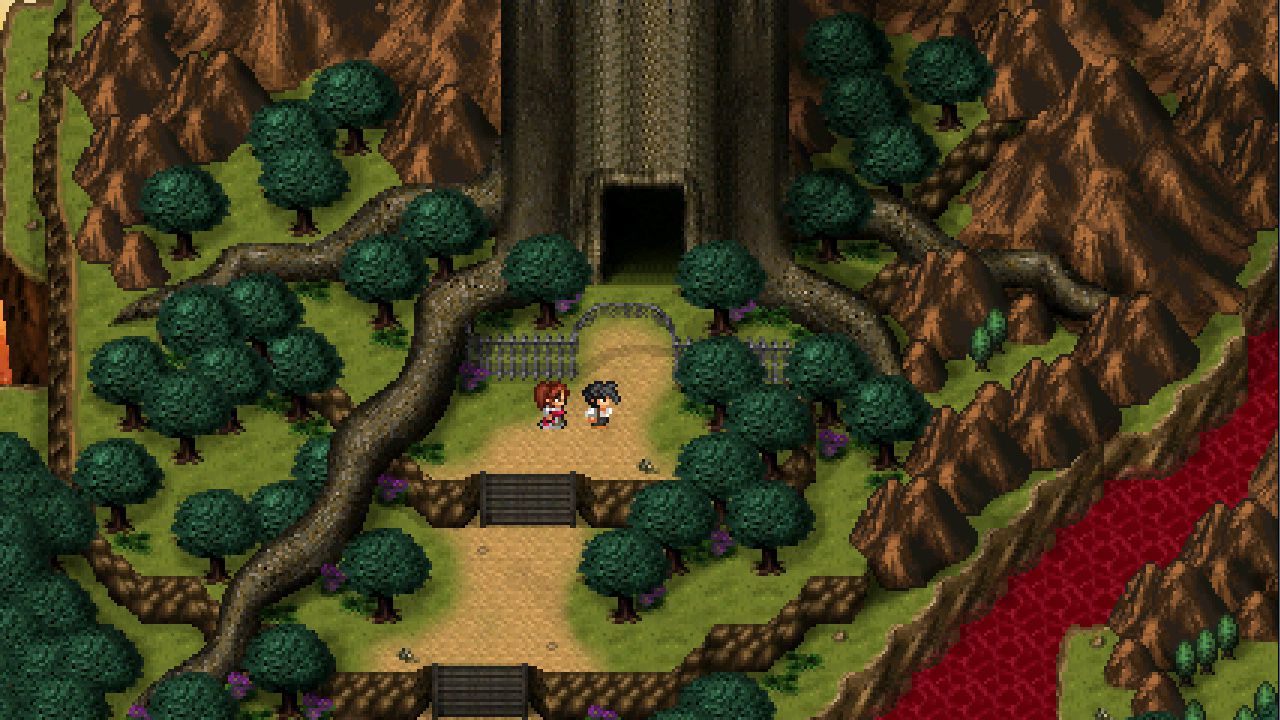
The Underhell atmosphere has some brilliant set pieces, from a carnivorous train that wants to make you its passengers forever, to a menagerie of angry hybrids in the middle of the Yggradasil Zoo.

The Combo Lab allows for beneficial augmentation of attacks, adding instrumental bonuses like health boosts to certain strike patterns.
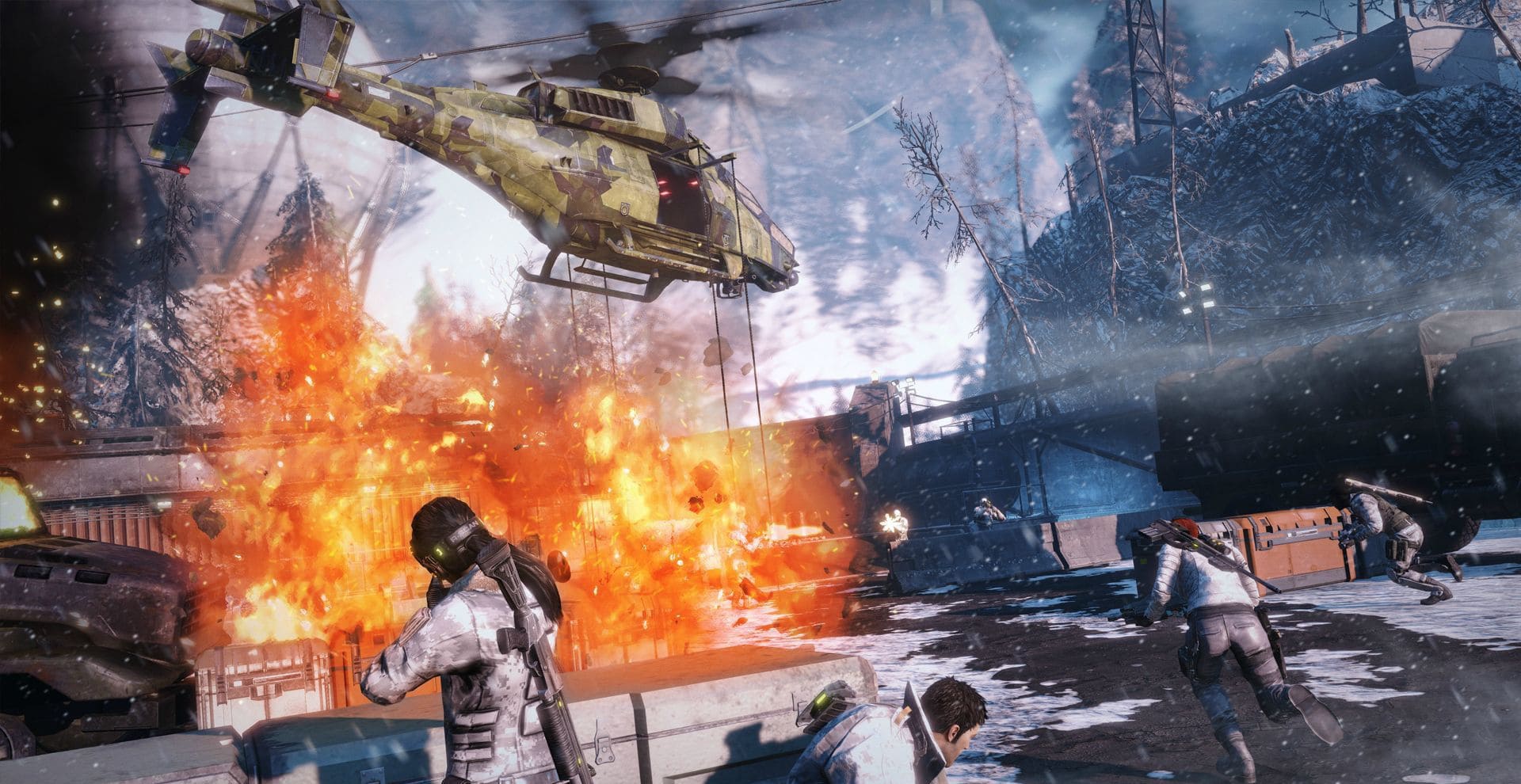
Throw in the cloaking melee enemies and shielded elite agents, and the game feels like one long riff on Mass Effect 3, which isn’t terrible if you loved grinding through that game’s co-op multiplayer.

Monster Games has wisely opted to widen the game’s accessibility to the younger, more-likely-to-own-a-3DS crowd by introducing an easier mode of play.

The majority of Last Light’s missions are best handled via meticulously planned sneak-distraction tactics that allow for beneficial advantages when the mandatory high-octane action does bubble up to the surface.

While it lasts, the game is a challenging blast, even if the story offers only the skin-deep and all-too-familiar choice of siding with a potentially mad scientist to defend and use the Anomaly for mankind.
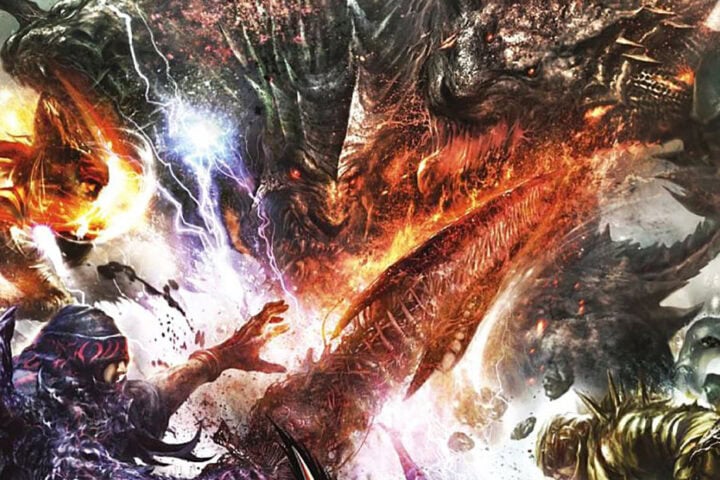
This is a game that’s most arresting when experienced alone, its grim story one of intensifying emptiness and detachment.

The inept absence of voiceovers leaves the game with a par-cooked, half-empty aura that’s never furnished with an opportunity to expand.
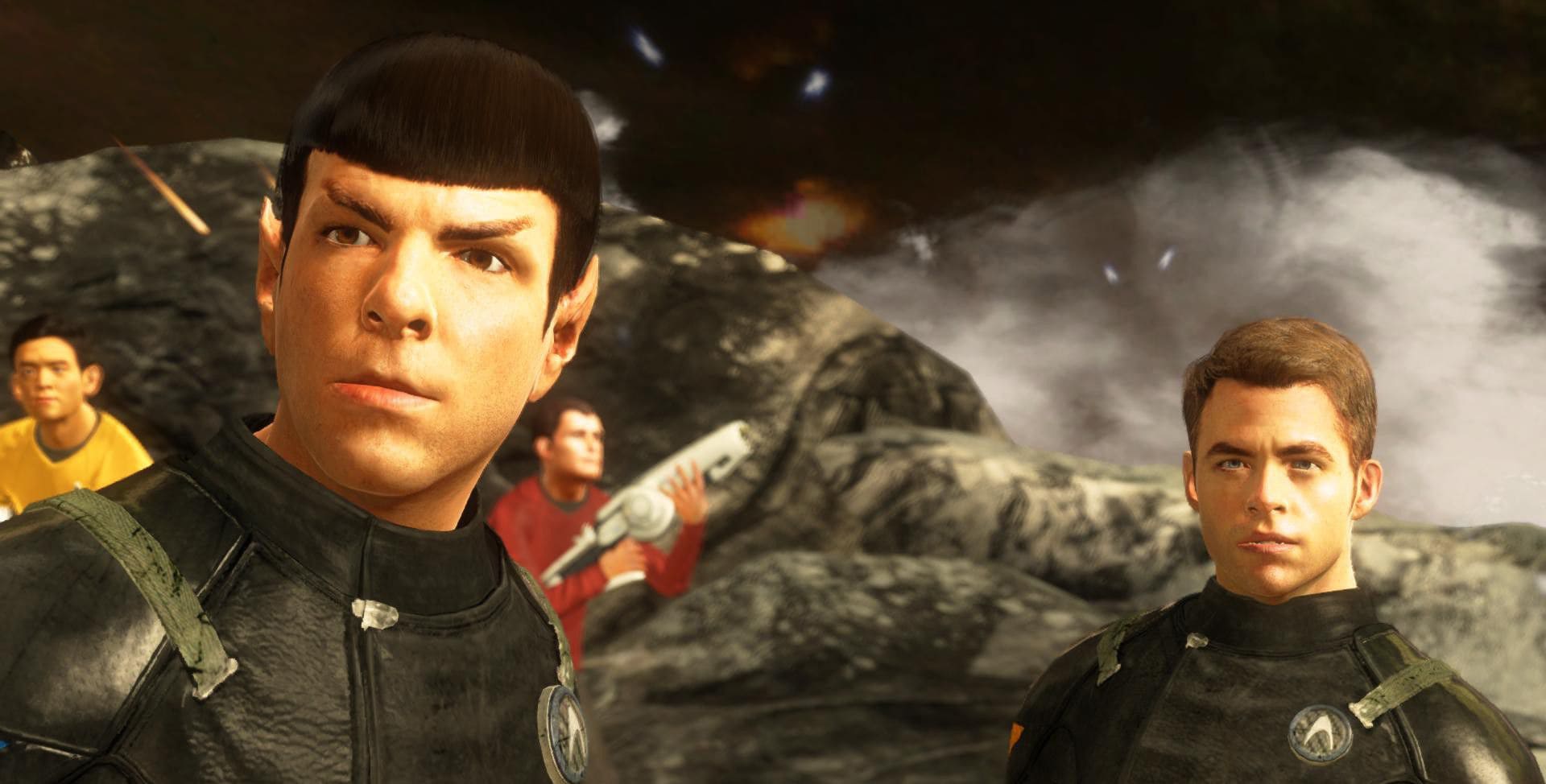
Star Trek is plagued by bugs, monotonous co-op/single player gameplay, and flat, unexpressive graphics.
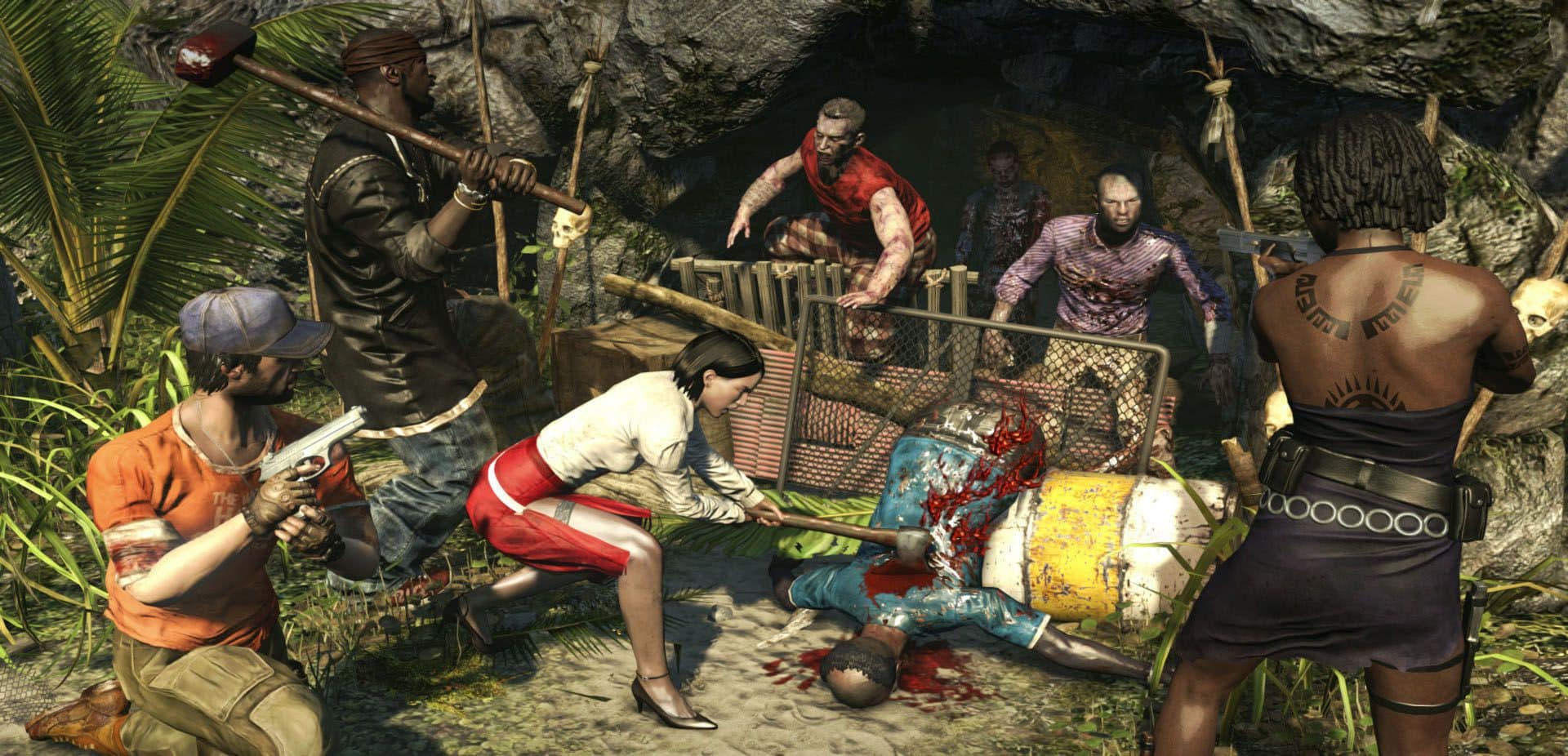
It becomes apparent early on that Riptide’s narrative is basically a hurriedly scribbled footnote on the bottom of a blood-stained manifesto.

Monaco’s tagline reads “What’s yours is mine,” but it’s fairly clear that these levels are designed for the robust co-op, in which up to four thieves must combine their powers to clear each heist.

This is NetherRealm Studios’s galumphing valentine to diehard comic-book and gaming enthusiasts alike.

While you may lose days of your life to the lengthy dungeons and the micromanagement of your demonic menagerie, you won’t lose your soul.
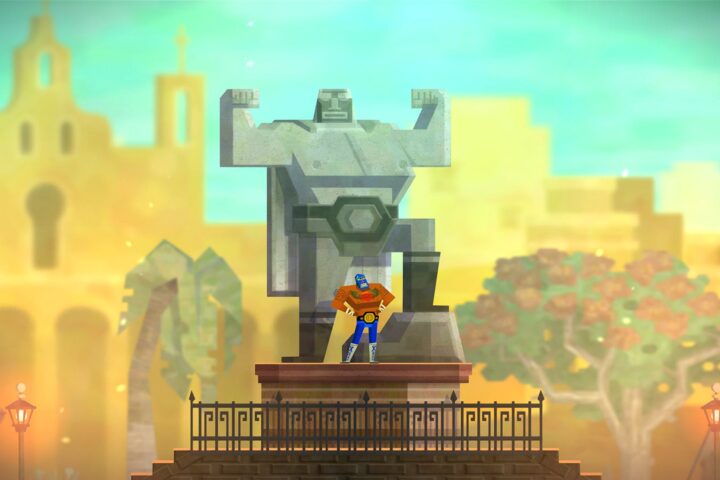
Guacamelee! craftily punches, kicks, and pile-drives its way into the heart with undeviating aplomb.
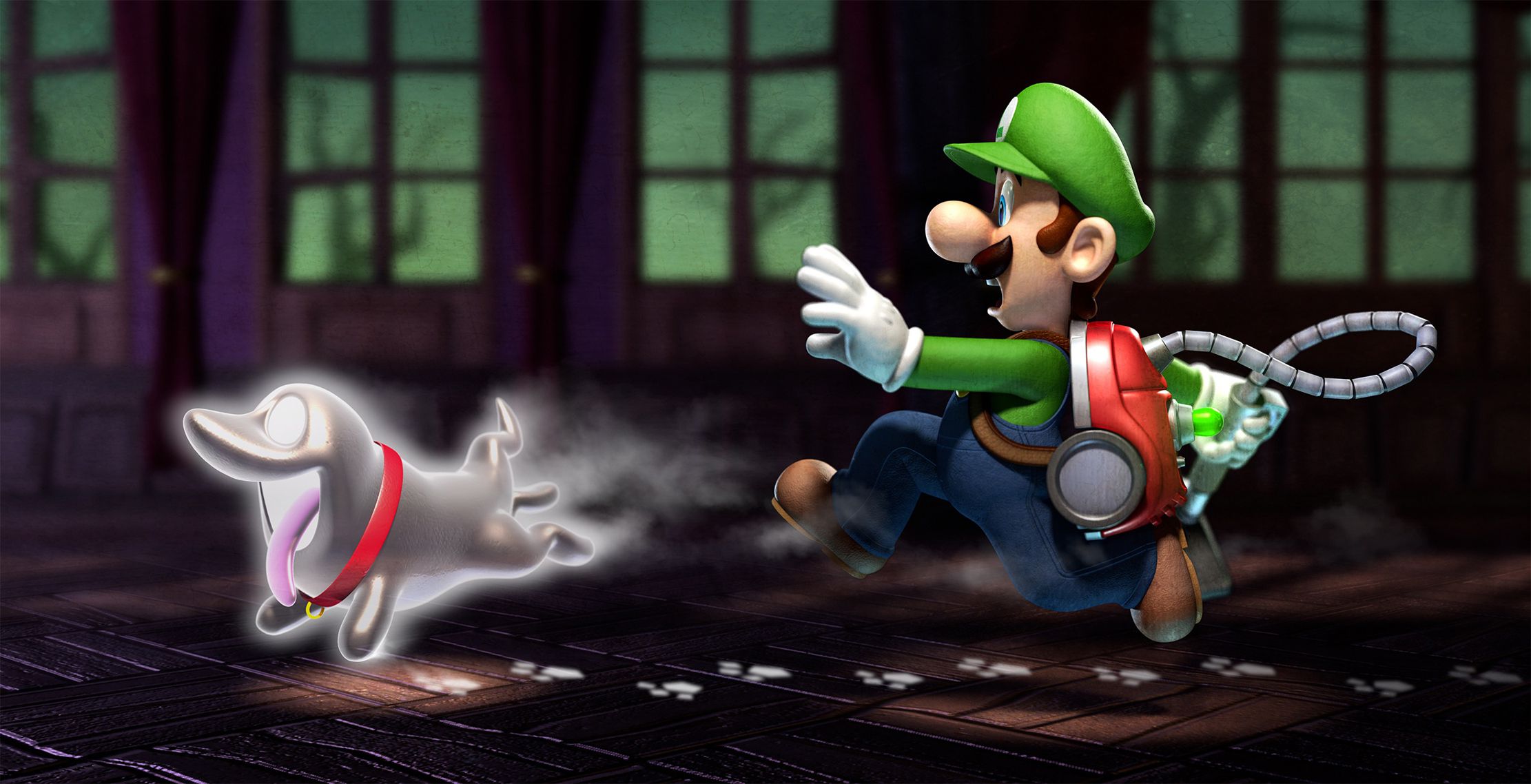
Not since Super Mario 3D Land has the 3D slider been put to such good use; conclusively, the enhancing of the 3D effects is less of an eye-piercing distraction than an unruffled visual polishing.

In the moment, HarmoKnight’s soundtrack is quite satisfying, but most of its compositions fail to reach the distinguished degree of Pokémon’s most earwormy anthems.
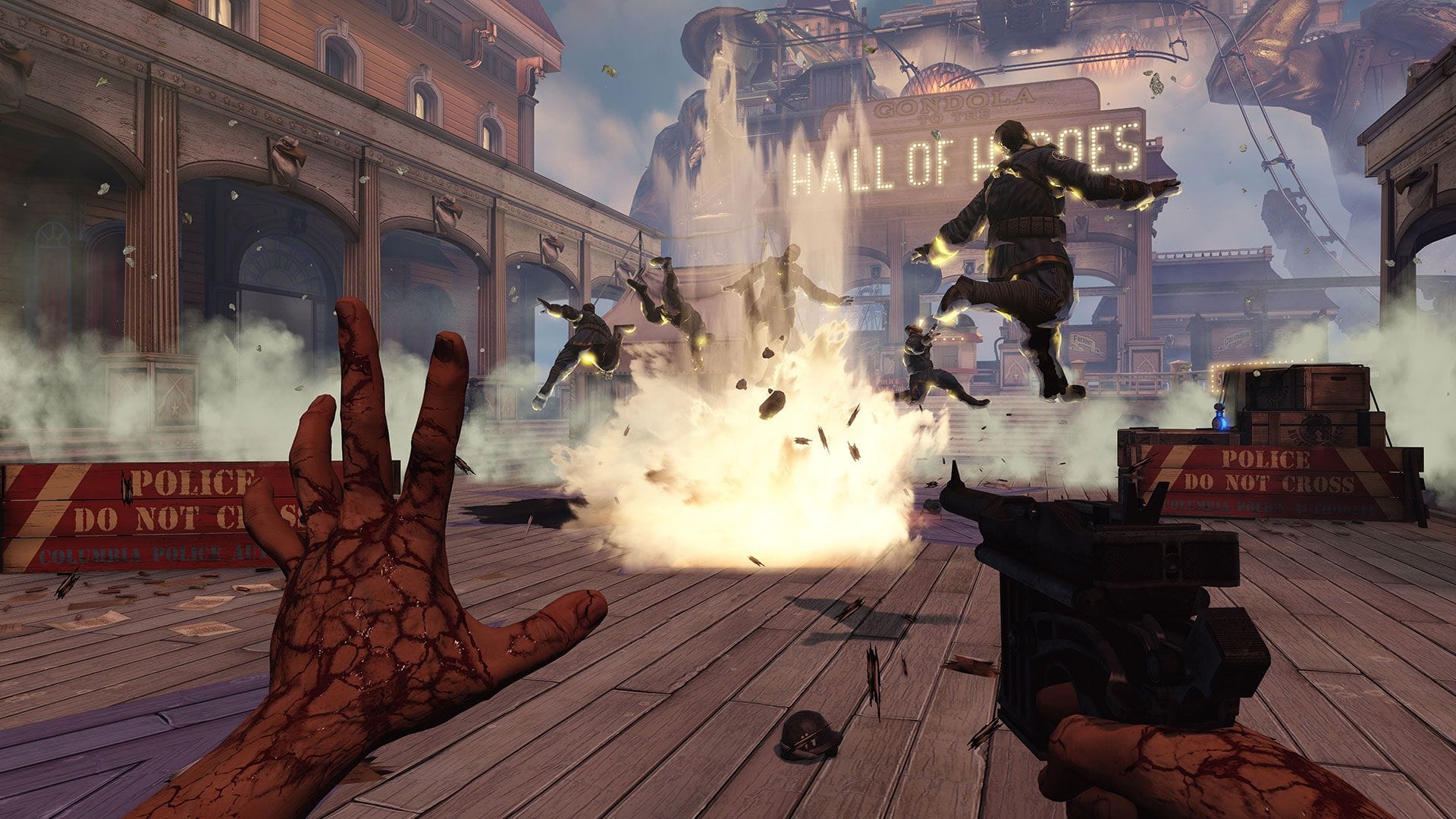
The attentive design has also yielded a story as daring as the original’s, though the focus has shifted from a cautionary tale of unchecked capitalism to an alternative world of segregation, class warfare, and religious fanaticism.

The game’s challenges are ramped up throughout each mode and the rewards are fairly abiding.

Standard turn-based role-playing engagements are the norm, with various unexciting movement, grid-mapped strike ranges, multiple hit bonuses, and effect enhancements thrown in for not-so-good measure.
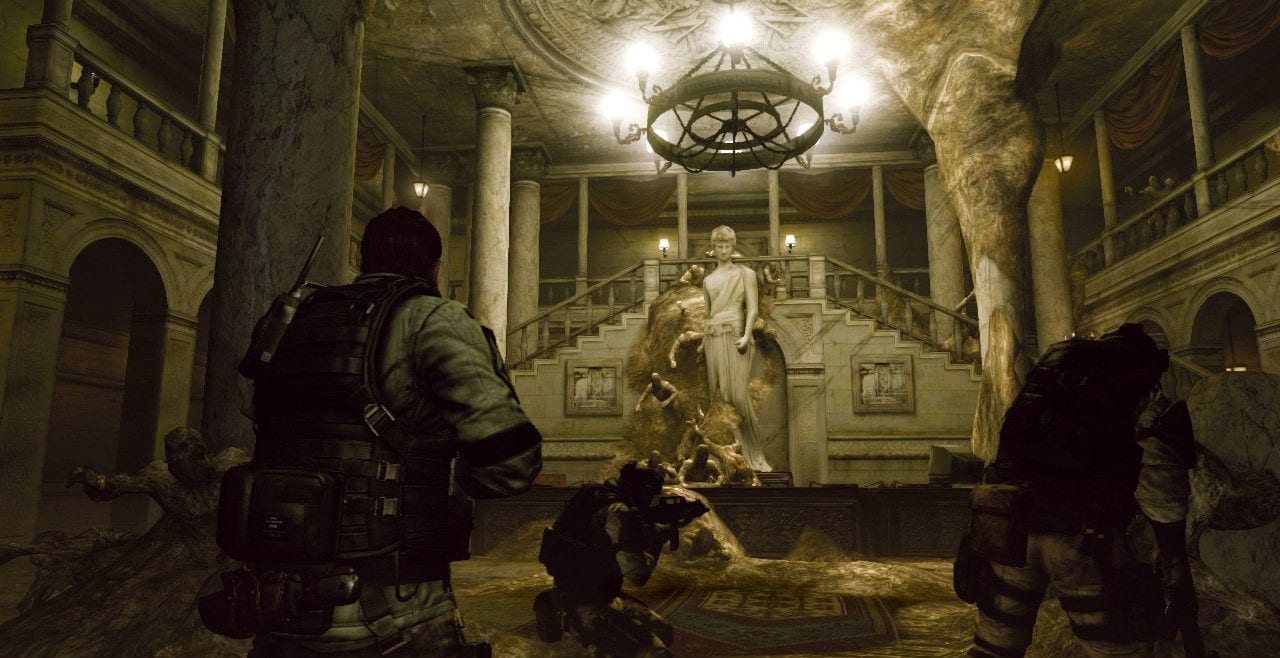
Each chapter is completely free of tension and coherence, with no sense of time passing between sections (can be minutes, can be months) and a stunning amount of reuse to make areas more bloated.