McElwee discusses, among other things, his new film and staring down the loss of his son.
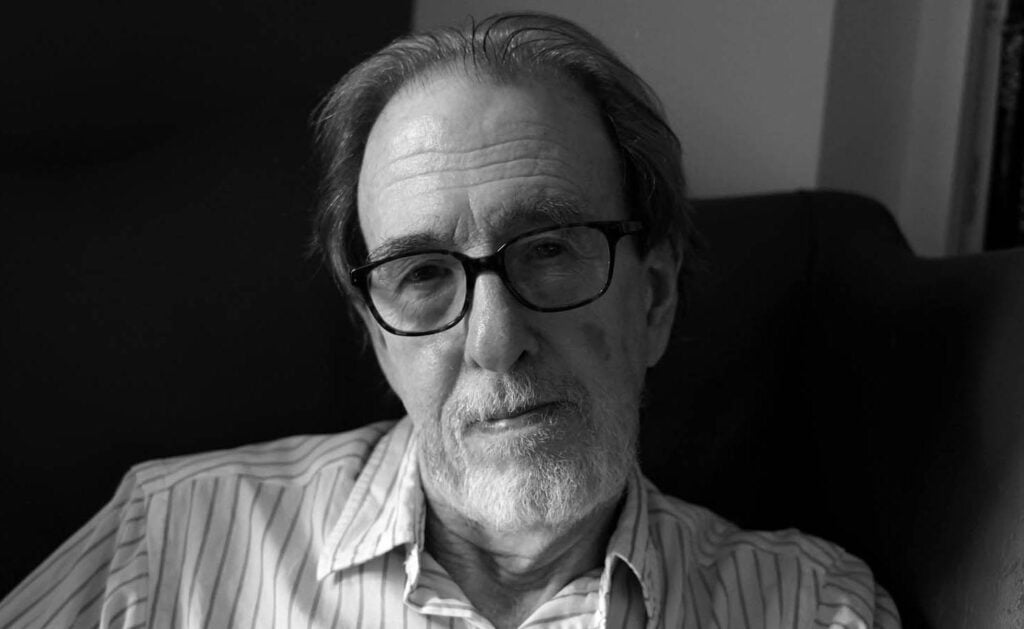

McElwee discusses, among other things, his new film and staring down the loss of his son.

Eric Valette’s even lousier American remake is something like the next generation of suck.

Mel Gibson’s first epic exercise in bloodletting remains the most hilariously sexed-up piece of pap to ever take home best picture.

The film is as much about August Strindberg as it is about Peter Watkins and his philosophy in 1994.

Reha Erdem’s poetry at times underlines its own effects when it should let its epiphanies flow like a breeze.
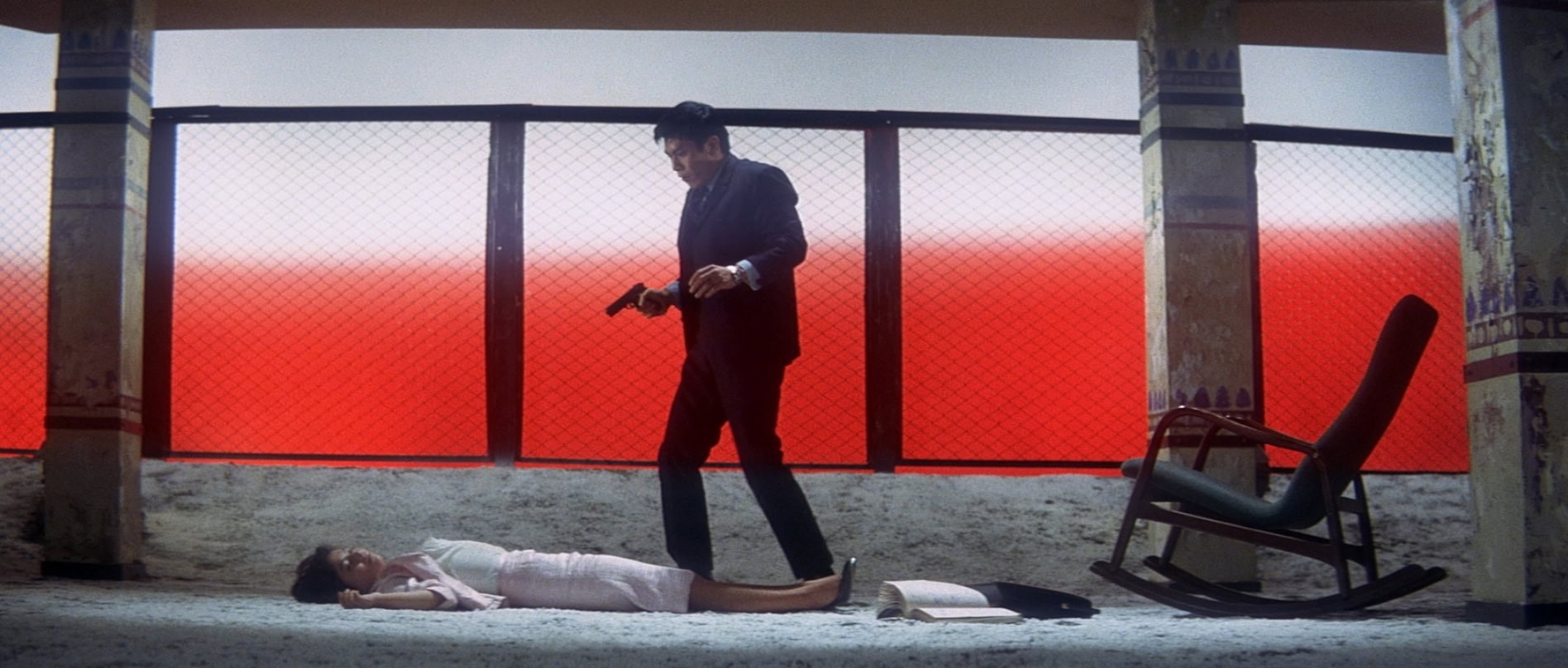
For some reason, terms like “outlaw director” are the buzz-du-jour when it comes to Japanese directors.
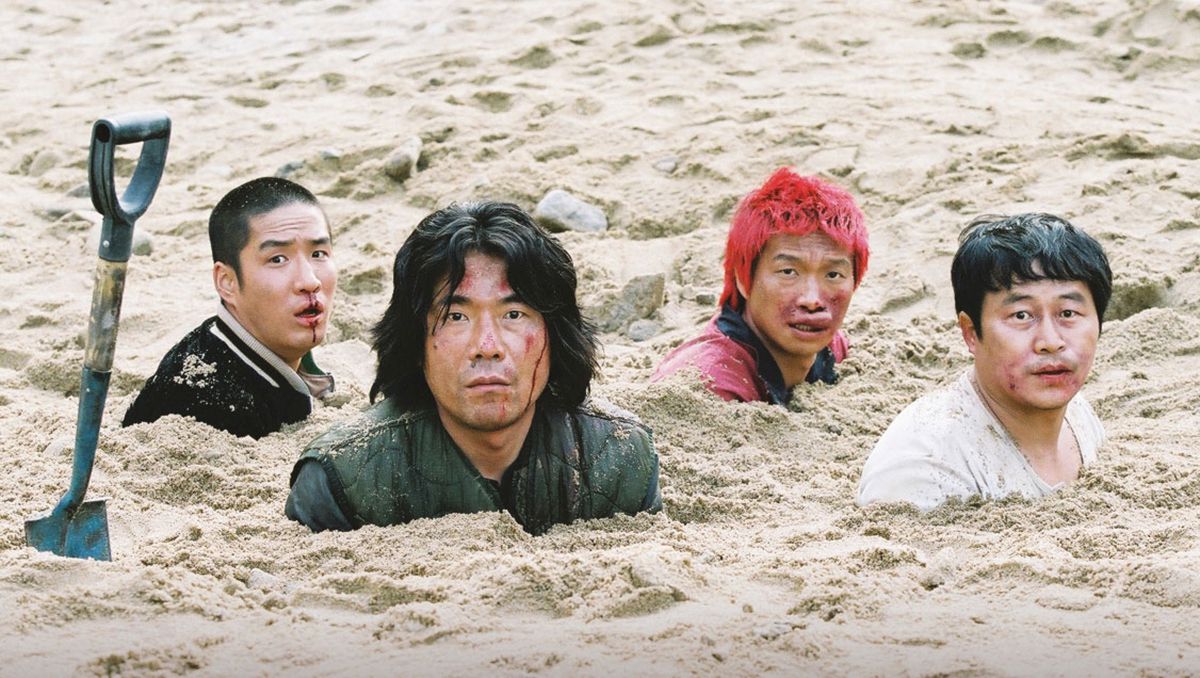
A Bloody Aria isn’t illuminating, just inflammatory.
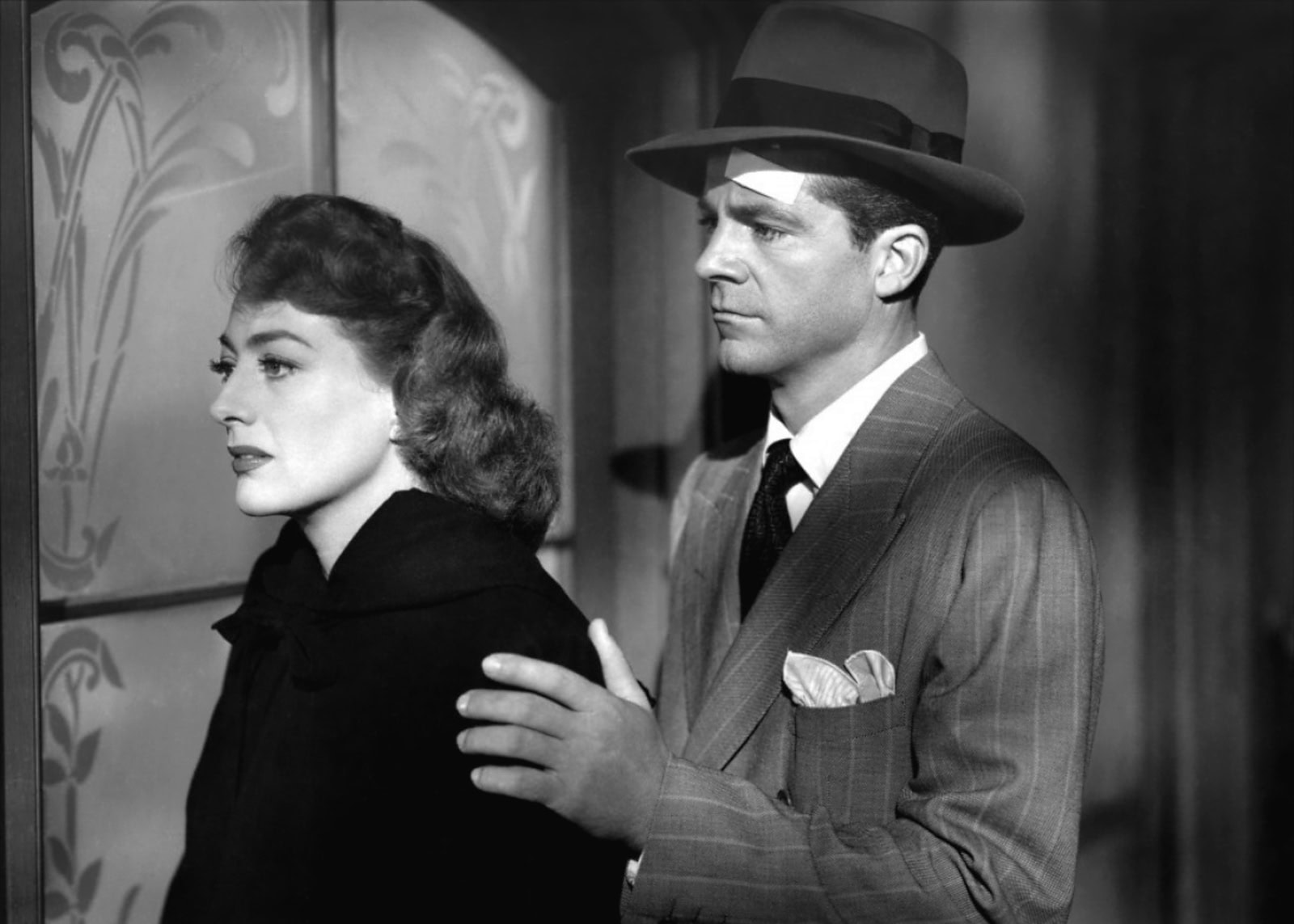
Joan Crawford deserves a Renaissance more than any other actor I can think of.

The film is a black comedy with an upbeat, politically nondenominational message.
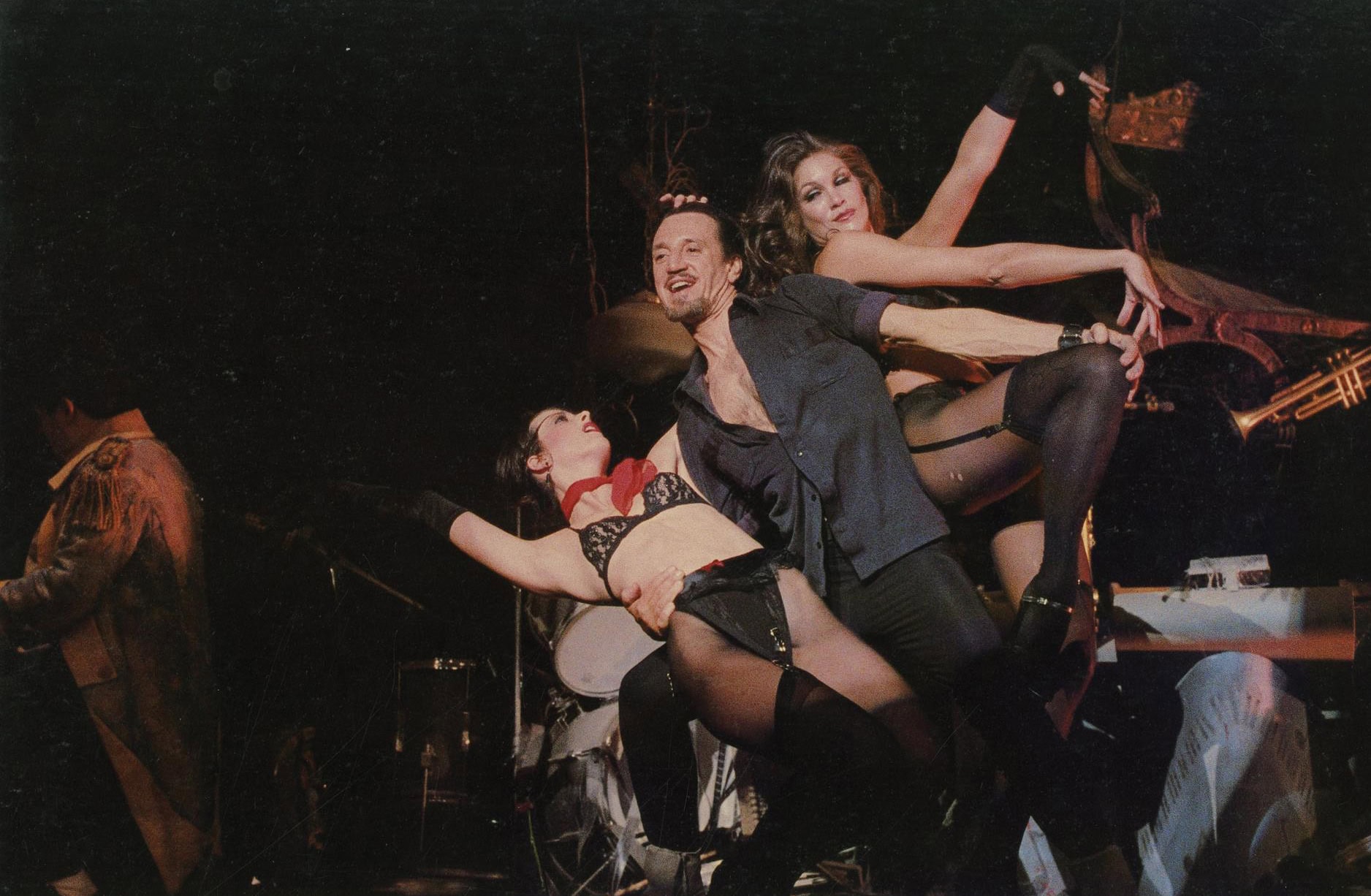
All That Jazz combines Bob Fosse’s choreographic showmanship and his cool filmmaking detachment.

Zellweger’s generic, front-page-ready, girl-next-door smile is outshone by the desperation in Minnelli’s eyes when Sally sings.
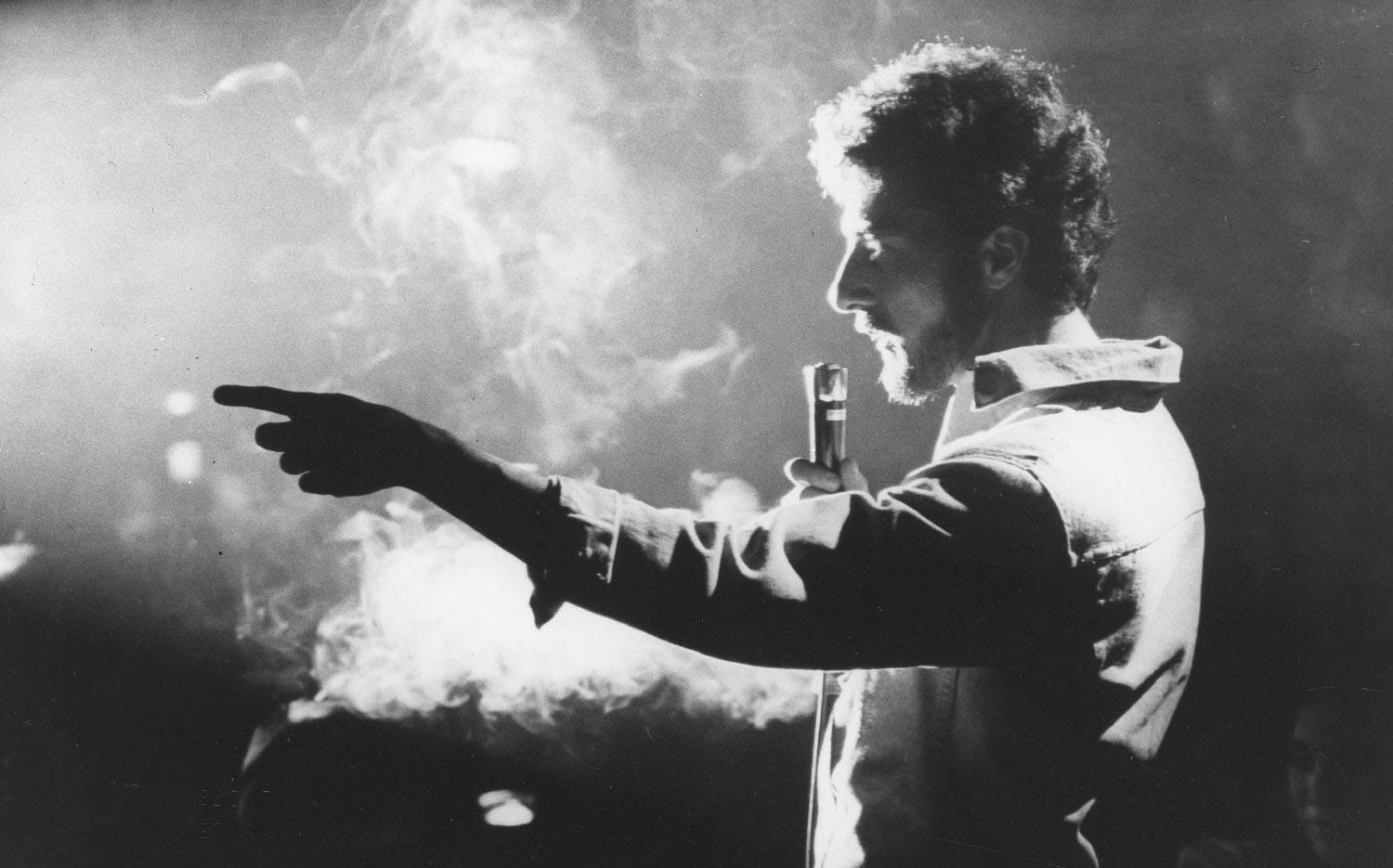
Bob Fosse’s film is the story of a willful artistic transformation.
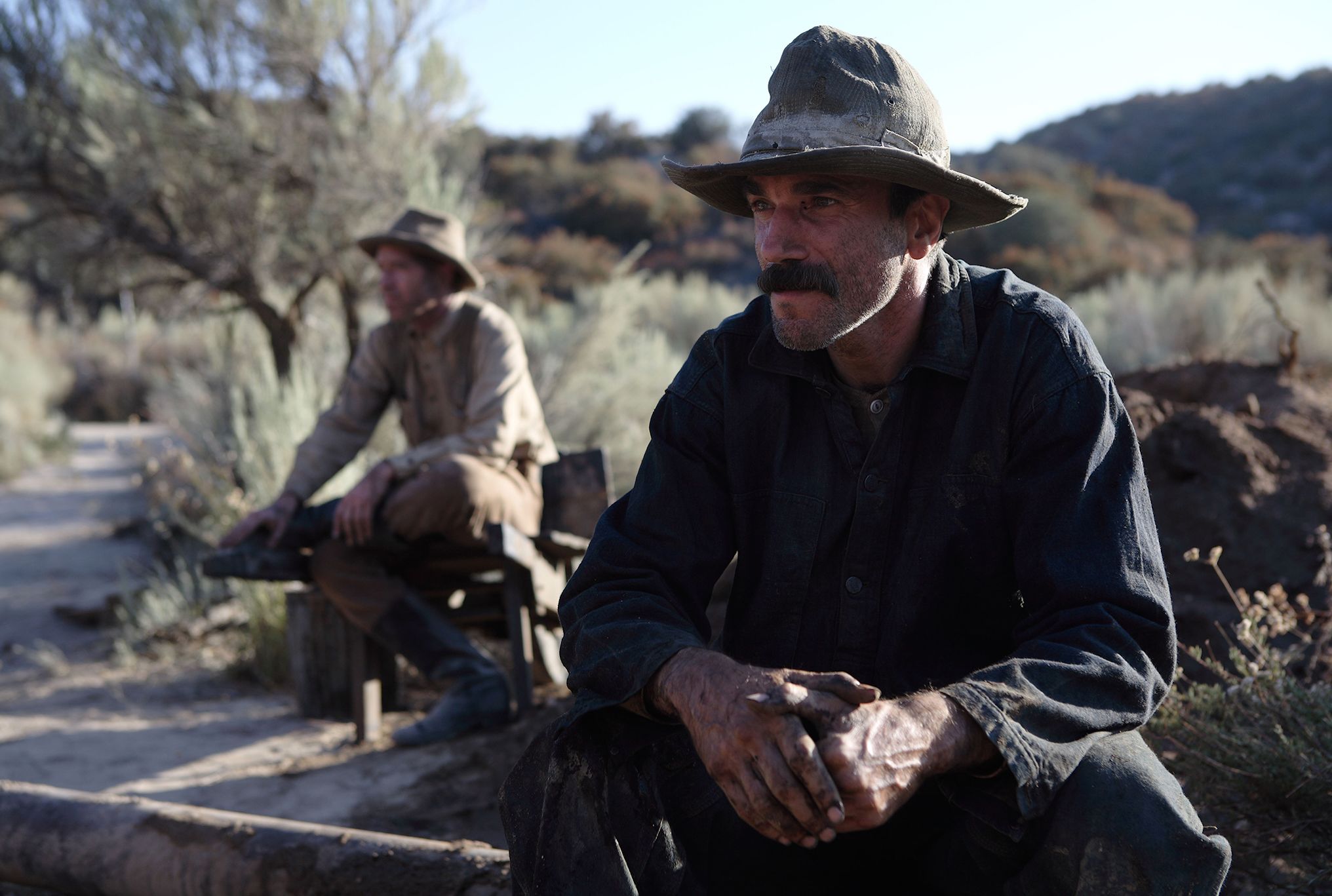
For a decade now, Paul Thomas Anderson has been American cinema’s giant-in-waiting.

There are, in this 158-minute film, a few effects, mainly photographic, that go right.
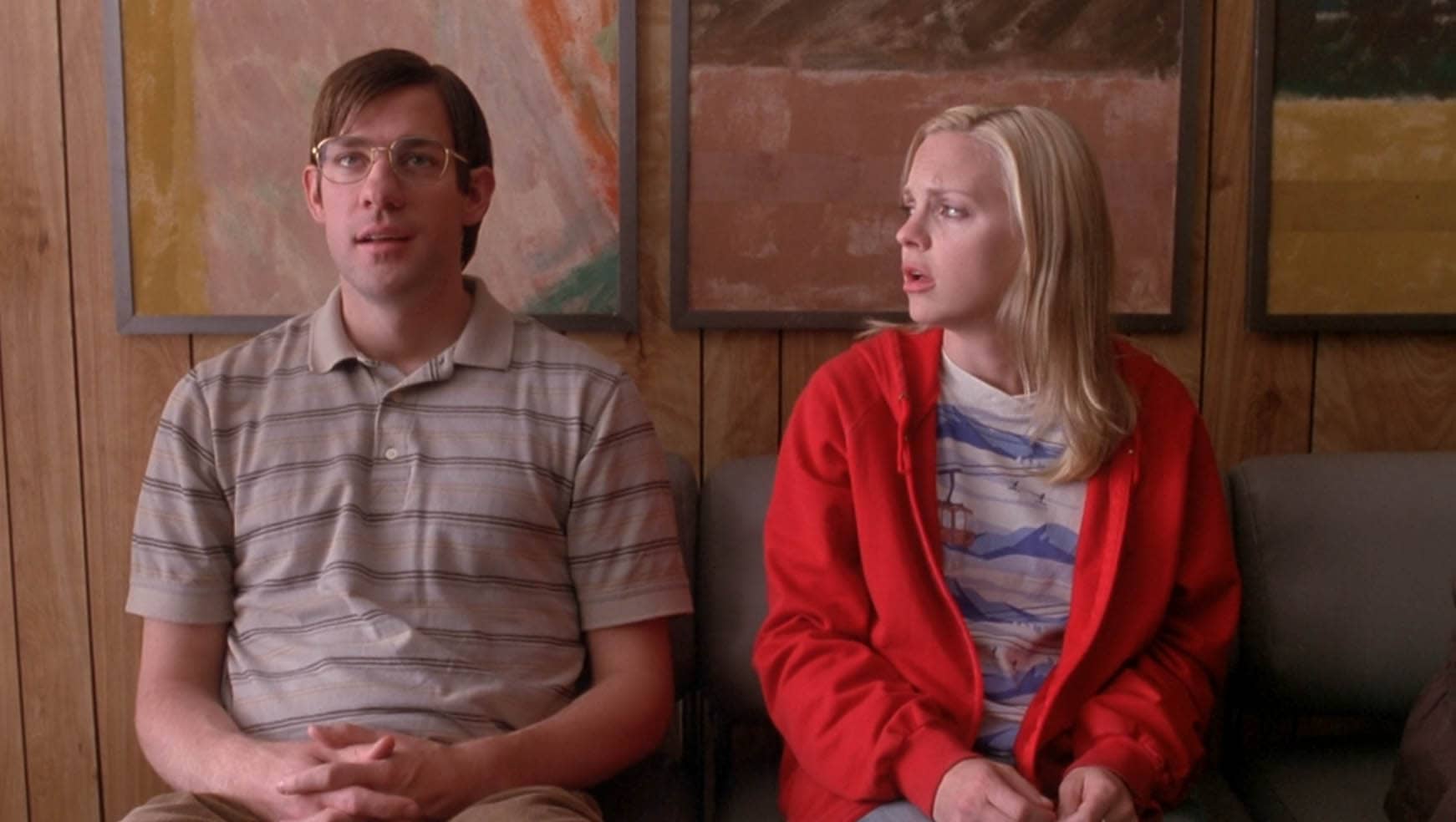
The essence of stoner comedy is the unlikely triumph of the seemingly maladjusted stoner over normalized, disapproving society.

It settles for Wikipedia-style objectivity dressed in the more fatuous-than-provocative manner of Robinson Devor’s Zoo.

What separates it from the more fundamentally Hitchcockian 39 Steps, and makes it more remarkable, is its genuine sense of purpose.

Love Actually actually is the greatest modern Christmas movie.

If the human voice shatters the etherealness of certain moments, then so too does language itself.
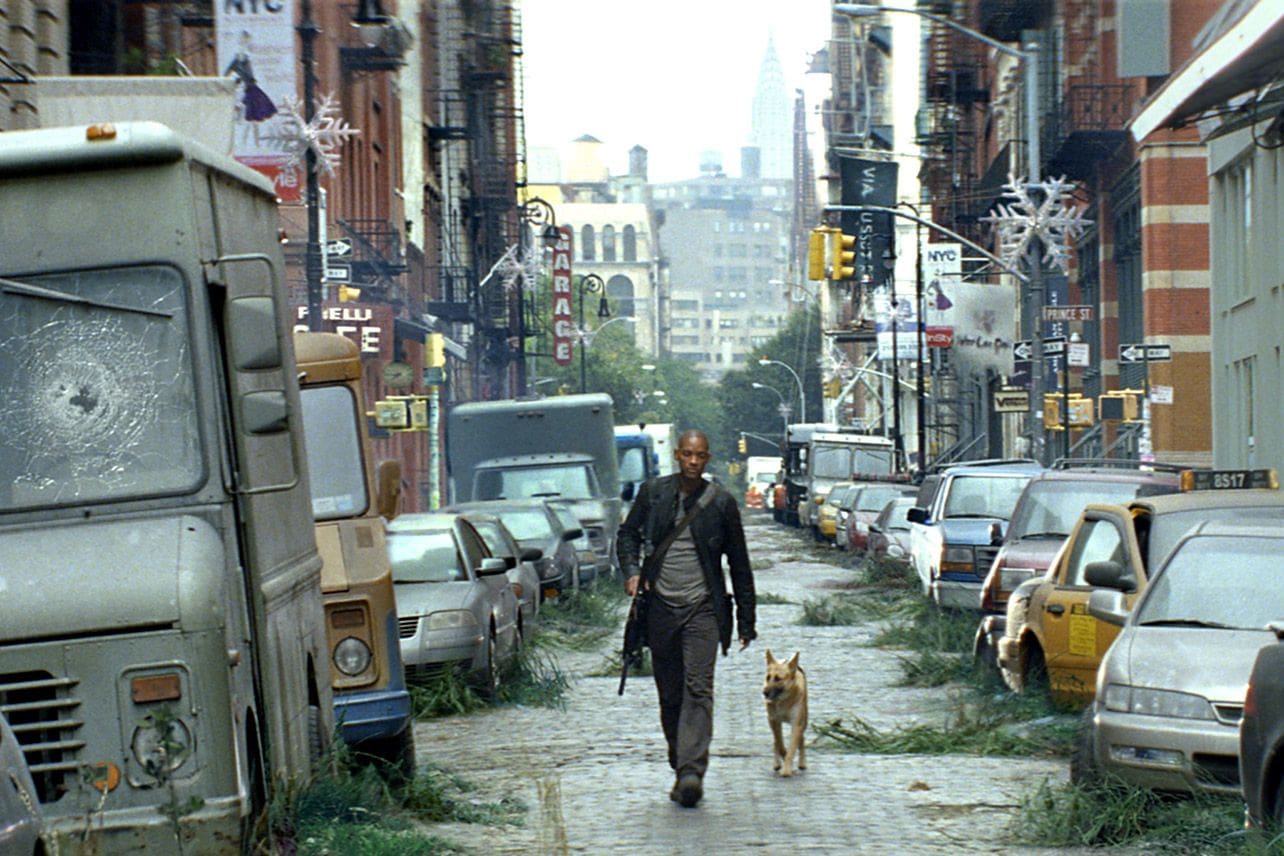
It’s always sad to see a film capable of more settling for less.
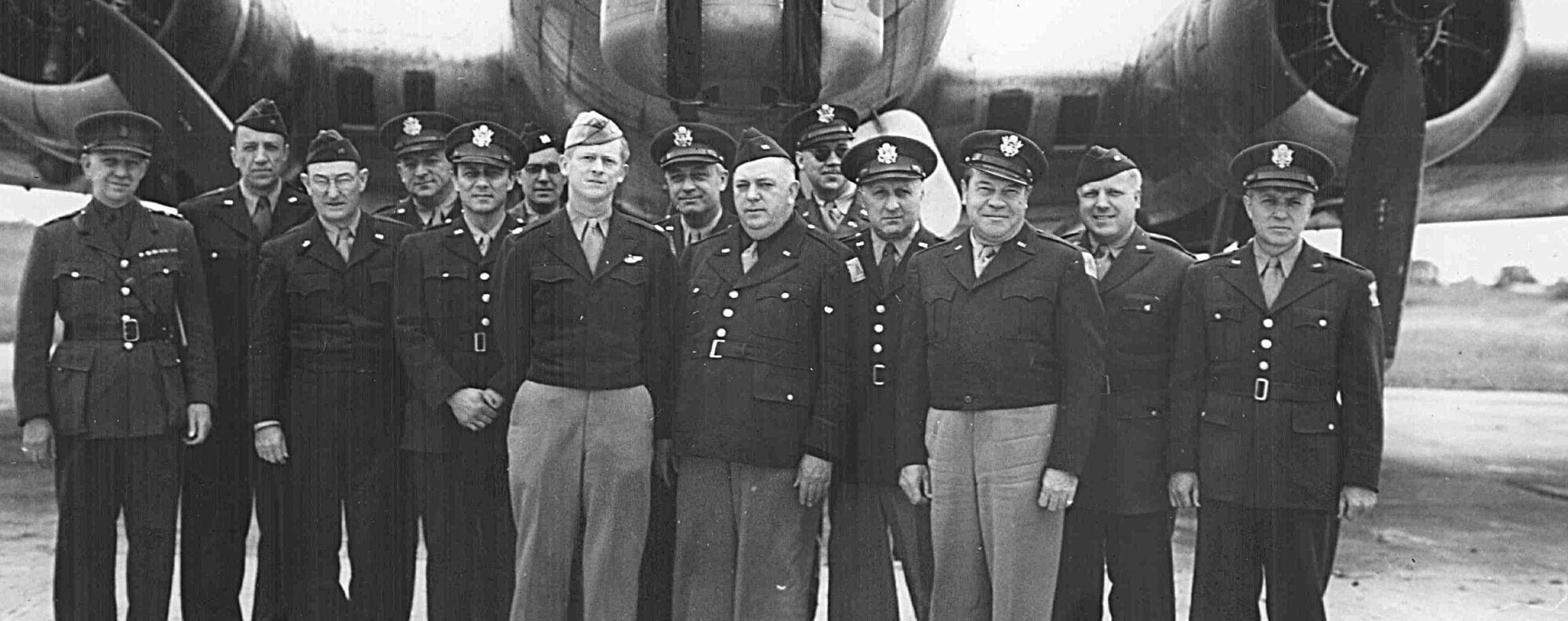
Imaginary Witness is the most dispassionate account of the Holocaust in the last 20 years.