These films are generous reminders that cinema isn’t always about diagnosing global problems.

These films are generous reminders that cinema isn’t always about diagnosing global problems.

Flakes could have been dropped anywhere with a recognizable skyline.

It would appear that every artsy, indie filmmaker secretly wants to make a pothead comedy.

Tim Burton lets loose with big bursts of stylized bloodletting, and achieves some extremely pretty effects as jugular veins explode all over the place.

The many critics who panned Myra Breckinridge decades ago when it was first released were as clueless as John Huston’s Buck Loner.

One look at Aaron Stanford’s chain-smoking, long-haired musician in a Hanes T-shirt and you know Flakes wants so badly to be hip.
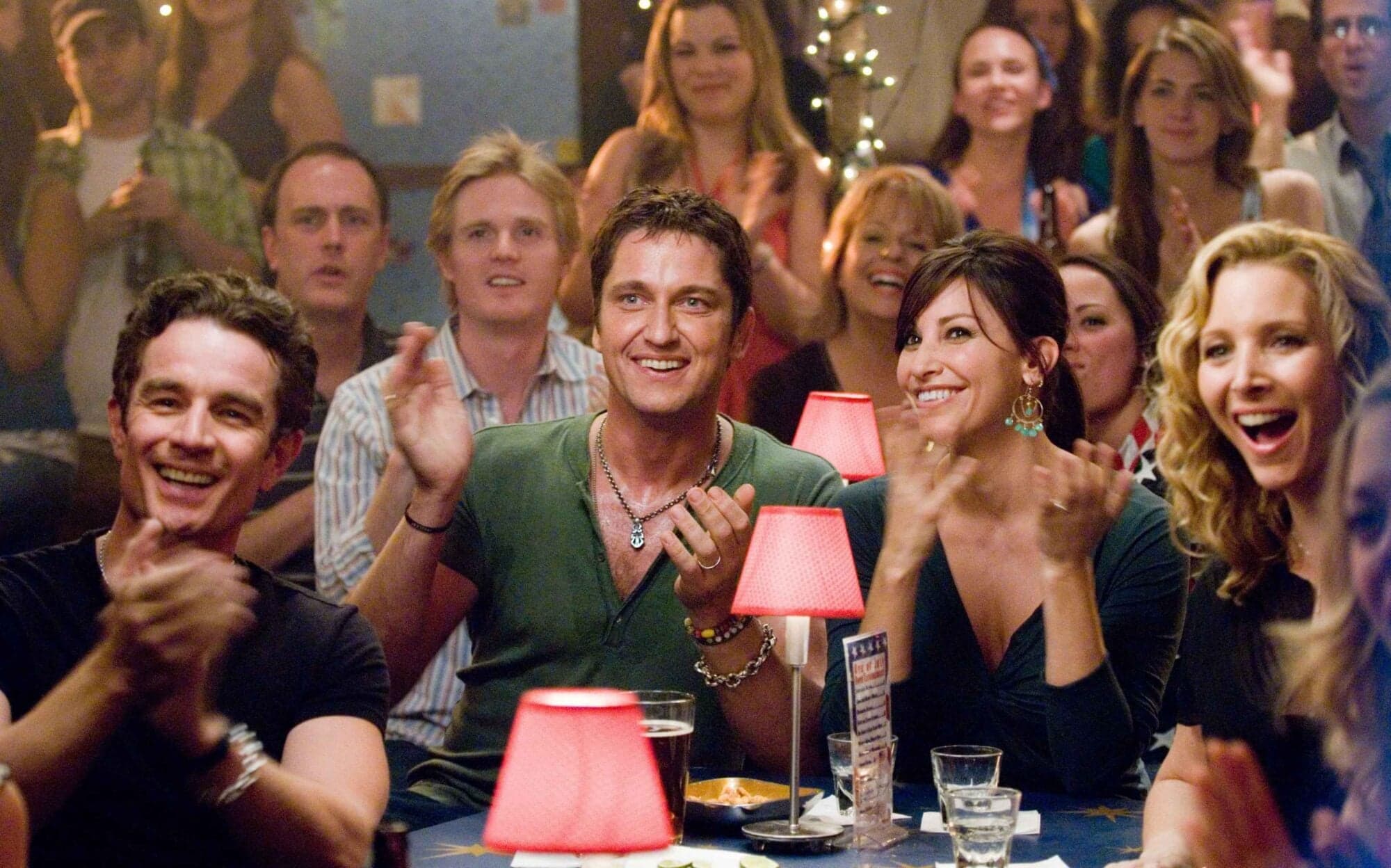
There are many good actresses unsuited for romantic comedies, and Hilary Swank, despite her considerable talents, is one of them.

Thankfully it’s not my job to figure out how the Viacoms and the Newscorps of the world are supposed to make a profit online.

Rob Reiner’s sloppy, episodic direction dwells on neither the emotion nor the mortality that would think would be impossible to screw up.
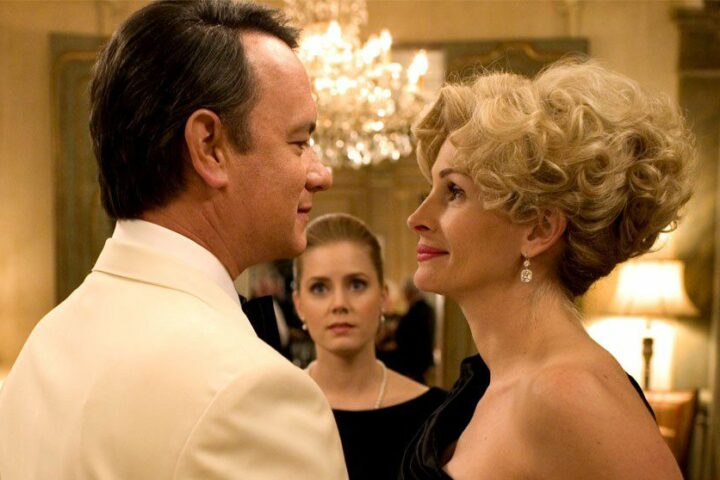
Mike Nichols navigates the nuts-and-bolts of political strategy as prosaically as he did in Primary Colors.

Cassandra’s Dream is simply content reprimanding the main characters for not knowing their place.
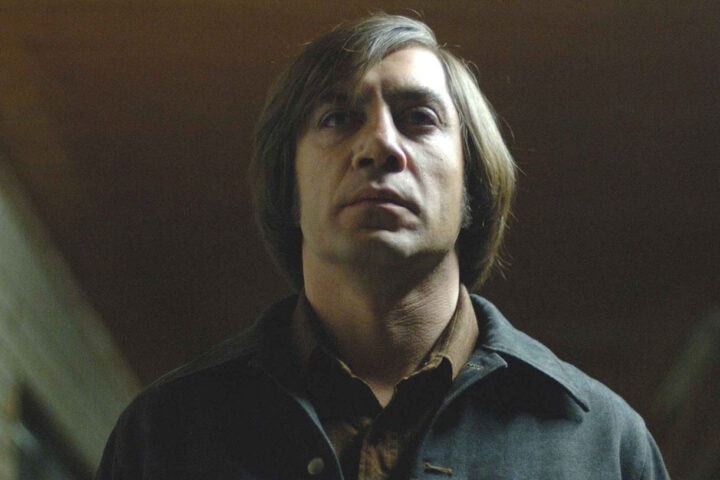
It was a blast from the past that incited the most ardent critical passion: Killer of Sheep.

The film eloquently illustrates that, once granted, even a smidgen of freedom can transform into an unstoppable weapon against oppression.

The film sets out to steal some of that J.K. Rowling magic and sprinkle it over Philip Pullman’s series of fantasy novels.
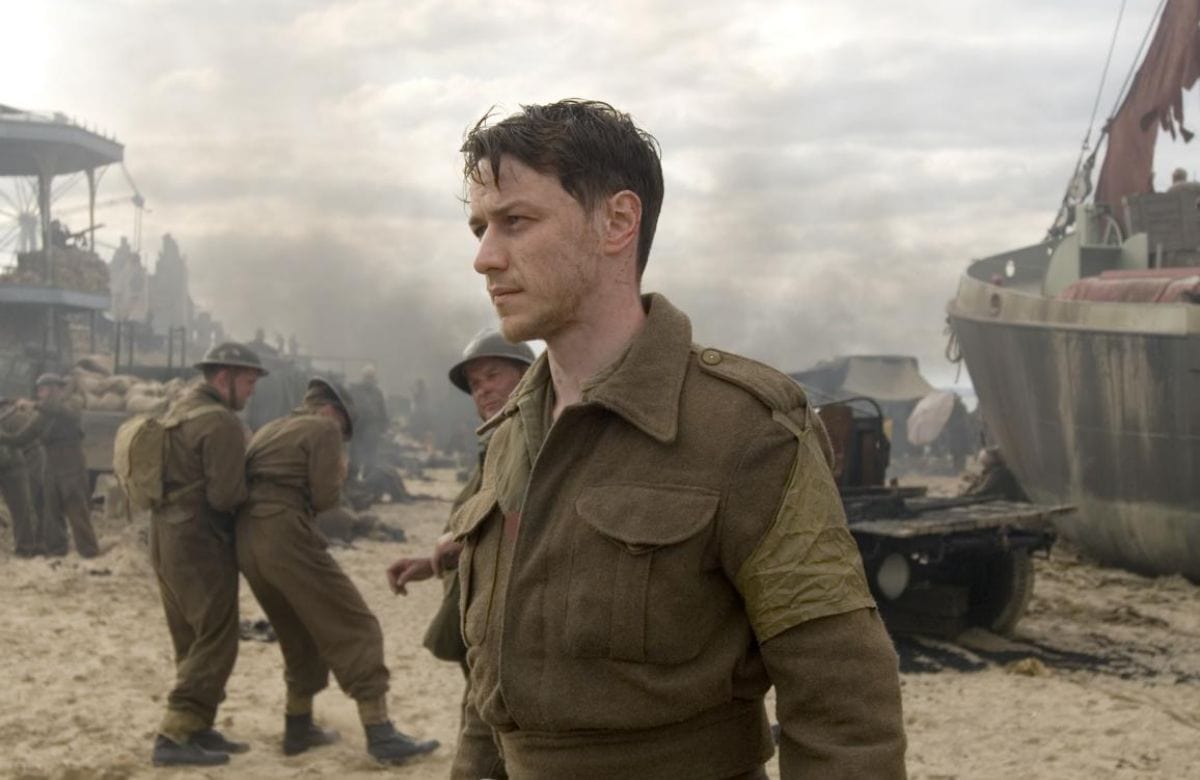
Joe Wright’s version of Ian McEwan’s novel is visually snappy but emotionally inert.
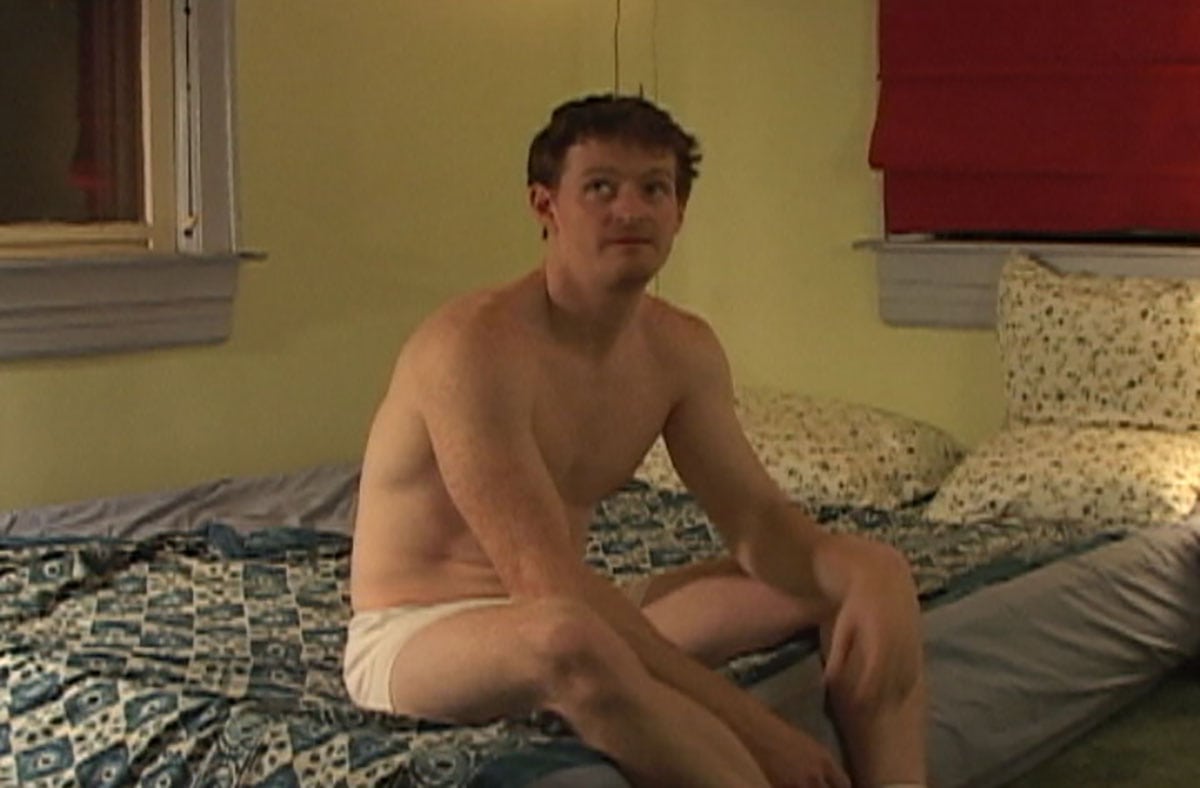
Whenever the film’s observational aesthetic threatens to become too distanced and clinical, Miller throws a wrench in the works.
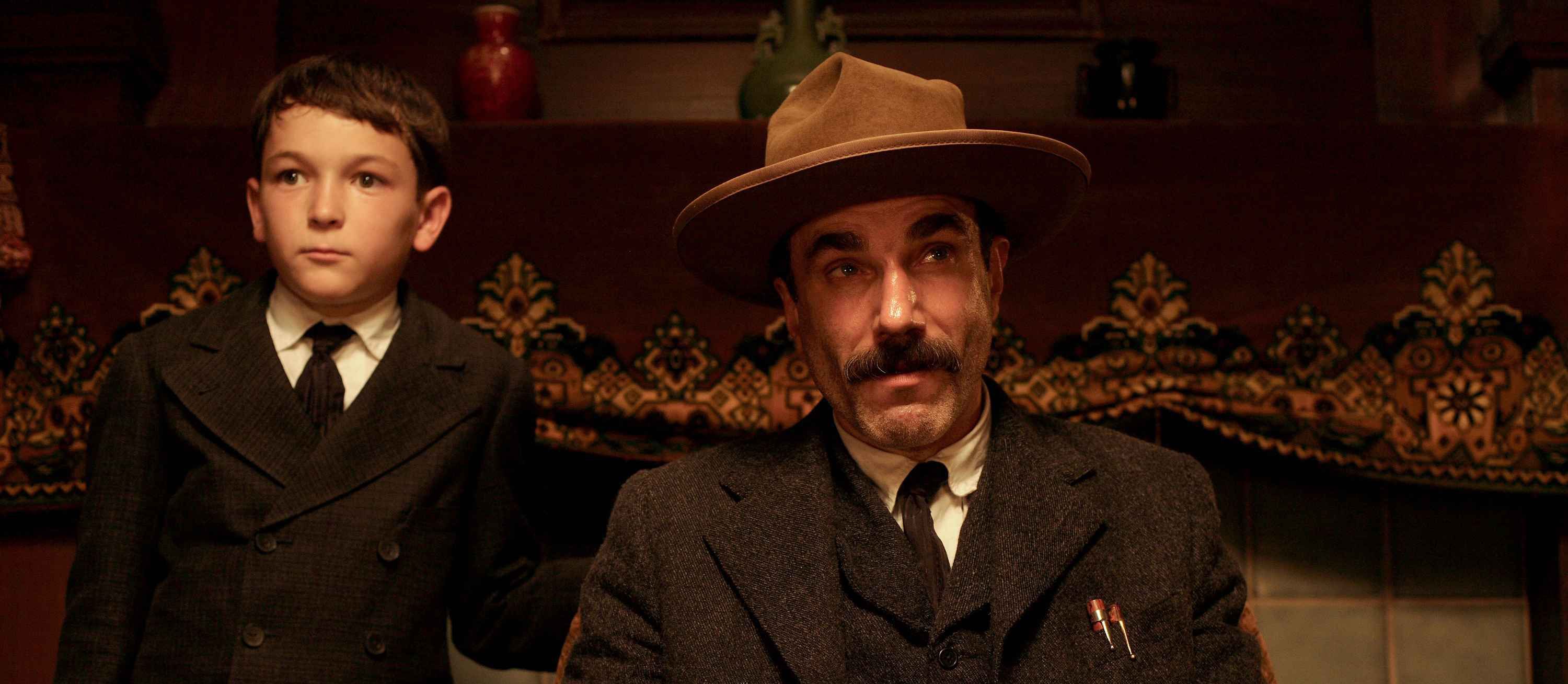
Another film-school-in-a-box by Paul Thomas Anderson, There Will Be Blood is a triumph of vivid, overly assertive aesthetic minutiae.
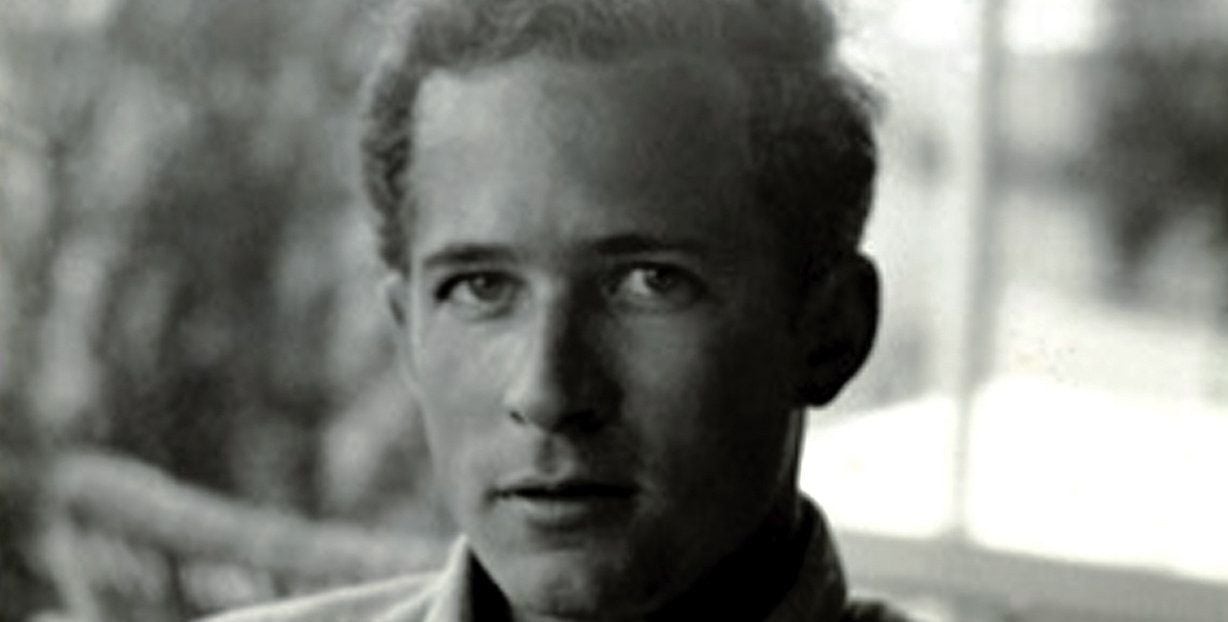
The film is a haunting whodunit, a glimpse inside a nasty, ruthless artistic environment, and an example of the limits of nonfiction biography.
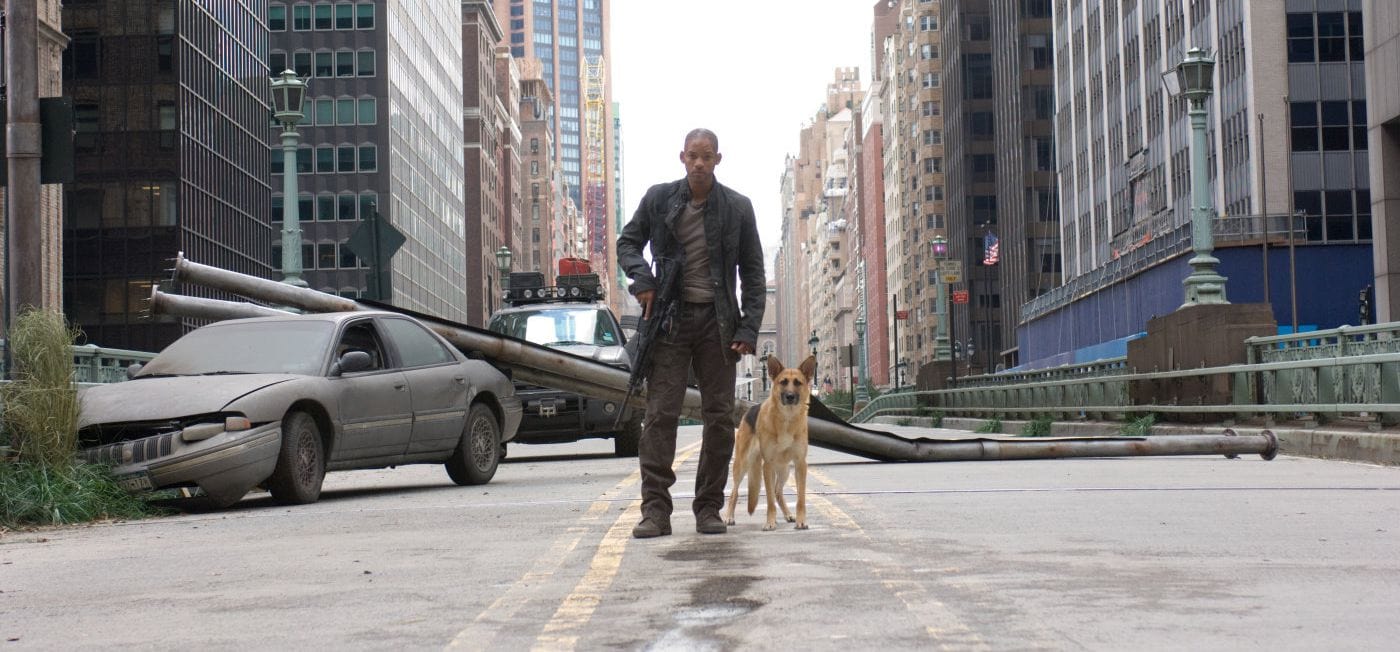
In the end, the decision to make the dark seekers wholly computer-generated proves ill-advised.

It’s ultimately Jonny Greenwood’s score that gives There Will Be Blood its throbbing, pulsating soul.

Bahman Ghobadi’s portraits of Kurdish wanderers are particularly expressive of Iranian cinema’s sense of hope within instability.