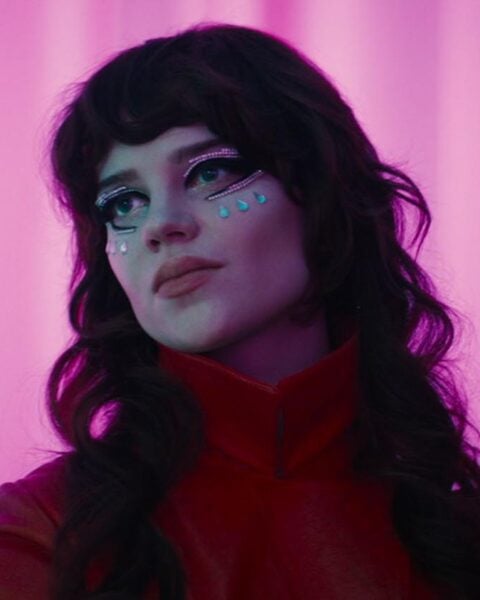
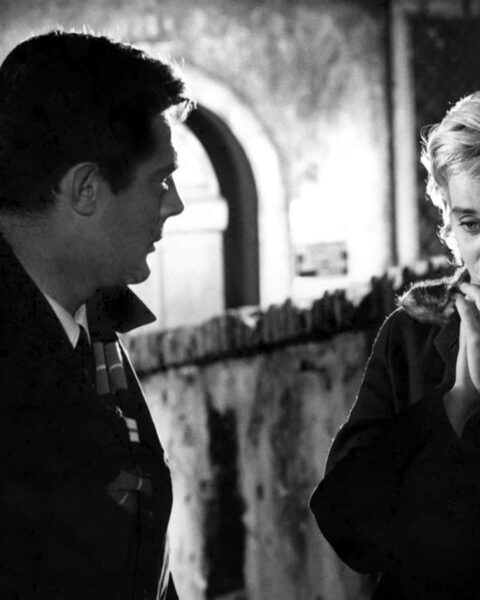
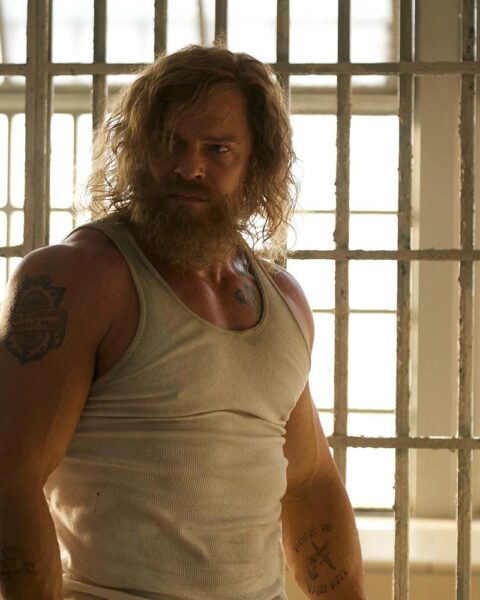
Refn discusses his love of fairy tales, falling through the rabbit hole of streaming, and more.
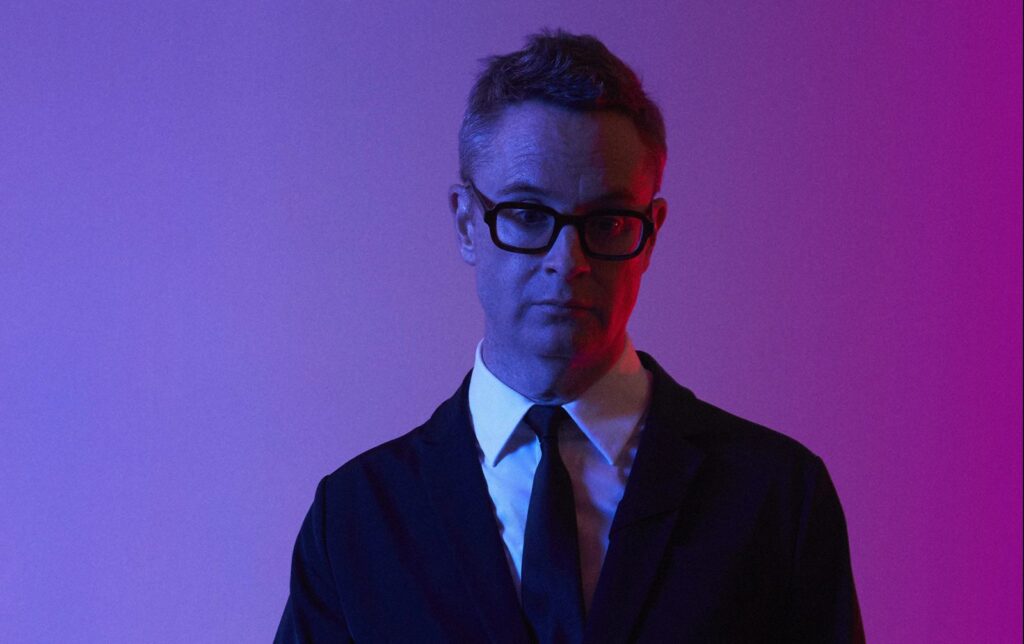

Refn discusses his love of fairy tales, falling through the rabbit hole of streaming, and more.

The film’s refusal to produce a campy critique feels more like the product of lack of imagination than a purposeful repudiation.
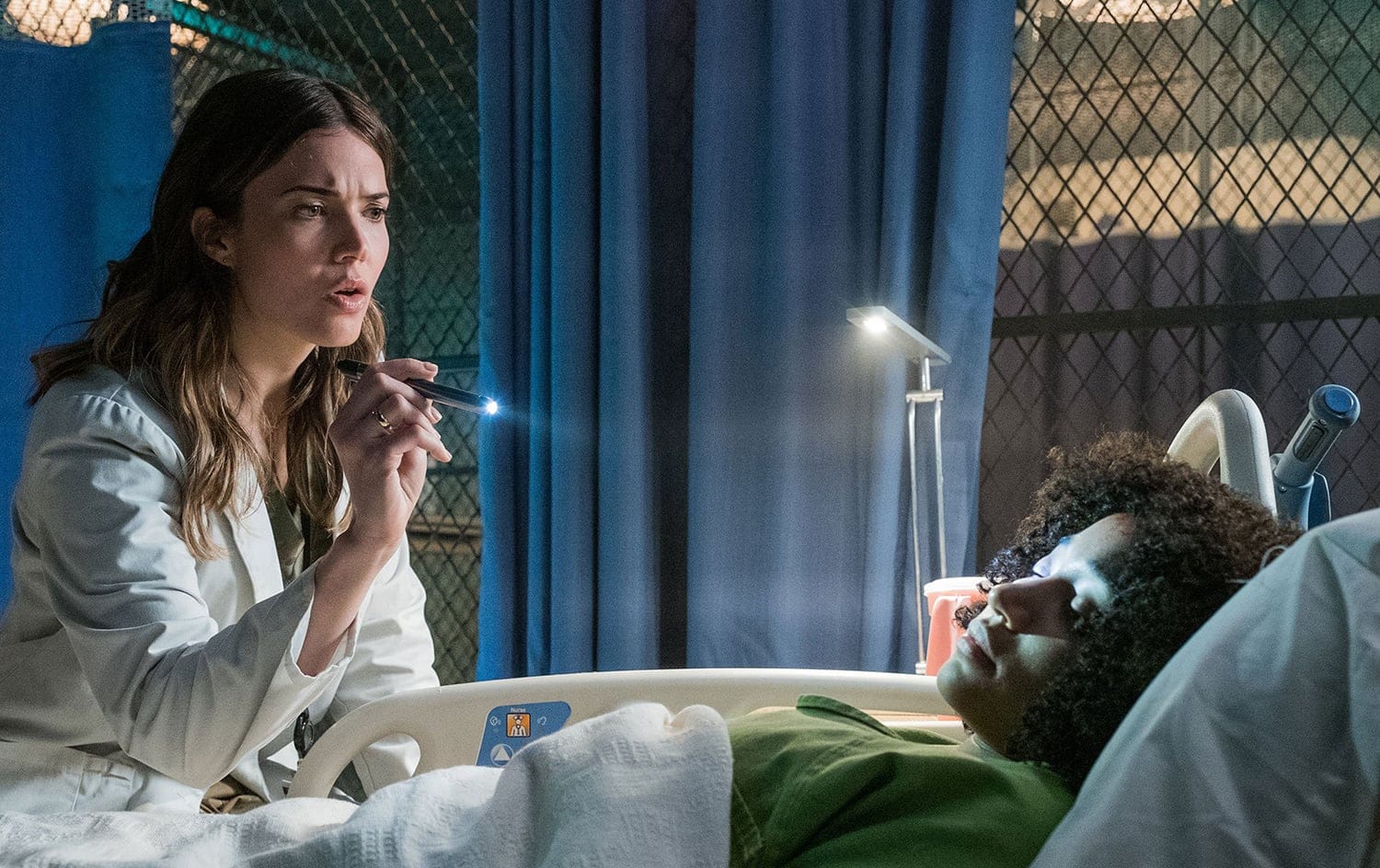
The film shifts from a coherent vision of generational terror into a grab bag of lazily compiled genre tropes.
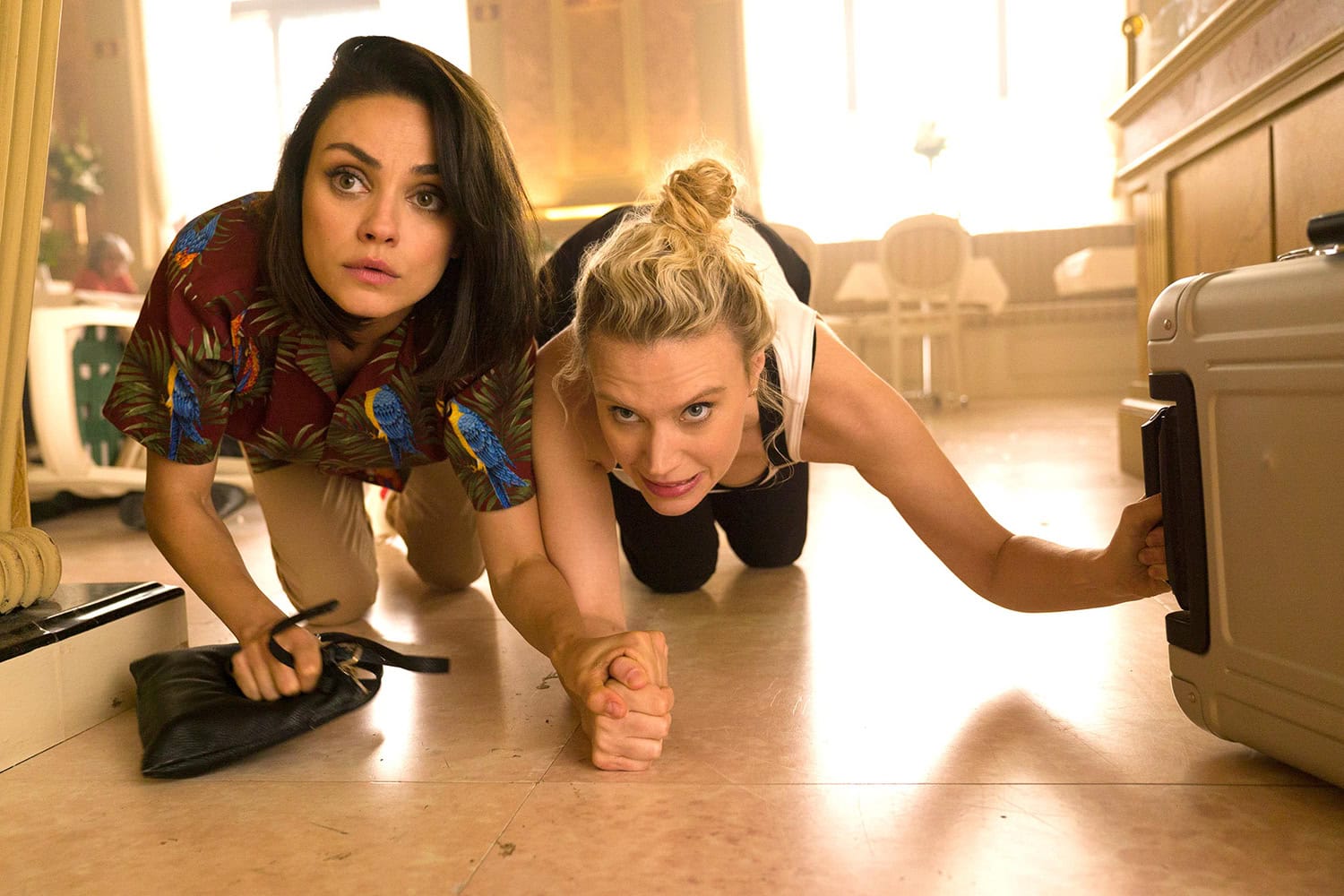
The Spy Who Dumped Me’s blasé attitude toward violence feels out of step with the low-key comedic energy of its leads.

Rob Tregenza’s film is rooted in the communion as well as the sensorial challenges of savoring art.
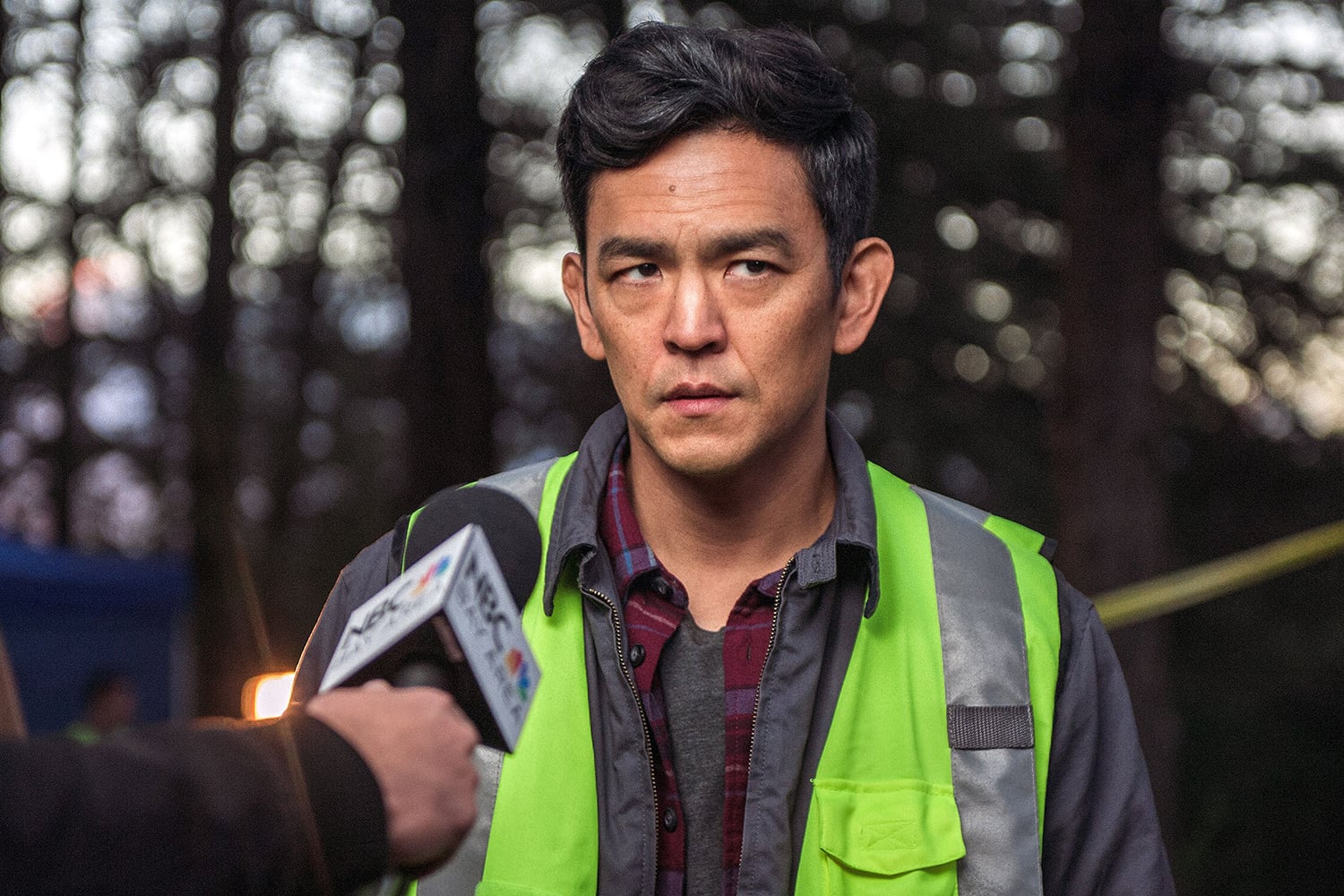
The film suddenly and unfortunately morphs into a generic and manipulative missing-person thriller.
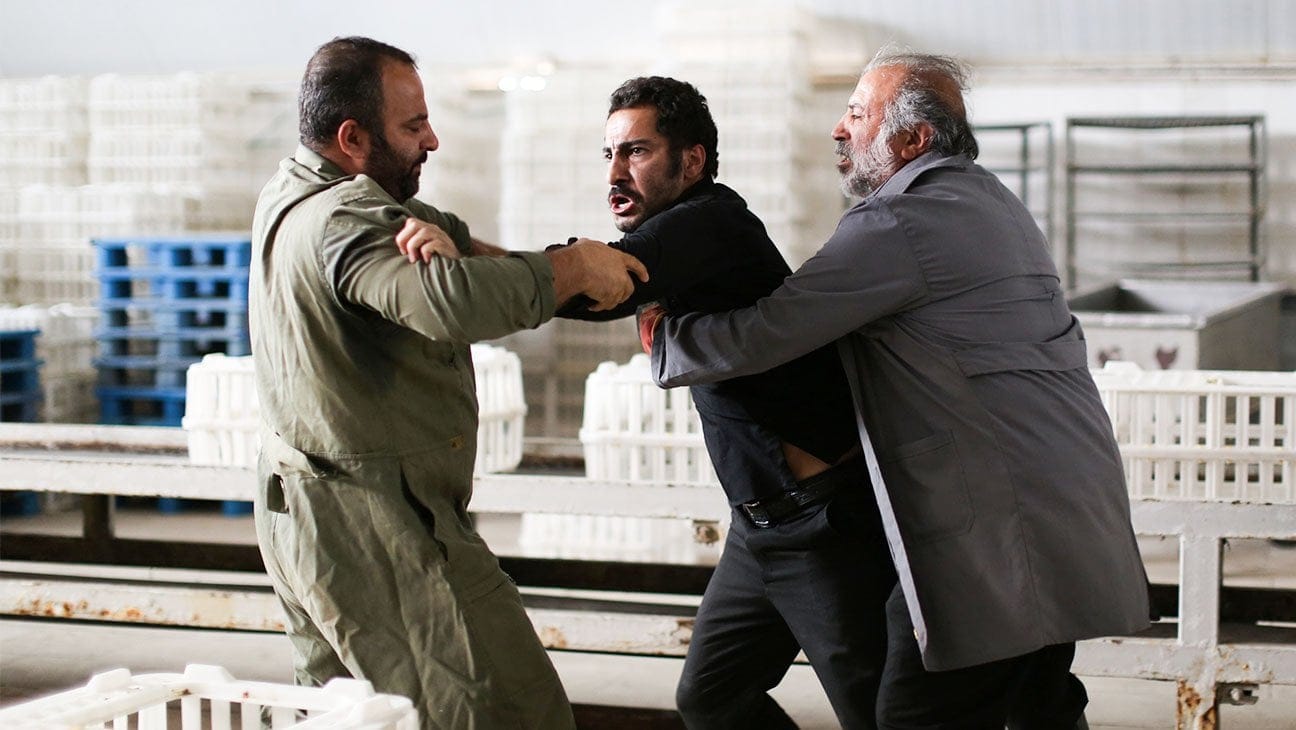
Vahid Jalilvand’s film is so worked out that you know that every nuance is pointed and intentional.
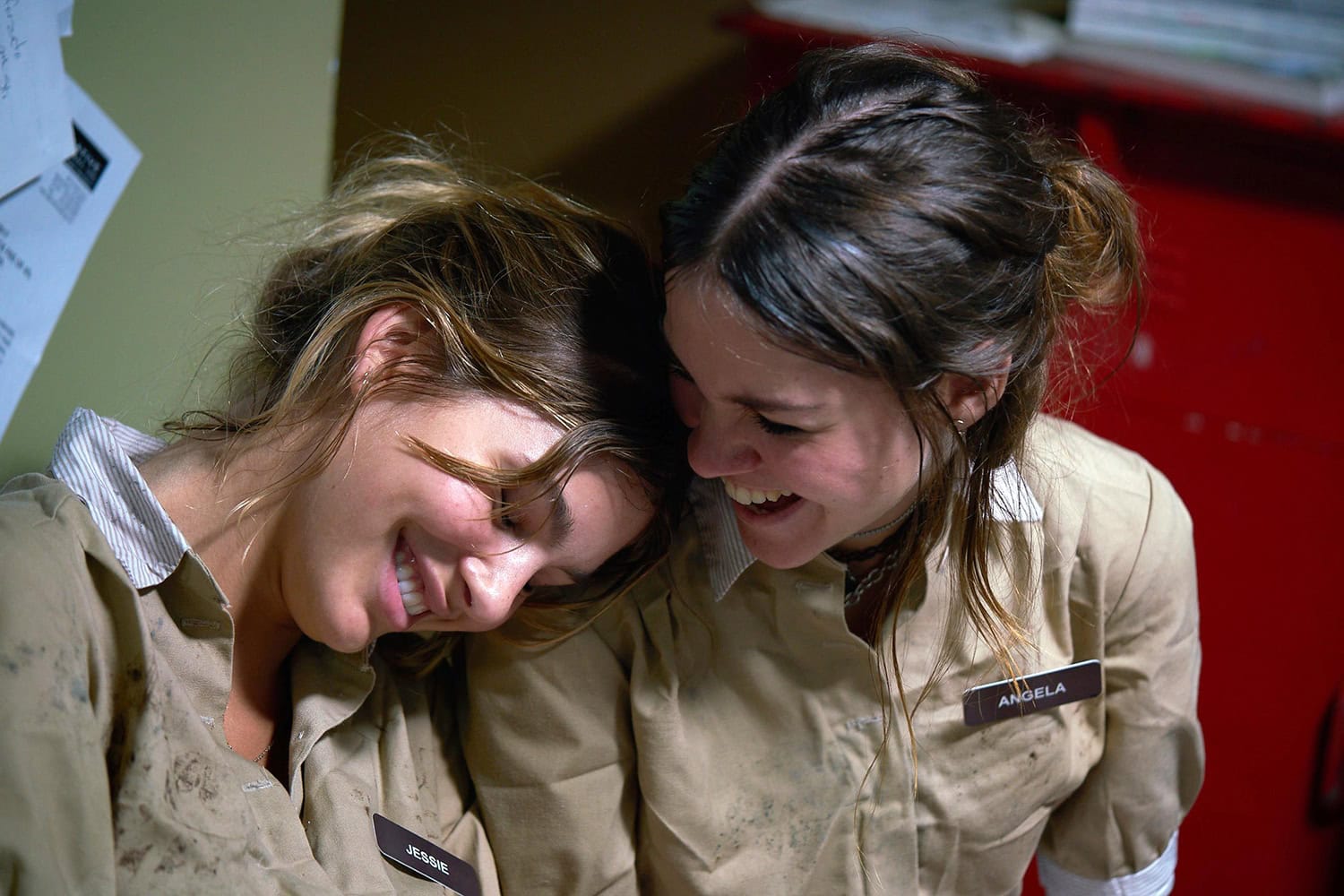
Writer-director Augustine Frizzell’s film is funny and surprisingly tender, if at times frustratingly uneven.
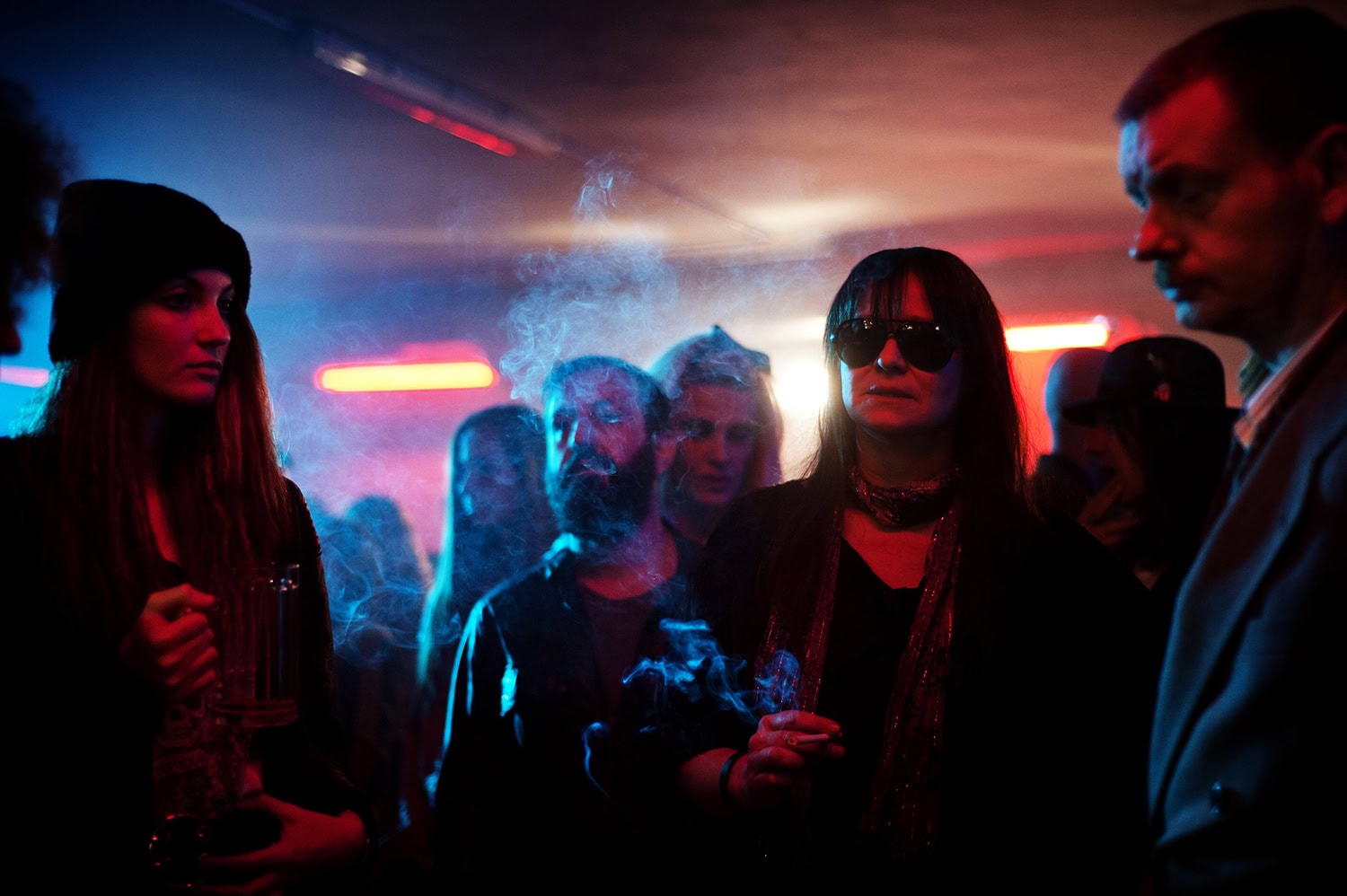
The austere visual style of the film is but a veneer over the deceptively radical treatment of the musical biopic.
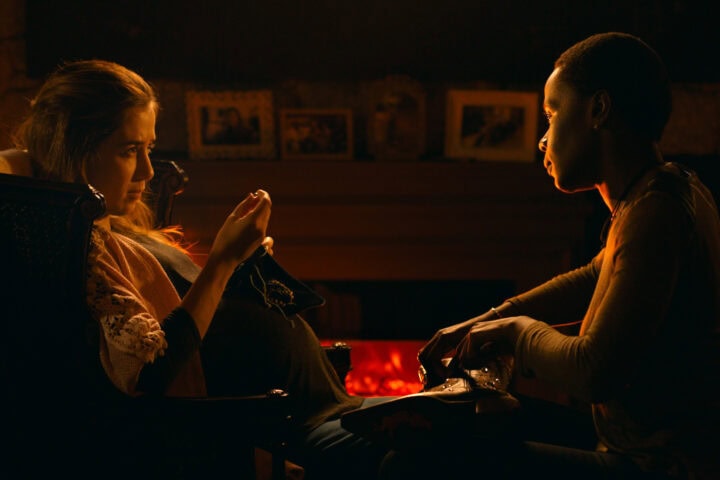
The film is a rebellion of surfaces that never quite reaches, or emanates from, the underpinning roots of its fable.
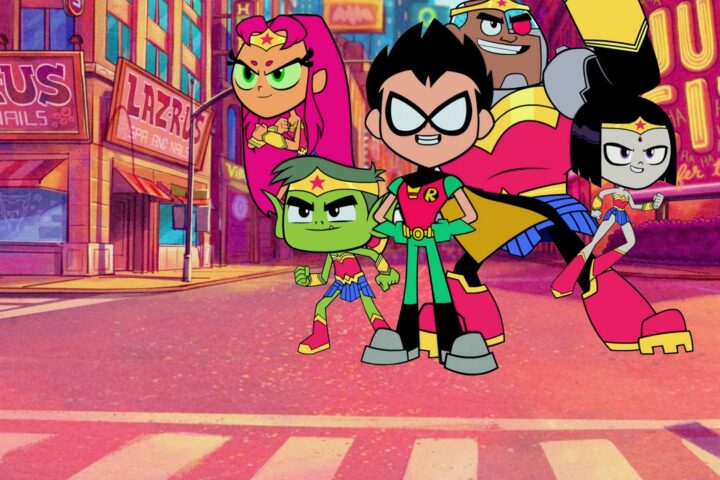
It earns its biggest laughs from its in-jokey riffs on contemporary superhero movies.

Robert Schwentke proves to be too complicit with his protagonist, regarding evil and human banality as stimulation.

The film poignantly reveals that the secret history of Hollywood is really an alternate history of America.

Like the teenagers at its center, Hot Summer Nights tries too hard to look cooler than it ever could be.

The very act of having kids and demanding perfect conformity from them is never questioned by the film.

Writer-director-actor Barbara Loden’s 1970 feature has a wonderful, hard-won sense of everyday rapture.

The film envisions Denzel Washington’s Robert McCall as a hero in absolute concord with the world of his own fiction.
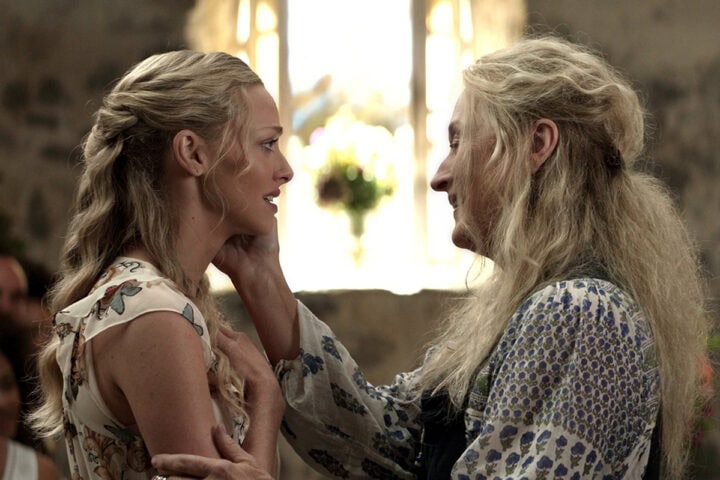
The Mamma Mia! sequel’s flaws are overridden by infectious moments that, to take a cue from ABBA, you couldn’t escape if you wanted to.

While Lauren Greenfield’s perspective is plainly critical, she’s also clearly aware of her subject’s voyeuristic appeal.

Despite the film’s bleak premise, writer-director Radu Jude finds dark humor within the certainty of death.

Hirokazu Kore-eda delights in piling on complications that lead us away from the question of guilt.