Like its protagonist, Philippe Falardeau’s film gets lost in a haze of incidental cacophony.



Chuck Bowen's writing has appeared in The Guardian, The Atlantic, The AV Club, Style Weekly, and other publications.
Like its protagonist, Philippe Falardeau’s film gets lost in a haze of incidental cacophony.

The Dinner is shrilly, luridly, dully, and unremittingly ugly, preaching to a choir that it also demonizes.

Like many pilot episodes, the premiere of American Gods mows through a wealth of exposition.

With this gorgeous and obsessive four-disc set, Donnie Darko fanatics may have found their ultimate bible, at last.

It attempts to dress up torture-porn tropes with a late-inning switch to science fiction that spectacularly backfires.

Throughout Thirst Street, Nathan Silver captures a superbly varied set of performances from his cast.

Flames grows tougher, weirder, and more ambiguous, casting much of its early cuteness in a starker light.

Katie Green and Carlye Rubin’s film documents the transferrable perversities inherent in familial life.

Dog Years is a collection of old-fogey clichés, with a narrative that mixes a career retrospective with a road trip.

Dash’s seminal work of African-American historical fiction receives a valuable and hauntingly beautiful transfer.

Bruno Dumont’s formalism is charged with a spark of simultaneously controlled and spontaneous mystery.

The direction is occasionally flashy and cluttered, but the film’s empathy for Tower is evocative and poignant.
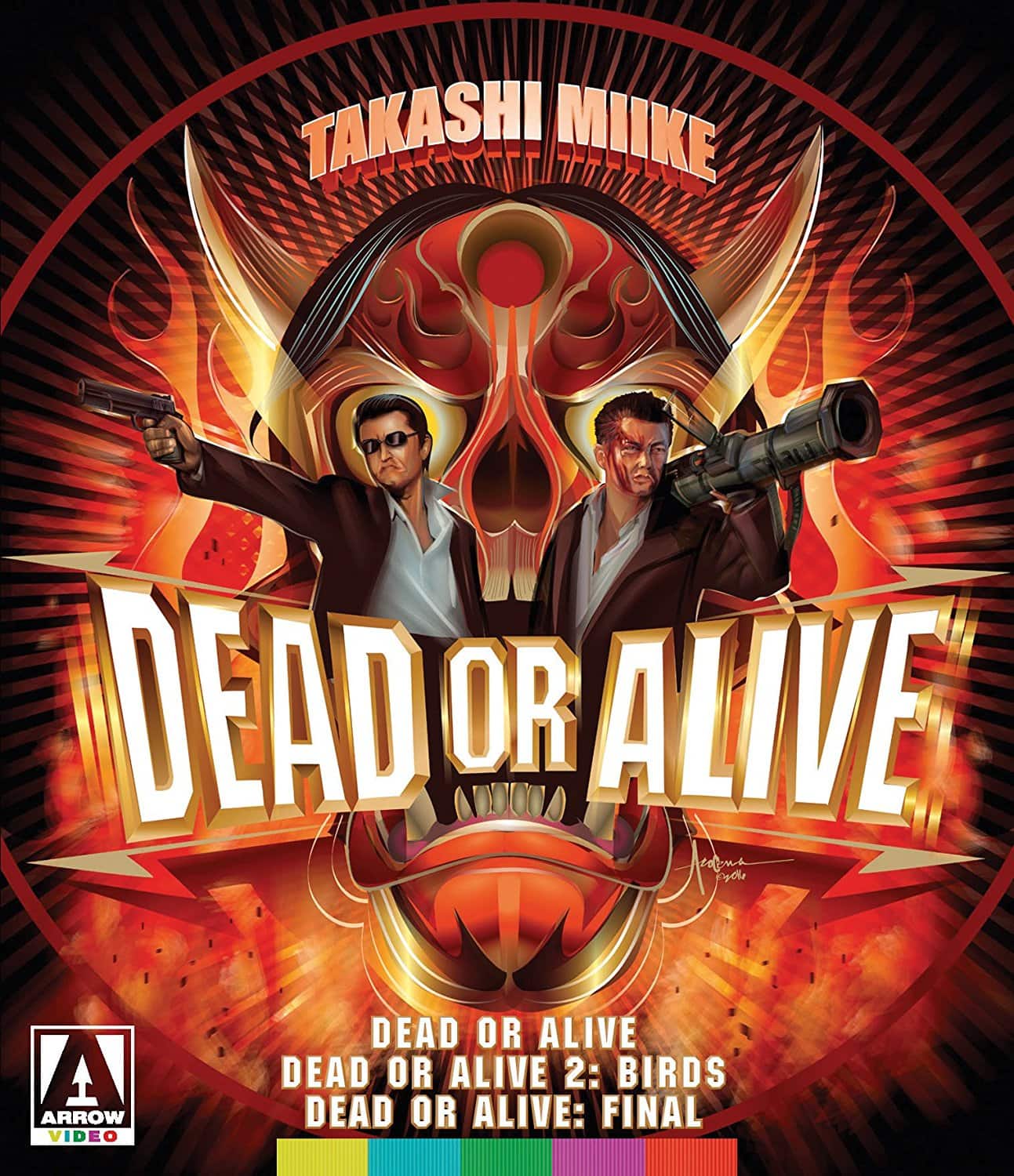
Miike’s haunting gangster flicks receive appropriately rough and lurid transfers, as well as a must-listen of an audio commentary.

The series offers lifeless images that merely serve as repositories for endless exposition.

It’s difficult to imagine a House fan who will feel poorly served by this extensive and affectionate cornucopia of nerd-centric context.
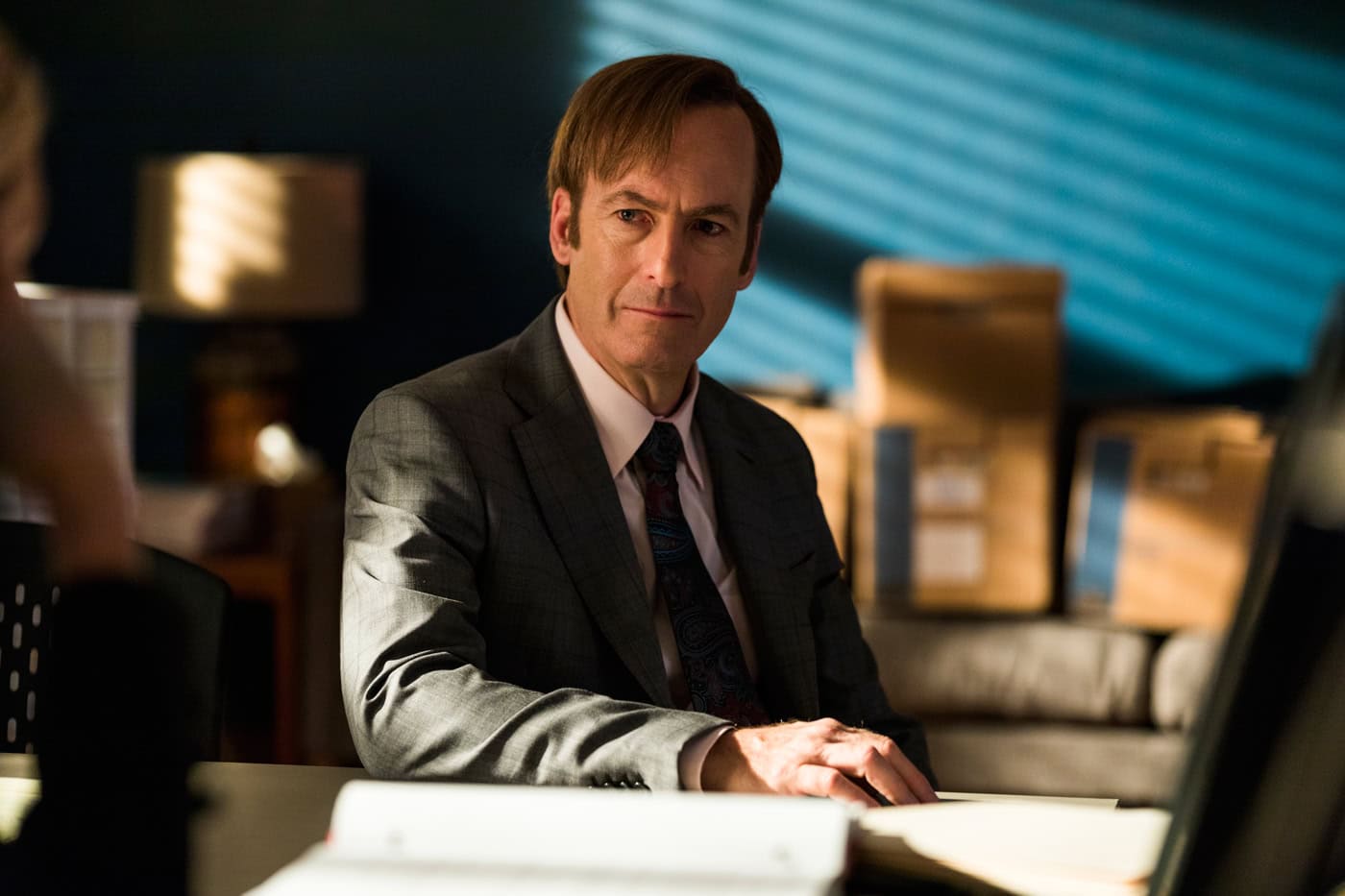
Better Call Saul understands that self-actualization isn’t inherently moral.

Throughout the film, Werner Herzog appears to be straining to impersonate his idea of classical studio craftsmanship.
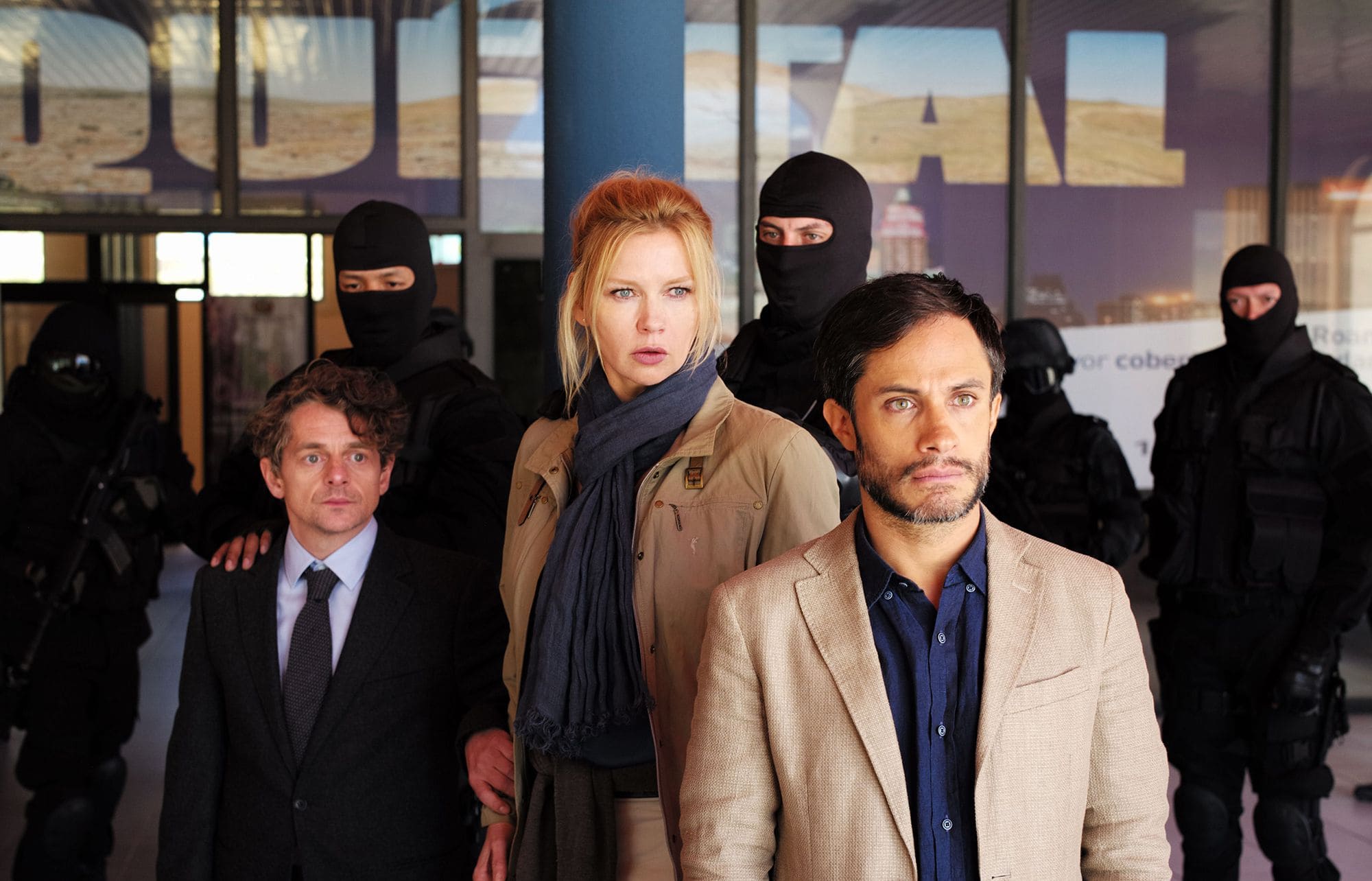
It’s clear that the film’s aimless yet weirdly un-pretentious one-thing-after-another-ness is intentionally achieved.

The insensitivity of director Walter Hill’s The Assignment springs from an over-abundance of caution.

Joe Swanberg’s Win It All understands addicts in a fashion that’s unusual for American cinema.