The film is a trim farce with no blood flowing under its skin, as it’s all construction, setup, and payoff.


Chuck Bowen's writing has appeared in The Guardian, The Atlantic, The AV Club, Style Weekly, and other publications.
The film is a trim farce with no blood flowing under its skin, as it’s all construction, setup, and payoff.

The documentary’s preachiness serves a therapeutic purpose, offering jolting possibilities for empathy.
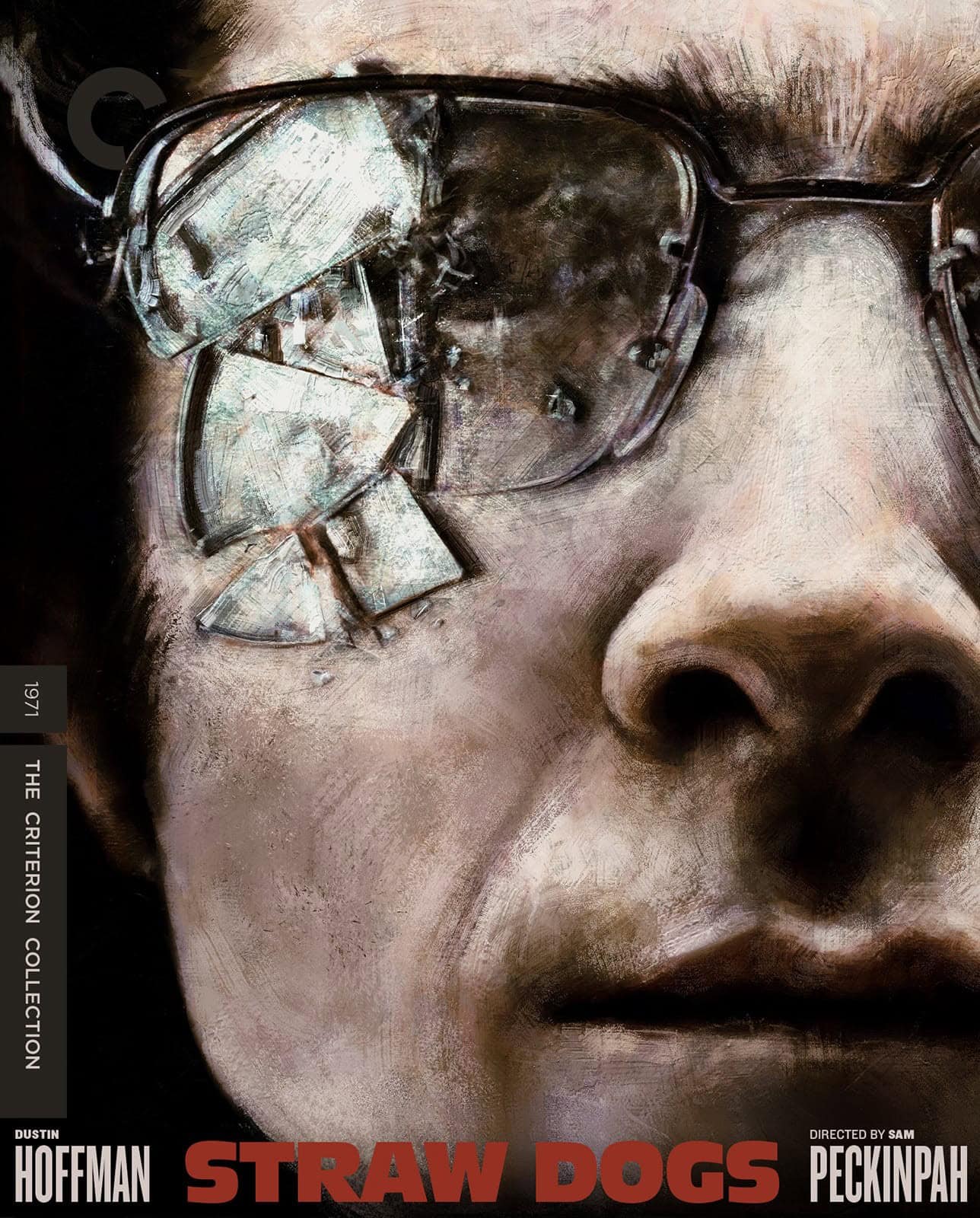
One of the most ambiguous, neurotic, and disturbing of all American films receives a revelatory new restoration.
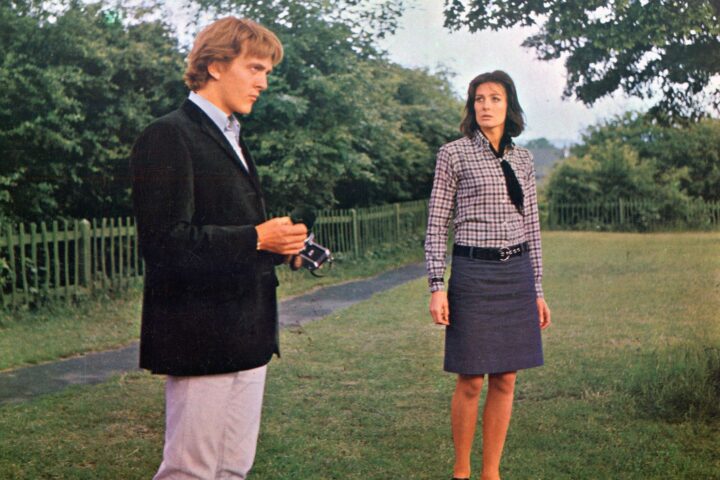
Michelangelo Antonioni’s film is an inquiry into the modernist concern of what art is and how it affects life.

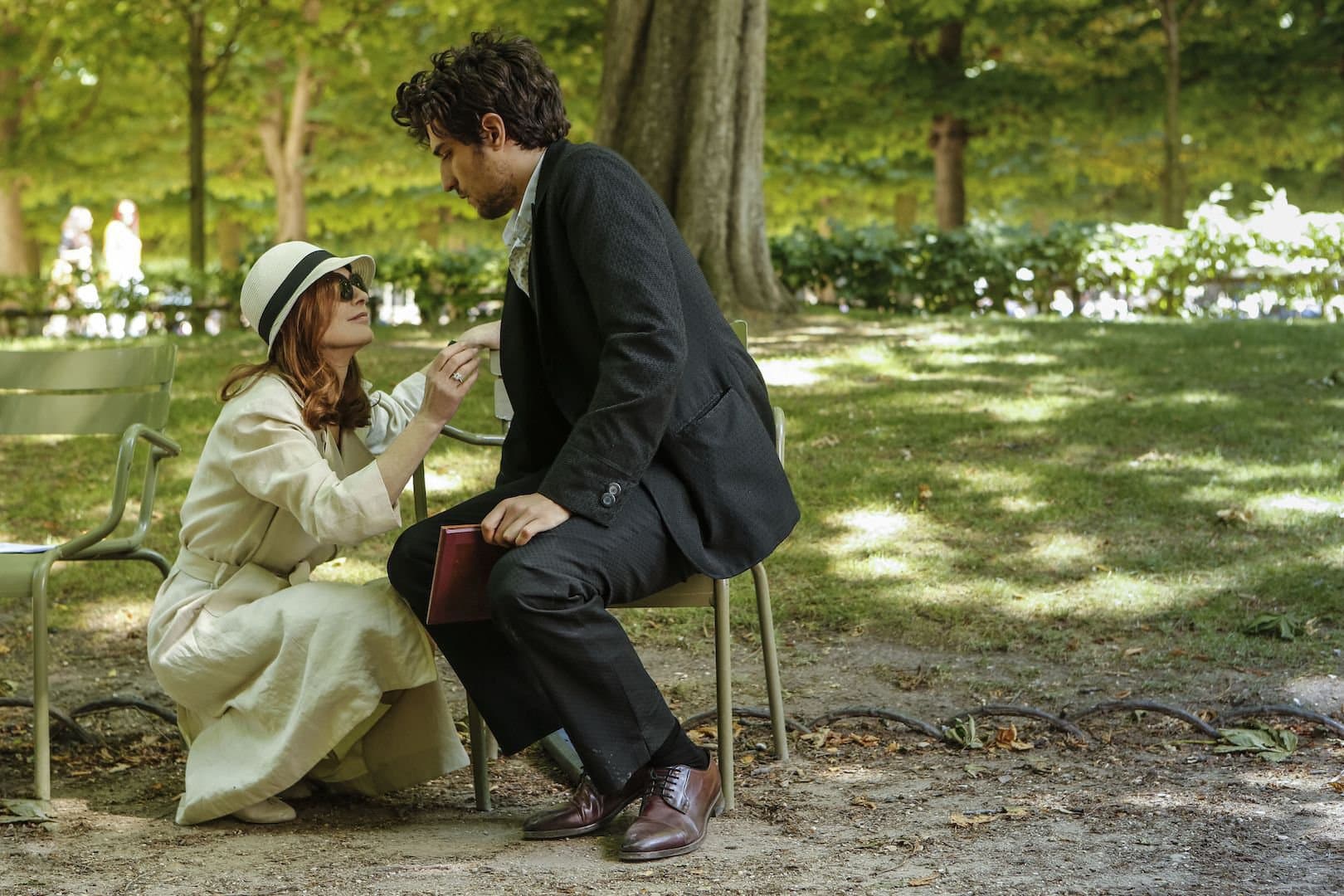
Roberto Andò takes the form of a classical whodunit and bludgeons it with naïve indignation and sanctimony.
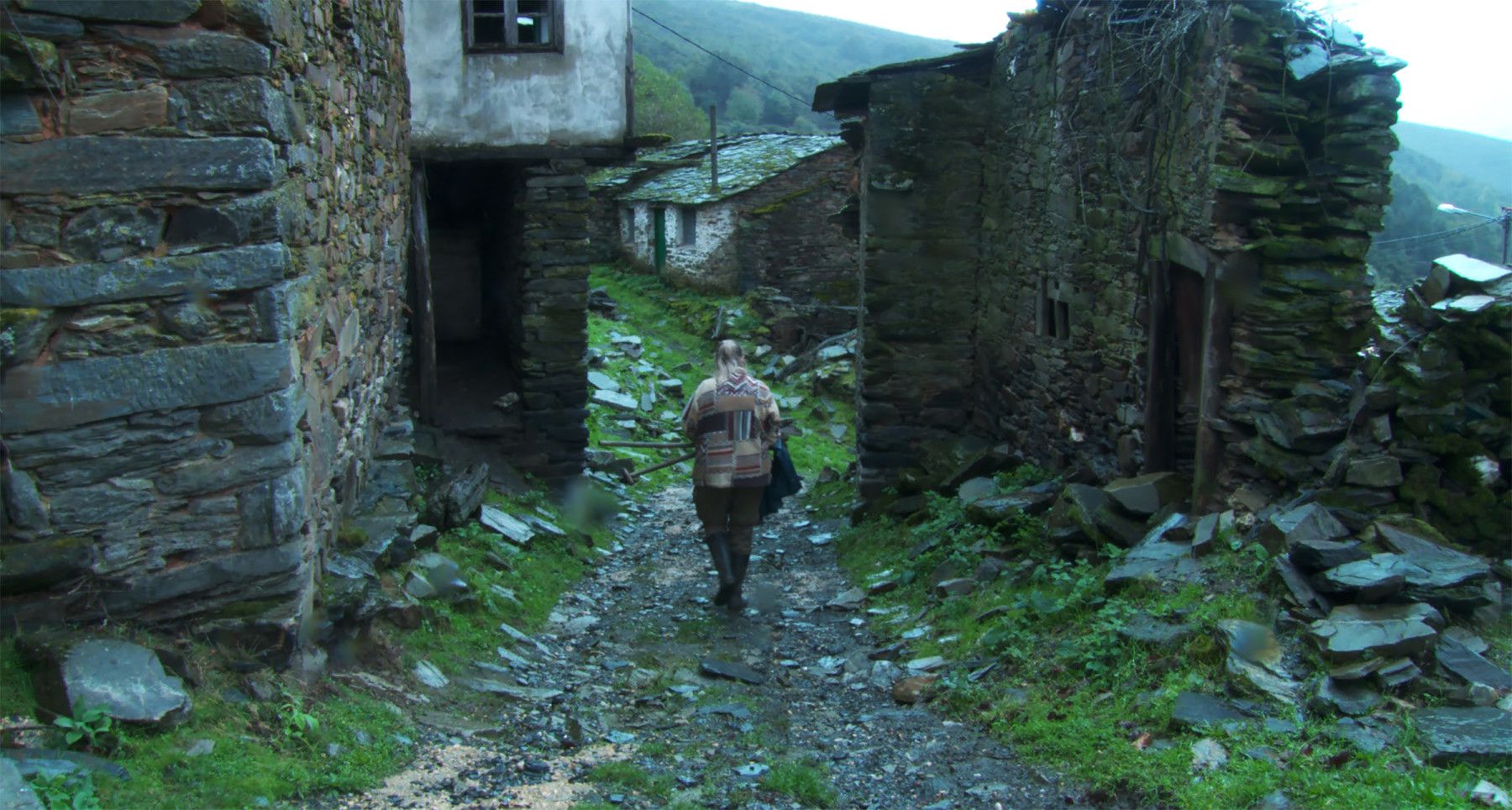
Andrew Becker and Daniel Mehrer get close to their subjects only to retreat when things get truly dangerous.
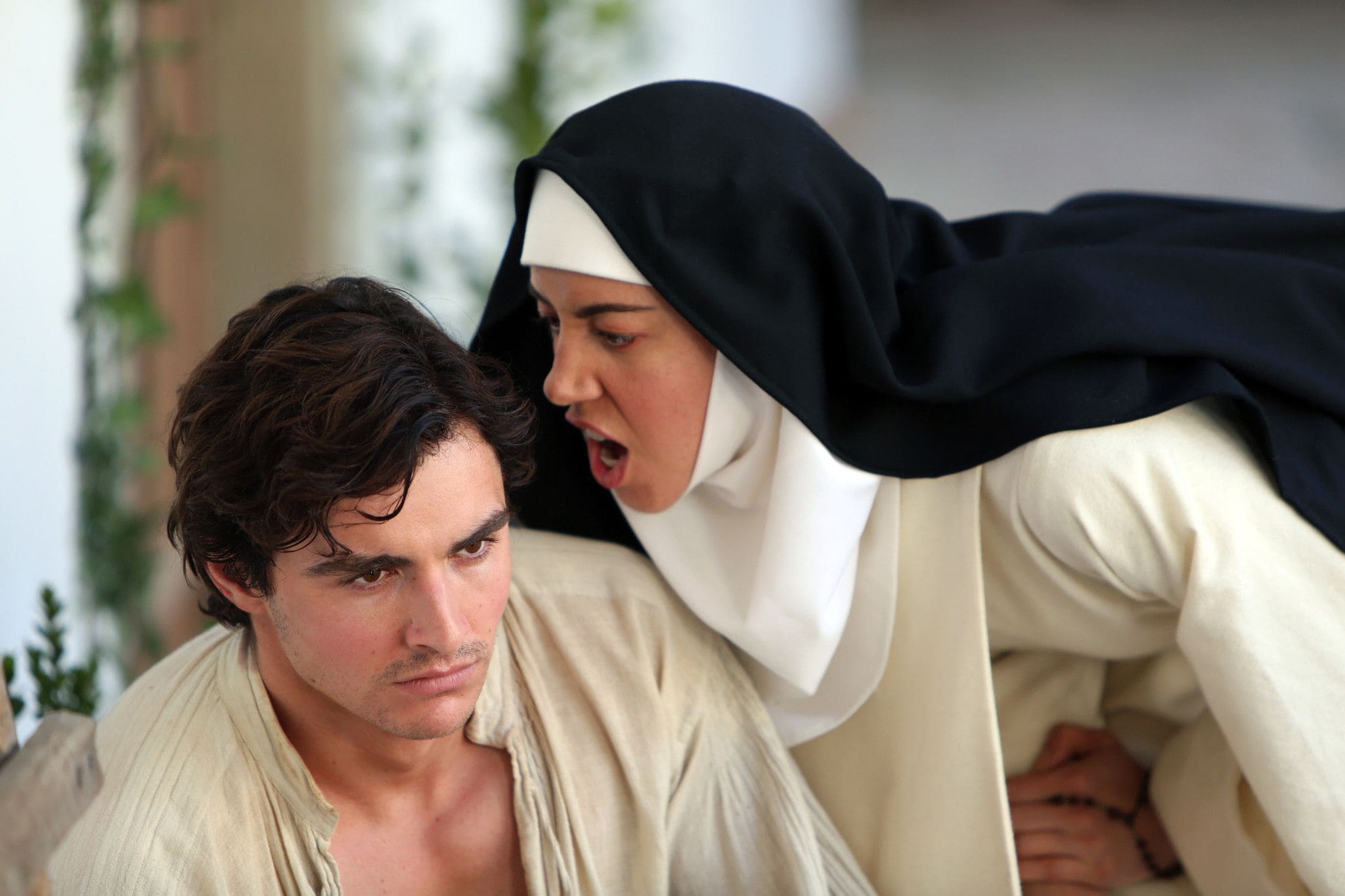
The cast informs their non sequiturs with such soulfulness, allowing the film to largely sustain its one-joke premise.
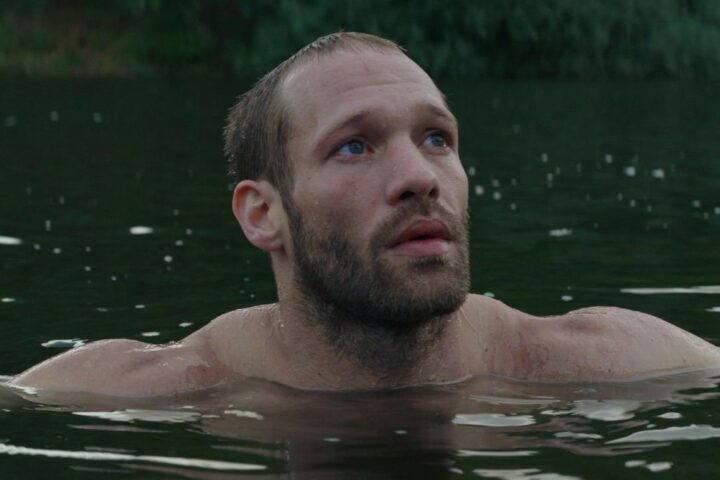
The film revels in a hushed and lucid expressionist naturalism that’s reminiscent of Stalker.

Gypsy is an elaborately structured drama that’s too derivatively clever by at least half.
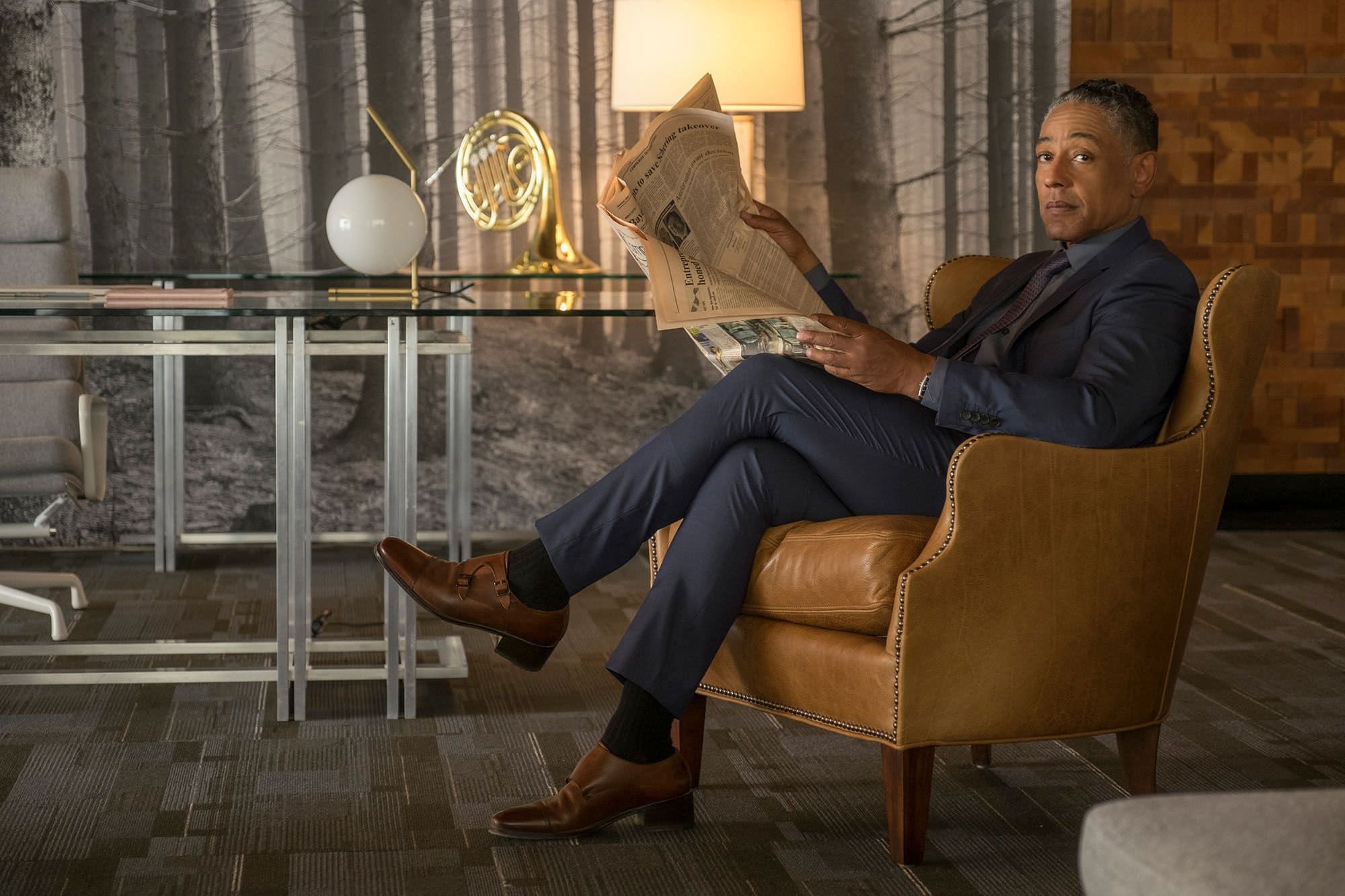
The actor discusses how he brings to life a remarkably specific strand of white-collar evil.

In Okja, a transporting protest fantasy becomes another shrill dust-up in the waging of the culture wars.
One of cinema’s mightiest and most bottomless of accomplishments has never looked or sounded better.

It’s consistently startling what Albert Maysles’s interviewees are willing to share about their lives.
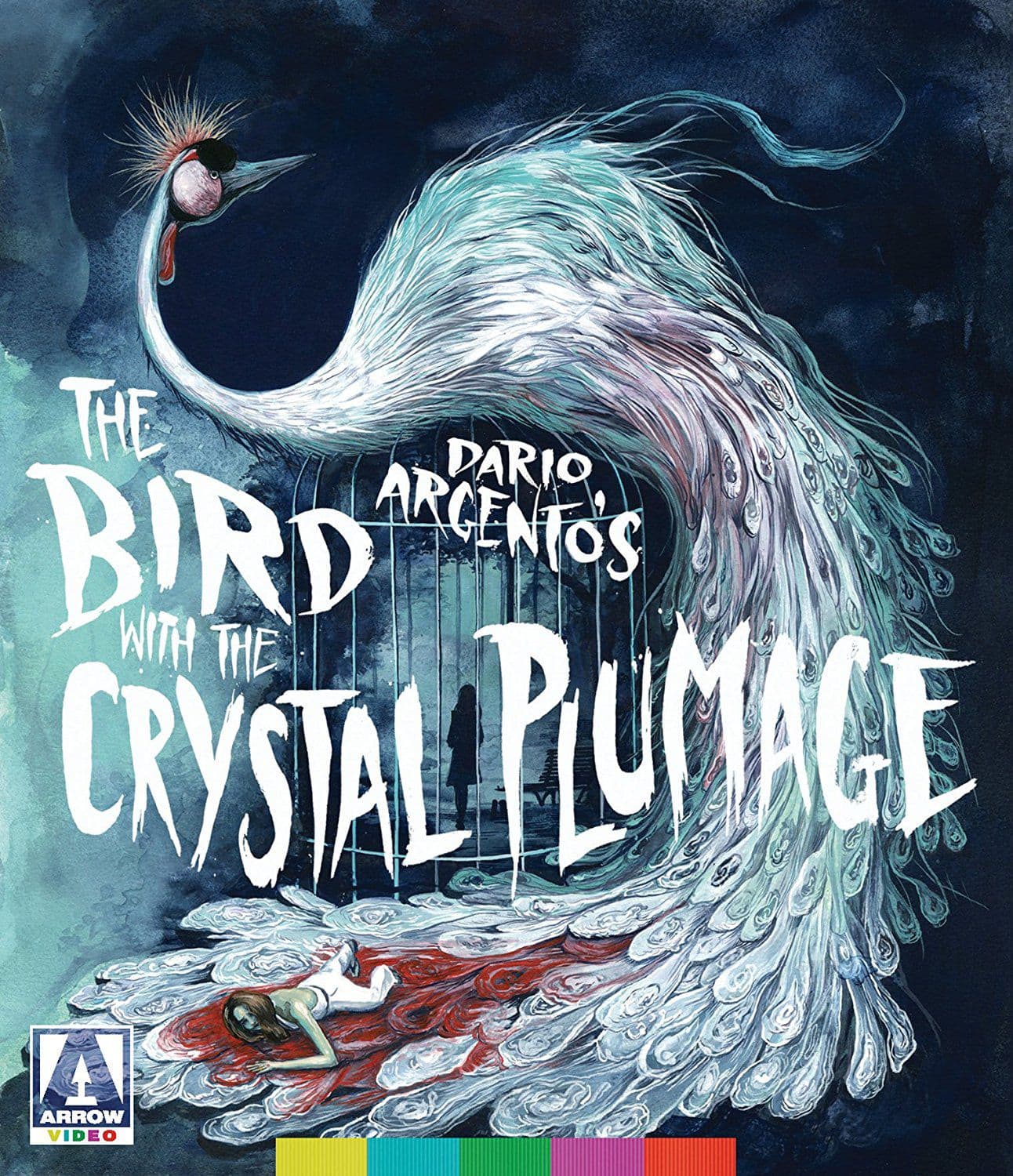
Arrow continues to prove that horror films are as complex, resonant, and worthy of respect as the classics of any other genre.

It’s time for the series to push beyond thematic foreplay and embrace the flawed and terrifying present tense.
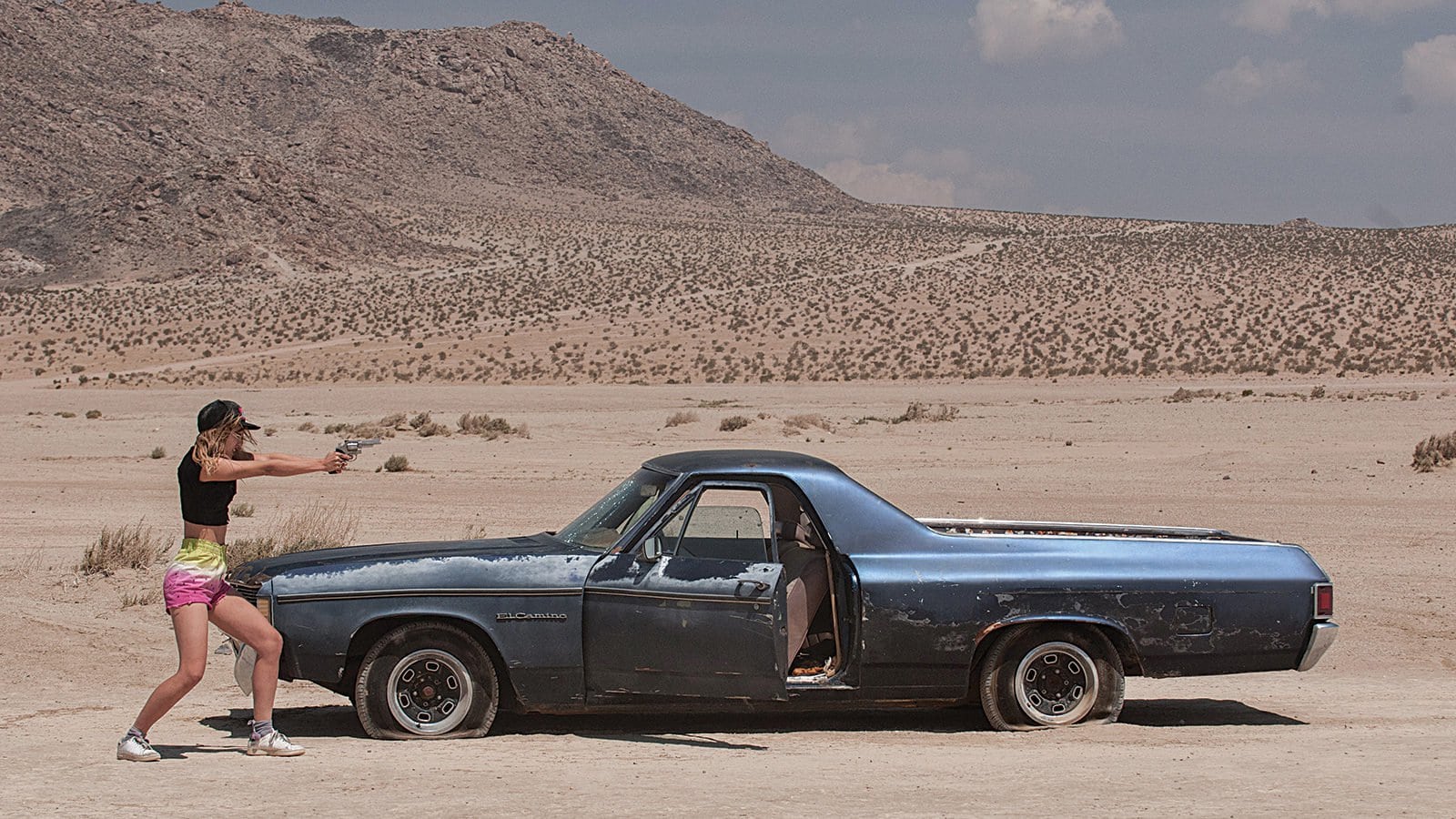
In The Bad Batch, Ana Lily Amirpour reduces politically loaded signifiers to a battle of the cliques.

This beautiful refurbishing of Franju’s film allows the underrated whodunit to assume its rightful place on the cinephile’s mantle.
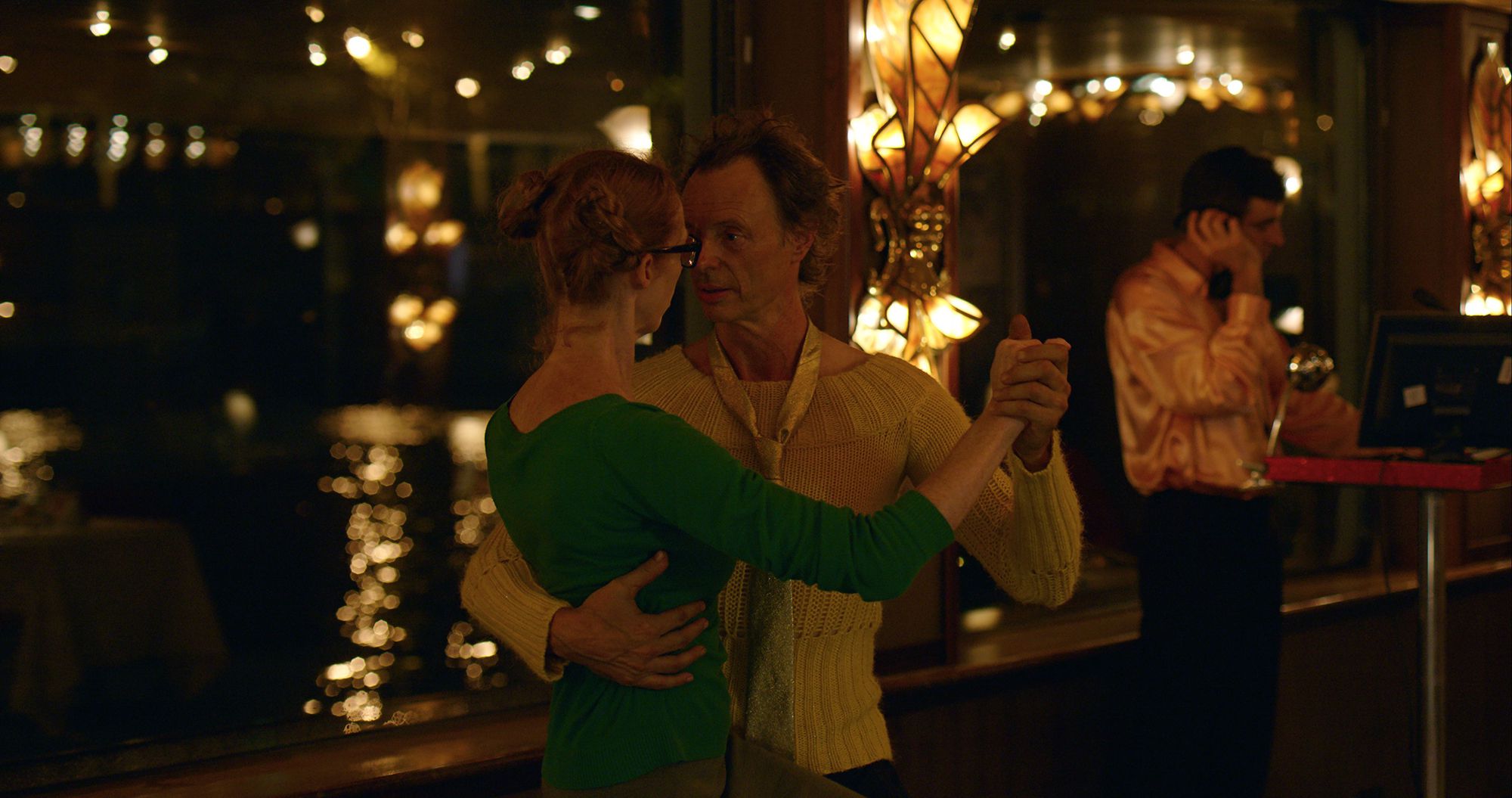
The film turns romance into a democratizing game of tag that’s sustained by an encouraging unpredictability.

The pitiless ending of writer-director Kôji Fukada’s haunting morality play houses a perverse silver lining.

Frédéric Mermoud’s film makes an elaborate pretense of honoring the traditions of the observational procedural.