Marvel’s best film to date is a surprisingly beautiful, eccentric, and generous fable of interpersonal, political, and cosmic communion.



Chuck Bowen's writing has appeared in The Guardian, The Atlantic, The AV Club, Style Weekly, and other publications.
Marvel’s best film to date is a surprisingly beautiful, eccentric, and generous fable of interpersonal, political, and cosmic communion.

The words in George Saunders’s debut novel have a particularly oily, electric, tactile quality.
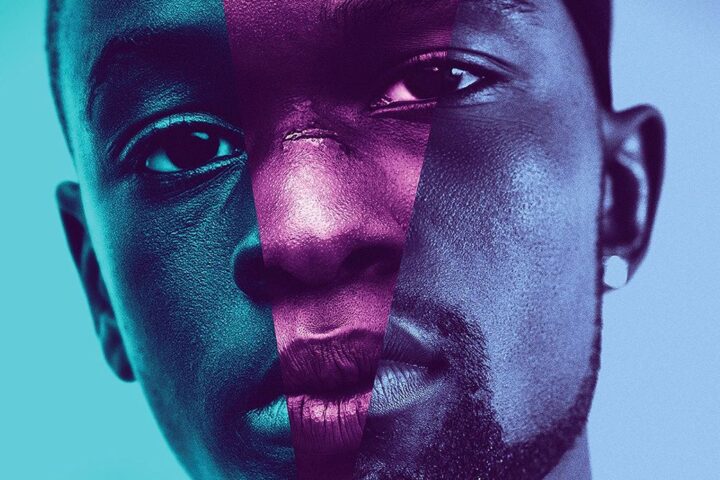
Moonlight’s unlikely success hopefully implies that the world has yet to slide entirely down a rabbit hole of unbridled bigotry.

The Rosses share David Byrne’s interest in the minutiae of habitats and the comforting enclosure they provide.
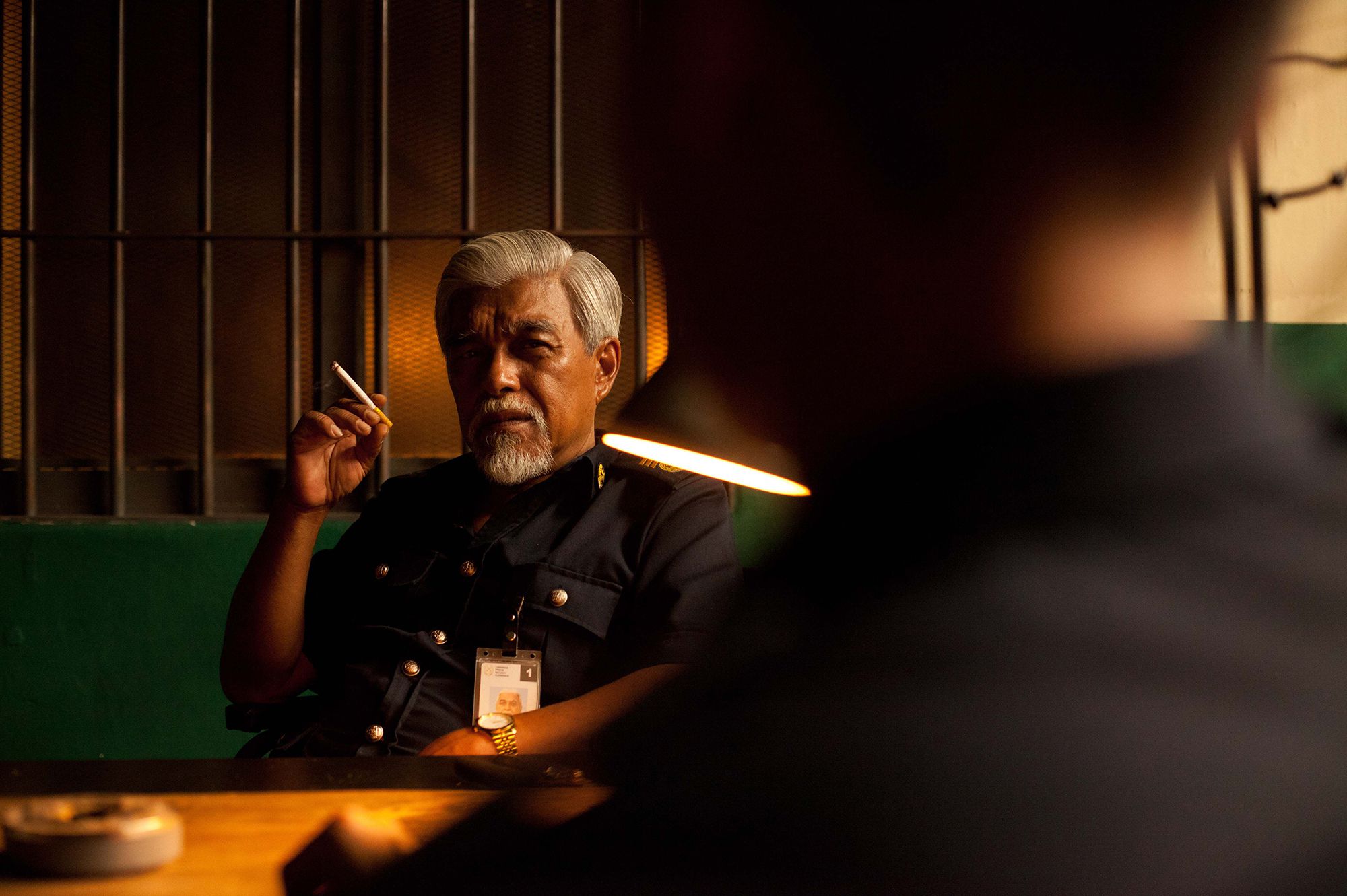
Boo Junfeng casually reinvigorates the prison drama, boiling its elements down to their primal essence.

Feud: Bette and Joan is at its canniest when contrasting Bette and Joan’s respective vanities.

A great and resonant Hollywood melodrama has never looked more beautiful.

Villeneuve’s moving yet disappointingly cautious mind-bender is accorded a robustly beautiful transfer.

The anthology film XX follows female protagonists as they wrestle with exclusion and implicit social standards.
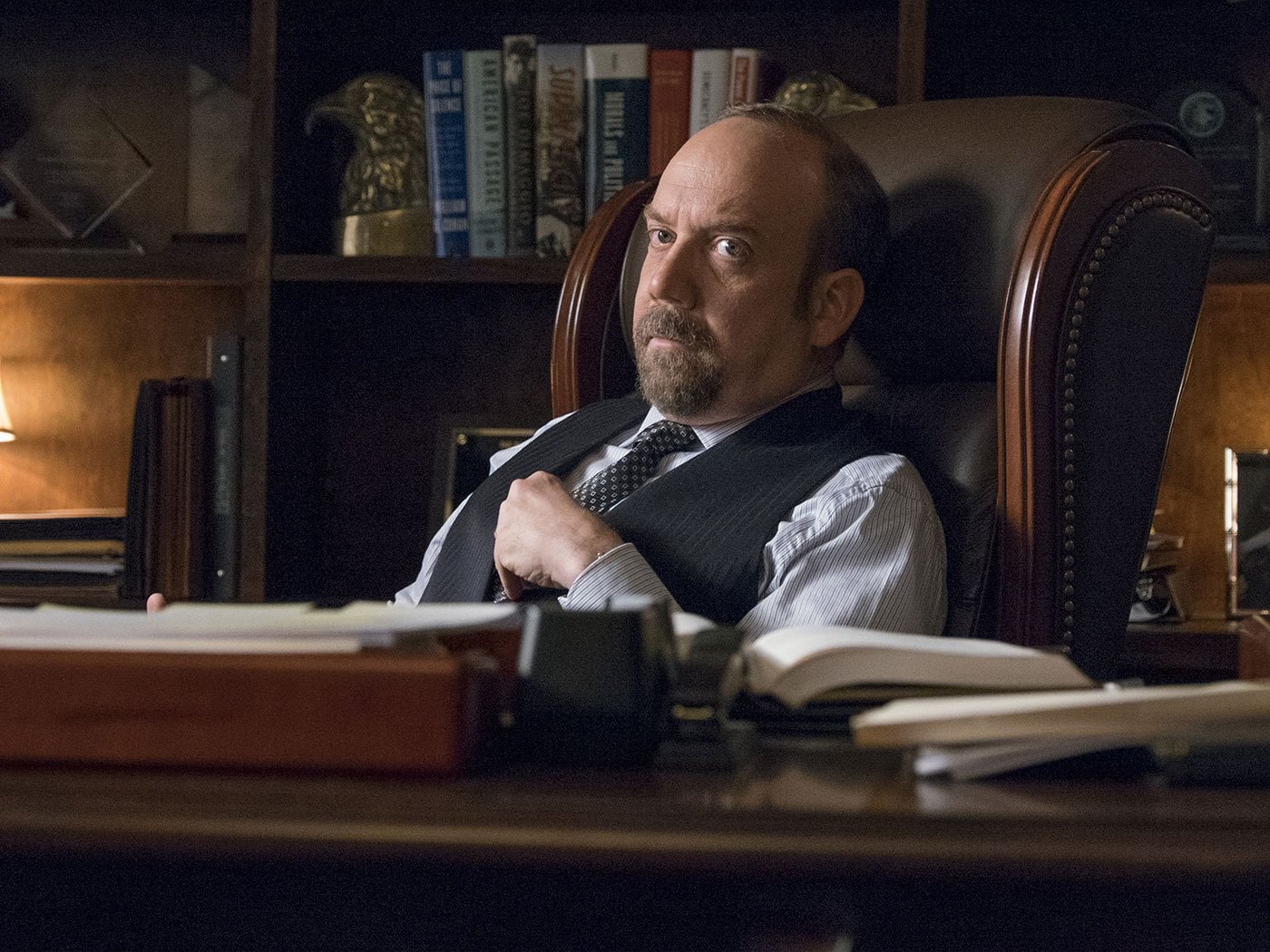
What Billions offers is vicarious revelry in stylish power, exuding a trashy, toxic purity.

Bits of editorializing dialogue throughout In Dubious Battle suggest the resonant film that might’ve been.
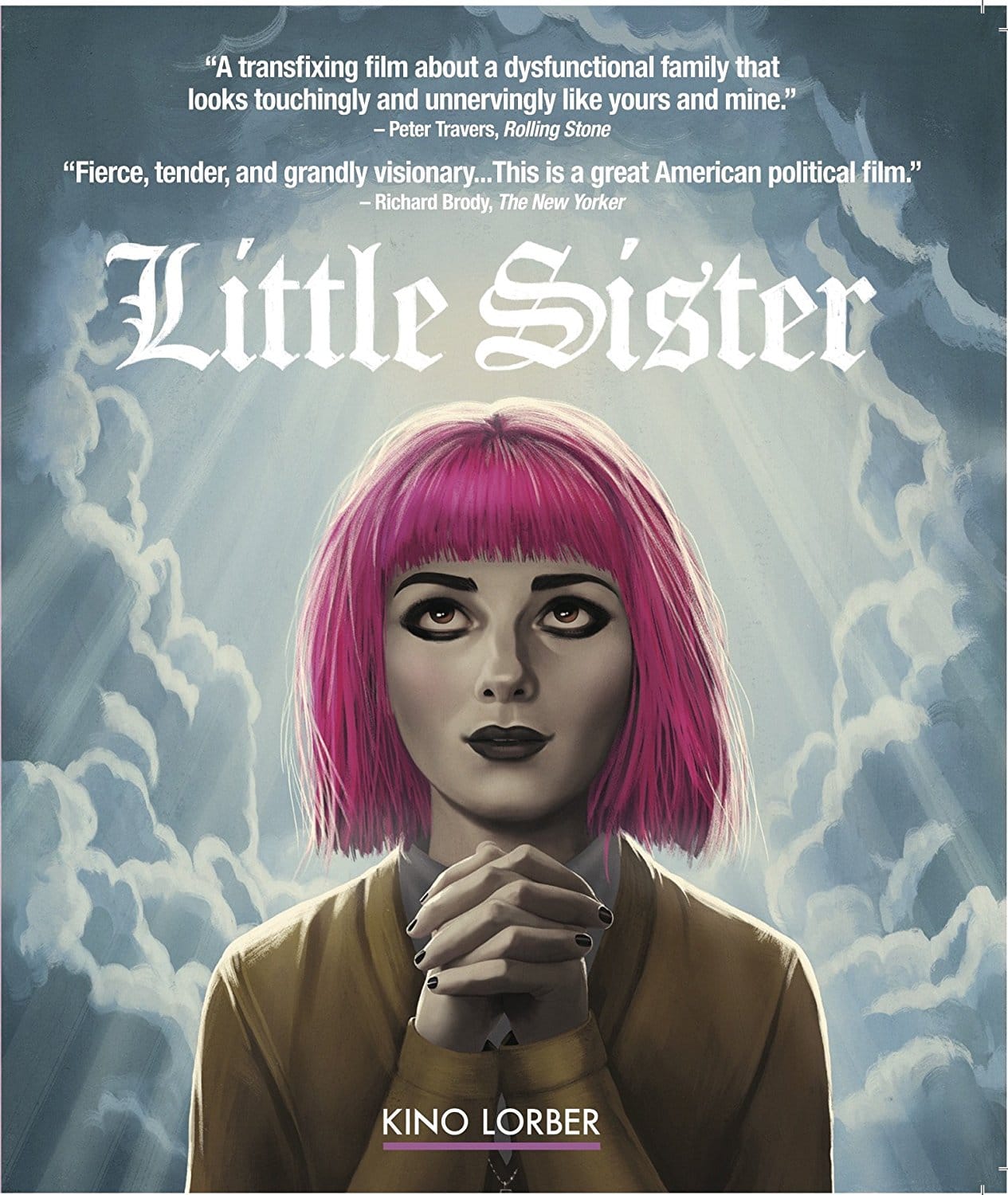
A politically and emotionally evocative cult classic in the making receives a beautiful transfer courtesy of Kino Lorber.
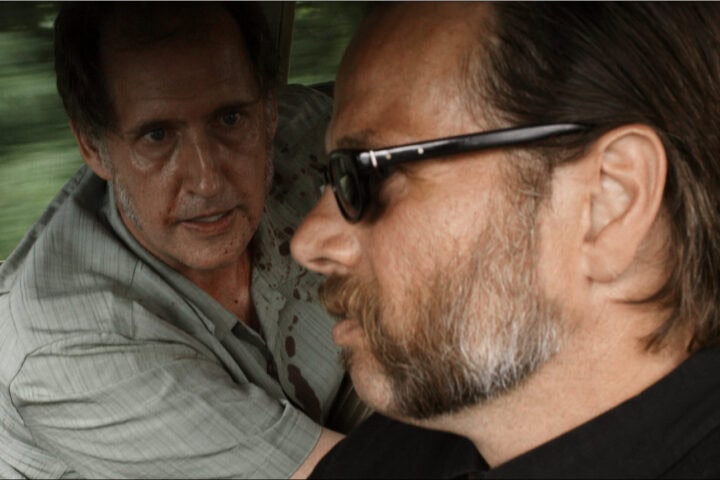
What distinguishes Stray Bullets from so many other low-budget crime films is Jack Fessenden’s sense of quietness.

The filmmakers astutely reveal how a culture can eat another alive and somehow live with itself.

Rings is unsure as to whether it’s a sequel to the other entries in the series or a contemporary reboot.

A charmingly goofy lark, Santa Clarita Diet reveals itself to be a comedy of remarriage hidden in zombie’s clothing.

Robert Legato’s film is lifelessly composed of the usual tropes of horror films set in mental asylums.

The film is in love with the tropes it ridicules, and it doesn’t take long for that love to dwarf any possibility of critique.
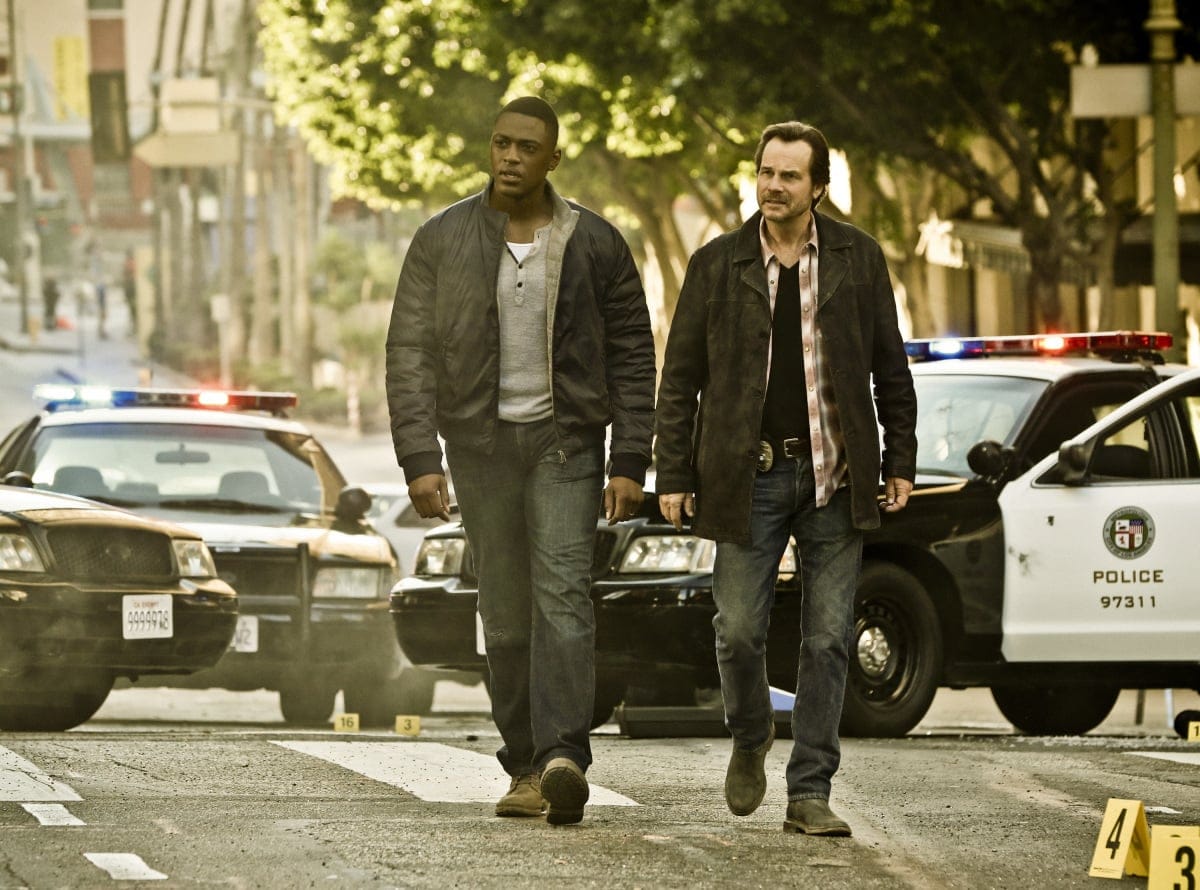
Training Day mostly dresses up a typical CBS property with the reputation of an acclaimed production.

Paul W.S. Anderson’s Resident Evil: The Final Chapter celebrates the unbridled force of energy for its own sake.