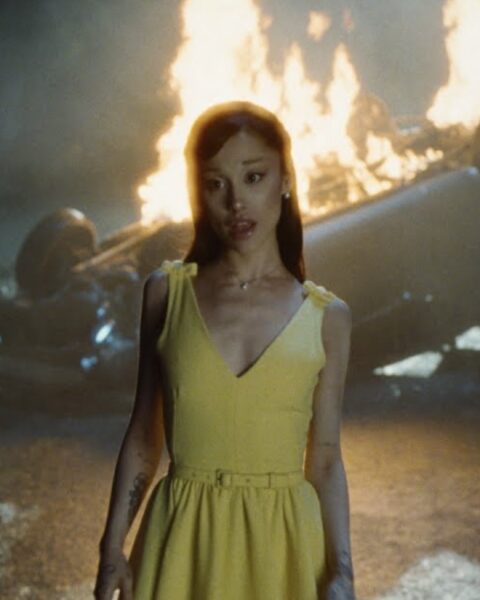
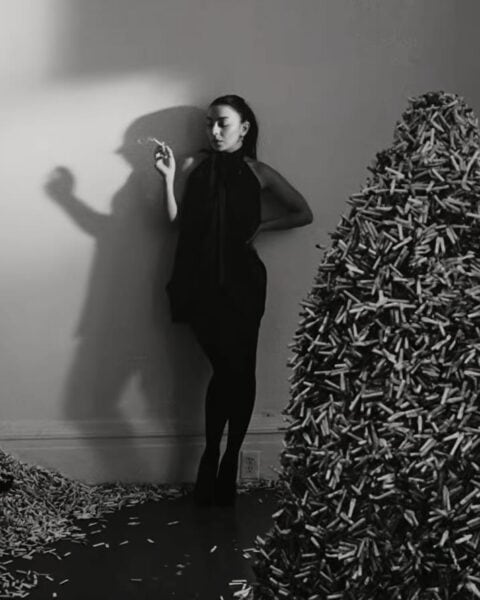
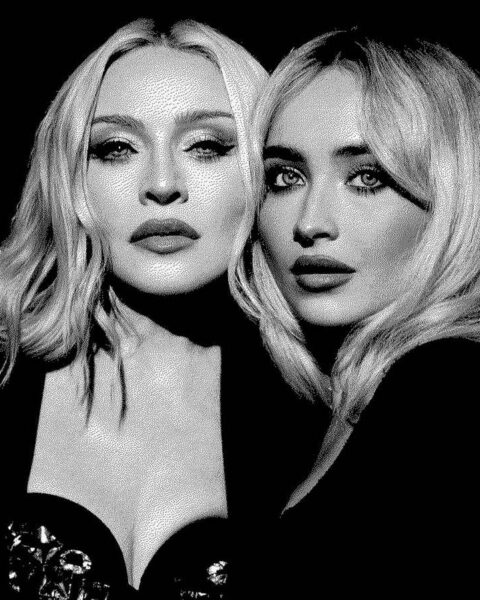
The song marks the singer’s return to the country music genre.
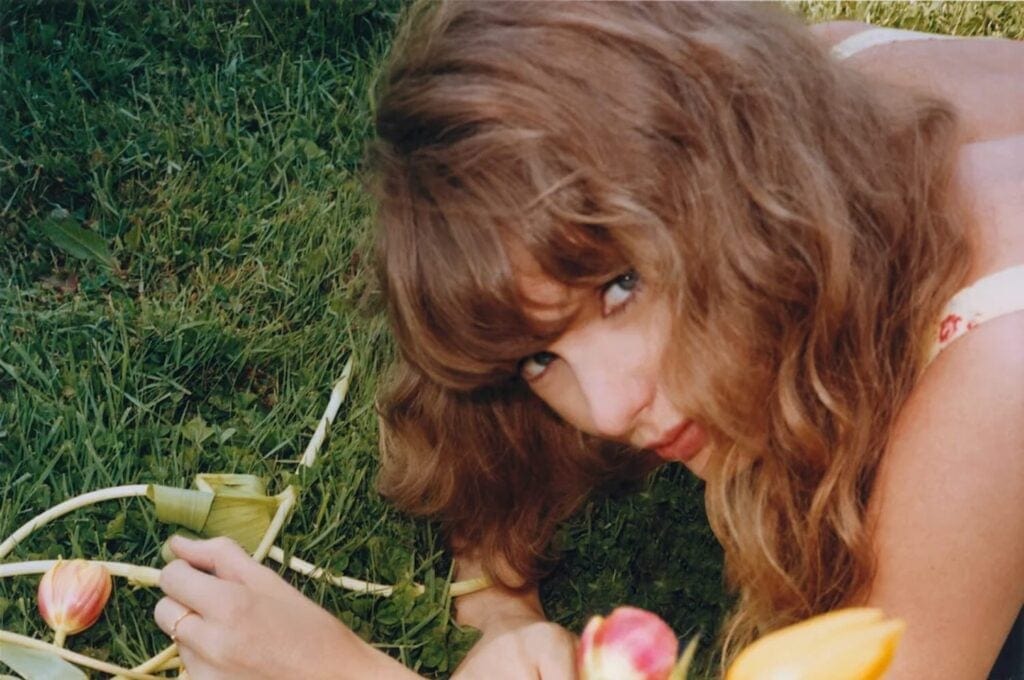

The song marks the singer’s return to the country music genre.
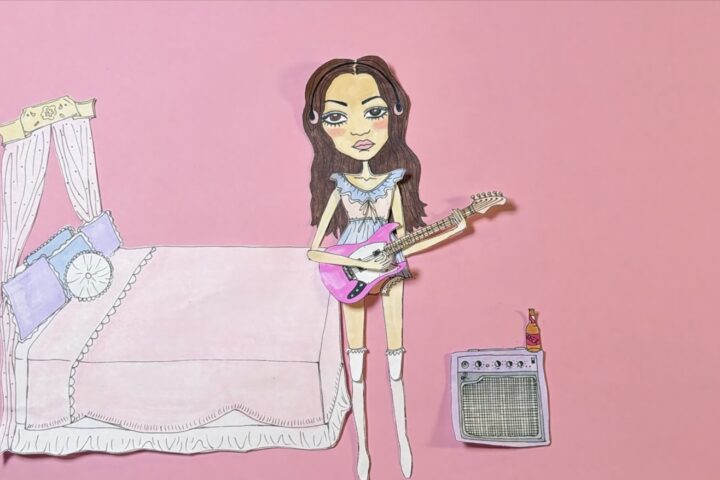
The music video for the song sees the singer wandering the Palace of Versailles.
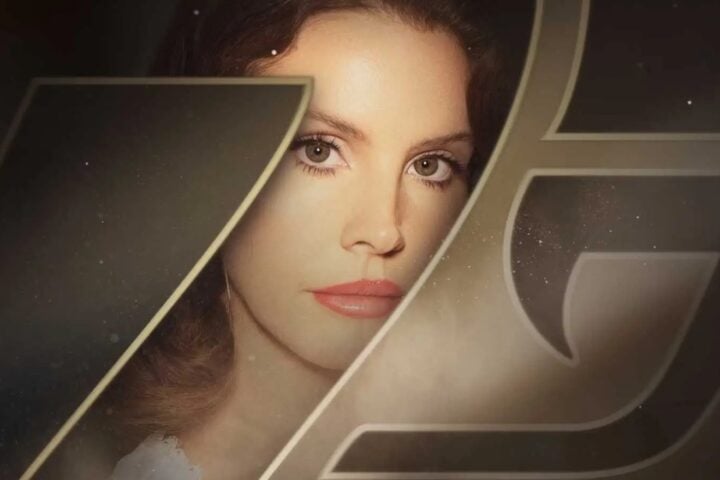
The singer just got one step closer to releasing an official Bond theme.
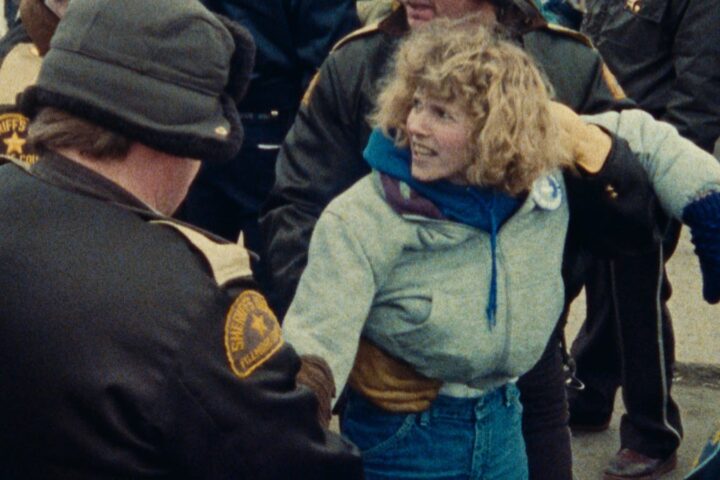
Kopple’s documentary classic is brutally revealing about the state of American capitalism.
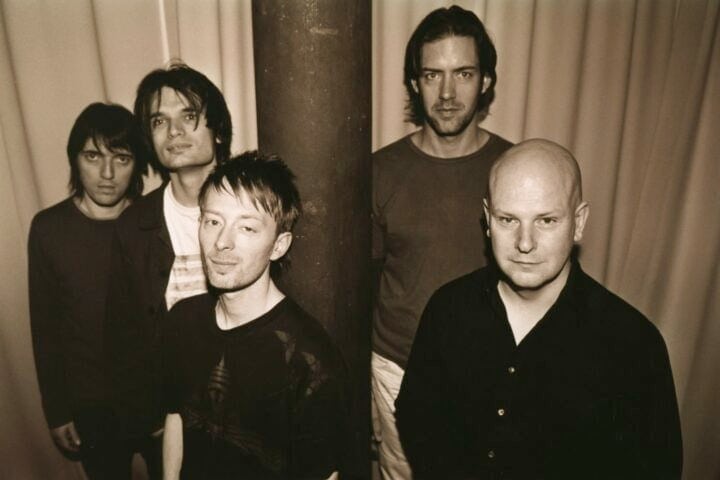
The installation will debut at Coachella’s new 17,000-square-foot underground bunker.
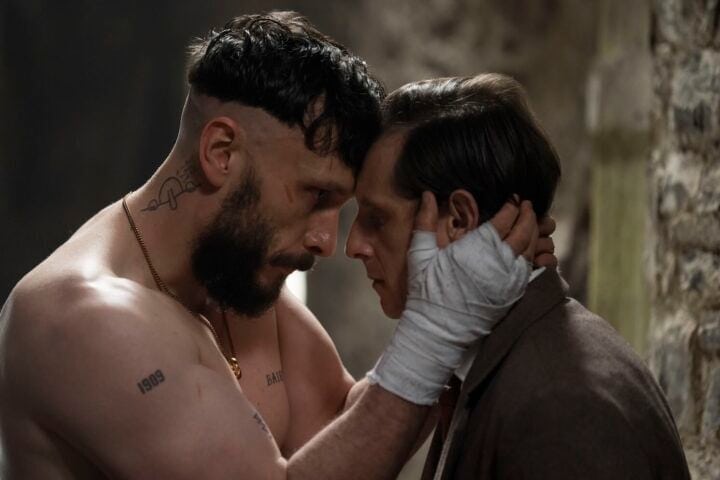
The series explores brotherhood and male relationships more broadly through the years.
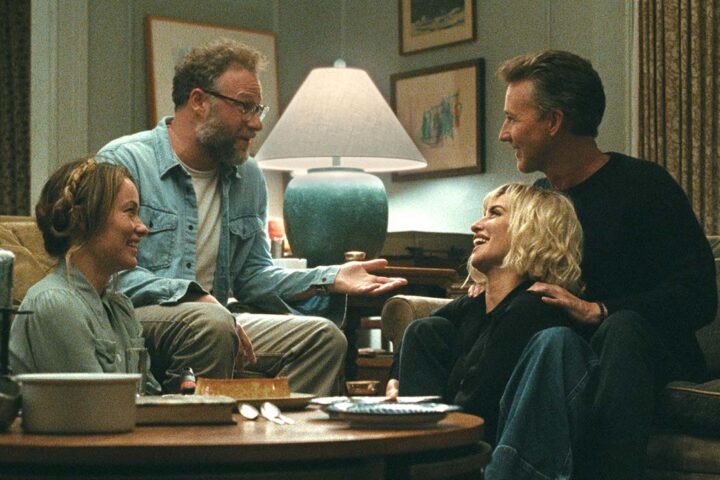
A24 opens Wilde’s follow-up to Don’t Worry Darling on June 26.
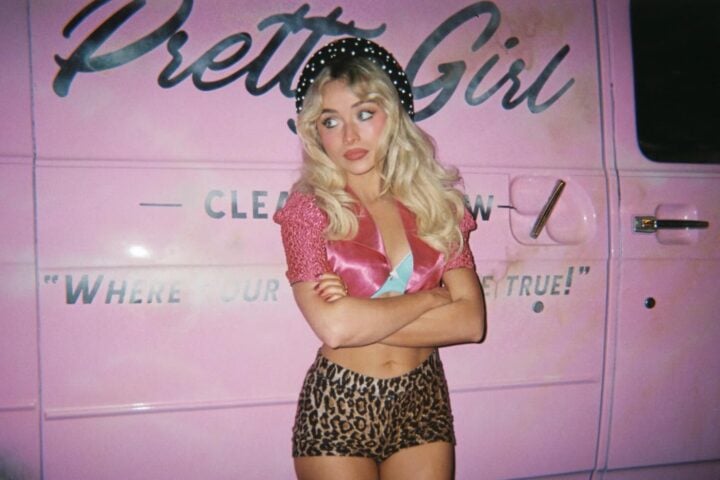
Sword-fighting, bubble baths, and bed-hopping, oh my!
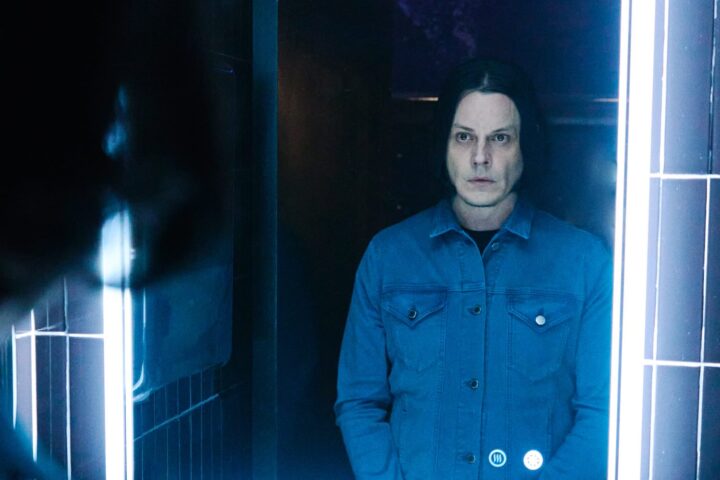
“G.O.D. and the Broken Ribs” and “Derecho Demonico“ see the musician in a battle with time.
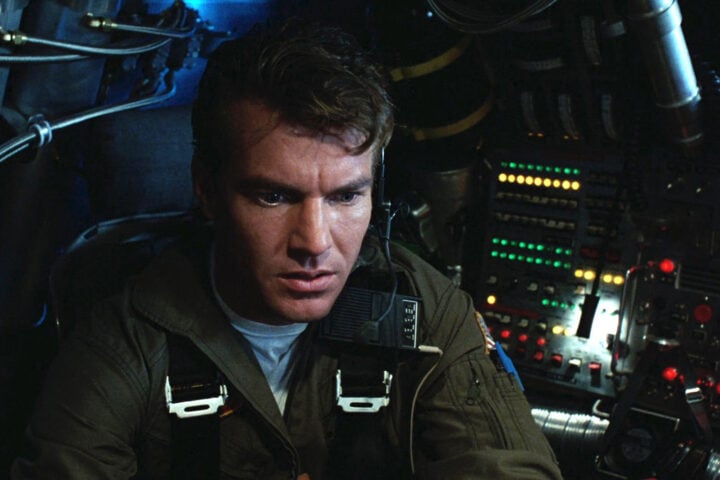
Inside Jack Putter, there’s a hero trying to get out.
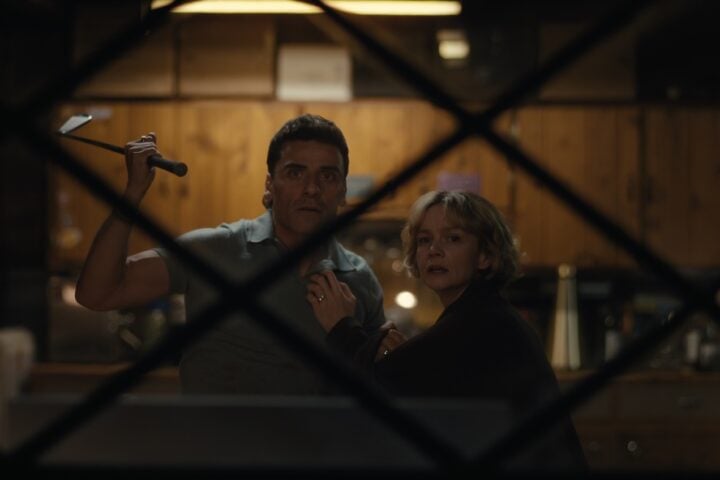
This season of Netflix’s anthology series explores the generational rift fomented by capitalism.
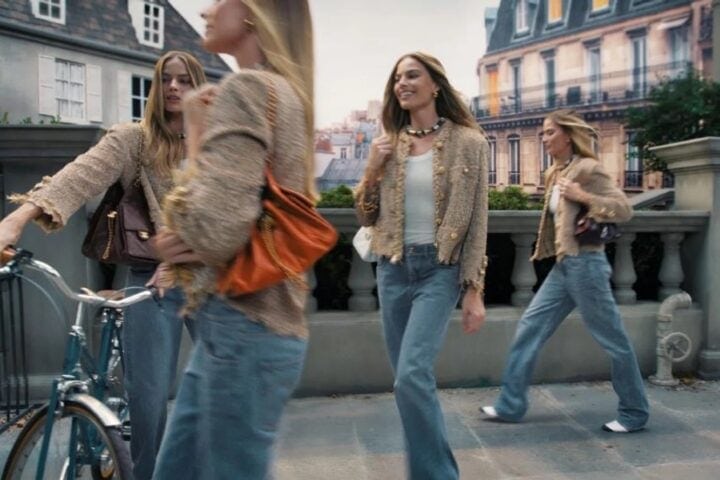
Margot Robbie steps into her fellow Aussie’s world for new Chanel handbag ad.
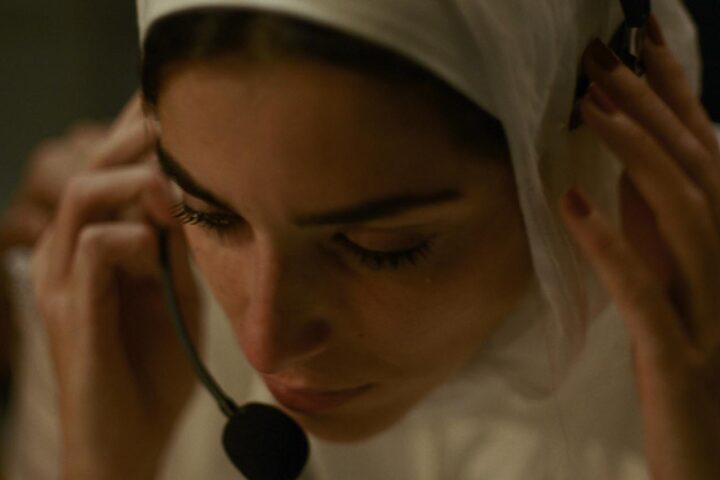
The film offers an unflinching and deeply human account of a little girl’s final hours.
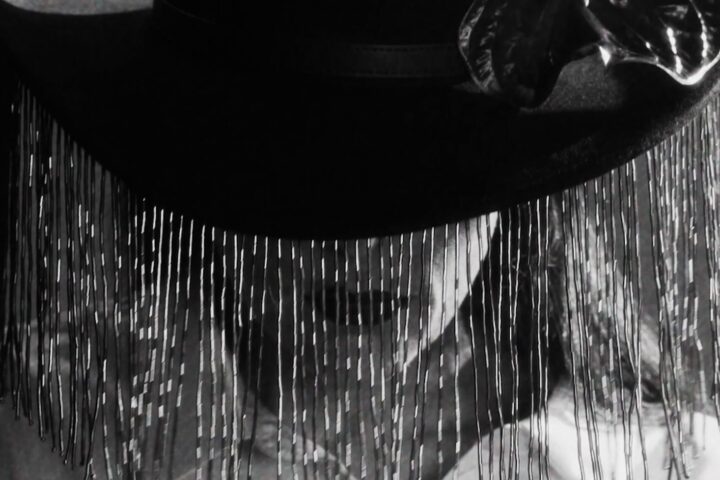
The track makes a nod to Ennio Morricone’s theme song from The Good, the Bad and the Ugly.
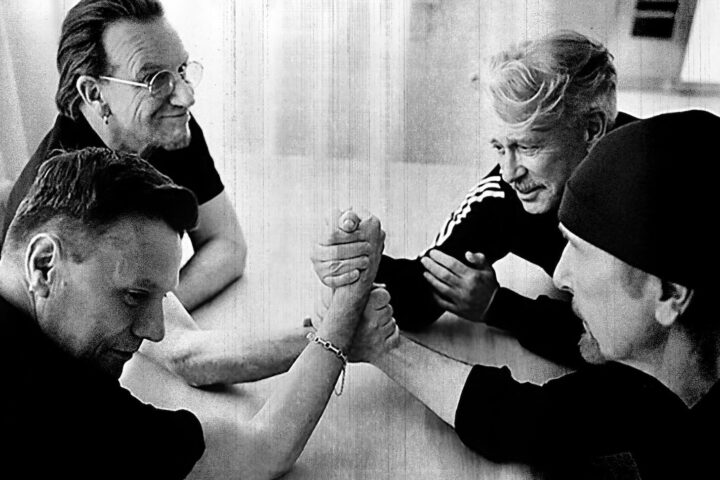
Bono refers to the six songs that comprise the EP as “reactions to present day anxieties.”
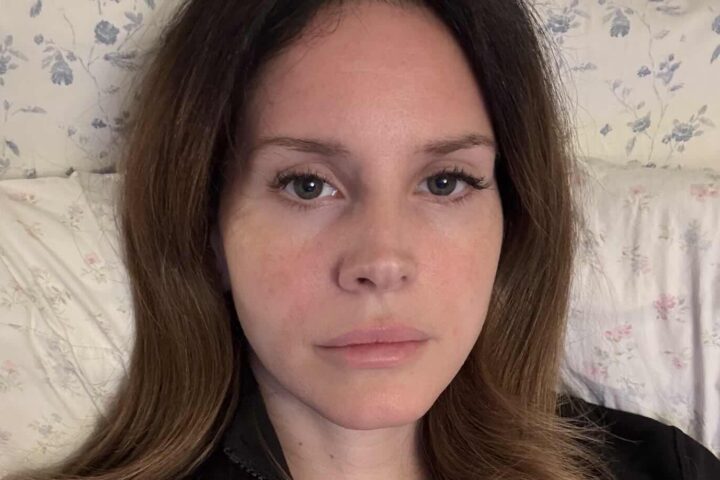
Co-produced by Jack Antonoff, the four-minute track is filled with whimsy and drama.
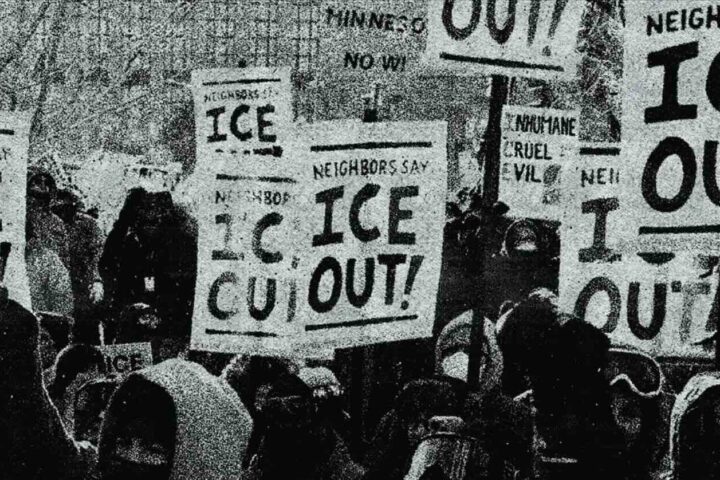
The Boss minces no words, name-checking Donald Trump, Stephen Miller, and Kristi Noem.