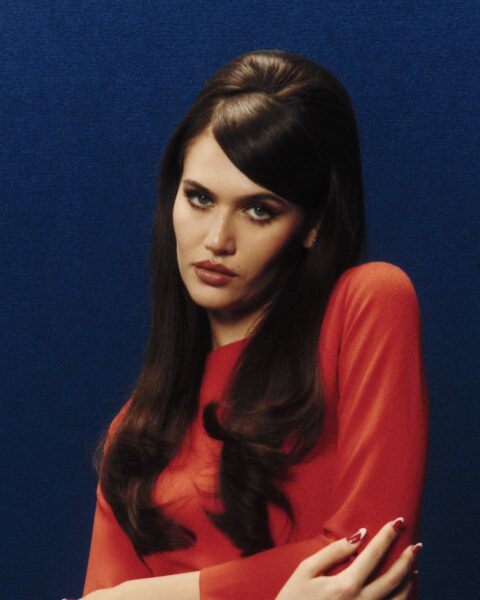
We weren’t sure if Madonna could surprise us anymore. Until she did.


We weren’t sure if Madonna could surprise us anymore. Until she did.

The rapper-singer’s long-awaited debut album proves to be disappointingly one-note.

Many of the album’s best moments find the band in near-prog terrain.

The song reprises the driving dance beats and irreverent, IDGAF swagger of the singer’s early hits.

The album’s direst moments are still refreshing because they find Young doing whatever the hell he wants to.

The album is a piece of blood-spattered Americana, a haunted-house version of the fabled American dream.

The group’s fourth album occasionally threatens to collapse beneath the weight of its overstuffed songs.

The album is a portrait of the band’s skills as musicians, a document of a group hitting its stride.

The album finds the singer-songwriter continuing to defy genre and break the rules.

The album is another haunting synth-pop house of mirrors that transcends mere nostalgia.
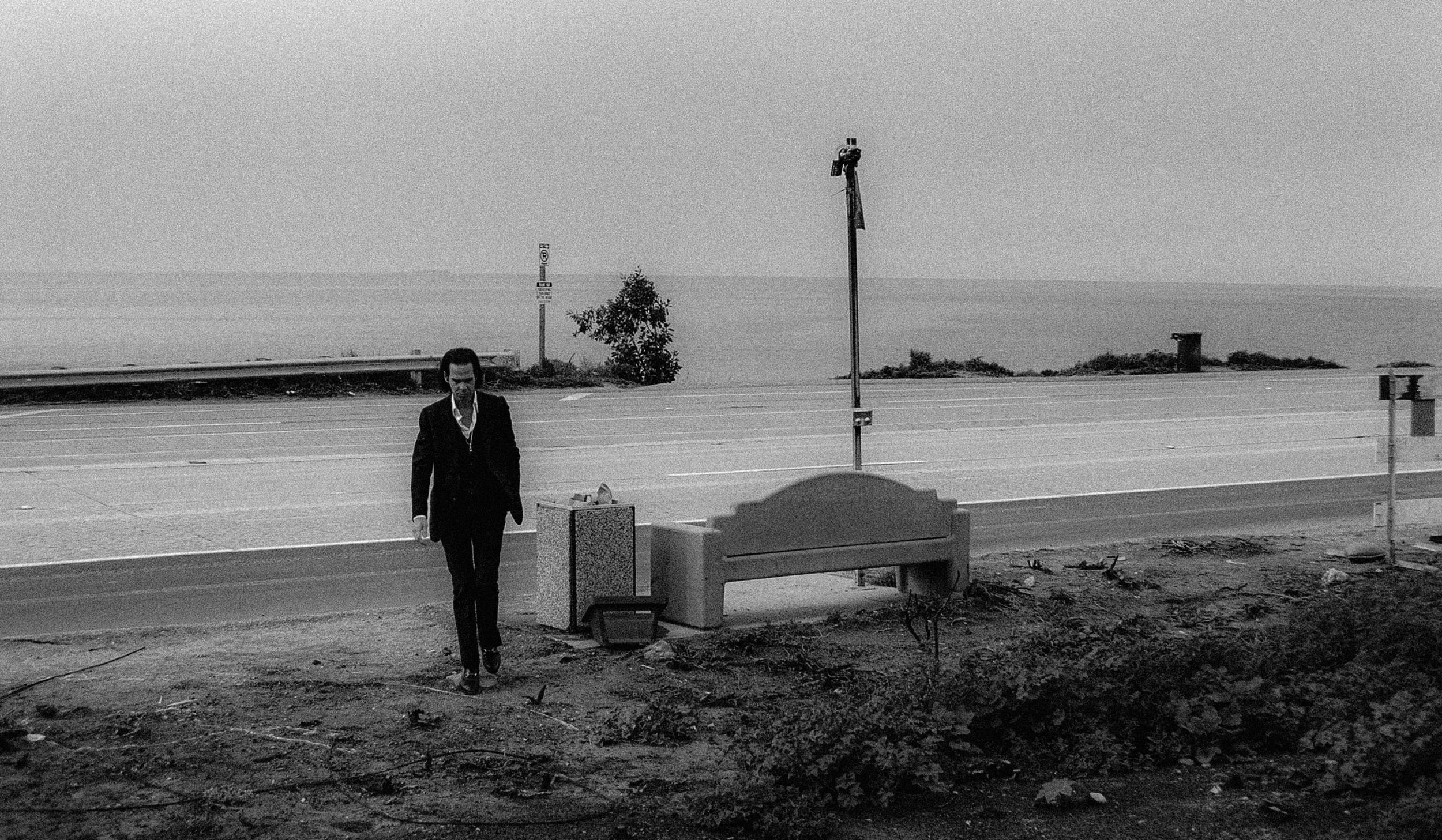
The album explores the contradiction between the individual pain of grief and the universality of death.
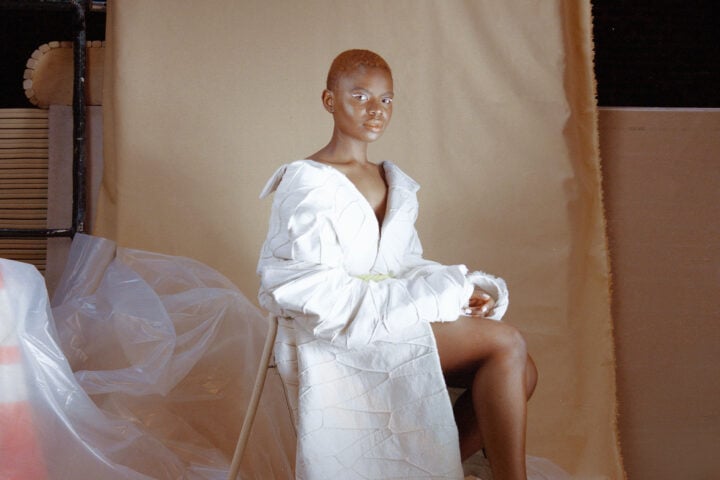
The album flits between topics of love, feminism, and cultural identity with relative ease.

The band’s 11th album doesn’t break the mold, though its sound is a bit more pared down.

The album is the sound of an artist carving out a space where she can be as loud—or as quiet—as she likes.

The album embraces nostalgia, even if it sometimes feels like that’s all it does.

If nothing else, the band deserves credit for releasing an album as challenging and incrementally rewarding as this.

The band learns how to navigate adulthood on their new self-titled effort, leaning on each other for strength and comfort.

The album is, at least by the group’s typical power-pop standards, a heavier, murkier affair.

The album is full of contradictions, and they’re very much a part of the ride.

The third album by Pixies 2.0 doesn’t do much to burnish the band’s legacy.

The album questions the notion that competition is essential to human progress.