It stands apart from its contemporaries for relying heavily on audio over visual cues.
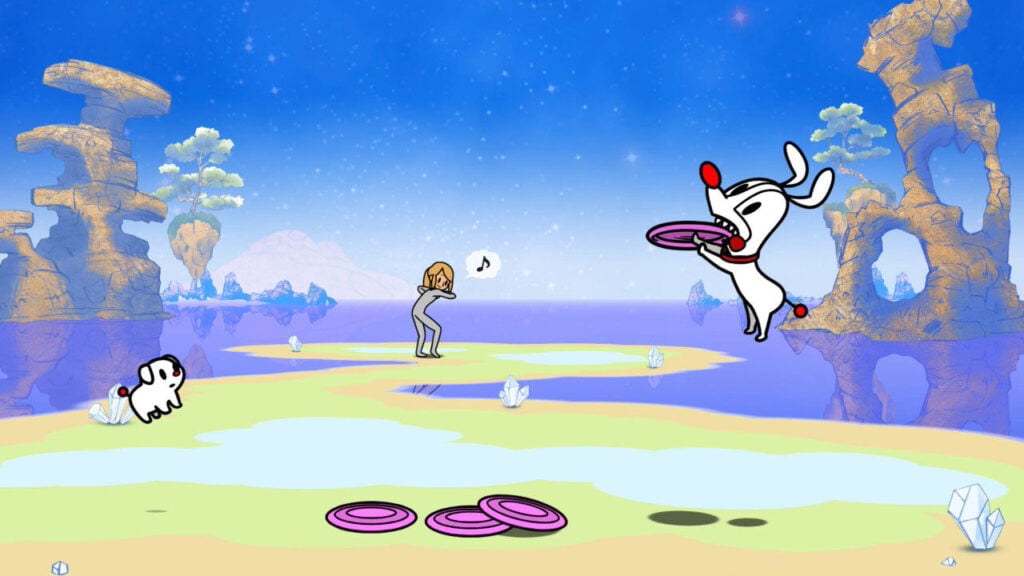

It stands apart from its contemporaries for relying heavily on audio over visual cues.
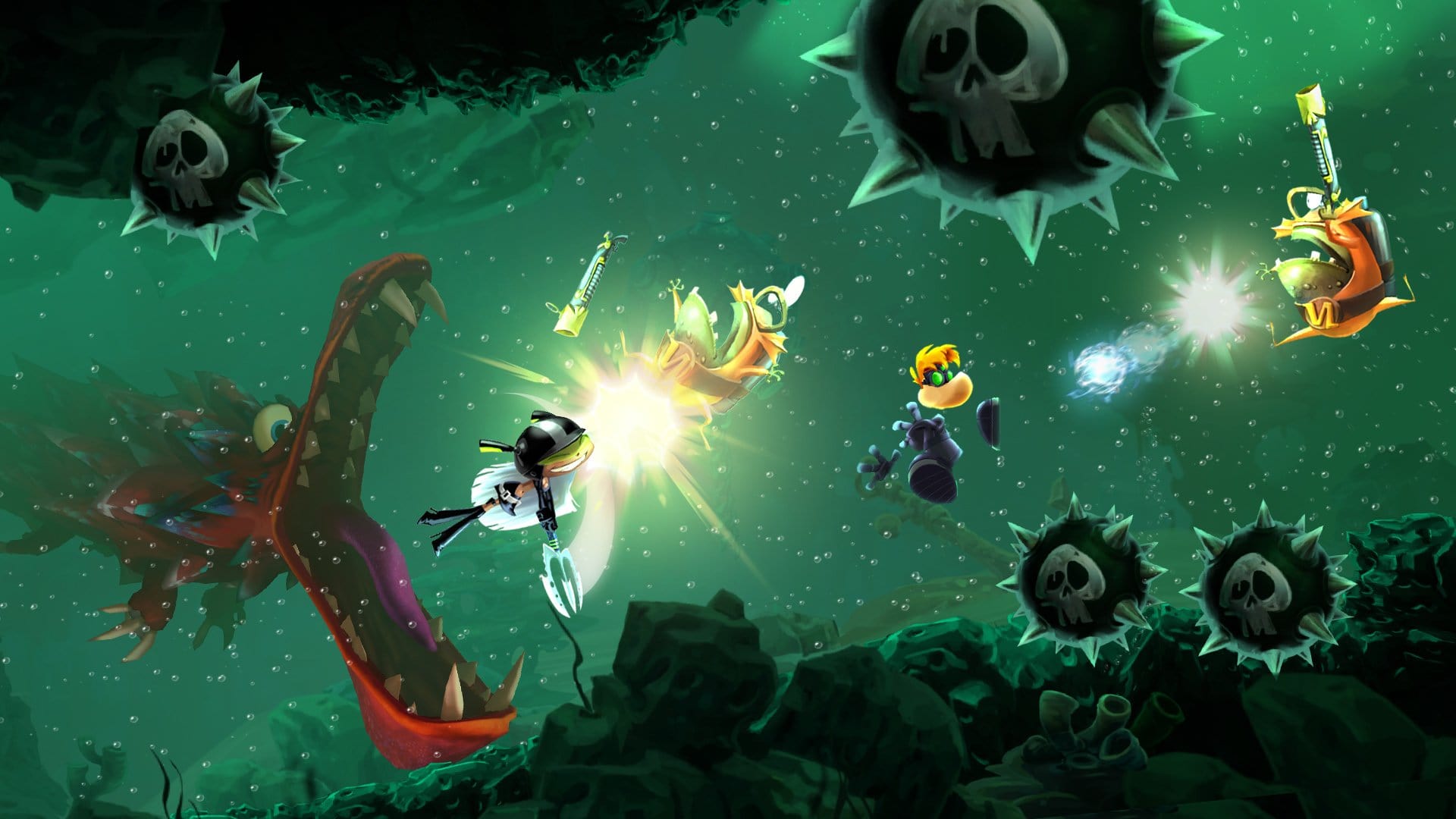
The new version also completely unburdens itself of any load times, which is welcome, but the effect isn’t mind-blowing.
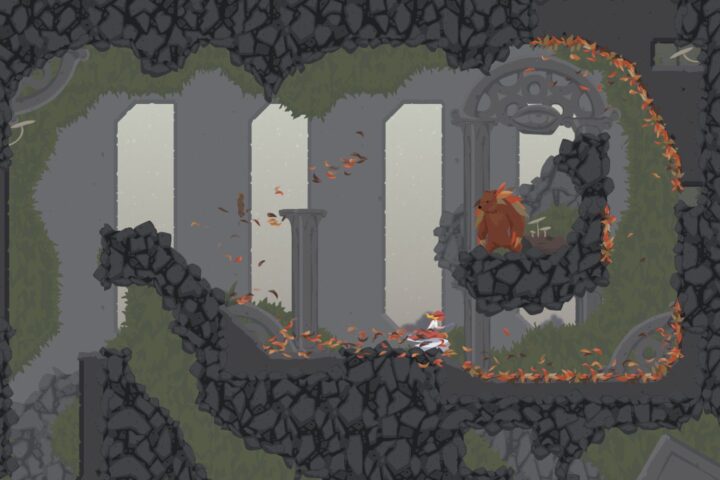
It isn’t fun, and without the personality, narrative, and sense of humor of something like Super Meat Boy, the game quickly becomes a chore.

A mostly linear experience that shuttles the player from scene to scene, with the slightly more open hub worlds being there for random Lego stud hunts and little else.
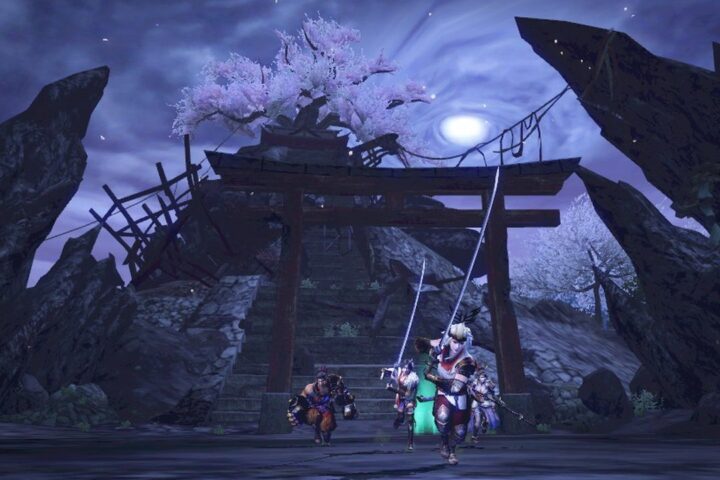
The ease and addictive nature of cooperative play very nearly rectifies the perennial air of déjà vu that the game exudes.
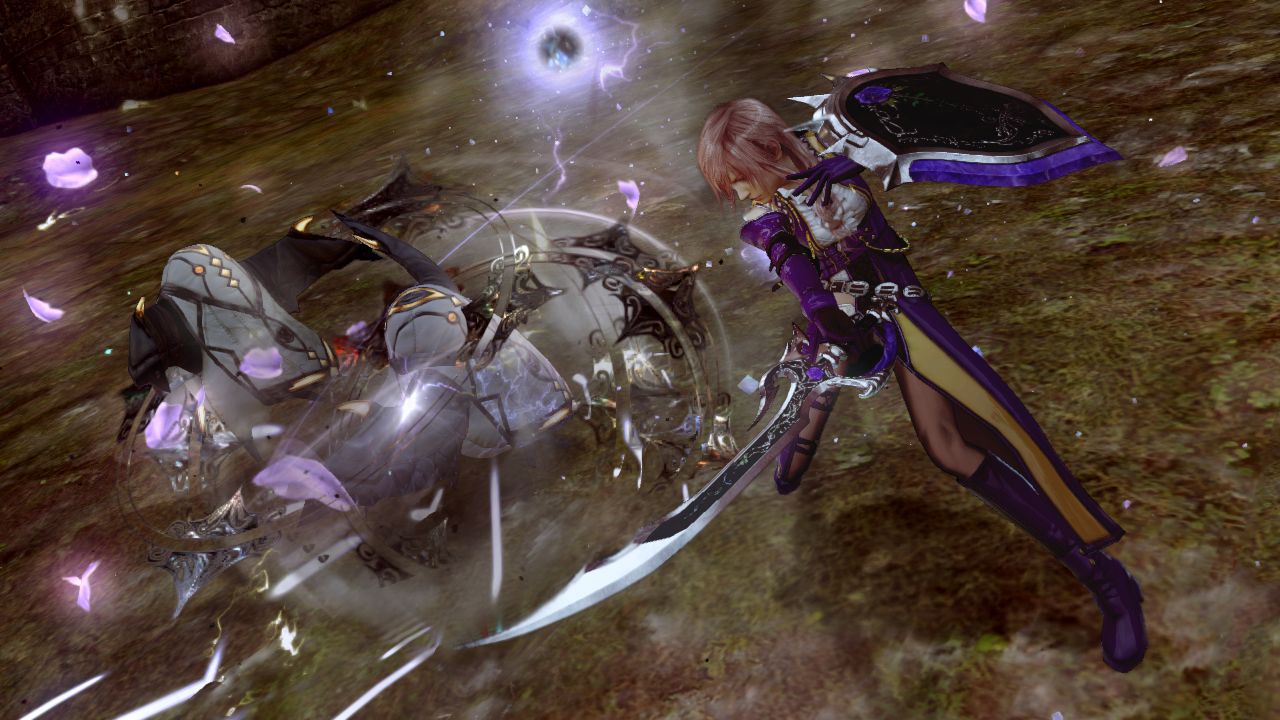
To dwell on the debacle that is Lightning Returns’s ghastly storytelling is to deprive oneself of a rather fantastically constructed battle system.

It’s a gem of an adventure game that trains players to painstakingly question all things at all times.
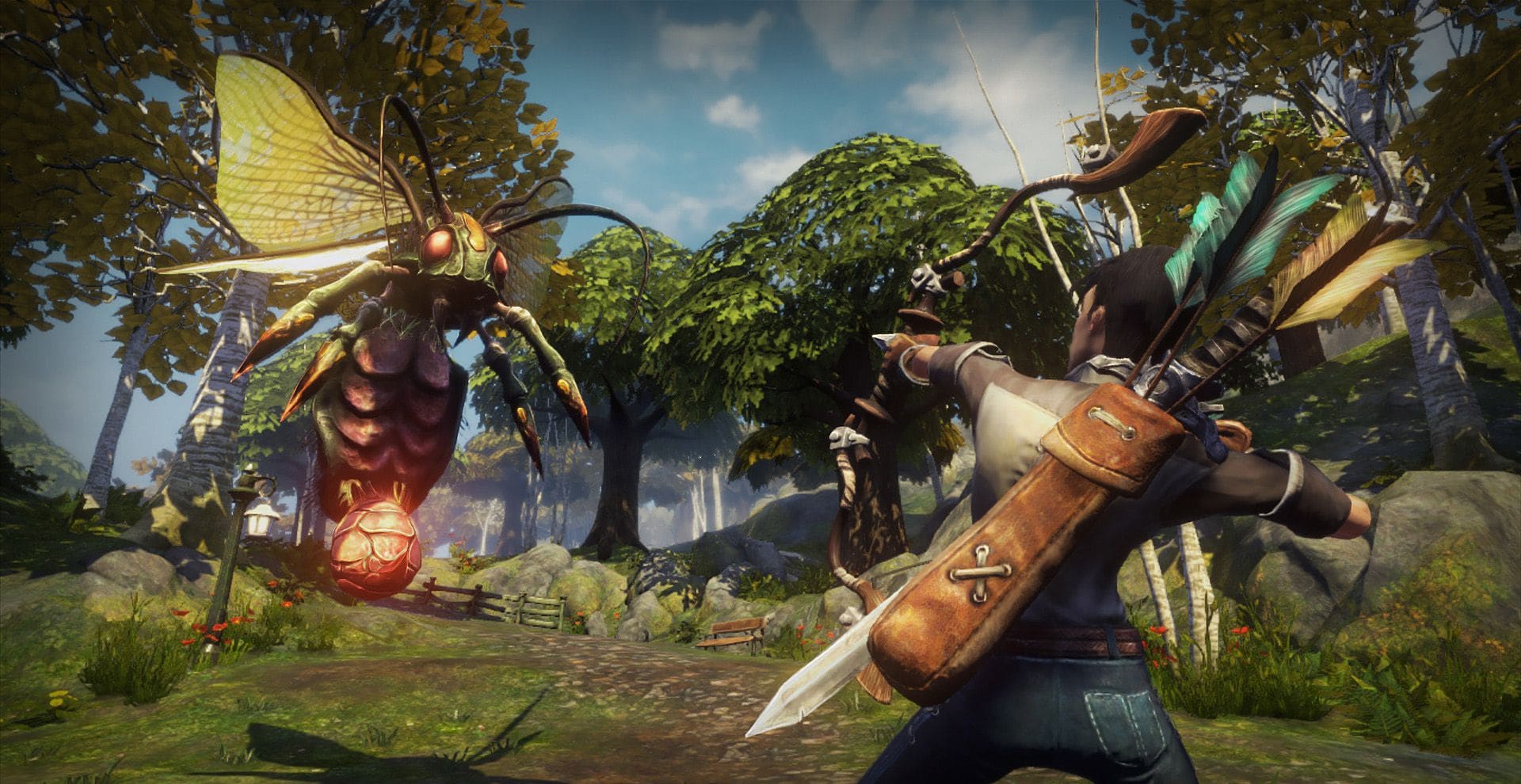
It has its share of fun diversions from the main quest, but the game doesn’t necessarily care if you do any of them.

Fabletown’s sense of loss and dread is far more palpable the more we learn about episode one’s second victim.

The game is akin to cruising around in last year’s car model alongside a fleet of factory-fresh roadsters.

It emphasizes collaborative multiplayer elements, but barely comprehends what makes a quality cooperative fighting game experience.

As befits a game funded through Kickstarter, The Banner Saga doubles down on risk/reward mechanics throughout its rather lengthy journey.

Even ignoring its gussied-up next-gen clothes, the game’s strengths outshine its weaknesses as an experience, though its flaws outside of the visual realm remain impossible to ignore.

If it does away with verb-based actions, it’s in the hopes of emphasizing the joys of exploring these two worlds rather than the frustrations of a pixel hunt.

Many of this game’s issues were easier to swallow on the DS.

The game treats its themes with such absurdity and reductive PSA qualities that there might as well be a planet named Glee.
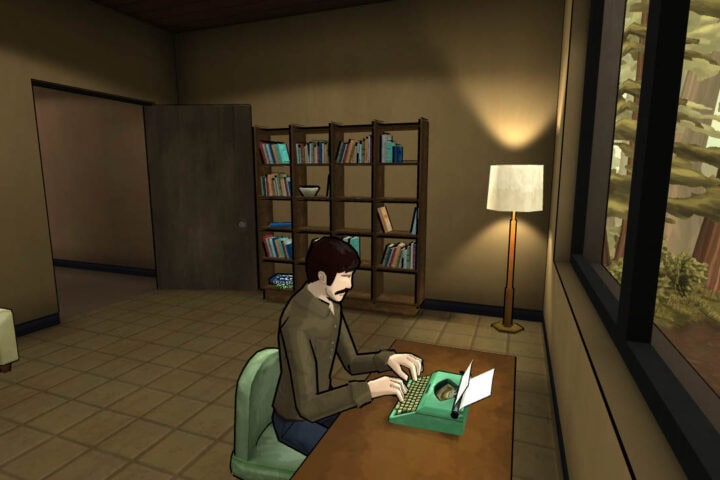
These mechanics aren’t broken so much as literally insane, in the sense that each chapter requires you to do the exact same things, somehow expecting different results.

The reason for the lack of fanfare is because the devious designers know that avid puzzlers will supply their own delighted applause as they reach one “aha” moment after another.
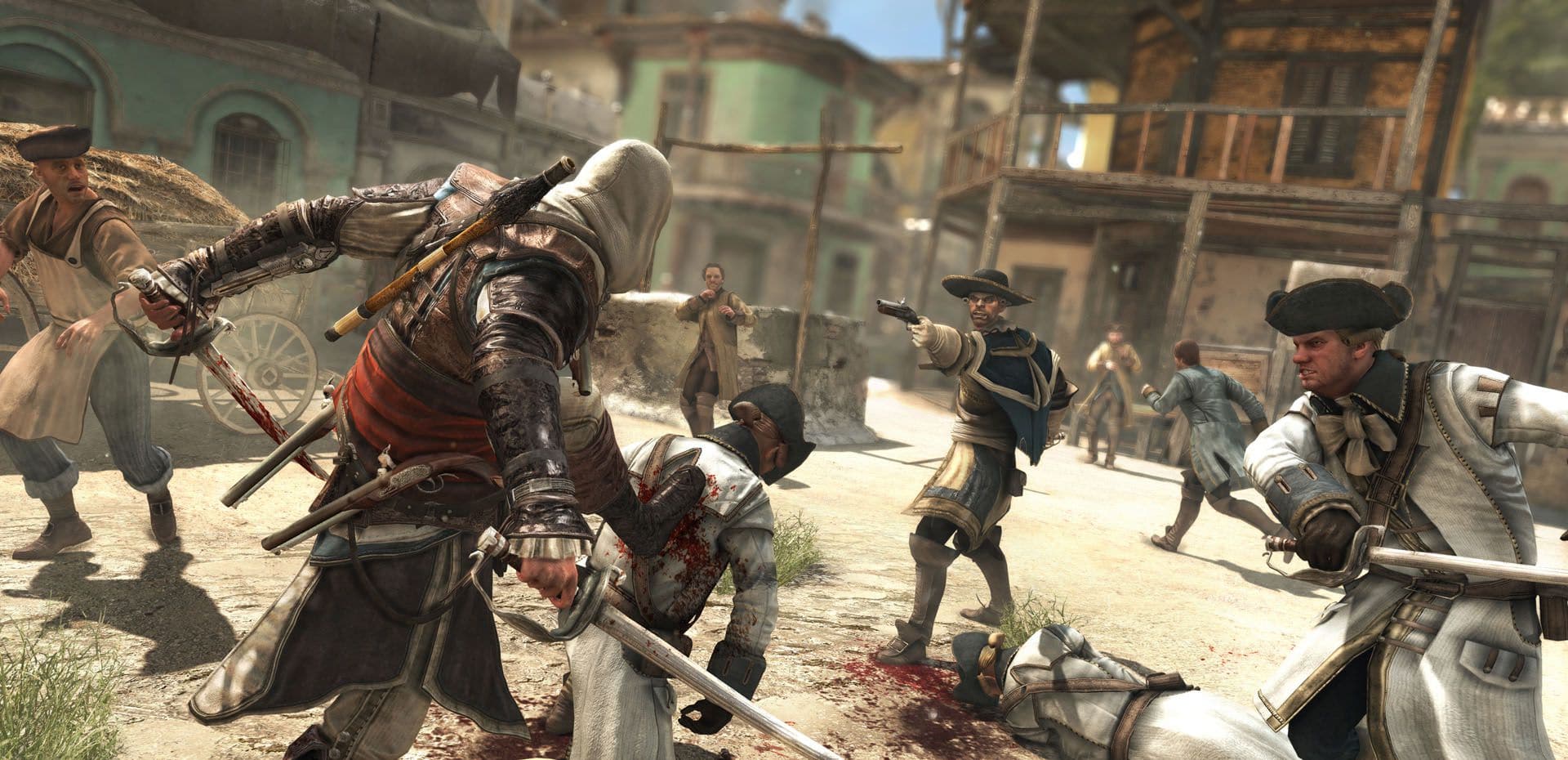
It feels odd and slightly insulting to be given the option to rate missions, as it implies that the designers still don’t know what works or, worse, that they want to better pander to gamers.

This year will be known for its forward movement filibustered by a final burst of impressive current-gen titles.
A major key to the game’s success is Nihon Falcom’s keen understanding of how a real-time combat system should function.