The Japanese auteur’s latest shows nothing more clearly than its untapped potential.


The Japanese auteur’s latest shows nothing more clearly than its untapped potential.

Viva is great camp because it’s so over the top—pushes the envelope in all directions—while remaining dryly and wickedly deadpan.

The film makes an excellent case for eschewing all “news” that comes with whooshing graphics from Situation Rooms.

Throughout, Otto Preminger delights in scrutinizing the often inscrutable masks of his three lead actors.

Rather than explore the toll of hard work on Meatloaf’s health, psyche, and personal life, Bruce David Klein attempts to wring drama from trivial issues.

The film’s emotional closeness to its two young main characters leaves a gut-wrenching impression.

It ees female adolescence as an uncomfortable, embarrassing phase full of painful self-consciousness and frustrated desire.

You can’t say that Jackie Reem Salloum keeps it as real as her subjects, but you also can’t say that the film isn’t good for one’s conscience.

Where other films suffocate audiences with exposition, Correction delights in providing none.

Horton Hears a Who! is the finest adaptation yet of the legendary Dr. Seuss’s work.

The film is less failed vanity project than it is an often sensitive and rather death-obsessed character study.

Sleepwalking isn’t made of chilly, prickly metal, but tepid mush.

Would anyone want to sit through a film in which hunting and gathering takes precedence over defending one’s honor?

There’s undeniable verisimilitude here: part of what has people excited, I think, is that non-oddball teen boys have finally gotten their day on-screen.
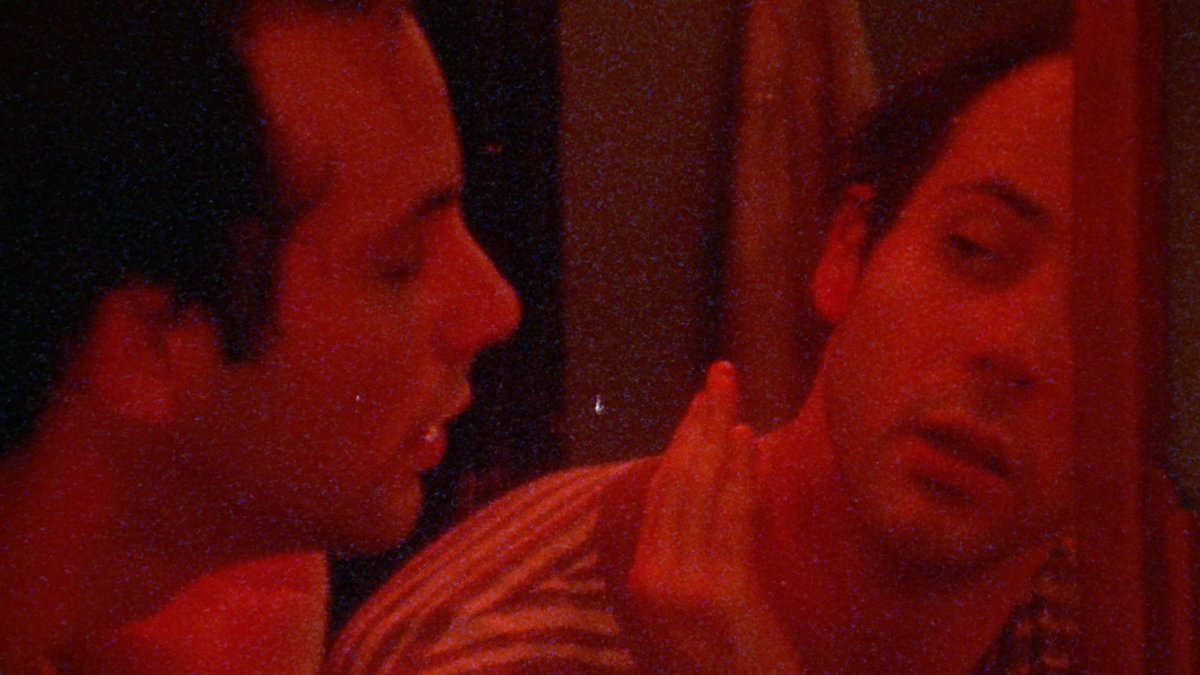
The filmmaker proved to be most sensitive, contemplative and articulate about this powerhouse debut.

The last three films that Gus Van Sant has made constitute a trilogy.

It’s at the intersection of social roles that Fighting for Life becomes most insightful.

Excuse us while we wash down the film’s nasty aftertaste with some Broken English.

Honoré is committed to exploring winding avenues of contemporary romance.

The film hinges on indulgent exposition, leaden metaphor, painful grade-school symbolism and cliché characterization.
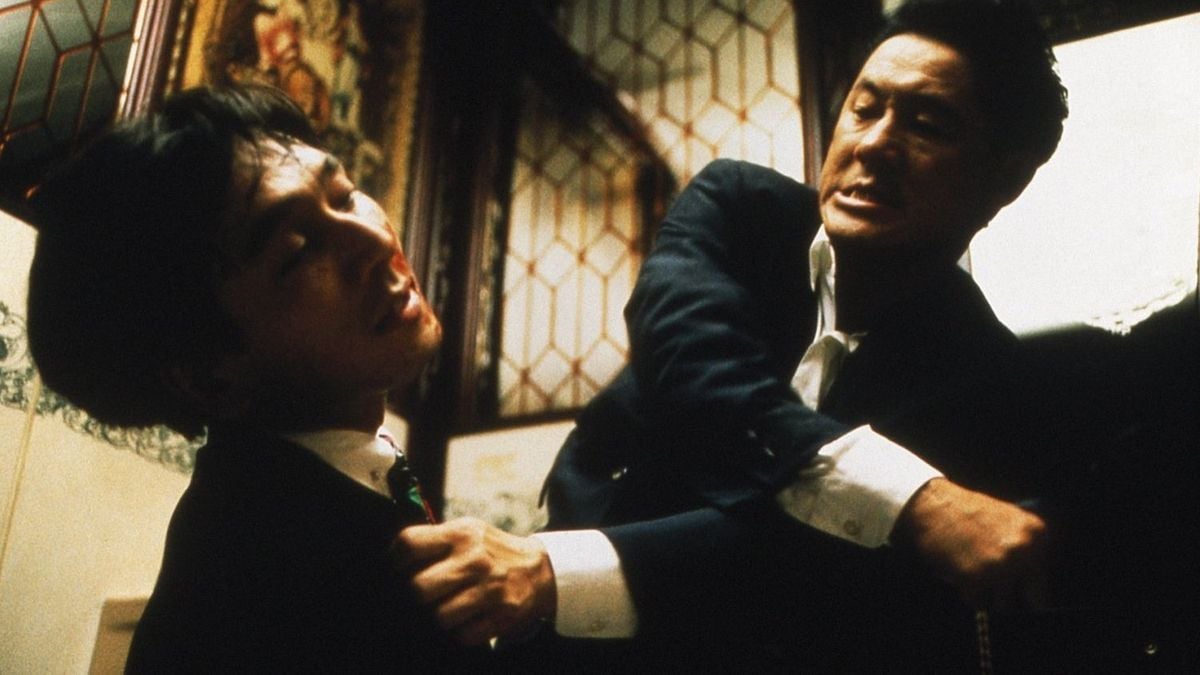
No surprise to anyone, Sonatine was a commercial failure.