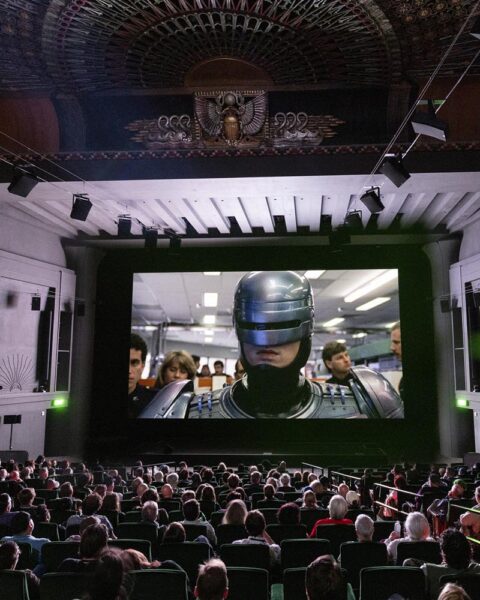
This year brought 18 features and seven shorts, all presented with live musical accompaniment.
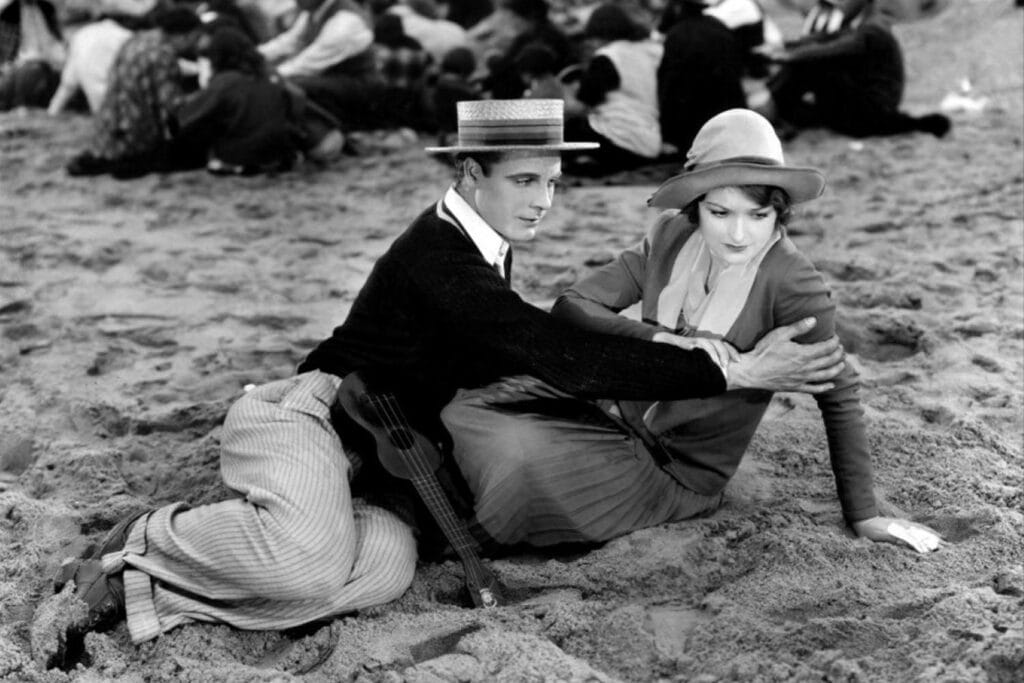

This year brought 18 features and seven shorts, all presented with live musical accompaniment.
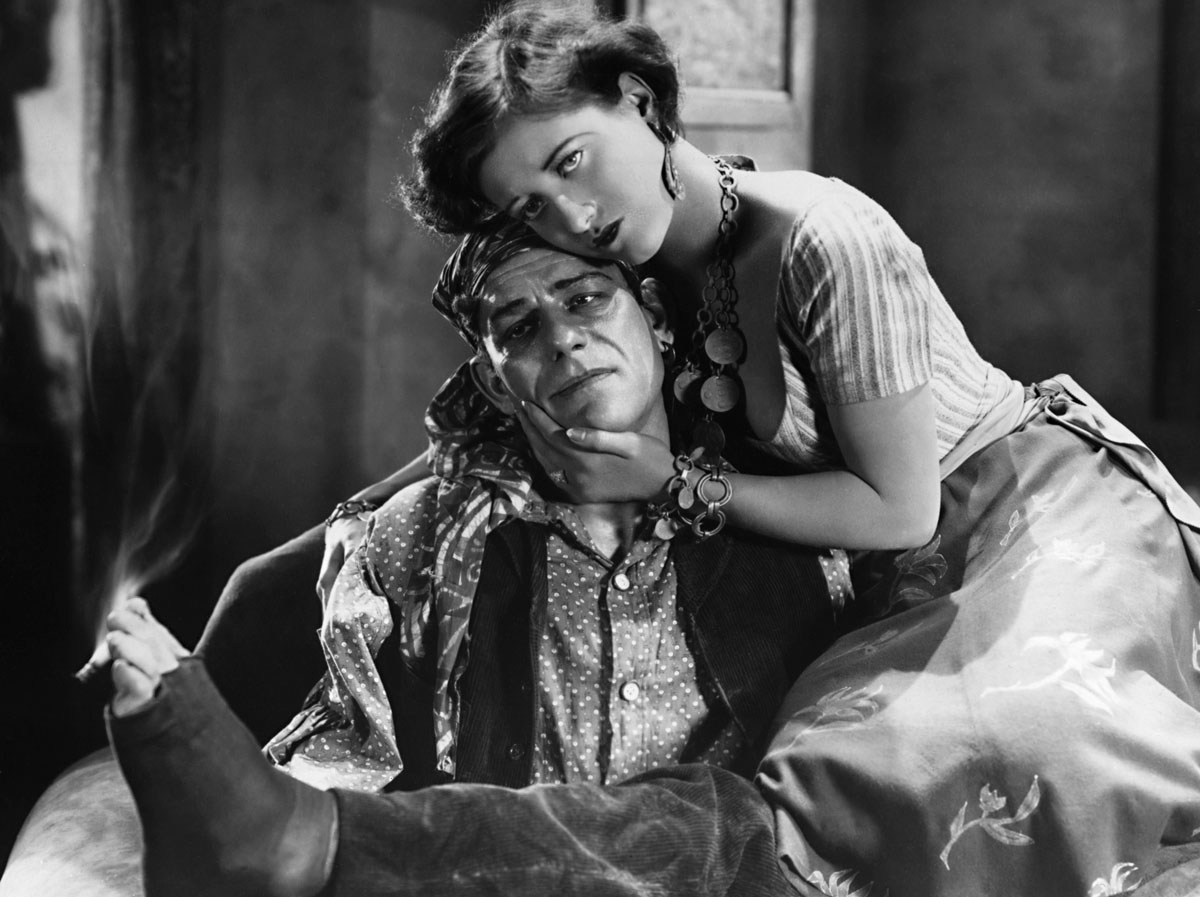
Surprisingly, the audience was the most curious character of the weekend.

Holden’s performances were not the only source of parody of his own fame.

Letter to Anna is a call to others to complete the investigation into Anna Politkovskaya’s death.

The film’s greatest strength is also its greatest limitation.
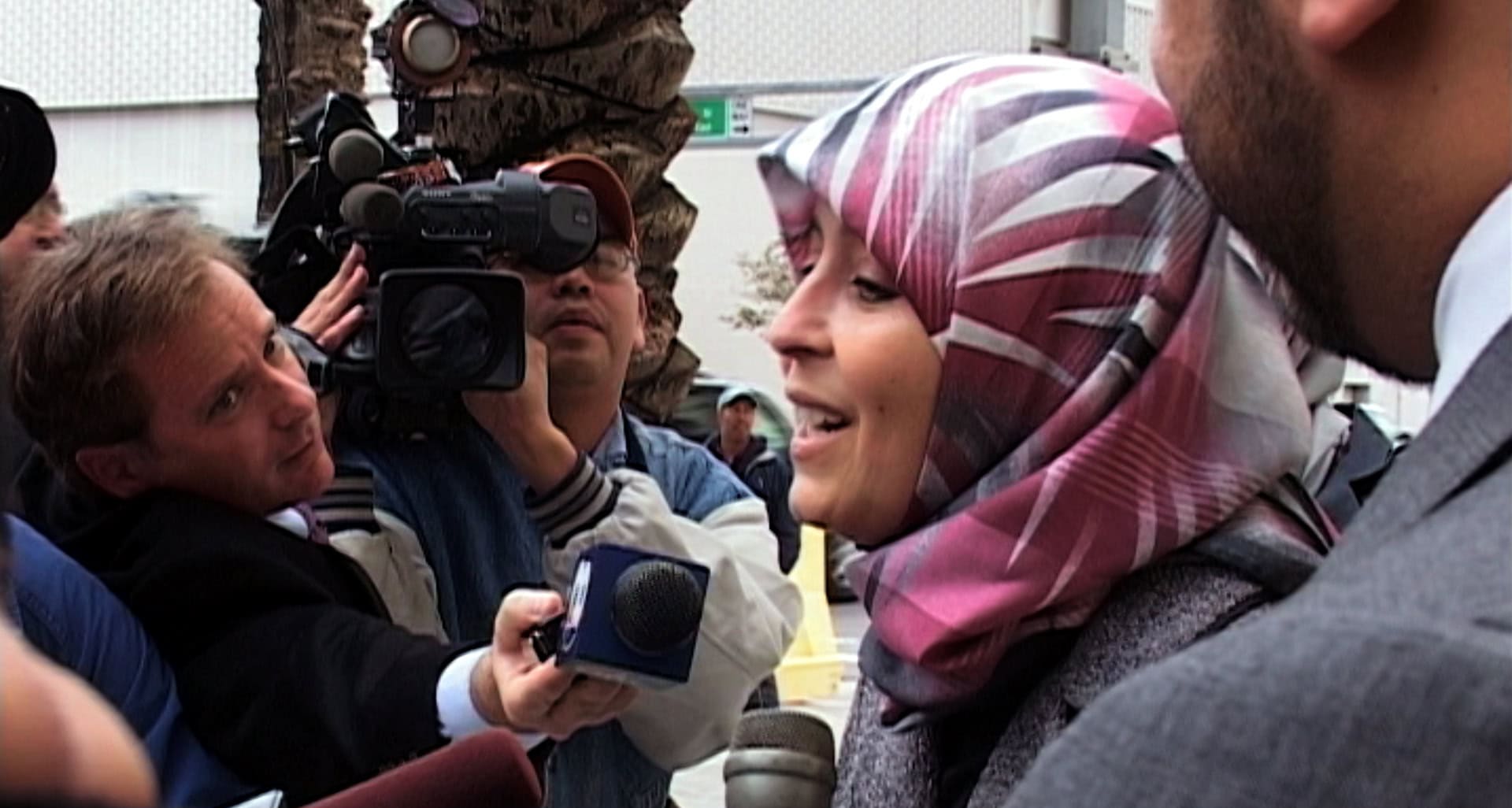
The “good” news comes with the final words on the screen.

The travails of Sami Al-Arian make for a Kafkaesque example of the Bush administration’s post-9/11 detention policies.
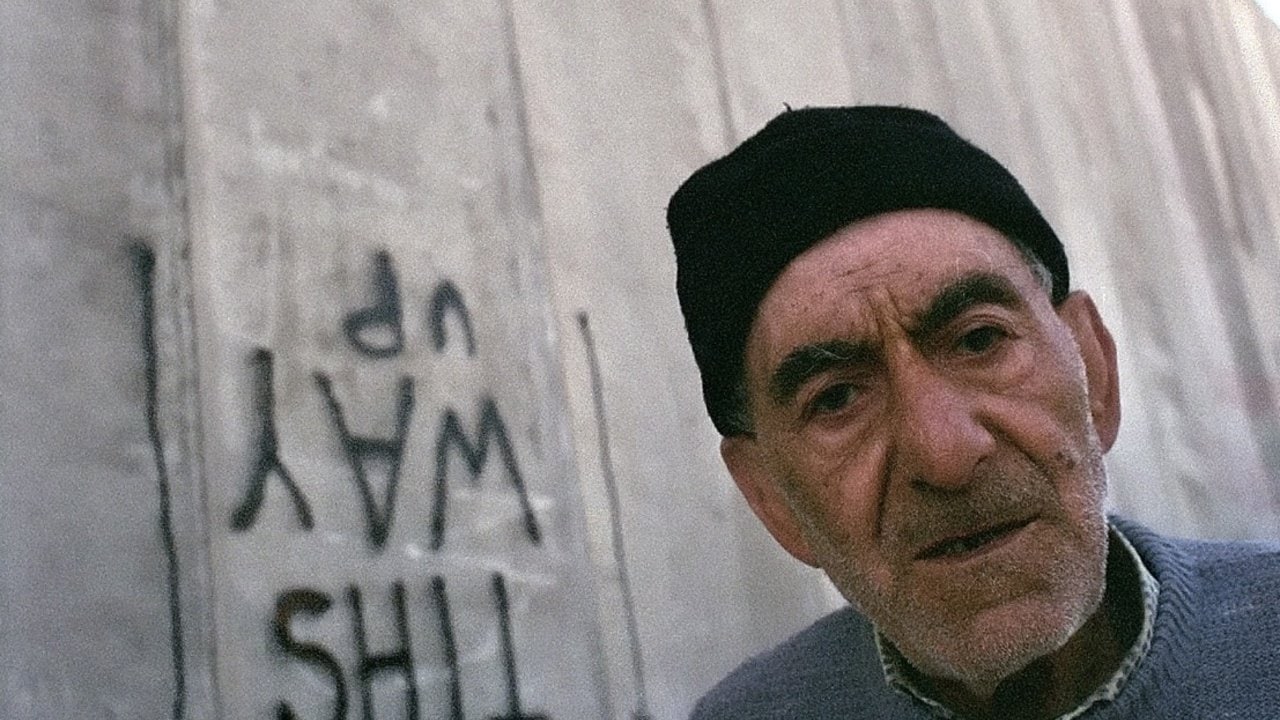
This is possibly the most poignant, profound, and artistically viable film you’ll see at the Human Rights Watch International Film Festival this year.

The film explores, through a very personal lens, the sordid tale of the slave trade in the pious American north.

Roger Weisberg’s Critical Condition offers a salutary lesson in the difference in viewer response between the fiction and the nonfiction film.
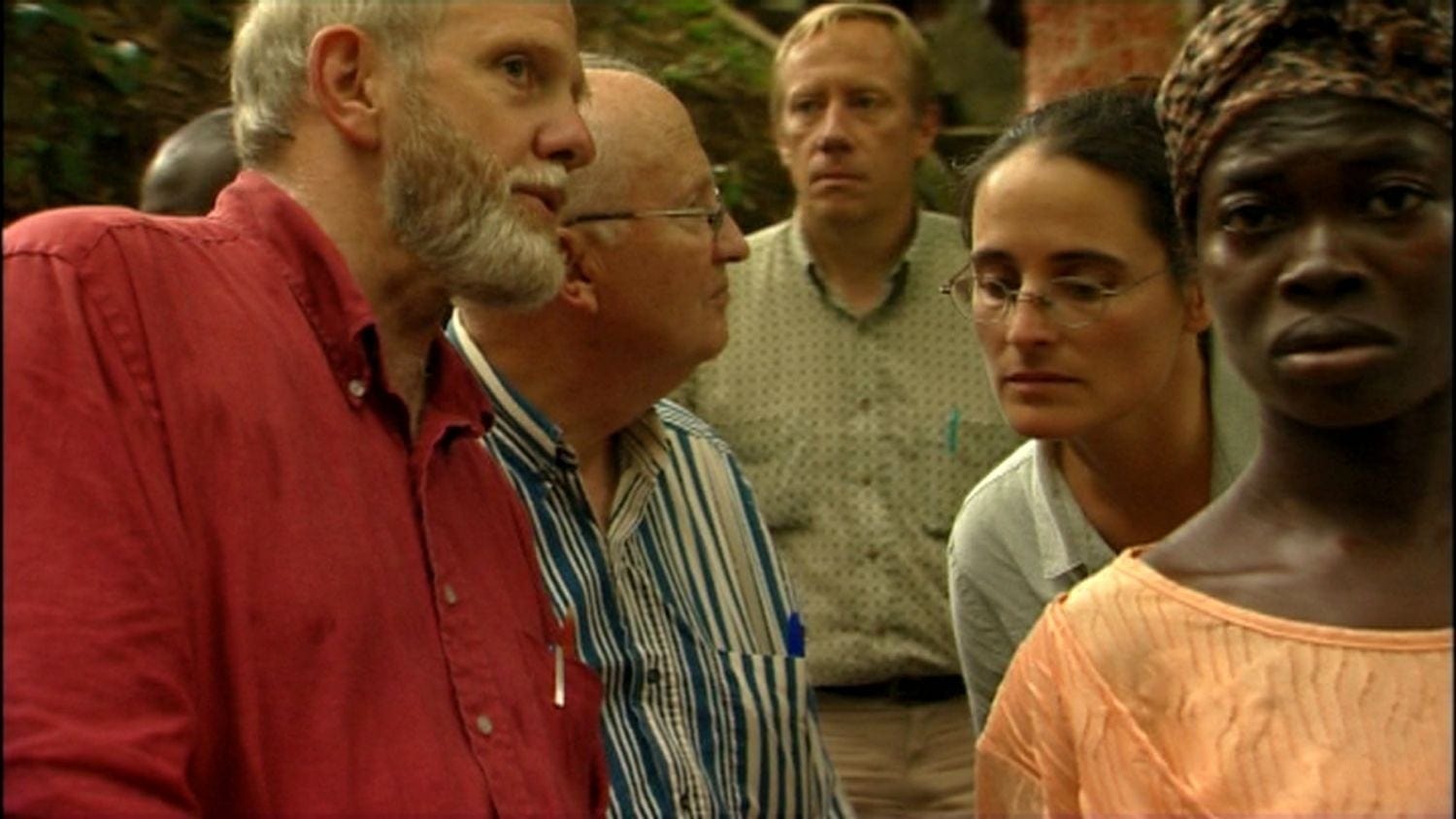
Katrina Browne exhumes long buried secrets in Traces of the Trade: A Story from the Deep North.

There are no mysteries in Rawson Marshall Thurber’s The Mysteries of Pittsburgh
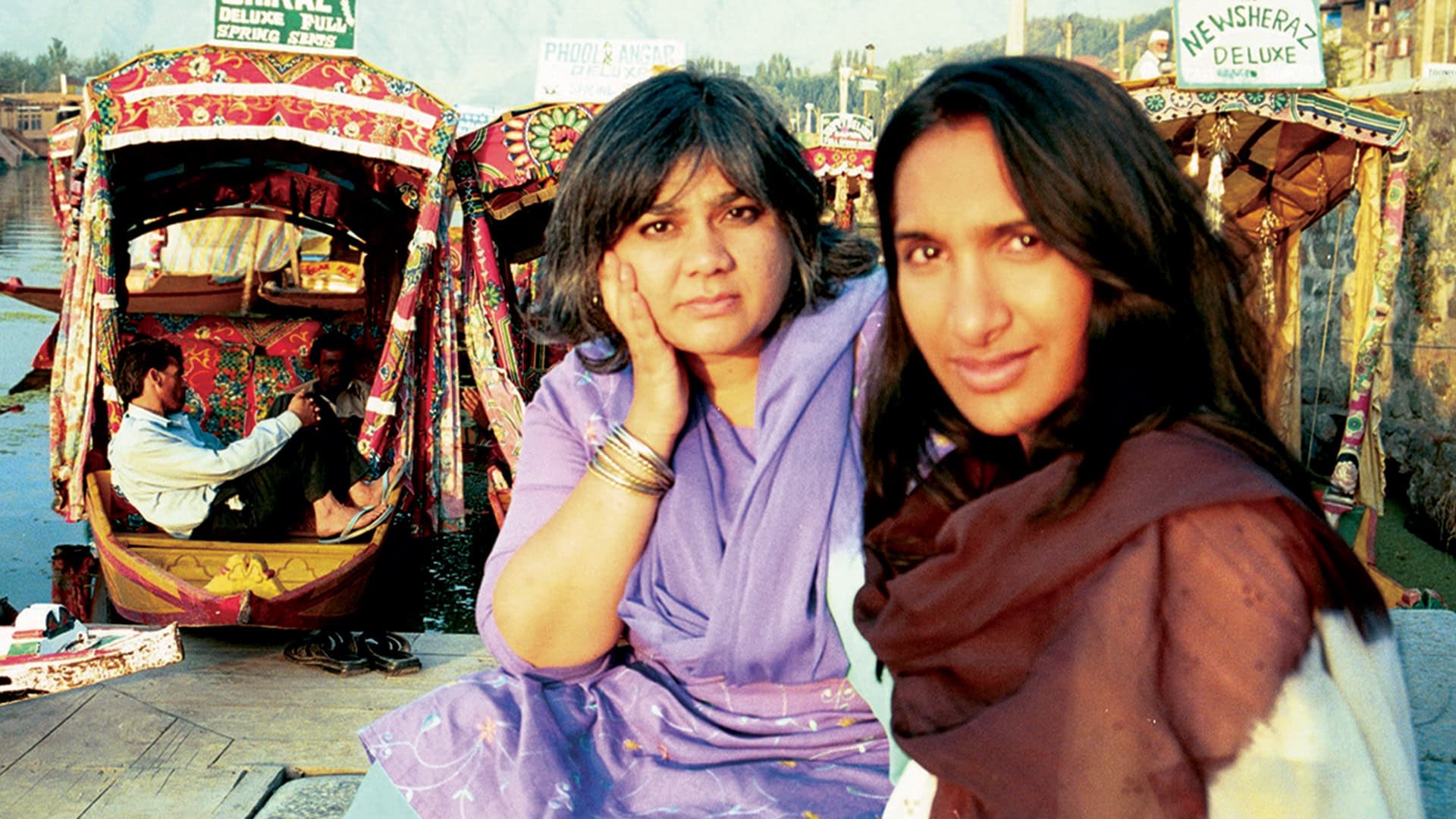
If the filmmakers remain a largely passive on-screen presence, they soon find they’re not entirely unaffected by the project.
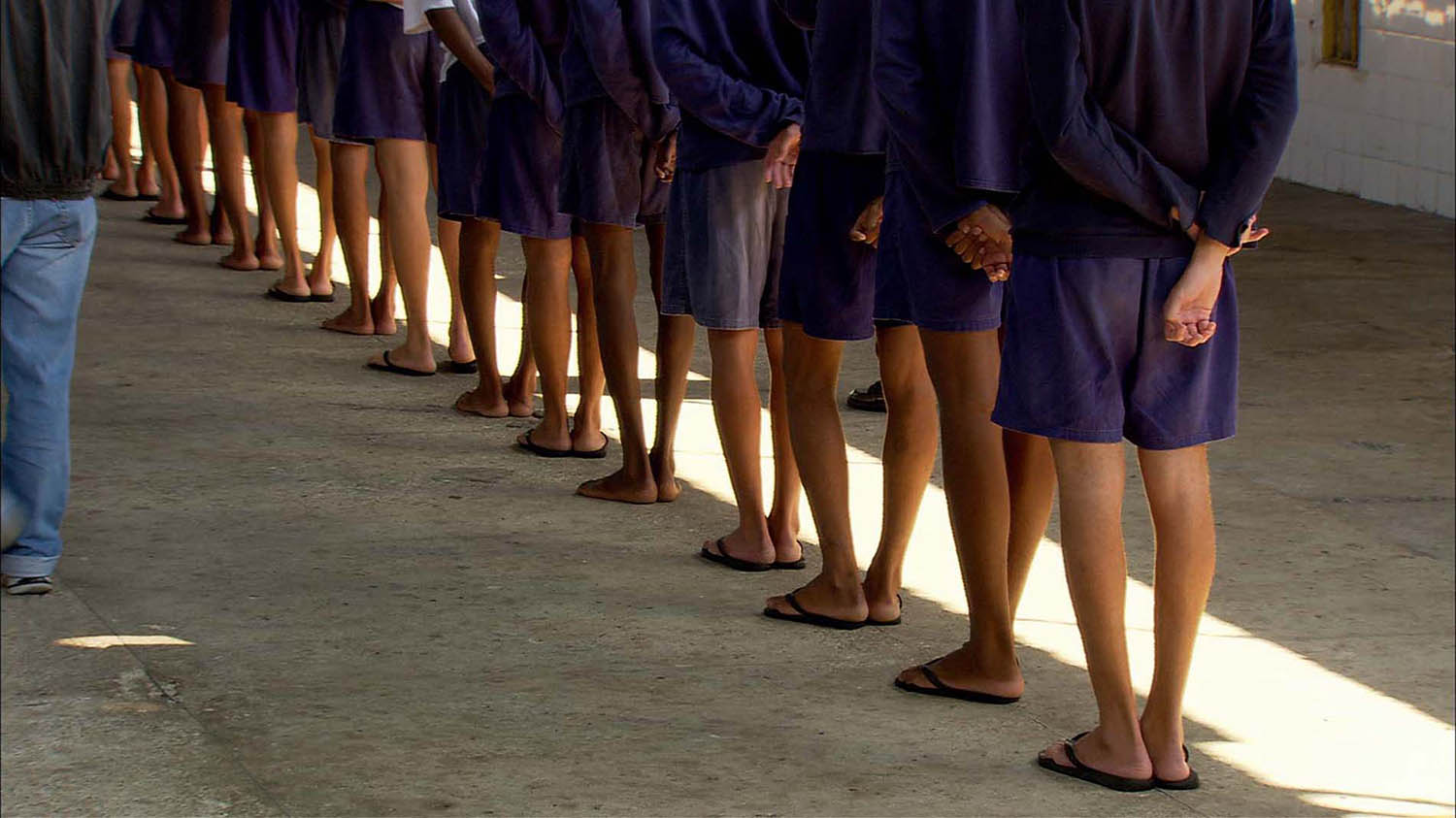
Never handheld, the stationary camera also deftly captures the poetry of monotony.
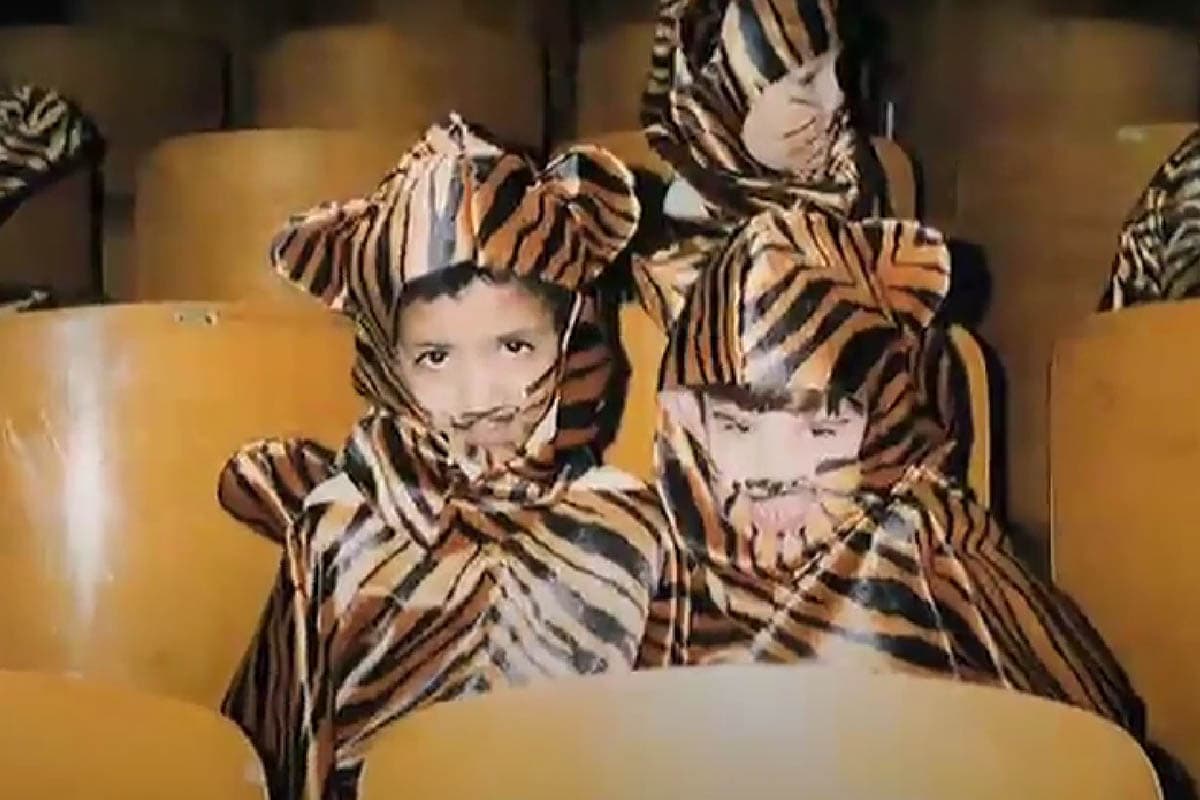
Adobe Youth Voices is a global philanthropic initiative to empower youth in underserved communities.

Six diverse women attempt to shape their country’s future in Julie Bridgham’s affecting documentary.
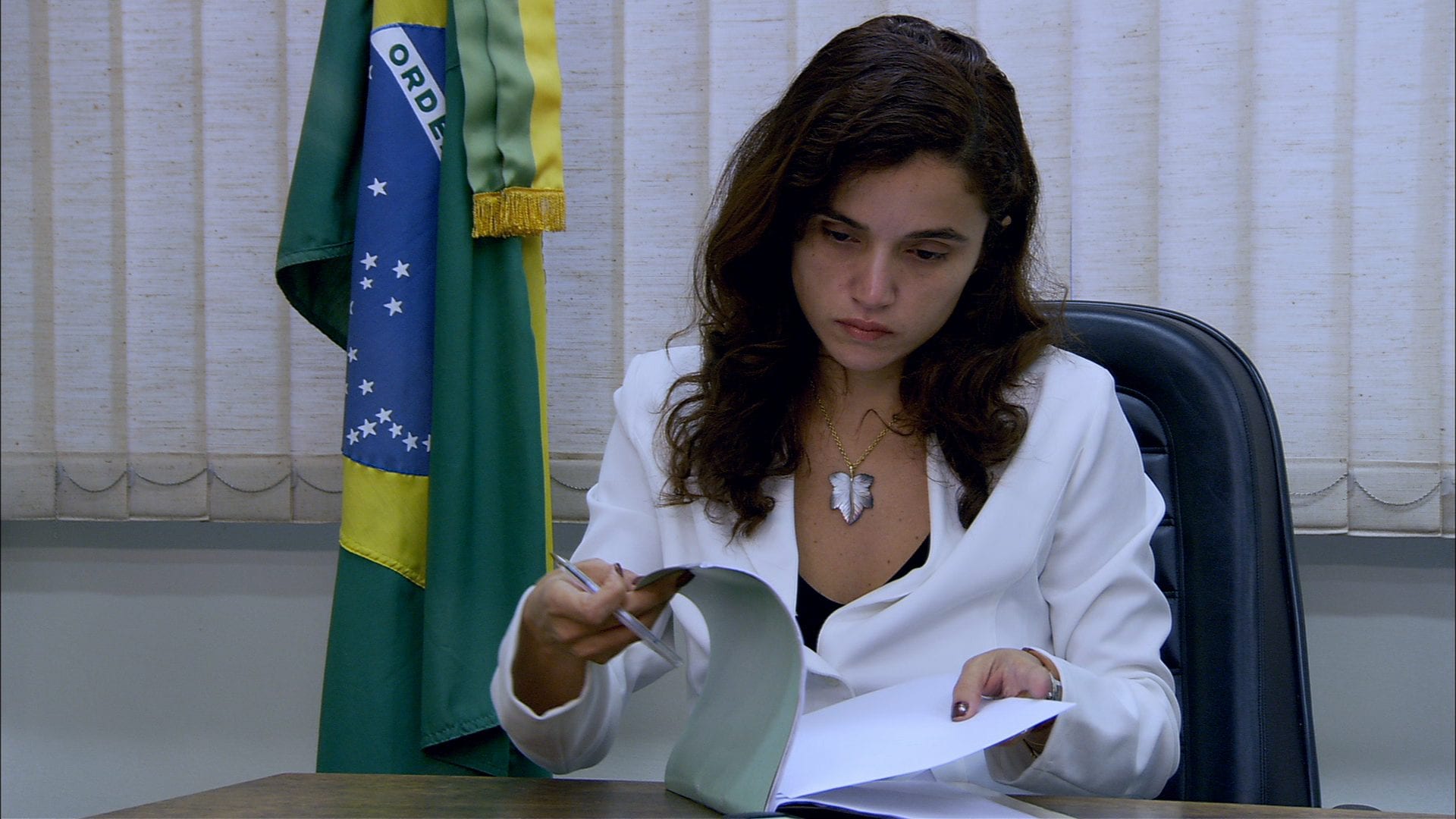
Director Maria Ramos’s tack isn’t to condemn but to simply lay bare.
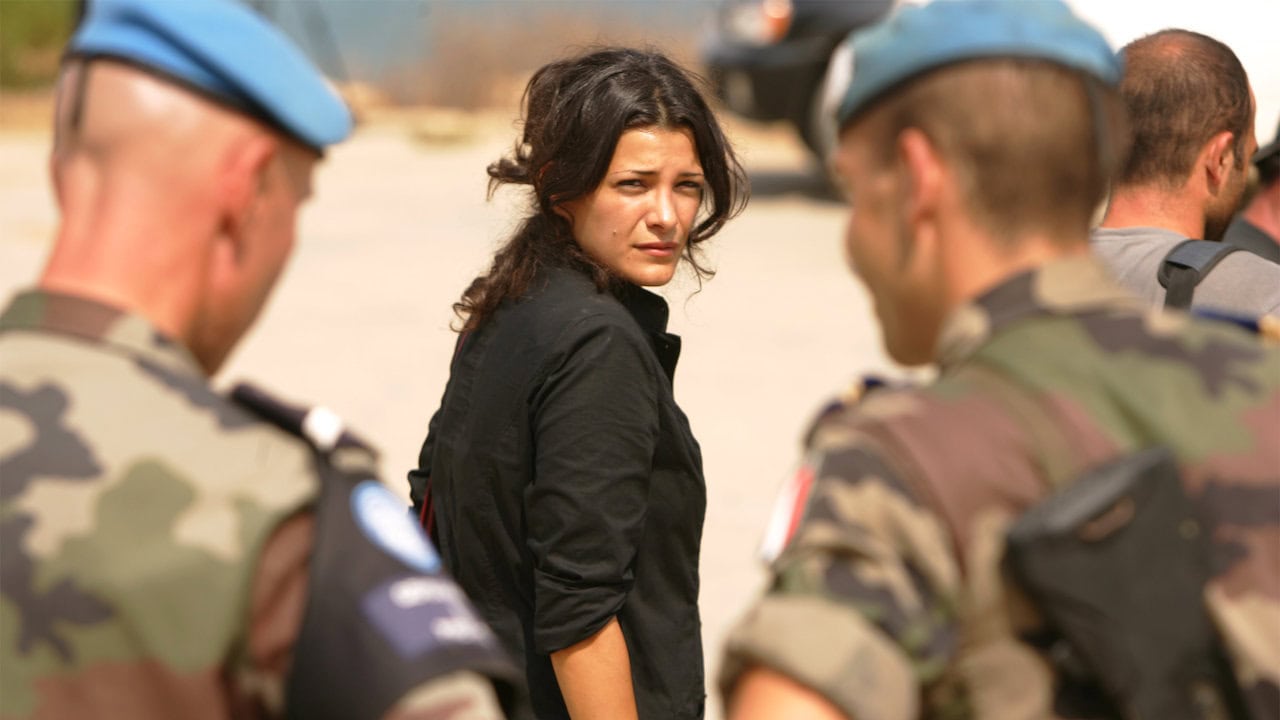
As documentary, the film reveres the horrors of the Israeli bombing, but as fiction, it actually works to trivialize it.
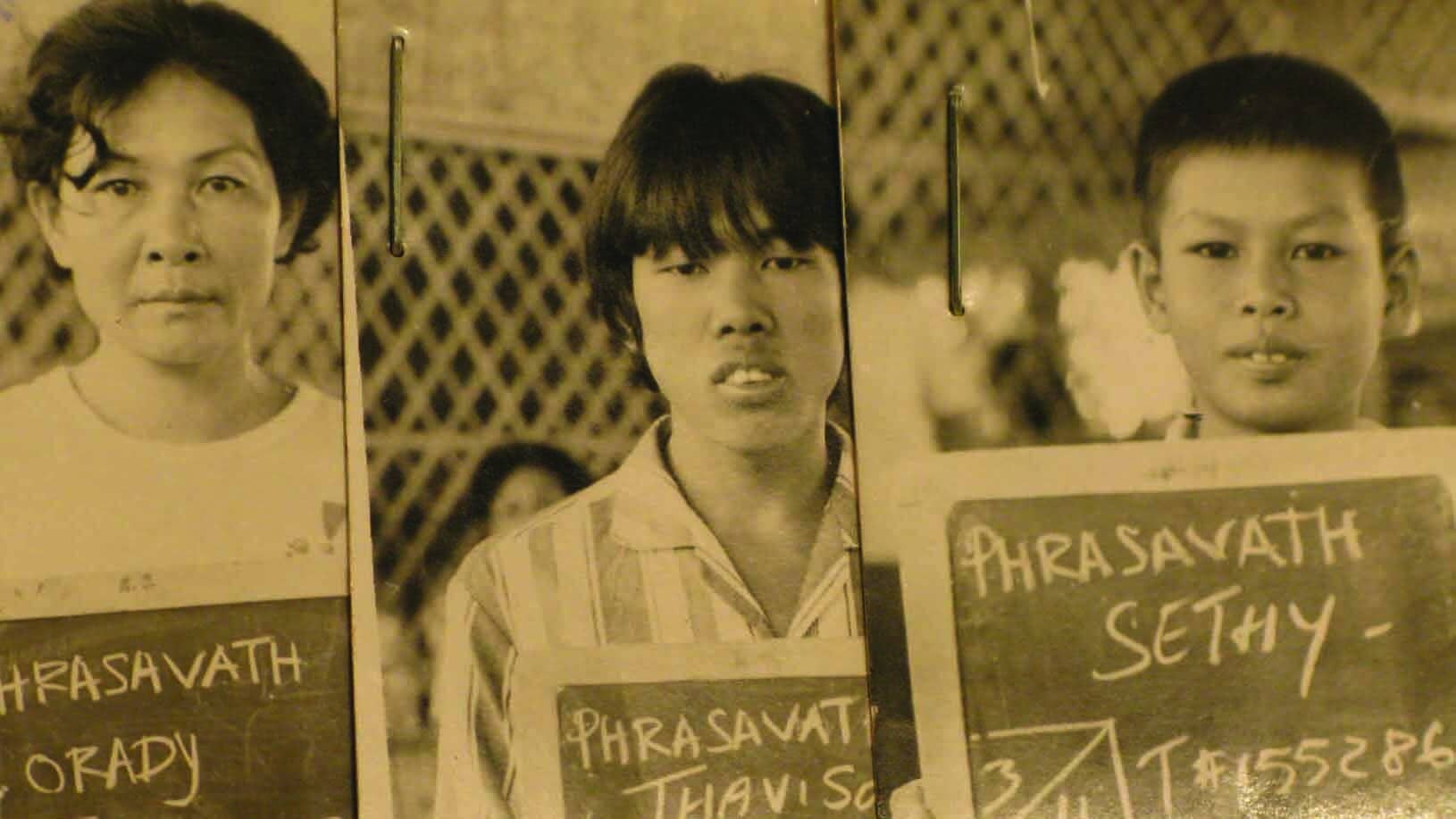
The film is a labor of love over 20 years in the making.
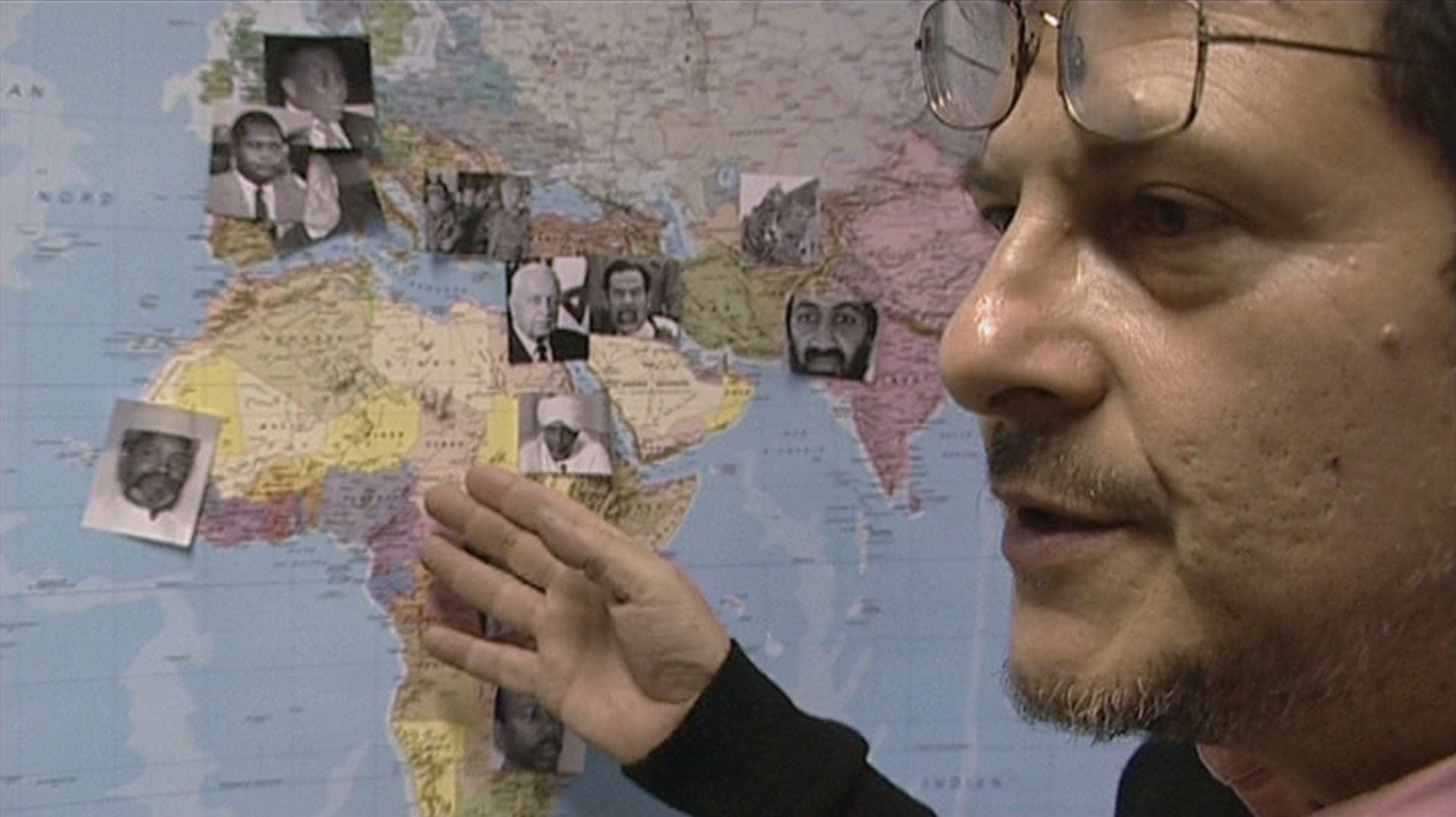
The Human Rights Watch fest profiles one of the organization’s own in The Dictator Hunter.
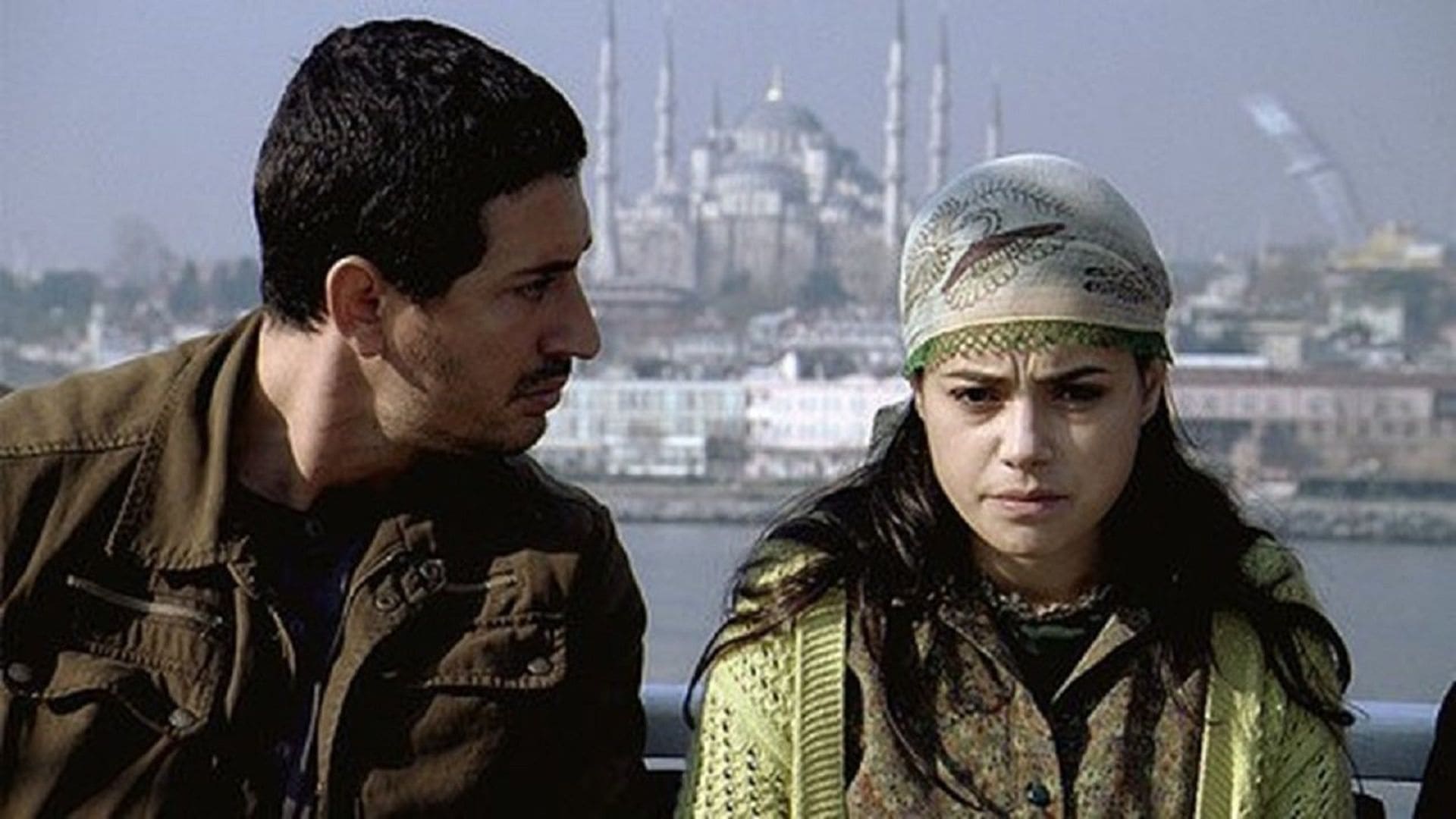
Would it be an exaggeration to call Bliss the most significant work to emerge from Turkey in the past decade?