This year brought 18 features and seven shorts, all presented with live musical accompaniment.
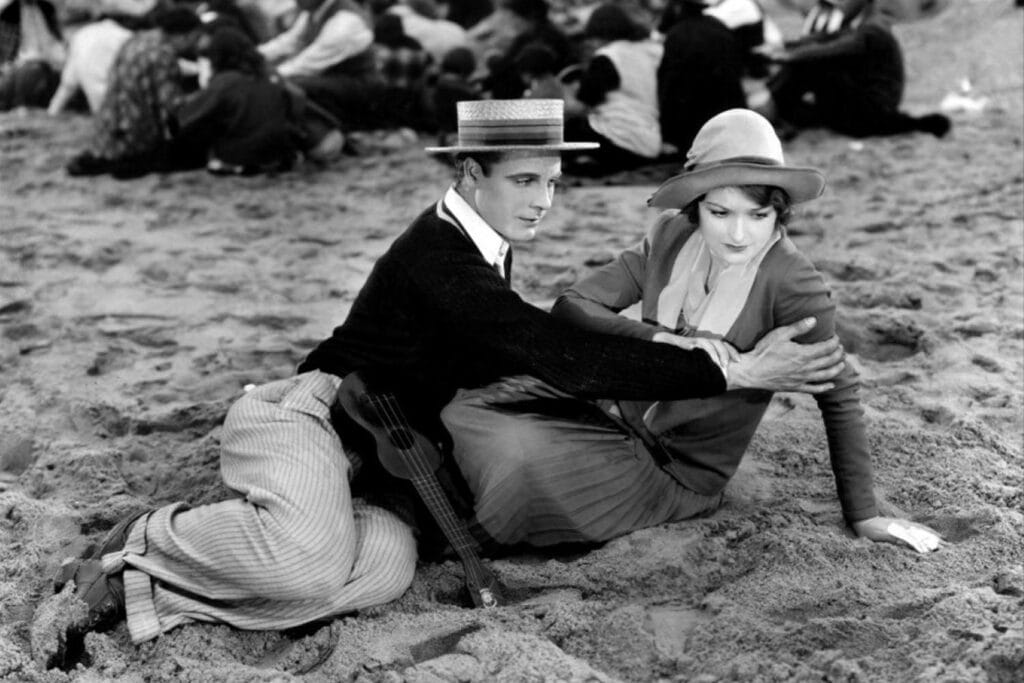

This year brought 18 features and seven shorts, all presented with live musical accompaniment.
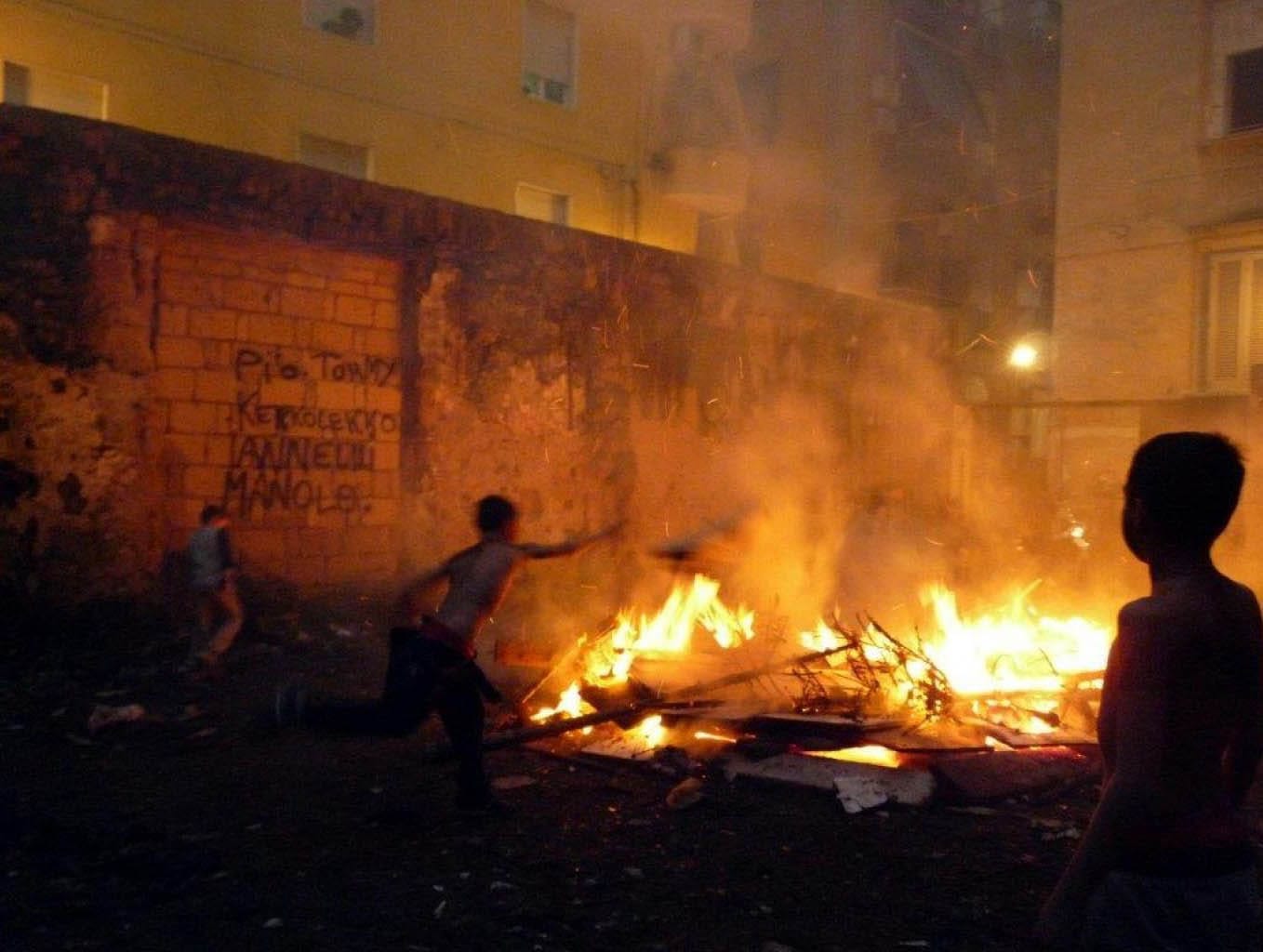
Il Segreto is both a potent allegory about the anarchy of mob rule and a poignant depiction of a neighborhood traumatized by a cycle of poverty.
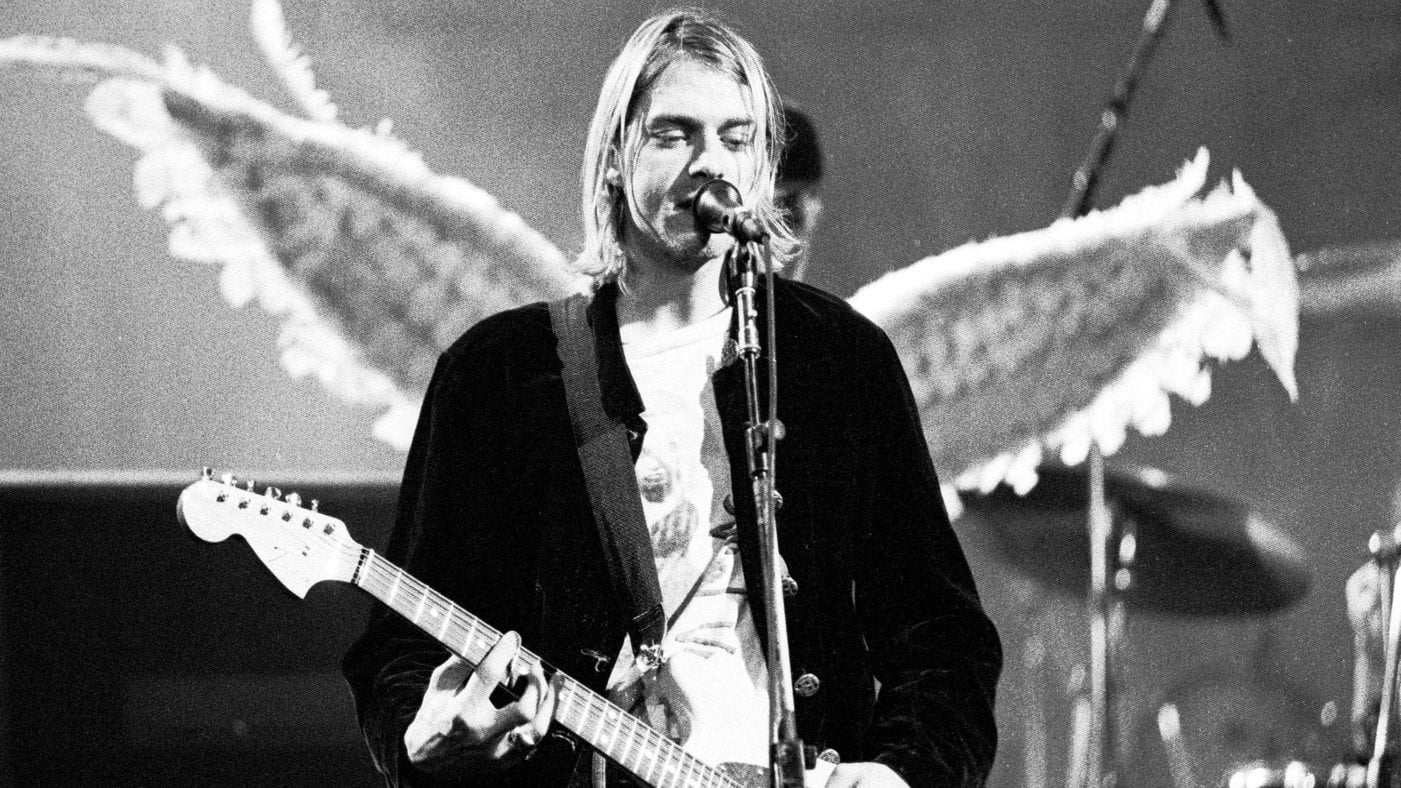
Brett Morgen distinguishes the biographical documentary by viewing himself as more of a curator than a film director.

Bitter Lake is a profound testament to harnessing newly formulated ambitions beyond merely proffering archival footage employed in new contexts.

The film’s visual style, aggressive editing, and unnecessary time jumps fail to add depth to its ludicrous plot and shrill characters.

The filmmakers sometimes hammer home their message about the messiness of human behavior a little too hard.
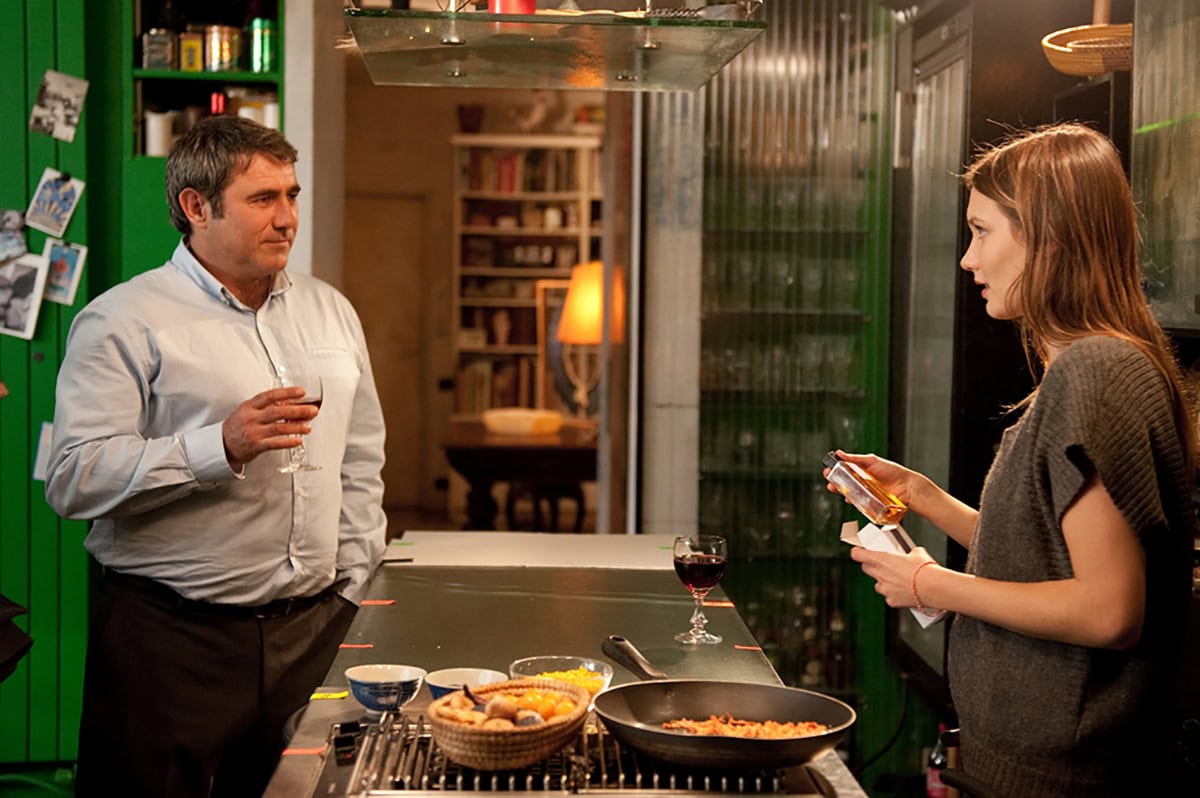
High Society feels more genuine when it approaches the ethos of François Ozon’s underrated Young and Beautiful.
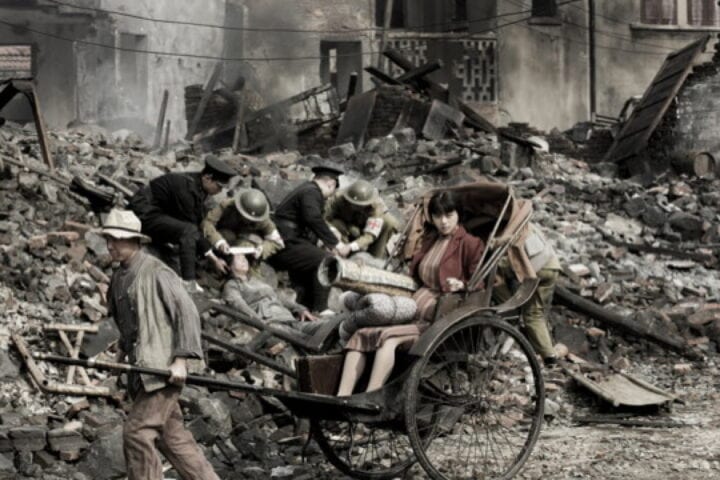
The film leaves one with the impression of a badly used young beauty condemned to make her own way through the world while longing for love.

Larry Clark is in full-on zeitgeist mode with The Smell of Us.

Belluscone: A Sicilian Story plays like a mockumentary about contemporary Sicilian society.

Un Ange Passe works on a model of long, uninterrupted takes on the faces of its characters, subdued and wistful.

Schlock films tend to have a certain sort of free-associative, on-the-fly intensity, even if they’re ultimately unwatchable.
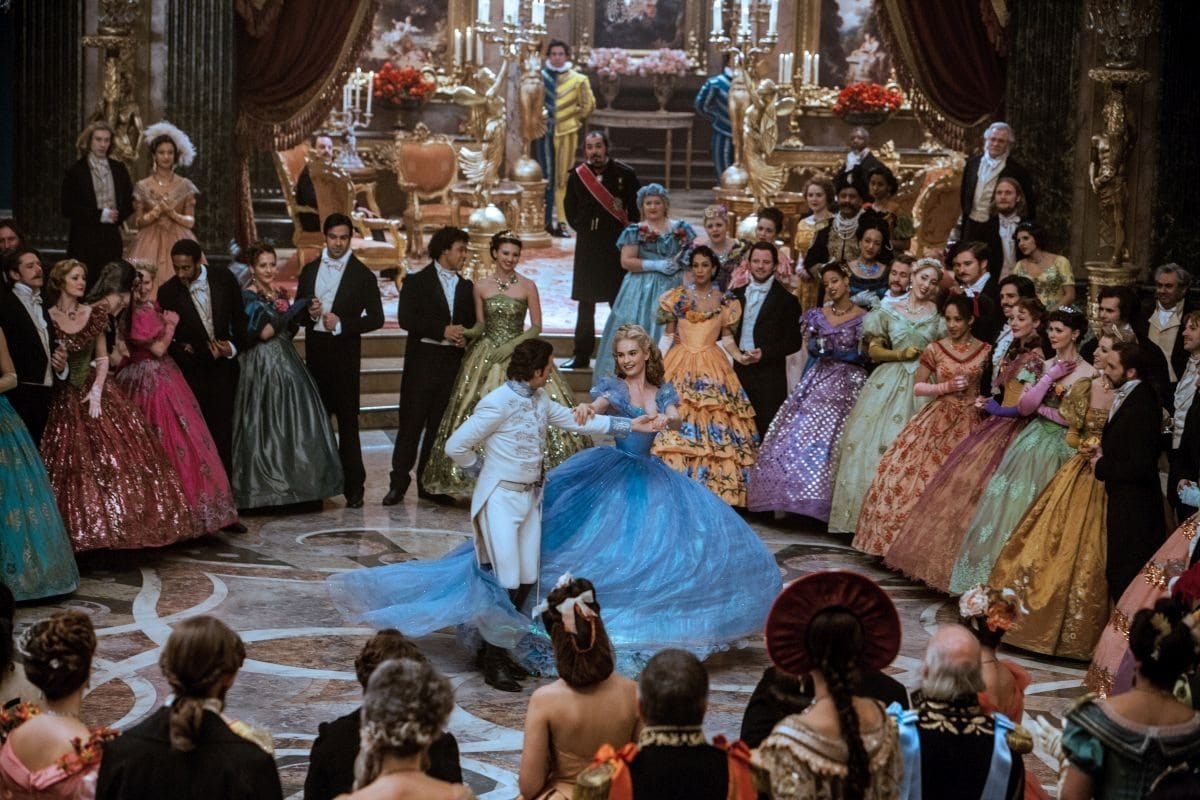
Branagh fully understands the societal critique underlying the tale, and brings it out into the open.

45 Years is basically a showcase for Haigh’s finely tuned screenplay and the performances of its two leads.
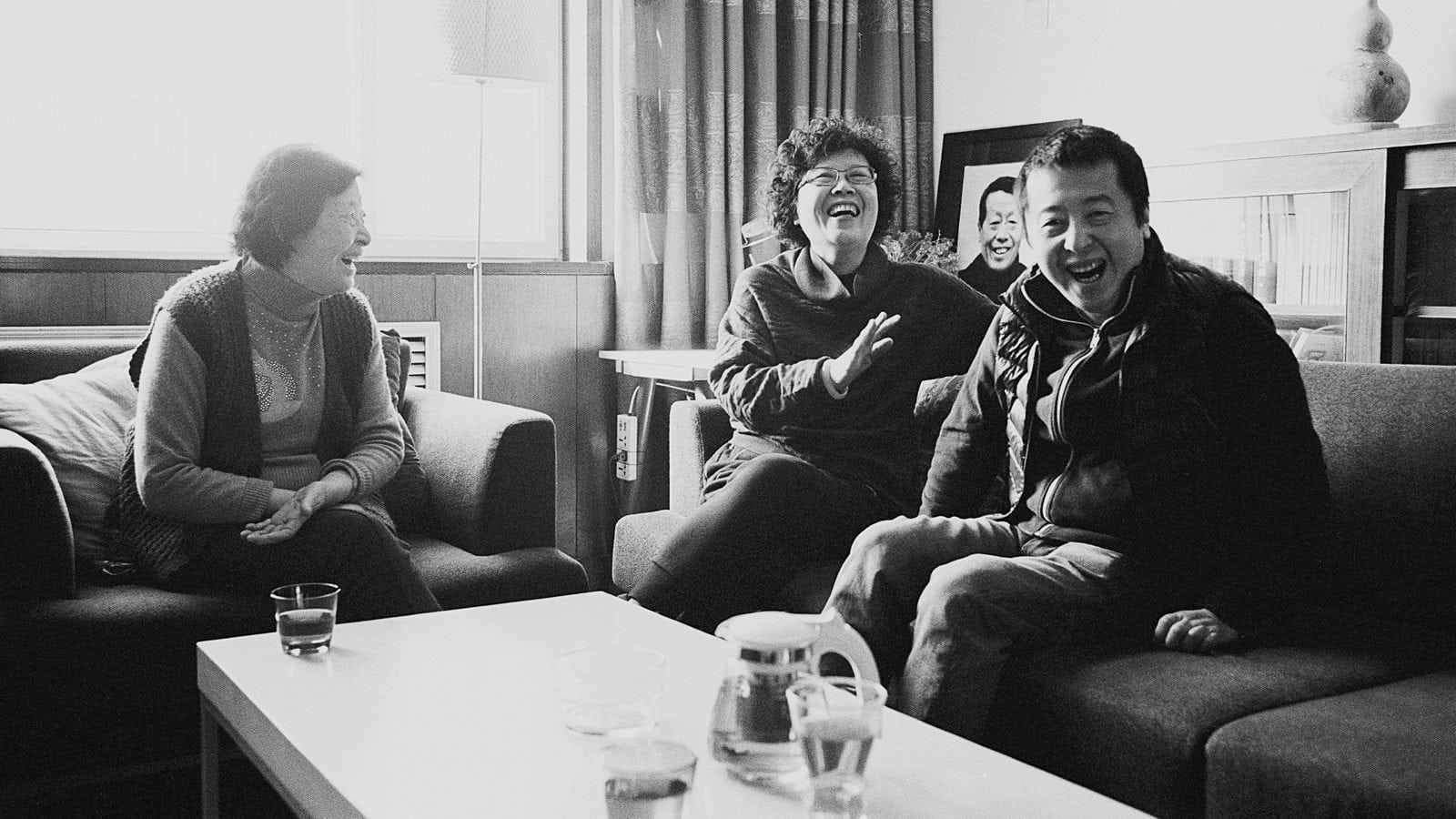
It’s perhaps only natural that a film festival as wide-ranging as the Berlinale would include a few documentaries about filmmakers.
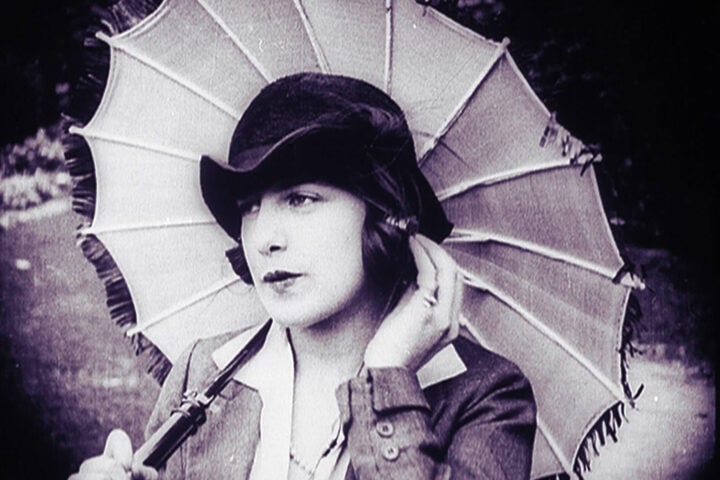
The festival’s program has never felt so scattered, a sensation that I found delightful.

Imagine an entire film made up of variations of those occasional free-associative montages of Vienna in Museum Hours.

The setup suggests a topical takedown of both corruption in the priesthood and the ruthless ways Catholic churches have tried to cover up their immoral behavior.

With Knight of Cups, Terrence Malick achieves the sense of stylistic ossification that many accused his last feature, To the Wonder, of embodying.
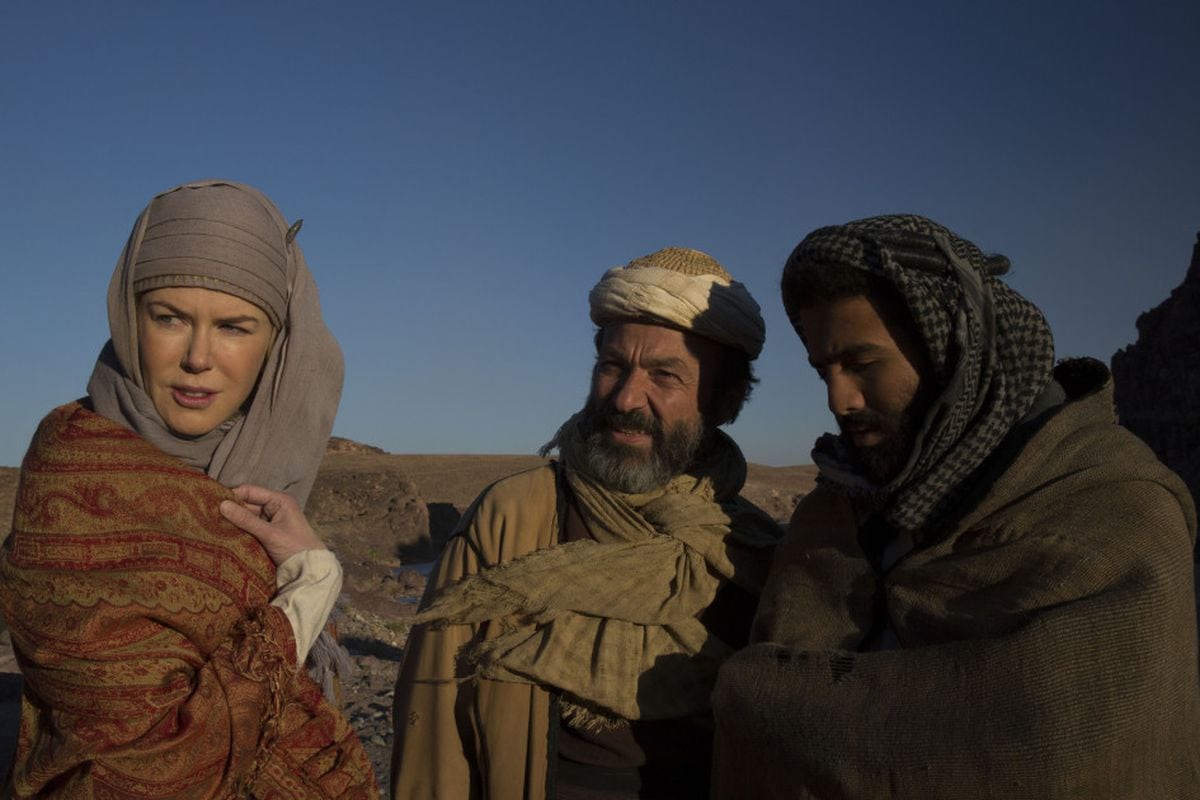
Theoretically, the subject of Queen of the Desert could hardly be more Herzogian in nature.

In keeping with his recent work, Panahi turns the camera on himself and his own government-imposed creative struggles.