Though Looking is a series rightly known for its rather frank discussions and depictions of sex, it’s also finely attuned to the rhythms of friendship.



Matt Brennan is a film and TV critic, reporter, and editor whose work has appeared in Indiewire, Slate, Deadspin, among others. He is currently the Los Angeles Times's deputy editor for entertainment and arts.
Though Looking is a series rightly known for its rather frank discussions and depictions of sex, it’s also finely attuned to the rhythms of friendship.
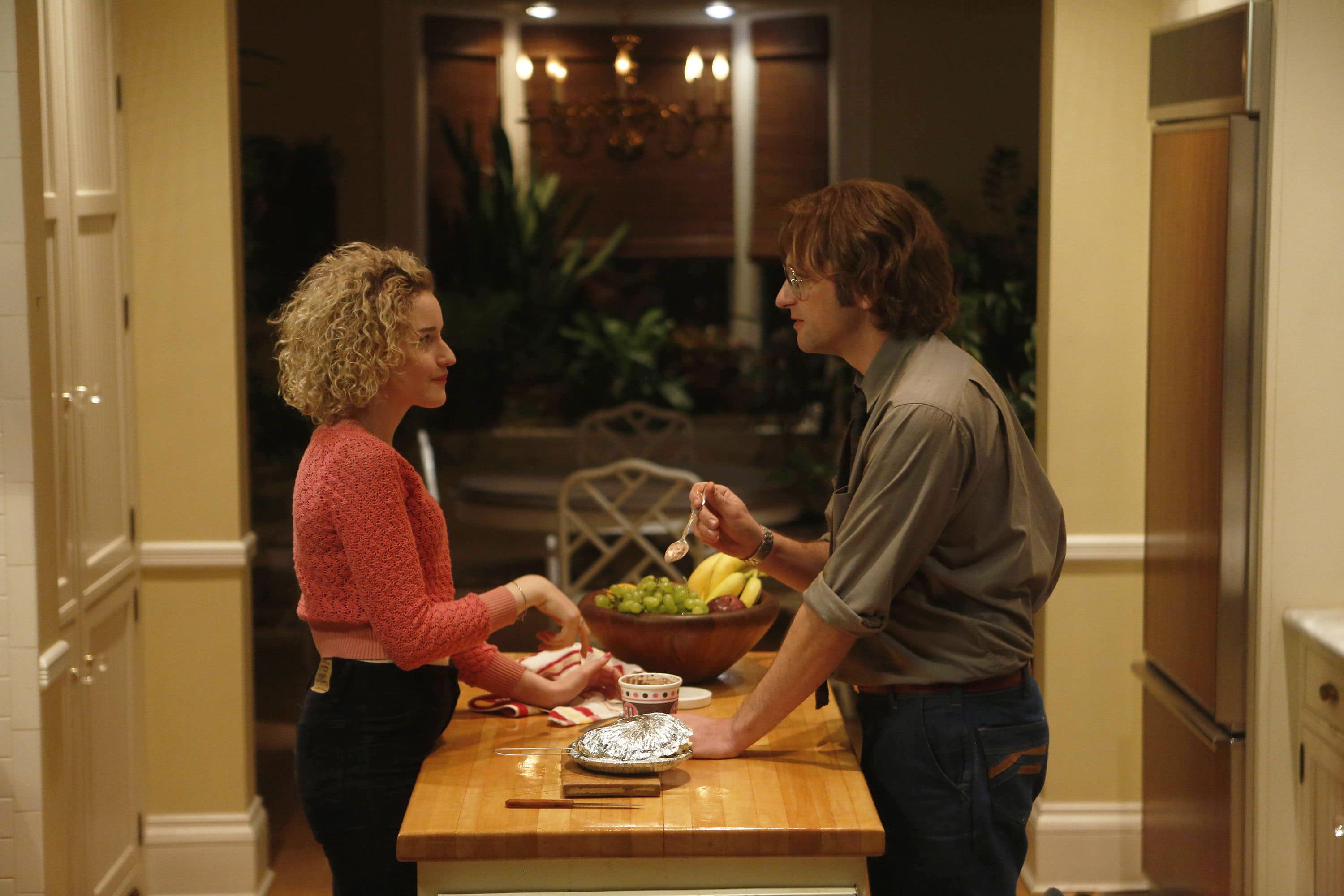
“Salang Pass” deploys its constellation of ruses and false identities to examine the question at the heart of The Americans.

Patrick’s self-immolation is no suicide, and the episode is no Mrs. Dalloway.

Professionals in the art of reading people are most vulnerable to misapprehension when their judgment is clouded by the personal.

It has the feeling of a first date, but ends with a reckoning, run through with the conviction that we can never really leave the past behind us.

A master class in suspense, not only of spies caught in a tightening net, but also of characters whose choices begin to feel less like liberty and more like entrapment.
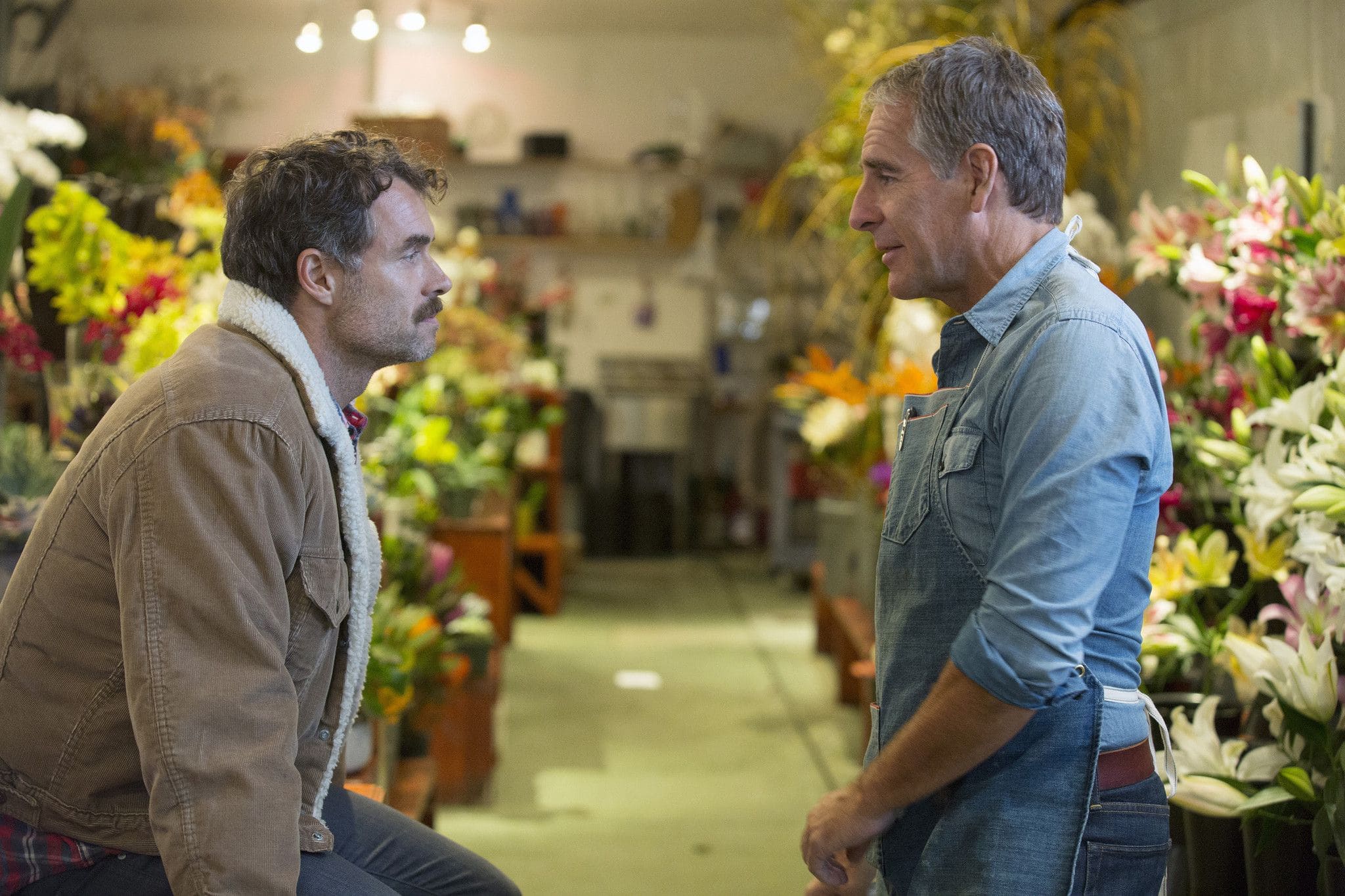
In what amounts to something of a departure for Looking, the episode picks up where “Looking Top to Bottom” left off.

Richard LaGravenese’s film mostly skirts any connection to musical theater as though it were faintly embarrassed.
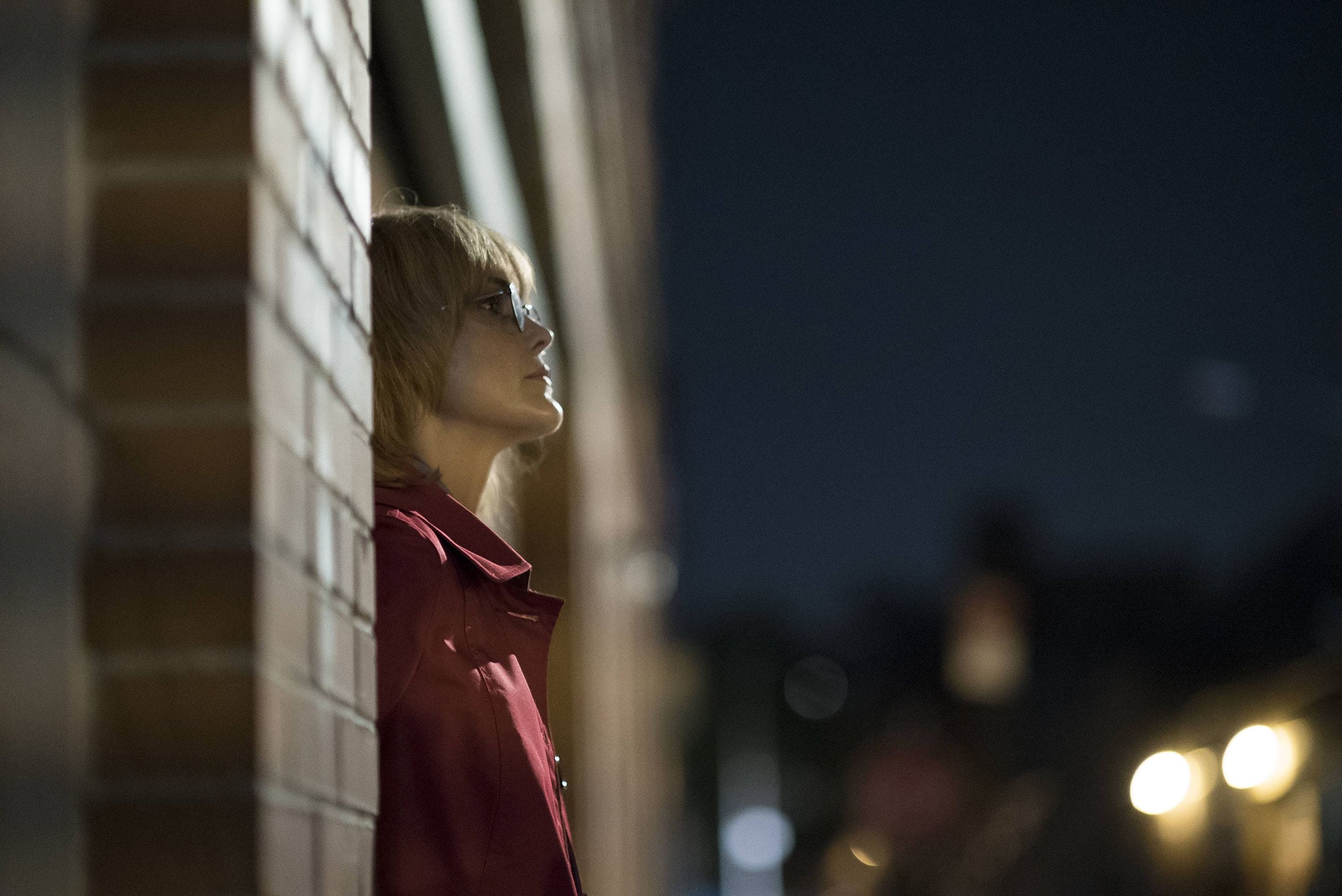
“Baggage” uses Philip and Elizabeth’s respective reactions to Annalise’s death as an entrée into the subject of childrearing.

“EST Men” frames the debate between Philip and Elizabeth in universal terms: How do you raise a child?

Tops, bottoms, douches, enemas, rim jobs, “hot shower orgies,” and even a swinging dick or two.
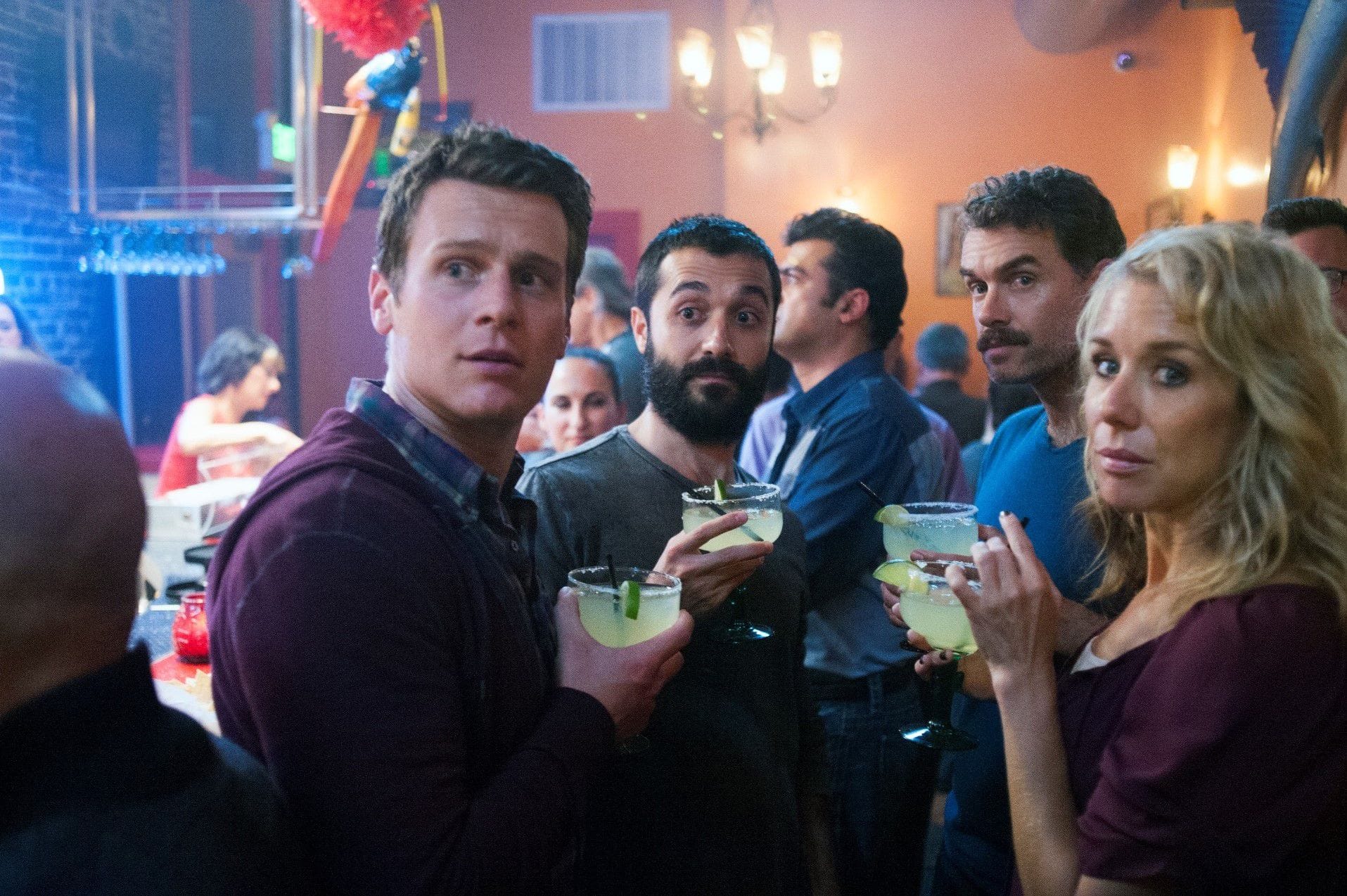
Director Andrew Haigh and writer Michael Lannan present a suggestive exchange of stories that feels both familiar and remarkably specific.

Full disclosure: I am, to paraphrase that old Sex in the City parlor game, such a Patrick.
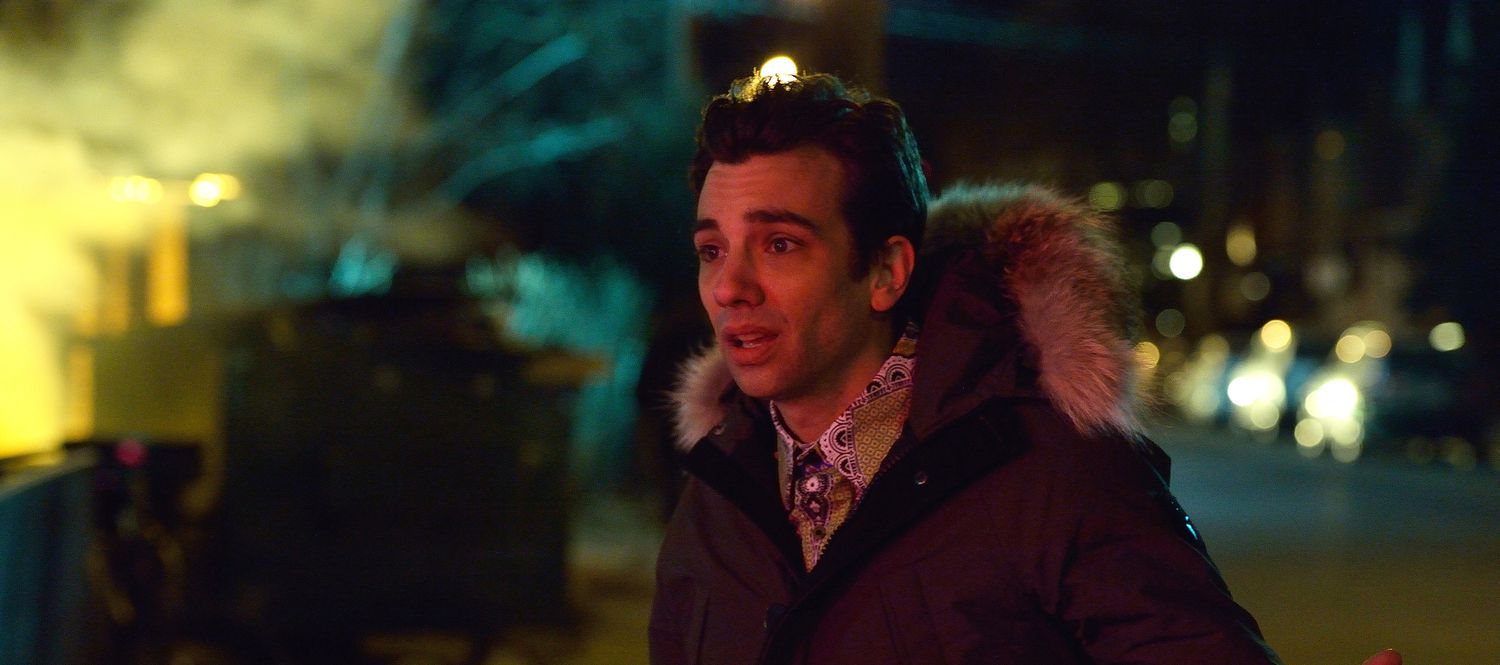
Part surreal invention and part frat-house juvenilia, the series is that rare species of Hollywood entertainment: the unknown quantity.

Though the new season is livelier than the fourth, it displays a seriousness of purpose to which Downton Abbey has always been ill-suited.

Tonight’s season finale of Homeland was a homecoming of sorts, a return from the wilderness, a clearing of the slate.

A sense of loss, in love and war alike, permeates the episode.

It doesn’t offer enough of Burton’s eccentricity to register as anything other than what one character derides as “that representational jazz.”
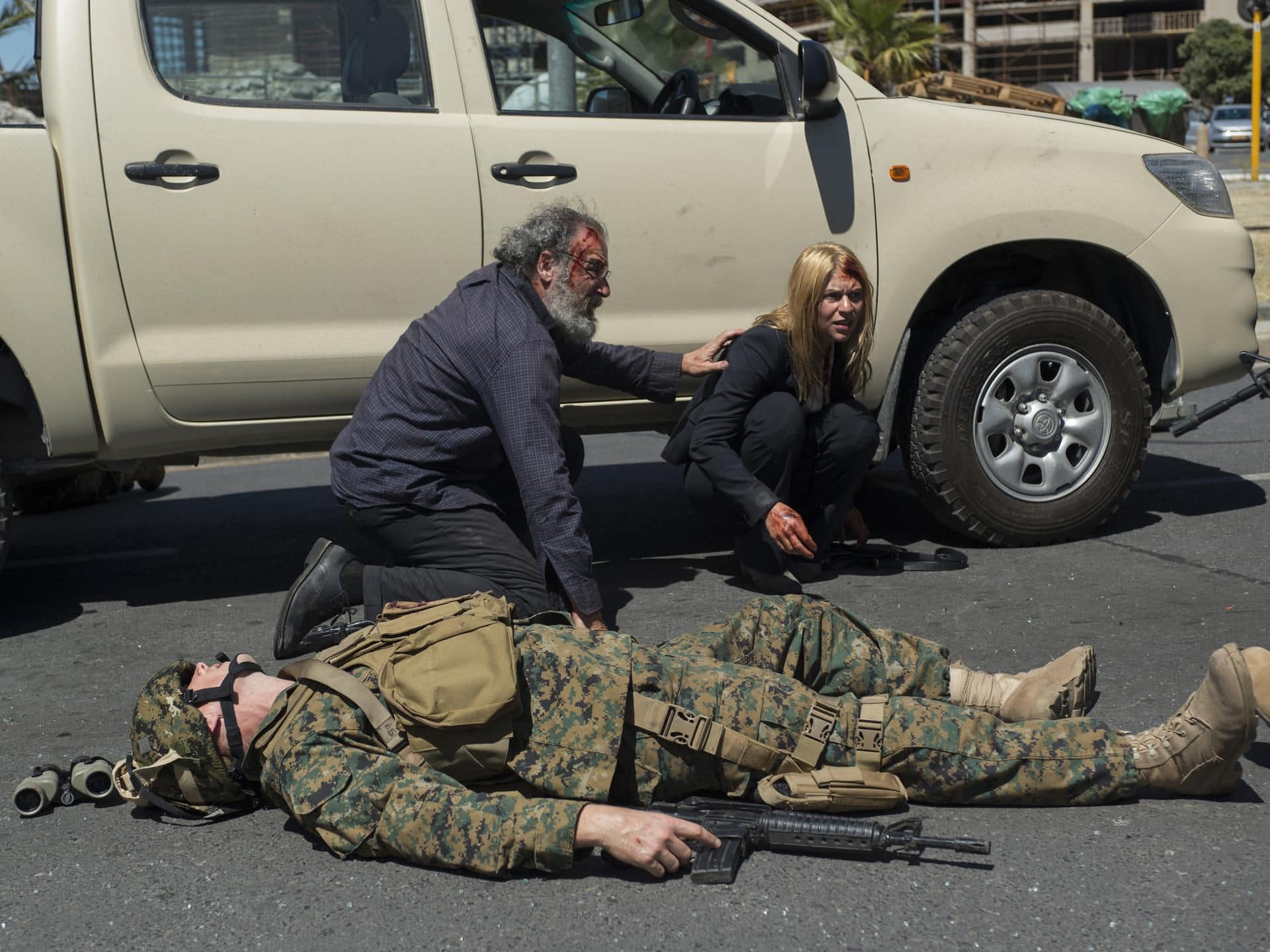
Homeland has once again assumed its place as television’s sharpest appraisal of the War on Terror.

In short, Homeland functions as a closed system in which American might fosters radical resistance.