Perhaps the clever conceit of plumbing scientific texts for episode titles and structuring themes has run its course.



Matt Brennan is a film and TV critic, reporter, and editor whose work has appeared in Indiewire, Slate, Deadspin, among others. He is currently the Los Angeles Times's deputy editor for entertainment and arts.
Perhaps the clever conceit of plumbing scientific texts for episode titles and structuring themes has run its course.
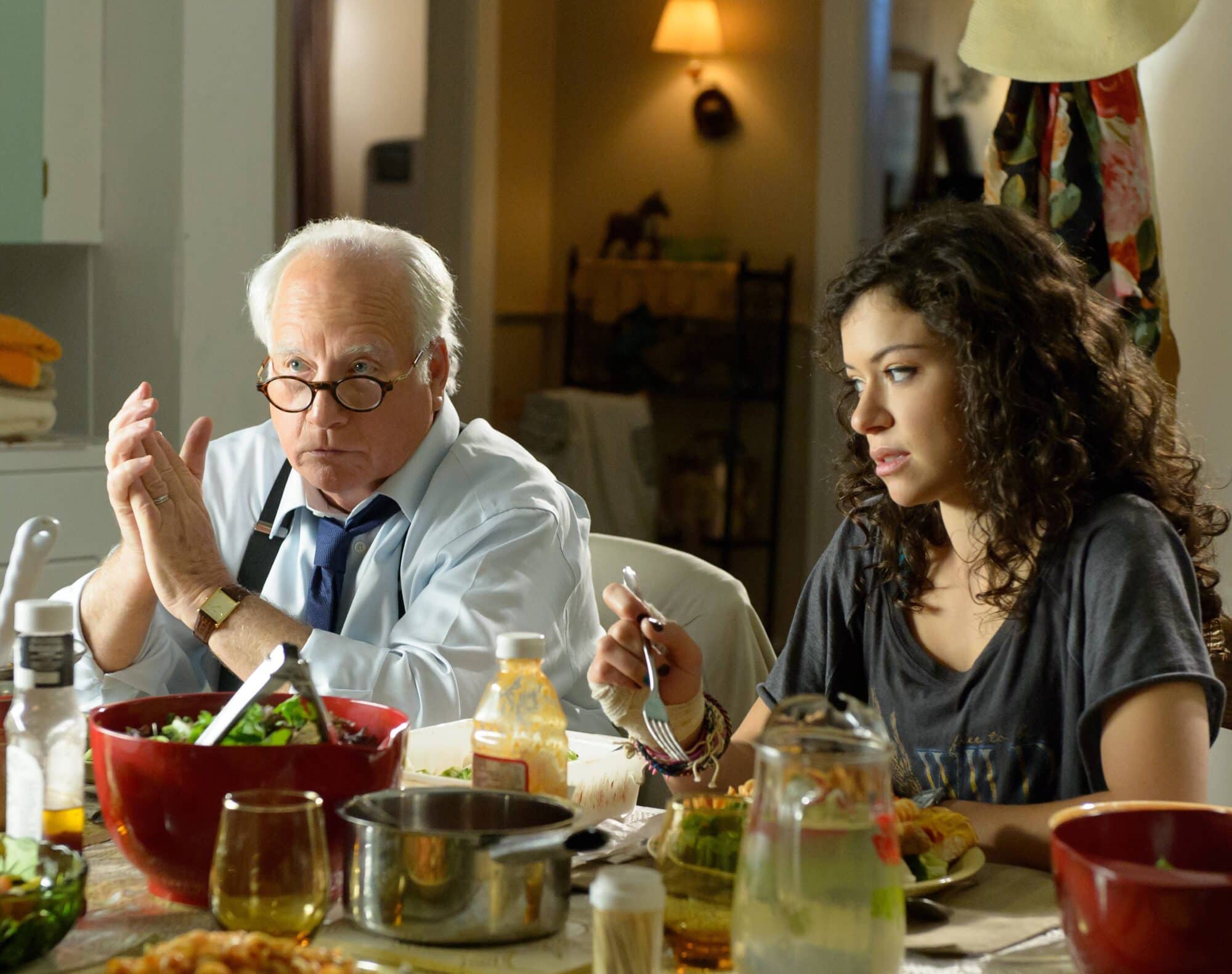
The film simply mucks up its earnest take on the buddy movie with undercooked characters and on-the-nose writing.

Tonight’s episode of Orphan Black comes all too close to the grievous error of which its title warns.

The show understands that in the wrong hands, belief, whether ideological or supernatural, may be no more than a kissing cousin to the violence it justifies.

In straining for the profound, it loses its way in a veritable no-man’s land of ill-conceived stylistic choices and narrative switchbacks.

More evidence that Maslany’s is the best performance on TV, but it’s unclear if the show can keep pace.
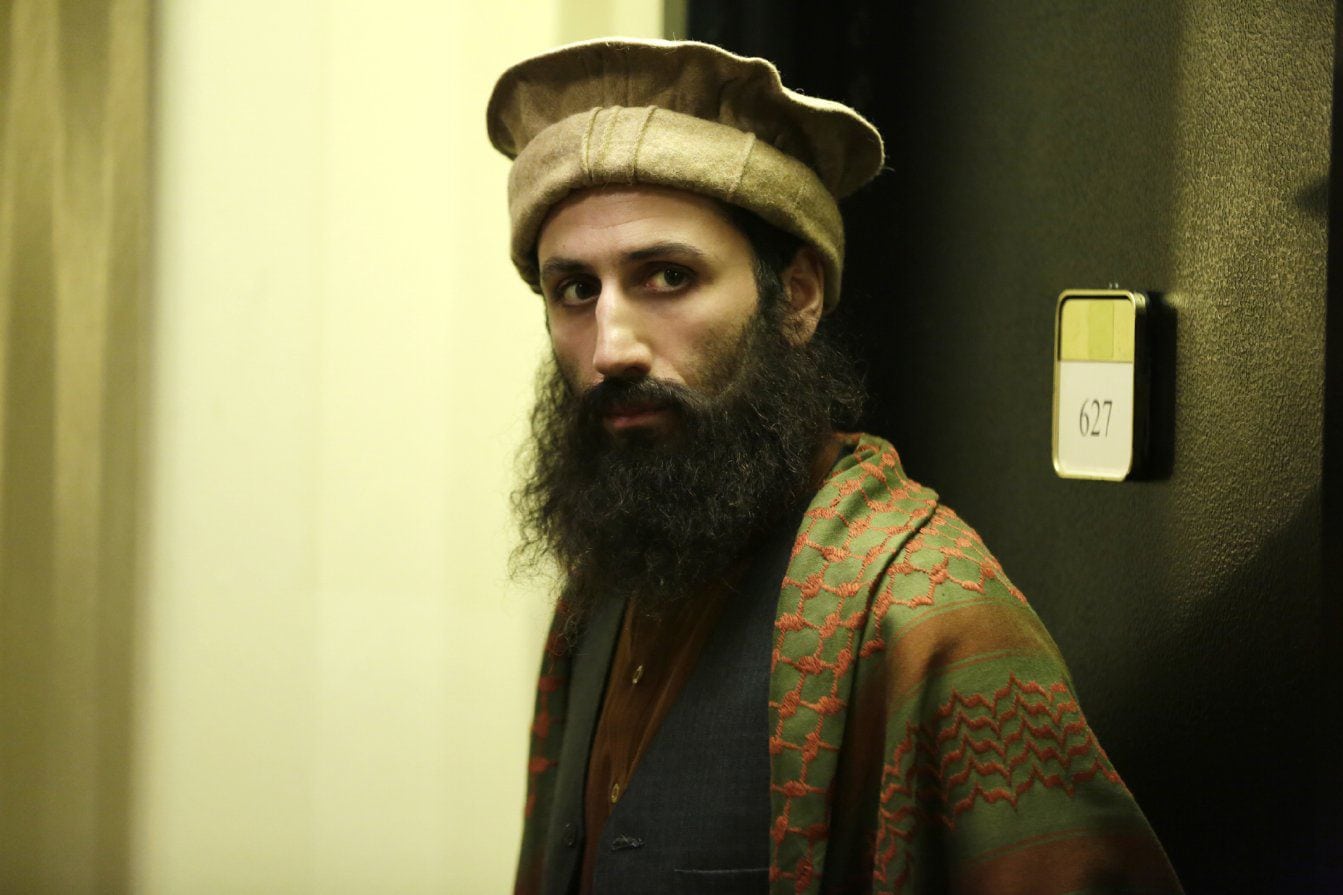
Indeed, it’s another faintly electronic rhythm, this one a music cue, that sends this dazzling season of The Americans hurtling toward its conclusion.
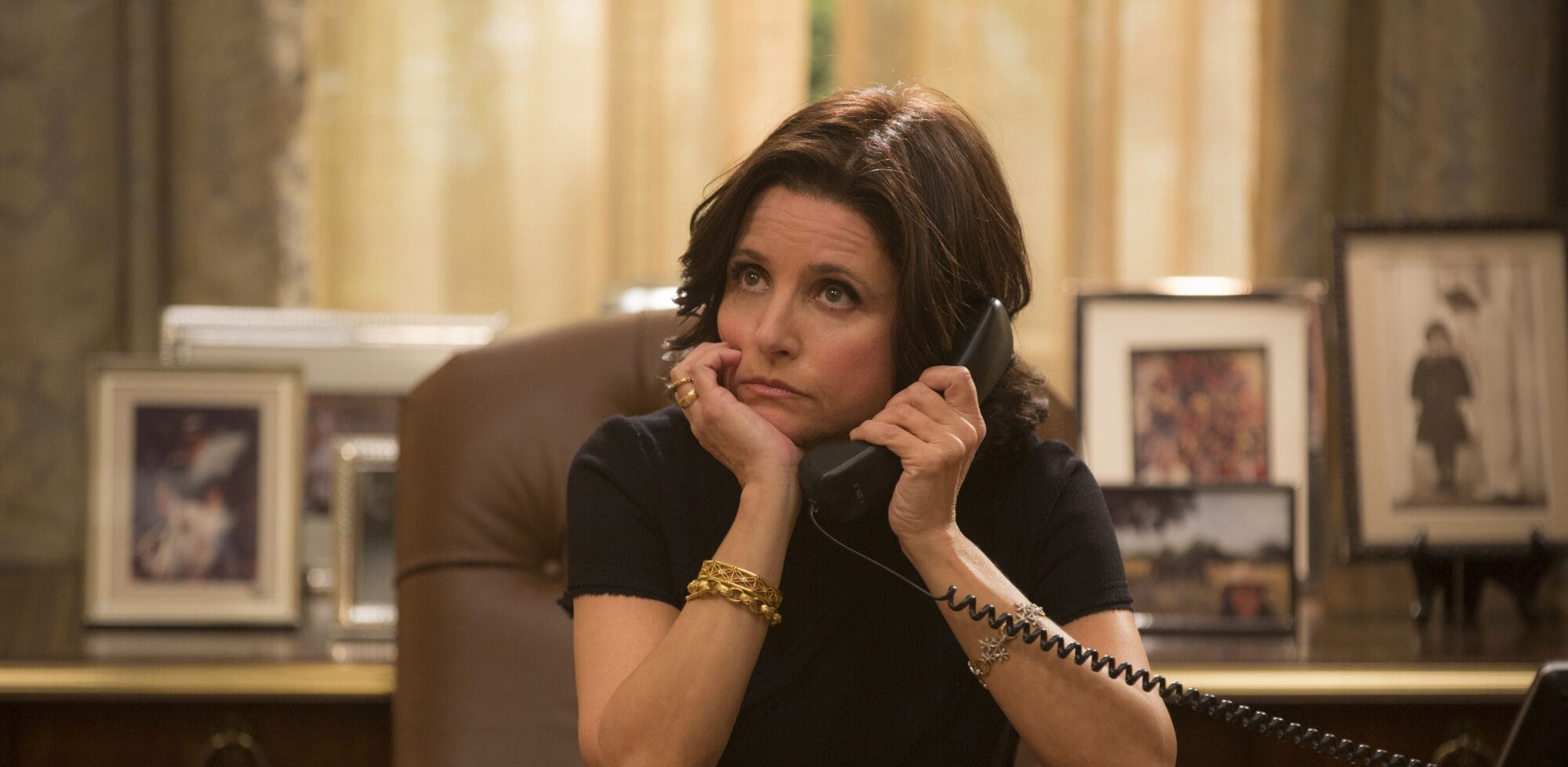
Veep has become a vulgar, merciless satire of the emptiness of power itself, as funny as a knife in the side.

It prepares the characters to reel in the big fish they’ve been tracking lately, yet never quite assuages the niggling feeling that these efforts will become a tangled mess.
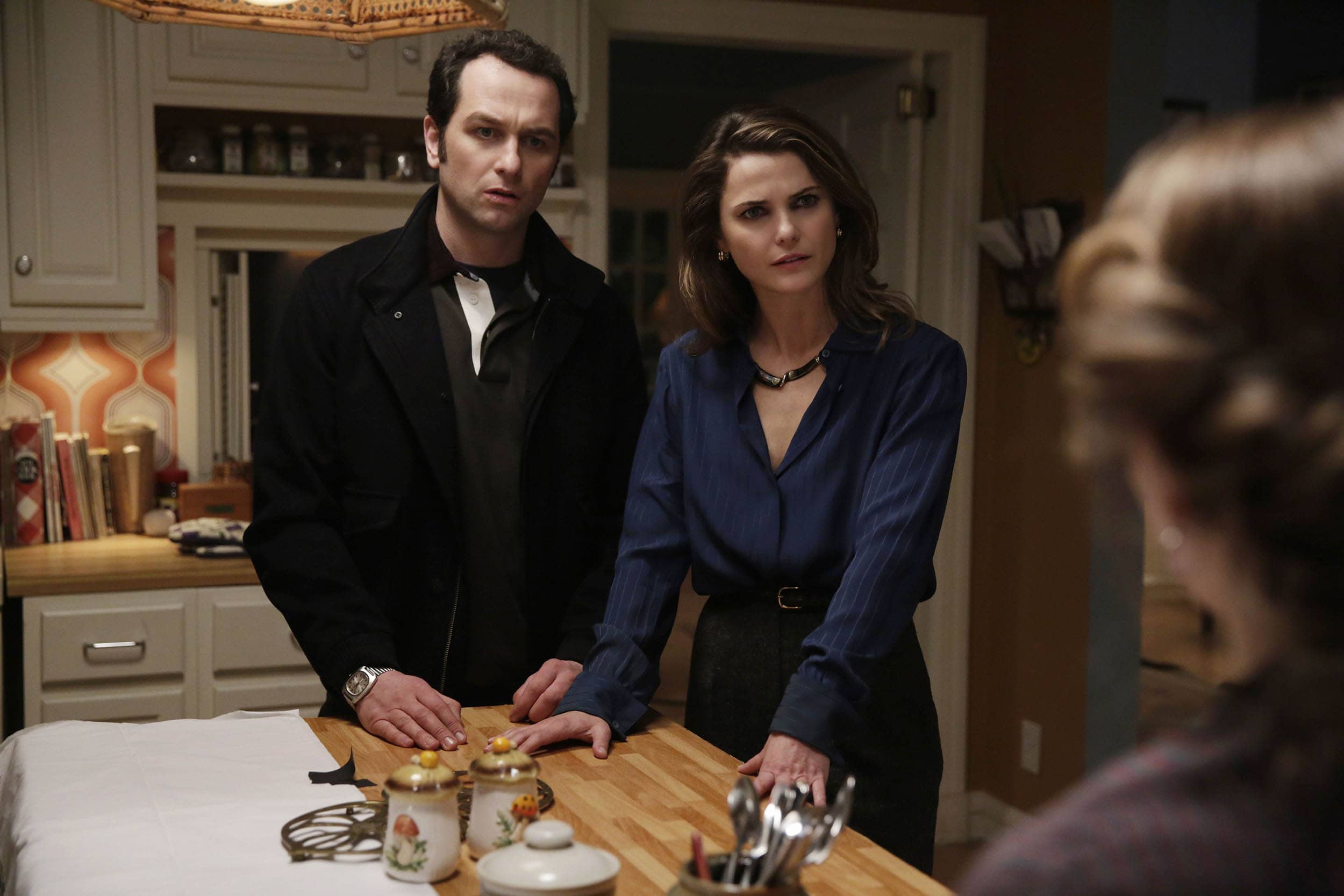
Trust, you might say, is simply the time we spend waiting for the other shoe to drop, and in The Americans, it always does.
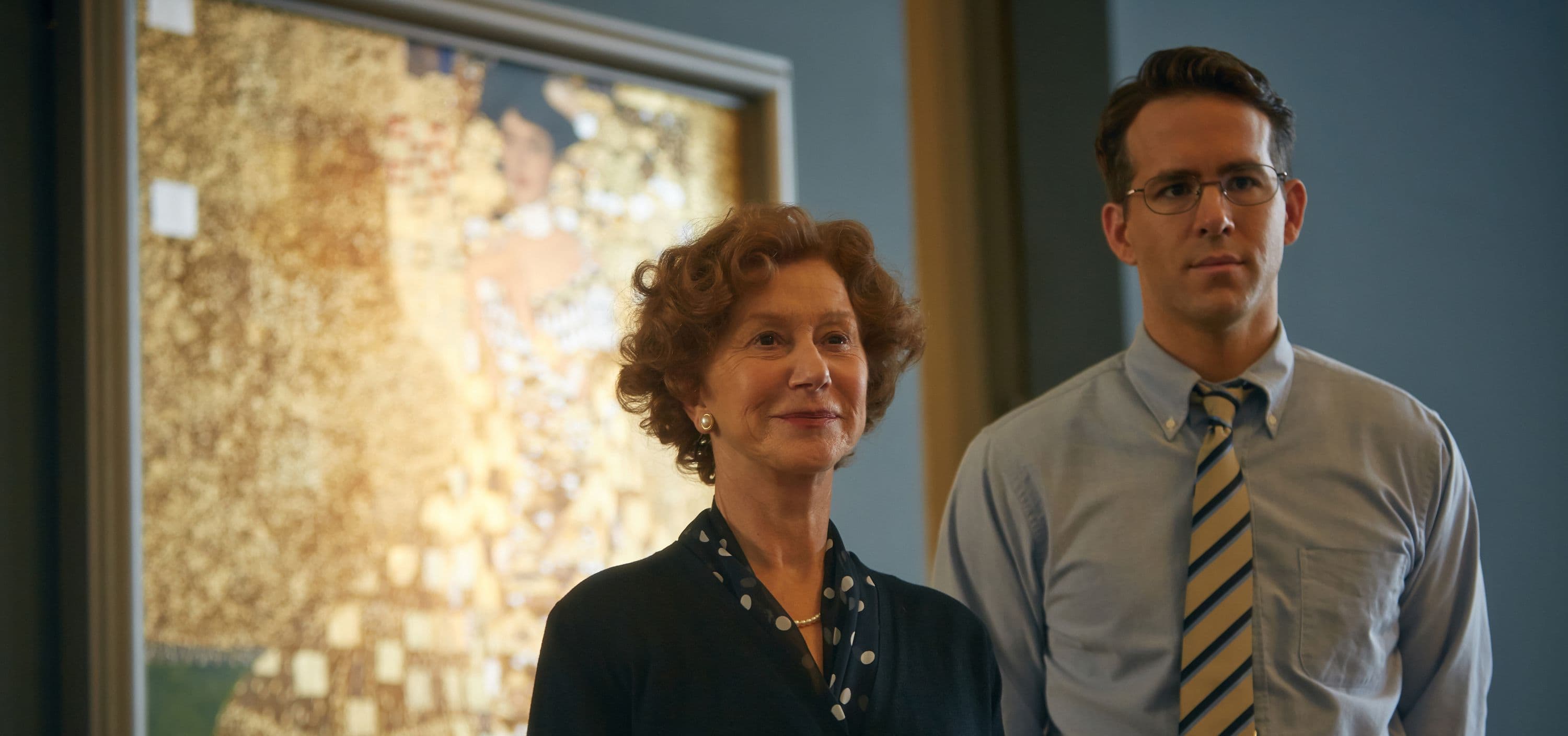
The film evades all but the most careful commonplaces about the relationship between the viewer and art.
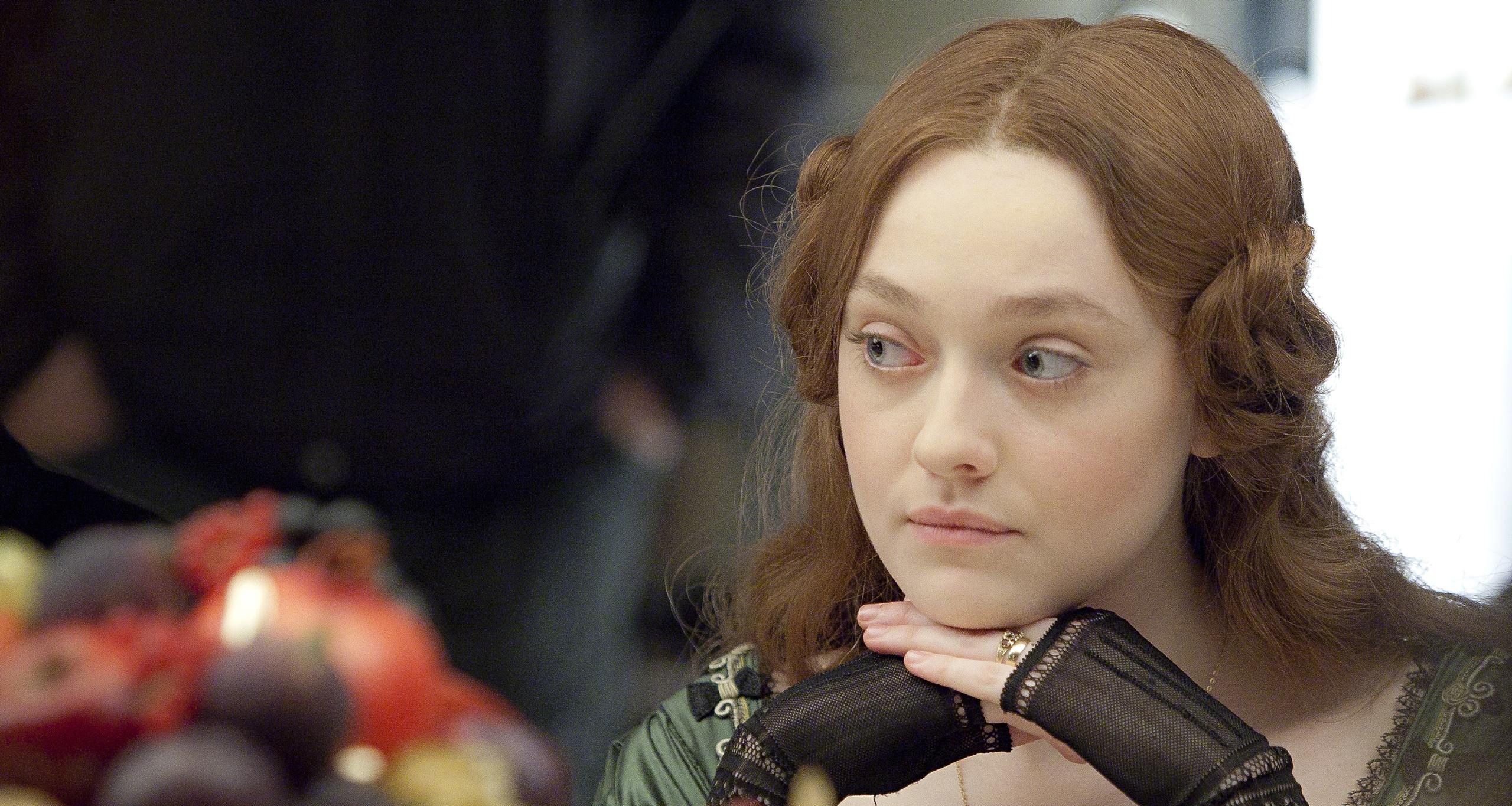
It spins the narrative of one of the Victorian art world’s most mysterious marriages into a study of life lived and life merely examined.

In The Americans, of course, protecting one’s family and serving one’s country are consistently at loggerheads.

The season finale of Looking culminates in a single, extended take, perhaps three minutes in all, at the end of a lovers’ quarrel.

A morass of lies, betrayals and undetonated bombs, “Divestment” isn’t about civil disobedience but vengeance plain and simple.
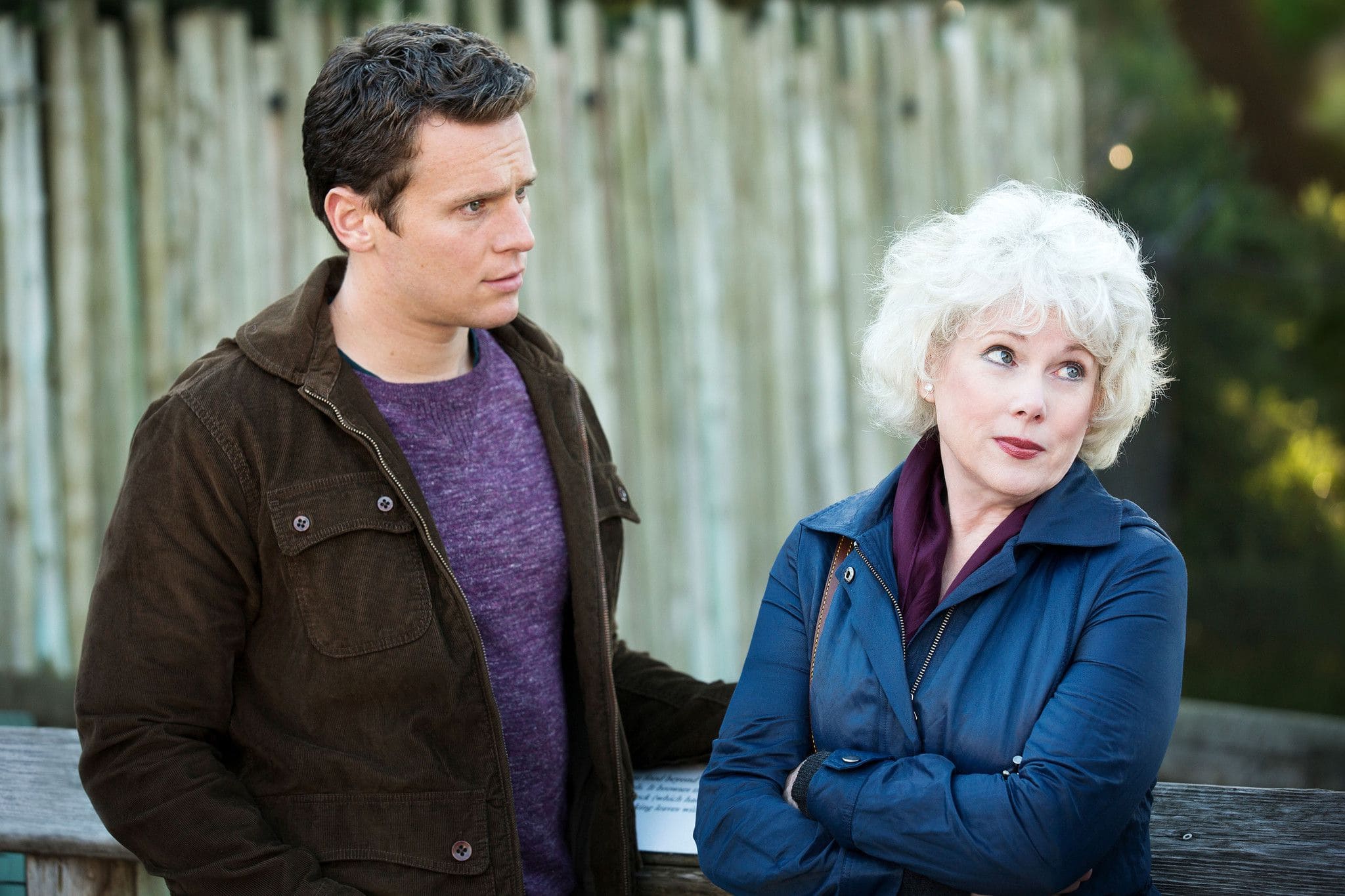
It’s here, in “Looking for Sanctuary,” that the series finally admits to a certain cyclicality.
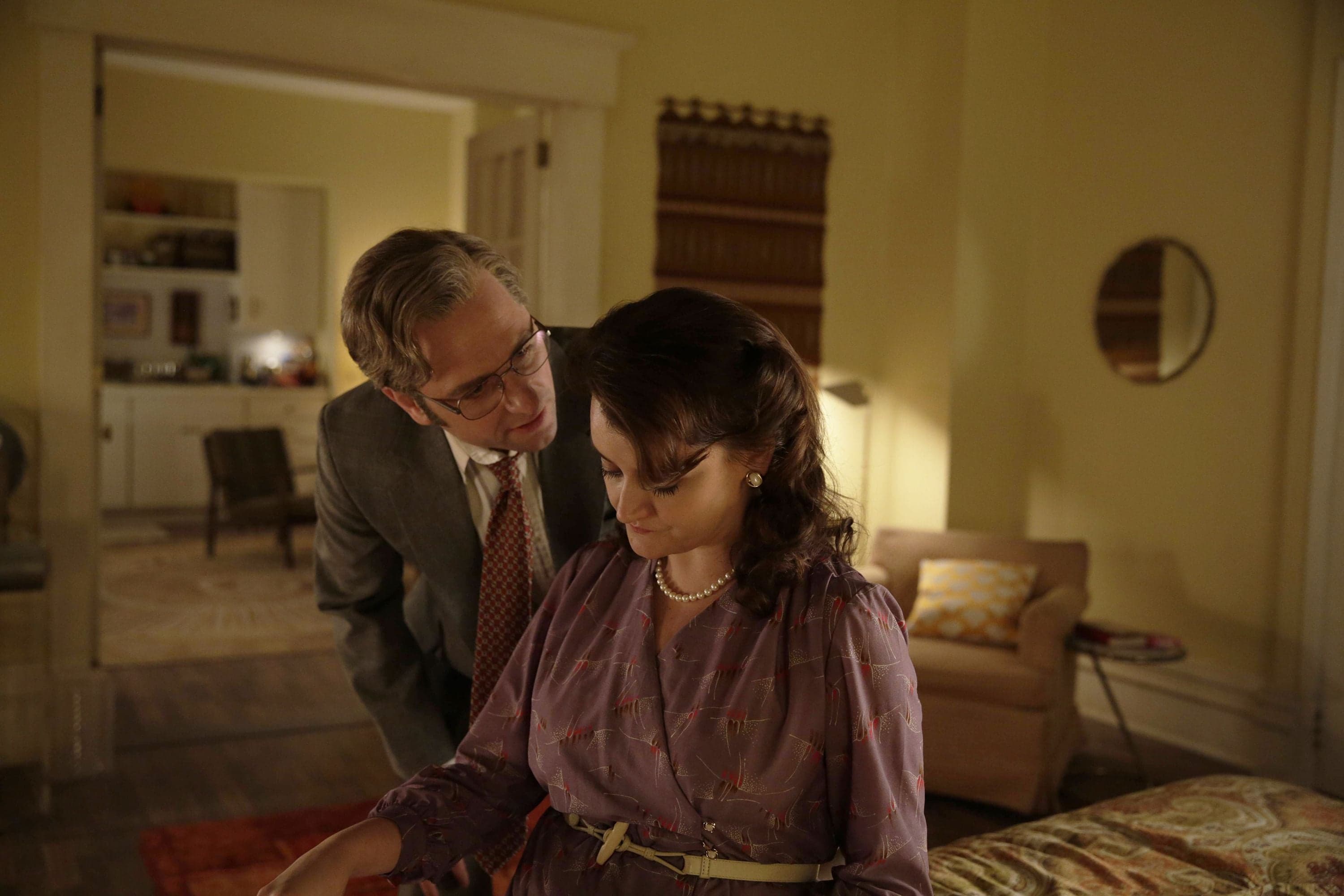
The Americans traditionally finds suspense in the slow, summative effect of its wary glances and closed doors.
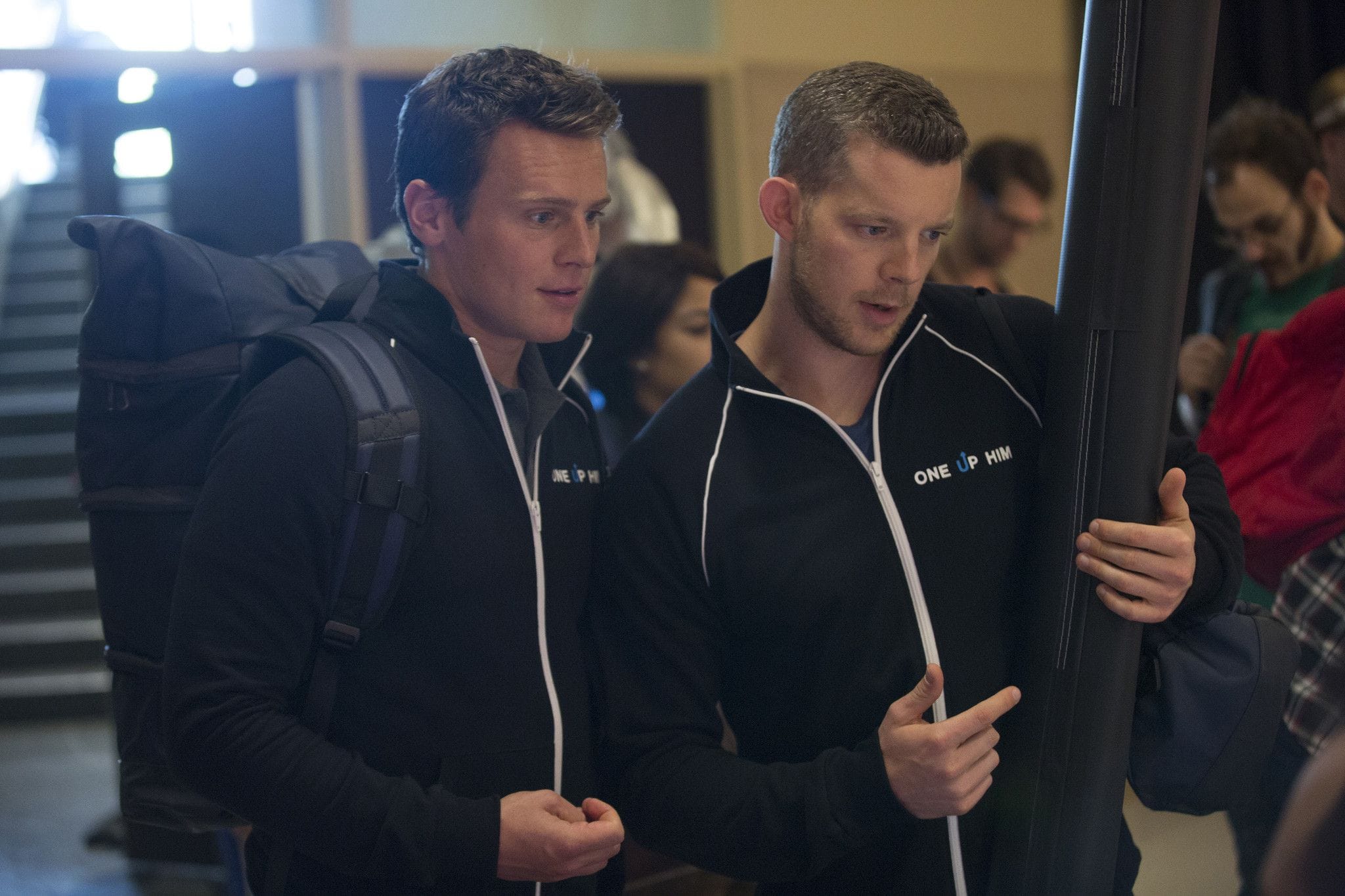
An episode in which each character’s evolution this season begins to upset the balance they’ve clung to through years of stasis.

The surfeit of subplots might be seen as a series of speed bumps or potholes, slowing a ferociously entertaining two-hander at every turn.
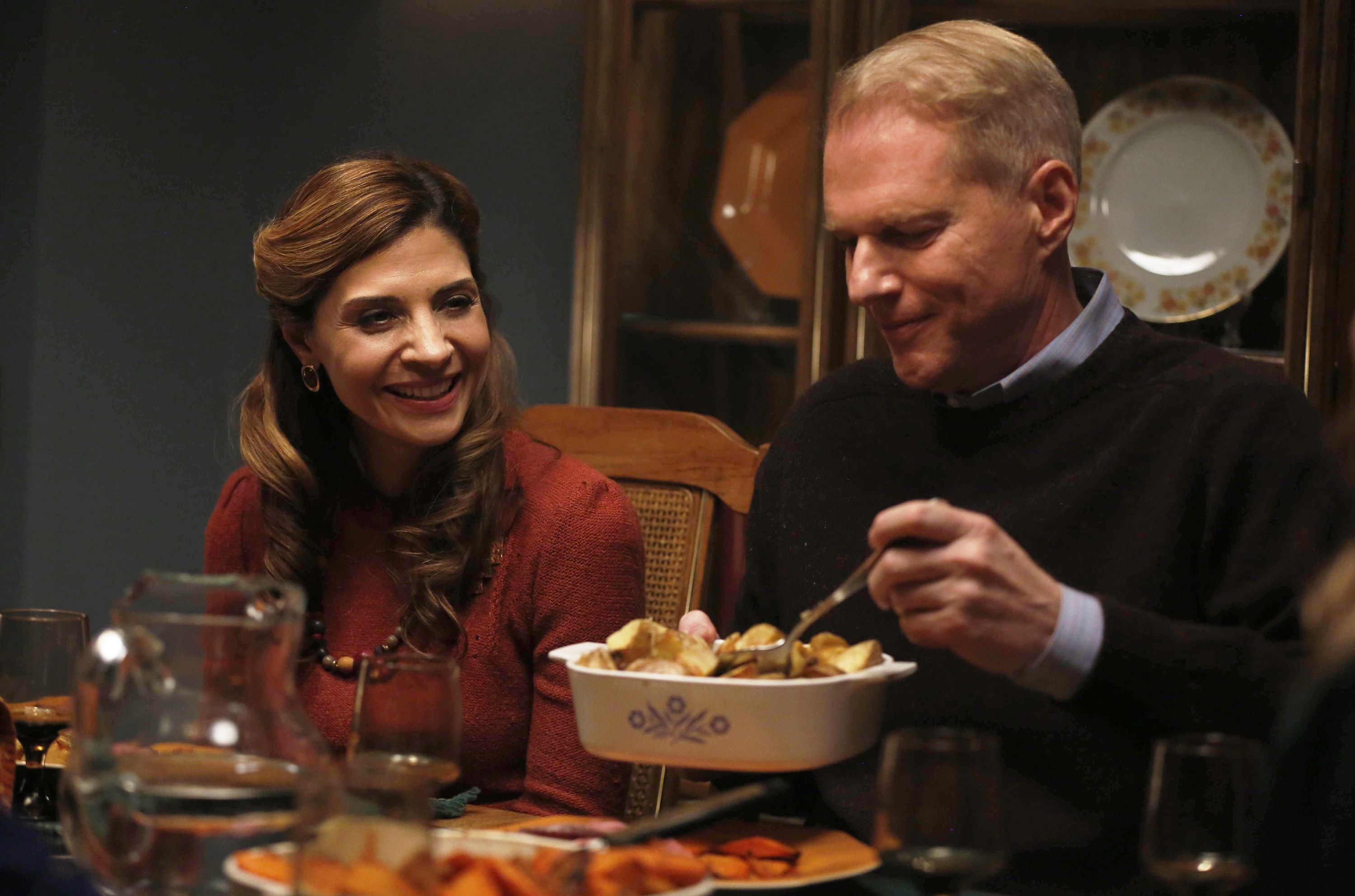
The second half of “Born Again” features a number of tautly composed images that jostle against each other as if conflicting emotions.