Arrow Video offers a precise and loving restoration of a daring and legendarily unlovable milestone in horror cinema.


Chuck Bowen's writing has appeared in The Guardian, The Atlantic, The AV Club, Style Weekly, and other publications.
Arrow Video offers a precise and loving restoration of a daring and legendarily unlovable milestone in horror cinema.

The sobriety of its vision serves as a conscious respite from the hyperbolic hate machine of modern American culture.

For all of Hafsteinn Gunnar Sigurðsson’s theoretical interest in empathy, he’s awfully hard on his female characters.

Josephine Decker is a dazzling artist, most notably for her commitment to everything that drives her characters.

Tim Wardle tells an extraordinary and troubling story without diving below the surface excitement of its twists.

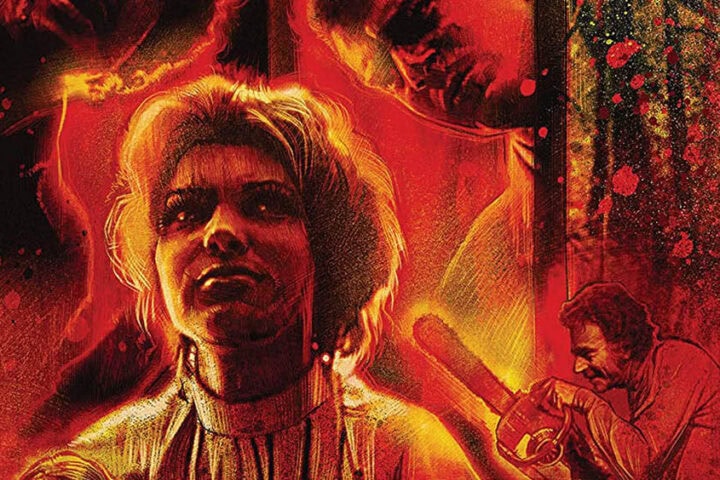
Arrow Video offers a miraculously gorgeous restoration of Ferrara’s grubby and neurotic work of lo-fi horror expressionism.

Susanna White and screenwriter Steven Knight’s white patriarchal guilt is the film’s driving energy and motivation.

Custody captures the innate perversion of violence, dramatizing an annihilation of social stability.
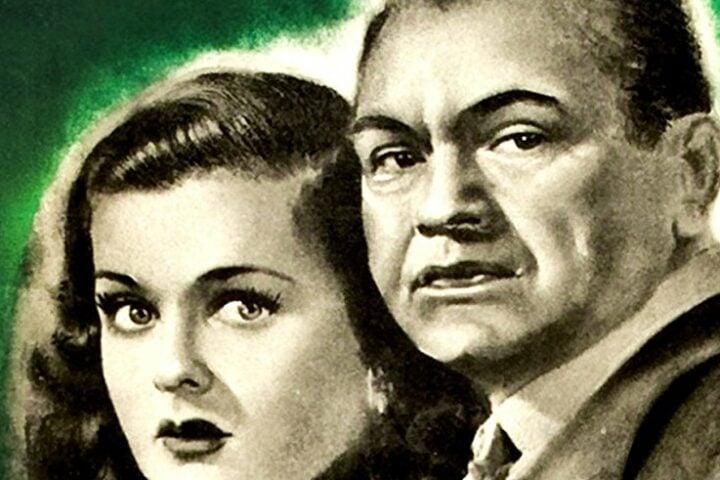
Kino offers a lush restoration of Lang’s film, an early and intricate deconstruction of the biases driving noir.

The film renders a vivid world of drunks and schemers who live marginally on the outskirts of Los Angeles.

As it proceeds, the appeal of its nostalgia wears thin and you may notice that there isn’t much beyond the window dressing.

Its scattershot structure gets at the truth of pop culture as an ineffable chimera that defines much of the world.

The interminable first act of Christina Choe’s film does eventually threaten to lead us into resonant territory.

It relegates Nicolas Cage to a supporting player and crowds him with considerably less charismatic performers.
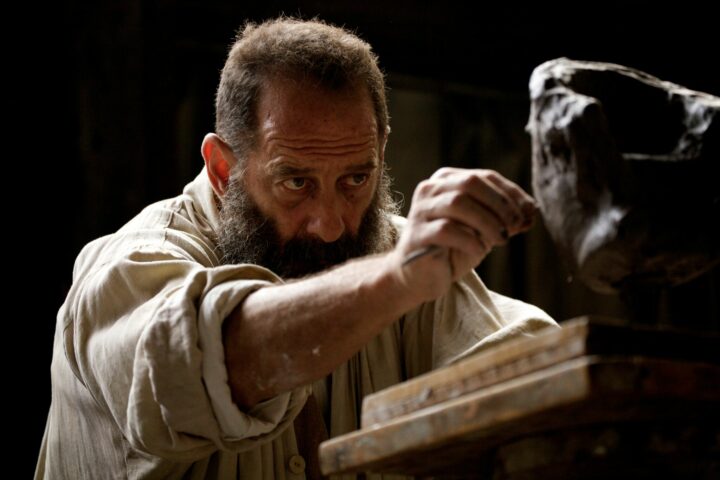
Director Jacques Doillon’s shrewd ellipses emphasize time as a great and uniting humbler and thief.
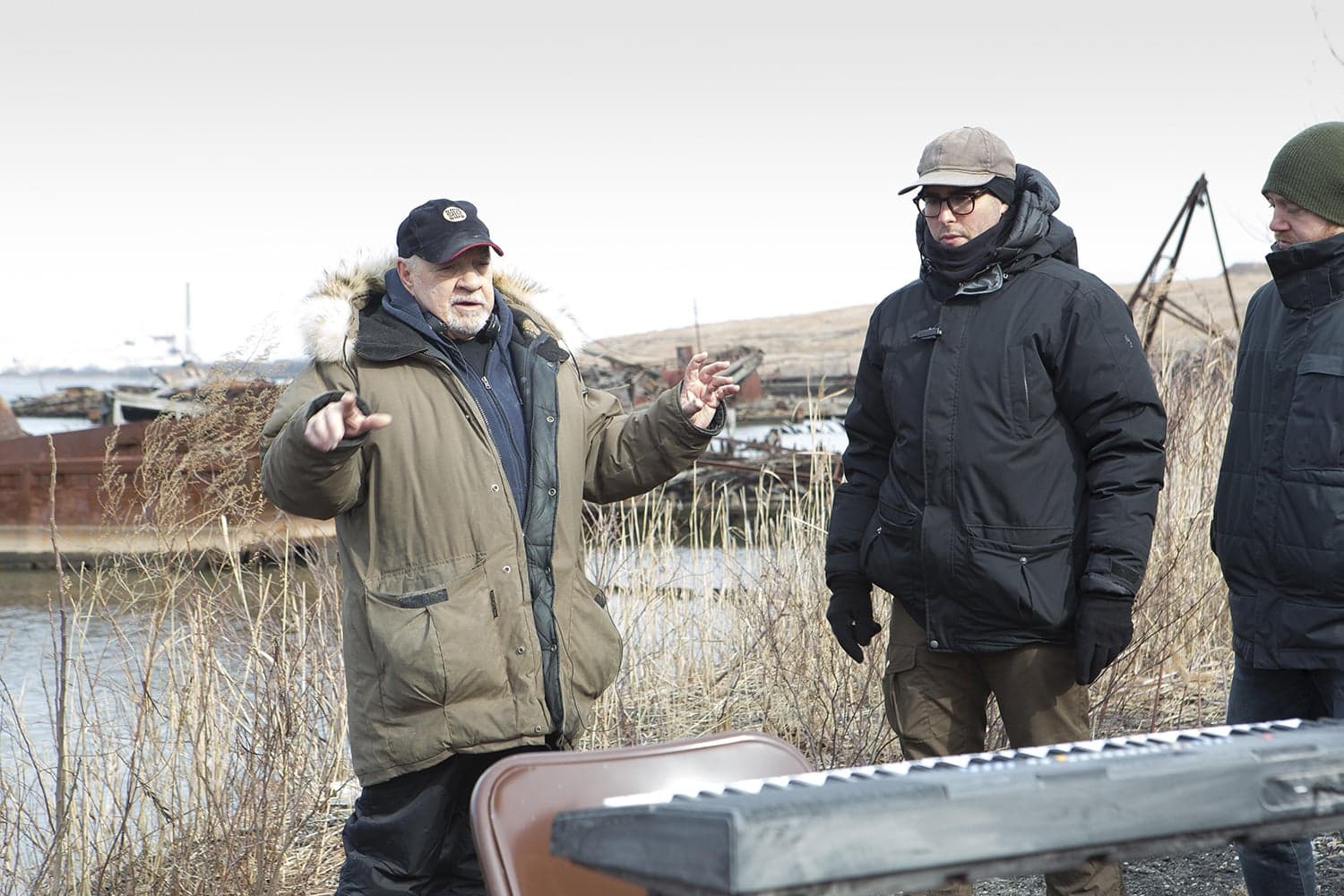
Schrader discusses when an artist should show his internal critic the door.
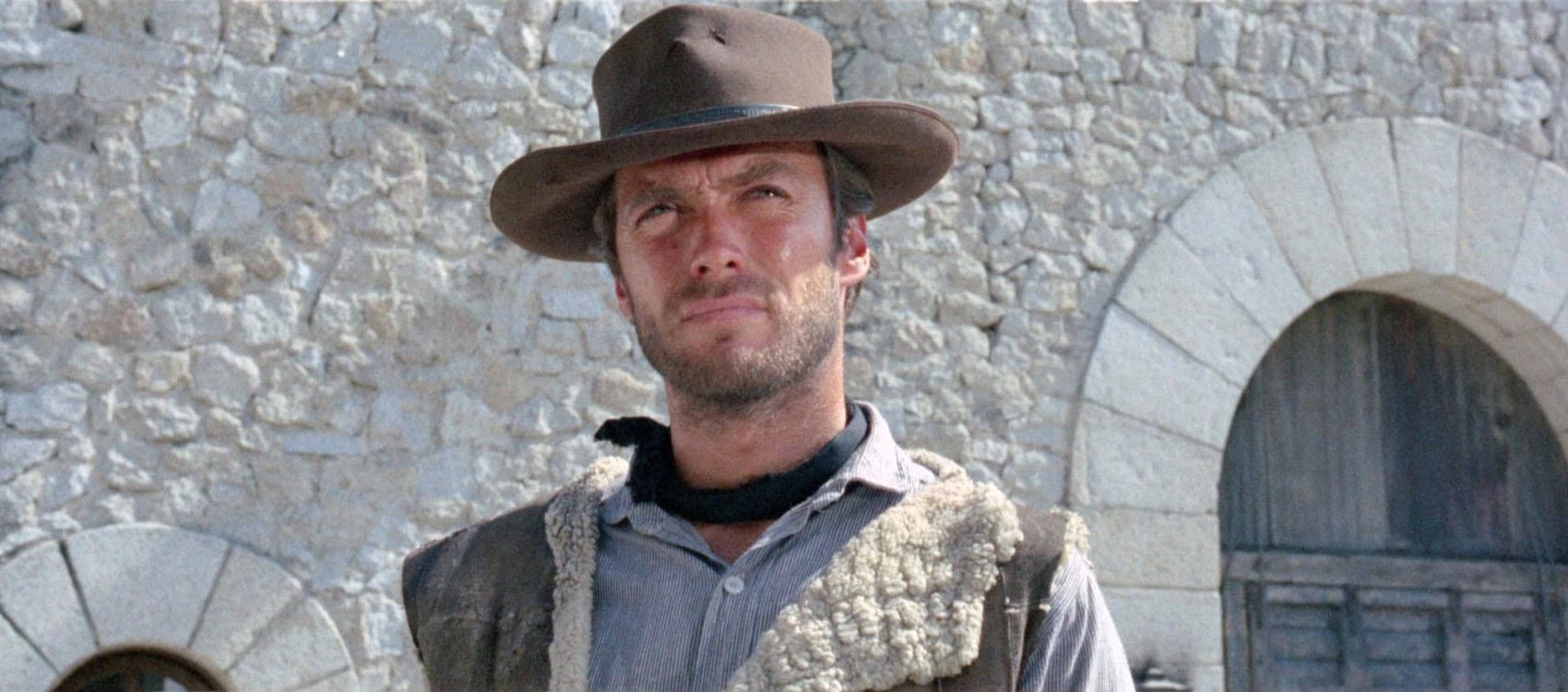
A Fistful of Dollars uses American myths as fodder for a visionary director’s formalist carnival.

As Hollywood films grow blunter and duller, Borzage’s delicate humanism feels more alive and urgent than ever.

Ramin Bahrani’s Fahrenheit 451 represents every culturally bastardizing tendency it pretends to decry.

The imaginative daring of Dominic Cooke’s On Chesil Beach springs from its willingness to render repression sexy.