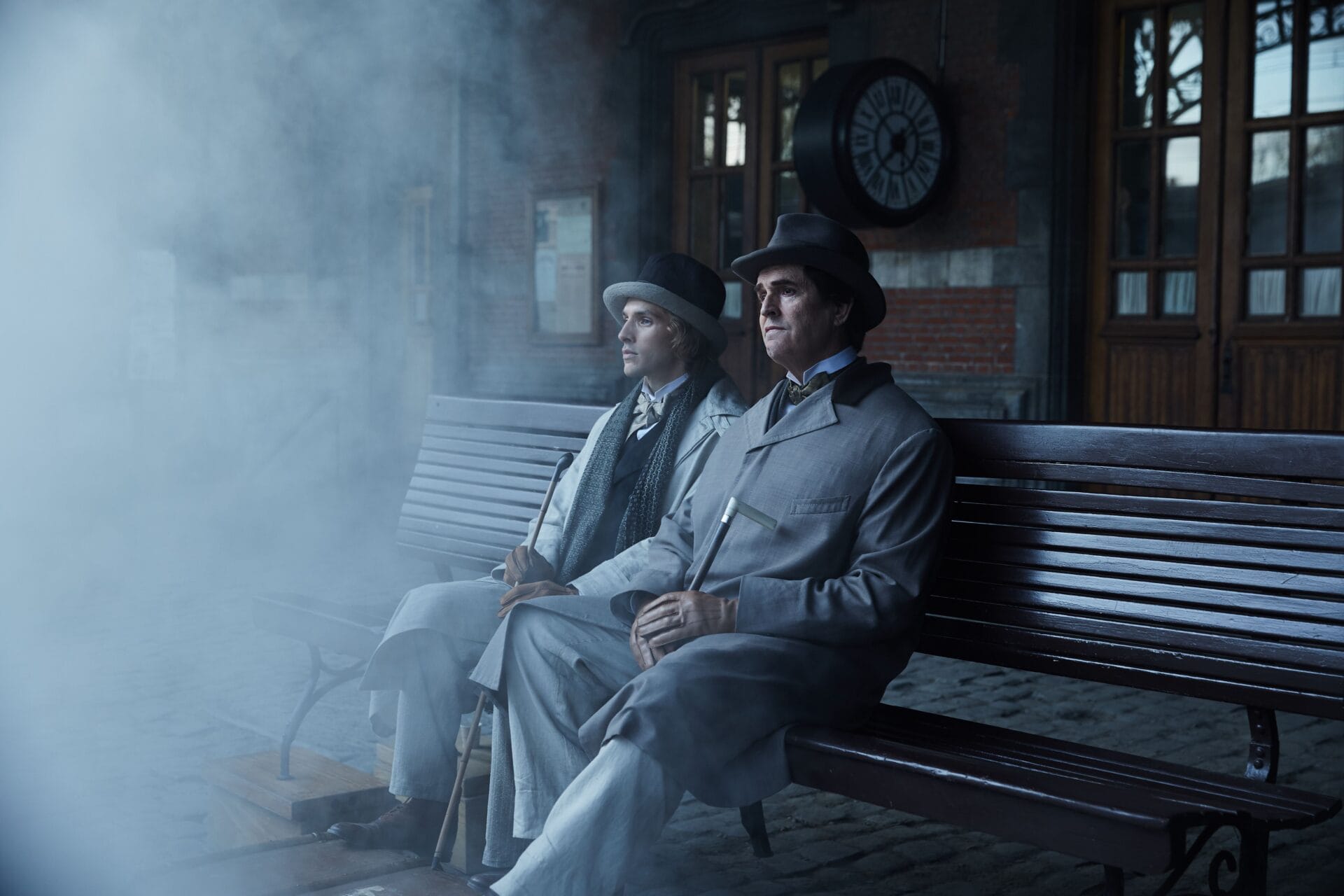
Rupert Everett is interested in offering a phantasmagoria that expresses Oscar Wilde’s bitter, deteriorating psyche.


Chuck Bowen's writing has appeared in The Guardian, The Atlantic, The AV Club, Style Weekly, and other publications.
Rupert Everett is interested in offering a phantasmagoria that expresses Oscar Wilde’s bitter, deteriorating psyche.

The documentary nurtures our sympathy for Steve Rubell and Ian Schrager without shortchanging their hypocrisies.

Shout! Factory outfits David Lynch’s worst film with a competent yet weirdly retro Blu-ray that squanders the possibilities of the medium.

The film’s ludicrous seriousness comes to feel like a mask for what’s essentially a genre story of murder and mayhem.

Like many films tackling socially inflammatory material, Monsters and Men is constrained by its politics.
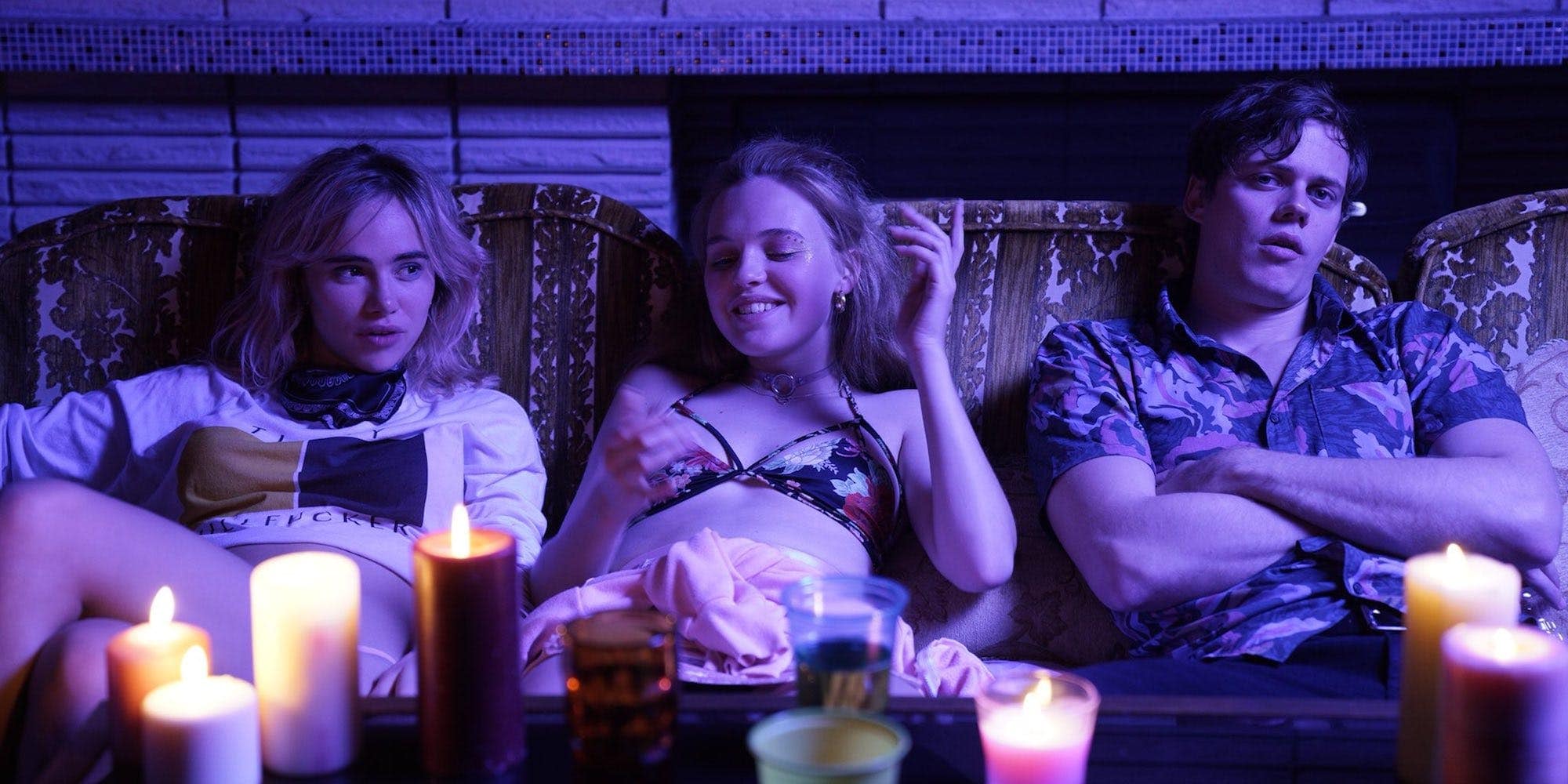
The film carelessly affirms the idea that all women should be able to fight back at will, and if they don’t, it’s on them.

Fonda’s beautiful, unjustly overlooked western has been outfitted with a gorgeous transfer and an eclectic collection of supplements.

It’s a poignant portrait of an artist trying to transcend the limitations of his art by refusing to see the process through.

Both versions of Bergman’s epic marital battle royale have been outfitted with grittily beautiful and highly detailed new transfers.

It often suggests the film that American Beauty might have been if the latter had been pruned of its smug hysteria.

Director Panos Cosmatos’s Mandy is a profoundly violent and weirdly moving poem of male alienation.

As always with Frederick Wiseman, it’s the quotidian gestures that haunt one in Monrovia, Indiana.
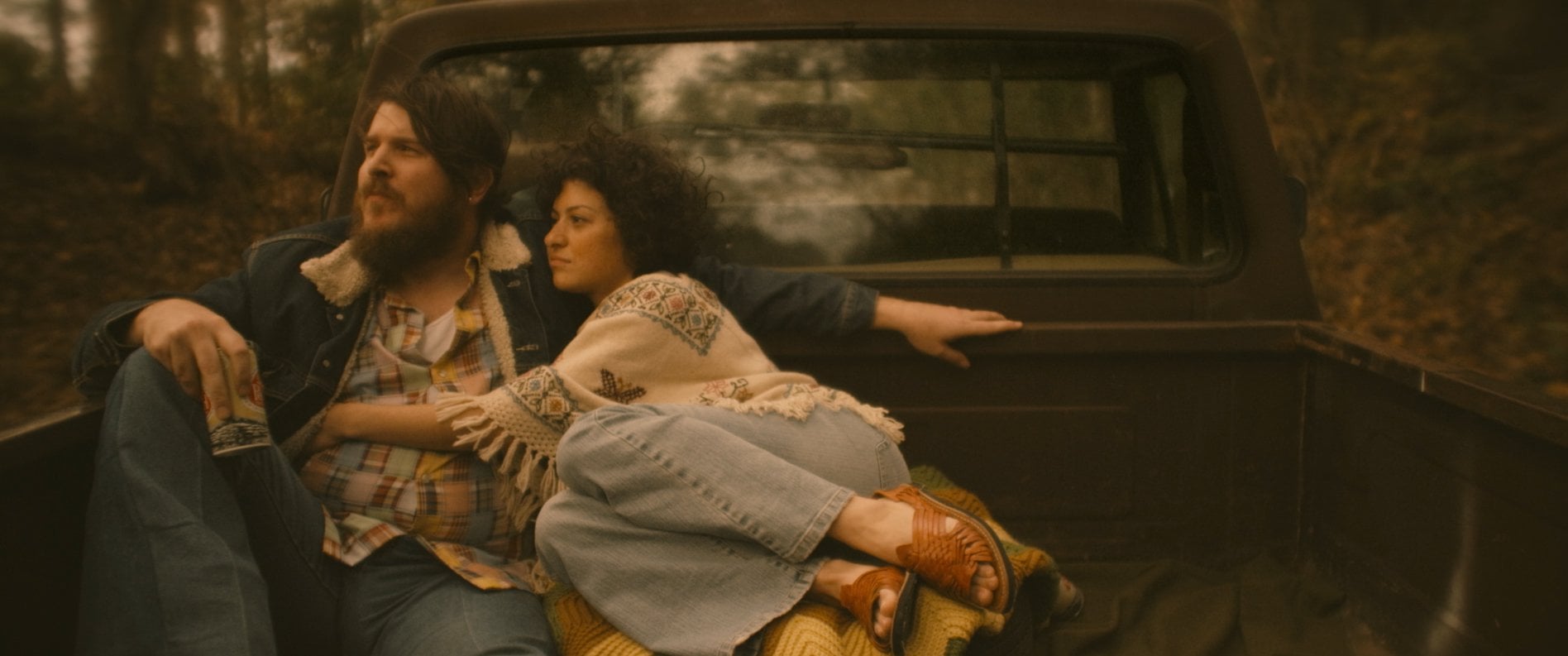
With this fractured story of singer-songwriter Blaze Foley, Ethan Hawke battles the clichés of the musical biopic.
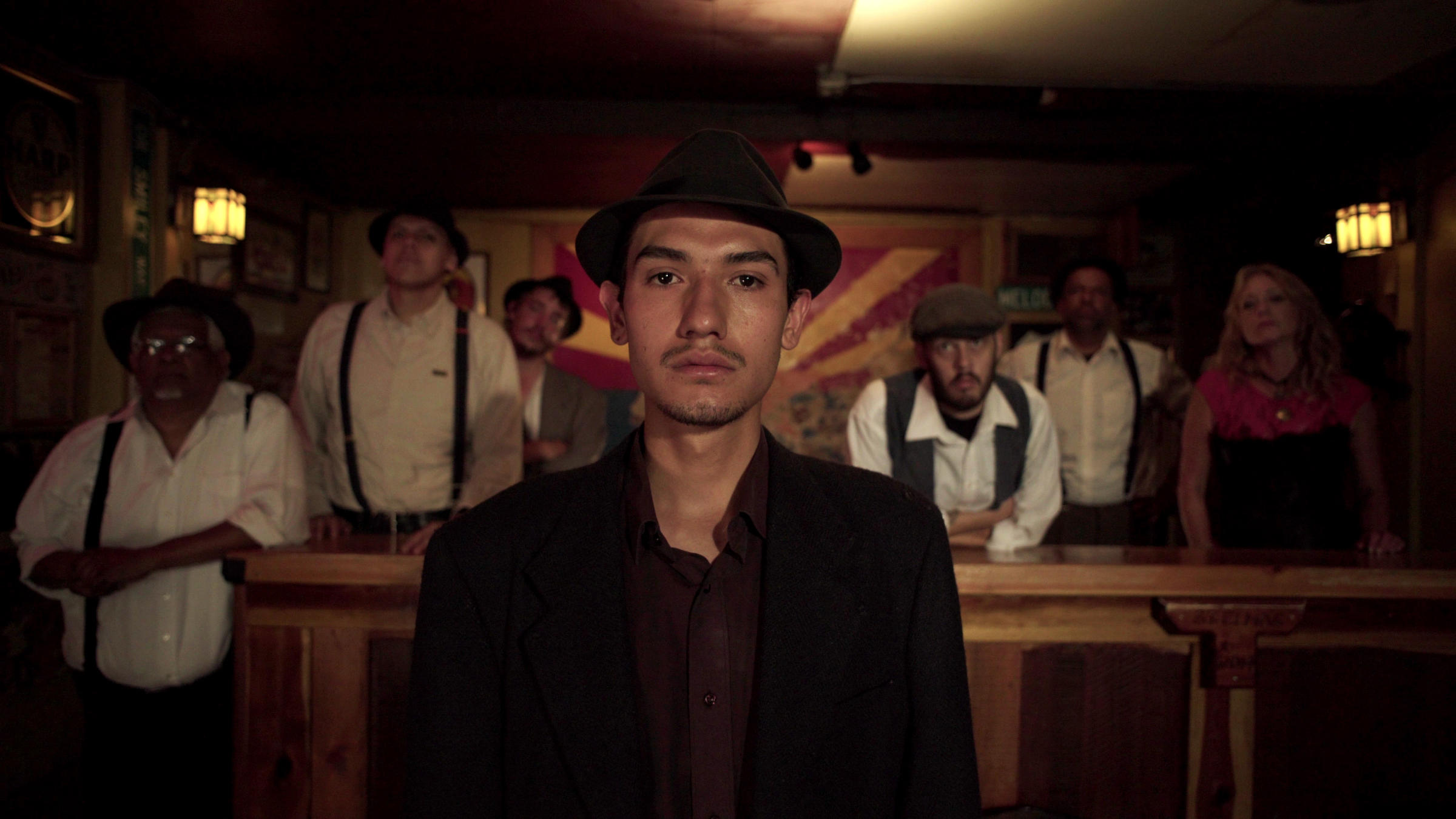
Robert Greene obliterates notions of objectivity to find the manna of a town’s emotional identity.
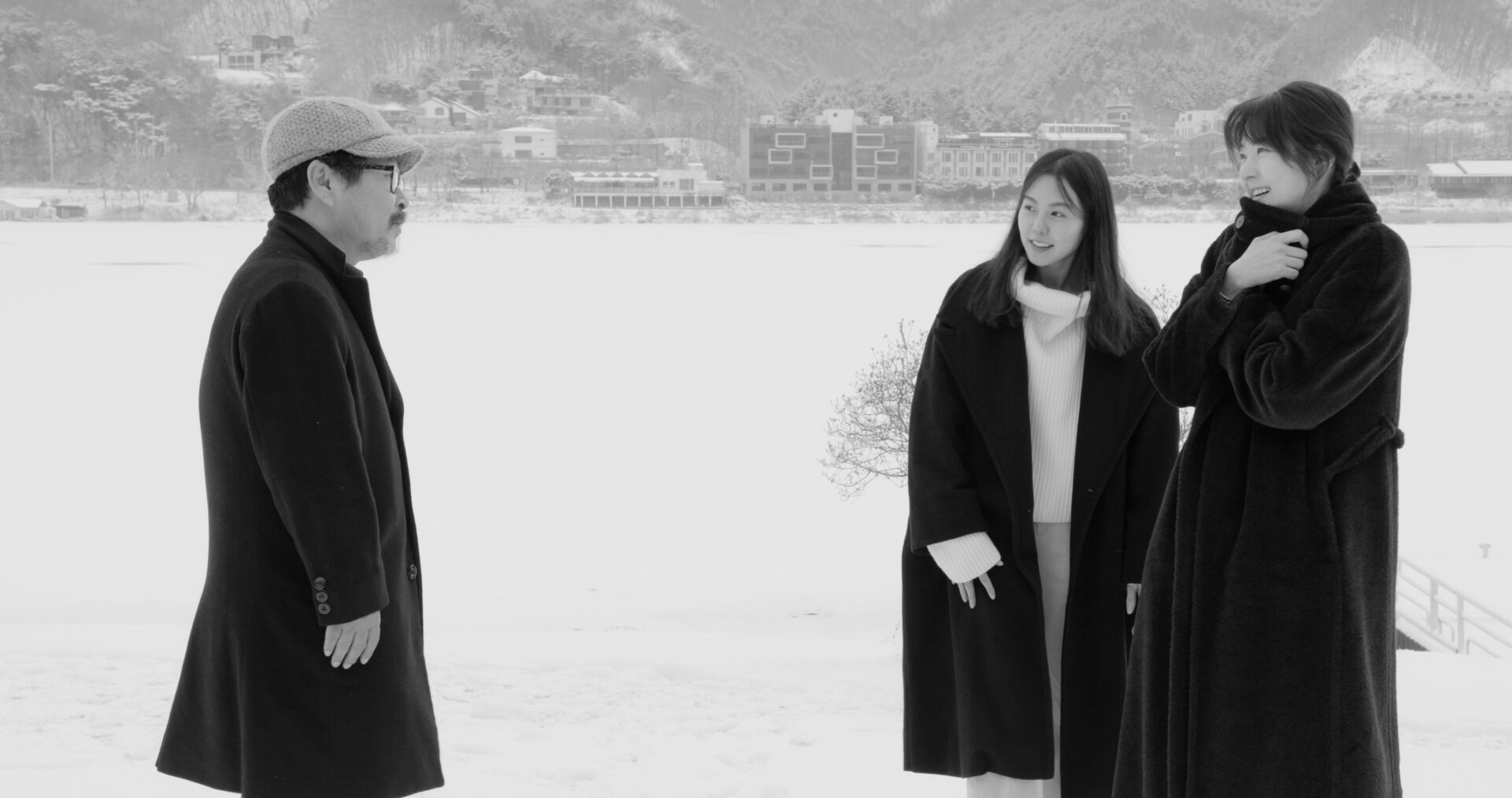
The film exudes a casualness that starkly contrasts with Hong Sang-soo’s enraged and almost abstract Grass.

This warm, literate, erotic sports film receives an appropriately vibrant refurbishing courtesy of the Criterion Collection.
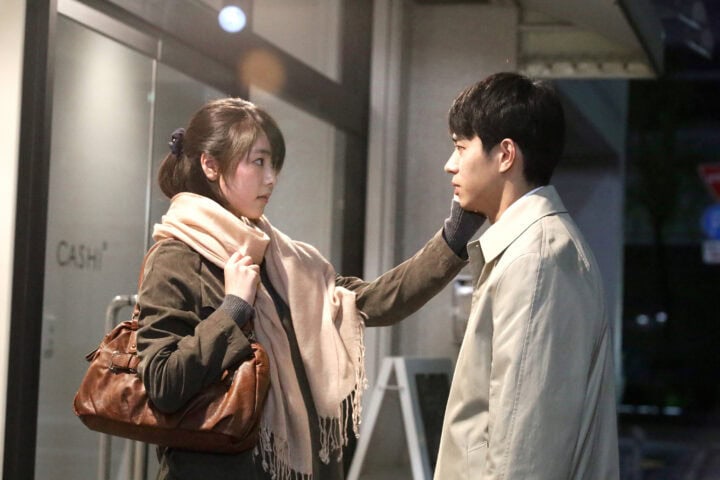
Like Ryûsuke Hamaguchi’s prior Happy Hour, the film is a parable of the grace that can spring from resignation.
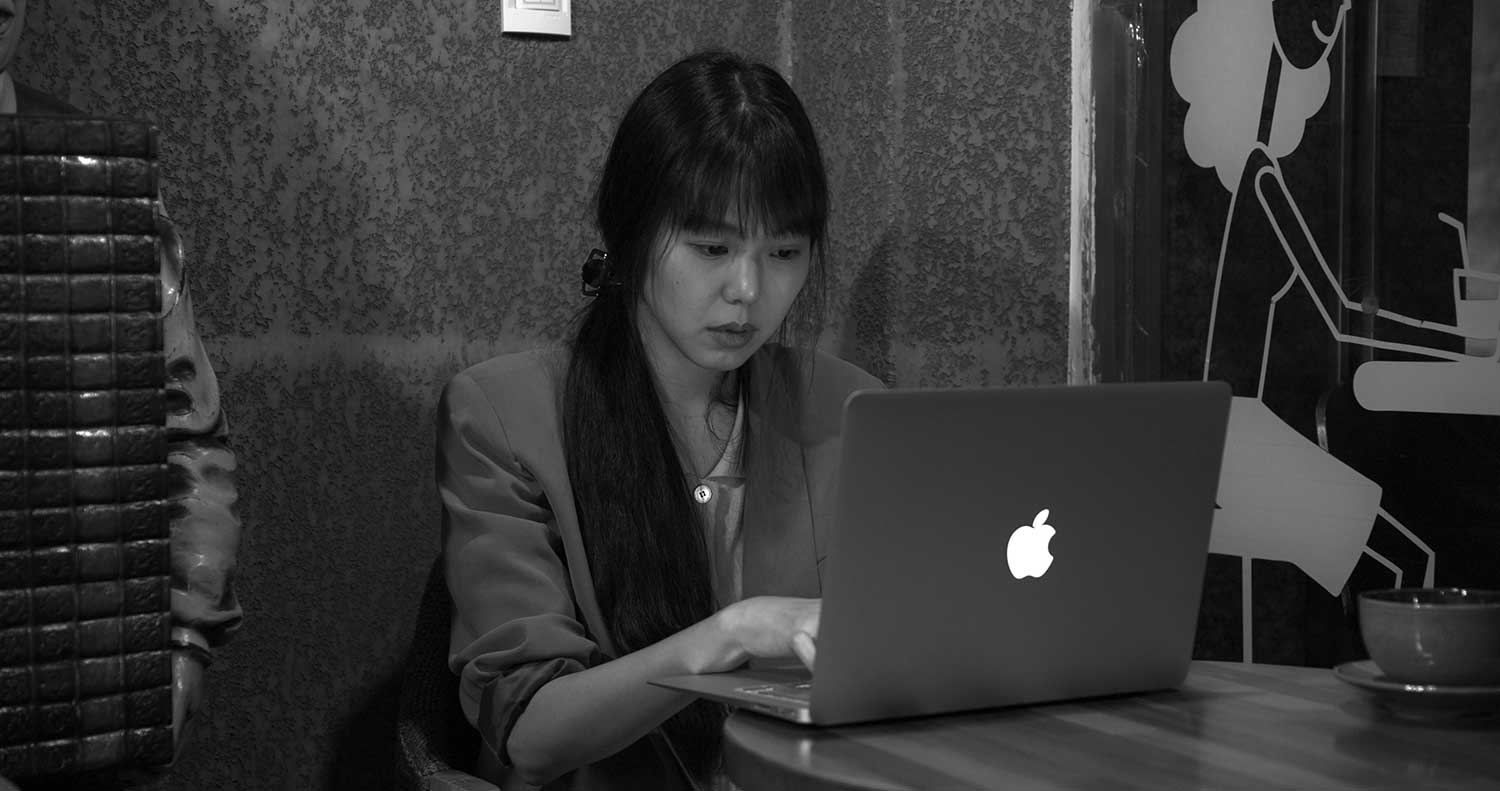
Grass has a thorniness that starkly resists the cutesy self-pity that can sometimes seep into Hong’s films.

In Shoplifters, Hirokazu Kore-eda dramatizes the insidious and relativistic ordinariness of poverty.
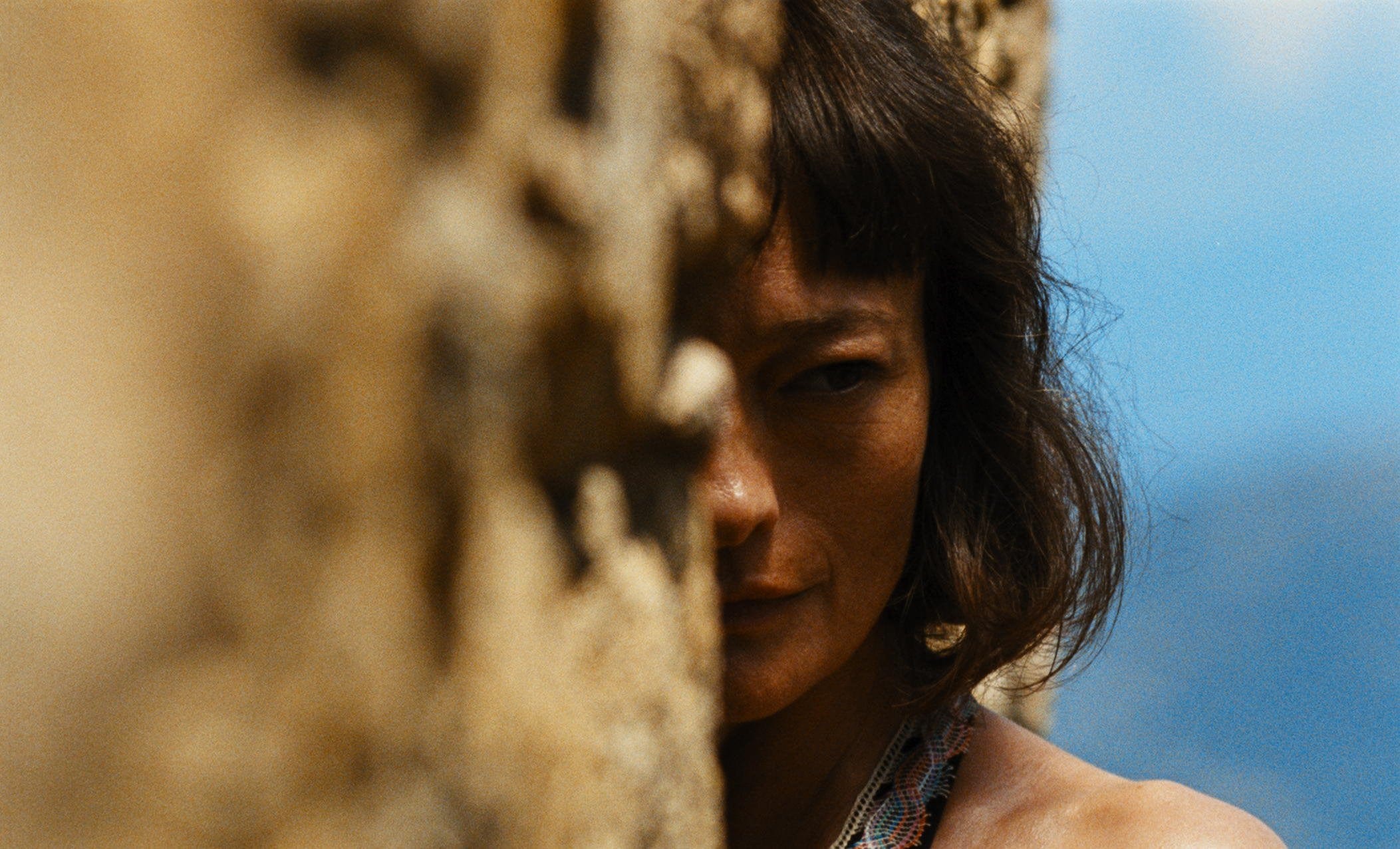
Hélène Cattet and Bruno Forzani lose grasp of the snap and tension that drive even a mediocre heist narrative.