Voyage of Time is arguably the fullest expression of the cosmic themes that filmmaker Terrence Malick has explored for the last decade.
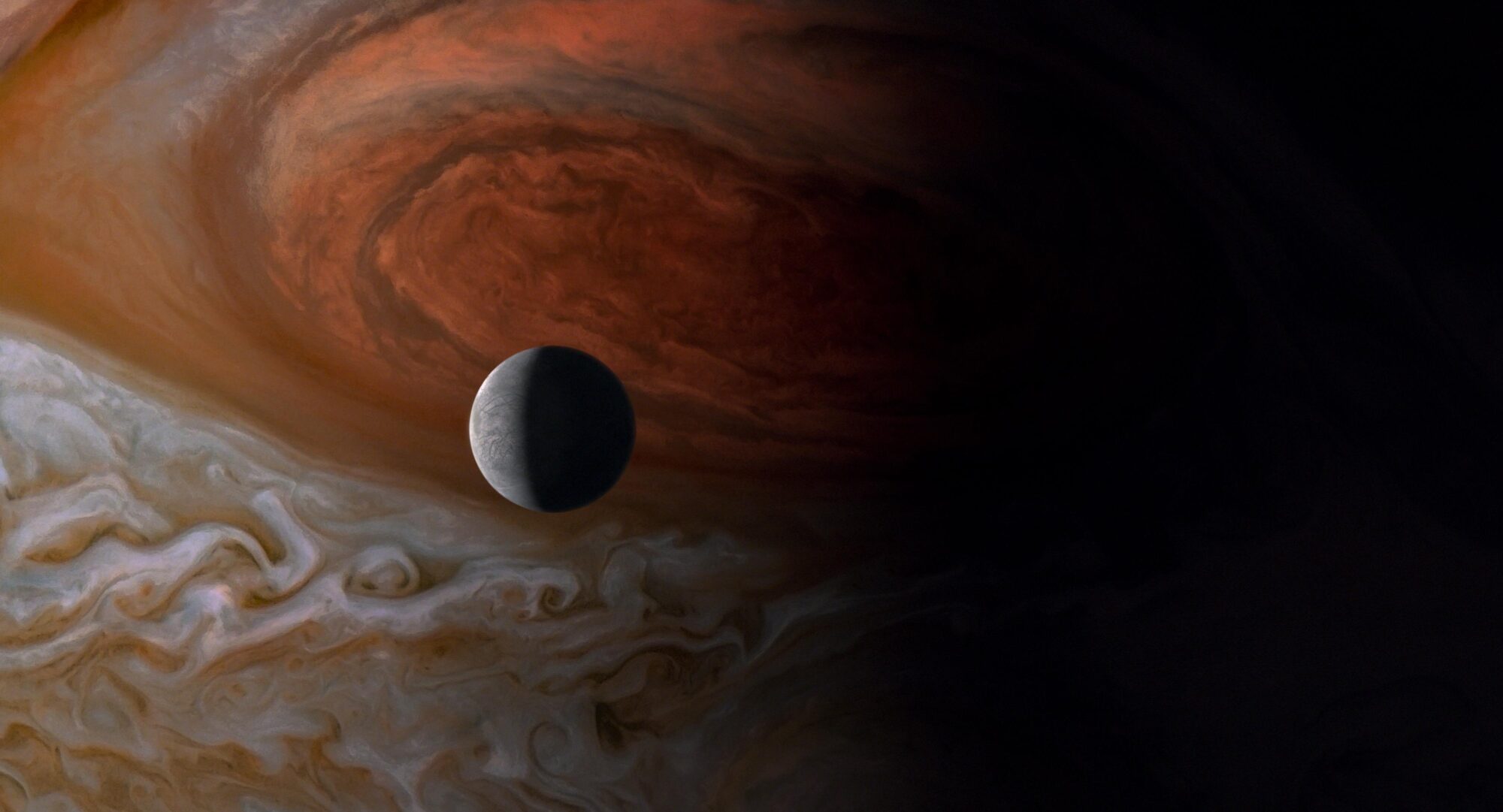

Voyage of Time is arguably the fullest expression of the cosmic themes that filmmaker Terrence Malick has explored for the last decade.
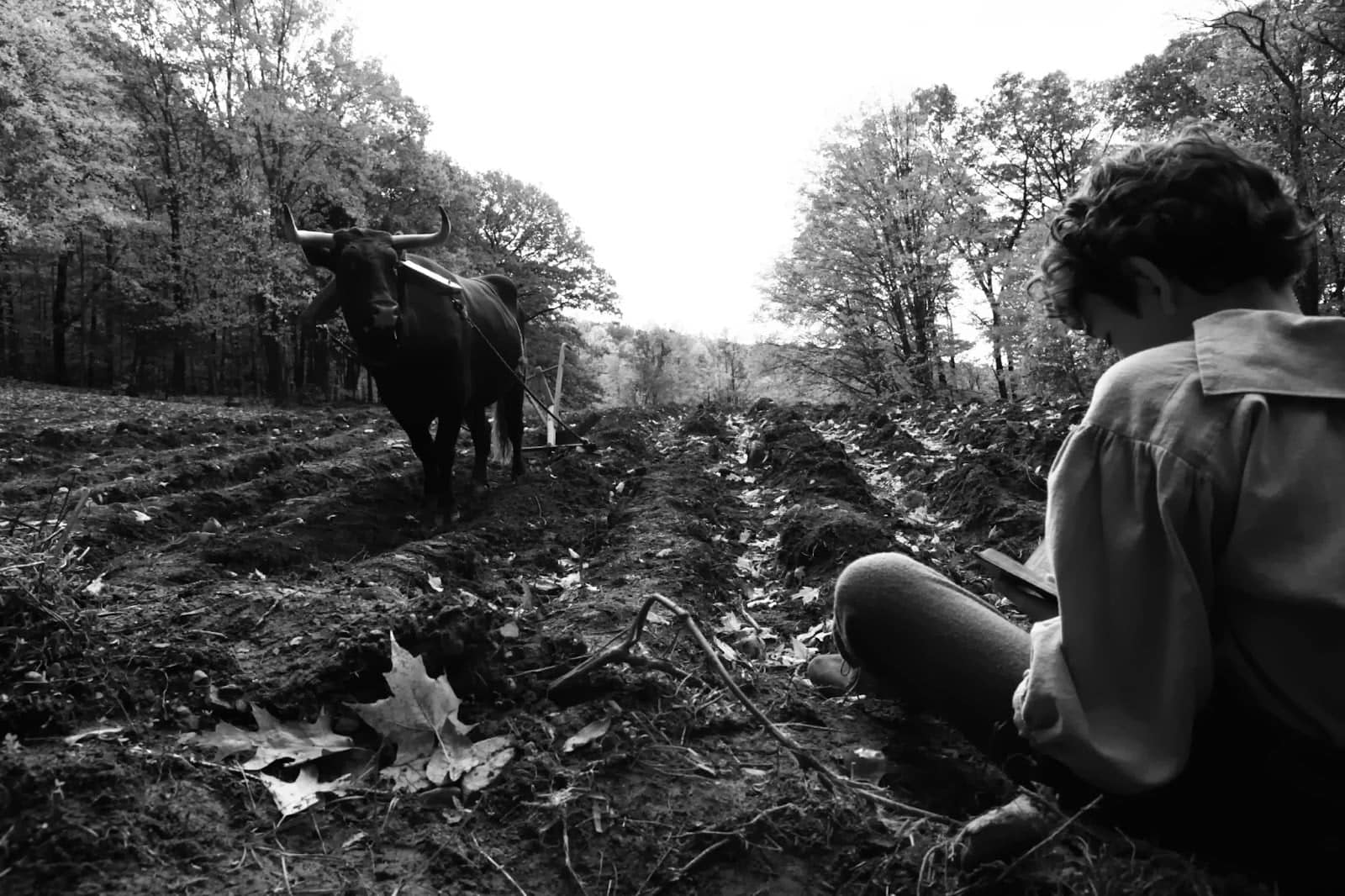
It’s not just the prosaic approach the mythically outsized hallmarks of Americana that makes A.J. Edwards’s first directorial effort feel like a Malick movie.
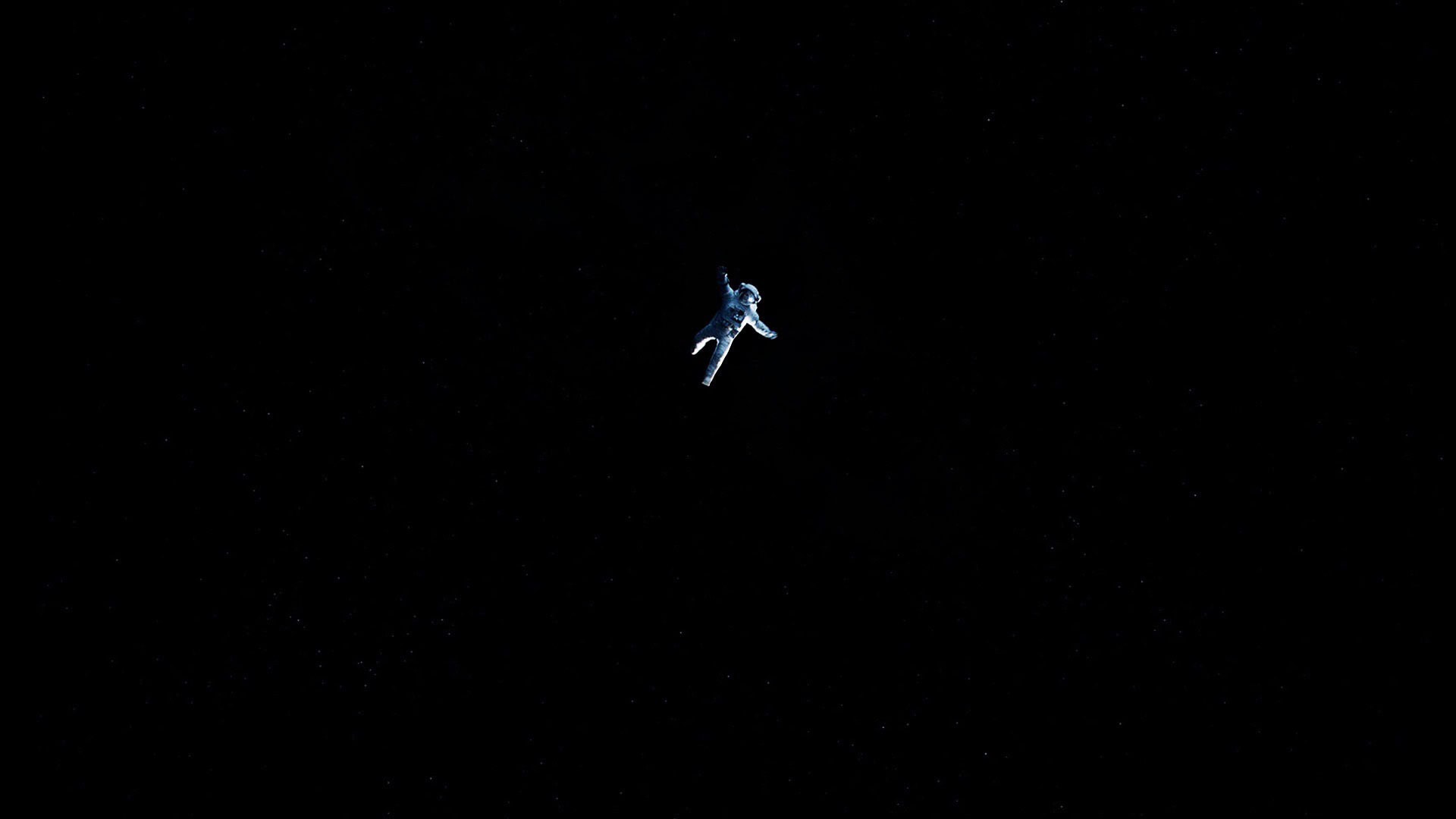
No Oscar category has become as big a flash point among cinephiles as the cinematography prize.

One major reason that Malick’s films are so divisive is that they’re so nakedly emotional, that he’s so blatantly aiming for the sublime.
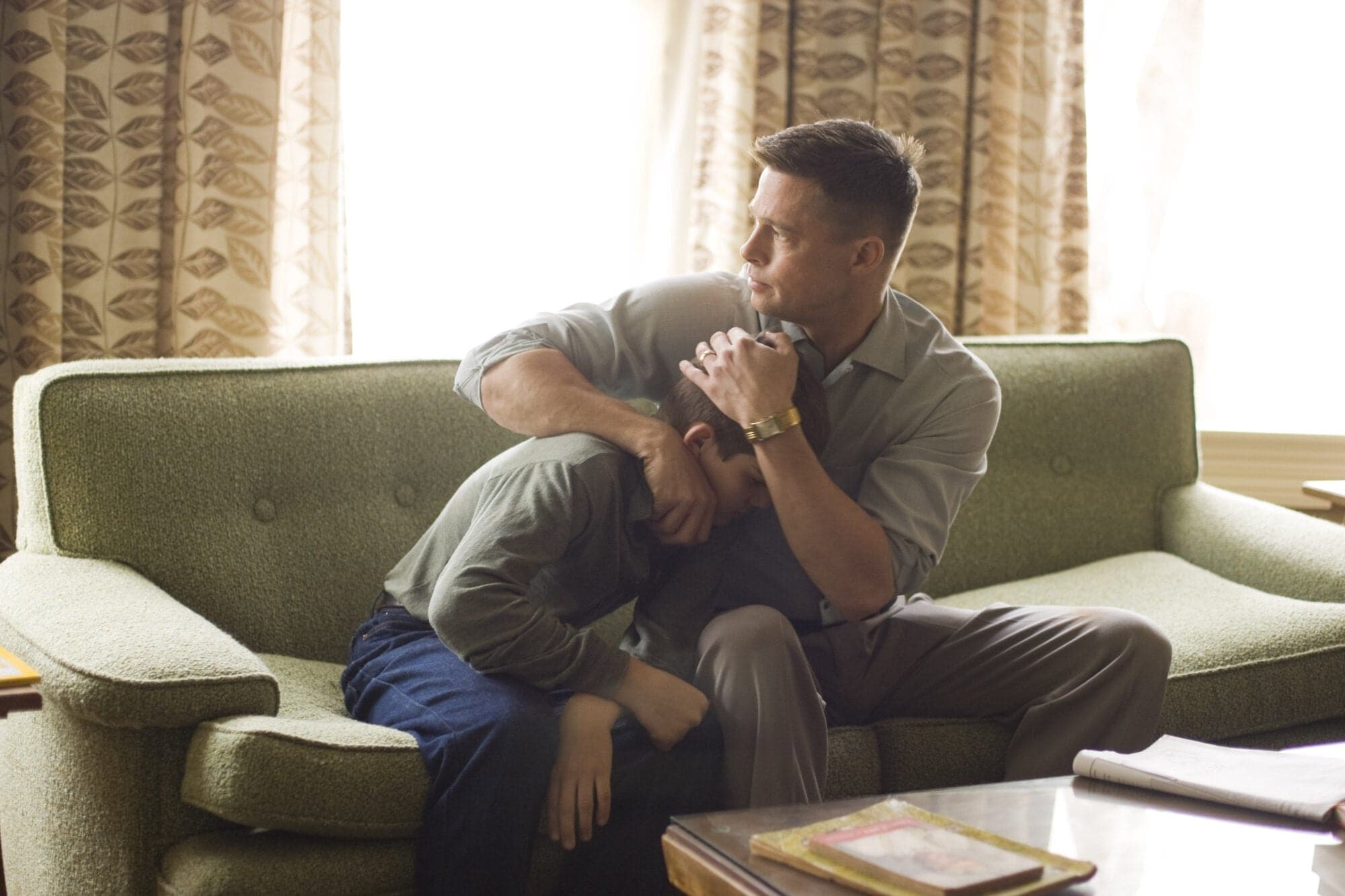
It’s fitting that The Tree of Life finds Terrence Malick finally returning to the beginning, travelling back, back, back to the dawn of everything.

Formally, Kelly Reichardt’s fourth feature is some kind of masterpiece.

Time Out New York has just published its picks and blurbs for the top 50 films of the decade.
What’s troubling about this picture of education (as remembering) is that it sounds like nothing new was built, that to learn is not to create.
This site’s own creation myth is by now well-known, but once more, with feeling.

Here are five double bills I would program if I had my own repertory house.

Though a good many of us might like to think otherwise, a critic is not a prognosticator.

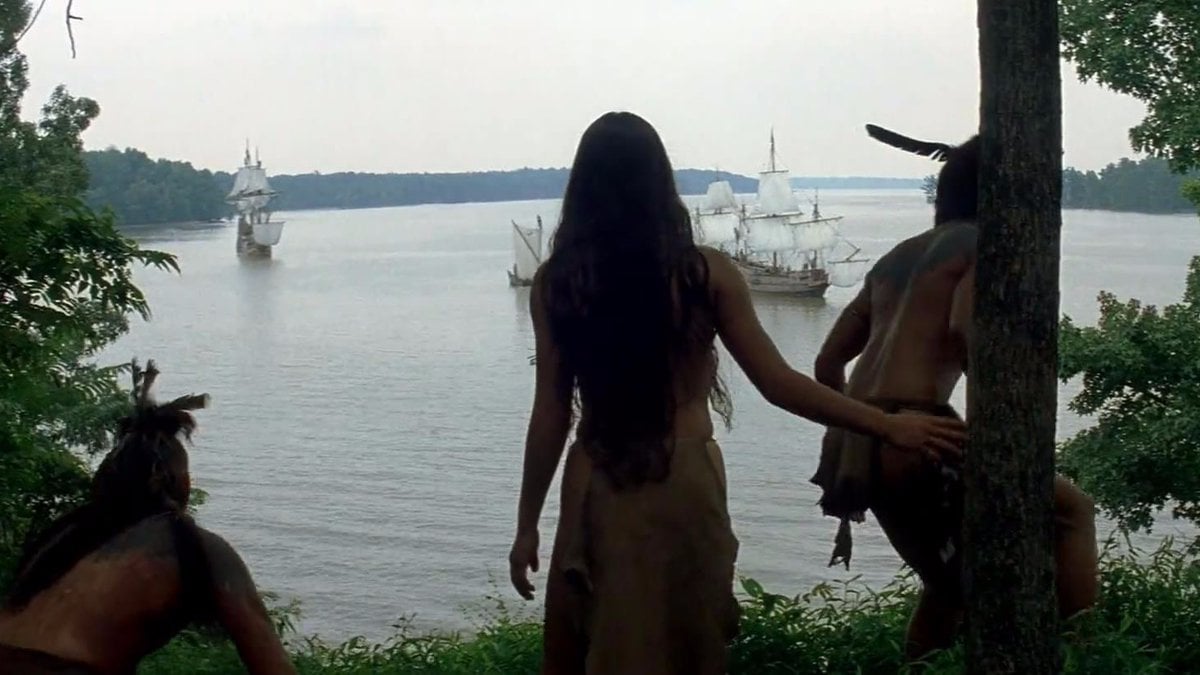
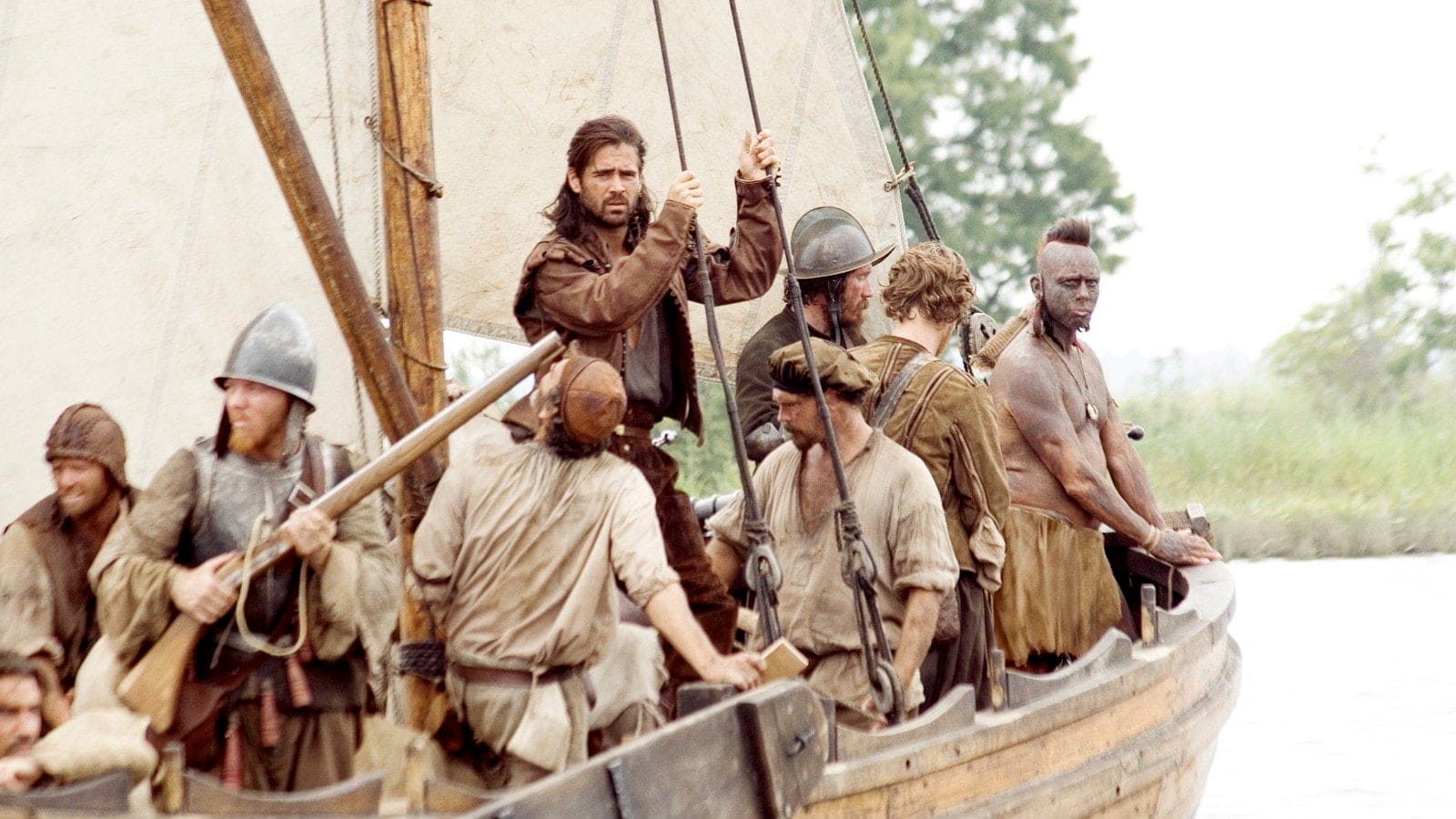
What follows is a numbered, point-by-point subjective breakdown of The New World’s two versions.

Here are five haiku about movies, movie characters, and celebrities.
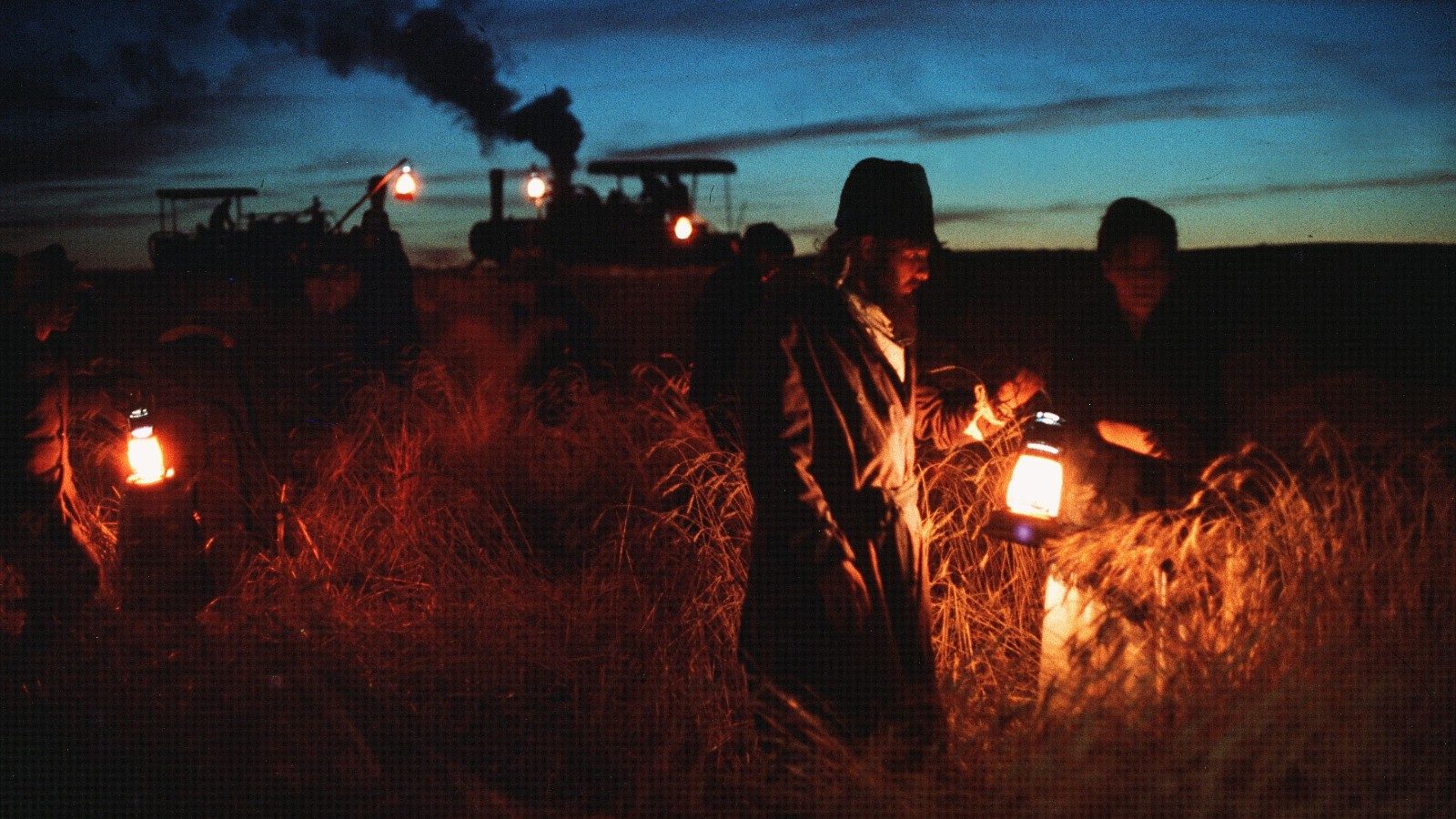
The key to understanding Terrence Malick’s intent can be found in a camera move that begins the denouement of Days of Heaven.

Cheshire was open to discussing how the changing times broadened his interests in film and filmmaking.

A wise man once said that art is a negotiation between the found and the made.
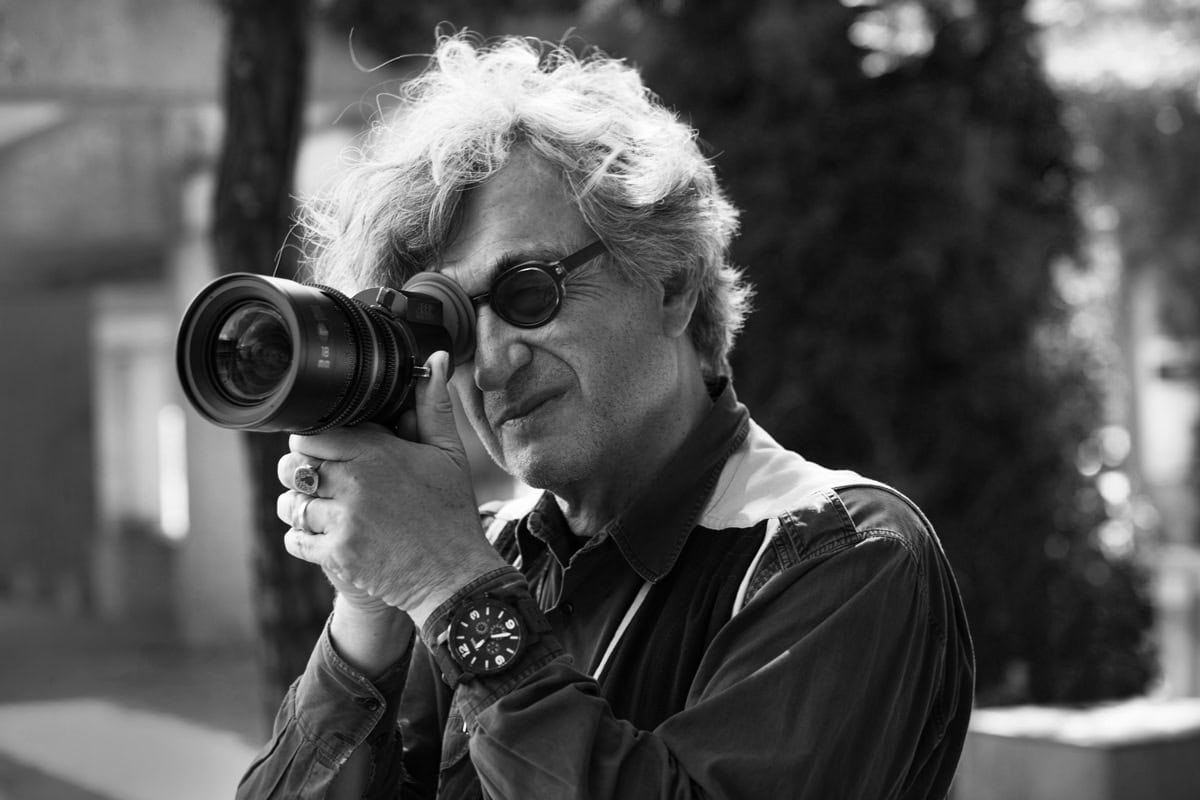
Wim Wenders, it seems, really, really, really loved The New World.

Consensus is not fixed. Shout loud enough and long enough, and you can change it.

The Oscar telecast was generally well paced and well judged.
Amazing stuff, particularly the details about the red wolf and the ivory billed woodpecker.