It isn’t very fashionable to be a moralist in art these days.



It isn’t very fashionable to be a moralist in art these days.
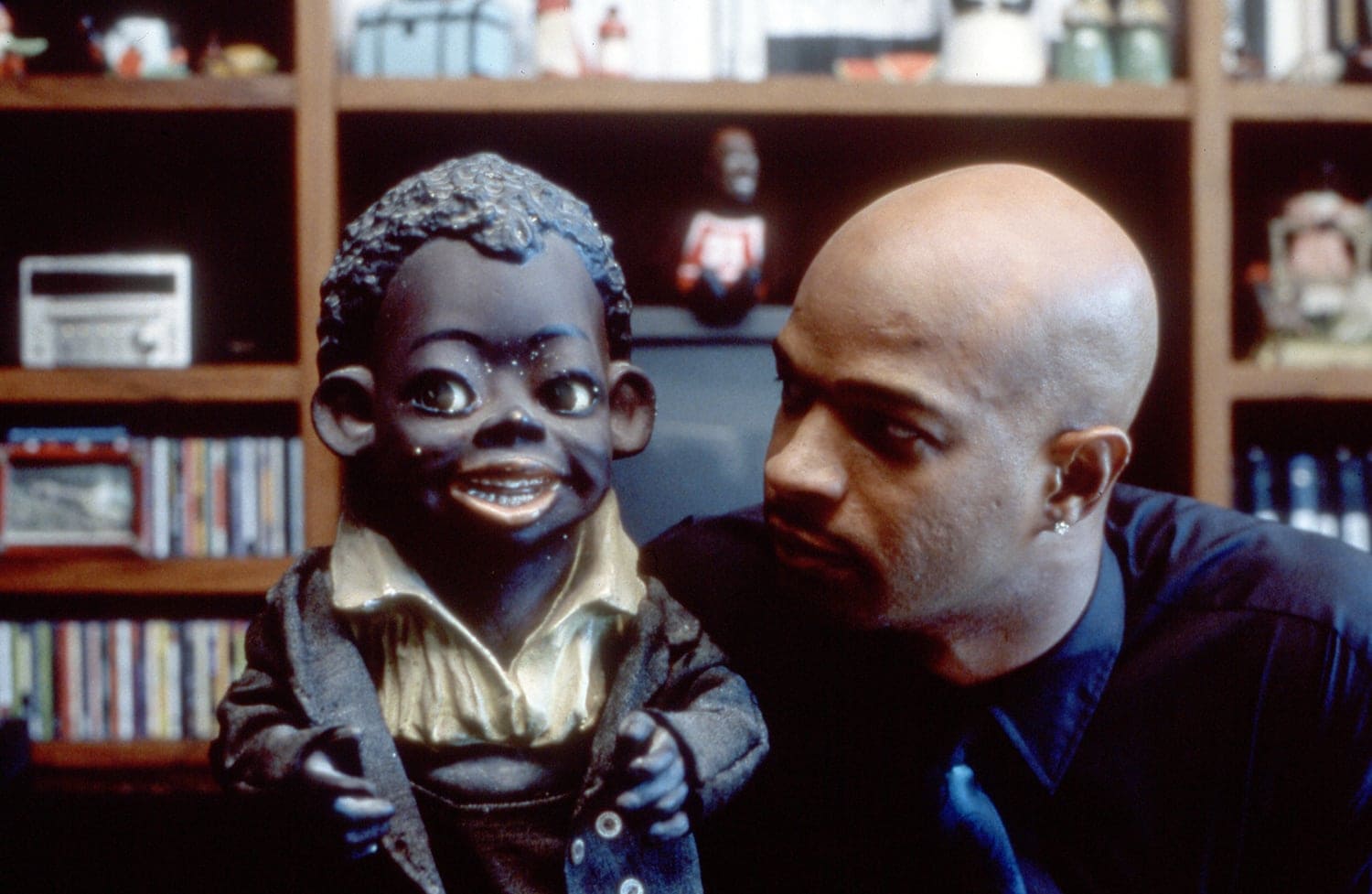
Spike Lee’s film is pitched as a wake-up call.
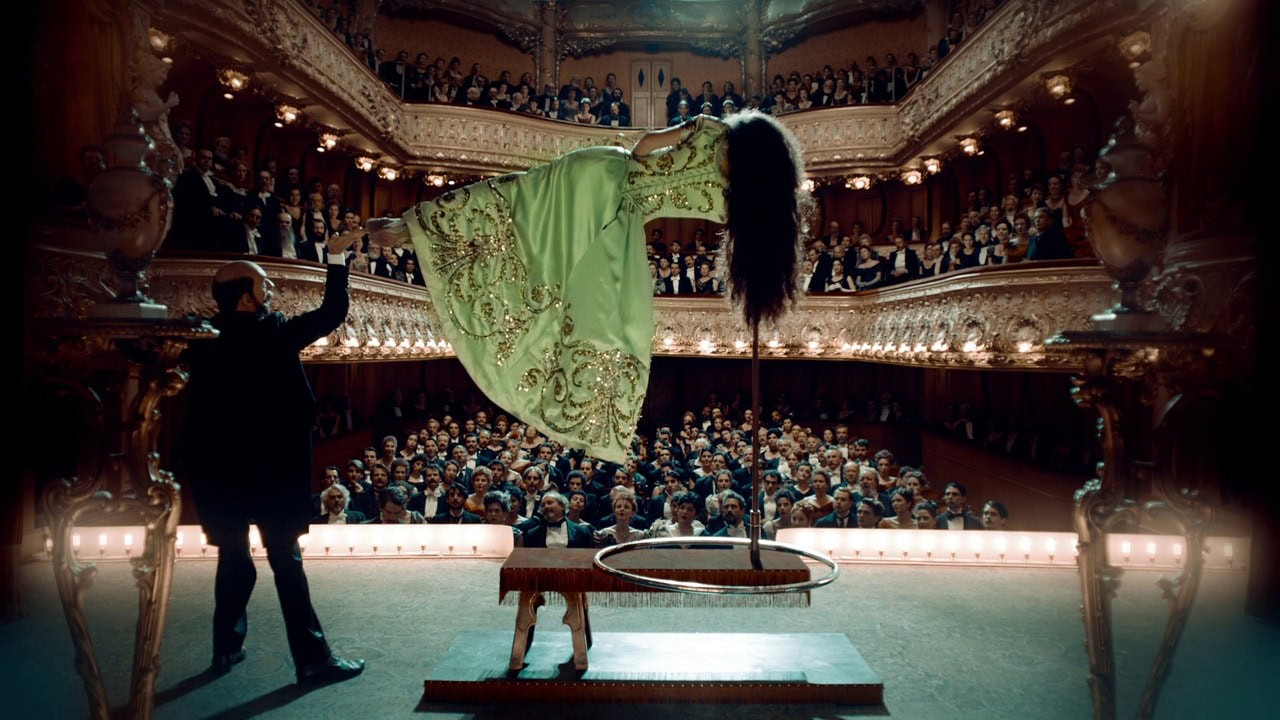
If there’s anything that can excite an impassioned debate among film fans, it’s the topic of 3D.

Payne’s films don’t have the distinct visual styles of those by Quentin Tarantino or Wes Anderson, but they’re quickly recognizable just the same.

I suspect the biggest reason Barry Lyndon is overlooked is because of its slow, deliberate, drawn-out pace and, this is crucial, its lack of a signature moment.

Its sensational content aside, Jaws doesn’t have a whole lot in common with what we now think of as summer blockbusters.

Terrence Malick’s fifth film hadn’t crawled beyond Cannes, New York or Los Angeles before speculation intensified about the director’s future projects.

One major reason that Malick’s films are so divisive is that they’re so nakedly emotional, that he’s so blatantly aiming for the sublime.

It’s hard to pinpoint exactly why Days of Being Wild doesn’t quite move me like Wong’s other films.

Sex isn’t just a setting here the way that, say, ballet is just the setting of Black Swan.

Jeff Bridges does meet the challenge, but he does so by kind of skirting around it.
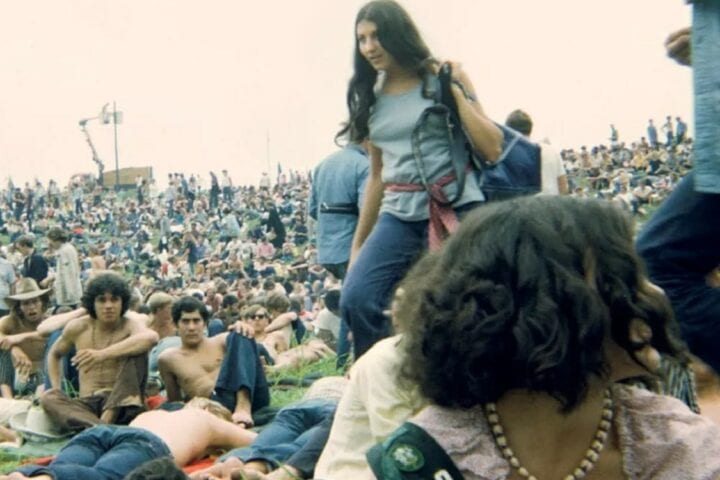
Maybe that phenomenon is what inspires filmmakers to make concert documentaries in the first place: the challenge of simulating the feeling of being there.

The documentary is an exploration (in 3D!) of the Chauvet Caves, an area that Herzog identifies as the place “where the modern human soul was awakened.”
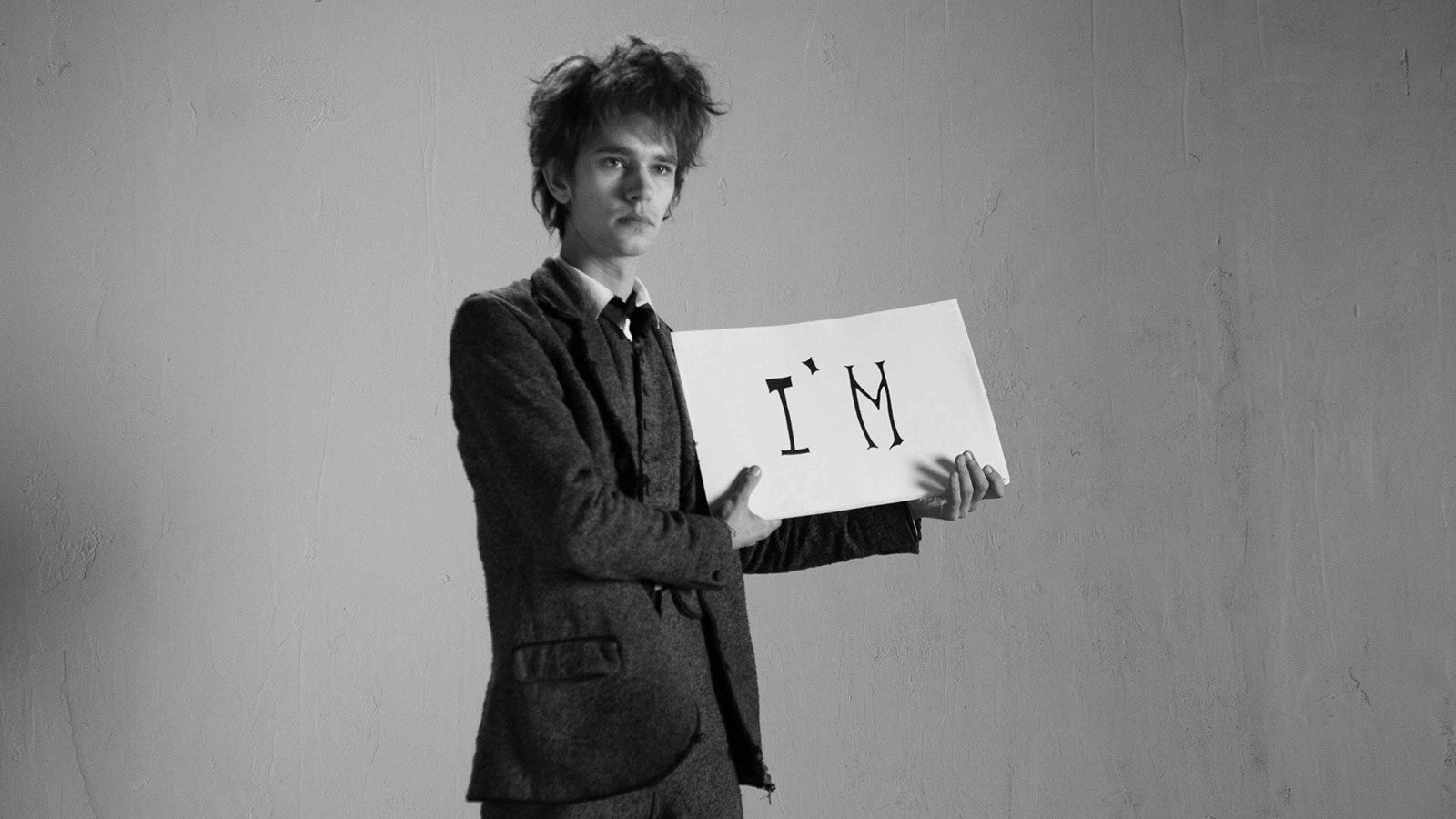
In all of his films, Todd Haynes takes elements of gaudy tabloid culture and warps them to his own purposes.

This is an attempt to capture the essence of the past decade in music, as I’ve experienced it.

Both All About Eve and Sunset Boulevard are the kind of movies that one hopes, 60 years later, would seem like dated time capsules from an earlier era.

Rope in particular is “minor” in large part because Hitchcock created so many majors.
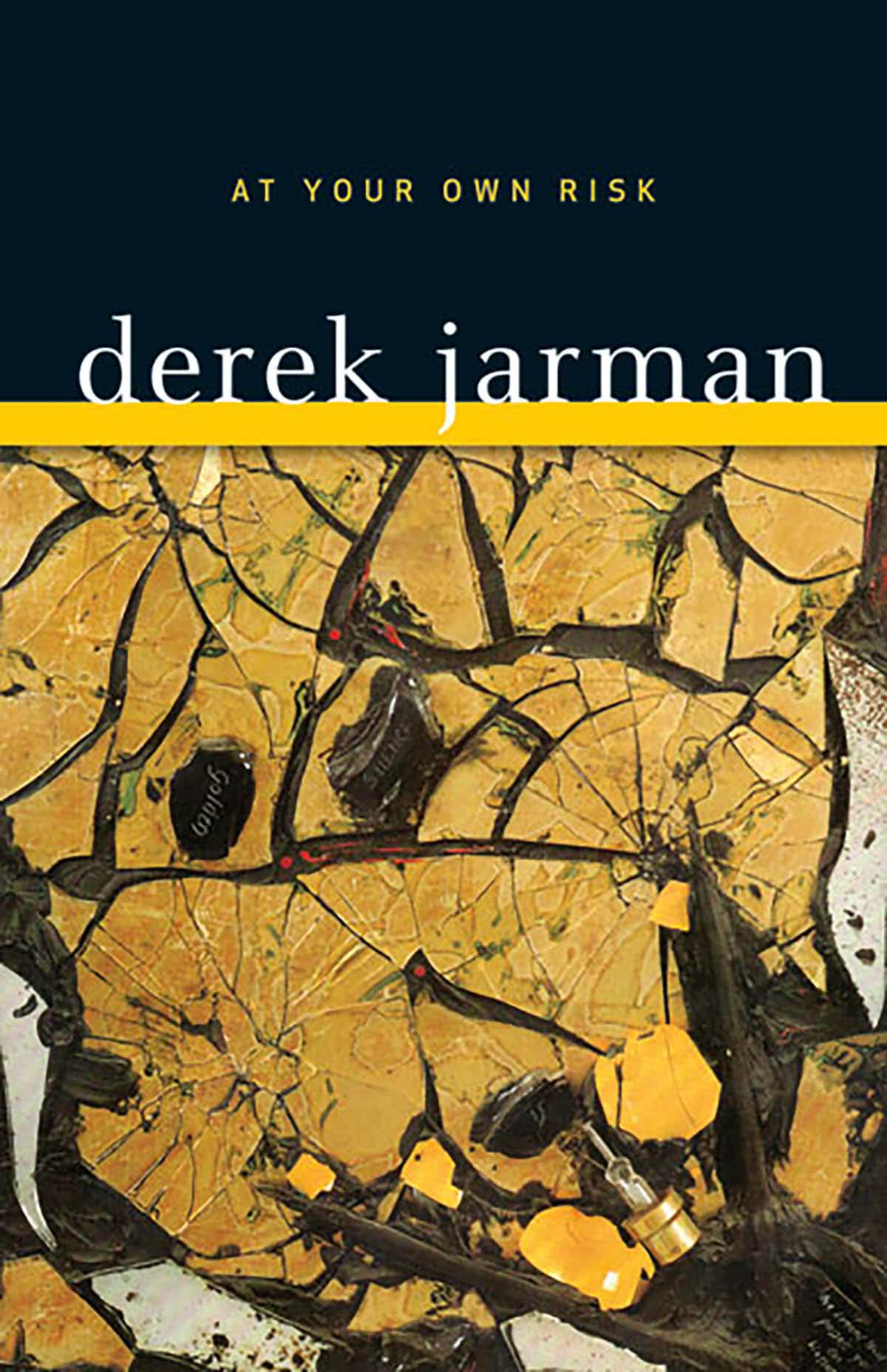
Jarman’s response to a restrictive culture that denies gay sexuality is, in his films and his writings, to be open, to be honest and forthright and at times outright confrontational.

When you place Jesus at the center of a film, or any work of art, you’re making a religious statement of some kind.

Robert Altman’s Nashville is one of those rare films that feels more timely, more relevant, the more time goes by.