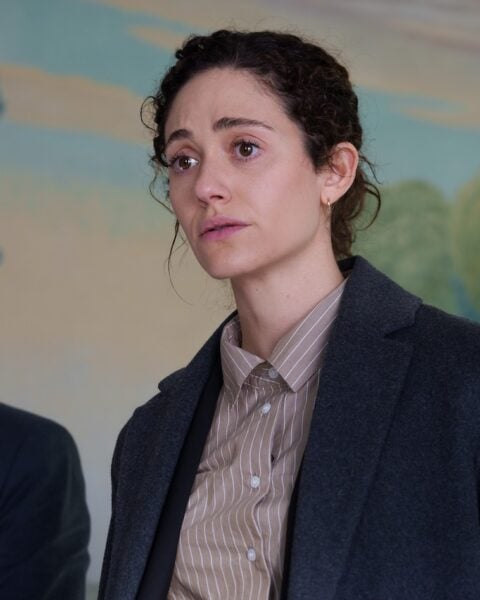
These shows prove the marathon-watching juggernaut’s concern for both quantity and quality.


These shows prove the marathon-watching juggernaut’s concern for both quantity and quality.
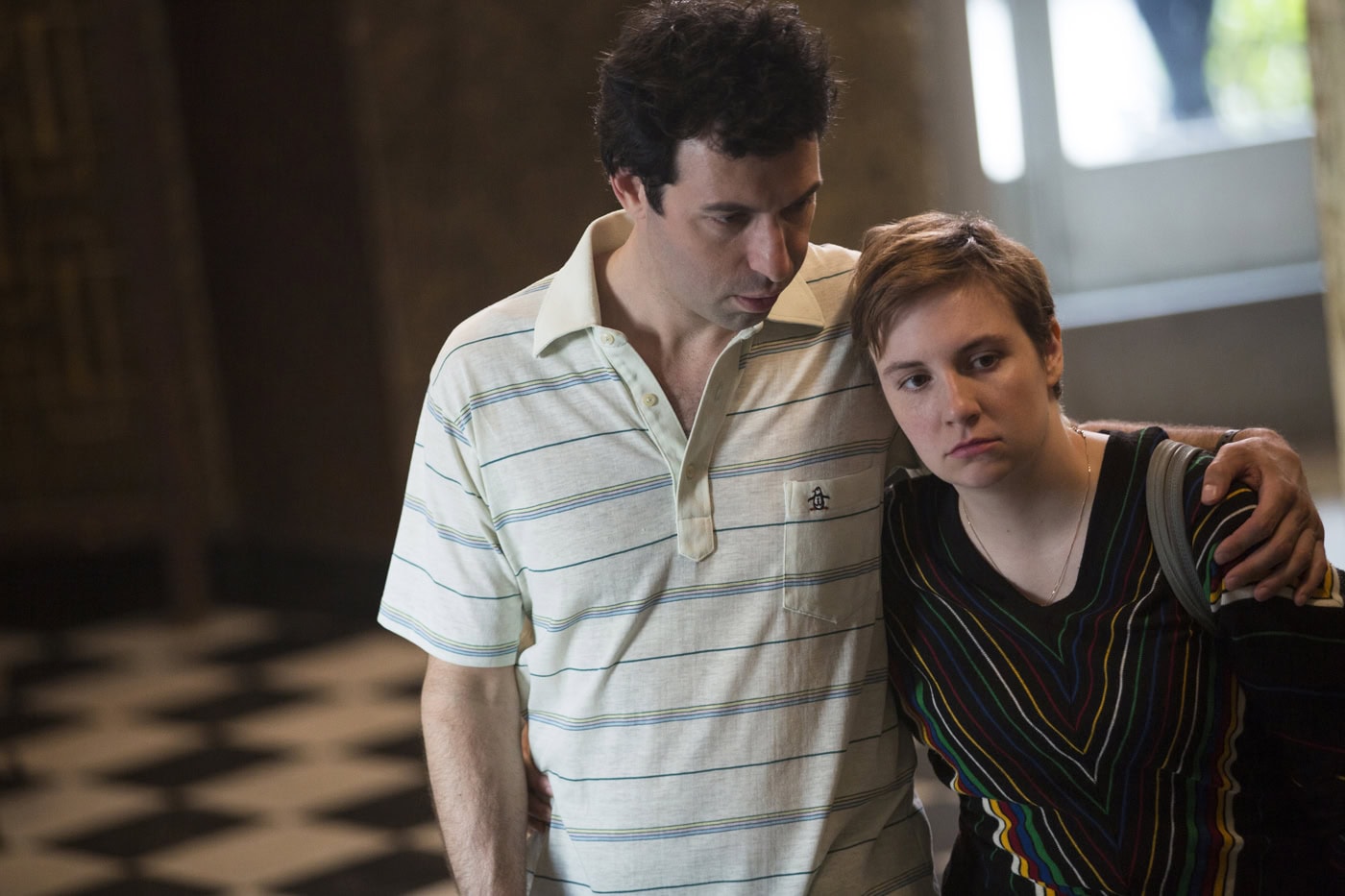
The tectonic shifts in the inner lives of Girls’s main characters sometimes bring them back together.

The season finale of The Walking Dead builds toward its conclusion with self-consciously melodramatic flair.

If the episode can be said to have a central thrust, it’s an interest in bruising the characters’ convictions through a series of unexpected developments.
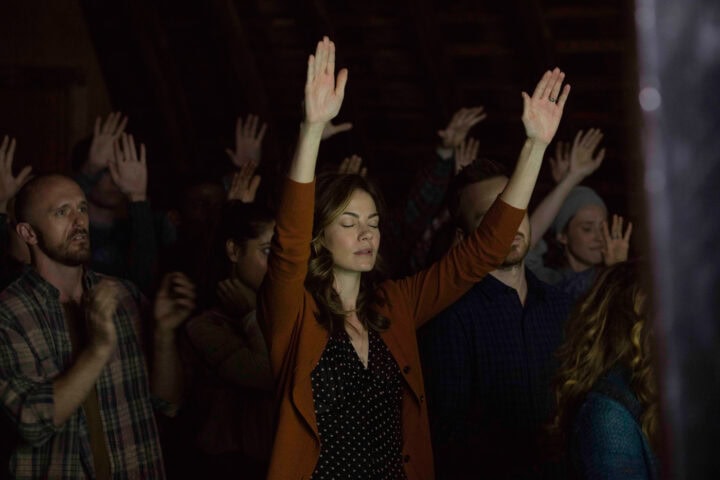
The Path is content to focus on a variety of rote melodramatic byways that give little in the way of insight into the fight between faith and personal desire.

The episode belongs to Marnie, who breaks the seal on the superficially successful but spiritually unfulfilling life she’s clung to up until now.

The episode is notable for images that are lucidly expressive of people’s sensory apprehension of their world.

Season two of Daredevil reveals that continuity of characterization is often more graceful and compelling than increasingly tiresome displays of martial-arts kineticism.

The situation is now so grave one doesn’t know whether to laugh or cry.

The episode focuses on the surprising difficulty of figuring out who and what makes us feel at home.
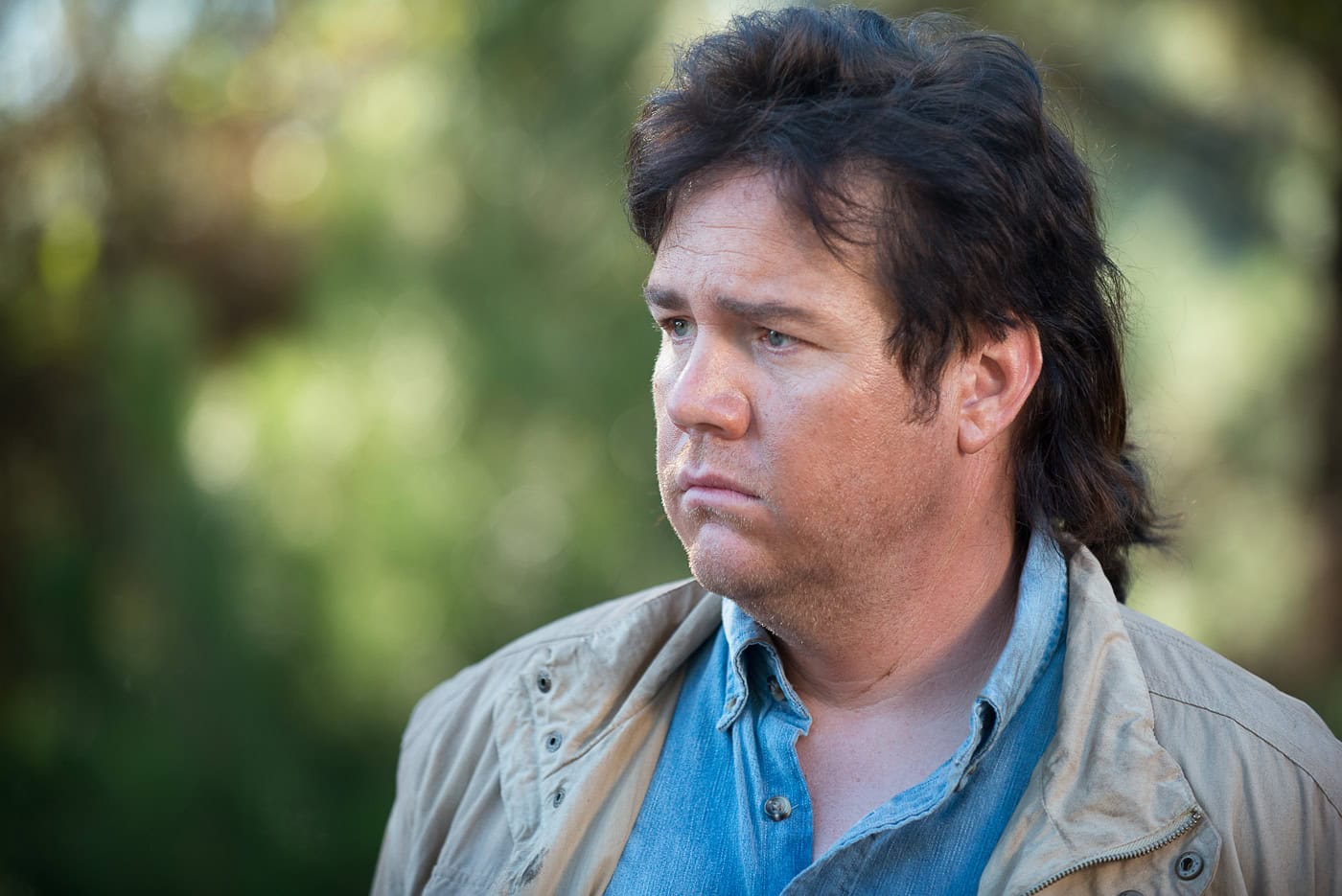
The episode primarily focuses on two separate runs for supply—storylines that exist to create more forks in the narrative road toward the mysterious Negan.

The Americans is as full of formal coups as any of its more flashy brethren.

Like a Jane Austen novel, Girls seems obsessed lately with pairing its main characters up with long-term mates.
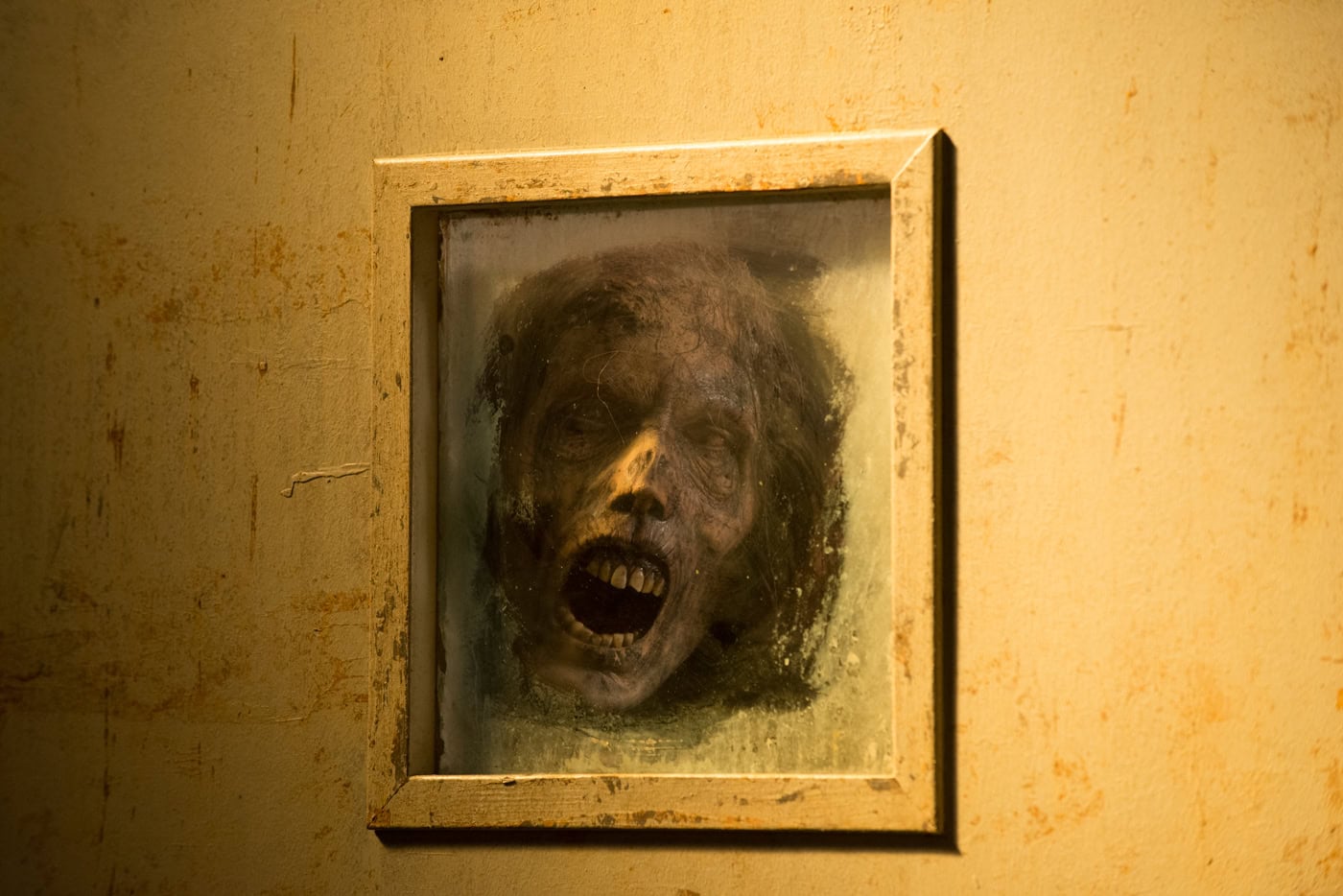
A minute doesn’t pass by during “The Same Boat” where a life isn’t threatened.

Keri Russell and Matthew Rhys are such superbly articulate and specific performers that it’s hard not to empathize with their characters.

Creator Joe Weisberg and executive producer Joel Fields discuss season four of The Americans.

This season has constructed situations for the characters that could hold steady after the series ends.

The episode plays out during its first half as an elegantly staged prelude to an invasion.

Flaked is about an addict’s self-glorification as an increasingly flimsy house of cards.

The theme of growing up, in fits and starts, is a through line in “Good Man.”

By the end of the episode, it feels as if only Rick’s motley group of survivors has moved closer to a better tomorrow.