These shows prove the marathon-watching juggernaut’s concern for both quantity and quality.


These shows prove the marathon-watching juggernaut’s concern for both quantity and quality.
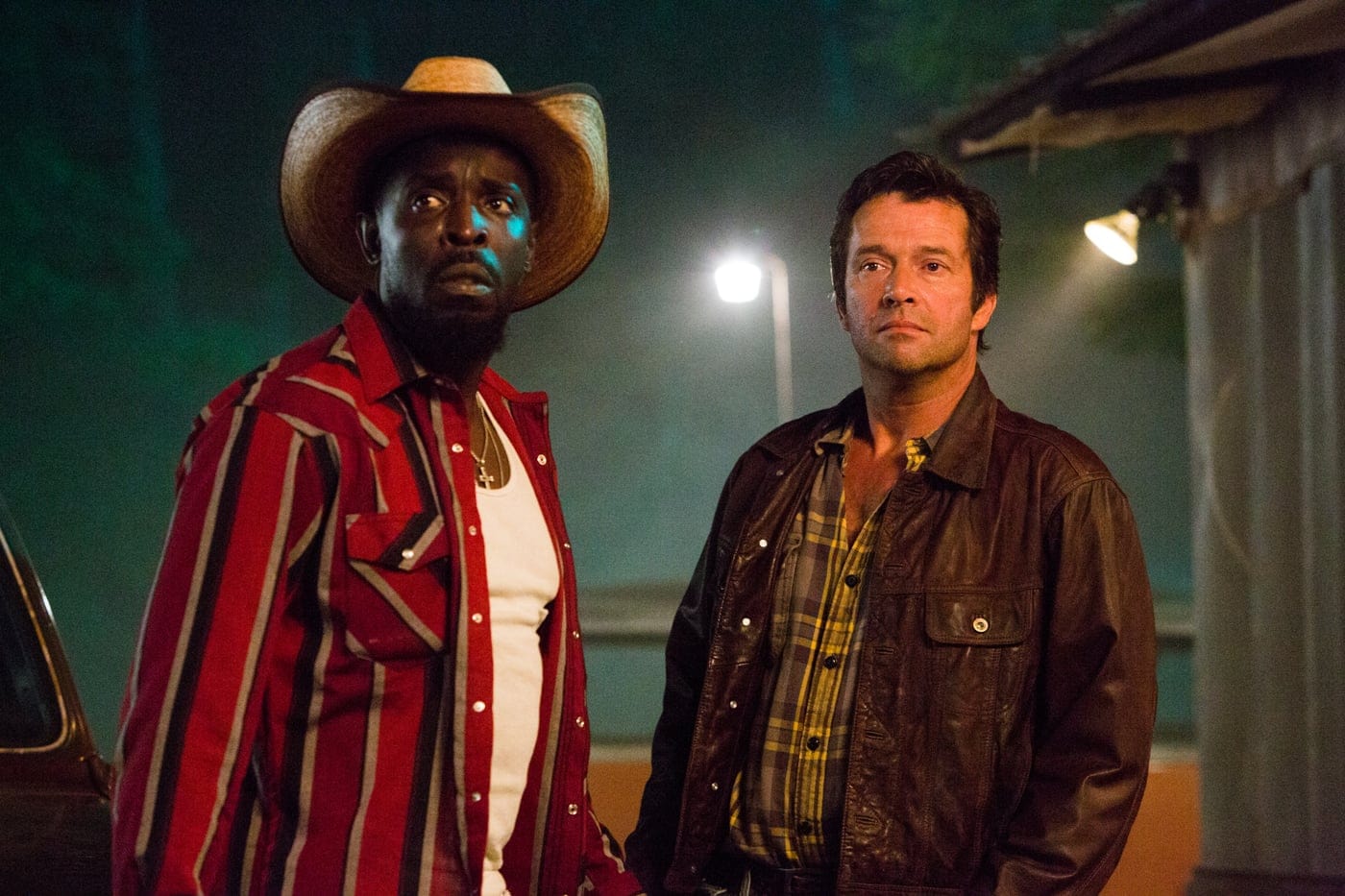
Hap and Leonard’s absurdly, effectively pregnant atmosphere will be familiar to those who’ve seen Jim Mickle’s films.

The season finale, written and directed by series creator Chris Carter, is charged with implicative catharsis.

The season-five premiere of Girls is a microcosm of the series as a whole.

The episode is by and large a necessary, if not exactly radical, pressing of the reset button.

Even small acts of open silliness are portrayed as inherently helpful in creating a kind of unity and friendship among what are, essentially, strangers.

In the show’s third season, Ilana and Abbi continue to run up against caricatures of class and privilege.

The episode is tone deaf in a memorable what-the-hell-were-they-thinking sort of way.

It’s almost jarring to now see it follow so closely in the comic book’s narrative footsteps.
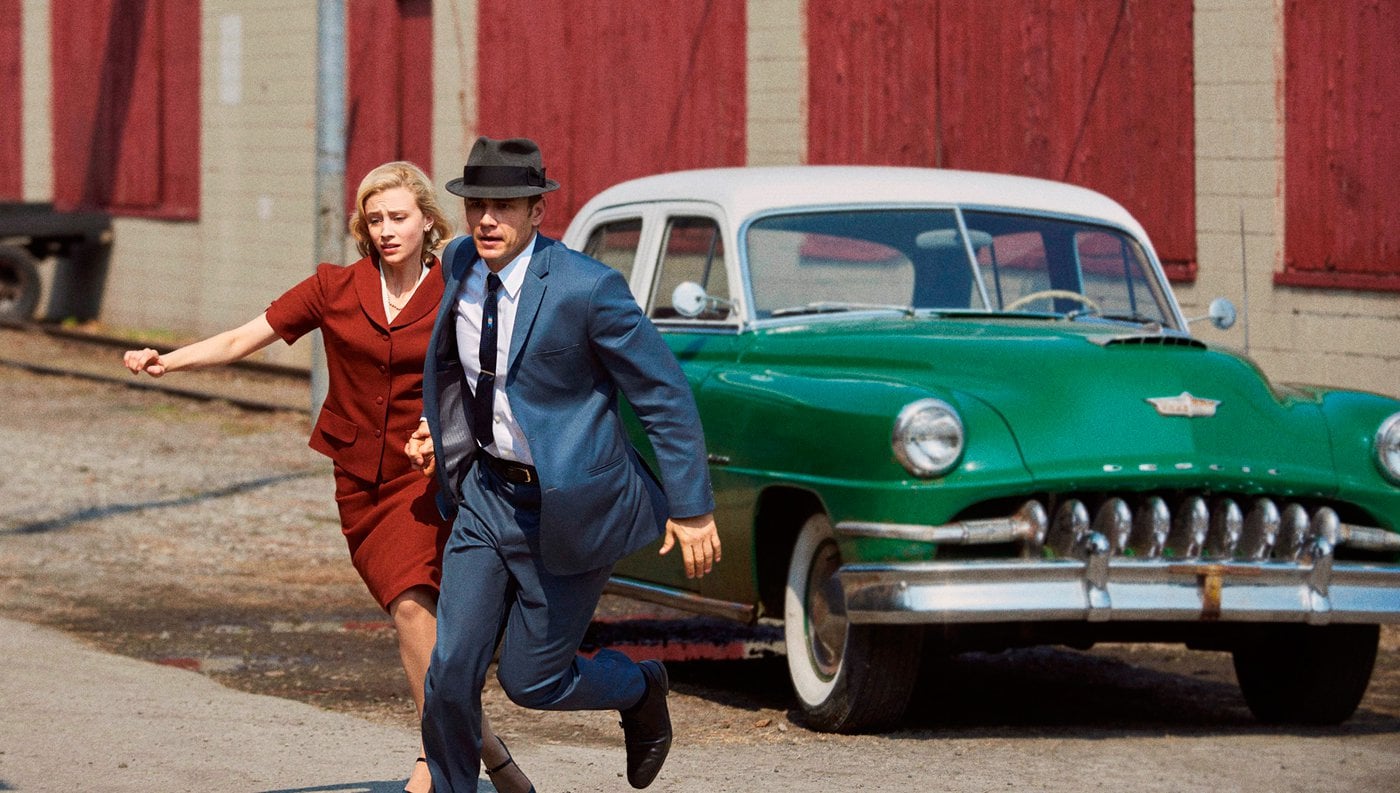
Staying true to the genre, the eight-part adaptation of Stephen King’s novel is heavy on fantasy and light on physics.

Vinyl never feels as if it’s truly about the record business, which instead serves as a backdrop for iconic guest characters and mob-movie set pieces.

“Home Again” pivots on two narratives, one of which is promising and occasionally quite chilling.
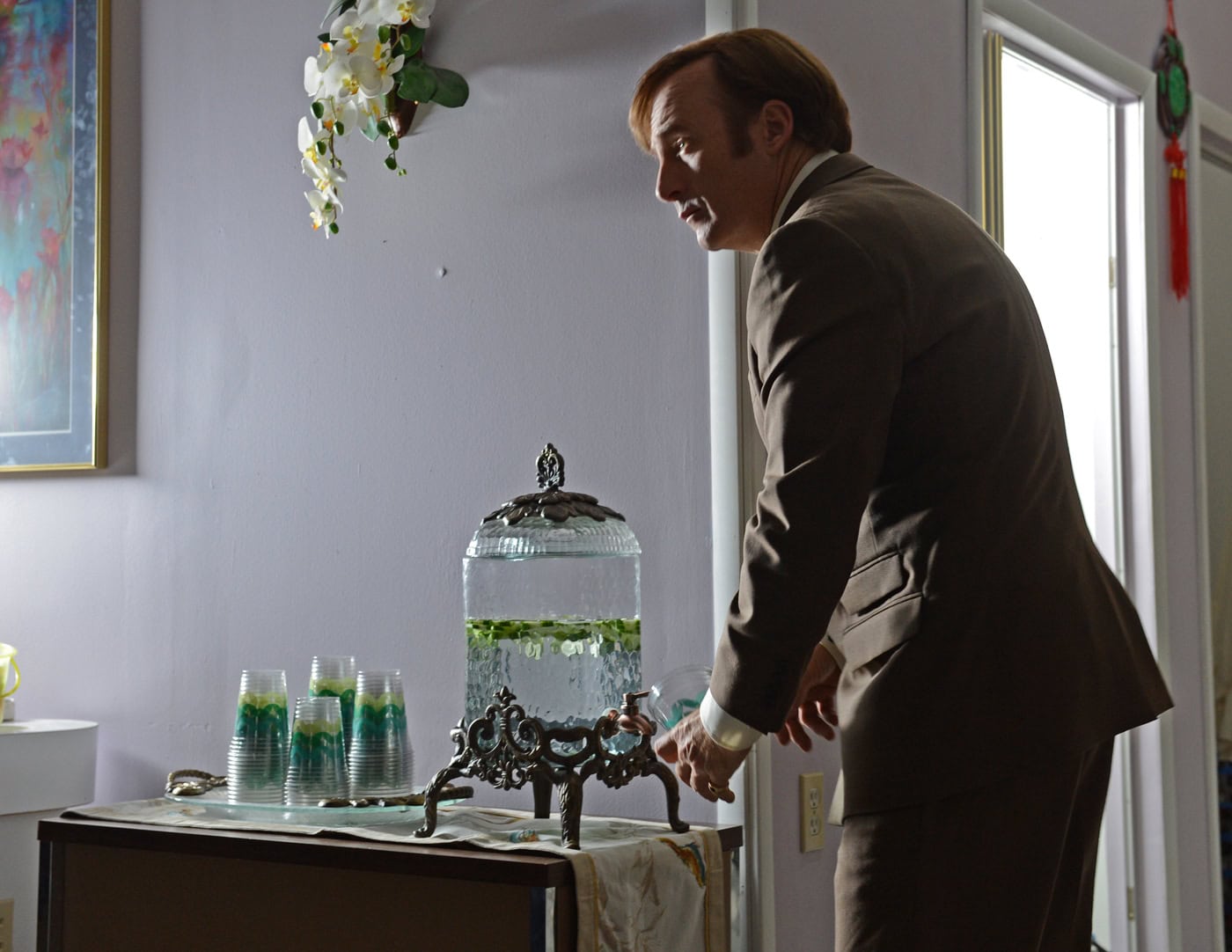
The series is so casually beautiful as to risk being taken for granted.
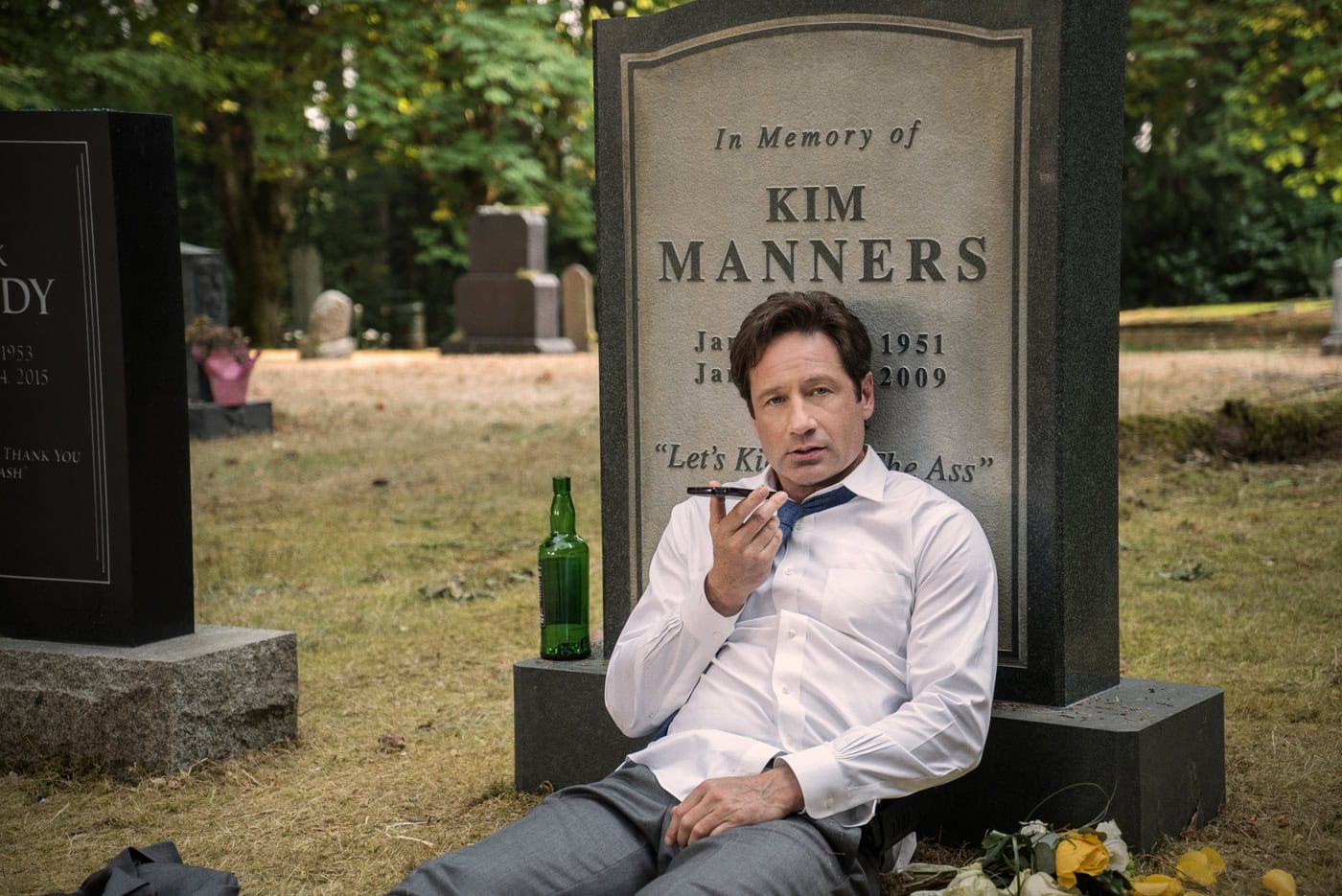
Duchovny has some wonderful moments in the prior episodes of the season, but this is the first time this season that he’s really come to play.

There’s a sense that The People v. O.J. Simpson wouldn’t have been possible without the success of The Jinx.

Mulder and Scully’s disregard for protocol is one of the more interesting, partially inadvertent frictions of bringing The X-Files into the present.

The episode’s most obvious sign of desperation is its reliance on slide shows to orient viewers.

The term “antihero” is applicable to Lucifer in this case, but not entirely accurate.

From their first scene together here, Mulder and Scully exude the rapport of old friends, as if, despite their time apart, nothing has changed between them.

Given Portlandia’s flippant depiction of youth, the plots involving middle-aged characters feel considerably more resonant and sincere, and as such more funny.

In Billions, money isn’t money, but a scorecard signifying a theoretically cold and objective qualification of bitterness and one-upmanship.