The singer has yet to discover a sound or sensibility that truly distinguishes her.

The singer has yet to discover a sound or sensibility that truly distinguishes her.
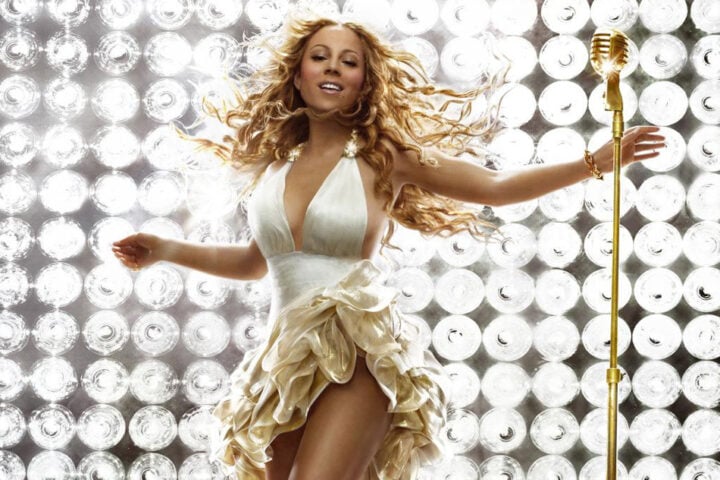
Mariah wasn’t the only one making a comeback in 2005.

This is the kind of score that works better cut into snippets in the film than it does emanating in toto from your home stereo.
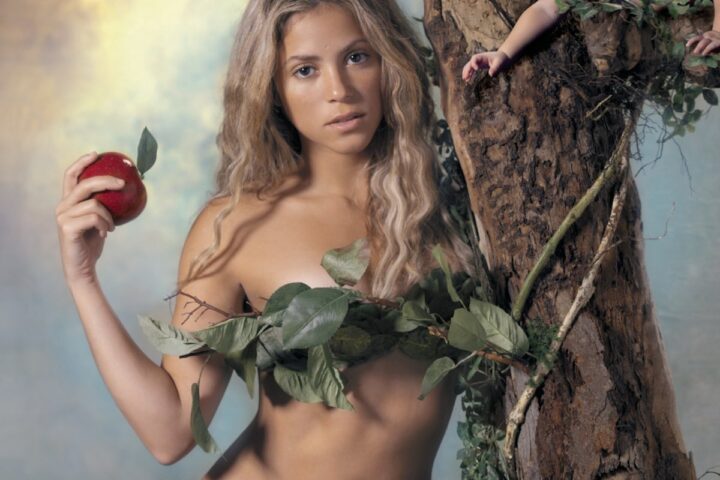
Vol. 2 finds Shakira straddling the line more than ever, one part Natalie Merchant and one part Jewel.

Where is the authentic Japanese music on this soundtrack?
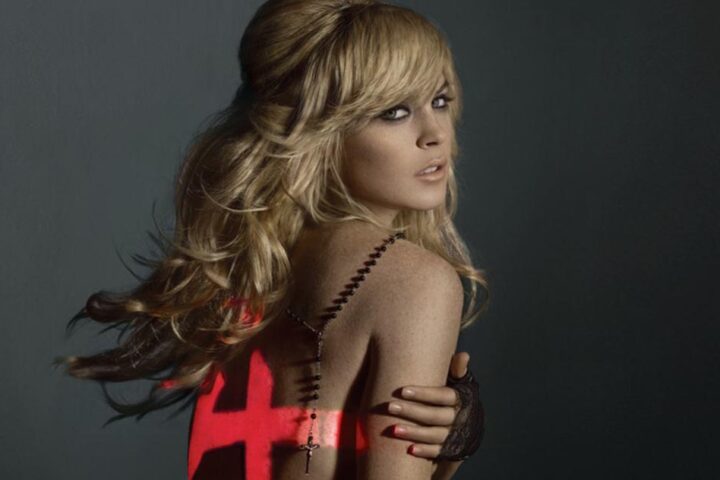
For all the so-called weighty subject matter, there’s not much meat on these bones.

Atomic Bomb finds U2 in the unique position of being one of the only rock acts capable of making the universal seem achingly personal.

Damn if instrumental post-rock groups don’t have the goofiest album titles in the business.

Carrie Underwood is trying to beat the odds with her debut album Some Hearts.

Much like Stevie Nicks’s Trouble In Shangri-La, Aerial sounds dateless.
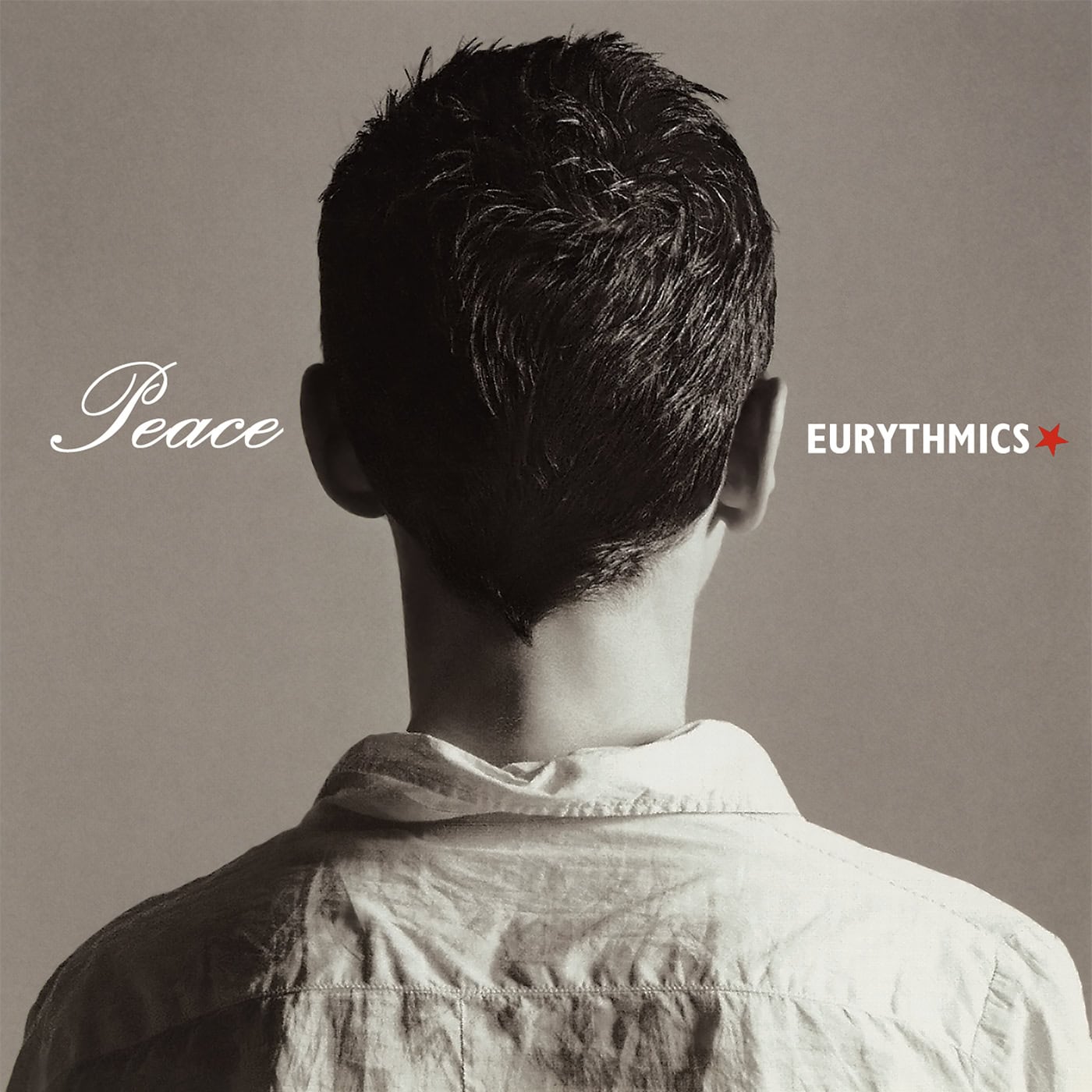
Eurythmics’s Peace was a marked departure from the new wave duo’s more famous synth-pop output from the 1980s.

The album eschews the major problems of its predecessor while presenting an entirely new set of obstacles for Big & Rich to overcome.

The album documents an impressive career, even if it eschews Alanis Morissette’s pre-history for what she considers her finer moments.
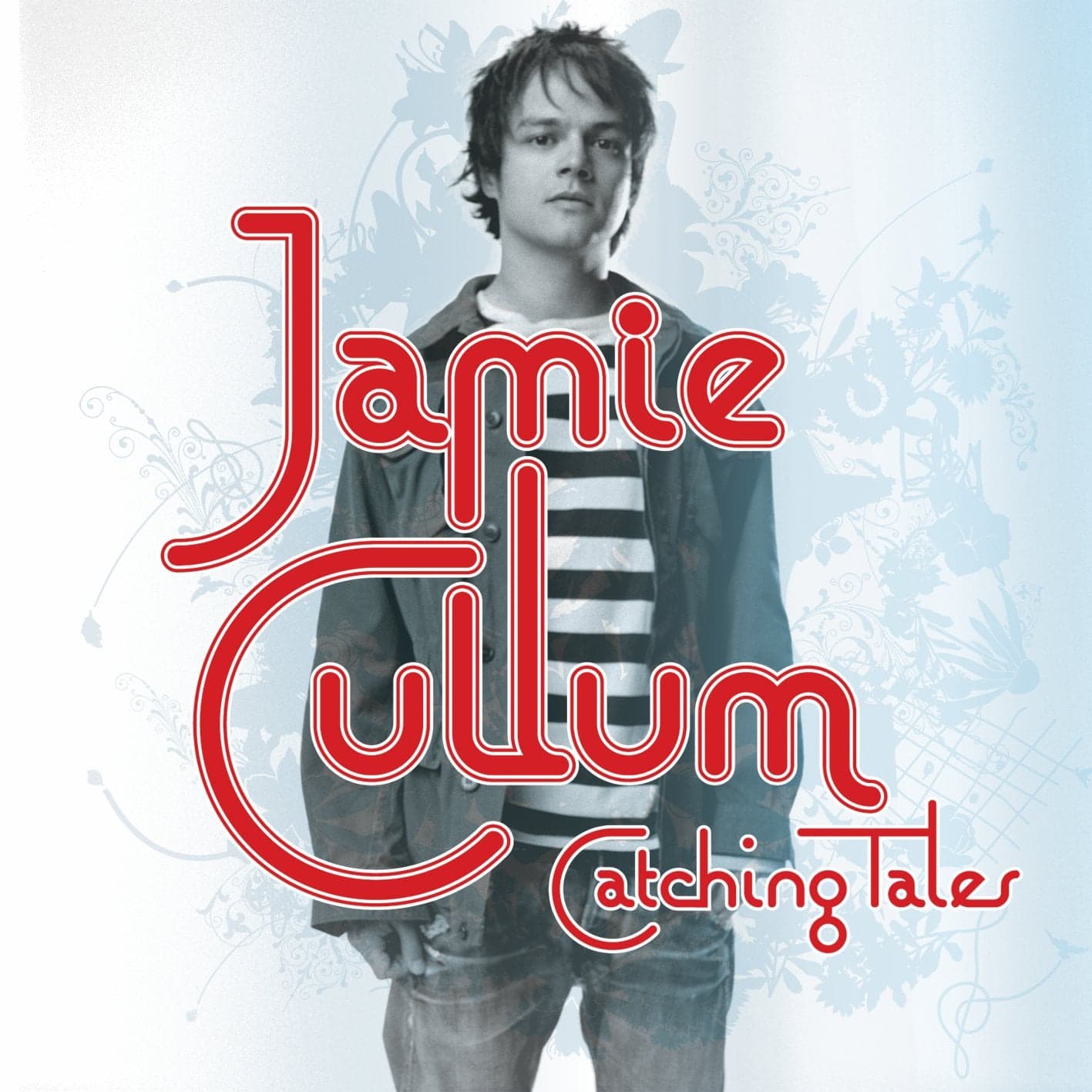
Catching Tales pushes the polyglot approach of Twentysomething even further.

Working with their grandmother, Olga Sarantos, the Friedbergers fashion off-kilter vignettes from vivid memories of a life, viewed in nostalgic retrospect.

As strong an album as it is, 12 Songs suggests that the follow-up could be even better.
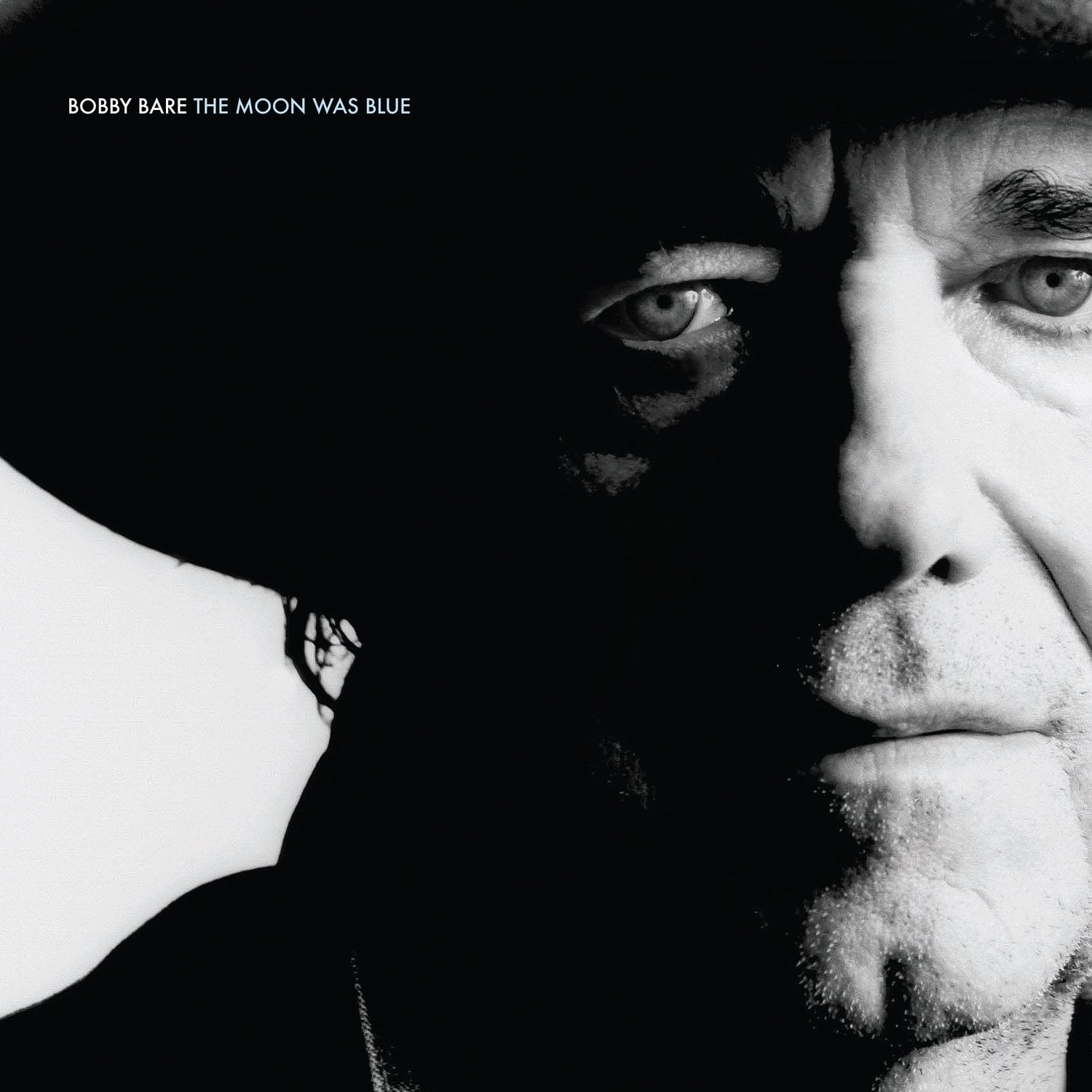
The Moon Was Blue is a welcome return from an artist who, hopefully, plans to forge even farther ahead.

What keeps The Body Acoustic from being perhaps as essential as it could have been is the inconsistency of the guest stars.
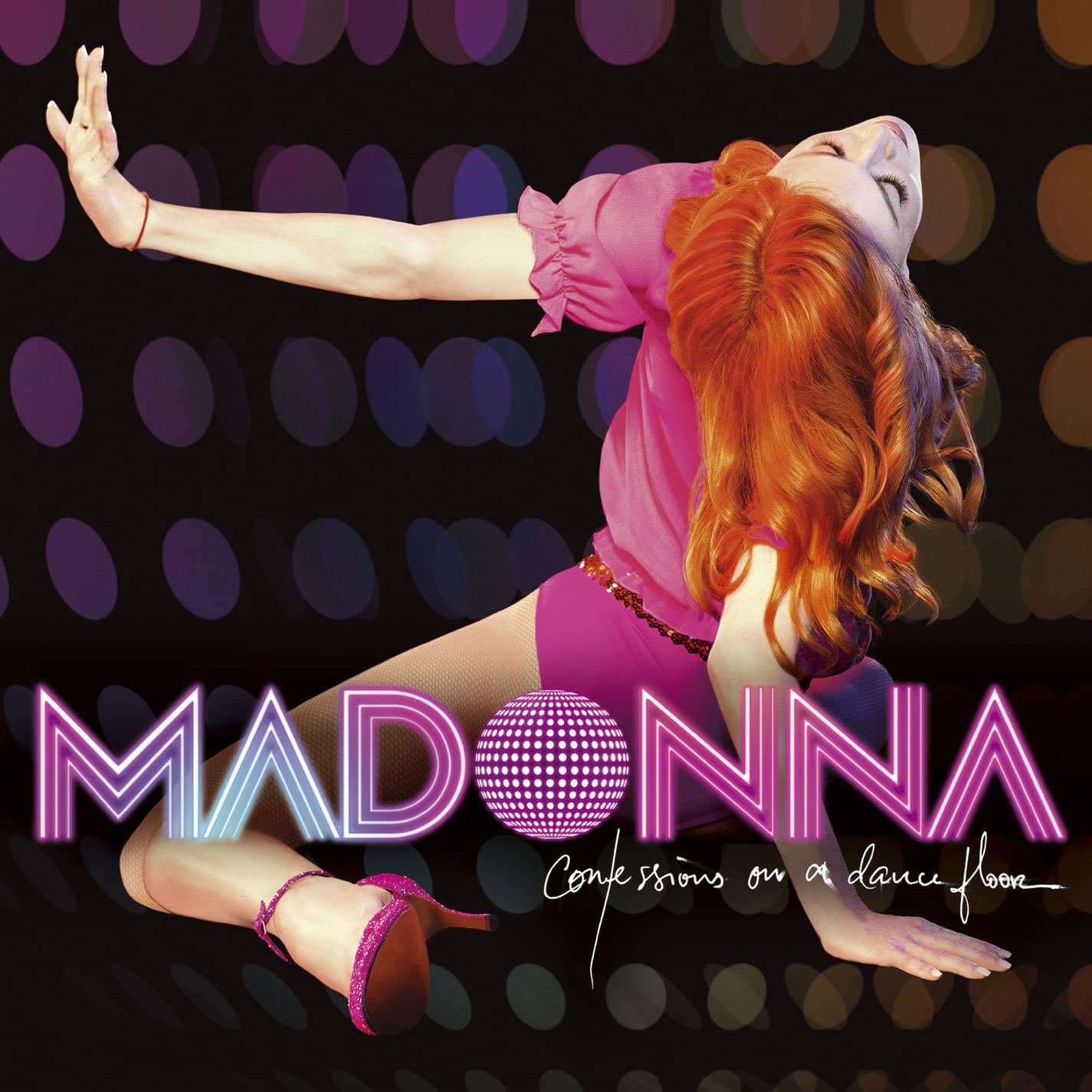
A dance-pop odyssey with an emotional, if not necessarily narrative, arc.

It’s fitting that Stefani should open her Harajuku Lovers Tour with Debbie Deb’s “When I Hear Music” booming from a giant tower of speakers.

Blame Mariah.