The album sounds beamed in from an earlier decade, but it runs deeper than nostalgia.


The album sounds beamed in from an earlier decade, but it runs deeper than nostalgia.

Fantasia’s sophomore effort is certainly a more unified artistic statement than 2004’sFree Yourself.
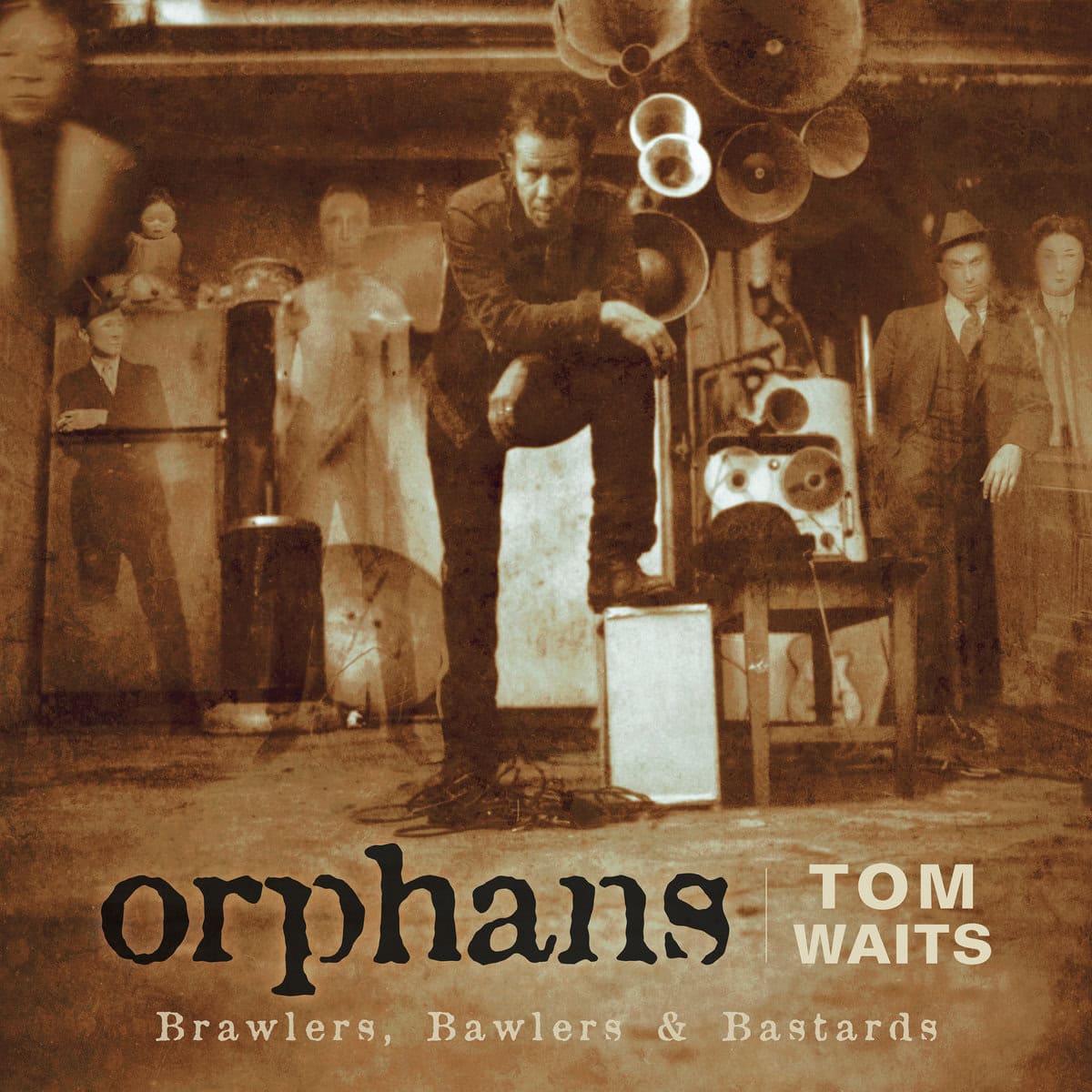
This three-disc collection of b-sides captures Waits’s three-pronged approach to songwriting.

The Destroyed Room makes one hell of a sweater set.

Guaraldi’s sunniness comes through in the Charlie Brown Christmas soundtrack.
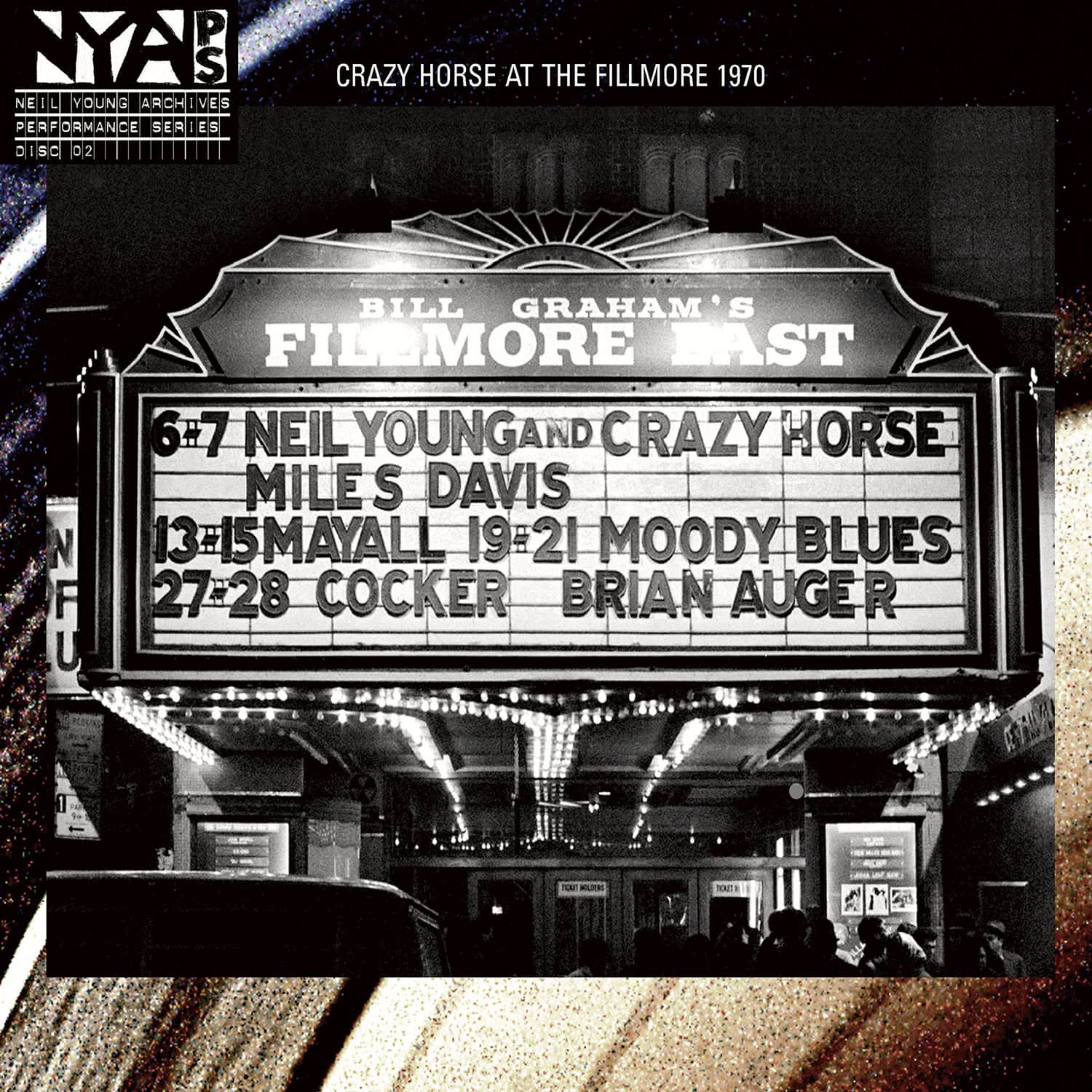
The album, despite its sparseness, presents a classic rock group at the height of their abilities.

Gwen Stefani trades in her Fiddler on the Roof soundtrack for The Sound of Music.

Inevitably, all of 2Pac’s posthumous releases must contend with the albums produced during his lifetime.

The album flies in the face of most every expectation that it should rank among the year’s best mainstream country offerings.
The punchiness of the album’s sound should allow it to continue Sugarland’s commercial hot streak.

The boys used to clown like they had nothing to lose. Now they’re protecting an investment.
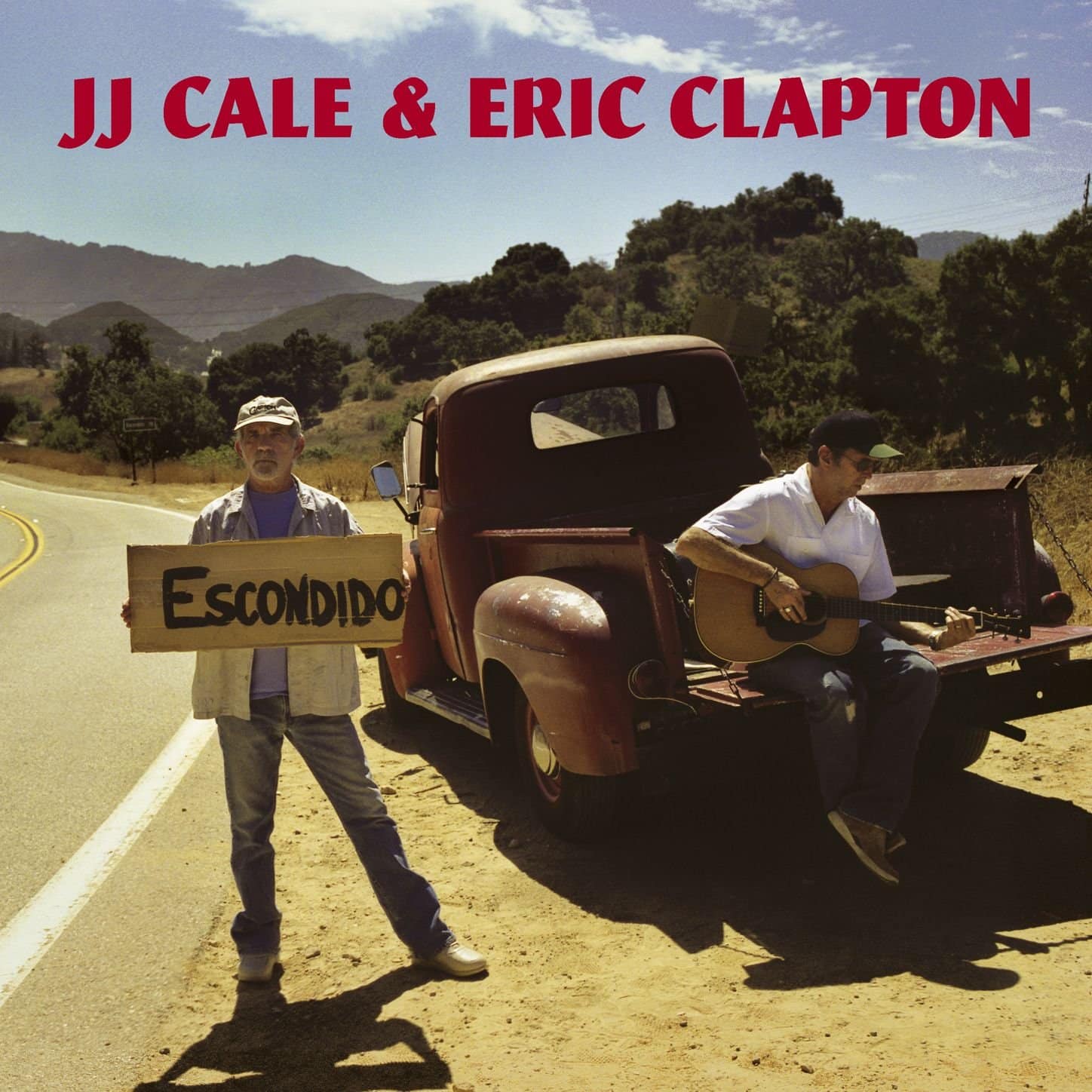
The Road to Escondido is a journey worth taking.

If all of Jigga’s future records sound as labored and flat as Kingdom Come, do we really need him back?
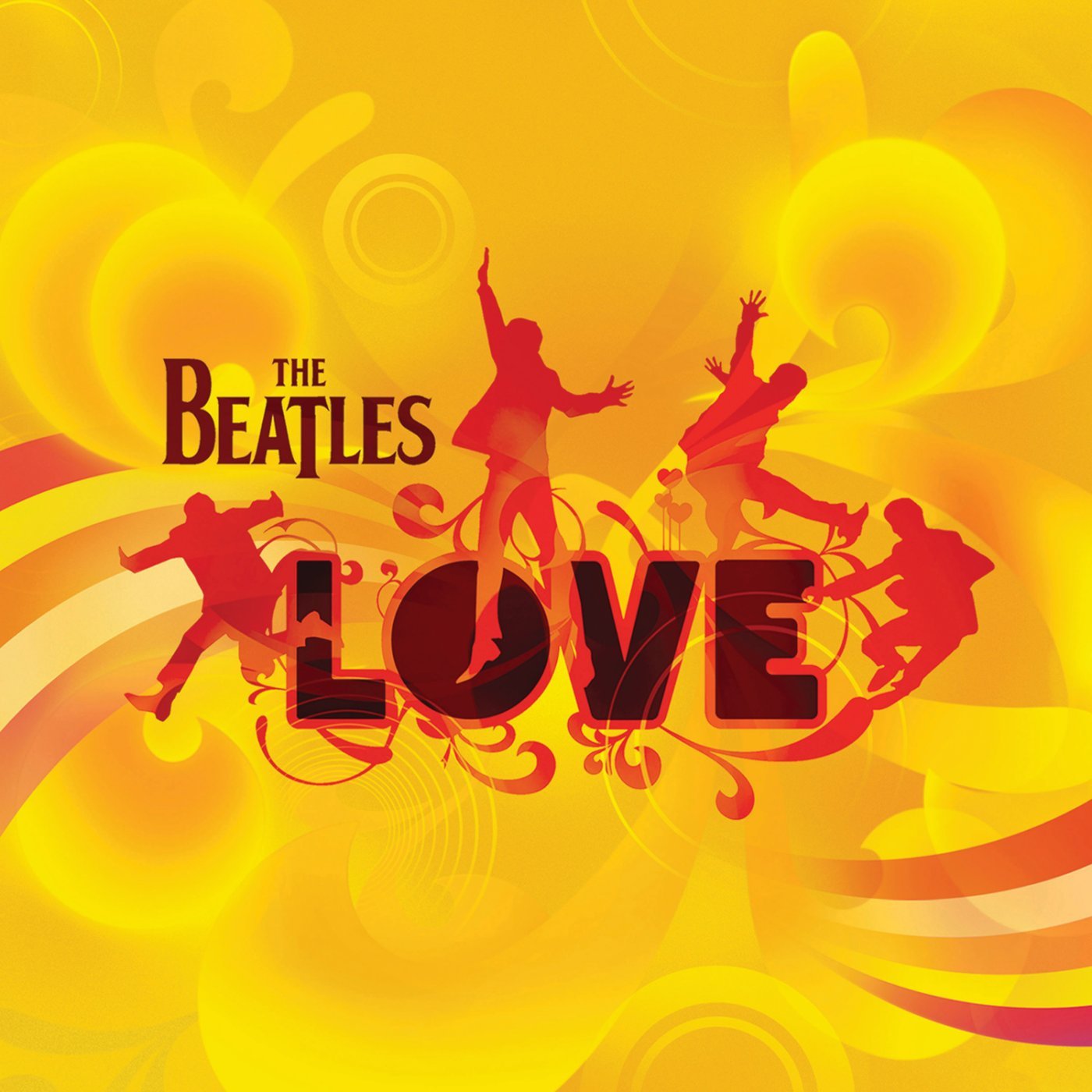
Love is a dazzling, expansive experience that ranks among the year’s best.
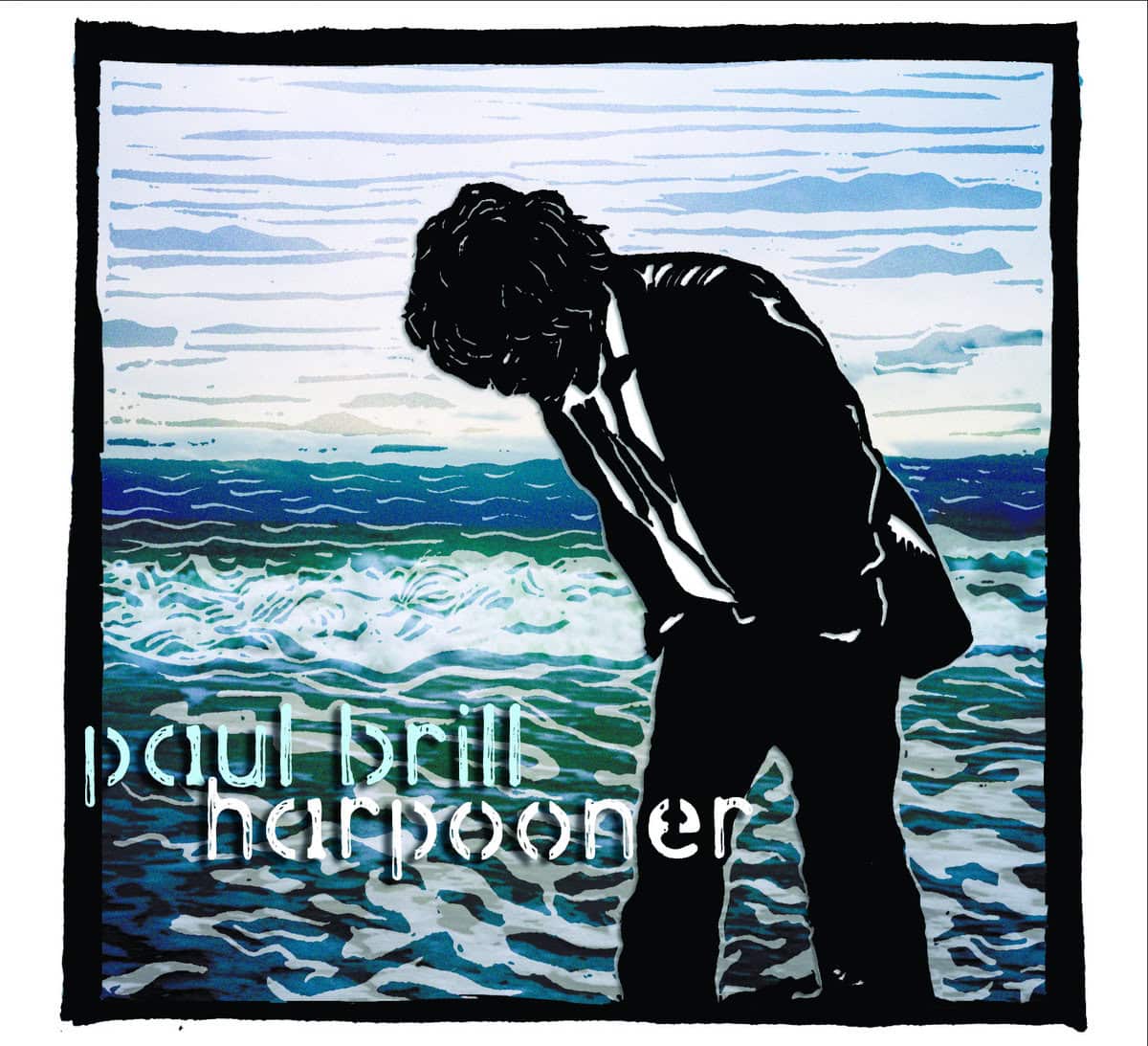
Harpooner gives a first impression that it might play out as some Matmos-style avant-garde noise-pop.

The album is a precious, in every sense of the word, masterpiece.

The seams are starting to show in Jack Black’s shtick.
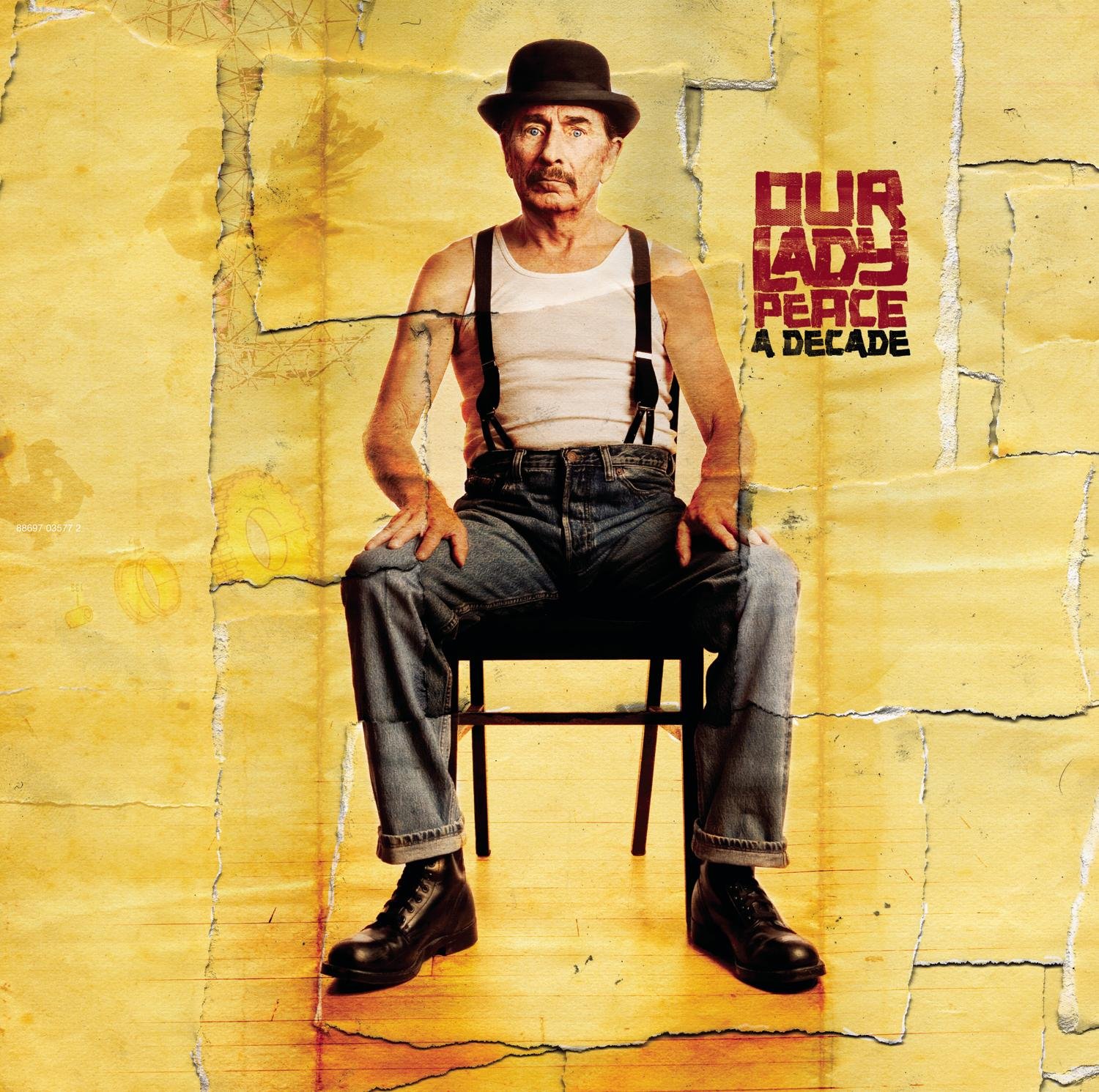
The album is an 18-track retrospective of Our Lady Peace’s string of singles that fared far better in the Great White North than in the U.S. of A.
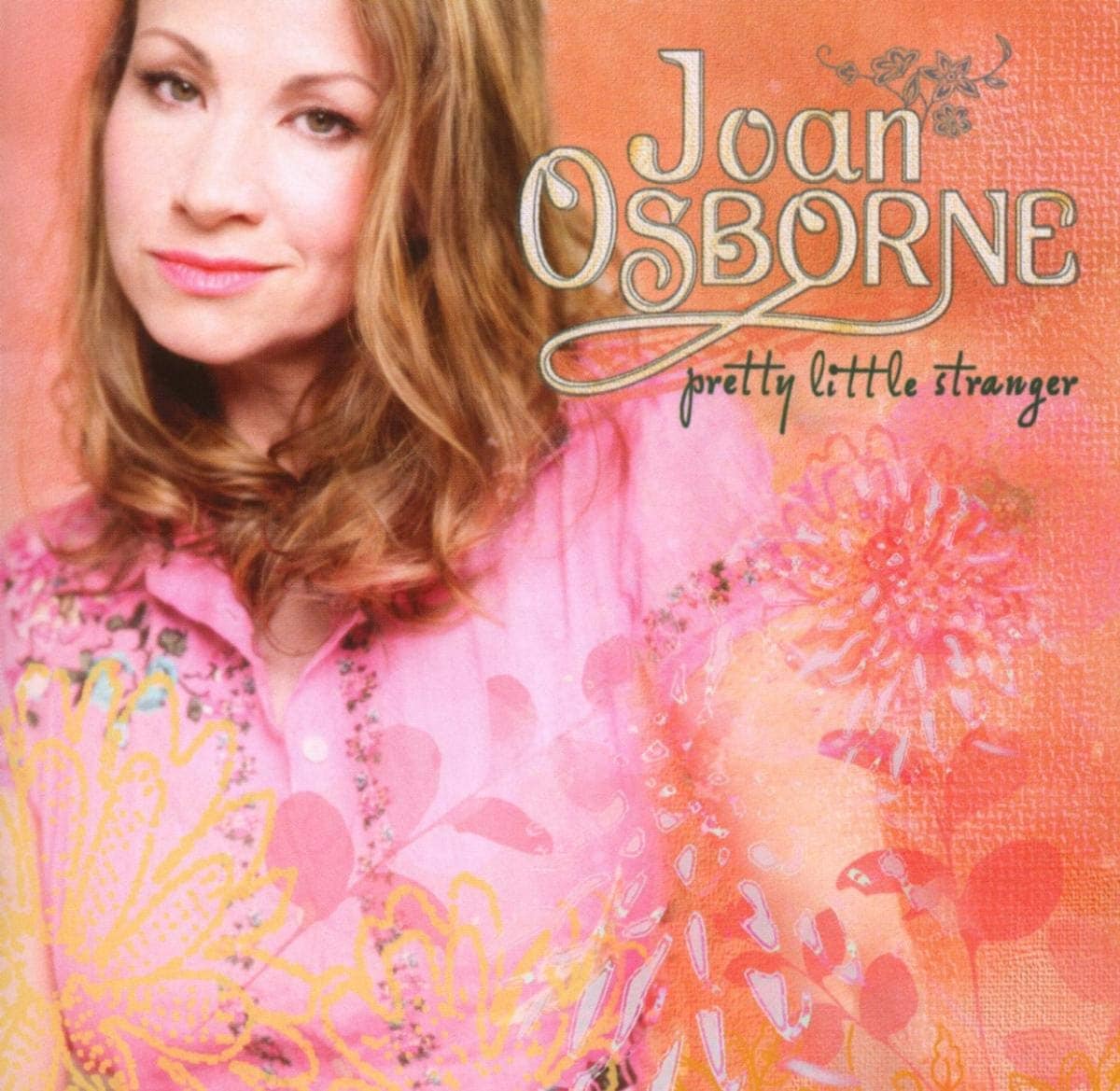
The album only scratches the surface of what Osborne could do were she to stick around long enough to record an album that’s a little bit riskier.

The album is simultaneously a terrific introduction for the unfamiliar and a smartly assembled mixtape for the faithful.
Perhaps this retrospective could reframe the group’s thinking and put them back on the path to credibility.