The band’s first album in a decade is more haunted than its arena-sized choruses suggest.


The band’s first album in a decade is more haunted than its arena-sized choruses suggest.

“Take a Walk” exists in that rare category of catchy, danceable music.

The hollowness of Strangeland’s I’m-okay-you’re-okay writing might be a more forgivable offense were the album’s production not so consistently garish.

While Dr Dee is no Parklife, it does contain kernels of classic Damon Albarn.

With A Different Ship, Here We Go Magic has essentially removed the “psych” from psych-folk and replaced it with monotony.
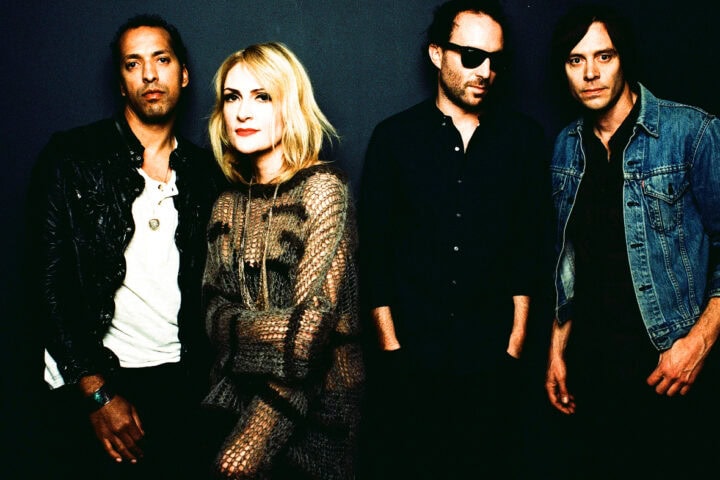
Propulsive drums, dense synthesizers, and Emily Haines’s enticing contralto are a reminder of Metric’s refreshingly kinetic, potent side.
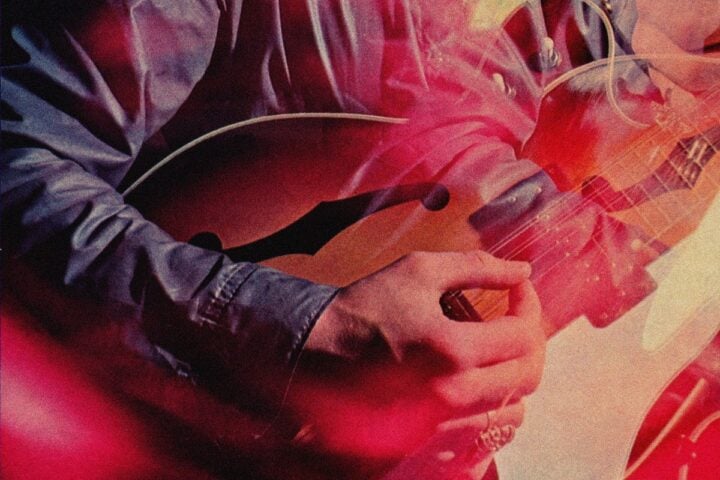
This is a great tribute to the grueling power of fatigue, an album that turns a dearth of ideas into a virtue.

Jones is usually at her best when she looks to the past for inspiration.
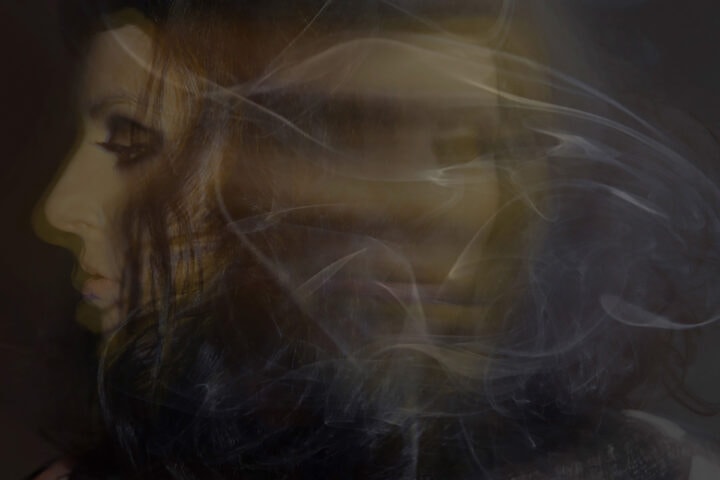
Tigermending trades equally in healing and destruction.
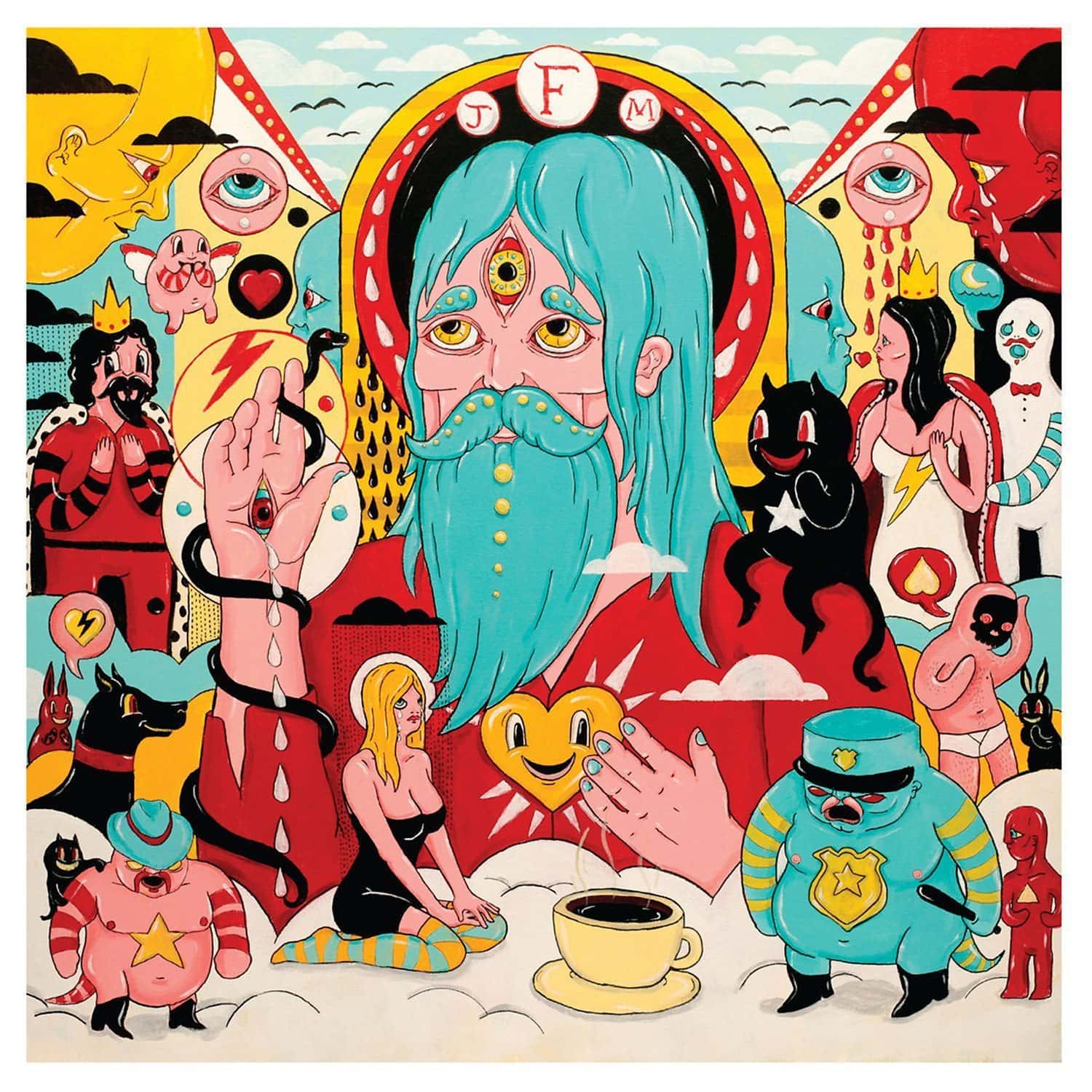
It doesn’t hurt the album that there’s a healthy dose of mythology, both self-provided and past-rooted, to pad out its structure.

Underwood rises to the occasion when given the opportunity to tackle multifaceted, well-written material.
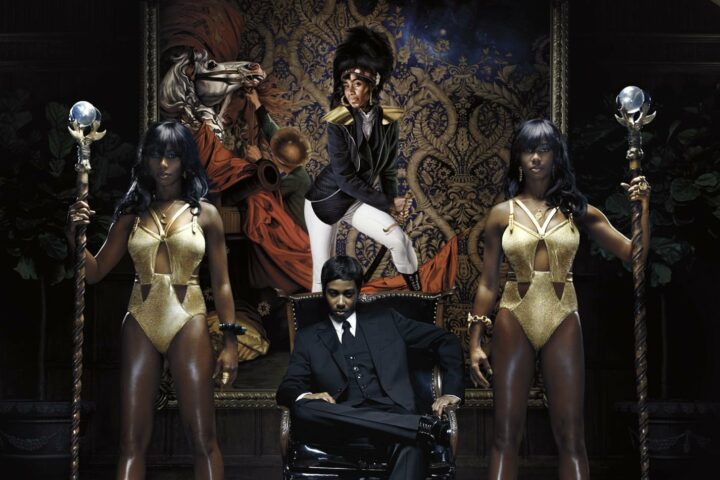
Santigold may not possess Kanye’s megalomaniacal charisma, but she’s just as much of a pop-music savant.
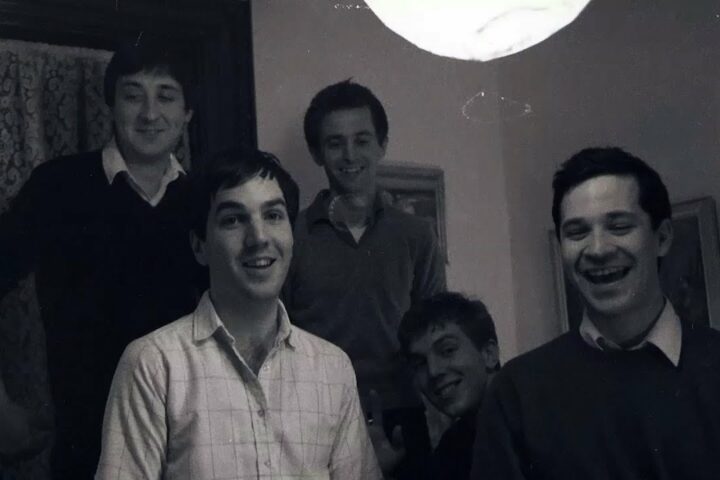
Is it just me or is Hamilton Leithauser beginning to sound like Chris Martin?

Stuart has been playing this same hand since 1999’s The Pilgrim.
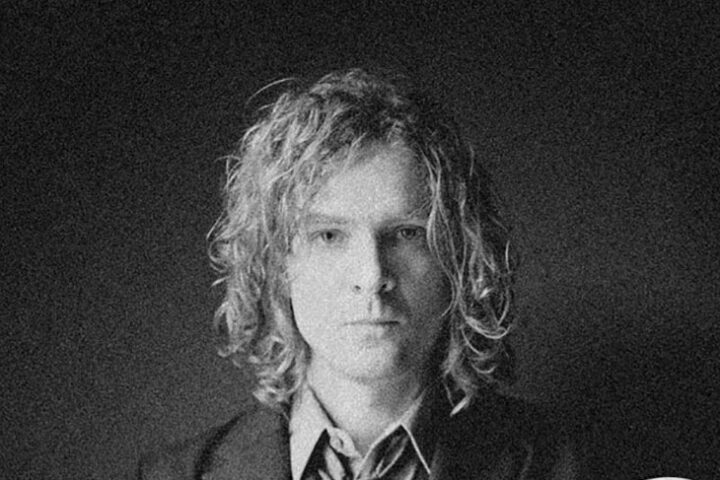
There’s very little power behind the power-pop here.

Only occasionally does Sene’s earnestness come across as naïveté.

Jack White embarks on tangential excursions that have familiar roots but end up in unexpected places.
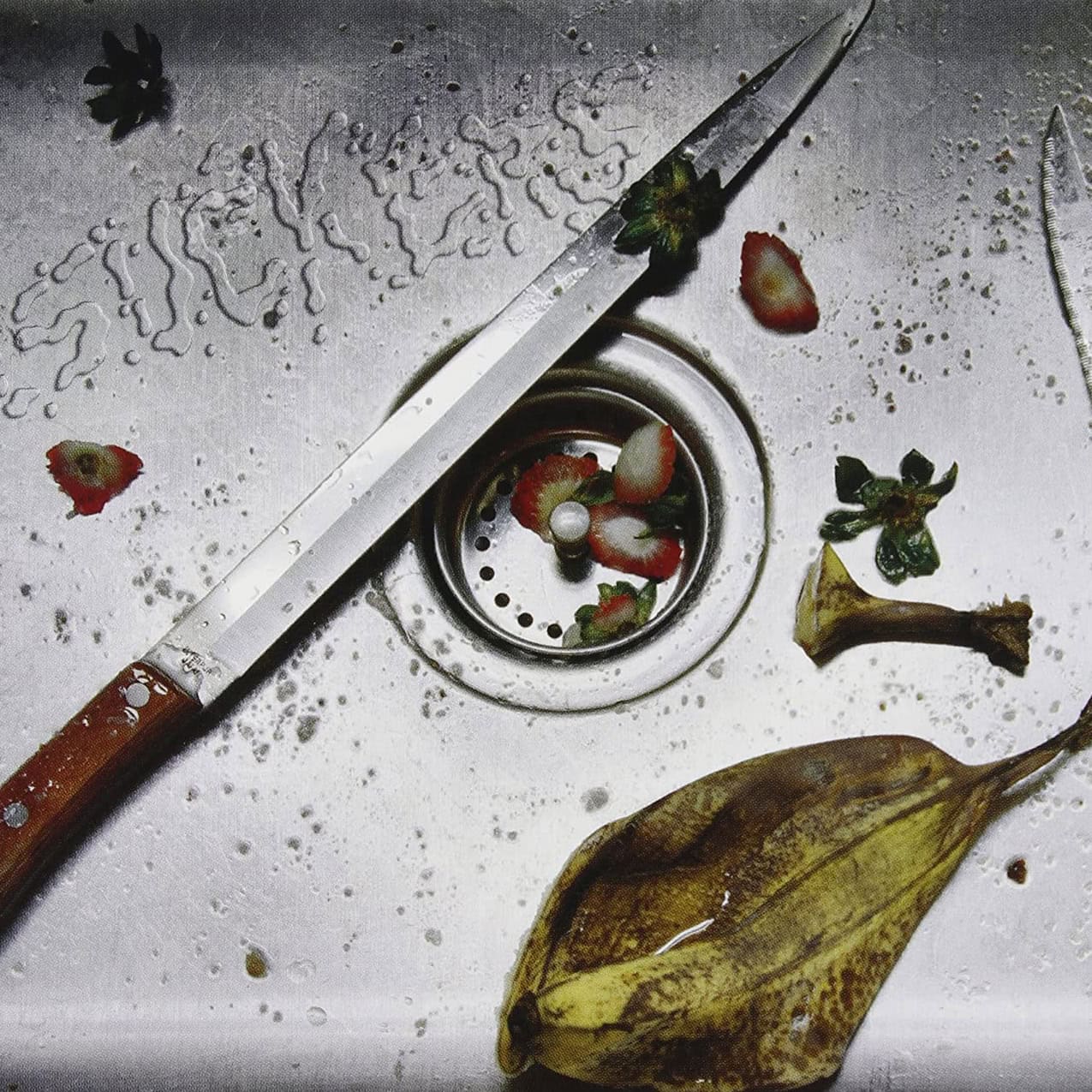
Candy Salad lives and dies on Suckers’s ability to deliver the quintessential payoff: a high-energy, riff-laden chorus.

Elliott Yamin moves in a much more natural sounding, vintage soul-inspired direction on Let’s Get to What’s Real.
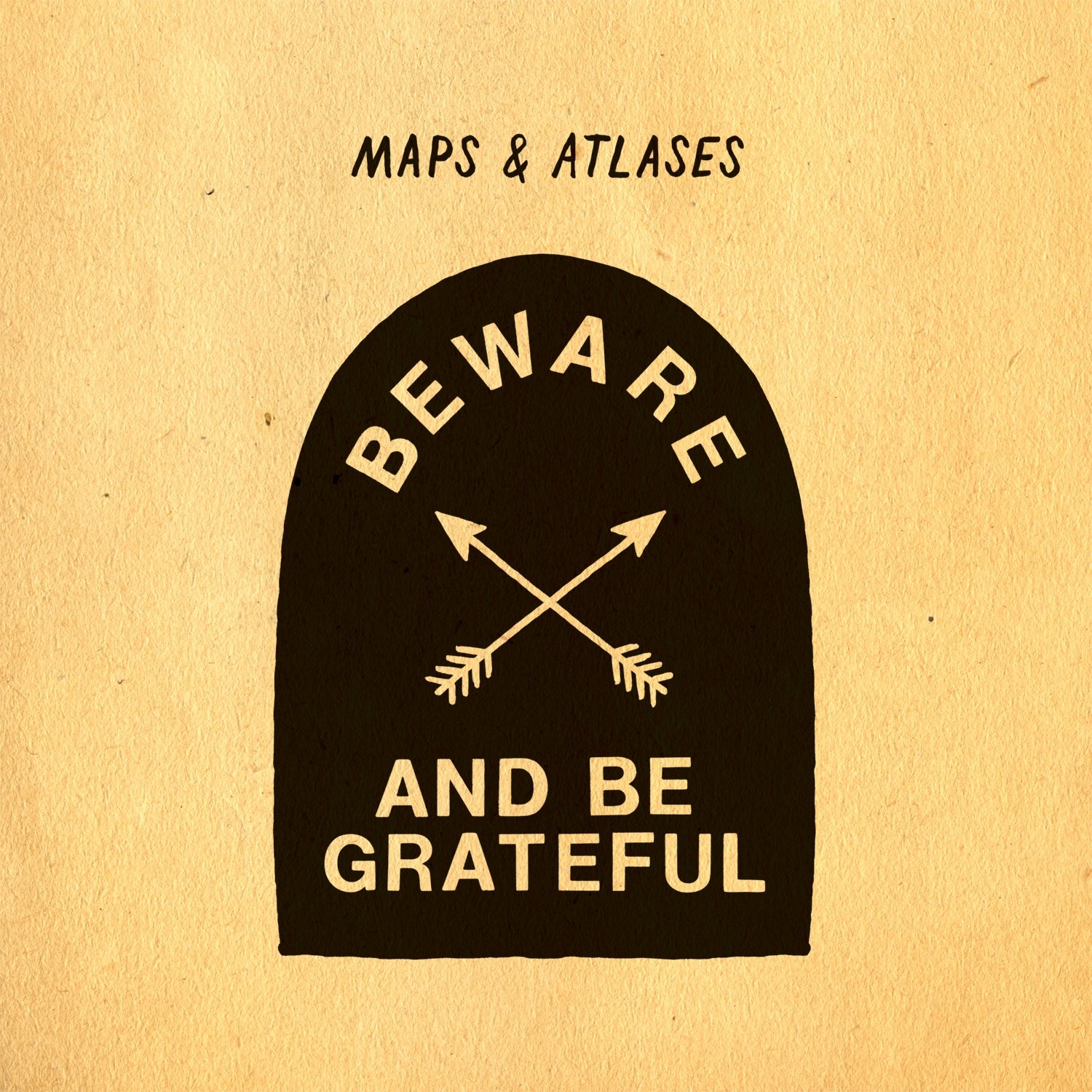
Beware and Be Grateful is music that resists easy classification.

In the Time of Gods’s backstory is ultimately incidental to what works and what doesn’t about the album.