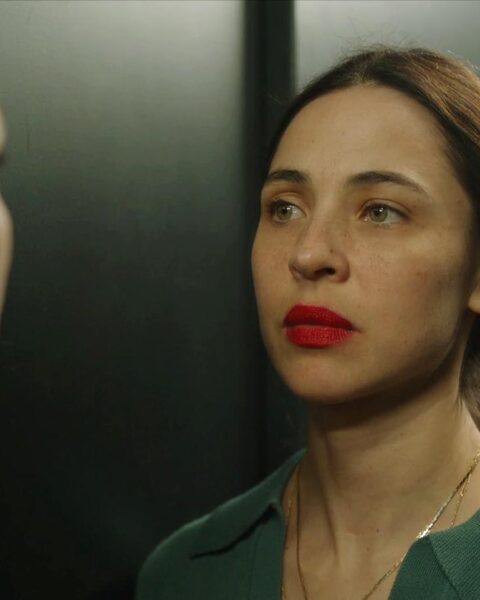
The Aussie director discusses why horror was the right vessel for his commentary.
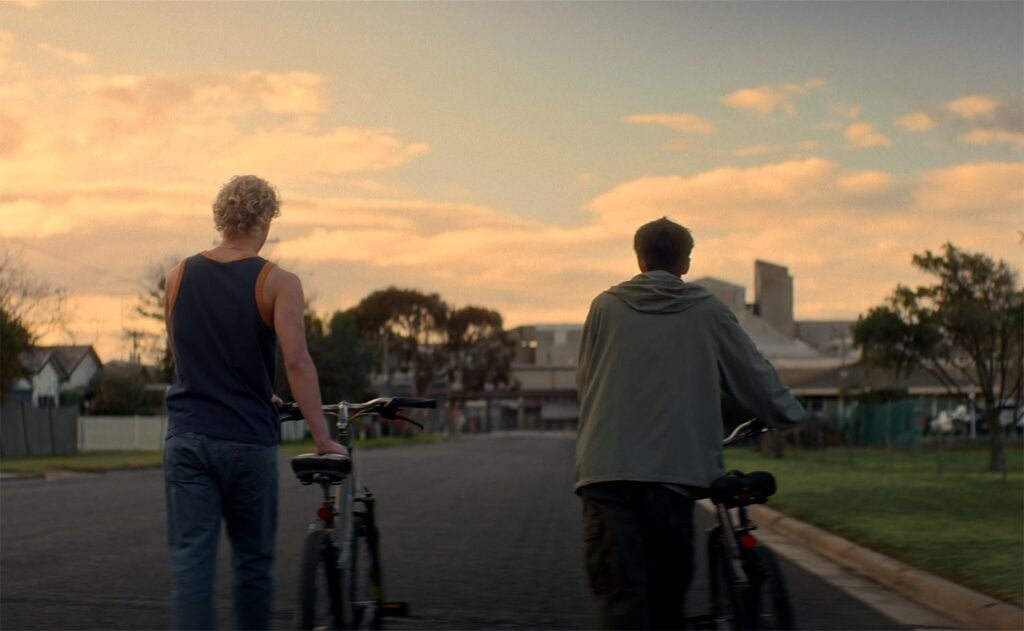

The Aussie director discusses why horror was the right vessel for his commentary.
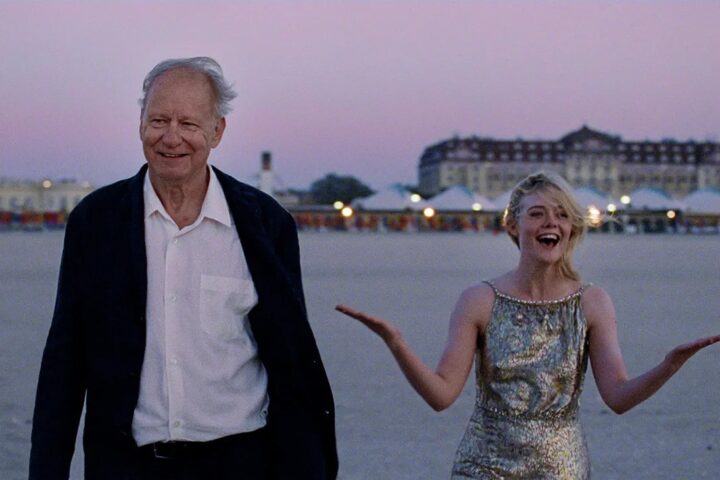
The actors discuss how they approached the lightly satirical elements of Joachim Trier’s film.
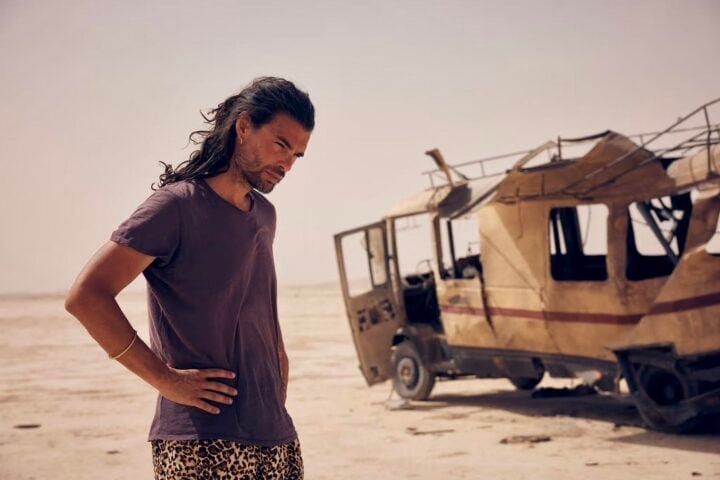
Laxe and López discuss what they took away from grappling with the imminence of death.
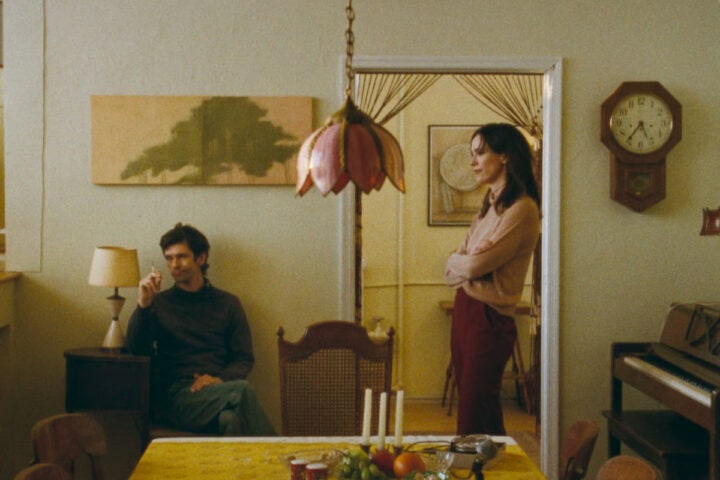
Sachs and Rosenkrantz discuss what attracts them to the everyday lives of artists.

Jude discusses why cinema being in a state of constant crisis exhilarates him.

O’Connor discusses how he came to understand America by immersing himself in an era.
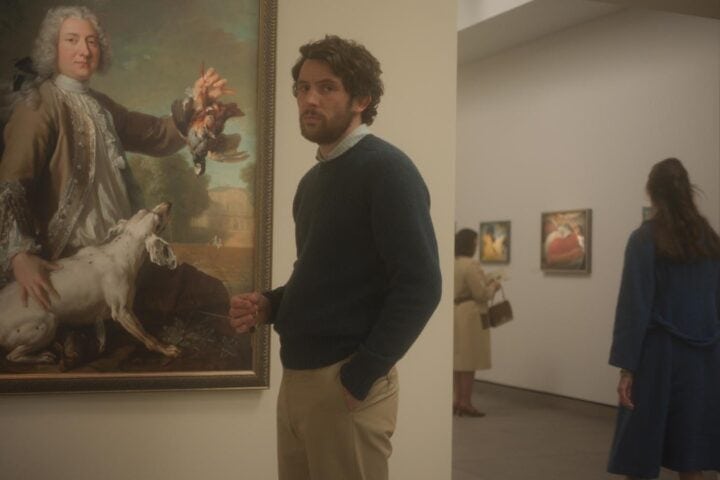
Reichardt discusses the political climate of an era, collaborating with Josh O’Connor, and more.
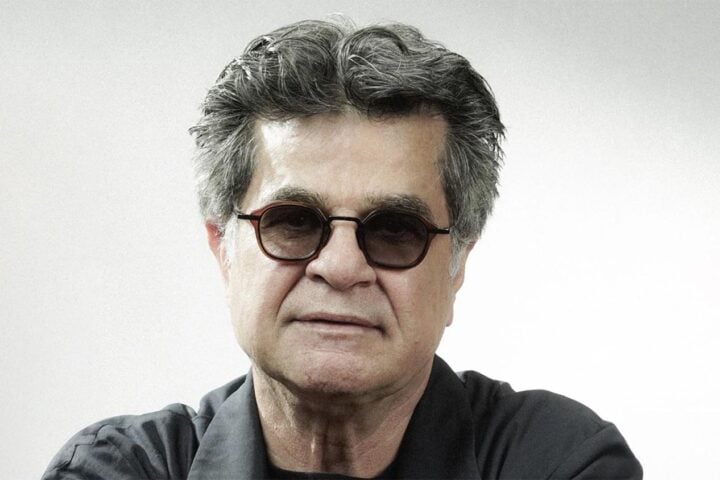
Panahi discusses the meaning of “accident” and how nothing can stop him from making movies.
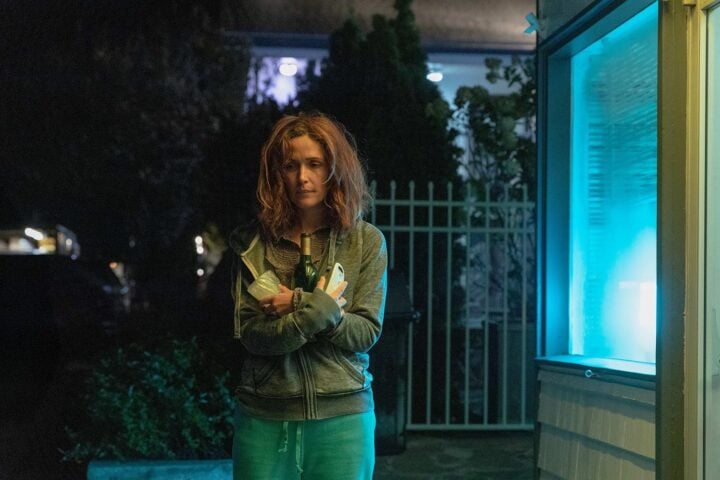
Byrne discusses where she sees similarities between performing comedy and horror.
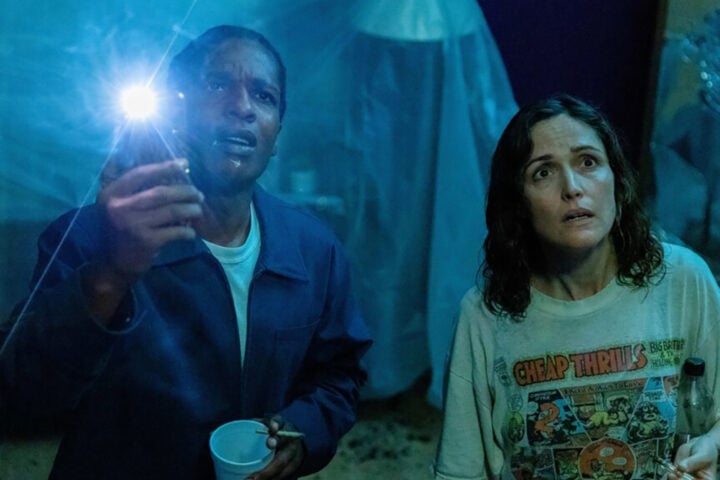
Bronstein discusses her approach to telling stories drawn from her own pain and anxiety.
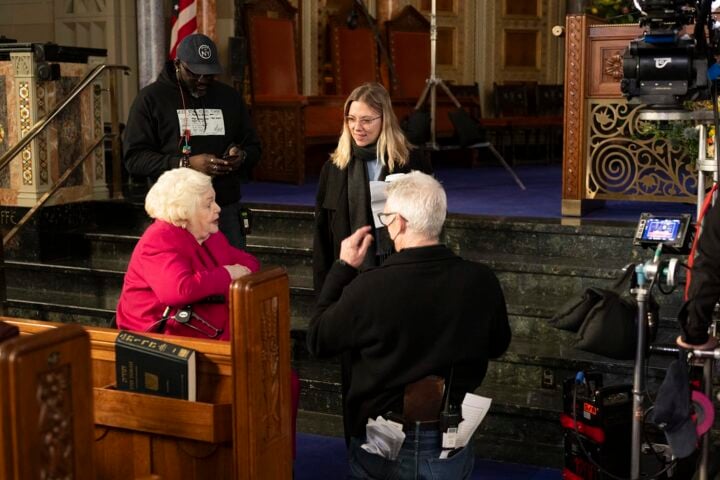
Johansson and Squibb discuss the process of endowing Eleanor with a sense of humanity.
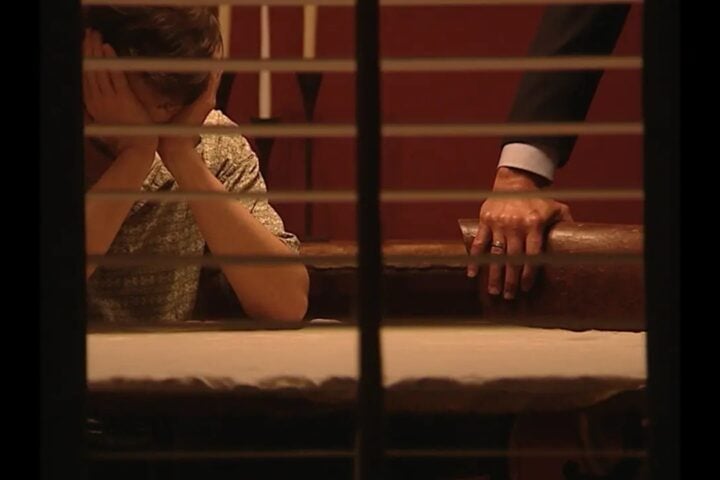
Osit discusses To Catch a Predator, Chris Hansen’s thoughts on the documentary, and more.
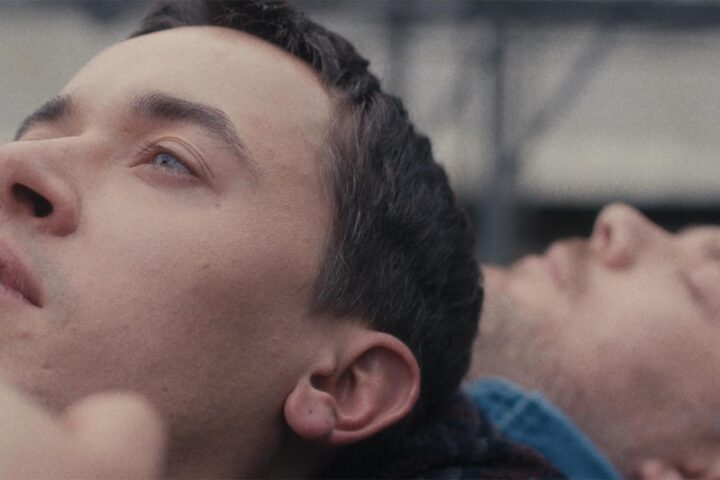
The actors discuss the film’s richly fragmentary style, its frank sex scenes, and more.
Hartley discusses Where to Land’s origins, fundraising, and drawing from his own life.
The duo provide fascinating insight into how they understand the relationship between twins.
Covino and Marvin discuss balancing visual and verbal humor, shooting on film, and more.
Howard discusses his approach to the story and the need that his characters seek to fulfill.
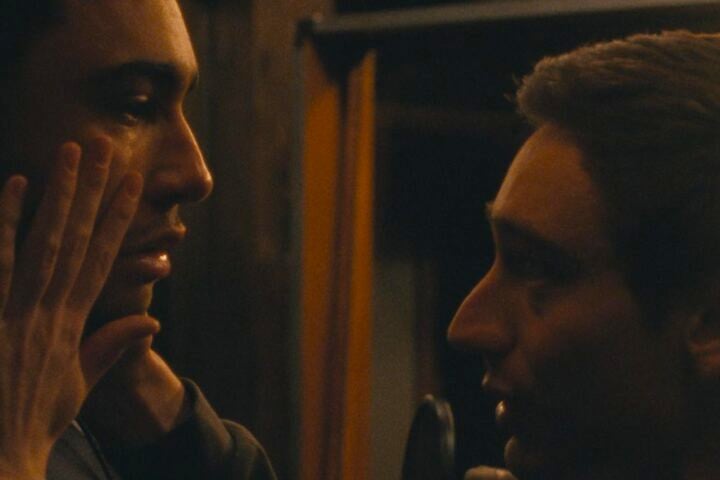
Russell discusses how he updated The King of Comedy for today’s world of fans and stans.
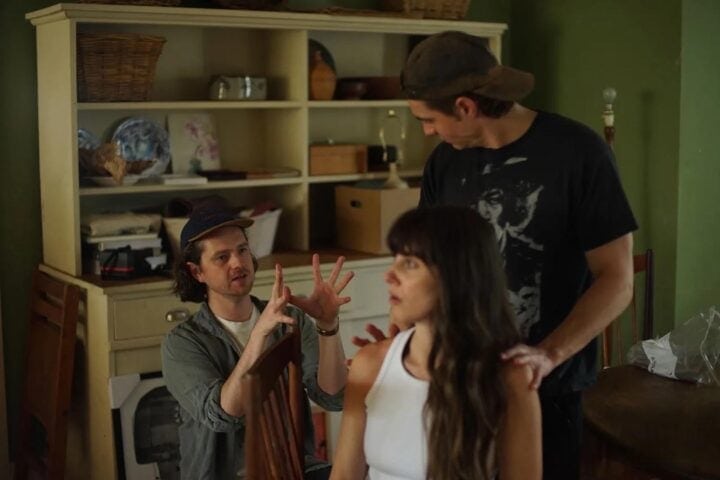
Shanks discusses Together’s bodily contortions and what the ending means to him.
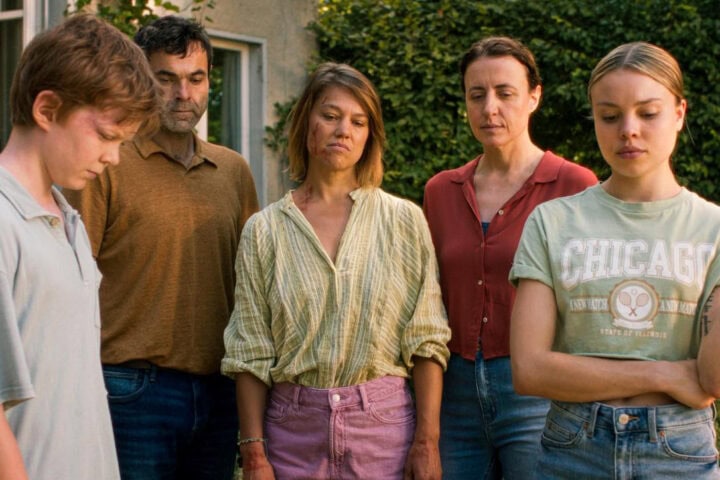
Zürcher discusses his production approach and how houses can aid and abet voyeurism.
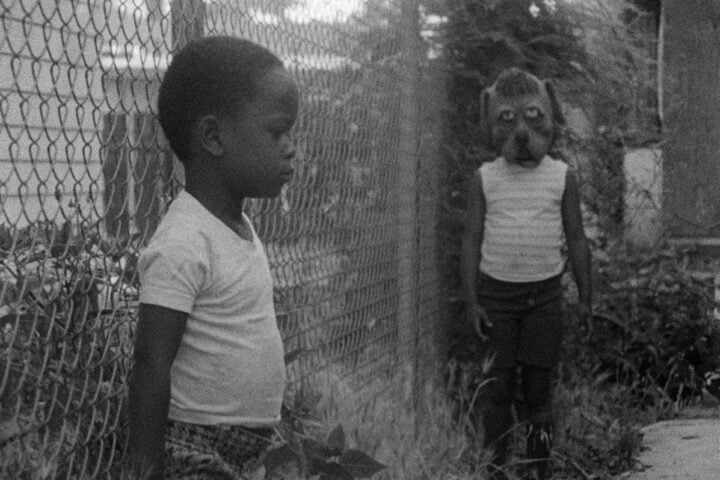
Burnett discusses why it remains so important to show Black life as it is.