The Aussie director discusses why horror was the right vessel for his commentary.
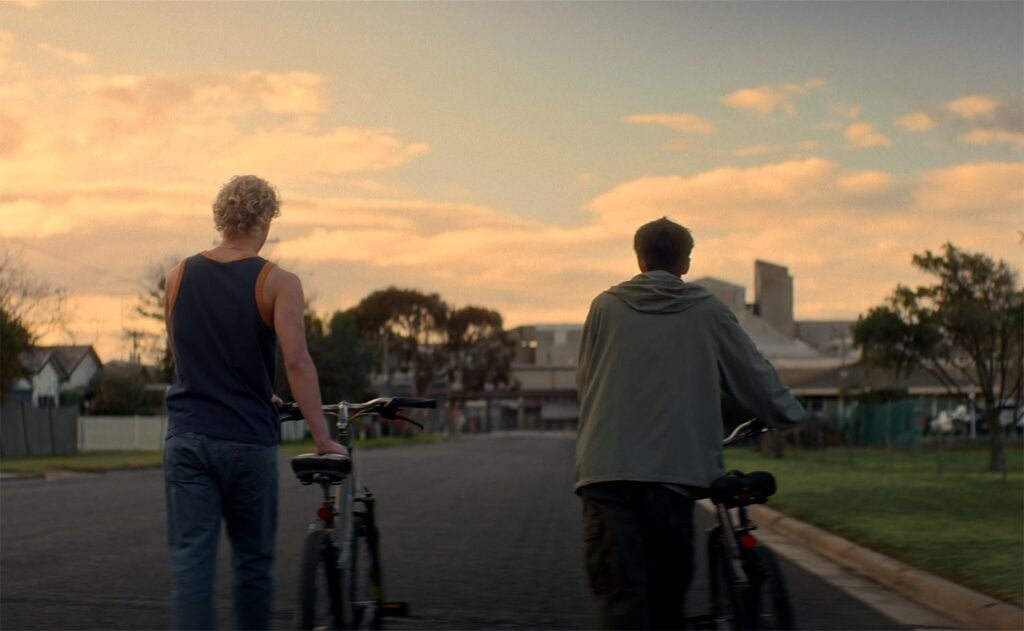

The Aussie director discusses why horror was the right vessel for his commentary.
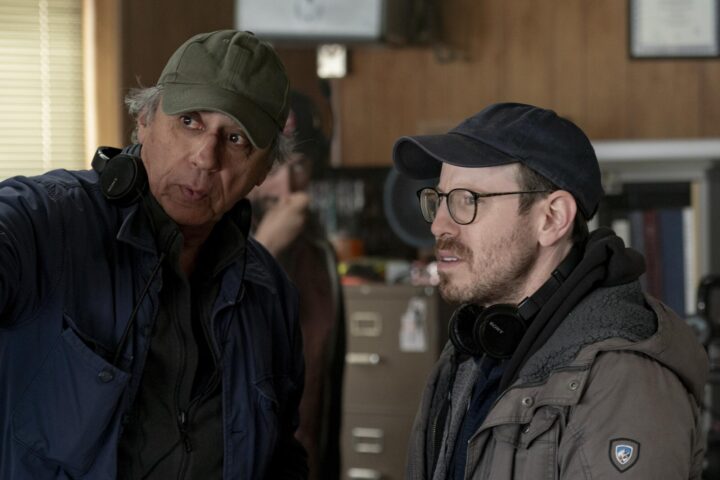
Aster discusses what his pandemic-era dark comedy has to say to audiences in 2025.
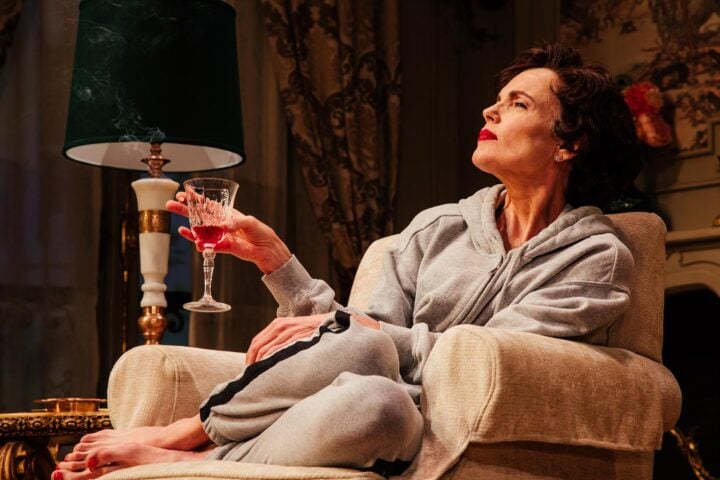
McGovern discusses revealing the vulnerability behind Gardner’s glamorous public facade.
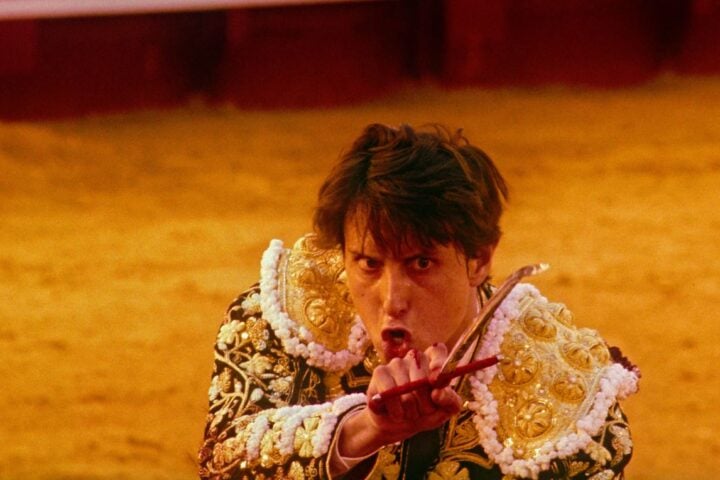
Serra discusses how being close to a torero taught him to take risks in his work.
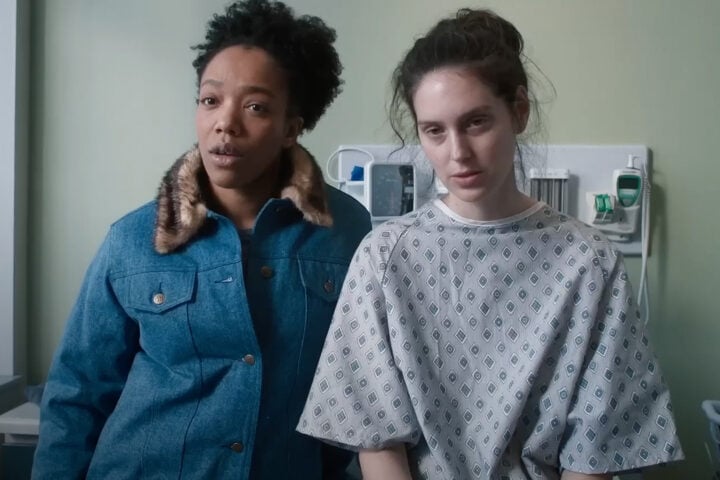
The writer-director-actor discusses how the film is in conversation with other depictions of sexual assault.
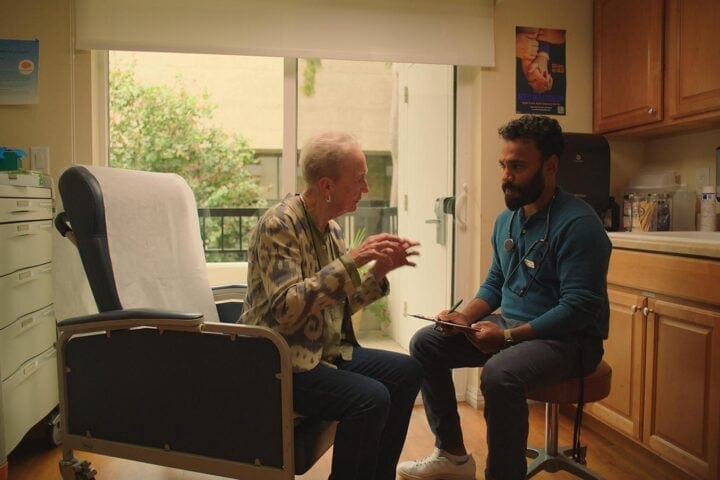
Friedland and Chalfant discuss aesthetics adding empathy to the recreation of dementia.
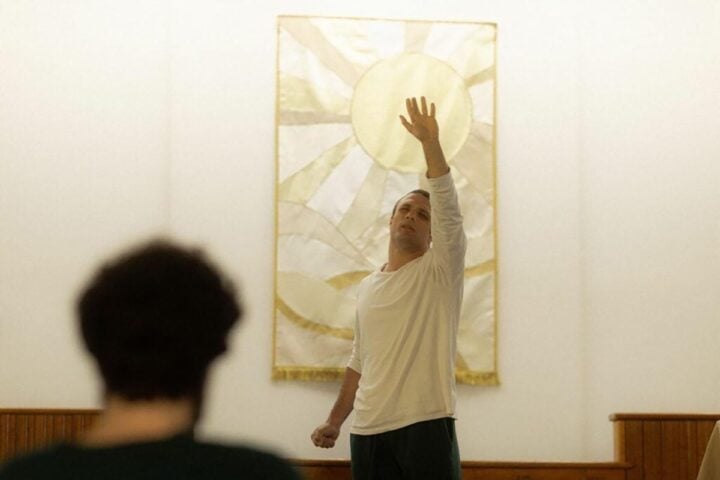
Jarvis discusses the at once tender and menacing shape he gave to his role in the film.
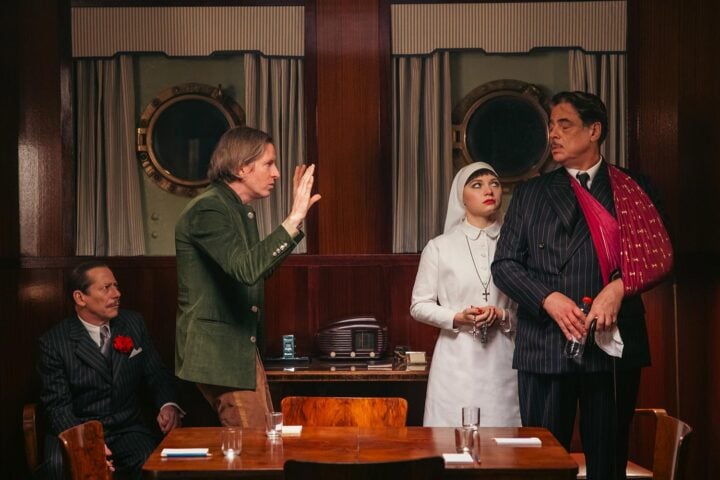
Anderson and Cera discuss why they reject the film being classified as “deadpan.”
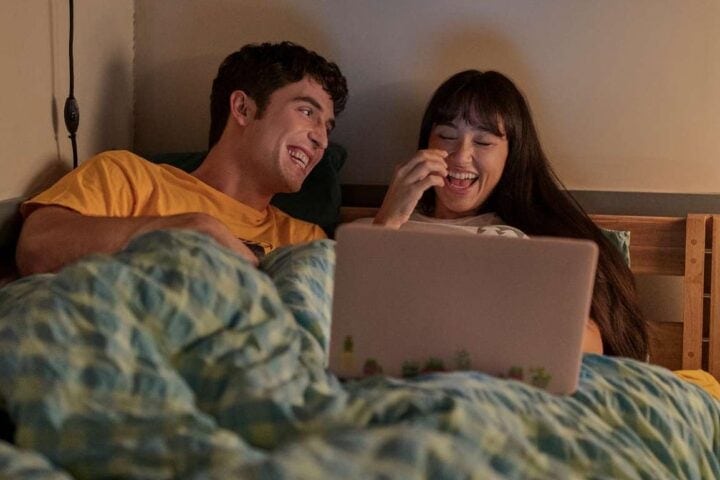
Skinner and Baram discuss coming out, sex on campus, and their show’s bratty soundtrack.
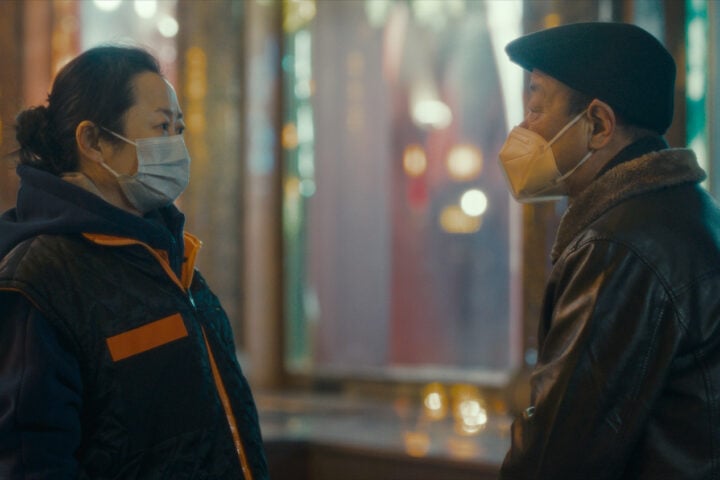
Jia discusses why he thinks the shifting nature of society has also shifted our conception of time.
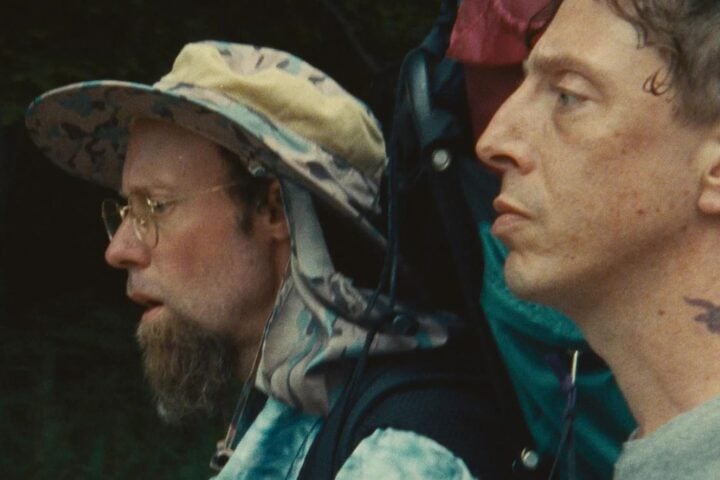
Potrykus discusses ’90s nostalgia, his favor-based production method, and more.
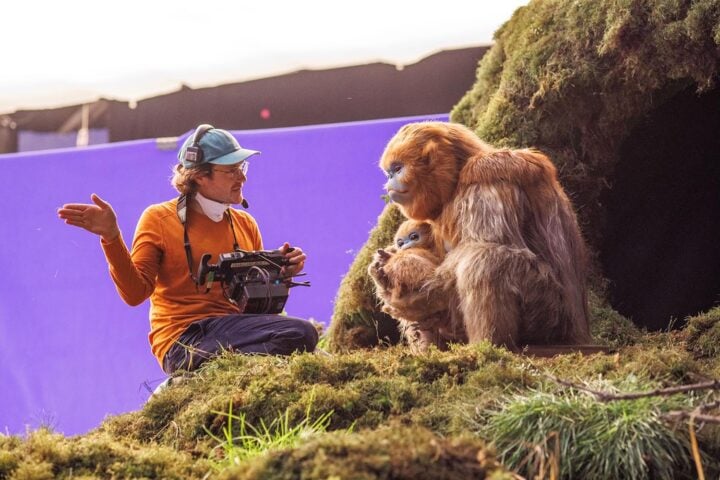
Saxon discusses what he sees as the relationship between technology and nature.
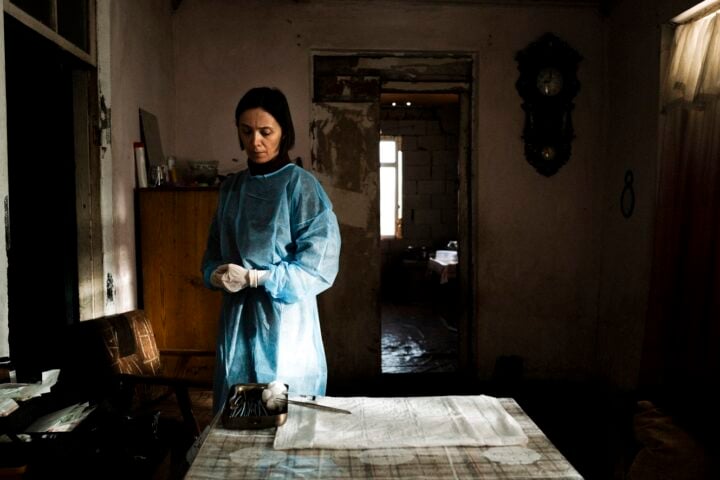
Kulumbegashvili discusses why she wants to sabotage expectations every time she makes a film.
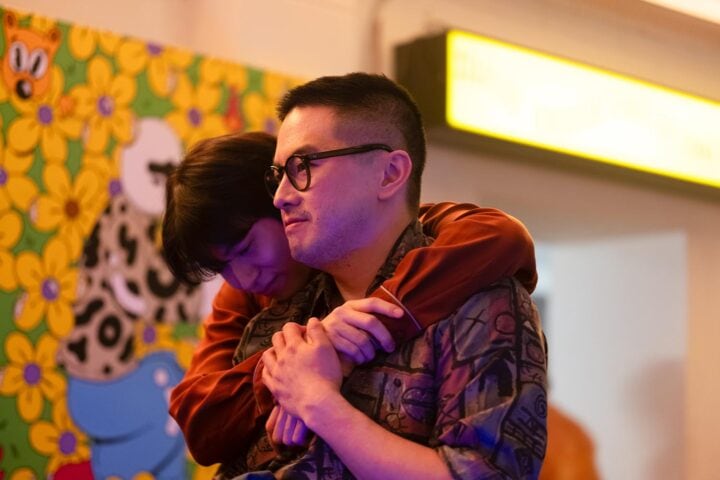
Ahn talks about what he hopes audiences will take away from his spin on the material.
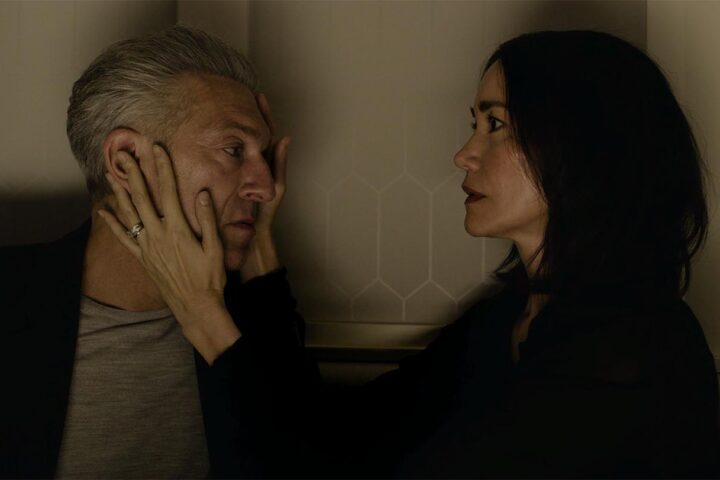
Cronenberg discusses the pull of A.I., taking to the dead, and the optimism of the film’s ending.
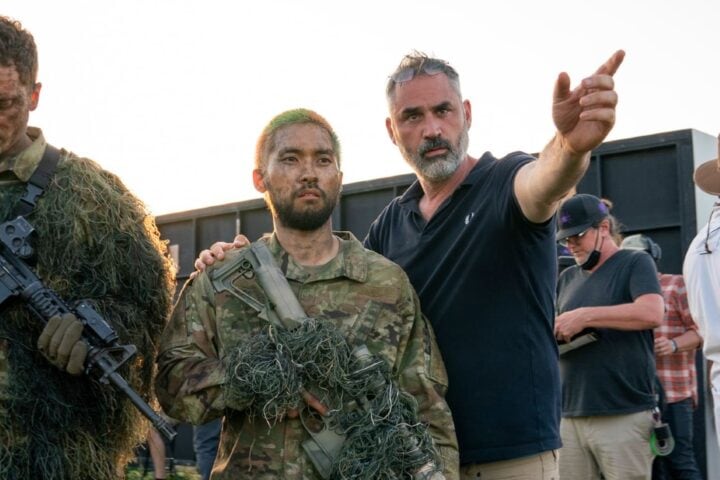
Garland and Mendoza adhering to a Dogme 95-esque code of purity while making the film.
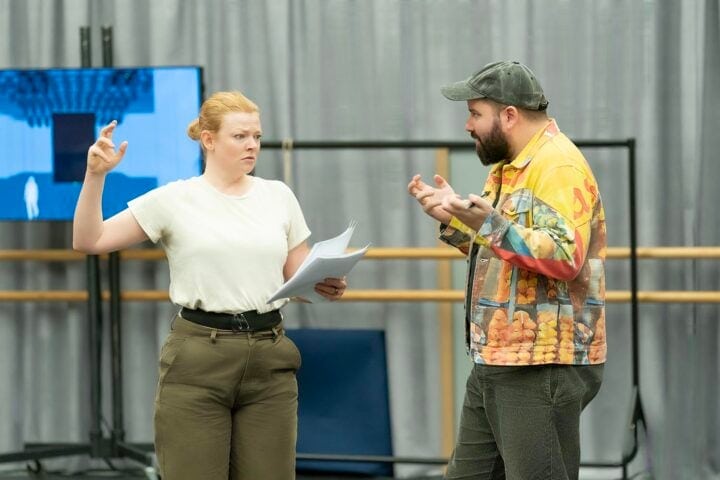
Williams discusses working with Sarah Snook and adapting Oscar Wilde’s legendary novel.
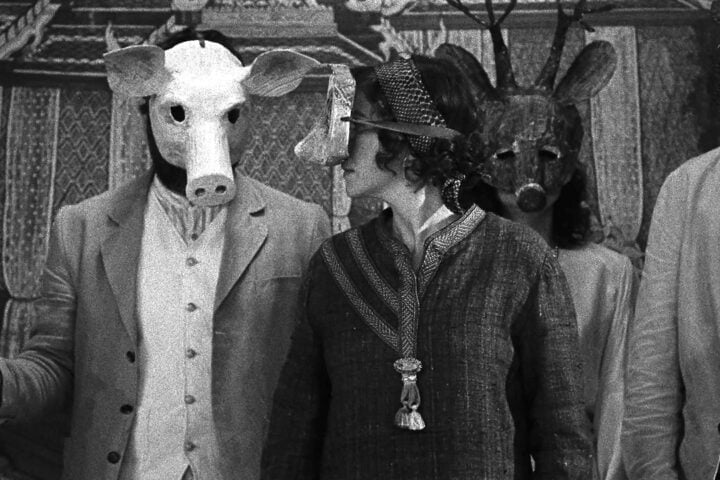
Gomes discusses the film’s “ping-ponging” dialectic, interpretations of the film, and more.
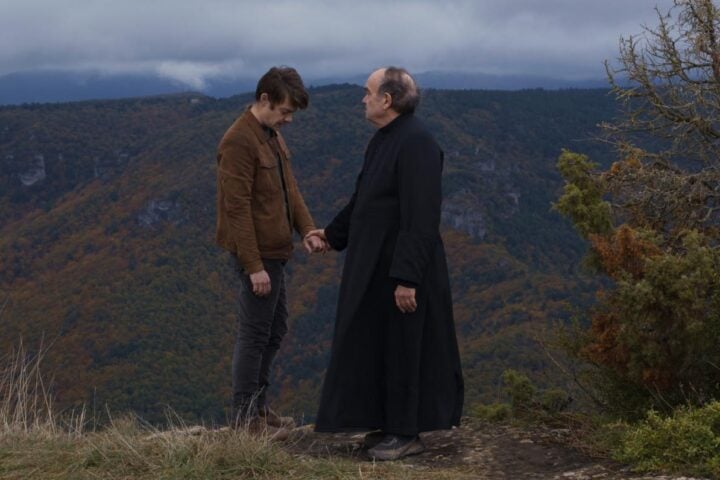
The French filmmaker discusses how he formalized a Freudian gaze for the film.
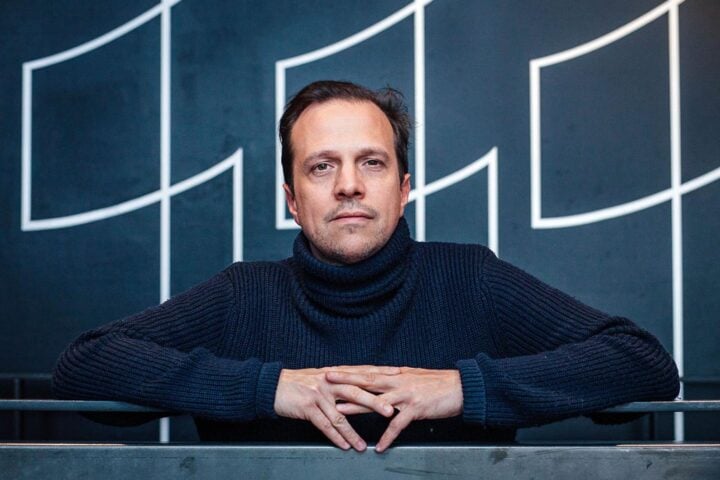
Lesage discusses the struggles faced by more than just youth across his films.
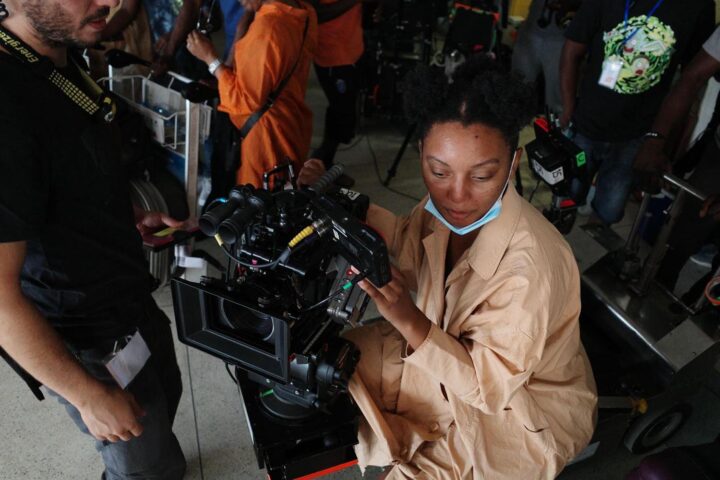
Nyoni and Susan discuss how they collaborated to develop the inscrutable character of Shula.