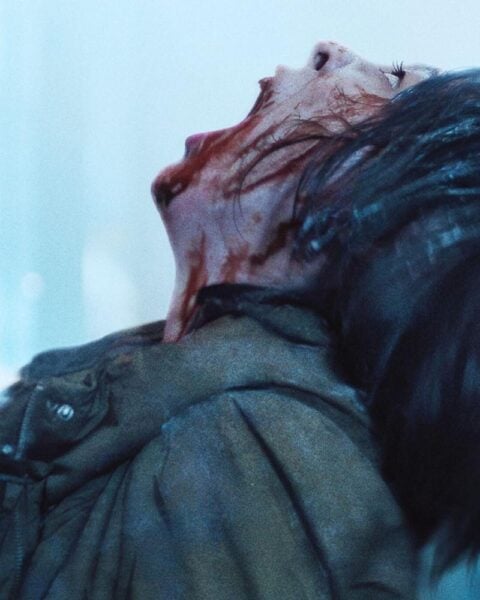
Though Visconti operates on the surface level of the material, he crafts a seductive surface.
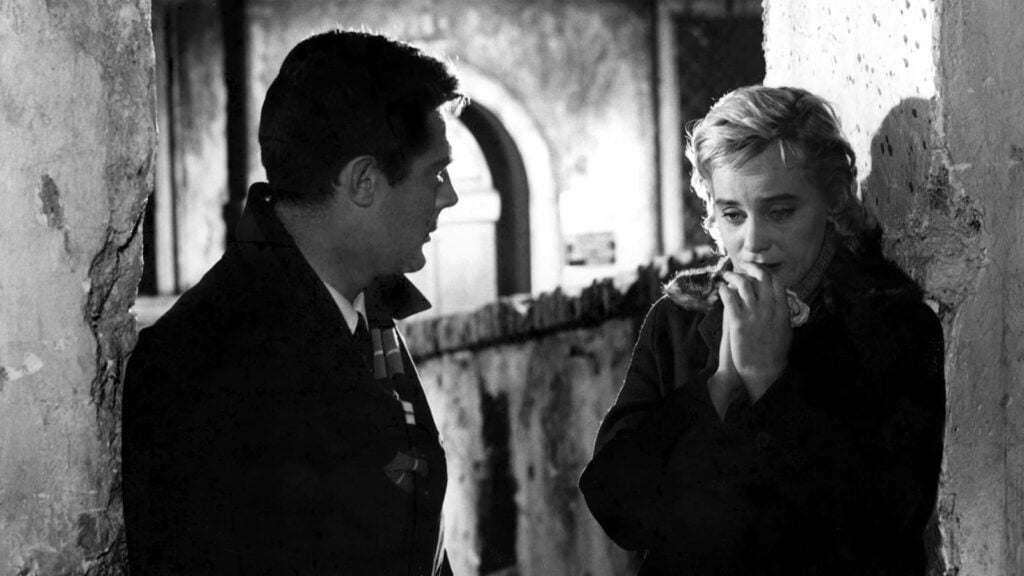

Though Visconti operates on the surface level of the material, he crafts a seductive surface.

Writer-director Nikyatu Jusu’s film ultimately proposes that survival is the greatest form of resistance.
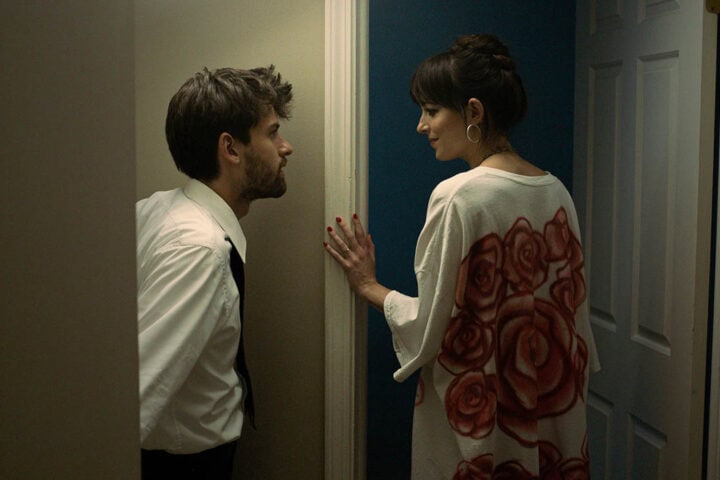
Cha Cha Real Smooth is content to erect a monument to its main character’s awesomeness.

The film is one of the more intrinsically frightening evocations of a traumatized mind since Twin Peaks: Fire Walk with Me.

Throughout You Won’t Be Alone, writer-director Goran Stolevski rejects the slickness that defines so-called elevated horror.

Riley Stearns’s film consistently tickles the funny bone, even when it comes at the expense of psychological nuance.

Sharp Stick shows that Lena Dunham’s preference for solipsistic protagonists with boundary issues has its limitations.

Alice plays as an inadvertent parody of contemporary liberalism’s fascination with and fetishization of ’70s black radicalism.

Watcher gives a feminist twist to a throwback genre, but never does its topicality dilute its gripping suspense.

Call Jane is curiously staid and low-wattage story where, too often, things work out just fine for its characters.
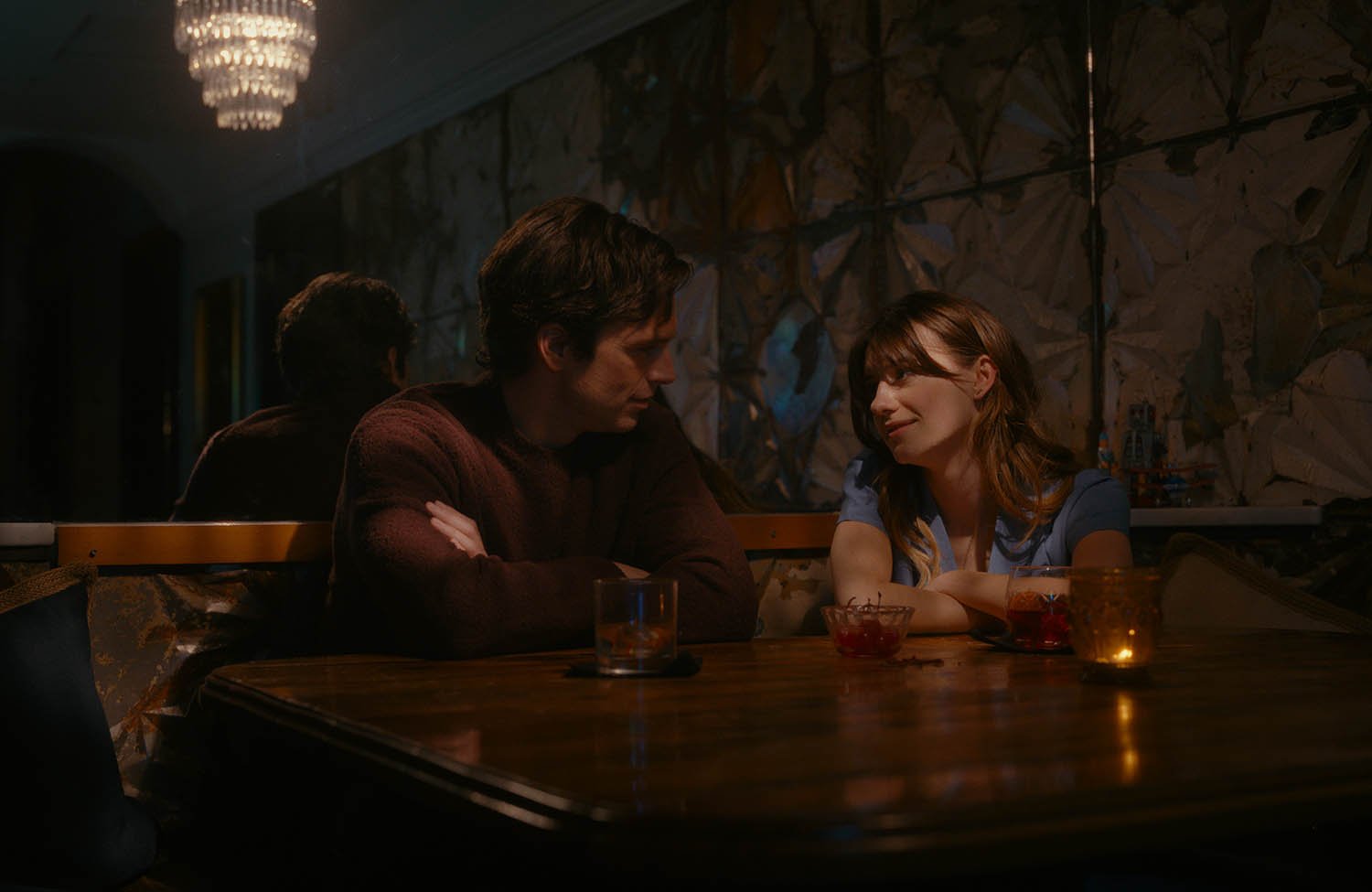
Fresh is pitched as a kind of genre corrective, except its tone-deaf cheekiness only results in a feeling of dreary regression.

The film never seems to fully buy into its horror trappings and ends up treating its characters as avatars for multiple grievances.

The film unfolds at a pace that is unhurried yet self-assured, submerged in the rhythms that govern its characters’ lives.

Abi Damaris Corbin’s quiet and unobtrusive style helps Breaking build tension primarily from character instead of incident.

For better and worse, Jesse Eisenberg’s satire hits its targets dead on.

The film leaves the viewer with the impression of a man trying to beat the entropic decay that surrounds him to the punch.

While its plot is strictly by the numbers, Clean is elevated by its stylistic flair and propulsive pace.

At its best, Speak No Evil plays as queasy satire of conditioned interpersonal behavior.

This period drama manages the difficult task of speaking to our current moment without being didactic or preachy.

The film provides no space to explore its relationships, and as a result there’s little friction to the climax.

The film makes no attempt to embody the themes that form the core of Annie Ernaux’s story in its aesthetics.