Though Visconti operates on the surface level of the material, he crafts a seductive surface.
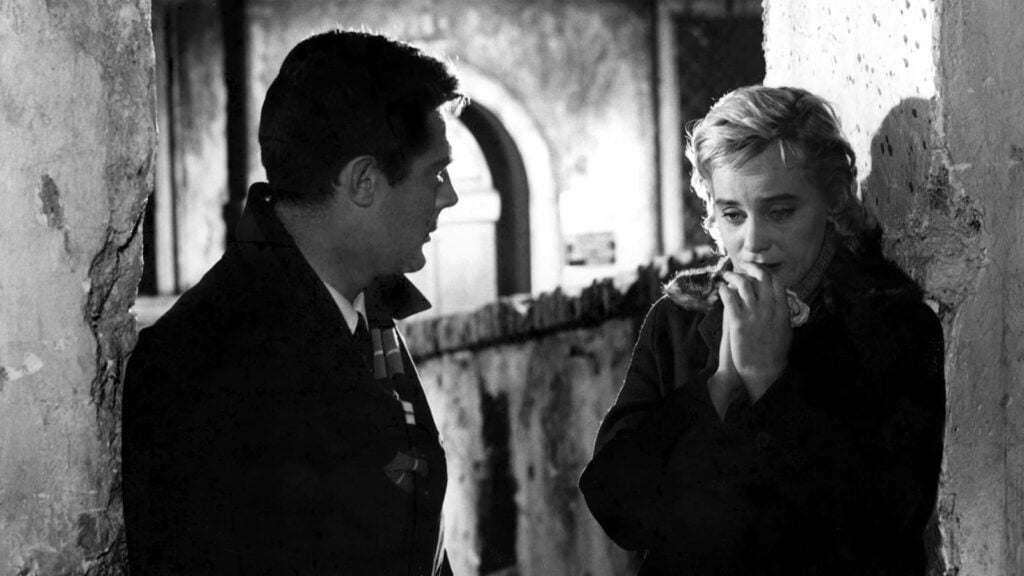

Though Visconti operates on the surface level of the material, he crafts a seductive surface.

The film poignantly draws a straight line from the economic anxieties of the past straight to the present.
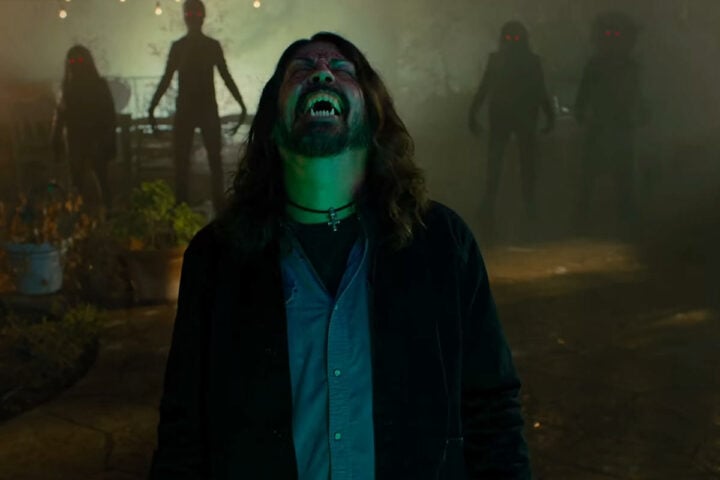
The film’s funny and shocking gore too often plays second fiddle to meandering comedic bits revolving around the band’s recording sessions.

The Desperate Hour’s broad, vague rendering of its characters is part and parcel of its troubling approach to its material.

The film drops any interest in the blurring of fact and fiction as it settles into a rote account of a contemporary oil rig catastrophe.

After its brilliantly constructed opening, the film gives the impression only of a giallo doodle.

The film fleshes out perhaps familiar characterizations by tying contemporary wounds to the persistent presence of Europe’s ugly history.
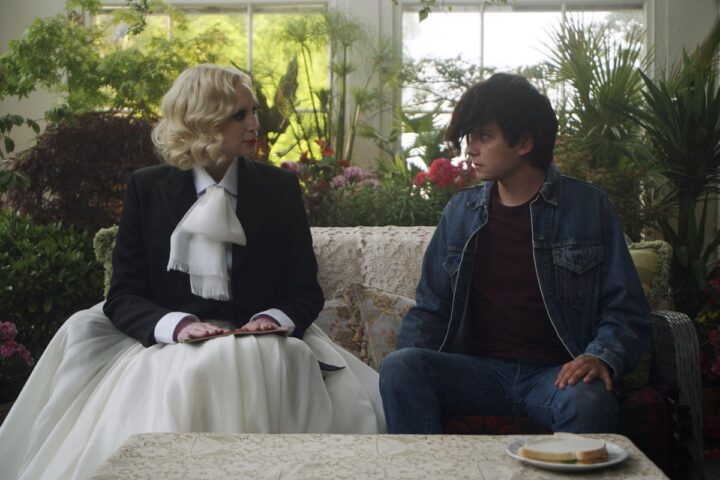
The film heightens the clash between different artists’ egos, and between their conflicting visions of meaningful work, to absurd heights.

The film goes from biting satire to broad farce and back as Alain Guiraudie fills it with both social observation and ludicrous incident.

Coma cultivates gallows humor about the state of things—or rather, the stasis of things.

Brian Pestos’s flair for go-for-broke zaniness transmutes what might otherwise have been a lump of self-indulgent clichés into gold.
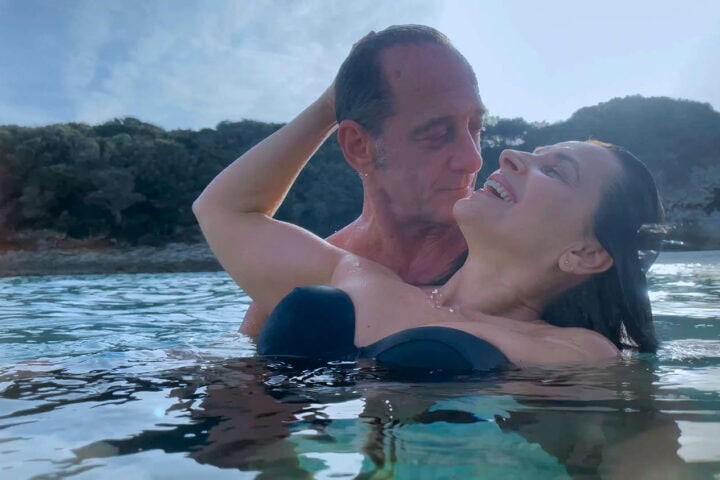
The studied ambiguity of the film doesn’t keep it from often achieving the suspense of an accomplished erotic thriller.
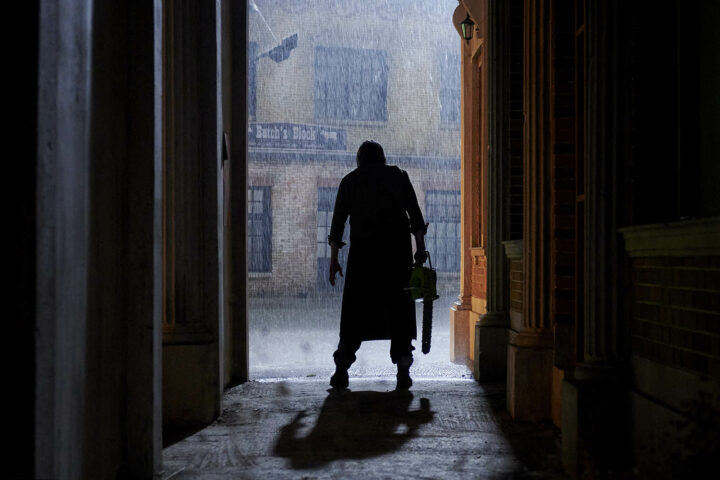
The new Texas Chainsaw Massacre is a deeply miscalculated mix of incoherent social commentary and over-the-top gore.
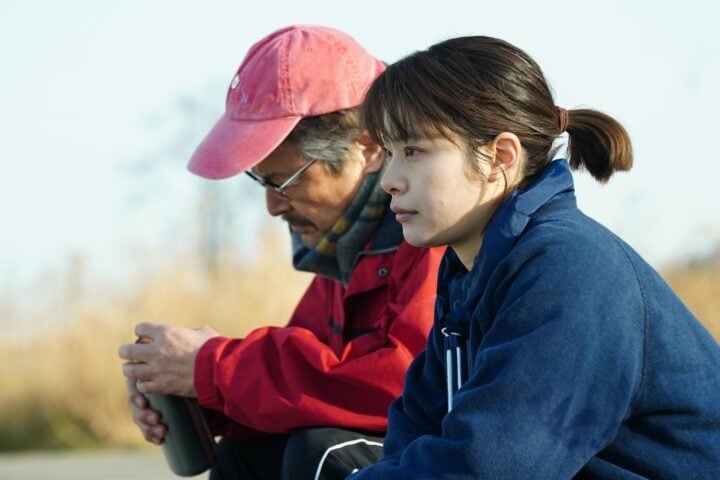
Visual, embodied forms of communication, including the rhythms of the moving image, dominate this affecting and deceptively modest film.

Dog smuggles a nuanced inquiry of a social issue under the guise of popular entertainment.
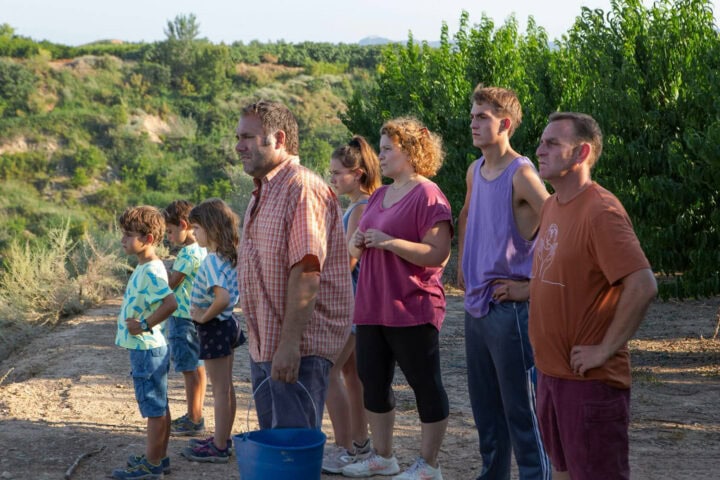
Despite its inability to weave its threads into a harrowing neorealist knot, Alcarràs crafts a detailed portrait of an endangered lifestyle.

That Kind of Summer never quite resolves into any one stance on its subjects, an equanimity that’s to its credit.
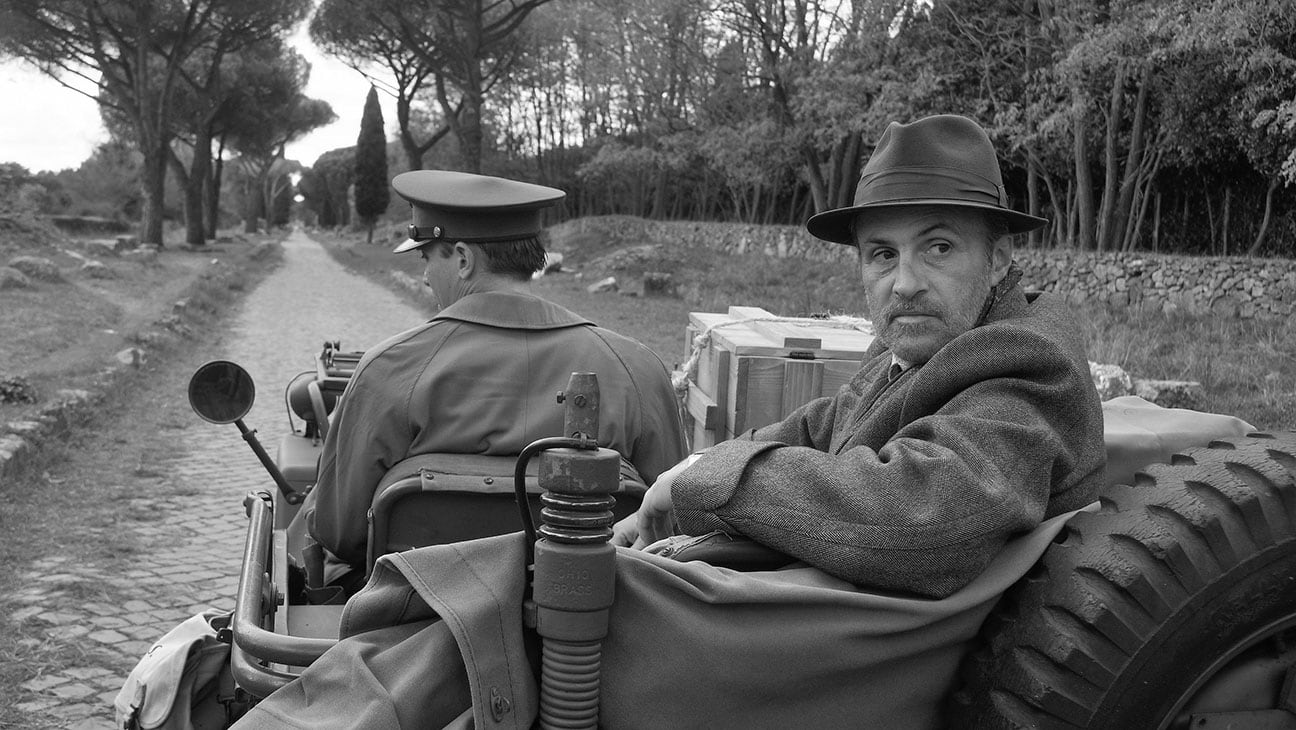
Leonora Addio wrestles with memory and history through a deeply personal, if at times indulgent, lens.
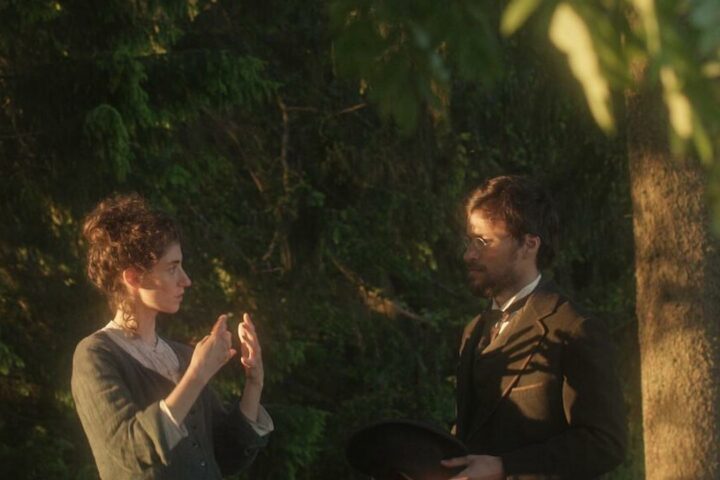
Unrest brandishes its historical-materialist bona fides through this de-emphasis of psychology in favor of social dialectics.

The games are fixated on the idea of honor among thieves, but you wouldn’t know that from this antic, meaningless film.

The film proves that Hong has yet to exhaust his methods of deriving significance and beauty from the most quotidian of details.