It took two years for the ideals of the Summer of Love to be darkened by the Manson murders. But for Michael James Brody Jr., the 21-year-old hippie millionaire heir who offered to give away his fortune in 1970, it was a mere 10 days before his dreams of bringing peace and prosperity to the world collapsed like a house of cards.
Keith Maitland’s Dear Mr. Brody traces this wide-eyed eccentric’s meteoric rise to fame one year after the Manson murders, as well as his inevitable fall from grace in the public’s eye after he failed to deliver on his promise. Brody’s protestations of wanting to give money to everyone who asked him for help initially appeared to be made in earnest. And he was charismatic enough that it’s understandable why so many people believed him and members of the press, from Walter Cronkite to Ed Sullivan, were clamoring to put him on the airwaves.
The film compellingly traces how the quixotic Brody slipped into full-fledged paranoia and became plagued by delusions of grandeur. (At one point, he chartered a helicopter to the White House and promised to give Richard Nixon a billion dollars if he would end the Vietnam War.) But where the media at the time gave Brody his 15 minutes of fame and gleefully watched on as his life fell apart, Maitland presents him in a more sympathetic light, touching on his childhood troubles and mental health issues that were exponentially exacerbated by PCP.
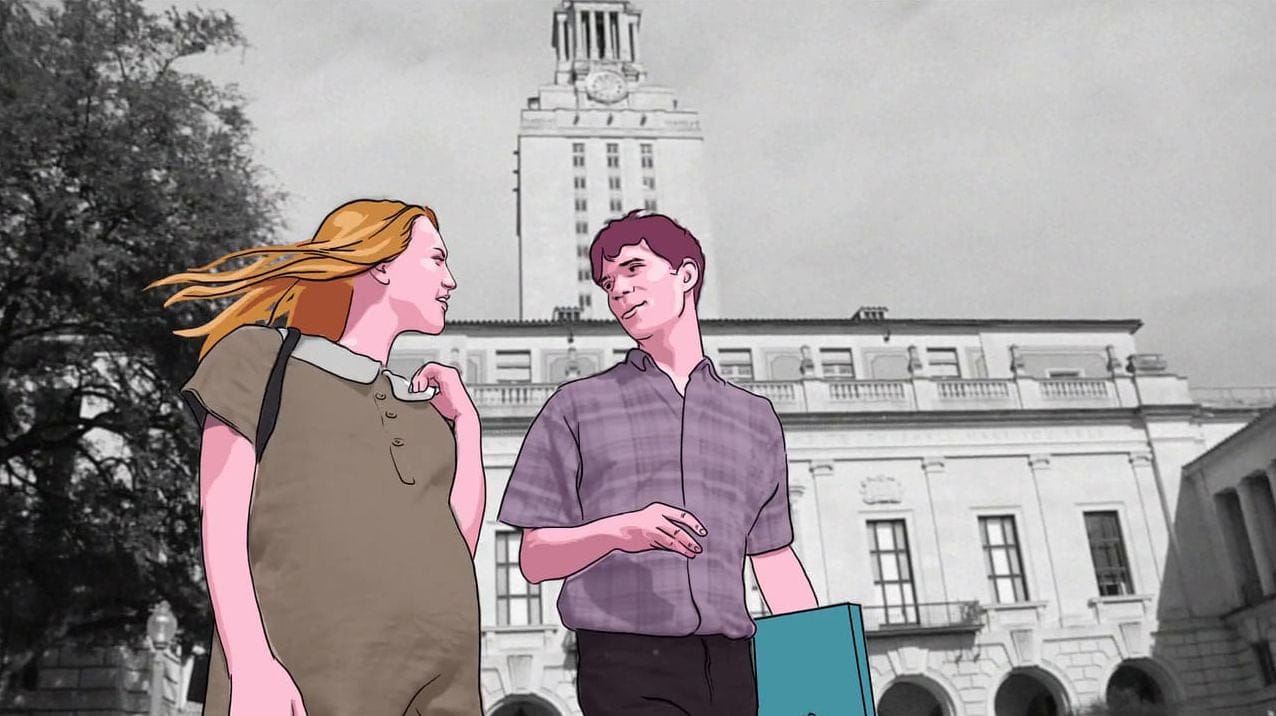
But Maitland, whose 2016 documentary Tower uniquely shed light on another tragedy from a half-century ago, understands that Brody’s story isn’t the only one worth telling. Alongside the tragic unfurling of Brody’s life, Dear Mr. Brody also shines a spotlight, however brief, on the thousands of people who saw the idealistic millionaire’s promise as a genuine lifeline.
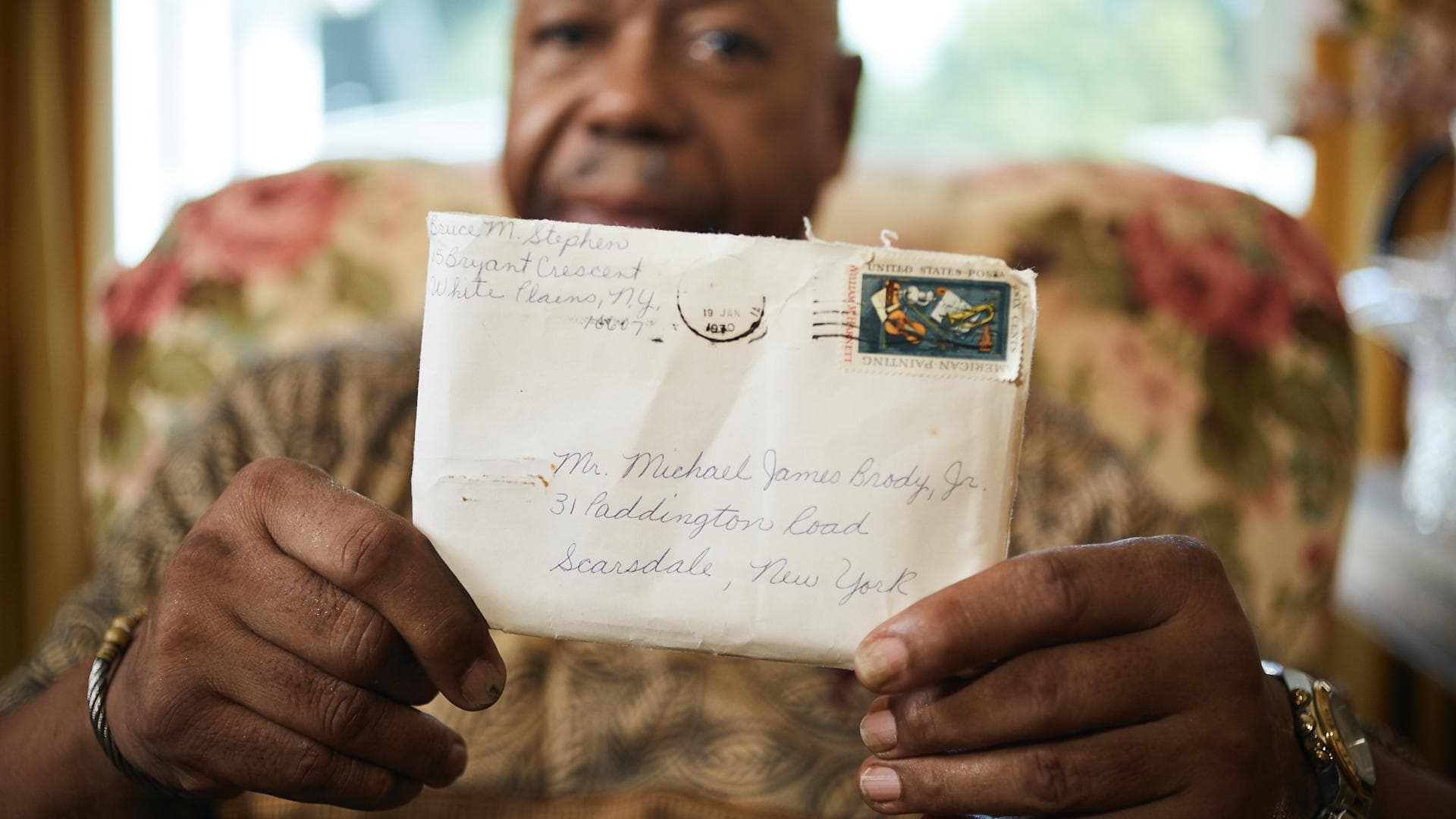
The filmmakers gained access to over 10,000 letters that were mailed to Brody in 1970 and find various ways of engaging with these greedy, desperate, funny, and harrowing—sometimes all at once—time capsules. While Brody’s misadventures highlight some of the darker impulses and consequences of late-’60s drug culture, the letters reveal something more achingly human: the dreams and struggles of working-class people. And the emotional despair within them is made all the more haunting by the fact that they were never even opened.
Maitland’s spotlighting of the letters offers a compassionate counterbalance to Dear Mr. Brody’s cynicism toward the ideals of the ’60s counterculture. And his shrewd approach to revealing their contents—from voiceover recitations to reenactments with actors, as well as tracking down the actual letter writers in some cases—works to poignantly draw a straight line from the economic anxieties of the past straight to the present. Michael Brody may be gone, but Maitland’s film sadly reveals that the sentiment that ordinary Americans are forced to go to great lengths, and against great odds, to get their needs met is as true today as it ever was.
Since 2001, we've brought you uncompromising, candid takes on the world of film, music, television, video games, theater, and more. Independently owned and operated publications like Slant have been hit hard in recent years, but we’re committed to keeping our content free and accessible—meaning no paywalls or fees.
If you like what we do, please consider subscribing to our Patreon or making a donation.