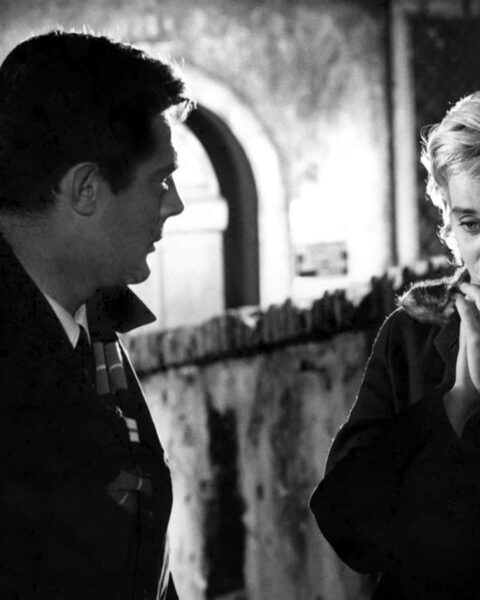
Refn discusses his love of fairy tales, falling through the rabbit hole of streaming, and more.


Refn discusses his love of fairy tales, falling through the rabbit hole of streaming, and more.

The specters of those dual devils “commission” and “committee” hang darkly over Abbas Kiarostami’s film.

The film is a familiar rehashing of what Romero already covered in Day of the Dead.

It’s to the film’s credit that it’s able to say so much with very little words and even less righteousness.

Bresson’s Au Hasard Balthazar is the rare spiritual film that lowers the bar for saintliness.
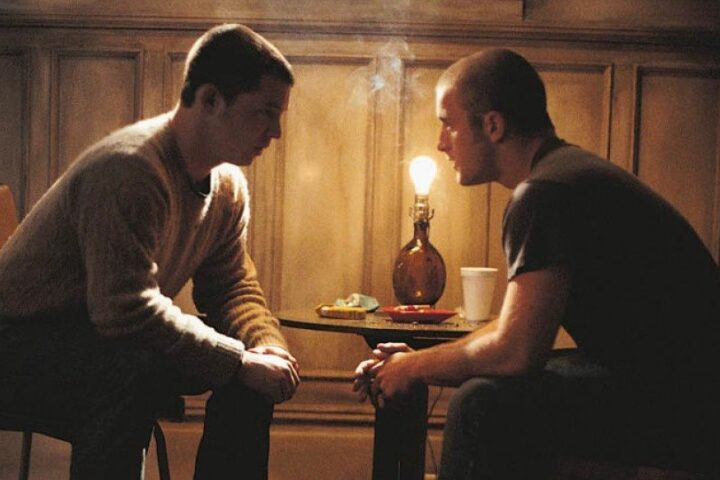
Scott Caan’s directorial debut certainly aims to tribute.

It remains a highly narcotic, swoon-inducing romance in the Bette Davis canon.
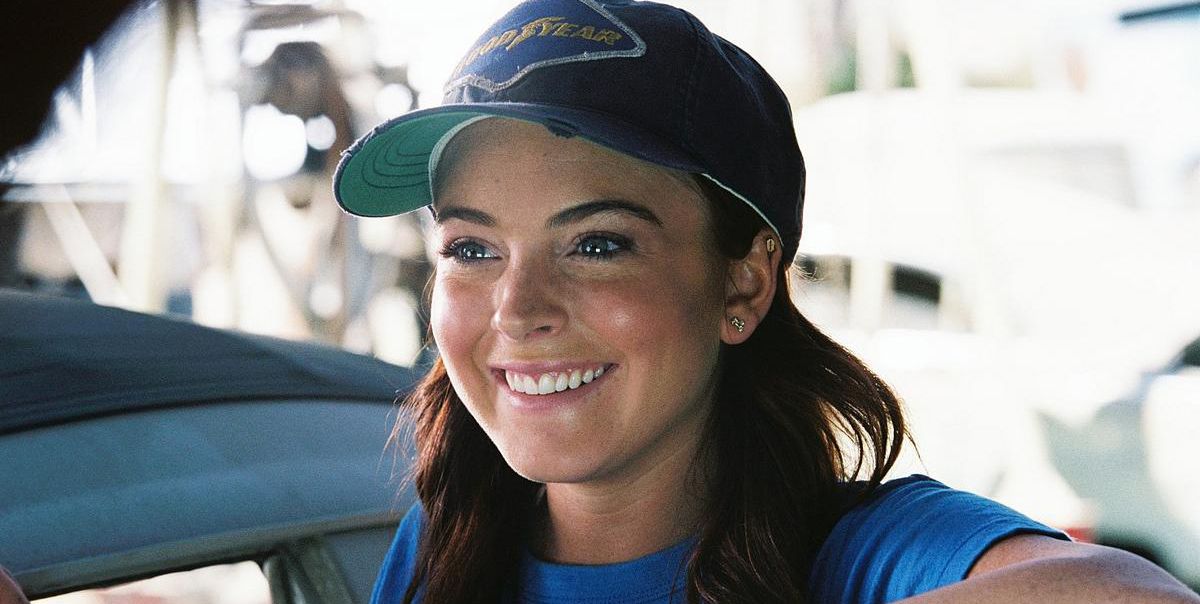
Despite being affectionately known as the Love Bug, Herbie is more of a horny pest in Herbie: Fully Loaded.

Ko Nakahira slyly uses the conventions of the postwar teen rebellion flick while simultaneously undercutting them with his own jagged rhythms.

During a Kiyoshi Kurosawa film, one sits in anticipation of the horrors lingering just outside the frame.
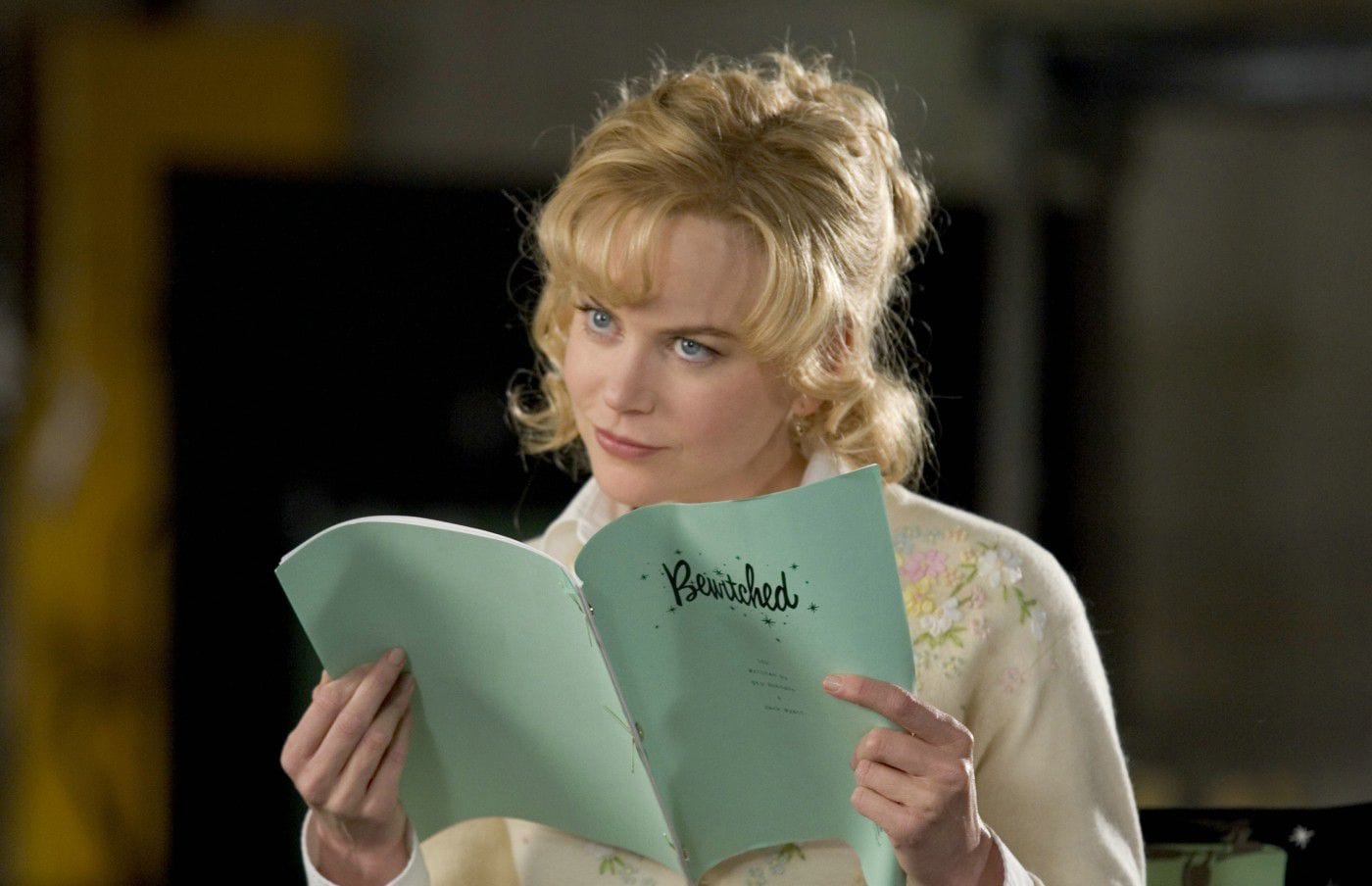
This is a comedy that gets away with more than it deserves, even using “Everybody Hurts” on the soundtrack.

One wishes it strayed even further from the land of the Hannibal Lecter, then we’d really have something.

The tagline says it’s all about men, but this 1939 comedy is really a testament to the females of a certain era, and how they go about securing their comfort and happiness.

Throughout, Werner Herzog gracefully and astutely captures the “primordial kinship” of man and nature.

Though its craft is accomplished, the film never gets deep under one’s skin the way it ought to.

Ziad Doueiri’s follow-up to 1998’s well-received West Beirut doesn’t hawk a naïve liberal’s vision of assimilation and cultural identity.

Those who are familiar with the once-lauded plays of Clifford Odets will find his hyperbolic, wondrously godawful style all over the dialogue.

An intellectual, a feminist, and a socialist, writer-director Sally Potter places her films within the realm of the conceptual.

Multimedia artist at heart, and generous almost to a fault, Miranda July is continually folding the audience into her diagram.

To Hilary Duff’s credit, she not only cries well but also makes her use of the word “self-preservation” in casual conversation sound convincing.

Are movies all about great endings?