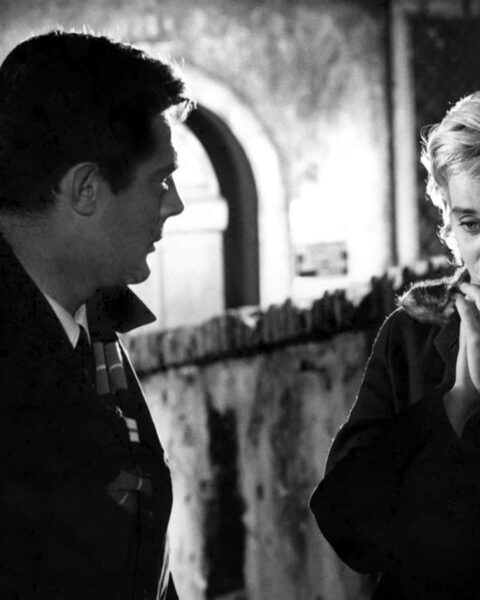
Refn discusses his love of fairy tales, falling through the rabbit hole of streaming, and more.


Refn discusses his love of fairy tales, falling through the rabbit hole of streaming, and more.

Dirty is clumsier and less earnest than Crash, but it’s every bit as totalitarian.

Cheaper by the Dozen 2 is far more concerned with pat platitudes than it is with sex.

The White Countess is an unceremonious denouement for the erudite Merchant Ivory label.
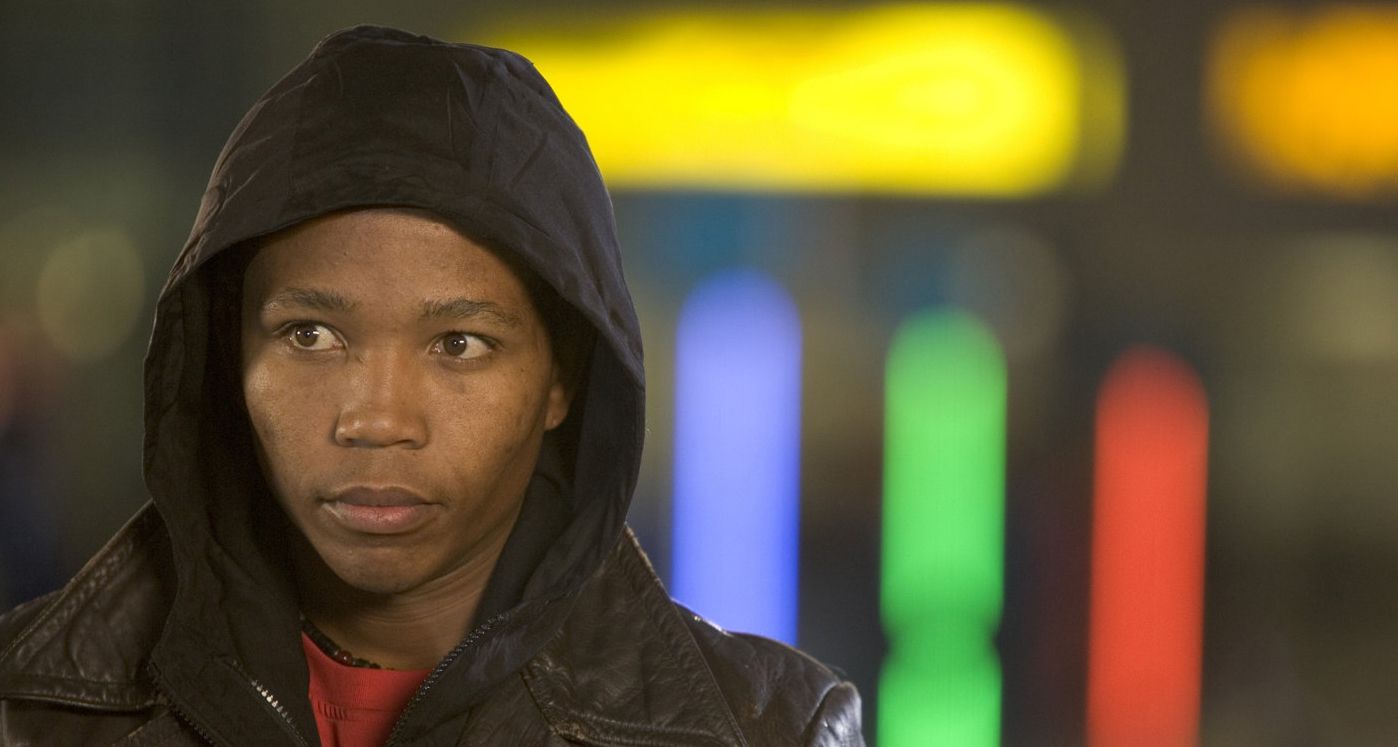
Not surprising for a film that trades in child’s-lit insight and character arching, Tsotsi sheepishly keeps its social realism at arm’s length.

For Peter Berlin, art was the strangest thing: a studied pose of personal expression and sexual abstinence.

The film is a quirky ode to romance and a showbizer’s life on the road.

The sociological and emotional heft of The New World is encased in a swirl of hallucinatory images.
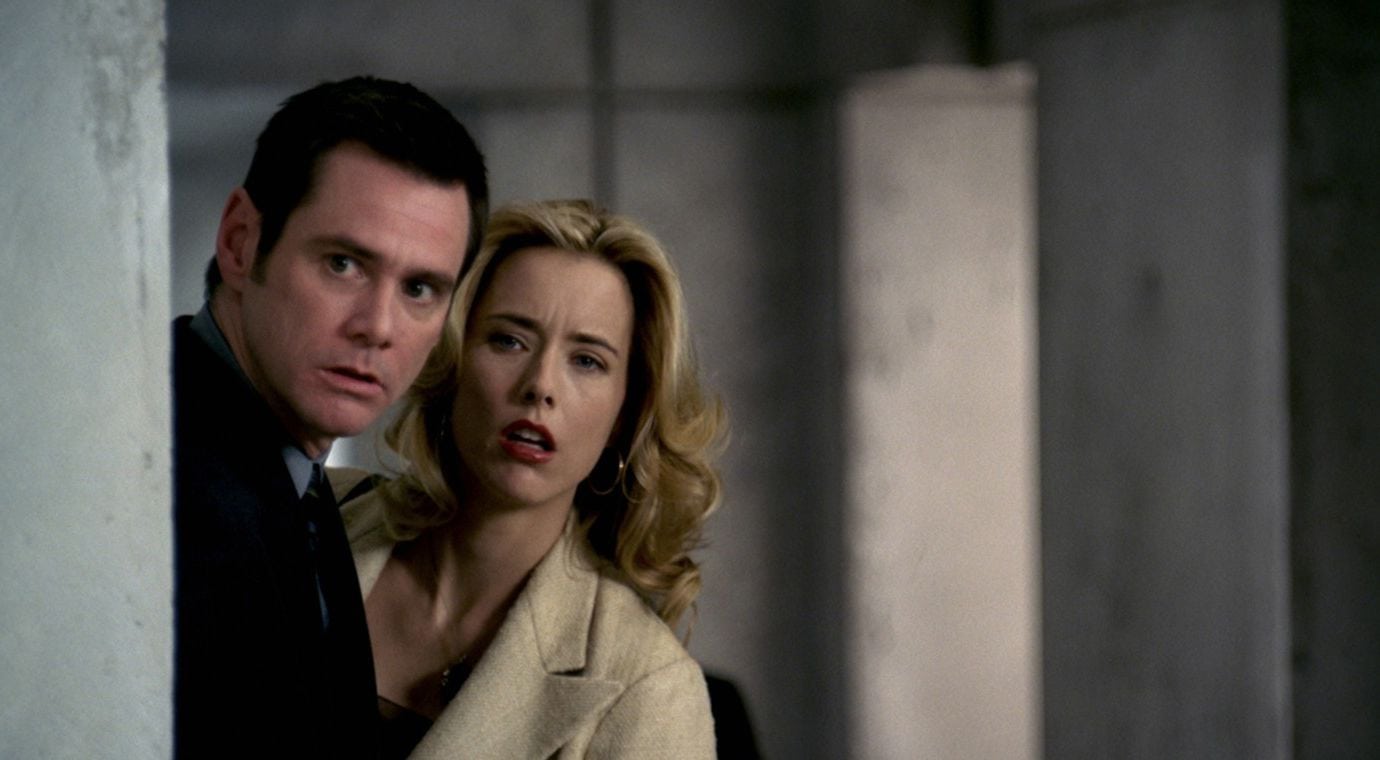
Social commentary mingles with stupid comedy in Fun with Dick and Jane, a flaccid, humorless update of the 1977 George Segal-Jane Fonda romp.

The film stands as a mildly fascinating project to restore Sabina Spielrein to her rightful historical station.

Hunter Richards’s London has the makings of a great gay porn.

La Petite Jérusalem transplants the Arab-Israeli conflict to a concrete housing neighborhood in France.

Throughout, Tommy Lee Jones carries Pete’s weight of grief but without betraying the character’s emotional impenetrability or slack conscience.
Socio-politically-minded Big Idea films were all the rage in 2005.

The film is so garishly colorful and cute that even rom-com neophytes will find its uninspired adherence to formula borderline-unbearable.

Flunky, Work Hard! contains an intriguing mix of elements from both early and later Naruse.

The Song Lantern is, scene for scene, a visual marvel, comparable to the regal sweep of a Mizoguchi film.

The film might be the year’s most levelheaded cinematic dissertation on our ongoing war on terror.

The film is as vibrant as rhythm and blues, as brainy as the poetry of science, and as emotionally open as you hope your date will be.
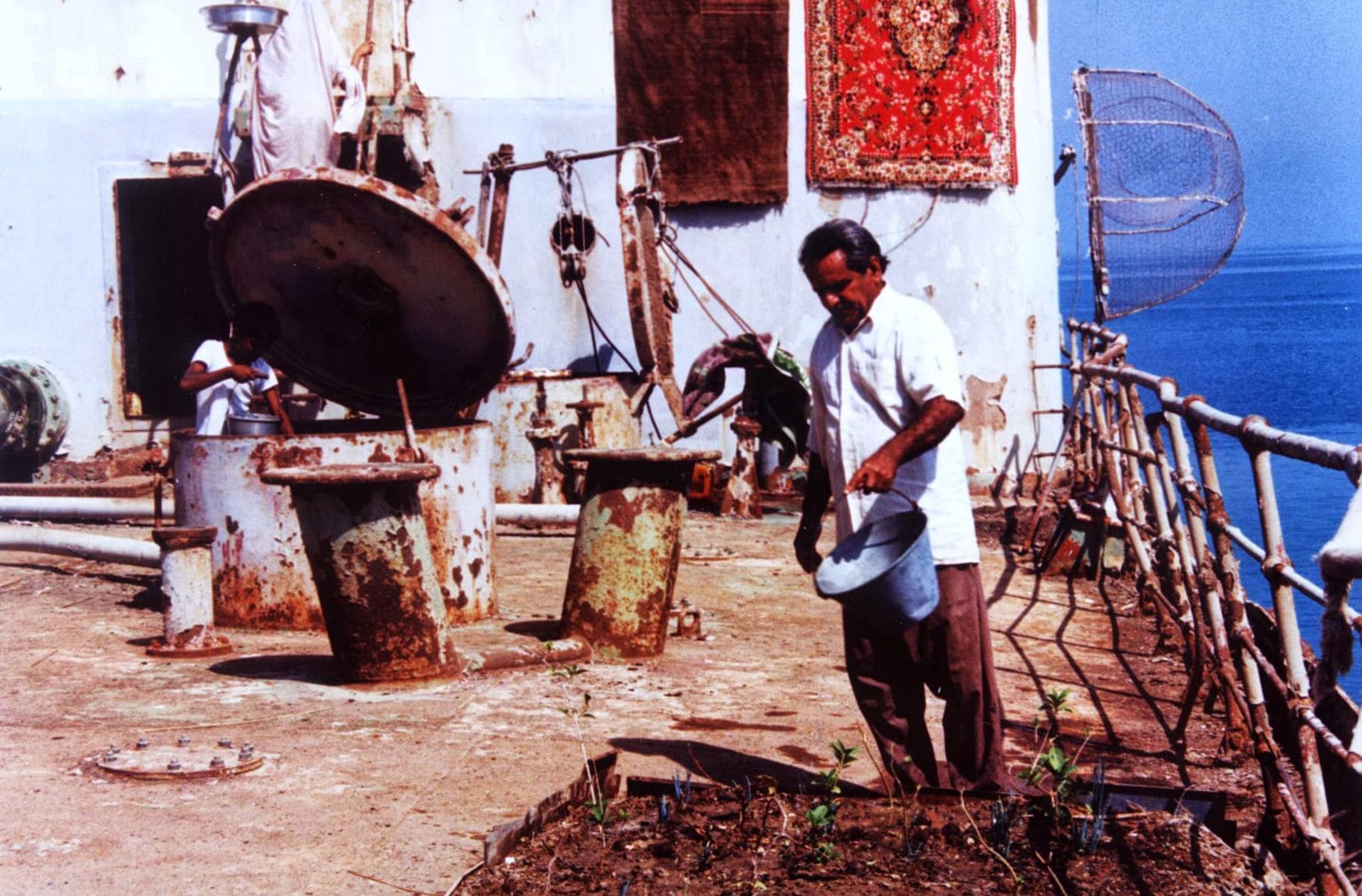
Mohammad Rasoulof’s examination of life on board a decrepit tanker in the Persian Gulf is anything but obtuse.

The film feels very much at odds with the popularly accepted view of Mikio Naruse as a stasis-minded chronicler of the modern-day Japanese working class.