Refn discusses his love of fairy tales, falling through the rabbit hole of streaming, and more.


Refn discusses his love of fairy tales, falling through the rabbit hole of streaming, and more.
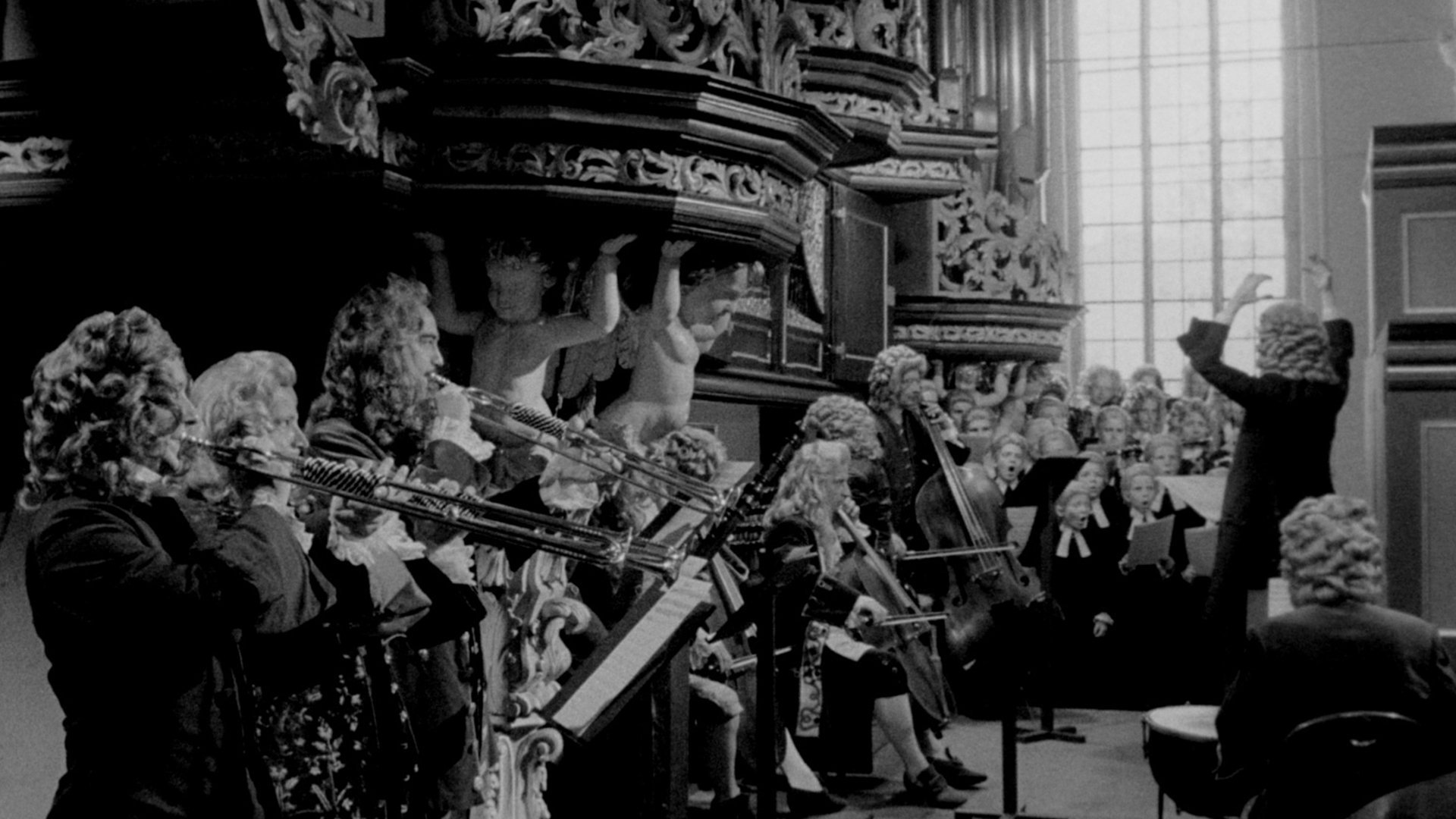
Straub-Huillet’s professed aim was to use the 18th-century composer’s music “not as accompaniment but as esthetic material.”

Decolonization in the film isn’t only a myth, but also one that actually strengthens the consumerist caste systems.

The film revisits an Alphabet City virtually unseen since Paul Morrissey’s vibrant gangland dramedy Mixed Blood.

State of Fear offers an instructive glimpse at the 20-year reign of terror that consumed Peru beginning in the early ‘80s.

This is a wispy tribute that isn’t preferable to an intimate evening at home flipping through a Cartier-Bresson photo collection.
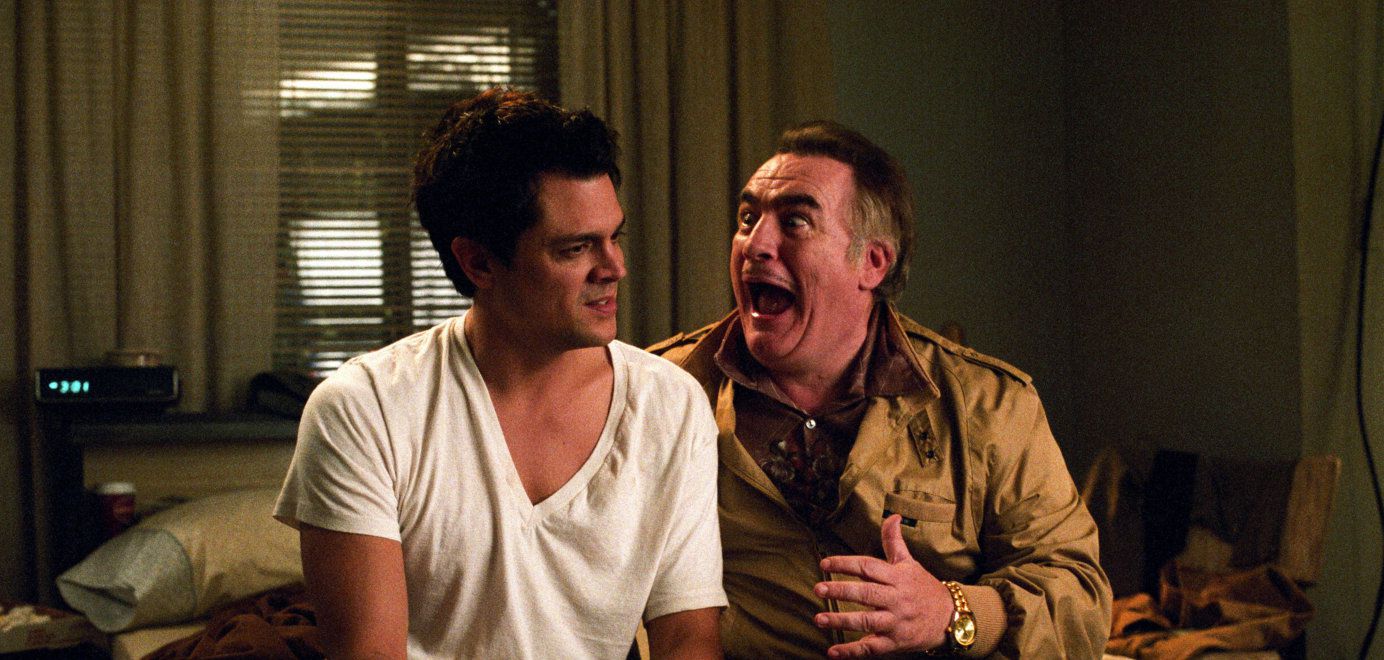
Johnny Knoxville desperately wants to be a movie star.

What wonders the pungent nastiness of film noir could do to flavorless craftsmen.
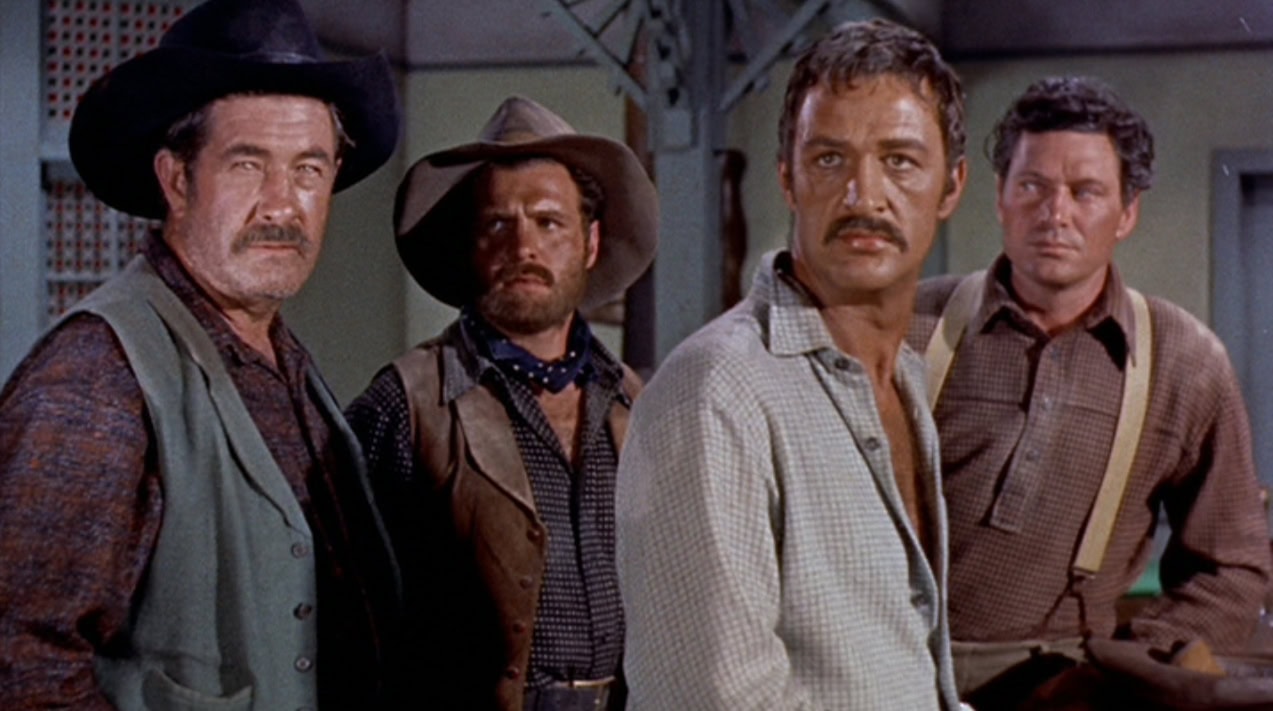
Seven Men from Now is the first and, in many ways, the purest of the “Ranown” westerns, and the template for the ensuing films.

Hostel is in the tradition of nasty cinema from the ’70s and ’80s that wondered how much gore spectacle a viewer could endure.

Dumped by its original distributor because of its title, Albert Brooks’s film should, instead, have been ditched for not being very funny.

Roger Corman didn’t direct this drive-in hit, but it bears his imprint of economic utilitarianism.

It would be no surprise to learn that Richard Widmark was a big Batman fan.

The Cinderella of the anti-Bush documentary brigade, Eugene Jarecki’s Why We Fight arrives late to the administration-critiquing ball.
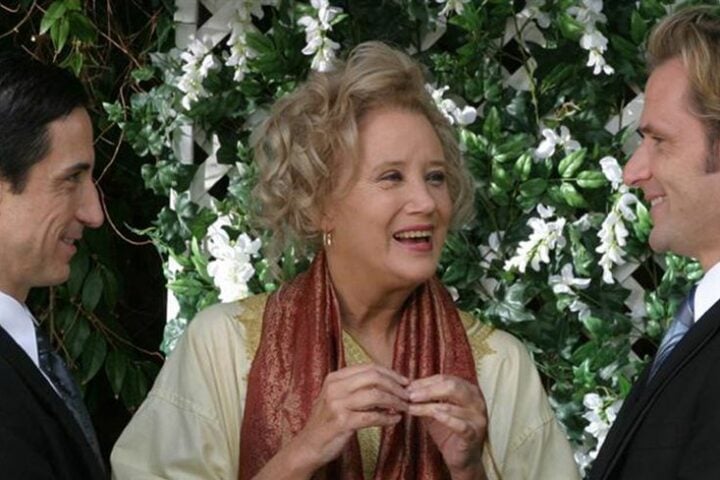
New Queer Cinema icon Craig Chester’s directorial debut Adam and Steve resonates from our current political moment.

The classes collide in director Mikio Naruse’s silent melodrama Street Without End.

Even at a relatively brief 64 minutes, it feels as if Three Sisters explores a lifetime of heartache and tragedy.

This is a rare breed of reality-based fiction: It tells you it’s “based on a true story” and you may actually believe it.

This “based on a true rumor” story about the real-life basis for Charles Webb’s novel and Mike Nichols’s The Graduate is a rhythm-less, laugh-less mess.
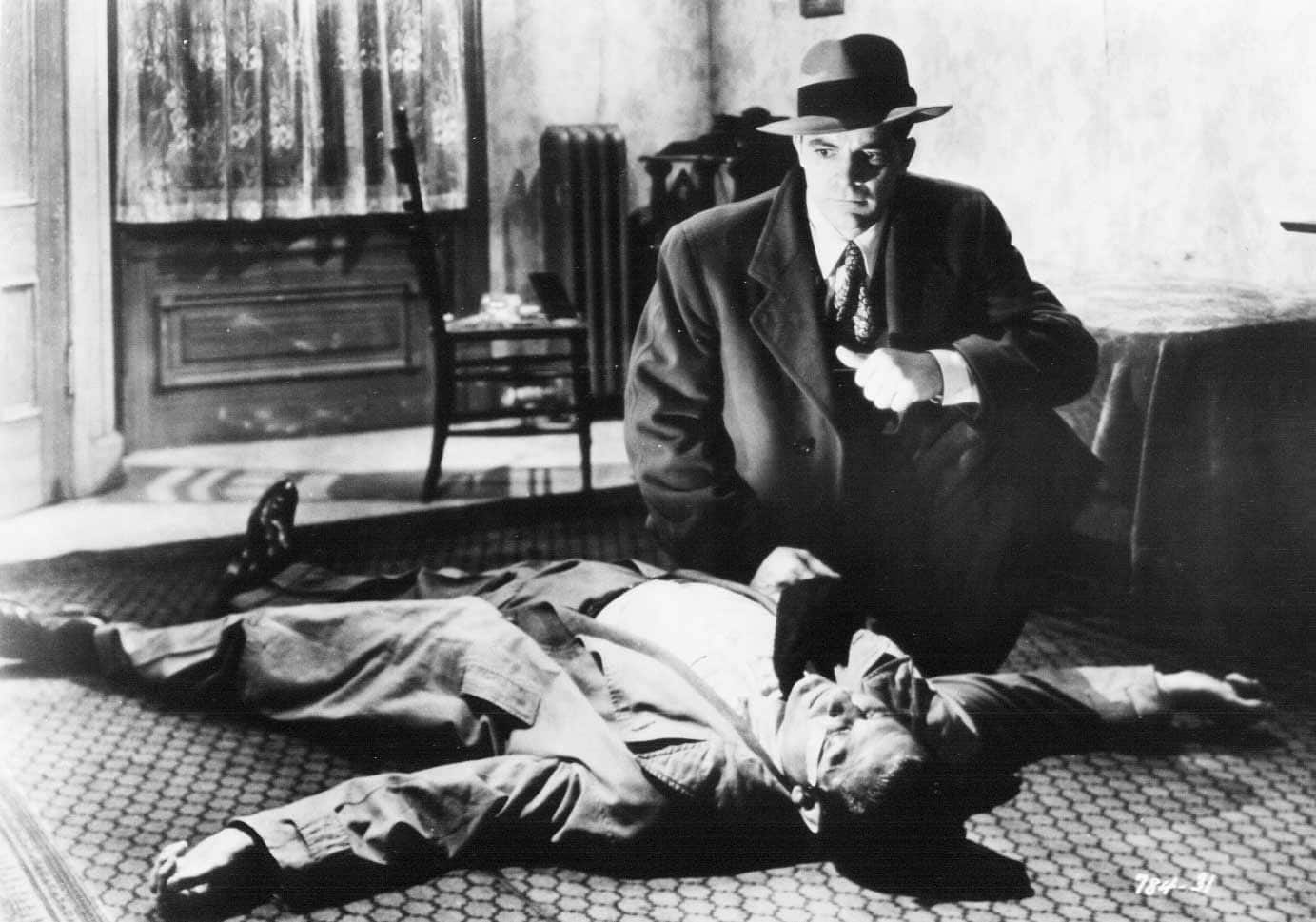
Otto Preminger accentuates not only the brutality but also the desperate emotional impact of his story’s bursts of sudden violence.

Lajos Koltai condemns German and Jewish indifference to the horrors of the Holocaust using an intriguing narrative structure.