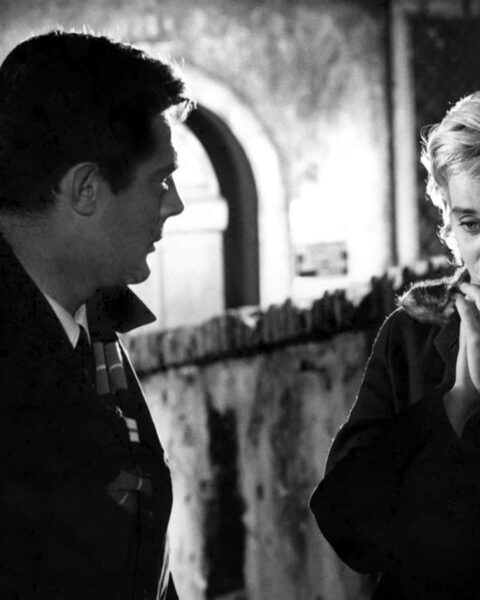
Refn discusses his love of fairy tales, falling through the rabbit hole of streaming, and more.


Refn discusses his love of fairy tales, falling through the rabbit hole of streaming, and more.

The film’s aesthetic of glacial blue-steel tones and generic heavy metal is distinctive only insofar as it remains comprehensively plagiaristic.

The blogosphere being what it is, I’m sure the expiration date on Golden Globes commentary has passed.

John Hillcoat and Nick Cave envision civilization’s encroachment into the wild as necessitating an abolishment of coarse impulses
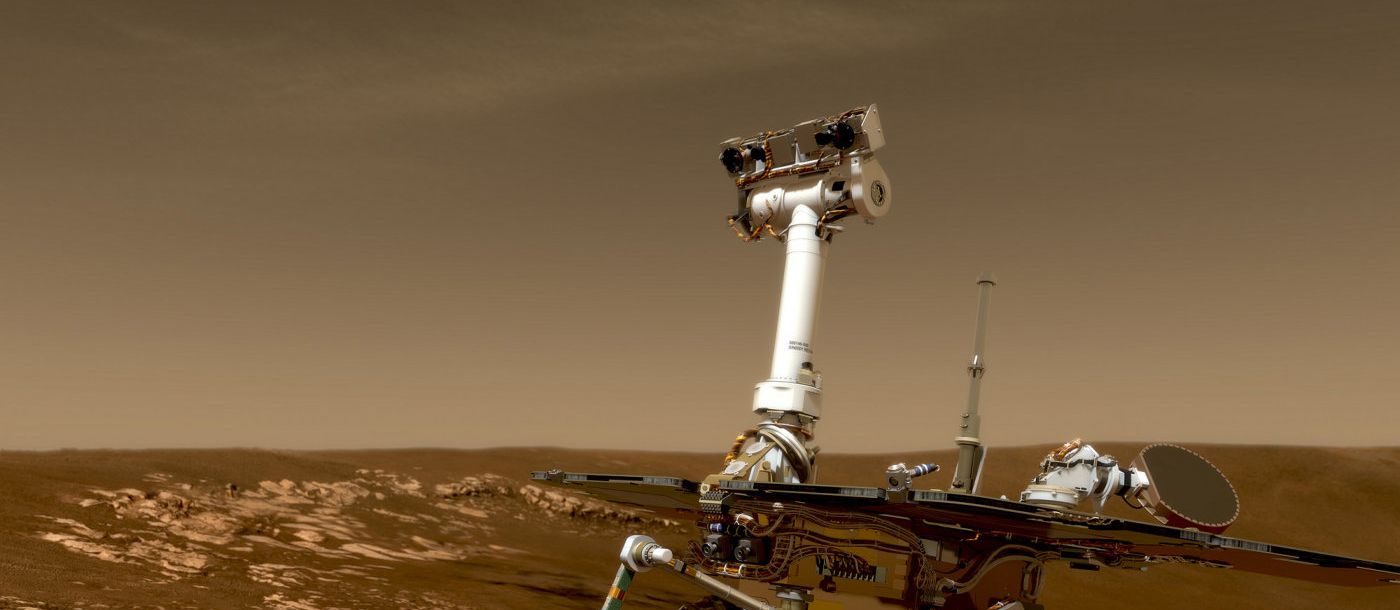
Based on actual photos the rovers continue to buzz back to planet Earth, the CGI landscapes are impressive but the camera maneuvers are ungodly.

Through his use of green screen and montage, Peter Rosen seems to want to position his film as its own work of pop art.

It’s all very, very adorable and uplifting in spite of Gaby Dellal’s half-hearted attempts to affect a grave, tortured tone.

Imagine Me & You’s conventionality is what makes it simultaneously progressive and a great, big snooze.

We’ll be completely honest. Predicting Oscar nominees is just no fun anymore.

I’ve just been formally relieved of TCA Press Tour duties by my colleague Alan Sepinwall, who will be covering the second half.

At a Court TV dinner, James Ellroy said he’d seen three hours of unedited footage from The Black Dahlia.

Obsessively detailed and frequently absorbing, the film affects the form and function of a Rube Goldberg machine.

Joe Angio’s documentary offers a broad scope of his wide-ranging career.

This tepid feel-gooder follows a virtually identical arc of ethnic mistaken-identity comedy.

Also check out Armond White’s column, in which he beats down Woody Allen.

Tristan and Isolde doesn’t deserve James Franco’s fine performance.
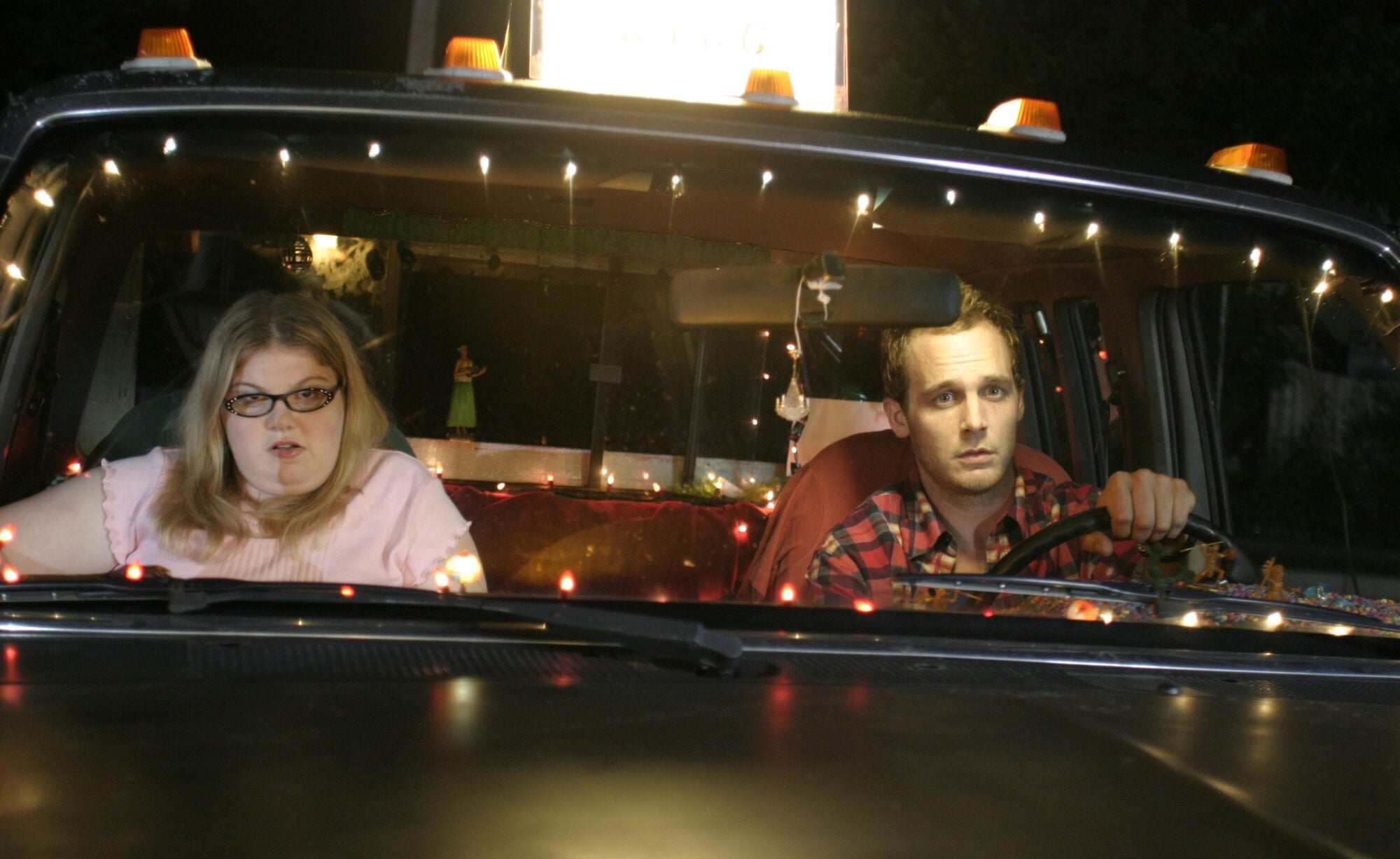
If Pizza were an actual pizza, it would be half-pineapple, half-broccoli.

No explanation required. Here are five, off the top of my head, that really hit me.

The long-unavailable documentary is receiving a limited Manhattan theatrical engagement after a perfectly preserved print was recently discovered.
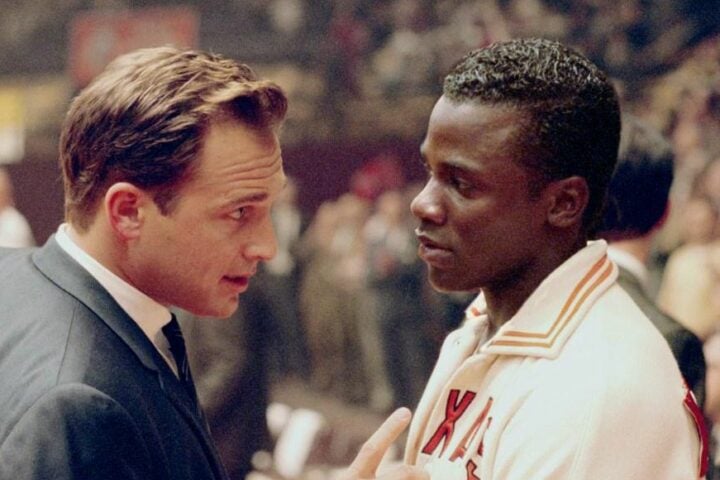
Artificiality is the name of Glory Road’s game.

Akira Kurosawa’s searing condemnation of post-WWII corporate corruption takes direct aim at his prior work’s humanistic hopefulness.