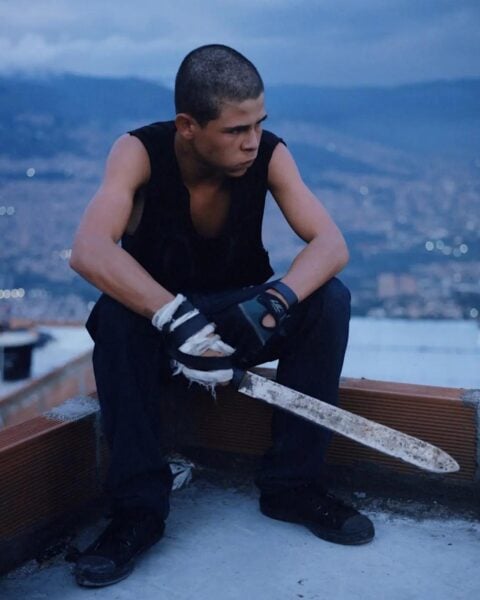
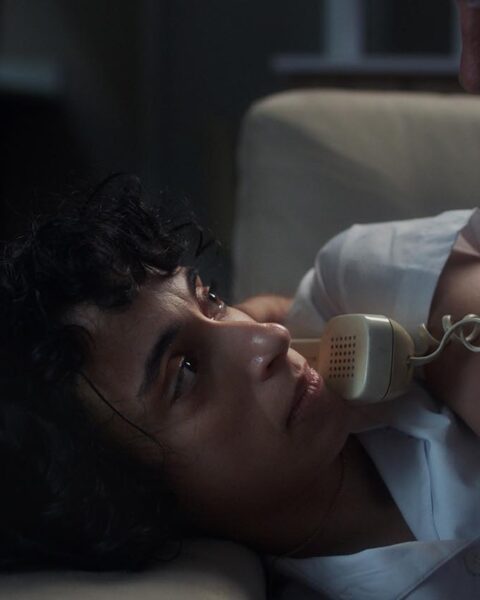
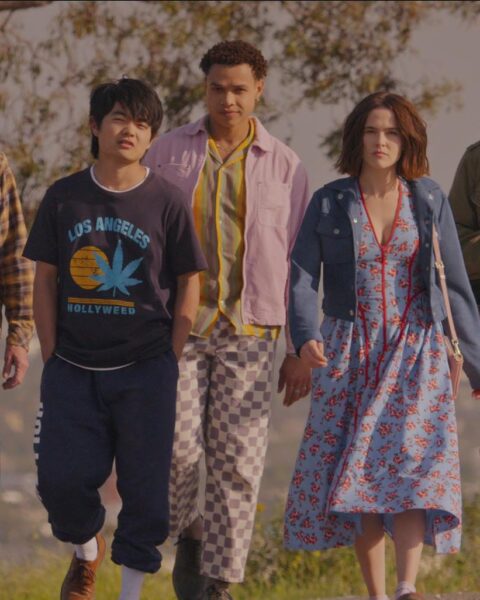
Poignantly, McElwee wrestles with the perils of personal documentary filmmaking.
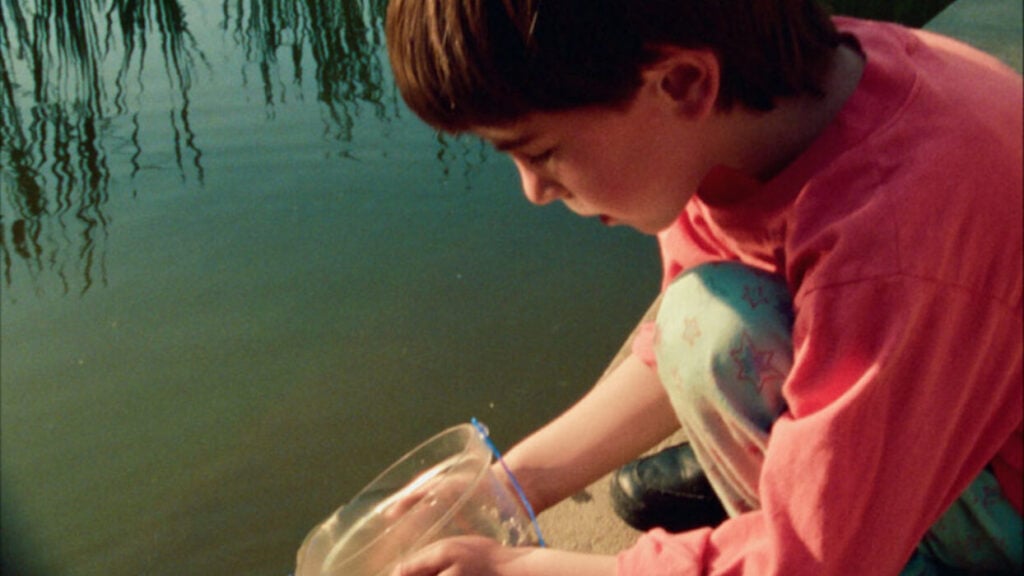

Poignantly, McElwee wrestles with the perils of personal documentary filmmaking.

The way Elizabeth: The Golden Age tells it, the Spanish Armada’s defeat by the British Empire was the orgasm The Virgin Queen never had.
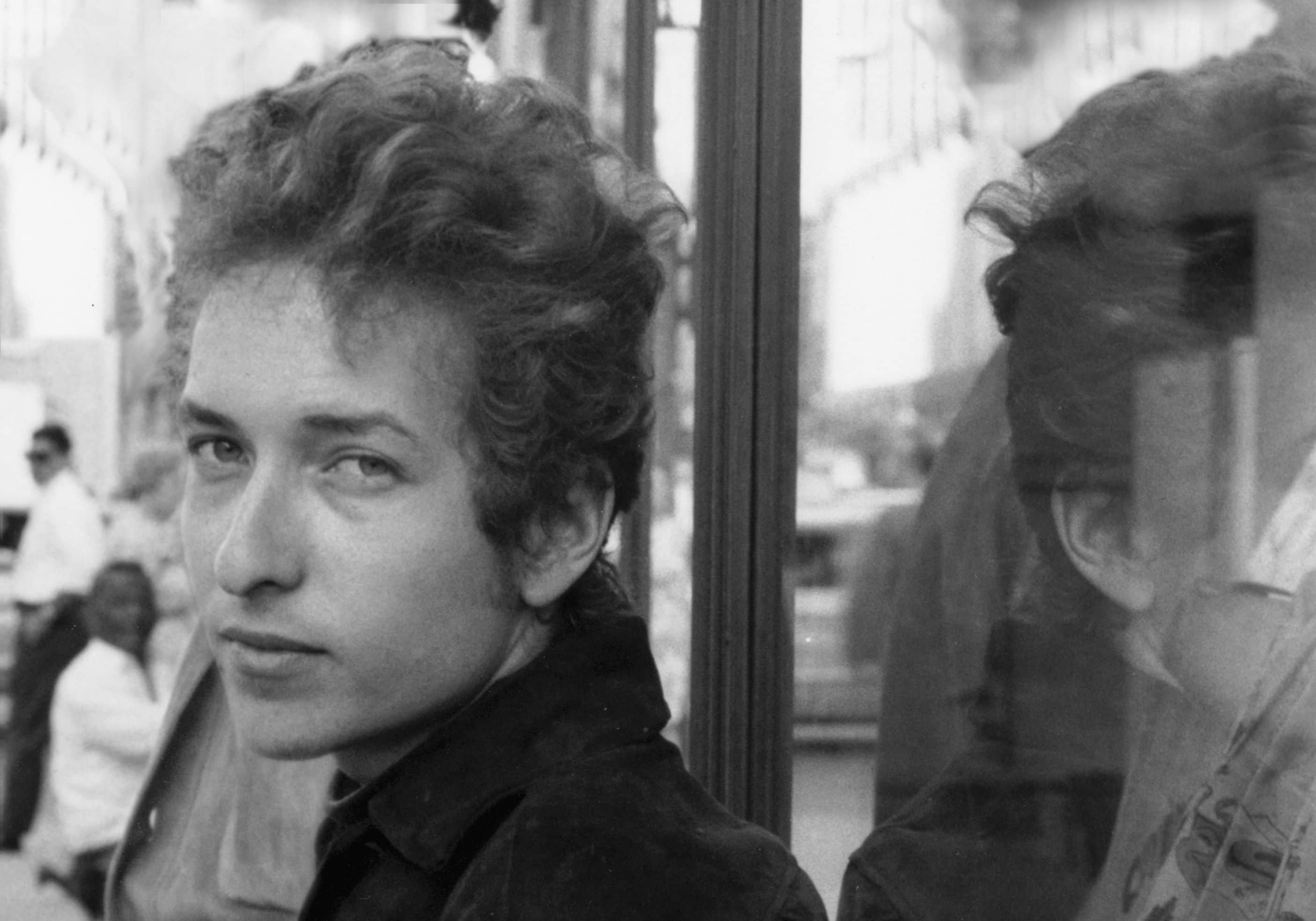
Murray Lerner’s coup is photographing Dylan with the same informal quality as the singer-songwriter’s ingenious arsenal of words.
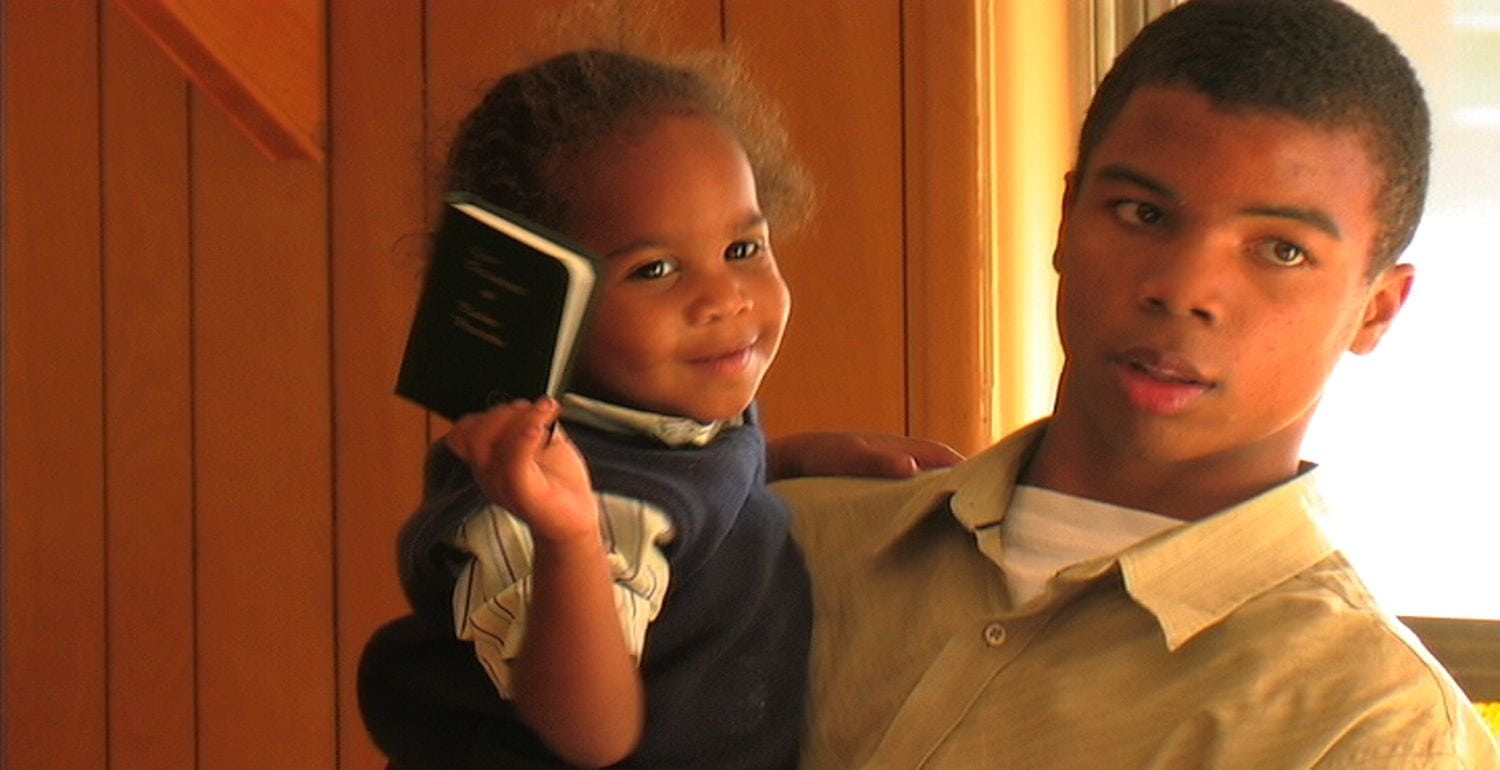
It’s when Desert Bayou examines the turgid boundaries between race and class that it is most effective.
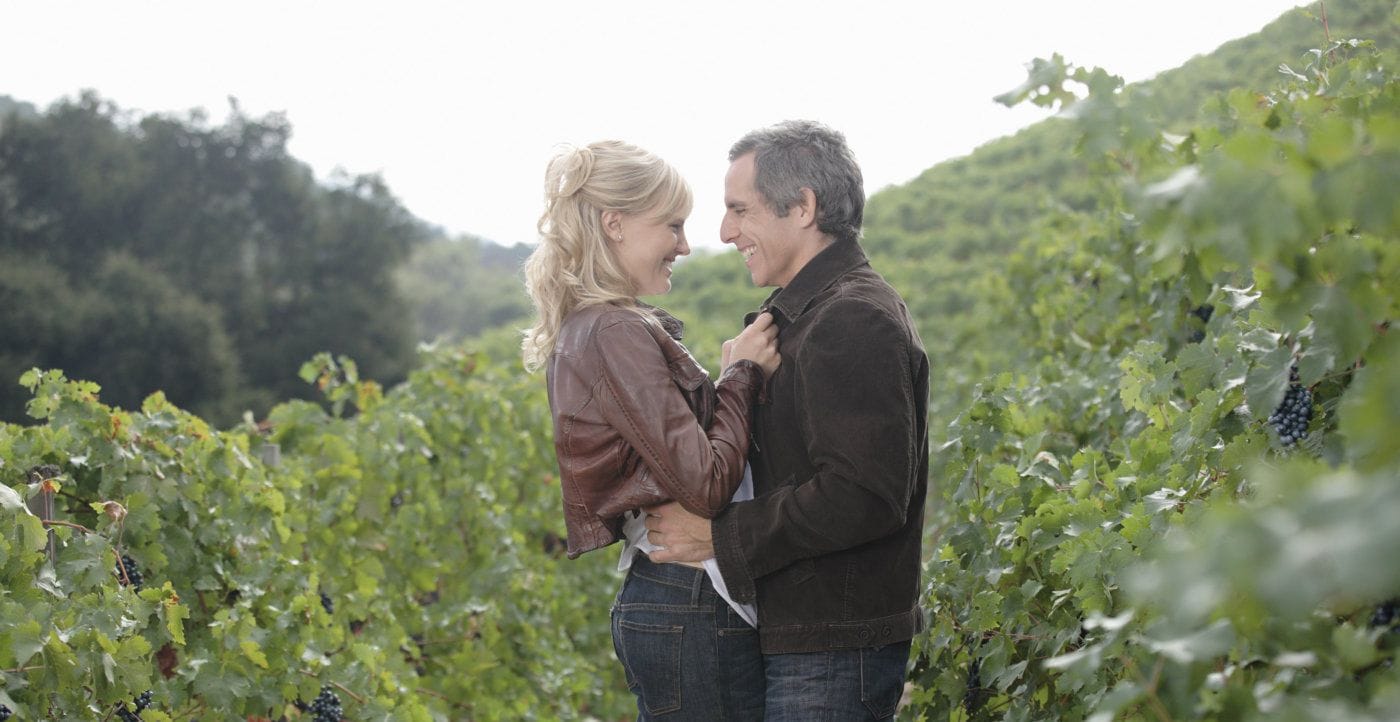
True to their reputation for collapsing taboos, the Farrellys have reliably injected hitherto verboten crudity into the cinematic bloodstream.

Brian De Palma’s paradoxical take on the occupation of Iraq is as blatant as an open sore yet swathed in layers of formalist irony.

Is there anything more to see, anything left to say about Blade Runner?
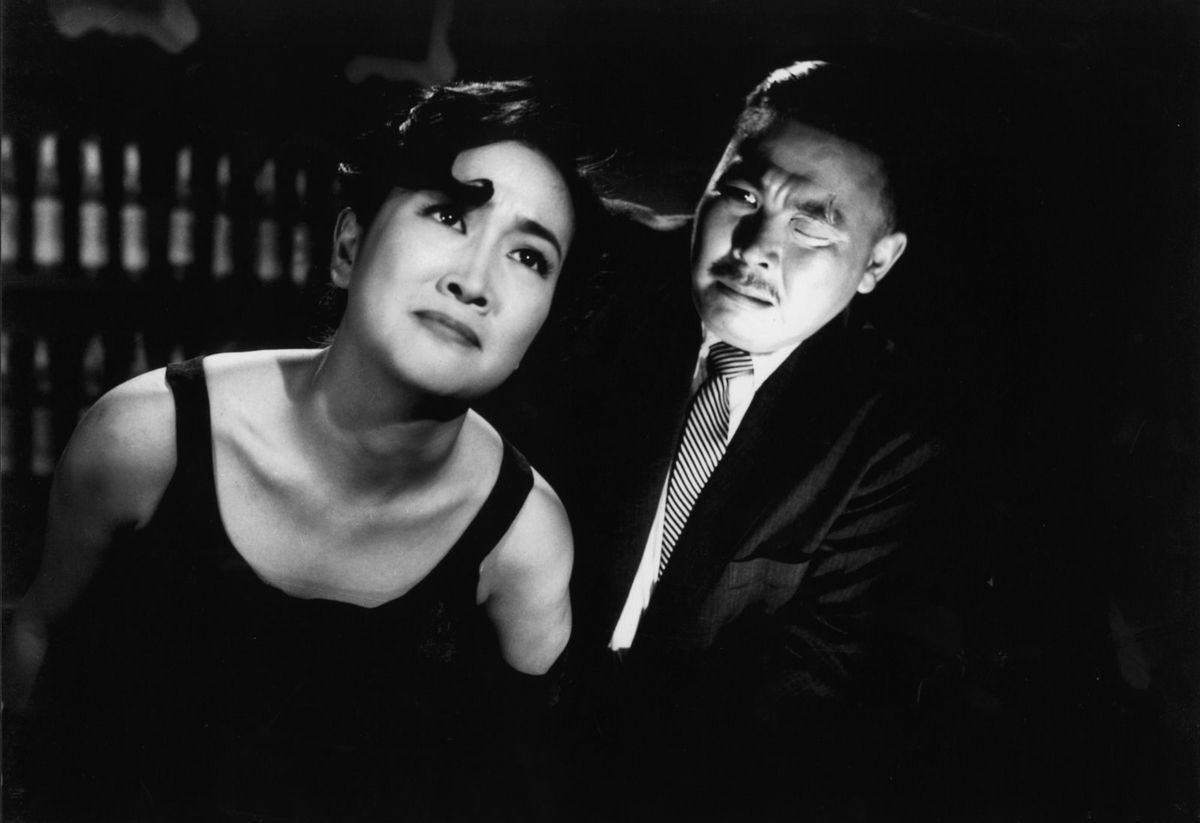
Both films offer pleasurable perversities lying in the cracks of Cathay Studios’s brave new world.

Lake of Fire looks and moves like a cross between a D.A. Pennebaker documentary and a Nike ad, and it really shouldn’t work at all.
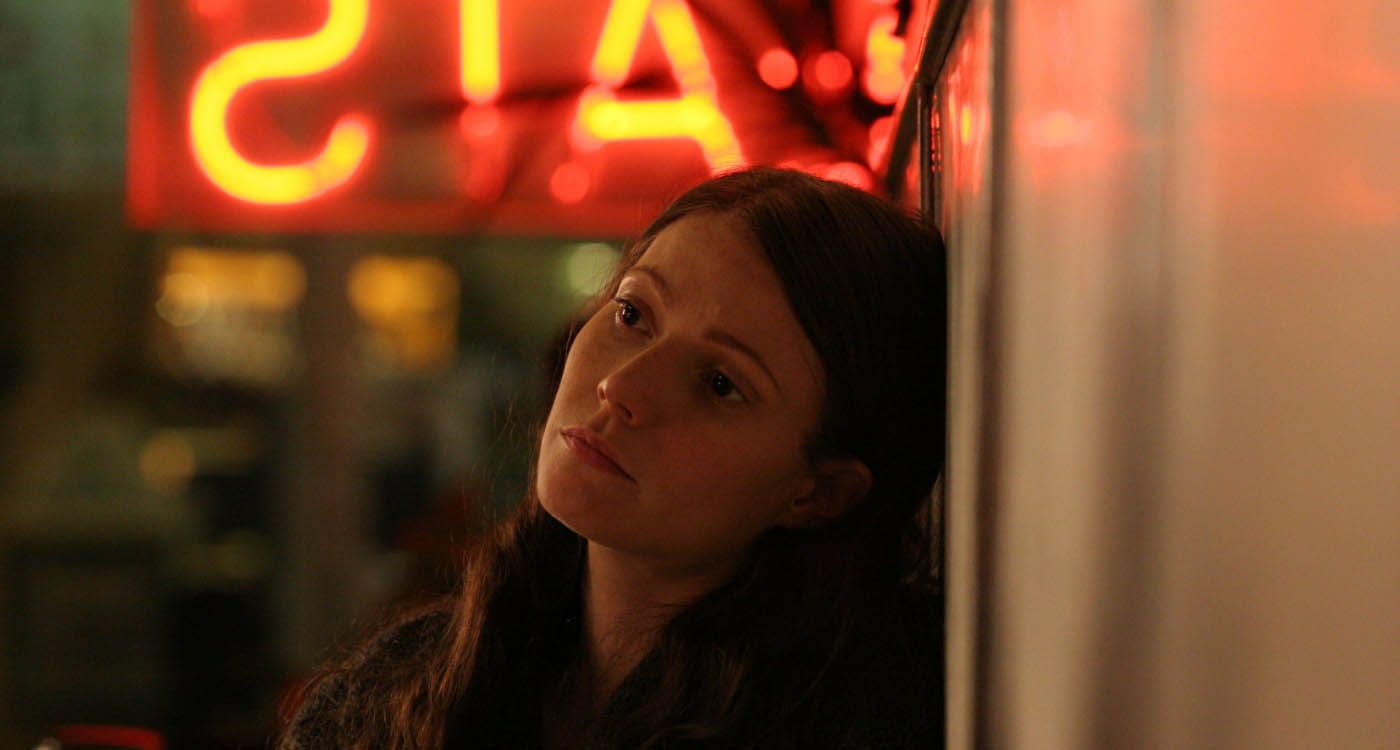
There’s no evading the gracelessness of Good Night.
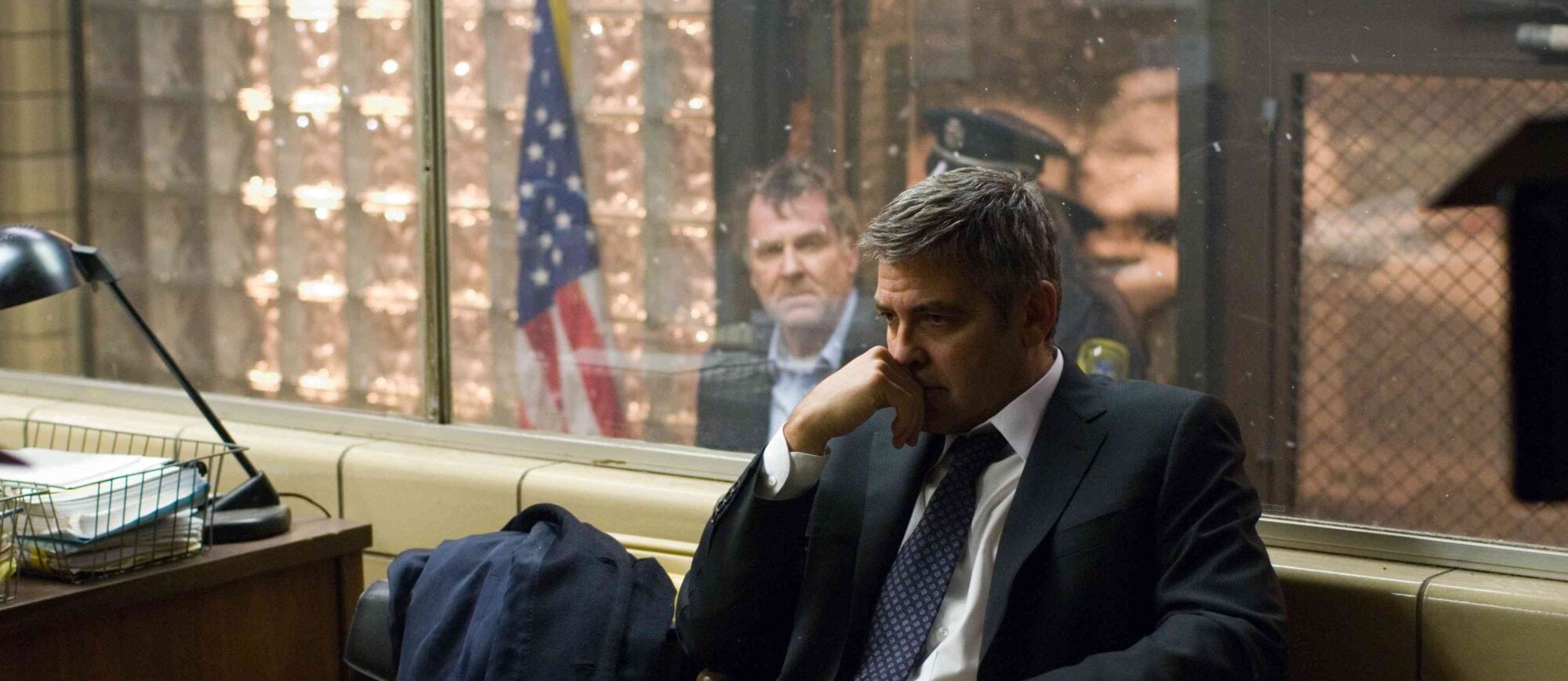
A George Clooney-headlined drama that, for a time, effectively taps into a contemporary disgust with amoral corporate profiteering.

The Last Winter’s hard-hitting resolution appeals to the conscience of the viewer, as does Fessenden’s lingering mood of introspective melancholy.
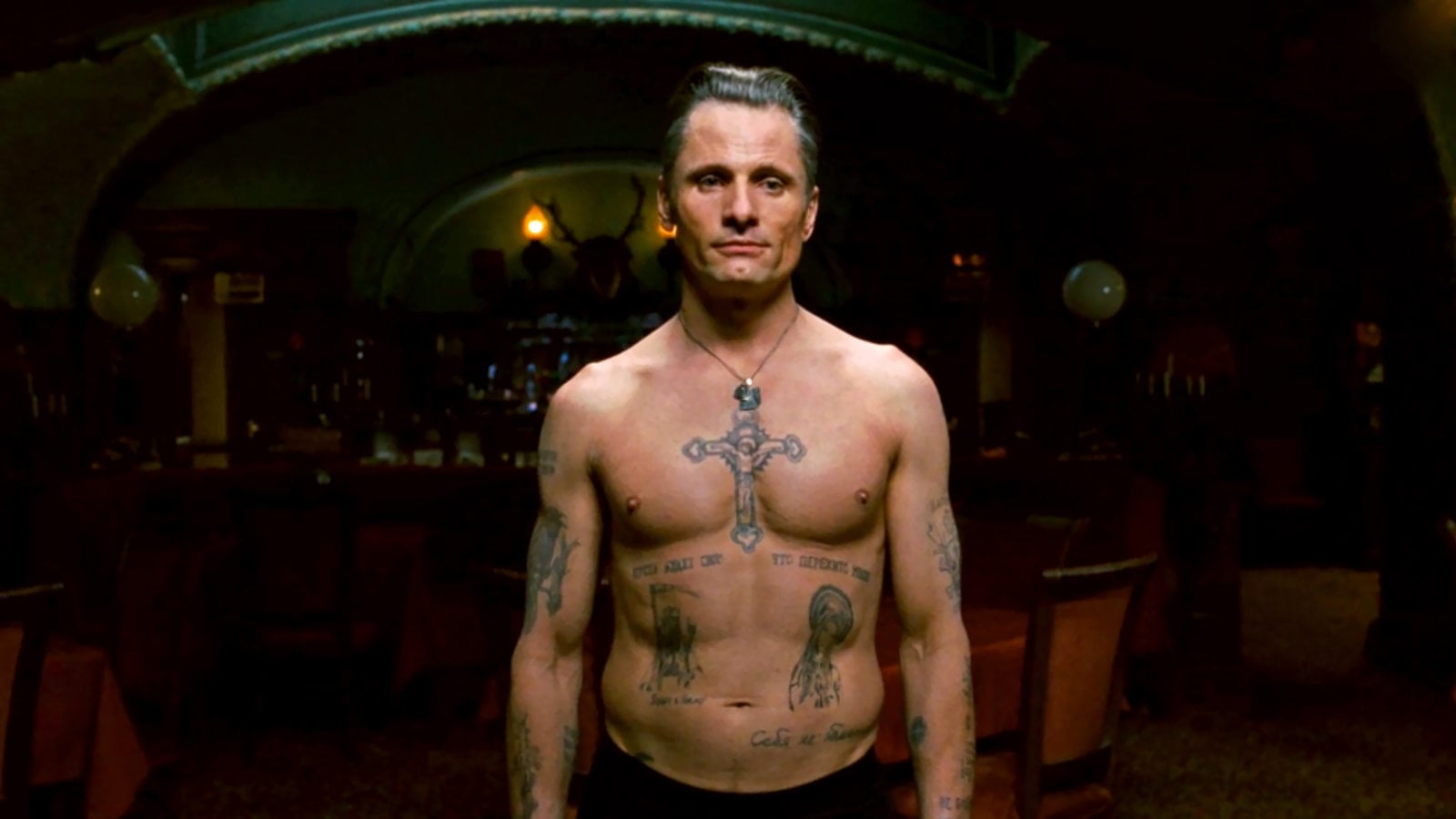
The movie dramatizes Cronenberg’s preoccupations more, well, organically than his his other collaboration with Viggo Mortensen.
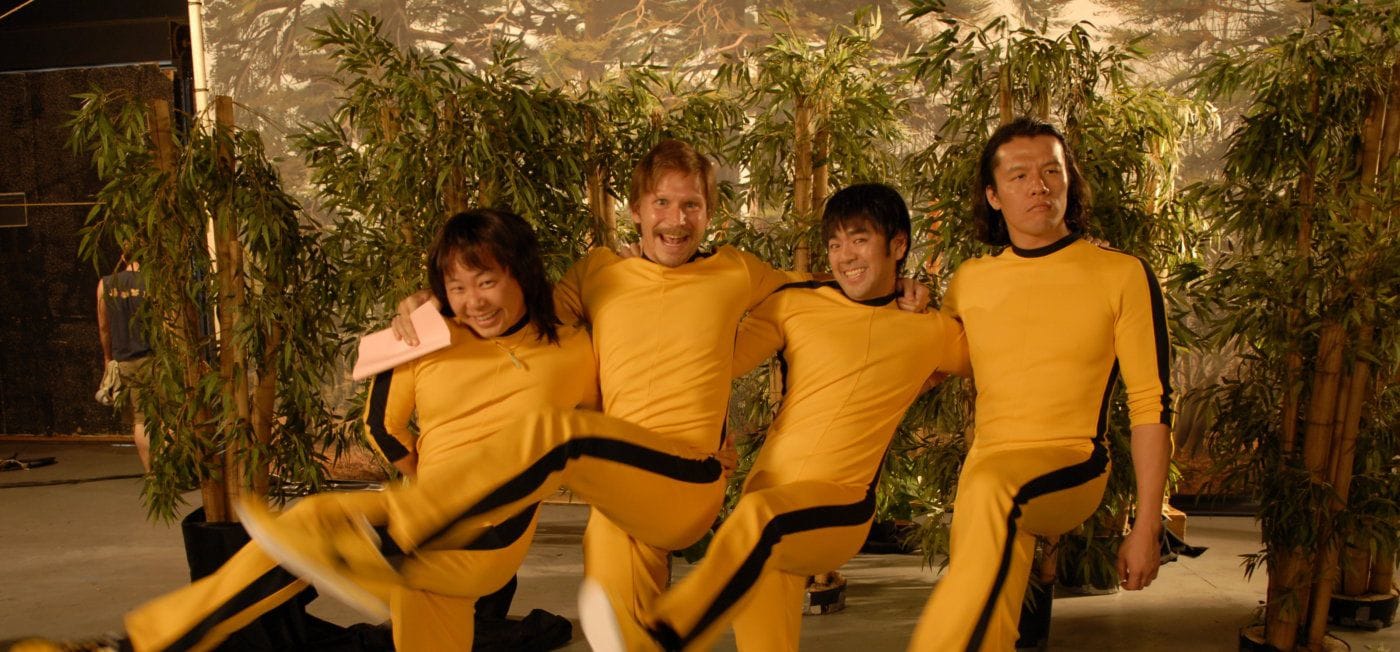
The film is a jovial endeavor aimed at once again addressing the meager and disparaging big-screen representation of Asian-Americans.

Bella might have been called Estado Jardín if it didn’t take place in and around Manhattan.
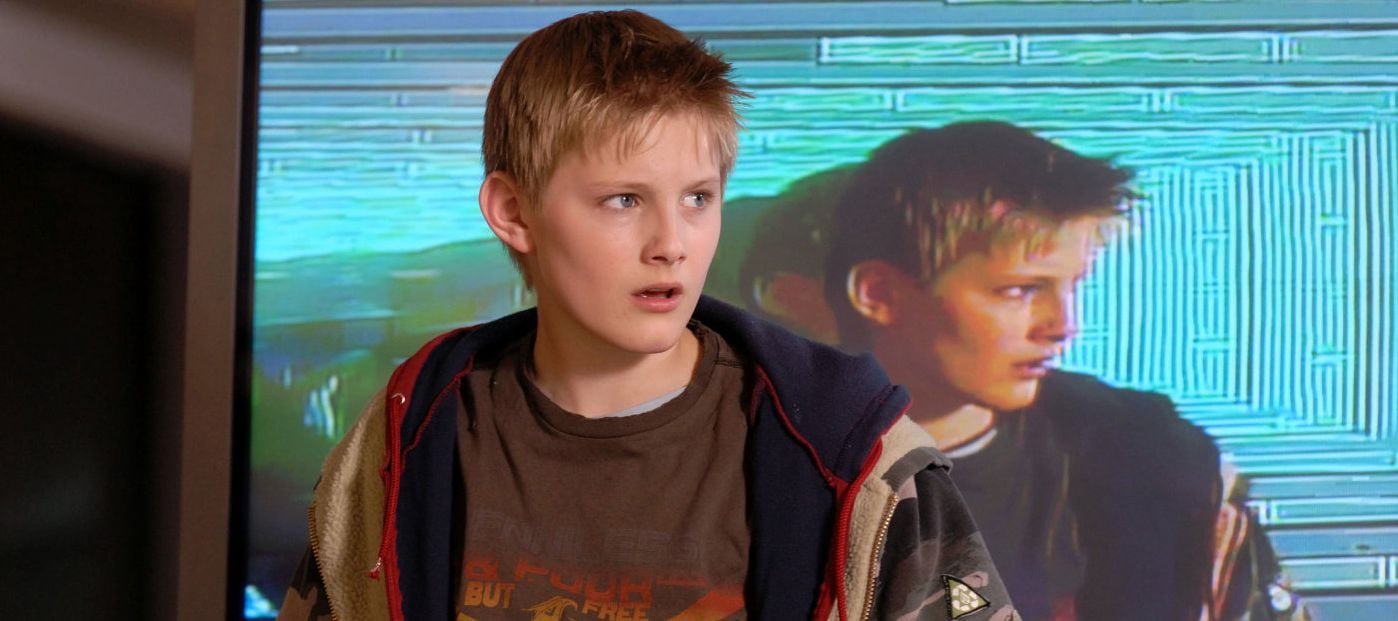
What’s the fun of being a seeker if you don’t actually get to do any seeking?
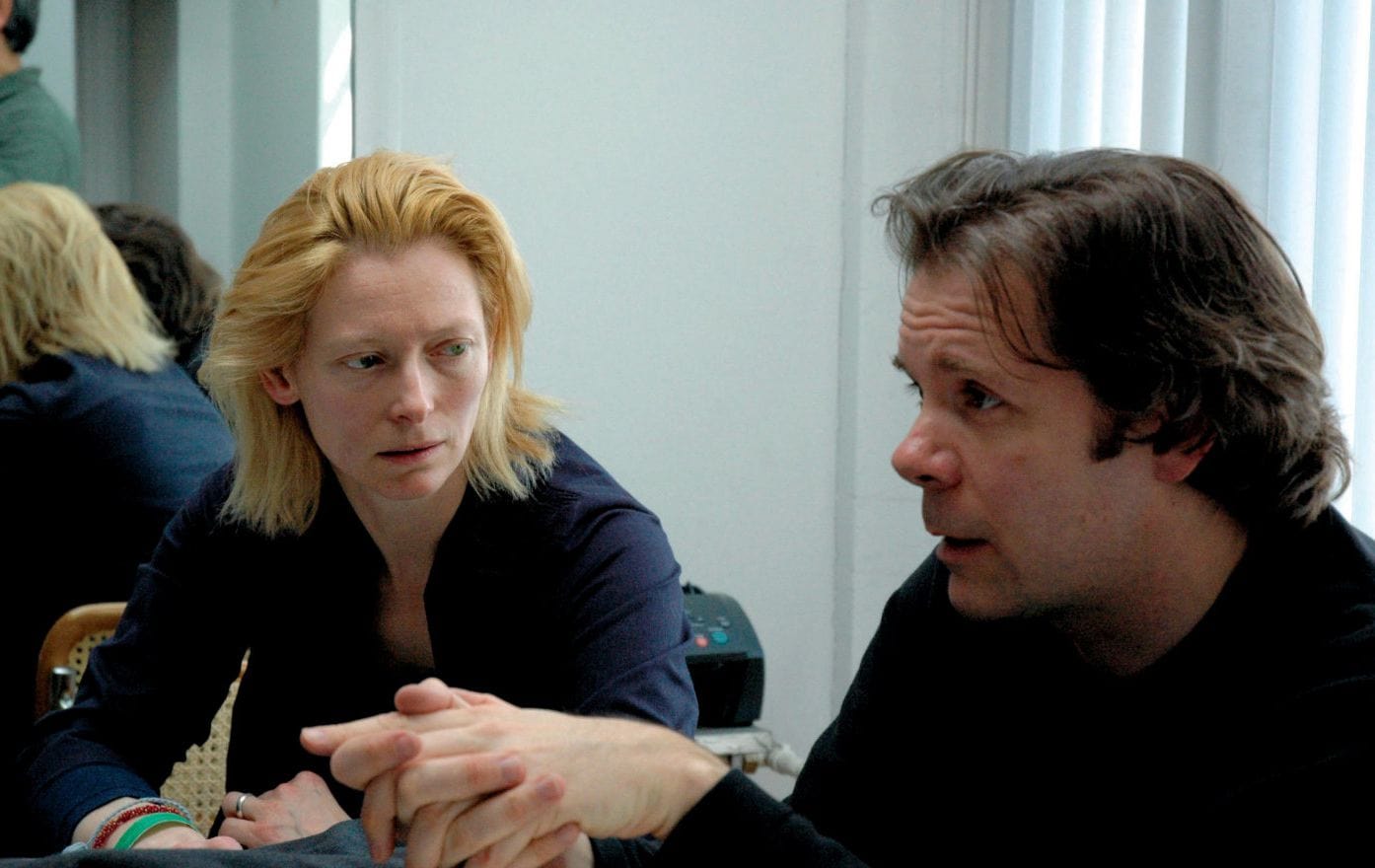
If Lynn Hershman-Leeson’s film can be frustratingly incomplete, it’s because the case it documents is very much still in legal limbo.

Brian Springer’s film documents a family’s attempt to bridge the gap between the past and the present.
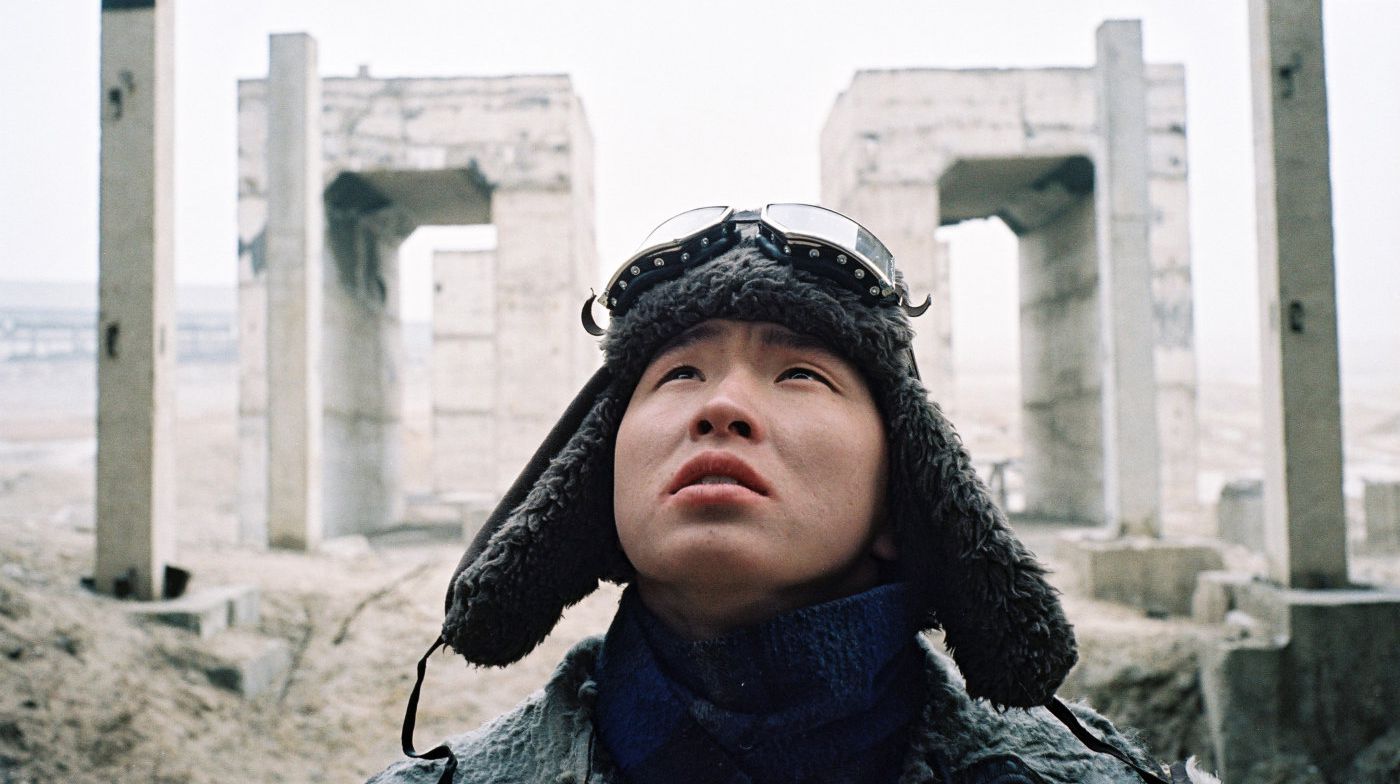
As chilly as the wintry Mongolian plains, the film’s calculated style suggests the influence of Baraka.

This zombie flick doesn’t even have the dead rise until the final half-hour.

This strange time capsule of late 1960s dementia more or less lives up to its oddball reputation.