Poignantly, McElwee wrestles with the perils of personal documentary filmmaking.


Poignantly, McElwee wrestles with the perils of personal documentary filmmaking.

You know the old joke about a Monet looking better from afar?

This effective time capsule of the wrongs of racism could have benefited from a dose of Michael Moore-style confrontation.

This is definitely one of those films made of moments greater than the whole.

In the interlude between disaster and reconciliation, Éric Rohmer treats the audience to various symposiums on the nature of romantic fidelity.
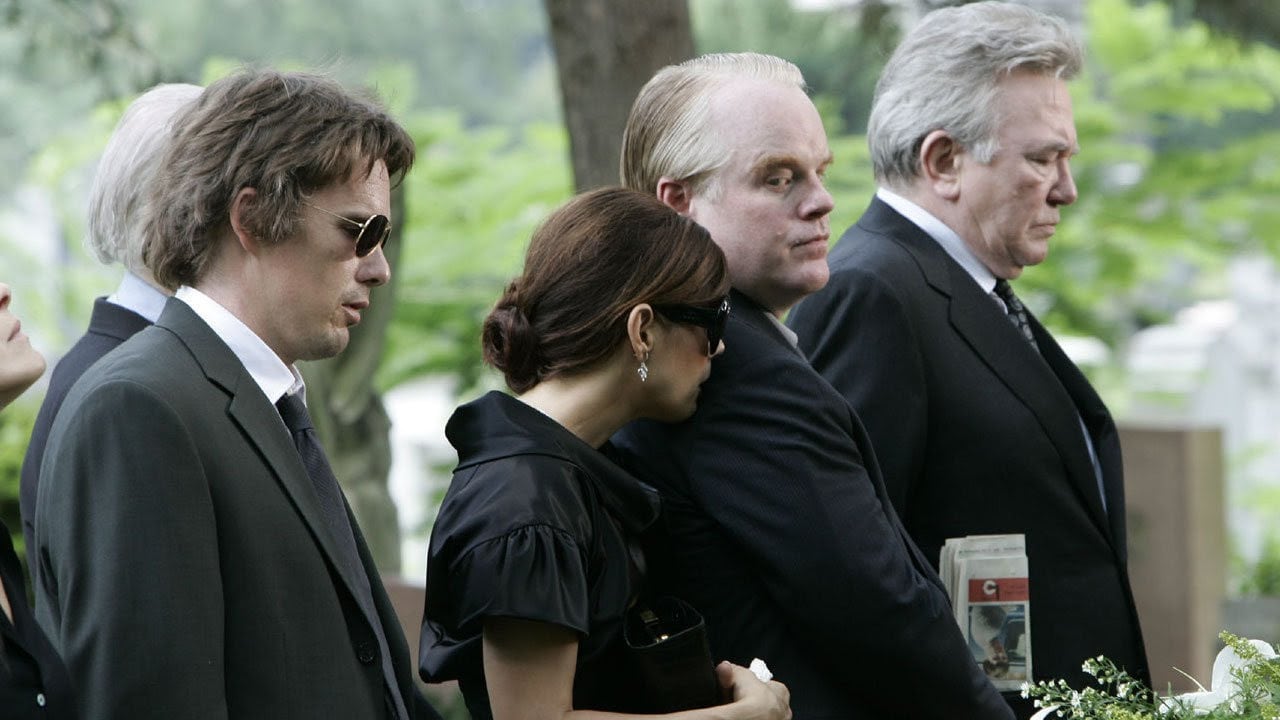
There’s not much new here, aside from Lumet’s enthusiasm and simple craft.

Scarcely an exposé, Terror’s Advocate is more plainly a portrait of a man as a timeline.

True to its title, My Name Is Alan and I Paint Pictures sees the world through its subject’s childlike eyes.

The film is a ponderous and talky film about the platonic and possibly intimate bond between a married family man and his artsy gay neighbor.

Both employ vivid palettes of light and color to evoke feelings of adventurous movement through time and space.

Sean Penn shovels phoniness on top of phoniness in one poorly staged scene after another.

The film becomes a haunting exploration on the many meanings and purposes of clothing in human life.
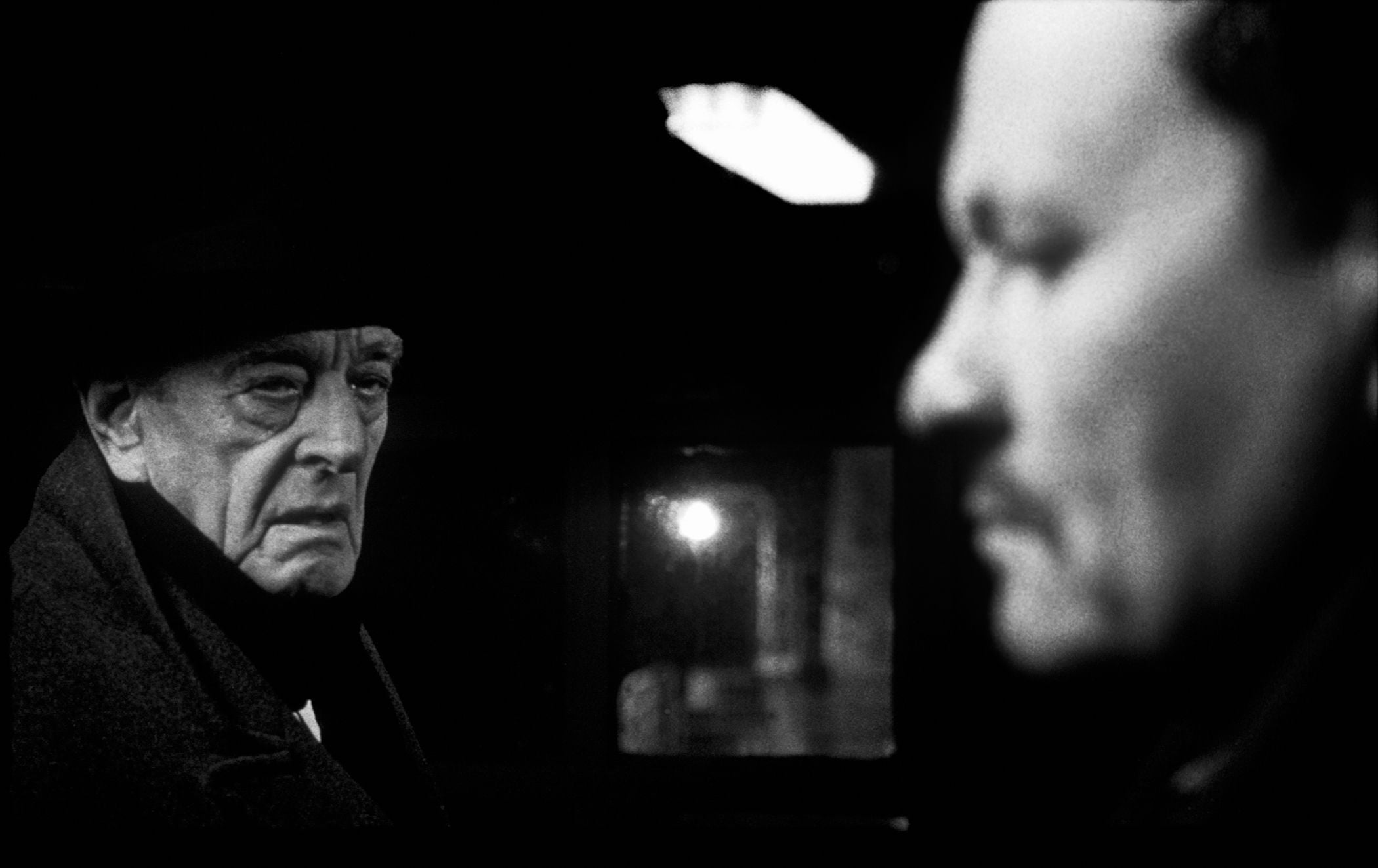
It sees Béla Tarr’s notoriously slow-roving camera-eye taking in the murder-and-money intrigue of a dark, unspecified port city.

Resident Evil: Extinction brings to mind an alt-metal remake of Romero’s Day of the Dead.

The film Secret Sunshine differs from its predecessors by burying its fomenting despair within a more mundane narrative.
Finally a minor work despite its vast ambitions, the film is best seen as a light foundation.

The legacy of Chris Marker weeps when the future of essay filmmaking looks like a feature-length commercial for Ambien.
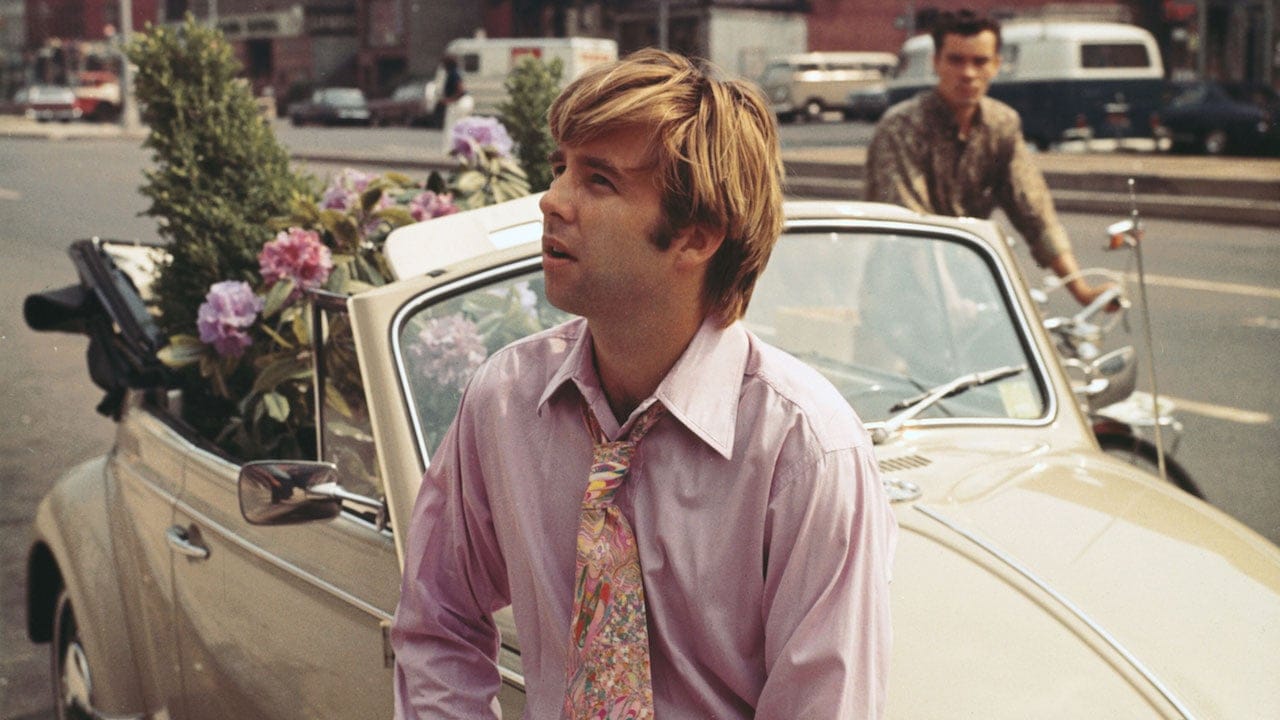
How desperate was Hollywood in 1970? It let Hal Ashby make The Landlord, a crazed, profane racial satire written by negroes.

All you need to know about Claude Chabrol’s new film is in its title.

What should have been a jumping-off point for a lively discussion about the meaning of life is really just a philosophically shallow wasteland.

The refusal to explain the roots of its protagonist’s madness gives her husband’s desire to summon happier days a bewitching poignancy.