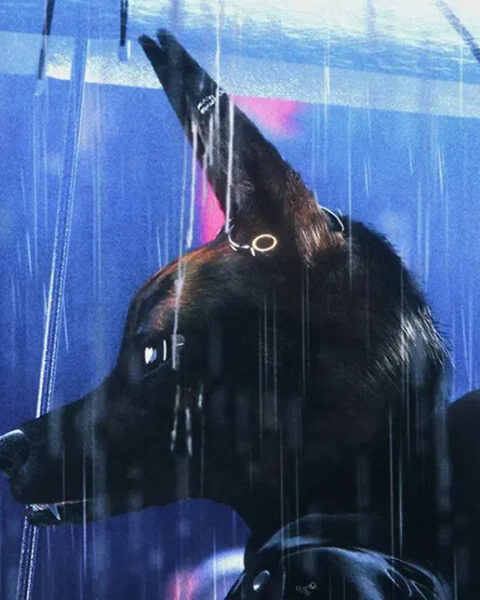
These films are generous reminders that cinema isn’t always about diagnosing global problems.
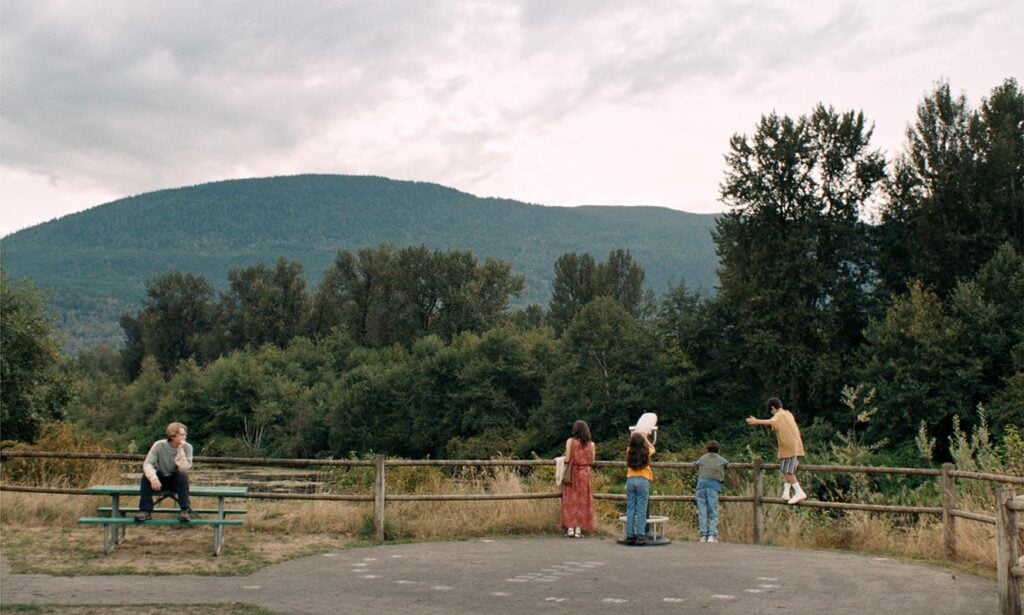

These films are generous reminders that cinema isn’t always about diagnosing global problems.

The film proudly flaunts its maker’s right to make movies as badly as Bart Freundlich, Peyton Reed, and Woody Allen.

By splintering off into six separate points of view, the documentary immediately becomes too remedial and blandly informative.
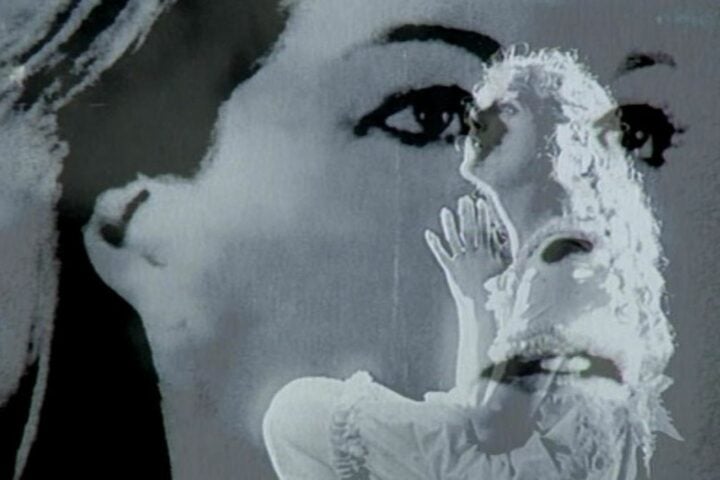
When one thinks of parody, one might immediately think of blitzkrieg spoofs like the Mel Brooks movie satires.

Gus Van Sant finally crawls out from under his Béla Tarr-inspired long-take detachment and dares to explore an interior landscape in ways not seen since My Own Private Idaho.

Lee will never be Wong, and that’s okay.
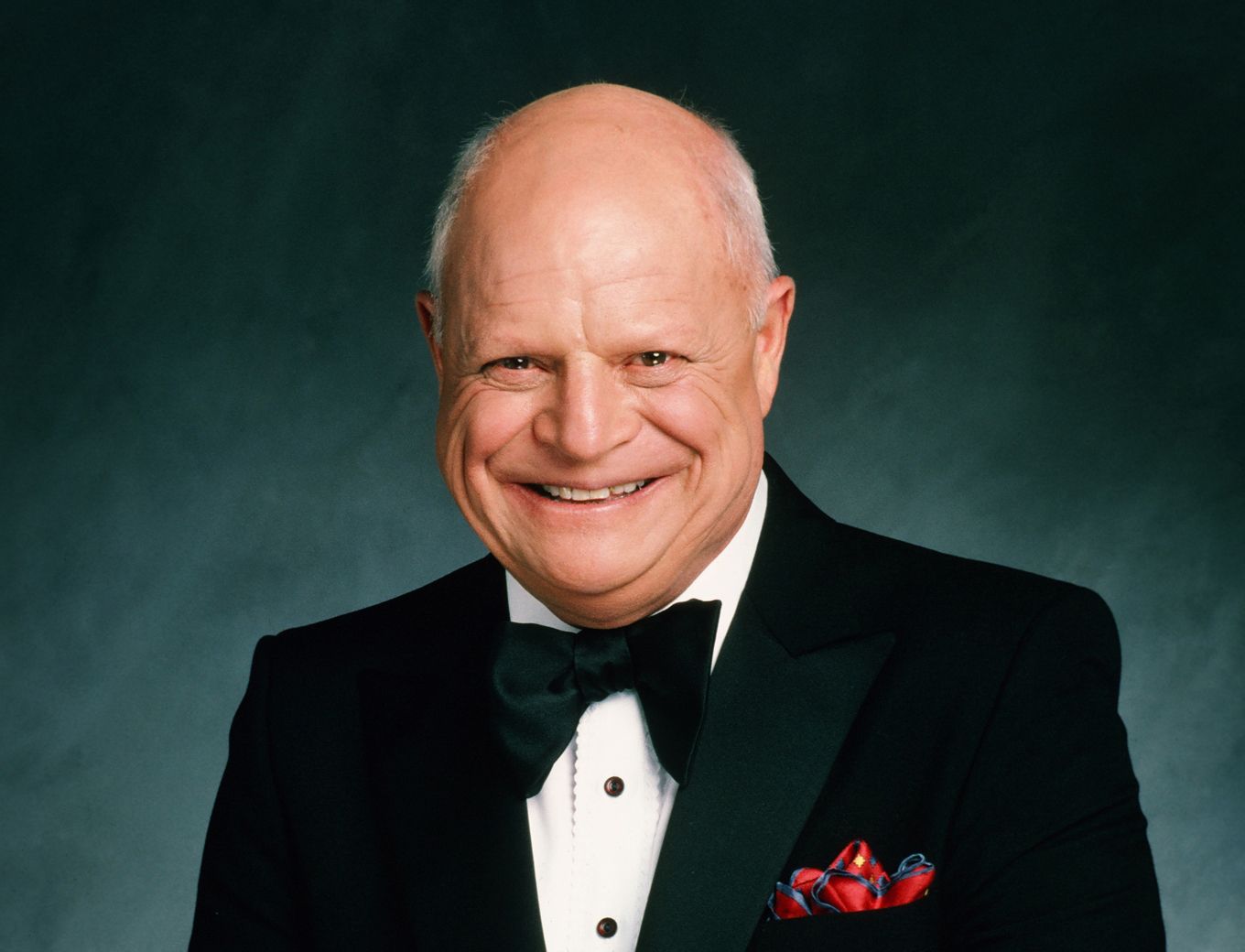
In the film’s doting view, there’s no great subtext, no great mystery, to Rickles’s success or appeal.

em>Lars and the Real Girl is an SNL sketch reconfigured as quirky-corny Sundance pap.

Michael Sheen stumbles in trying to pull off this delicate feat in Music Within.

Though good for a few laughs, the one-note Teeth is just another trite rape-revenge fantasy.
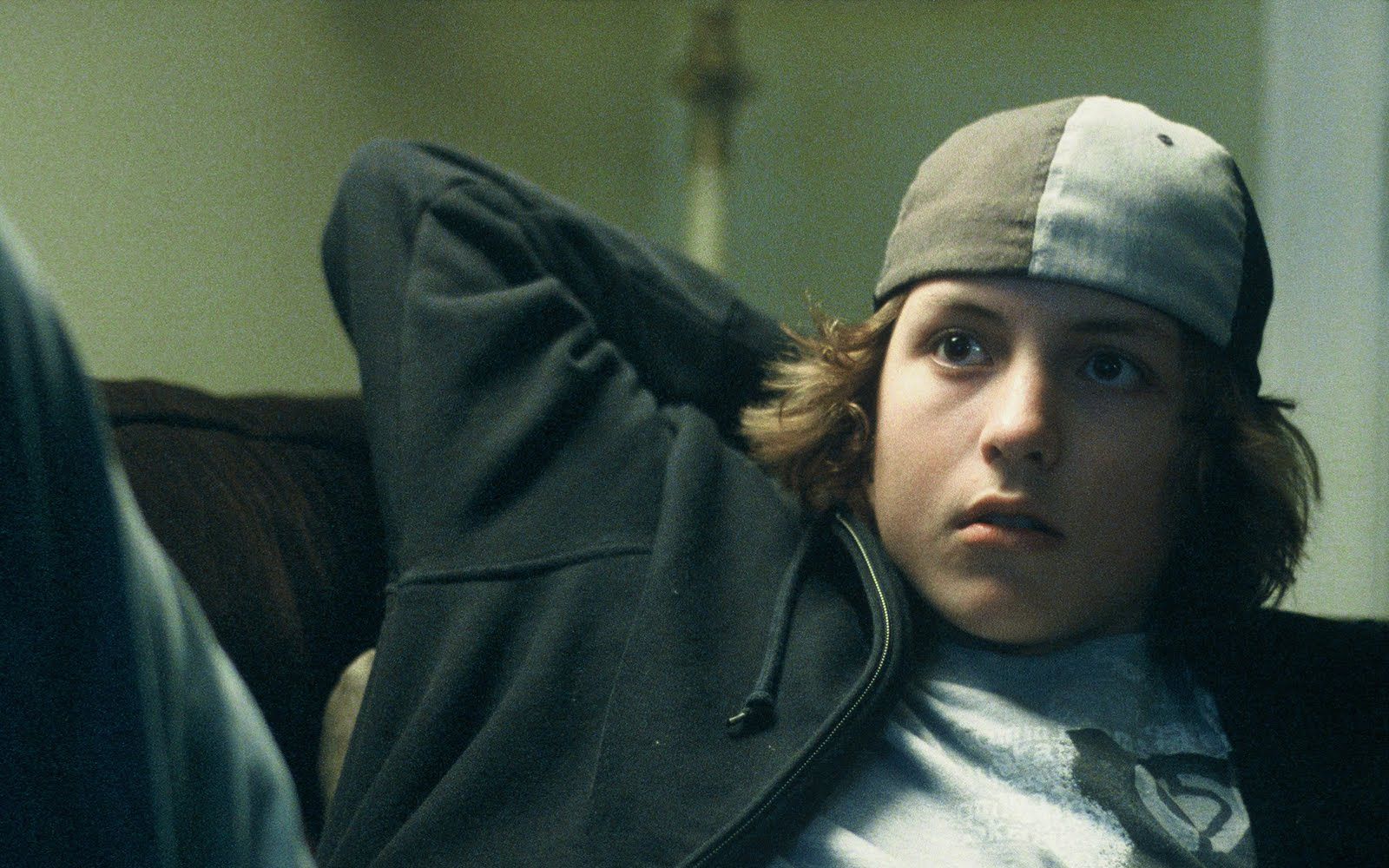
Gus Van Sant’s haunting and immediate Paranoid Park understands adolescence as a kind of first draft.
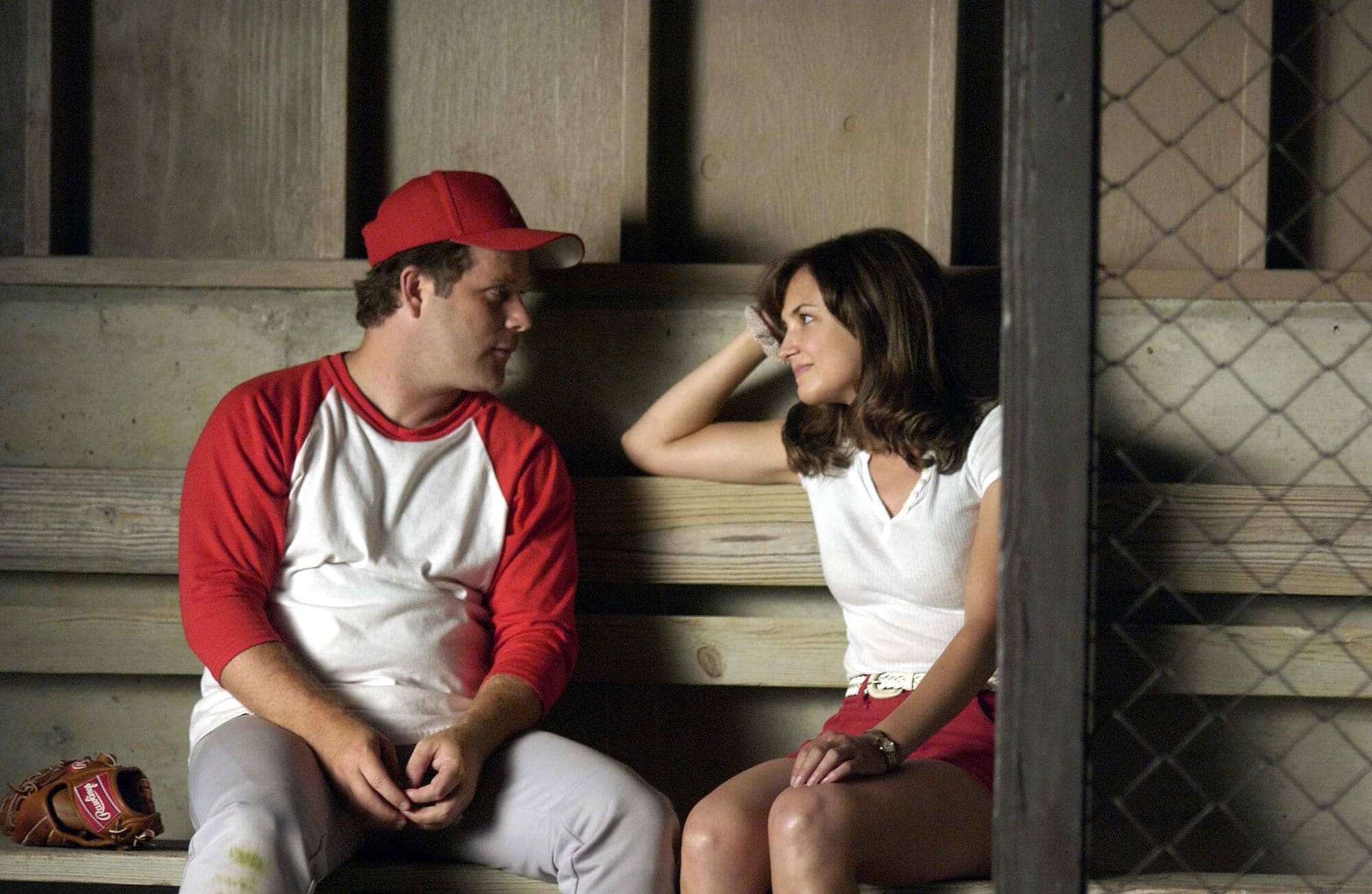
Though based on a true story, this severely corny tale is, in fact, largely fiction save for its basic narrative outline.
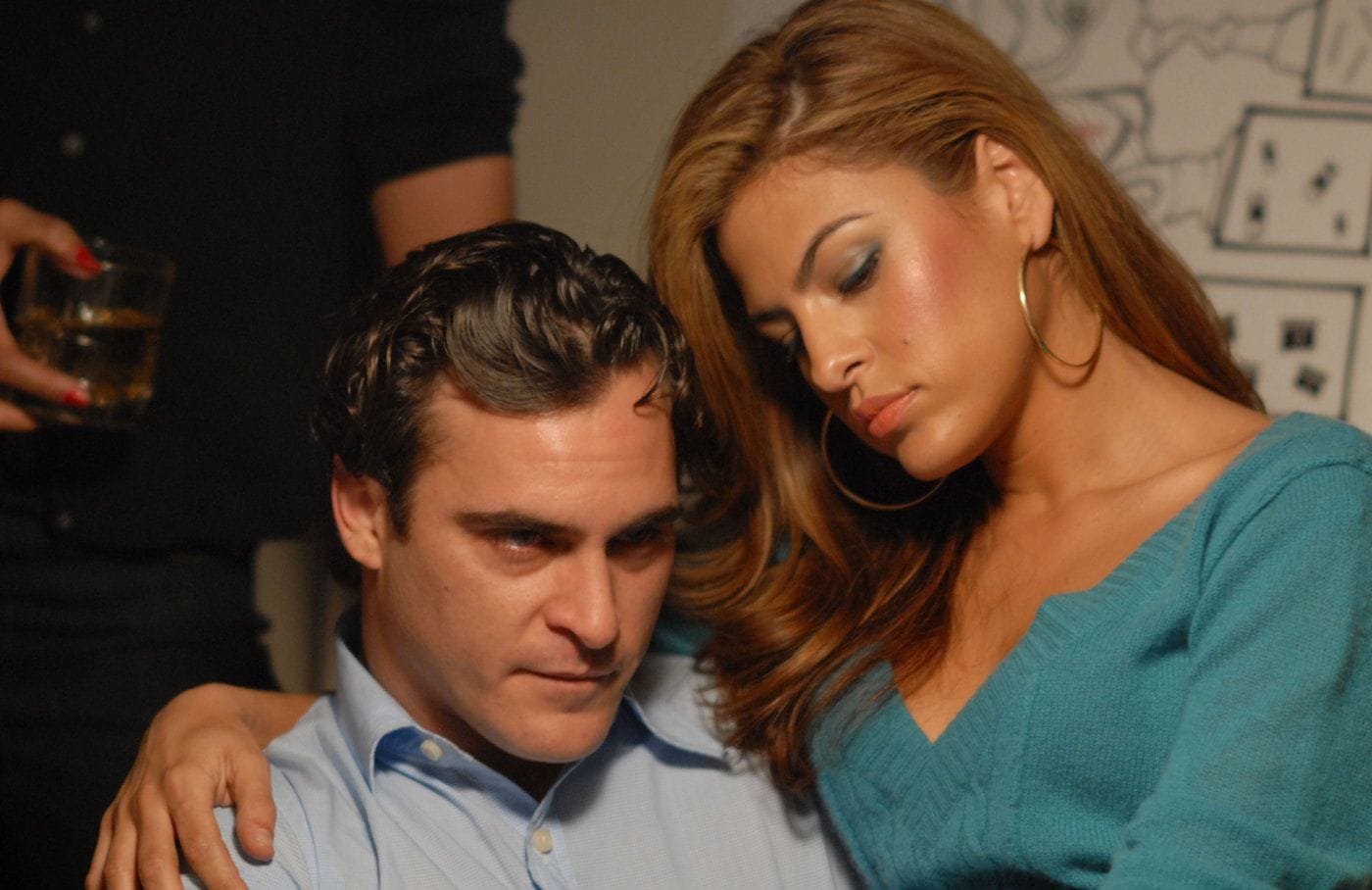
James Gray dramatizes the demoralizing sort of physical and psychic helplessness that was one of Hitchcock’s lifelong themes.

I think I have sufficiently established the ways in which Godard and Tarantino are similar as artists.
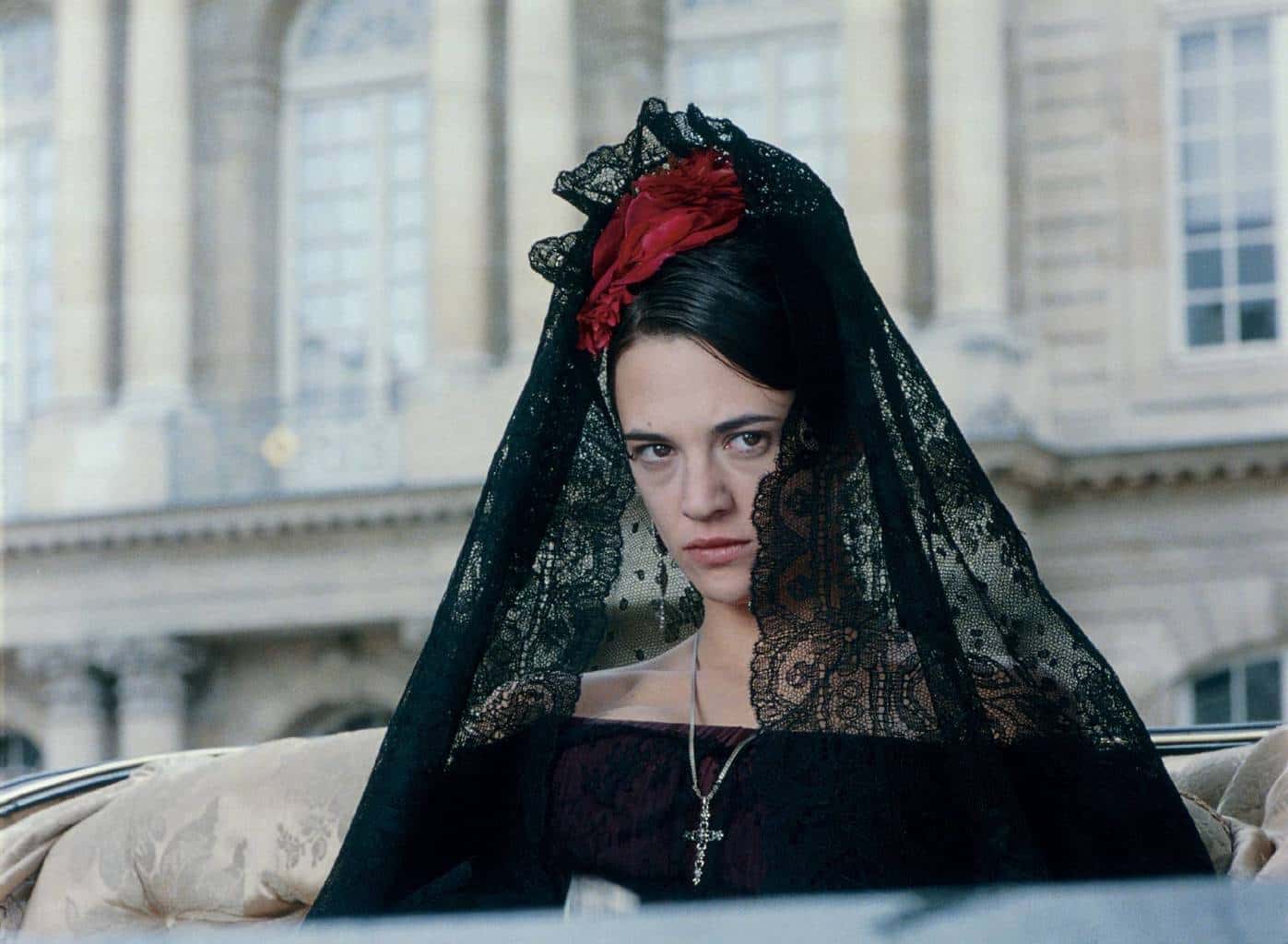
The film proves to be just as engaged with the impossibility of heterosexual relations and the vagaries of desire.
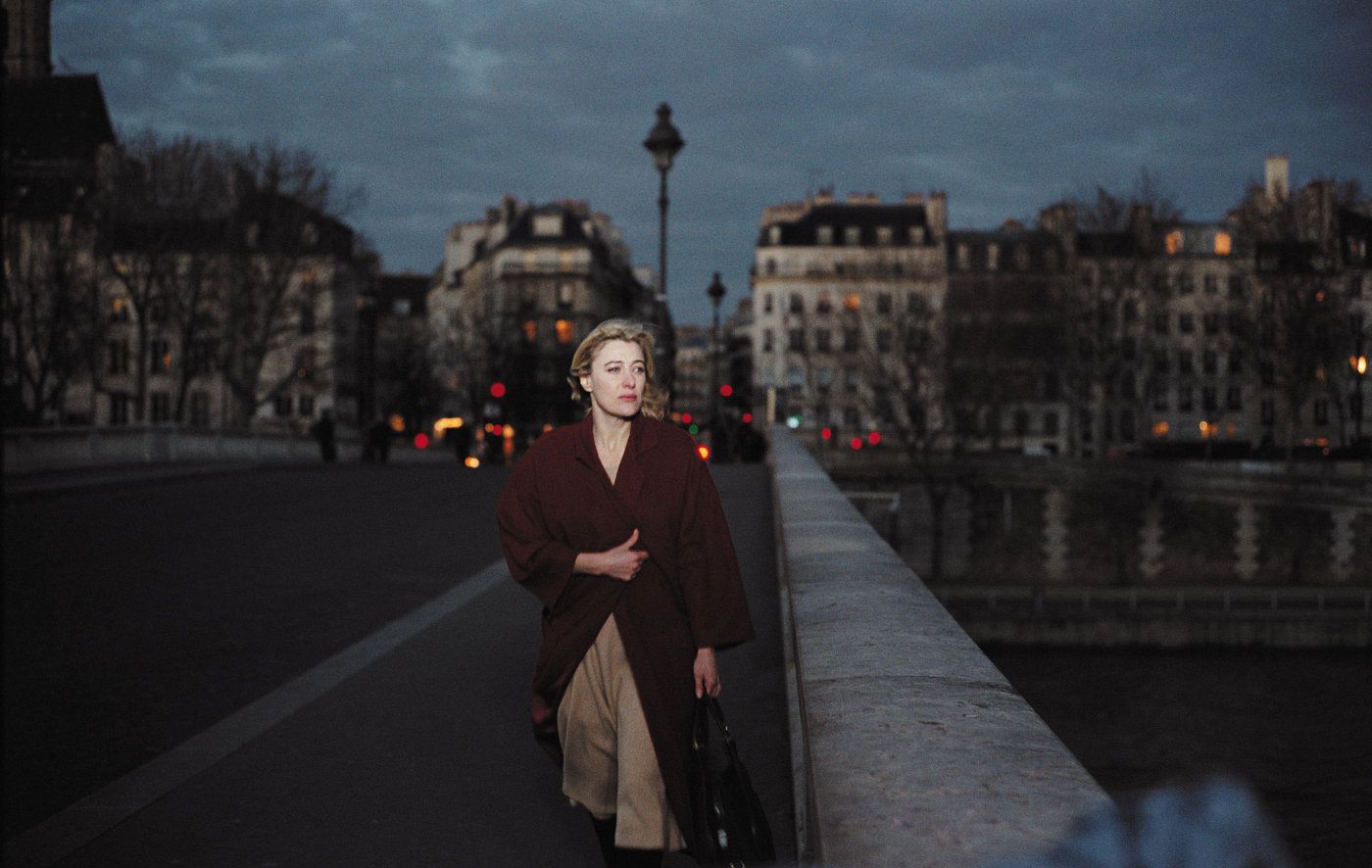
Though lighter on her feet than Jacques Rivette, Valeria Bruni-Tedeschi does not recognize the abstract in the real.
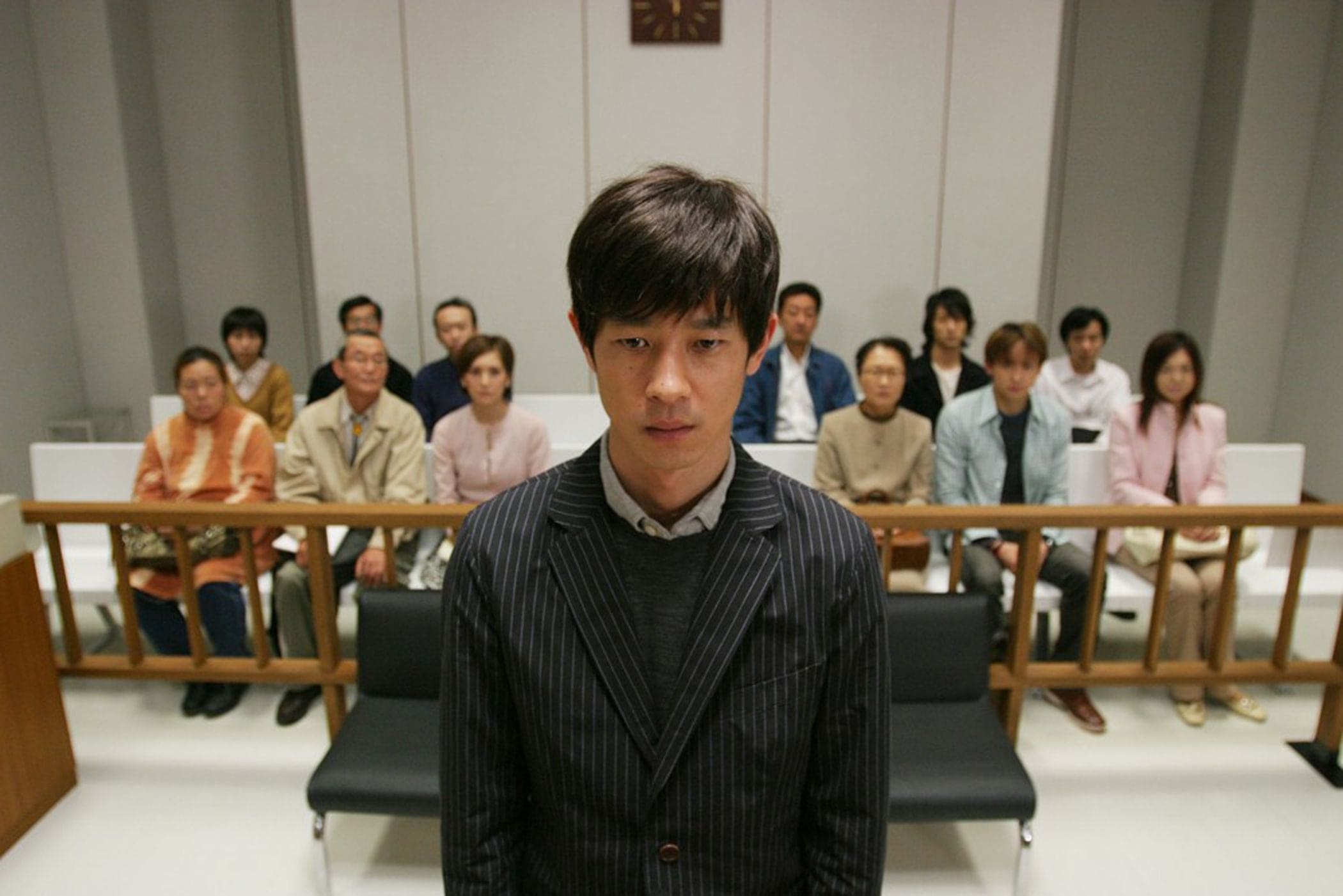
The film is a courtroom procedural, yet one in which the central trial’s outcome is of far less concern than the mechanisms of the Japanese legal system itself.

Ultimately, the broad question I would like to pose is: is Tarantino really a Jean-Luc Godard of the 1990s and today?

Golda’s Balcony is a breathless yet stylistically disconnected mock-autobiography.

The Coens bring a touch of levity to their adaptation of Cormac McCarthy’s bleak novel.

The experience afforded by a collection of this sort demands something of a reexamination of one’s relationship to the medium.