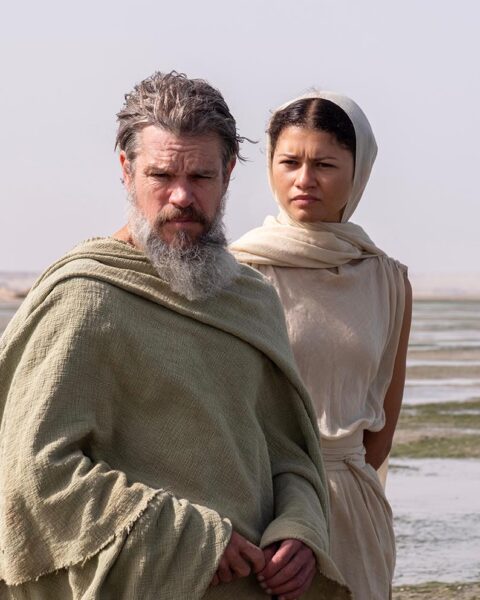
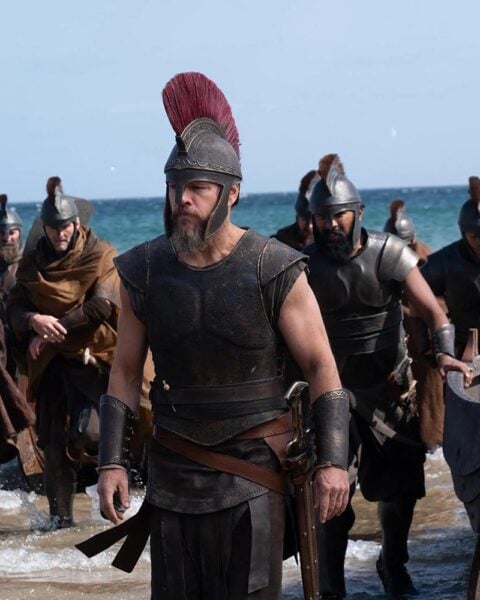
Colony essentially approaches Train to Busan’s setup from a 90-degree angle.


Colony essentially approaches Train to Busan’s setup from a 90-degree angle.

Cheryl Dunye dicusses The Watermelon Woman’s long road to canonization.

Marseille’s contradictions were particularly evident at this year’s FIDMarseille.

Marc Fitoussi’s film works best as a showcase for Laure Calamy’s seriocomic talents.

The film tries quite hard to keep its story in the placid realm of the feel-good.

The film feels like sitting through acting exercises where everyone is giving it 110% every take.

Tyler Spindel’s film shines when it spotlights the committed performances of its cast.

When Dead Reckoning Part One settles into its set pieces or moments of caper comedy, it soars.

Cavalli’s film consecrates a ferocity as refreshing as it is infectious.

Despite Earth Mama’s bleak subject matter, it exudes a beatific warmth.

Joy Ride represents a win for representation, but it never forgets that it’s a comedy first.
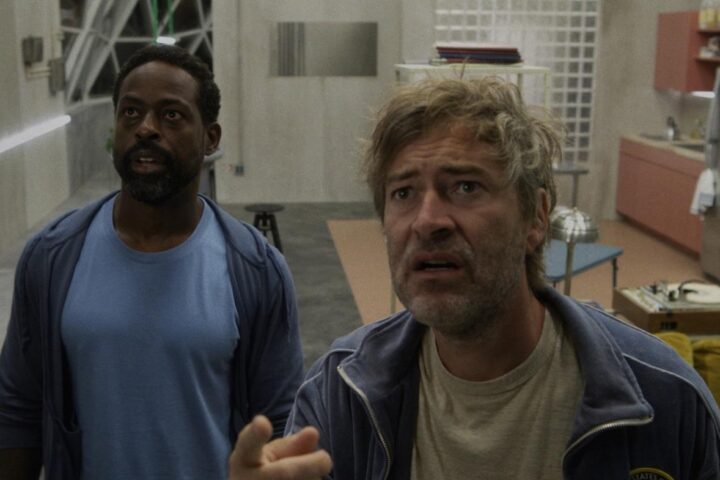
Mel Eslyn’s film is a thoughtful drama about life, gender, and male friendship.

It’s a testament to the cast and filmmakers that The Lesson’s mysteries are worth unraveling.

At its most engrossing, the film vibrantly sketches out the historical roots of the leagues.

The latest from DreamWorks Animation always seems as if it’s trying to find its footing.

These films are, at the very least, a testament to cinema’s enduring importance in navigating tumultuous times.

The film is a timely rumination on the difference between knowledge and information.

Aside from the red stuff, the film is scarcely interested in what’s inside its characters.

The film increasingly gives into the sentimental clichés of the genre that it gleefully mocks.
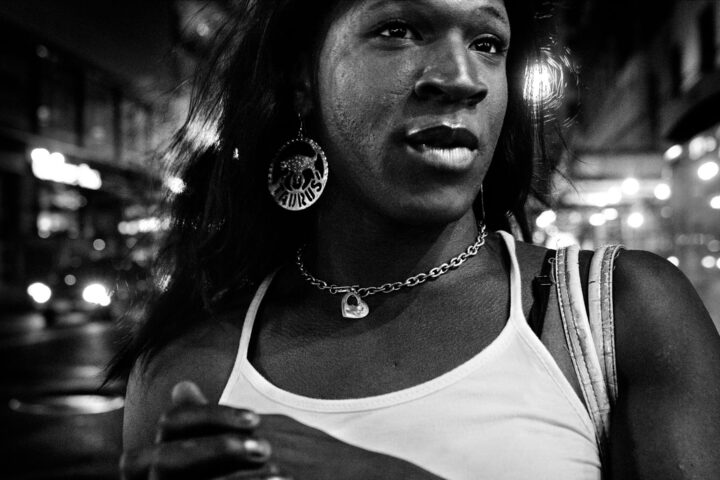
The Stroll is overtly broad, detached, and full of ready-made empowerment rhetoric.

Pier Paolo Pasolini perpetually rebelled against moral hegemony, commiserating with outcasts and creating and dying as one.