

Following the recent end of the Covid-19 public health emergency, 2023 has been a transitional year for most people, signaling a return to some sort of normalcy. But even the so-called “new normal” has left many struggling to keep their bearings in a world that’s changing at an ever-rapid pace. This limbo state is unsurprisingly reflected in some the year’s best films, which catch characters in a state of in-betweenness as they search for everything from social acceptance and professional stability to sexual liberation and emotional restoration.
Just as characters in many of our favorite films of the year so far have found themselves in the midst of some form of metamorphosis, so, too, have filmmakers been discovering new ways of seeing, whether through stylistic innovation or genre reinvention. Our list includes works that have reconfigured what animated and found footage films can accomplish, as well as challenged our preconceived notions of cinematic structure. It even includes one that plunges into the human body, exploring its every nook and cranny as if it were the next new frontier.
If the curtailment of women’s rights in the U.S., the rapid progress of a wide range of A.I. technologies, and Hollywood’s continued devaluation of both film history and the work of screenwriters point to a bleak future, these 20 films are, at the very least, a testament to cinema’s enduring importance in navigating tumultuous times. Derek Smith

Are You There God? It’s Me, Margaret. (Kelly Fremon Craig)
Are You There God? It’s Me, Margaret smartly keeps its story within the novel’s original era, as Margaret Simon (Abby Ryder Fortson) navigates the complexities of tween existence as her life is uprooted when her father’s (Benny Safdie) promotion moves her family from New York City to a sleepy suburban New Jersey town. Writer-director Kelly Fremon Craig allows the film room to wander outside of Margaret’s own subjectivity at key moments, enriching in particular the tribulations of Margaret’s mother (Rachel McAdams), who struggles to settle into her new identity as an unworking housewife doing quiet penance on various PTA committees. By the time it reaches full circle on its summer-to-summer timetable and Margaret finally gets her long-wished-for signal of just how far she’s come in her physical and personal growth, the sense that they genuinely don’t make mass entertainments like this anymore is palpable, and it’s impossible not to feel grateful for its very existence. Eric Henderson

Beau Is Afraid (Ari Aster)
Ari Aster’s Hereditary and Midsommar both use a family tragedy as a catalyst for terror. With Beau Is Afraid, Aster now traces, to more cosmic and absurd ends, how tragedy is birthed by, well, birth itself. There isn’t a moment here that doesn’t feel leftfield, but then the surrealistic trial sequence that closes the film spectacularly pulls its loose threads together. If much of Beau Is Afraid has been about anxiety’s potent ability to overpower one’s imagination, and that imagination’s power to project our internalized fears in ways that feel all too real, this finale is the ultimate culmination of all that plagues Joaquin Phoenix’x Beau . It’s as deeply personal and unsettling a vision as we’ve seen from an American filmmaker in some time—the capstone of an exhausting, wildly inventive cinematic exorcism of personal demons. Smith

Blue Caftan (Maryam Touzani)
Maryam Touzani’s account of an unconventional love story—among a closeted Moroccan tailor, Halim (Saleh Bakri), his wife, Mina (Lubna Azabal), and their new apprentice, Youssef (Ayoub Missioui)—is best experienced by simply wallowing in the lushness of its fabrics, sartorial and symbolic alike, refusing the temptation to unspool its poetic parallels. One of the most fascinating and daring aspects of The Blue Caftan is the role that Touzani gives to the figure of the heterosexual woman in the relationship between men who desire each other despite everything. Mina, who’s terminally ill, and whose pain is precisely located on her back, works at once as a repressive agent and a facilitator of Halim and Youssef’s desire. Throughout, her closeness to pain and death—her agony so intense that she takes morphine for it—seems to undo her buttons, her initial possessiveness giving in to a kind of queer hospitality. Diego Semerene
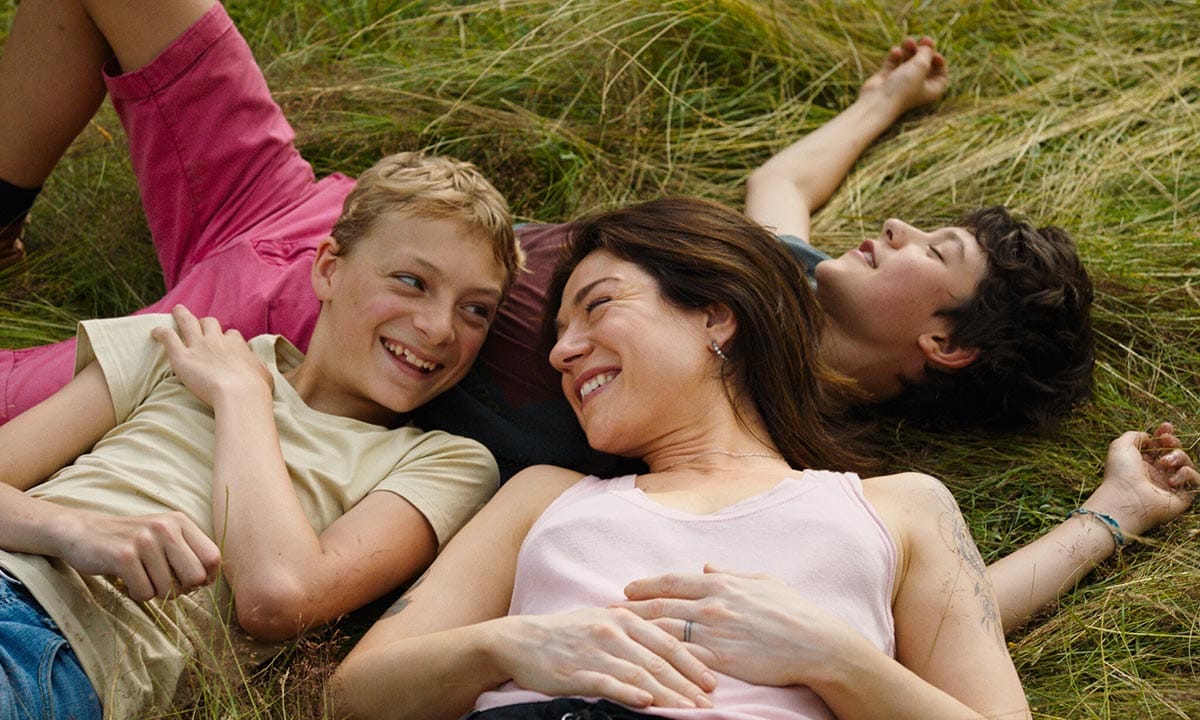
Close (Lukas Dhont)
Lukas Dhont’s Close isn’t so much a film about queer children as it is about the queerness of childhood. Which is to say, the erotic ambivalences and unmanageable feelings that structure children’s lives and which adults work so hard to punish or ignore. The film offers a window into the wonders, the limits, and the resilience of a Nordic approach to life, and child-rearing in particular, which is much more rooted in trusting children than “protecting” them. In that sense, it recalls Marieke Lucas Rijneveld’s novel The Discomfort of Evening, where a child deals with the horrors and pleasures of existence, nourishing an overwhelming closeness to the earth and to parents who are at once always and never there. The film reminds us that a pedagogy centered around a child’s freedom is possible—that for a parent’s love to really be unconditional, it’s the parent that should listen to, and learn from, the child. But, also, that any coming of age is a risky business where finitude and mourning are the only guarantees. Semerene

De Humani Corporis Fabrica (Lucien Castaing-Taylor & Véréna Paravel)
An exhausting, terrifying, and at times blackly funny depiction of the French hospital system, Lucien Castaing-Taylor and Véréna Paravel’s De Humani Corporis Fabrica offers an anthology of brutally invasive medical procedures, from an eyeball being sliced during a lens transplant, to a urethra being jackhammered by a drill that’s positioned, we’re told, to the “Kalashnikov setting.” If that sounds like a stomach-churning proposition, make no mistake, the film is often pretty-tough sledding. However, it never seems to be rubbing our noses in gore just for the hell of it. Rather, suggestive of its namesake, Andreas Vesalius’s groundbreaking 16th-century anatomical study, De Humani Corporis Fabrica evinces a kind of pre-modern wonder in cataloging the remarkable diversity of the human corpus. Using microscopic cameras, the filmmakers plumb the deepest, darkest depths of our interiors, traveling through veins and intestines and into blood-filled surgical incisions with a hypnotic wonder that suggests Richard Fleischer’s Fantastic Voyage by way of Stanley Kubrick’s 2001: A Space Odyssey. Keith Watson
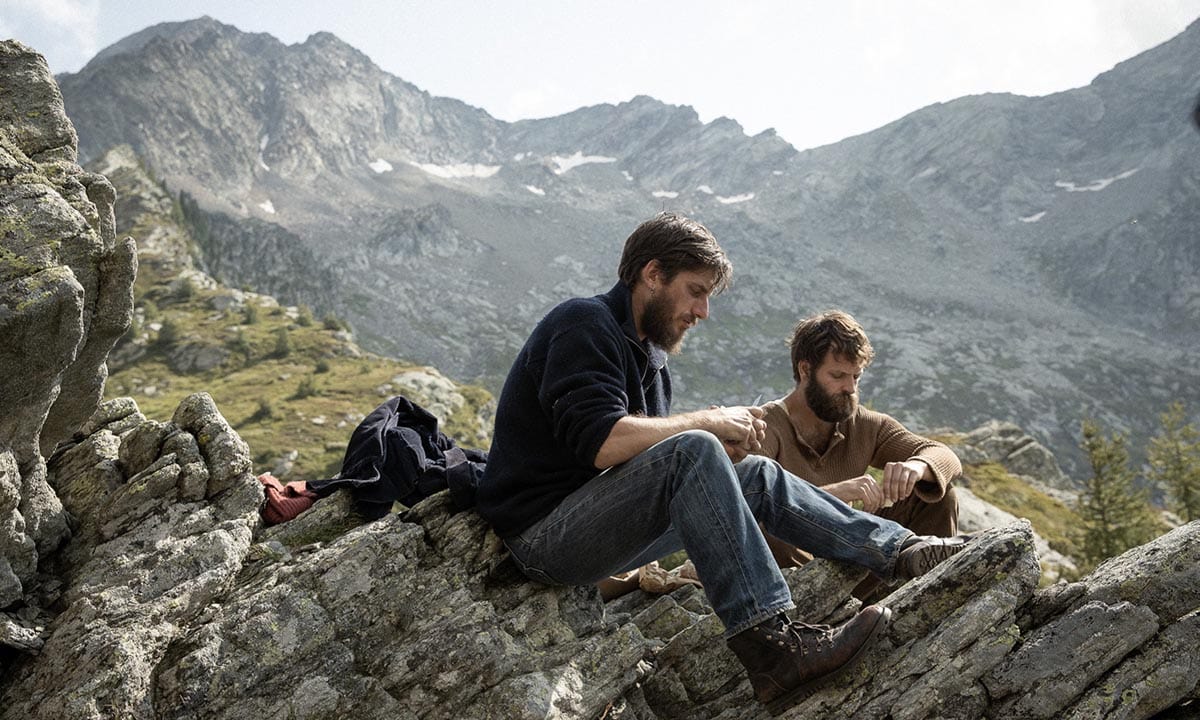
Eight Mountains (Felix Van Groeningen & Charlotte Vandermeersch)
Felix van Groeningen and Charlotte Vandermeersch’s The Eight Mountains, which charts the ups and downs of the friendship between Pietro and Bruno (played as adults by Luca Marinelli and Alessandro Borghi), touches on themes of class division, memory and regret, and people’s relationship to the land across its nearly two-and-a-half hours. It’s a vision of the Empyrean that sneaks up on you, proving to be more than the sum of its disparate, photogenic parts. This is a beautiful and provocative story about a profoundly rooted friendship, and one that’s obsessed with the consequences of living freely and asking us to consider that which we leave behind in the pursuit of personal enlightenment. Though the film relies at times on melancholy songs with obvious lyrics to underscore its points—about people’s connections to place, the privilege of choice when it comes to the world opening itself to us—its lyrical images by and large speak for themselves. Rich in novelistic detail and lucid in its realism, the film is a meditative, slow crescendo of wounded feelings and quiet epiphanies. Greg Nussen
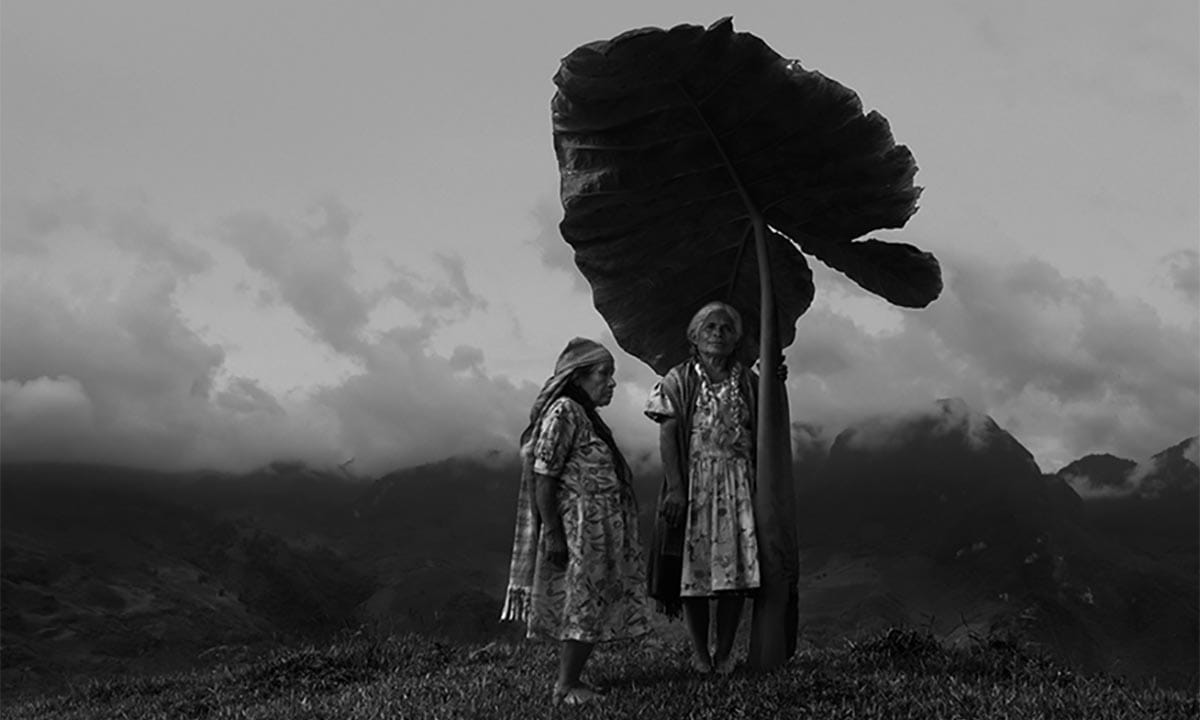
Gods of Mexico (Helmut Dosantos)
Central to Helmut Dosantos’s documentary Gods of Mexico is the tension between geological, mythic, and historical time. As announced in its subtitle, the film aims to present “a portrait of a nation through its lands and peoples.” To realize this integrative vision of the interplay between human beings and their environment, Dosantos borrows as much from the static mediums of landscape and portraiture photography as he does from the moving image. The result is as captivating as it is formally invigorating. If Gods of Mexico harkens back to certain traditions of visual representation, Donsantos’s counterintuitive recombination of what would seem to be mutually exclusive inspirations, each with its own temporal framework, allows him to offer for our contemplation a vision uniquely his own. Without the need for explanation, argument, even music, the powers of the moving and static image interfuse in this arresting document of Mexico’s ethnogeographic multiplicity—a layering of temporalities that, despite being at odds with one other, are nevertheless coeval. William Repass
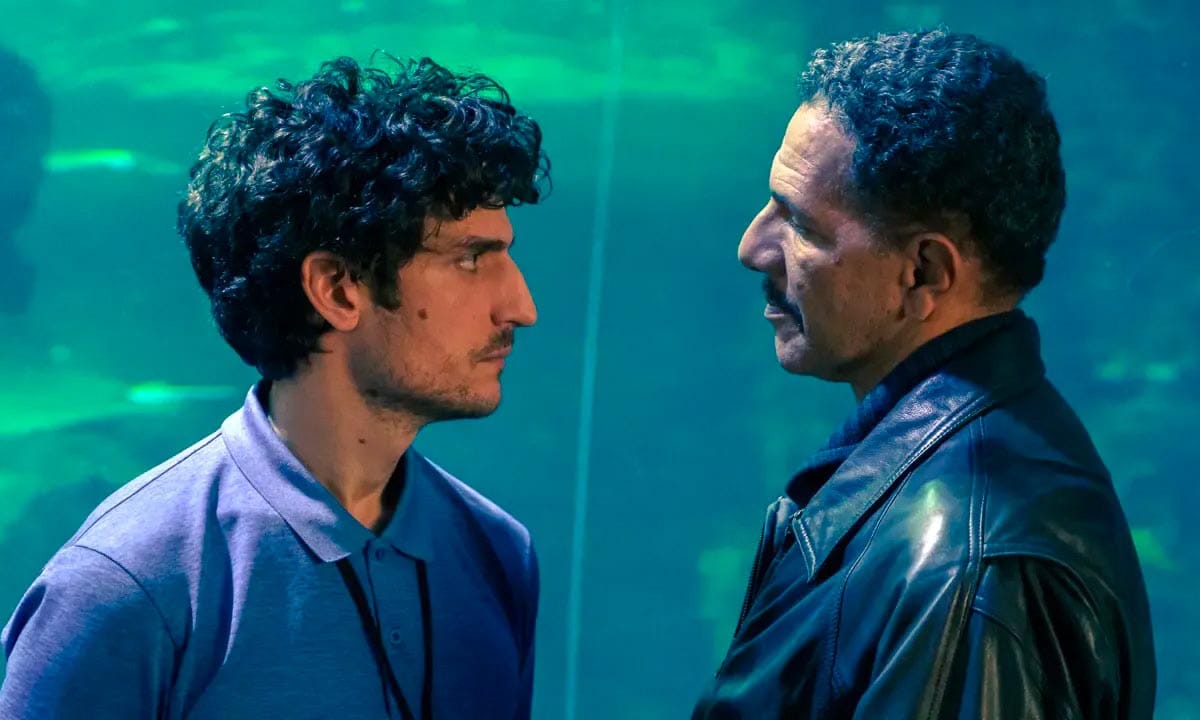
The Innocent (Louis Garrel)
Role-playing, theatricality, and slippery love quadrangles. It’s safe to say that Louis Garrel’s The Innocent, with its story of knotty love and escalating bouts of petty thievery, is his strongest to date, and by a considerable margin. Individual characters are bathed in their own distinctly muted neon hue, as if existing in a comedic French version of Sin City. These and other cinematic flourishes infuse the breezy romance with the Hitchcockian tension of a cat-and-mouse caper. Who is the innocent of the film’s title? In lieu of the narrative complexity of a traditional heist film, Garrel focuses on the cosmic complications of multiple characters stumbling toward self-betterment. As lies and truths unravel, with unspoken feelings coming to the fore and changing perspectives, the characters flip from victim to criminal, from friend to lover, from imprisoned to liberated and back again. The innocent, it turns out, isn’t a single character but the person inside us all, playing at the version of ourselves we’d rather be. Nussen
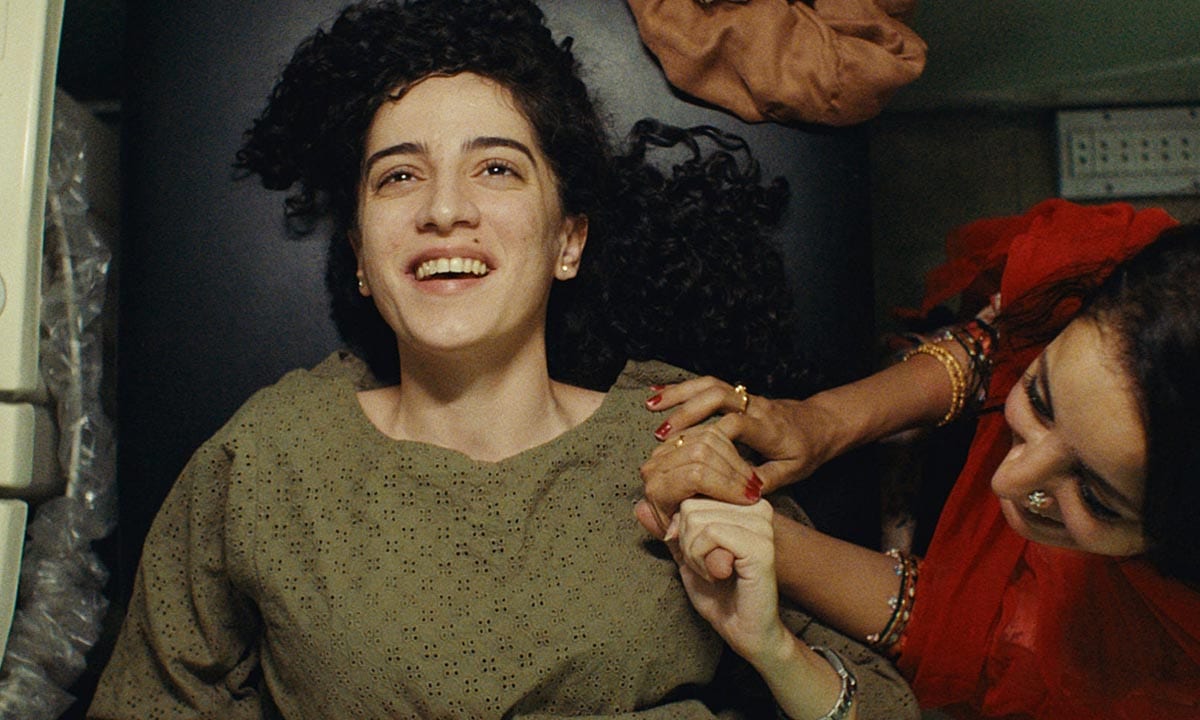
Joyland (Saim Sadiq)
At the heart of Joyland are two intersecting love stories, both queer in entirely different ways. First there’s the one between Haider (Ali Junejo) and his wife, Mumtaz (Rasti Farooq), which is full of reciprocity and tenderness, and serves as a quiet act of defiance in a Pakistan where men and women must be oppositional cogs in the machinery of the heterosexual family. Then there’s the one that Haider stumbles upon when me meets Biba (Alina Khan), a feisty trans woman and erotic dancer who, like so many, is stuck between courting and rebuking the very male gaze that makes trans life unlivable. The film could have easily given way to a reparative, albeit implausible, happy ending. But Joyland’s dignity is in its commitment to realism. Love between straight men and trans women is impossible, the film seems to be saying. But at least cinema has finally captured the magical instance when a straight man is so enthralled by a trans woman that he convinces himself he could romantically commit to her. Semerene

The Outwaters (Robbie Banfitch)
Audiences are often driven to zone out during the early portions of found-footage films, which are often composed of ad-libbed banalities that will eventually be paid off with a fleeting glimpse of a forgettable big bad. Early on in Robbie Banfitch’s The Outwaters, it’s clear that something else is going on, though, and it gets your anxiety coursing. The film’s juxtaposition of images and sounds is insidiously purposeful, steeling the viewer for what may lie ahead. Yes, the camera seesaws all over the place and sounds drift in and out of the mix while characters set up selfies and prattle on arbitrarily, but the film’s images are vivid and beautiful, and the inconsistent sound quality constantly underscores the disconnection between the main characters. Banfitch isn’t an amateur trying to pass himself off as a pro but rather the opposite: a filmmaker with surgical precision, using found-footage aesthetics to lull you into a complacent trance. He’s an alligator with eyes just above the surface of the water, waiting to strike. Chuck Bowen
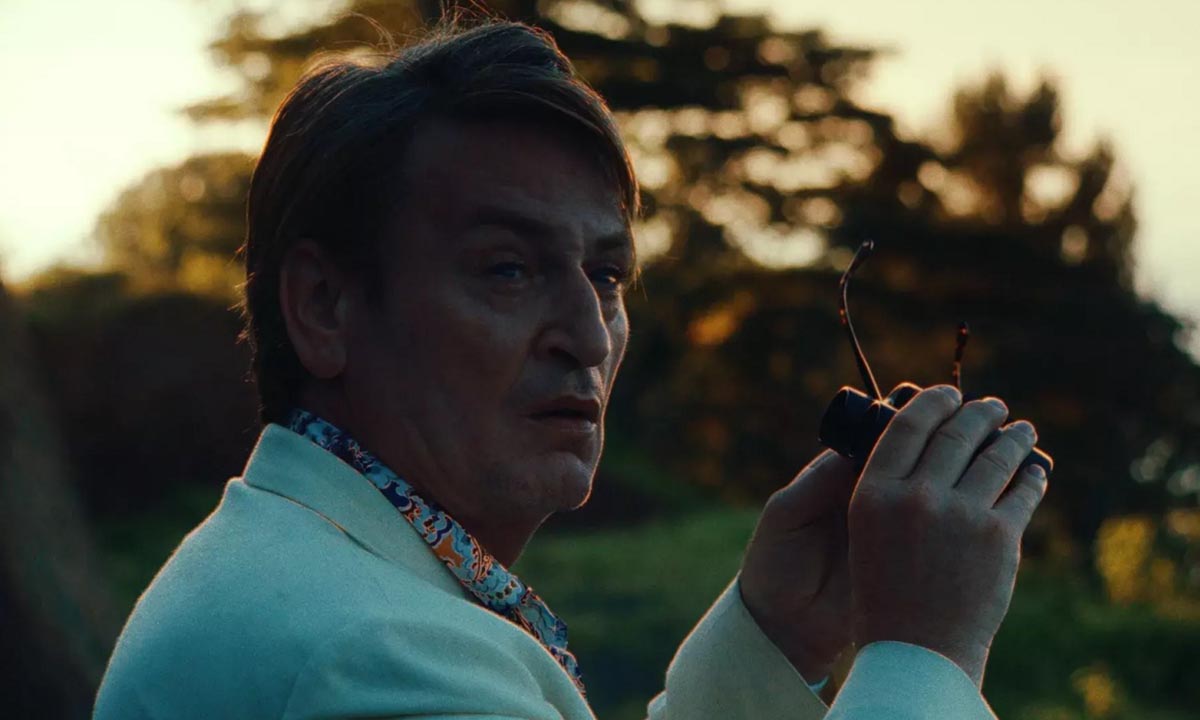
Pacifiction (Albert Serra)
Albert Serra’s recent historical works have been fixated on power and decadence, so it’s only natural that the filmmaker would have found his way eventually to the modern world and its corrupt geopolitical landscape. Pacifiction trades the 17th-century France of Serra’s last two features for a Polynesian island buckling under rumors of malign influence from Russia, China, and the U.S. The lethargy that pervades the post-colonialist setting is no doubt inspired by Joseph Conrad, perhaps even Chantal Akerman’s adaptation of the writer’s work in Almayer’s Folly, but Serra’s examination of a Polynesian tourist is rooted less in the political specifics of the region than in a broader feeling of contemporary malaise. As doom and gloom mounts around his outpost and none of his usual methods of outreach yield any satisfying solutions, De Roller (Benoît Magimel) becomes an increasingly sympathetic figure, his growing recognition of his own impotence registering as an identifiable symptom of modern life. Carson Lund
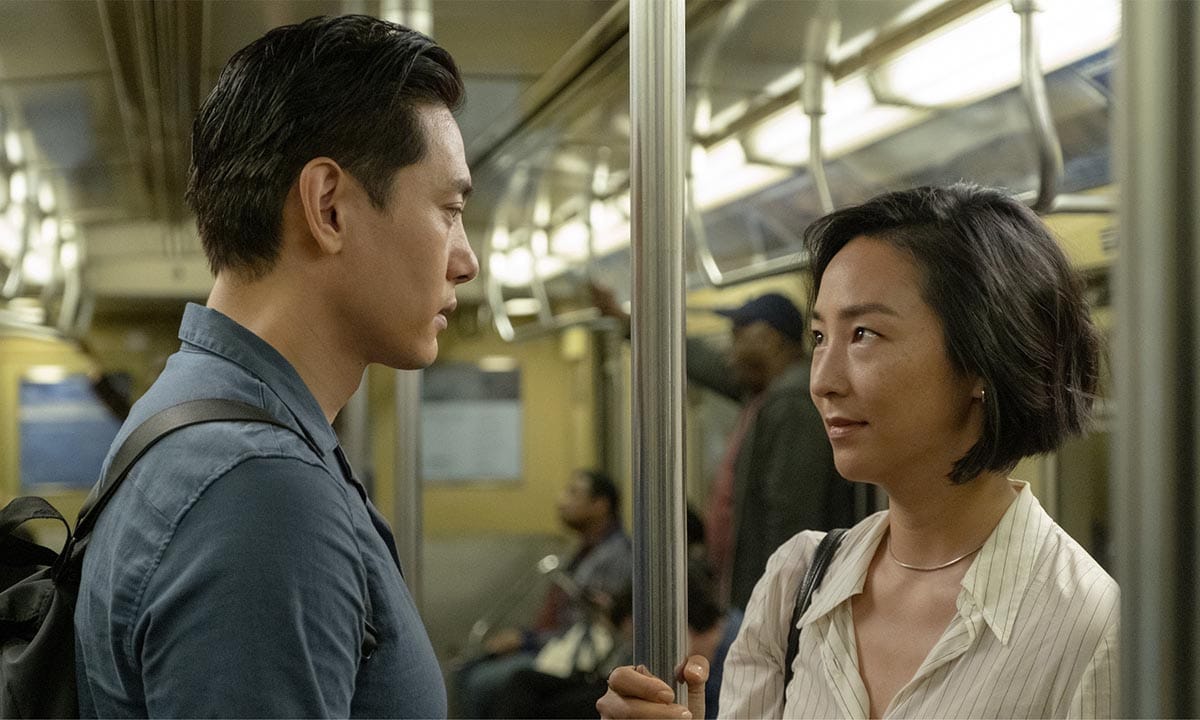
Past Lives (Celine Song)
Narrative can subvert time’s linearity, allowing us to represent past moments to ourselves in order to figure out their meaning in our lives. Thus the narrative of Celine Song’s quietly philosophical debut feature hinges on a moment that repeats: a conversation at a New York bar between a woman (Greta Lee), her husband (John Magaro), and her childhood crush (Teo Yoo), and Arthur (John Magaro), who’s finally arrived to visit her in New York after 24 years. Past Lives’s approach to story also feels rooted in Buddhism, given how it builds profundity out of ordinariness and simplicity. It’s a story about accepting that the branching of a timeline isn’t reversible—a motif that, as Everything Everywhere All at Once showed, resonates not just with the experience of lost love but also with that of immigration. Diverging from romances in which lovers are expected to move heaven, earth, and themselves in order to make a moment of love last forever, Past Lives asks us to embrace the changes that come with time. Pat Brown
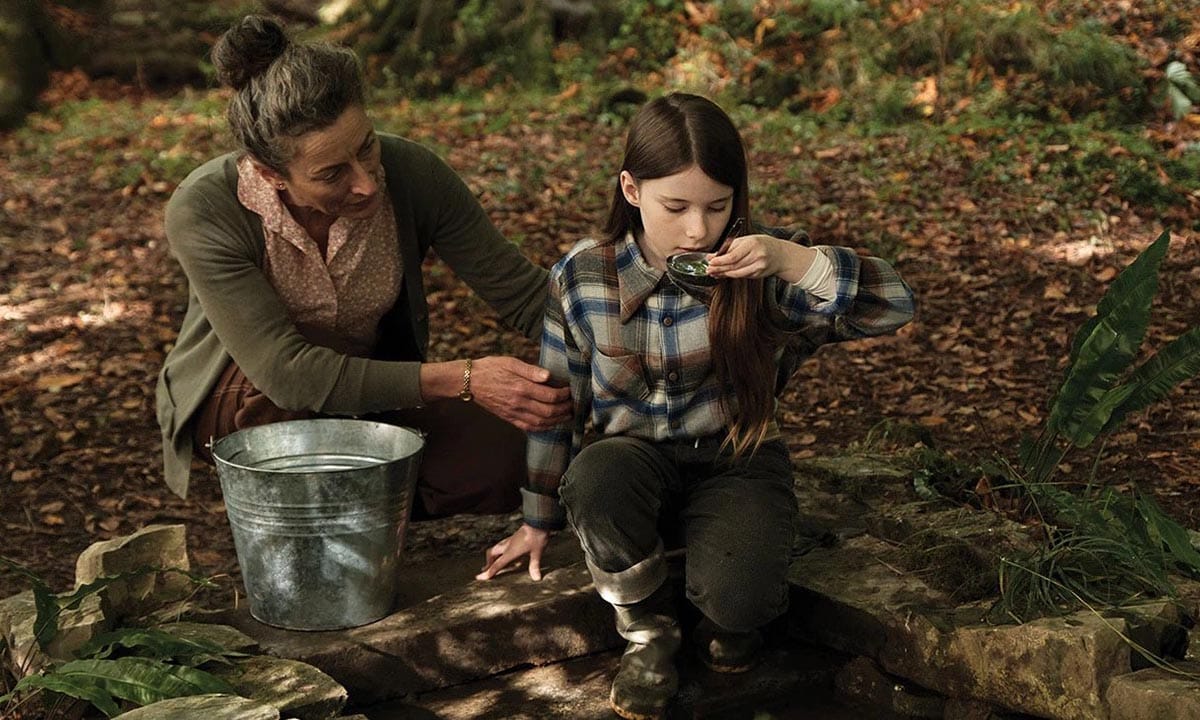
The Quiet Girl (Colm Bairéad)
The Quiet Girl’s approach to storytelling reflects young Cáit’s (Catherine Clinch) avoidant tendencies, which isn’t to say that writer-director Colm Bairéad keeps us at an emotional remove from the events of the story. If the film, set in 1980s Ireland, is a work of rapturous emotional depth, it’s because of its reserved qualities rather than in spite of them. In keying itself to Cáit’s reserved, observational nature, Bairéad ably and realistically captures the way in which people don’t always say what they mean or explain things neatly and sequentially. Apart from a few muttered asides and unnecessary flashbacks, The Quiet Girl operates in a reserved mode throughout its running time. This isn’t a film that makes room for stirring speeches or easy shorthand. Consistently observational and perceptive about how scars are left behind, The Quiet Girl earns its most emotionally powerful scenes because of the way that it so gracefully convinces us that it wasn’t even building toward them in the first place. Steven Scaife
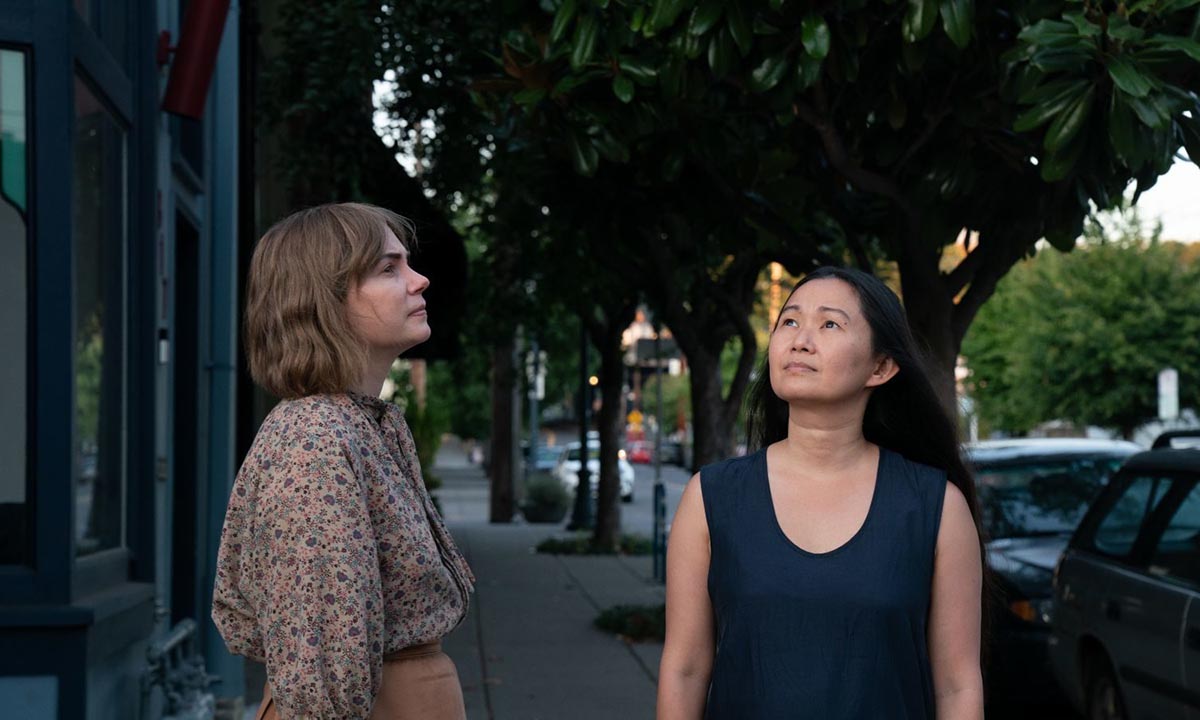
Showing Up (Kelly Reichardt)
Kelly Reichardt’s films, across genres and period settings, have negotiated the required capital for even the most modest means of day-to-day survival—to the point where returning to a more superficially low-stakes milieu is like a jolt. Reichardt’s latest, Showing Up, drifts freely through a Portland art school and its surrounding community, though at its center is a sculptor, Lizzie (Michelle Williams), who’s finishing a series of figures for a gallery show. Lizzie is a fount of frustration, as her peers seem to garner more success and gain stability without even working half as hard as she does. Refreshingly, there are no arbiters of success in sight—no gallery owners, no critics—so the show is an isolated and tangible goal of self-actualization in and of itself. Deftly, Showing Up leaves unresolved the familial, creative, professional, and interpersonal matters at its core, staying true to its vision of an artistic environment perpetually caught between modest comfort and precariousness. Patrick Preziosi
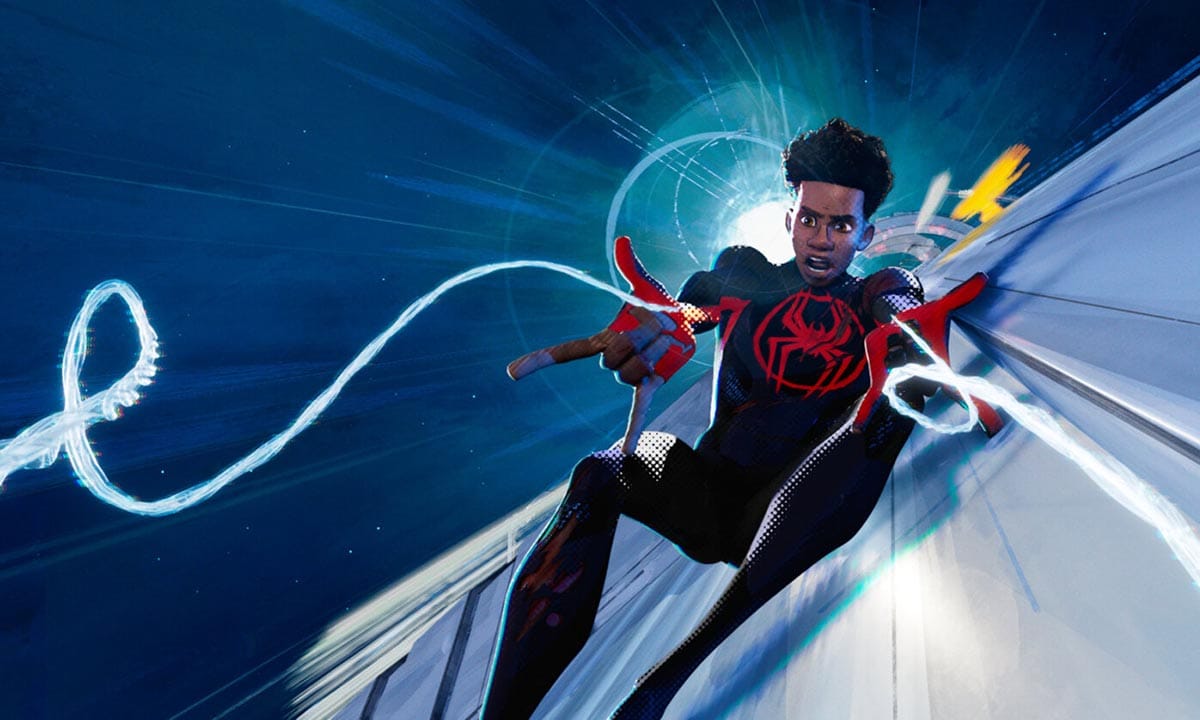
Spider-Man: Across the Spider-Verse (Joaquim Dos Santos, Justin K. Thompson, & Kemp Powers)
Stretching across six alternate universes, each with its own distinct animation style and tone, Spider-Man: Across the Spider-Verse takes the already staggering visual achievements of its predecessor and one-ups them. The fluid, watercolor-infused universe of Gwen Stacy (Hailee Stenfield) ultimately gives way to the 1950s pointillist pop art inflections of protagonist Miles Morales’s (Shameik Moore) world, with ample time left over to crisscross and loop back through the vibrant chaos of Mumbattan (a mashup of Mumbai and Manhattan) and a futuristic London, where the pair team up with the gleefully narcissistic Indian Spider-man Pavitr Prabhakar (Karan Soni) and the nihilistic, guitar-wielding punk Hobie (Daniel Kaluuya). The film proves the exception to the rule of the rapidly diminishing returns of Marvel’s live-action releases, achieving the rarest of feats of any tentpole Hollywood release: gleefully matching exhilarating stylistic experimentation with a multi-tiered narrative of equal ambition. Smith
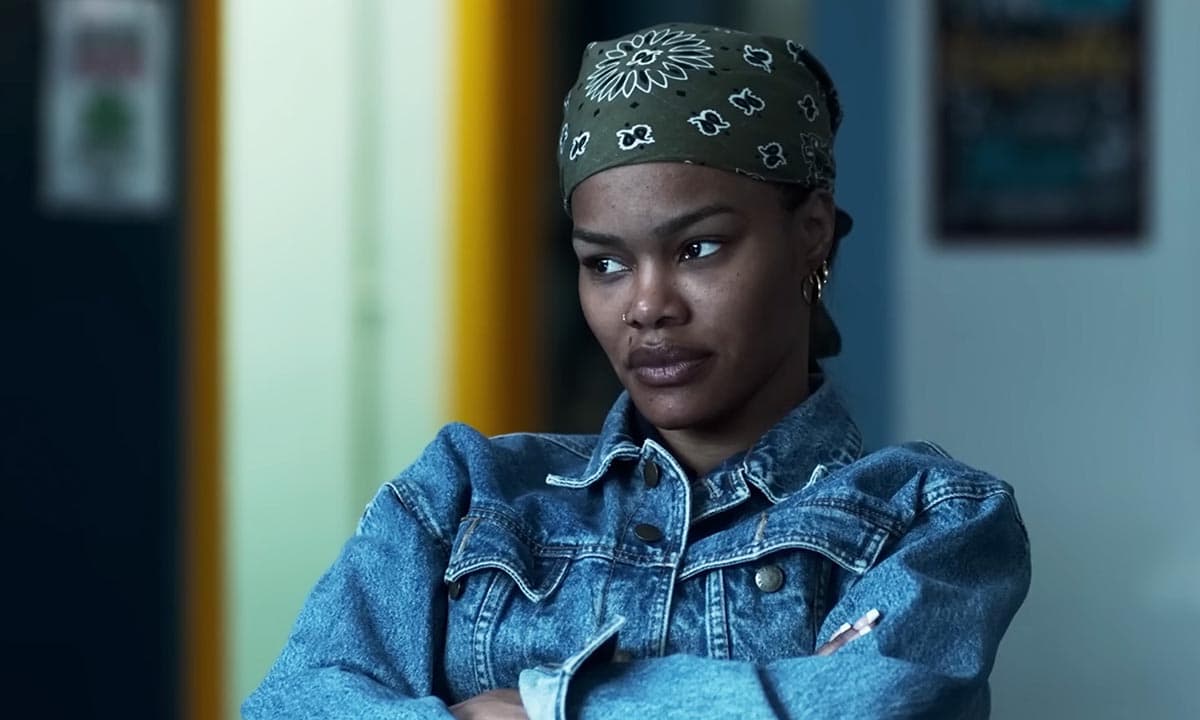
A Thousand and One (A.V. Rockwell)
A.V. Rockwell’s A Thousand and One sets out to grittily and vigilantly probe the harsh realities of keeping a family safe and together in a part of New York where social and political structures are, at best, indifferent to its residents, and, at worst, actively seeking to rip families apart. The film remains attuned to the complex and often contradictory workings of race in this country. It’s certainly the primary reason that Inez (Teyana Taylor) has grown so fiercely protective of her son, cordoning him and herself off from the very institutions supposedly designed to help them. And with her stellar, star-making performance, Taylor richly embodies all of Inez’s own contradictions, as well as her deep-seated anger, love, and frustrations with the struggles she faces. Through both the strength of this central performance, and the film’s dynamic depiction of a vibrant community, this poignant, perceptive, and emotionally knotty film brims with authenticity and the electrifying emotional intensity of the best melodramas. Smith
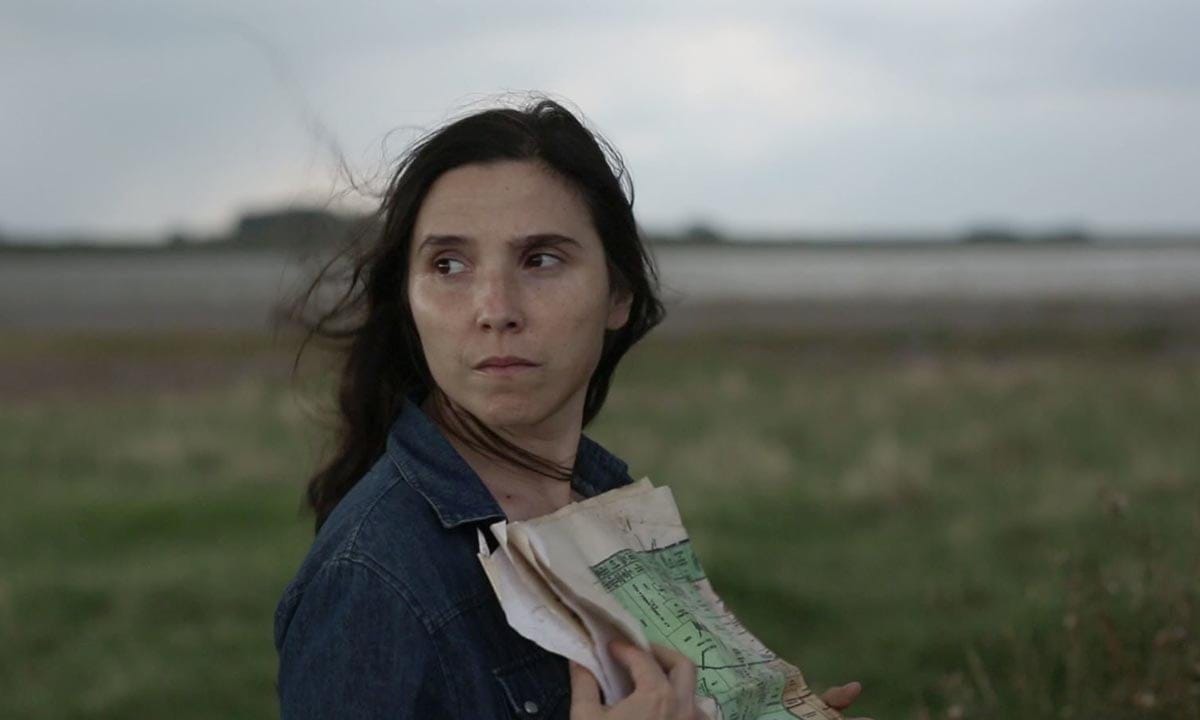
Trenque Lauquen (Laura Citarella)
Laura Citarella’s Trenque Lauquen is divided into two films and a total of 12 chapters, a literary conceit that’s not foreign to Argentine cinema. Indeed, even those unfamiliar with her earlier directorial efforts may know her as an actor in Mariano Llinás’s Extraordinary Stories and La Flor. Citarella’s new film operates along similarly Borgesian rhythms as Llinás’s opuses, introducing a basic story outline from which new narratives emerge like the parts of a matryoshka doll. A biologist, Laura (Laura Paredes), suddenly disappears, prompting an investigation that, hydra-like, raises three new questions for each that it answers. The substance of each mystery that compels Laura is ultimately less important than the allure of chasing down answers and only finding more questions. Many artists have taken similarly postmodern notions of an impossible truth into realms of despair and madness, but Citarella emphasizes the liberating quality of following the rabbit hole as deep as it goes, of losing oneself as the catalyst for realizing no one has a set, permanent self to lose in the first place. Jake Cole
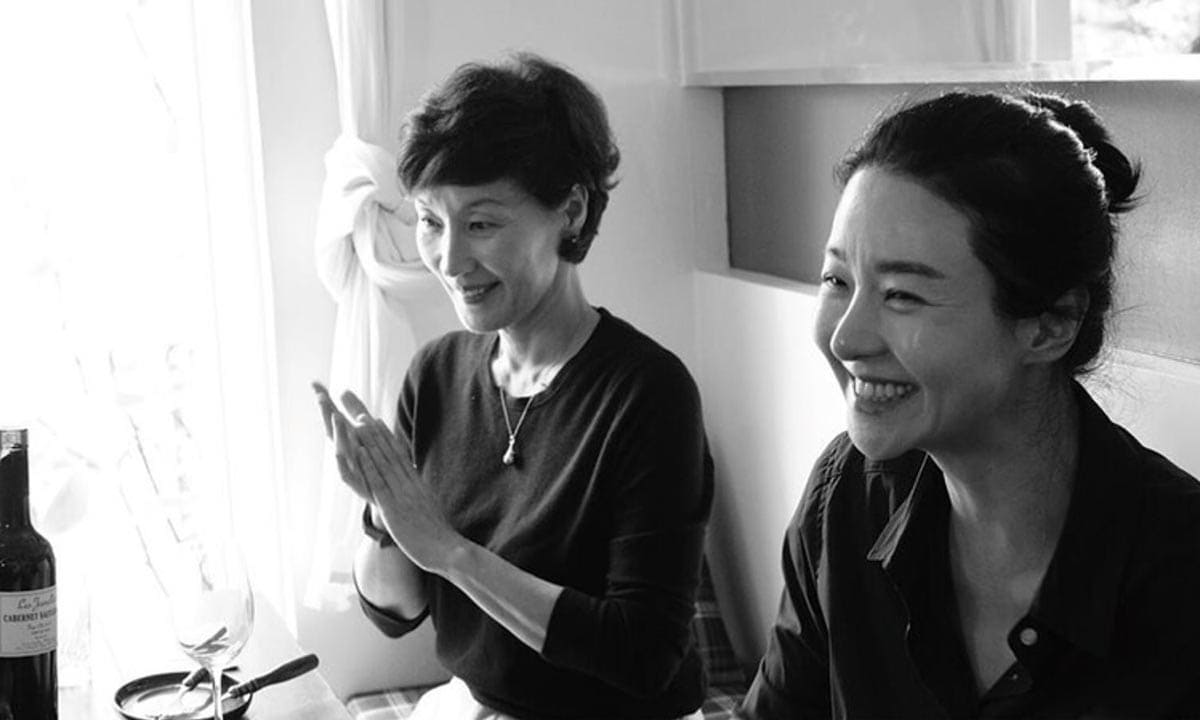
Walk Up (Hong Sang-soo)
The high concept of Hong Sang-soo’s Walk Up is that a filmmaker, Byung-soo (Kwon Hae-hyo), goes to visit a friend, Ms. Kim (Lee Hye-Young), at the building where she lives, parts of which she rents out. Each section of the building represents a different element of life, and collectively the building evokes the pull between expression, commerce, and responsibility that any artist, whether struggling, successful, or aspiring, must navigate. Byung-soo arrives at this building on a virtual whim and spends a significant portion of his life there, though Hong, characteristically dividing his film into segments and employing ellipses, boils years down to a few afternoons. Rainer Werner Fassbinder, who was as prolific as Hong, famously said that he was building a house with his filmography; so is Hong, and in Walk Up he literalizes the metaphor, offering a house as a physical synecdoche of the emotions and challenges involved in the drive to create, whether it’s art, food, or the very domestic realms themselves. Bowen
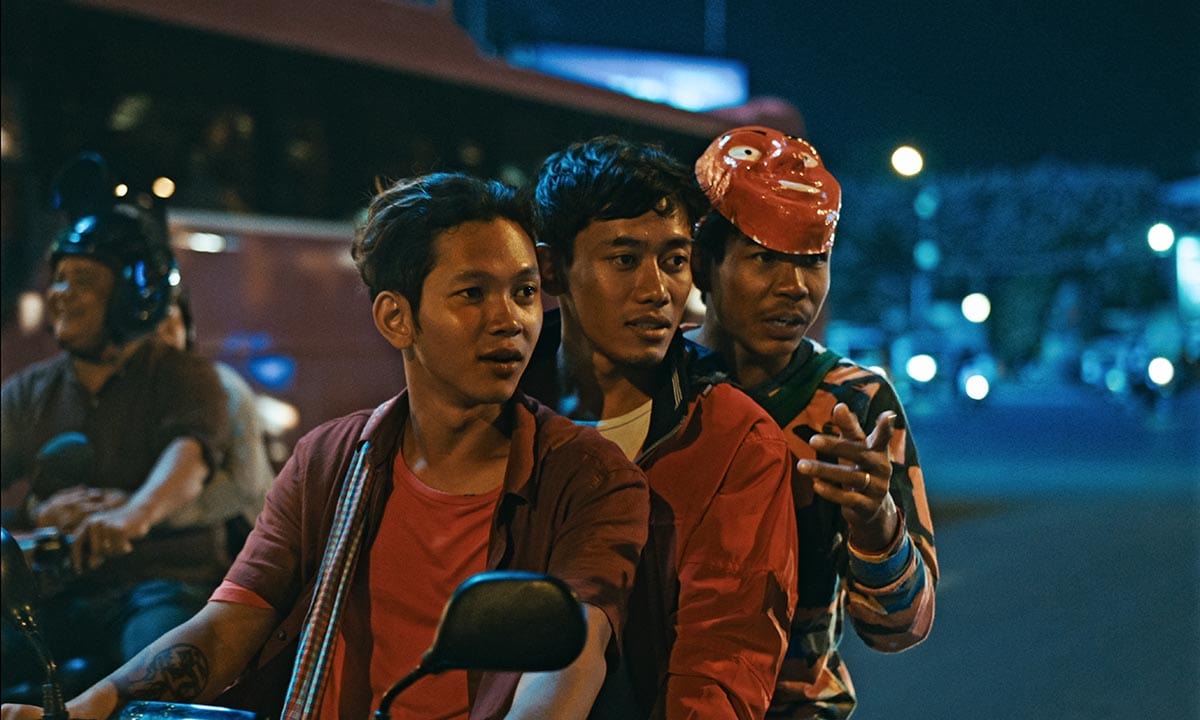
White Building (Kavich Neang)
Anxieties about displacement hang over Kavich Neang’s elliptical White Building like a dark cloud. But in the first of the film’s three segments, “Blessings,” these concerns are pushed to the background as Neang follows the exploits of one of the titular building’s residents, Nang (Piseth Chhun). The determined 20-year-old spends his days practicing dance routines with friends Tol (Sovann Tho) and Ah Kha (Chinnaro Soem), and his nights moving ebulliently through Phnom Penh’s neon-drench streets on his beaten-down scooter, hitting on girls, and dancing to earn some cash. The depiction of the friends’ humorous and tender relationship establishes the film’s emotional pulse, offering insight into the mindsets of some of the building’s younger residents. And it’s Nang’s bright-eyed optimism that makes the seemingly inevitable misfortunes that strike his family, and many others like them, sting that much more. Smith

Winter Boy (Christophe Honoré)
Christophe Honoré’s Winter Boy sees grief as an emotional state that constantly rises and recedes, disrupting the flow and morphing the meaning of everyday experience. The film’s main focus is 17-year-old son, Lucas (Paul Kircher), who’s the same age that Honoré was when his father died, and who faces the aftermath of this loss with his mother, Isabelle (Juliette Binoche), and older brother, Quentin (Vincent Lacoste). Where Isabelle and Quentin are more honest in grappling with their emotional trauma, Lucas not only hides his pain behind a smiley mask, but also uses his loss as a catalyst to further explore his burgeoning queer sexuality in both productive and destructive ways. Winter Boy sees Lucas’s pushing of boundaries as not merely an expression of emotional agony. It’s also part and parcel of a healing process that’s separate from his family unit. In homing in on grief’s entanglement with nascent desire within human experience, Honoré mutates a familiar formula in fresh and provocative ways. Smith
Since 2001, we've brought you uncompromising, candid takes on the world of film, music, television, video games, theater, and more. Independently owned and operated publications like Slant have been hit hard in recent years, but we’re committed to keeping our content free and accessible—meaning no paywalls or fees.
If you like what we do, please consider subscribing to our Patreon or making a donation.


I should like to know how one can view these films. Are they in USA release? Are they streaming? If so, on what platform?
Many of them are available on Amazon, Apple, YouTube, and Vudu. Winter Boy is Mubi exclusive. Some are not yet available to stream.